
What Time of Day Is Best for Whale Watching?
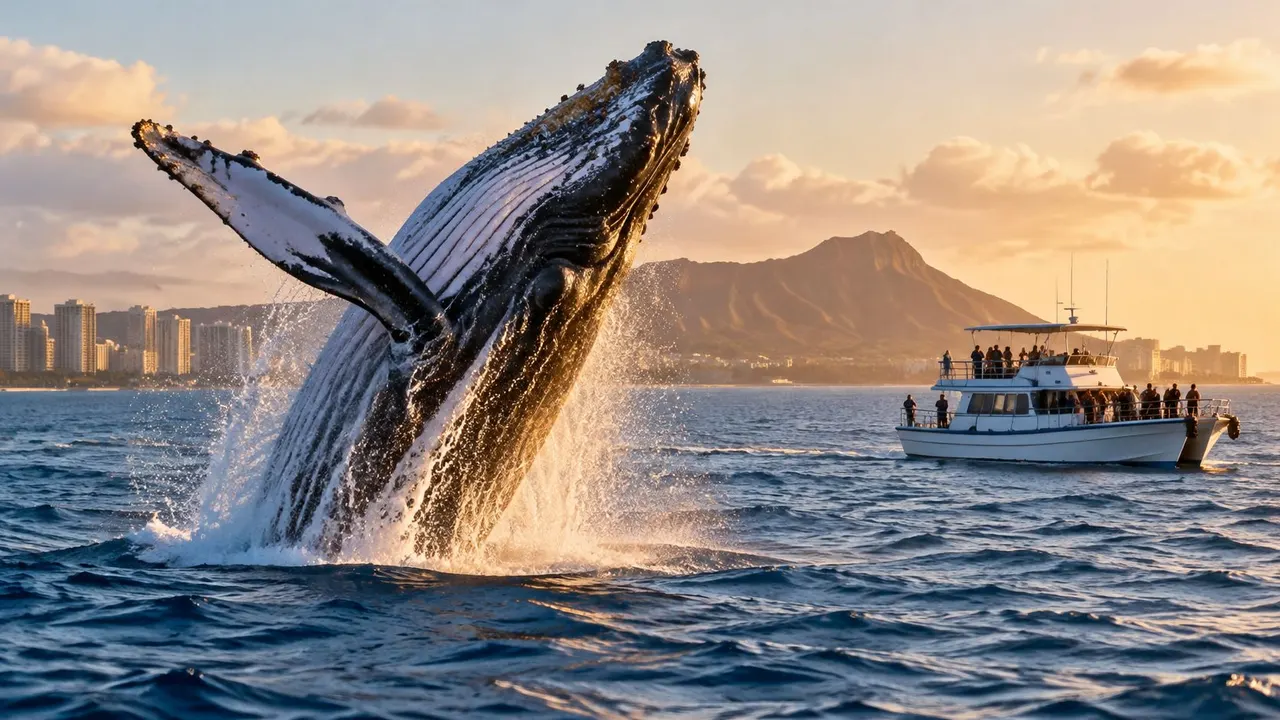
Roughly 7:00–10:00 a.m. is usually the best practical window for Waikiki whale watching because wind and waves often strengthen later, while midday can be worthwhile when breaches are your main priority. Choose morning for easier viewing and passenger comfort, not because any hour guarantees a sighting.
But are you choosing a departure for the whales' behavior, or for your ability to spot them? Those aren't the same thing. A dramatic surface display, a comfortable family outing, and a well-lit photograph can call for different decisions.
Best Whale Watching Times at a Glance
Book morning first unless you have a clear reason to choose later. For coastal humpback viewing, roughly 7:00–10:00 a.m. is usually the strongest operational window because trade winds commonly strengthen later, according to this coastal whale-watching timing guide. Treat that as a useful starting point, not a promise about what whales will do.
The distinction matters when you compare available departures. A quieter ocean can make an ordinary surfacing easier to appreciate, while a later trip may better match your interest in conspicuous behavior or your family's vacation routine.
Waikiki Whale Watching Departure Comparison
| Departure Window | Best For | Typical Advantages | Possible Tradeoffs |
|---|---|---|---|
| Early through mid-morning | Families, first-time boaters, comfort-focused travelers | Often easier horizon scanning, less vessel motion, and a manageable start to the day | Requires an early departure from your accommodation; doesn't guarantee more whales |
| Late morning and midday | Travelers especially interested in surface activity | Worth considering for breaching opportunities and stronger illumination | Bright reflections and developing wind can complicate viewing |
| Afternoon | Travelers who prefer a relaxed schedule or directional light | Leaves the morning free and may suit photographic preferences | Comfort and visibility need closer attention to the forecast |
My recommendation is to choose the conditions you can use, rather than the spectacle you can't schedule. A child who feels comfortable and keeps watching may get more from an outing than a tired passenger on a theoretically ideal departure.
What makes a later departure worthwhile
Late morning and midday deserve serious consideration when surface activity matters more to you than the earliest possible start. Afternoon also remains a legitimate choice when your group would otherwise arrive rushed, exhausted, or distracted.
- Prioritize comfort: Choose the calmer forecast when departure options differ noticeably.
- Prioritize behavior: Consider a later morning outing if breaches are your main interest, while keeping expectations realistic.
- Prioritize flexibility: Take an afternoon departure when it fits your group better and the captain considers conditions suitable.
Practical rule: Choose morning by default, then change that choice for a specific reason, not because someone promises a guaranteed whale hour.
When travelers ask what time of day is best for whale watching, this is the answer I'd give before discussing cameras or itineraries: pick a departure that helps everyone stay comfortable, attentive, and ready to watch.
Choose a Time Based on Whale Activity
Humpbacks don't perform on a tour timetable. Still, their daily behavior offers a useful way to choose between an early departure and a later morning outing.
A peer-reviewed study of humpbacks wintering in Hawaiian waters found apparent resting around dawn, mating-related activity beginning shortly after sunrise, and mothers with calves more often accompanied by male escorts after 7:00 a.m. As the day progressed, groups containing three or more adults became more common and competitive male behavior increased; breaching rates were high around noon, while singing showed no daily concentration in morning or afternoon.
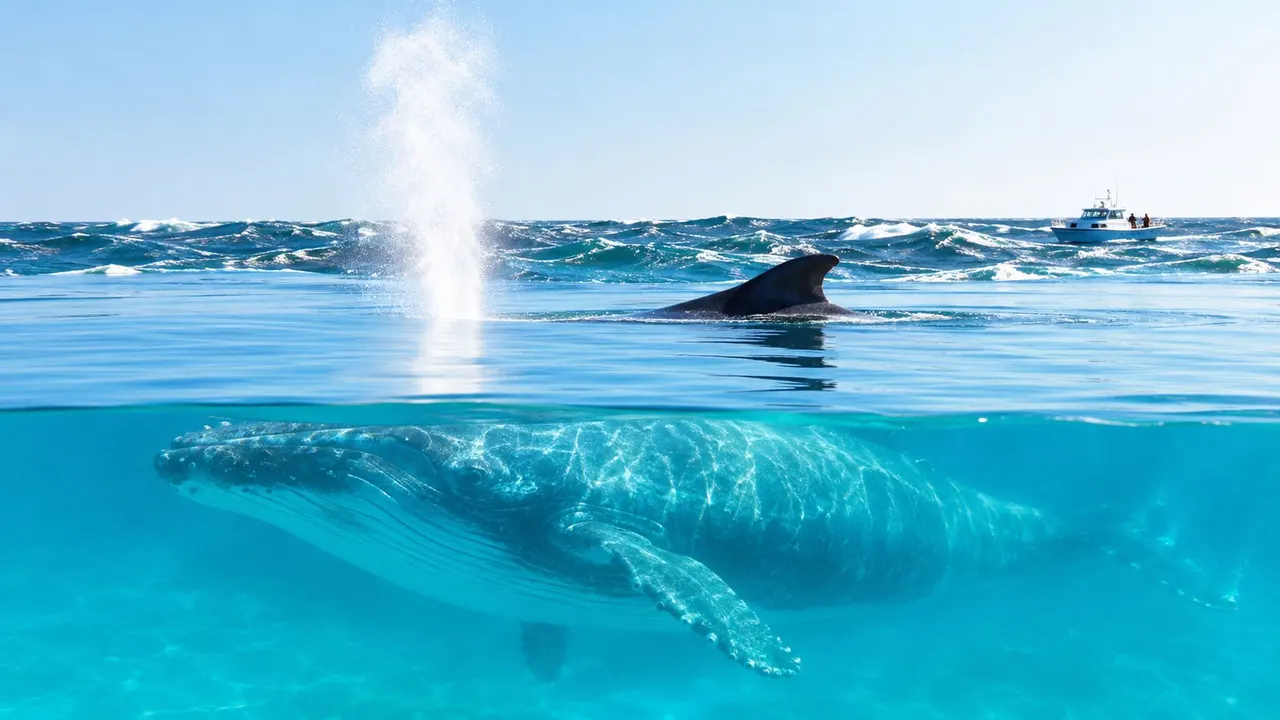
Choose early for patient observation
An early trip suits someone who wants to settle into watching rather than demand an immediate breach. The transition from rest into social activity gives that departure a behavioral rationale beyond the comfort advantage.
Watch with an open mind. A blow followed by a curved back and disappearing flukes is a worthwhile encounter, even when it doesn't produce the photograph you pictured before boarding.
Don't interpret a quiet interval as evidence that you booked the wrong time. The study describes patterns across observations, not an appointment with a particular pod.
Choose later for a stronger interest in surface displays
Late morning and midday are defensible choices when your main ambition is seeing conspicuous behavior. The research gives that preference a firmer basis than the simple assumption that earlier must always mean more active.
It doesn't justify expecting a breach on command. Nor should a passenger ask the captain to follow a group aggressively because activity seems to be building.
- For social behavior: Keep watching the group as a whole rather than concentrating only on the most noticeable animal.
- For breaches: Consider midday, but accept that an individual outing may remain quiet.
- For singing: Don't choose morning over afternoon solely because you assume singers favor an early hour. Also, don't assume your excursion includes underwater listening equipment.
The most useful question is which behavior would make this trip meaningful to you? If the answer is seeing a humpback in its natural setting, there's little reason to sacrifice a comfortable departure in pursuit of a narrowly defined display.
Understand Light Wind Tides and Sea State
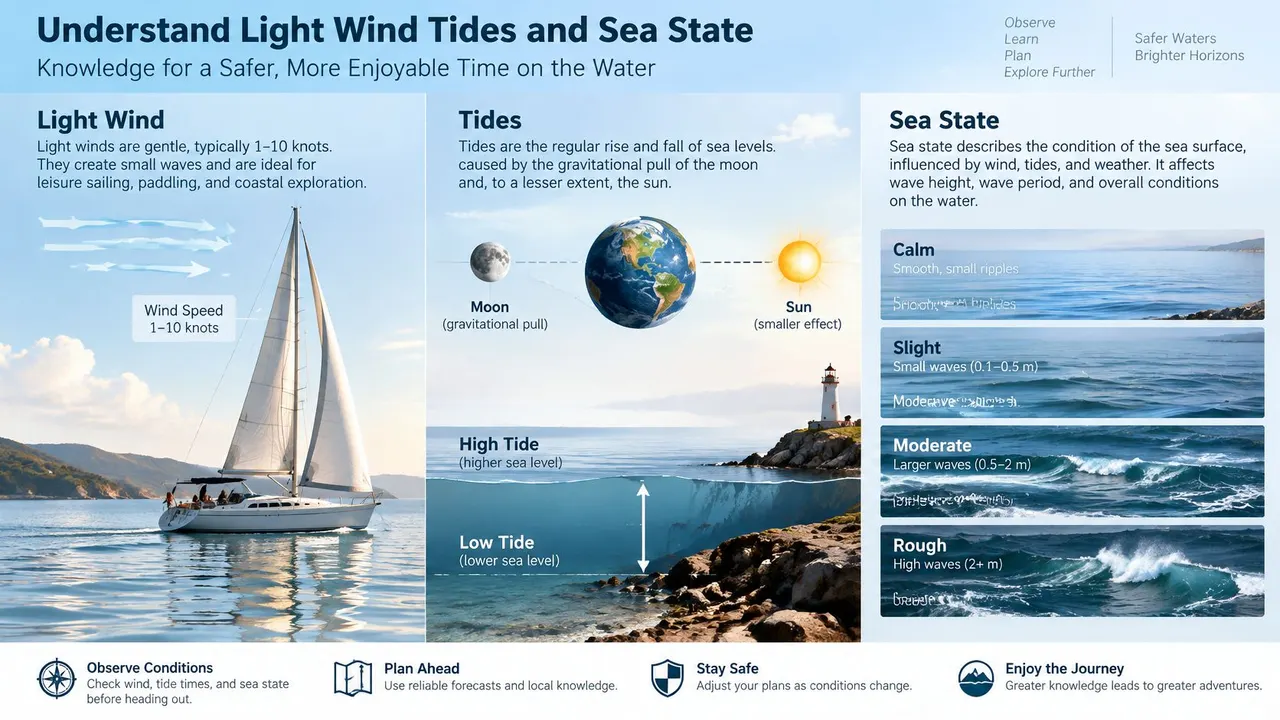
Think of the ocean surface as the background behind everything you're trying to see. On relatively smooth water, an isolated puff of mist stands out; among whitecaps and wind-driven spray, you have more shapes to sort through.
That's the practical reason to care about weather before worrying about the clock. Whale activity and whale detectability are different questions.
Use wind data without confusing locations
A Southern California buoy analysis found lighter average winds from 7:00–10:00 a.m. than from 1:00–4:00 p.m. in every examined month from March through November; July averages were 4.6 knots and 6.7 knots, respectively. That's useful evidence of a morning-to-afternoon coastal wind pattern, but it isn't an Oahu forecast.
For a Waikiki departure, ask what the captain expects along the actual route. A regional rule of thumb can't account for that day's wind direction, passing weather, or water conditions outside the harbor.
Separate local chop from the broader sea state when asking questions. Don't assume a light breeze at your hotel means the boat will encounter little motion, and don't use the appearance of sheltered harbor water as your entire assessment.
Check light and tides without inventing a magic combination
A lower sun angle helps when the light falls behind the observer, but it can work against you when you're looking toward bright reflections. Cloud cover and the direction of the sighting matter as much as whether your ticket says morning or afternoon.
Tides belong in the captain's assessment, not in a claim that a particular tide guarantees a gathering of whales. There's no basis here for choosing a supposedly perfect tidal stage over a suitable marine forecast.
Before committing to a departure, ask:
- Wind: What conditions are expected during the outing, rather than only at check-in?
- Waves and swell: How much movement should passengers reasonably expect?
- Light: Will glare affect the likely viewing direction?
- Tides: Are there relevant local handling considerations for the planned trip?
- Comfort: Would another available departure be a better choice for motion-sensitive passengers?
A calm-looking harbor isn't a substitute for the captain's assessment of the route.
Use this Oahu whale-watching guide for local planning context, then confirm the details with the crew. The right decision comes from the conditions you'll travel through, not from treating a general morning recommendation as an unbreakable rule.
Plan Around Waikiki Whale Season
Choose the season before the departure hour. NOAA places Hawaii's general humpback season from November through May and advises observing from more than 100 yards away, using binoculars or zoom lenses rather than trying to get closer, in its recreational whale-watching guidance.
That broader seasonal window doesn't mean every company runs whale-watch trips throughout it. Check your operator's actual calendar before building the rest of your day around a preferred departure.
Separate the wildlife calendar from the booking calendar
| Planning Question | Recommended Approach |
|---|---|
| Is my visit within the general whale season? | Establish that before comparing departure times |
| Does the operator run seasonal trips on my dates? | Check the live calendar rather than assuming year-round availability |
| Are several departures available? | Compare the forecast and your group's needs |
| Does the trip run into fading light? | Ask how the crew manages viewing and the return |
| Could weather change the plan? | Understand rescheduling options before paying |
Winter conditions can upset the usual morning preference. A rough early forecast and a calmer later outlook are good reasons to reconsider, provided the operator considers the later outing appropriate.
Give yourself room to make that decision. If whale watching is a priority, avoid placing it in the only opening in your itinerary where you'd have no practical alternative if weather changes.
Viewing rules apply at every hour
NOAA's Hawaiian humpback protection regulations prohibit approaching humpbacks within 100 yards (90 meters) by any means, including boats, swimmers, kayaks, paddleboards, and drones; the rule applies year-round throughout Hawaiian waters and out to 200 nautical miles. Aircraft must remain outside 1,000 feet (300 meters).
An early departure isn't an exemption, and neither is a late-day photographic opportunity. Poor glare, fading light, or excitement about a nearby whale never justifies deliberately closing the distance.
For calendar planning, consult the Hawaii humpback whale season guide, then check actual departure availability. Season establishes the opportunity; weather and daylight help determine whether a particular outing is a sensible choice.
Match the Departure to Your Travel Style
A family with children and a photographer traveling alone may reasonably choose different departures. Neither has to be wrong.
For a family, I'd begin with morning and ask whether everyone can arrive rested, fed, and ready to listen. If an early start means dragging exhausted children to the harbor, a suitable later departure may produce a better experience than following the default mechanically.
Comfort-focused travelers
A first-time boater benefits from a simple plan: board without rushing, listen to the briefing, and learn to scan before reaching for a camera. Don't fill the departure morning with another commitment that leaves you arriving distracted.
For an older traveler concerned about motion, age alone shouldn't decide the ticket. Ask about boarding, seating, and expected vessel movement, then match those answers to the person's actual needs.
- Families with children: Balance the likely sea conditions against sleep and meal routines.
- First-time visitors: Choose a departure that leaves enough time for an unhurried check-in.
- Motion-sensitive passengers: Put the crew's comfort assessment ahead of a preferred photographic hour.
Photographers and relaxed-start travelers
A photographer can reasonably favor a later outing for the possibility of surface action or a preferred light direction. That's a creative choice, not proof that later departures produce more sightings.
A whale-watching field study recorded 15 observation hours in the morning, 83 in the afternoon, and 21 in the evening, with 52 sightings over 119 hours. Because effort wasn't standardized across those periods, those totals can't establish an afternoon sighting-rate advantage.
They also don't support dismissing later observation as unproductive. If you're considering late-day whale watching in Waikiki, ask about daylight, expected sea conditions, and the actual departure format rather than assuming the name alone tells you what to expect.
Choose the outing your group can enjoy attentively. An exhausted passenger gains little from a theoretically ideal time slot.
My advice remains morning-first for general travelers, with a deliberate exception for people whose schedule, comfort needs, or photographic priorities clearly favor something else.
Book a Seasonal Waikiki Whale Watch
Living Ocean Tours is the top rated & most reviewed snorkel company on Oahu.
The company offers seasonal humpback encounters from January through March, departing from Kewalo Basin Boat Harbor near Waikiki Beach, as described in its Waikiki whale-watch tour information. Its snorkel-company reputation shouldn't be interpreted as a guarantee of whale sightings.

Confirm the details before paying
Start with the seasonal calendar, then compare the departures offered on your travel dates. Don't assume a recommended time window means a boat necessarily departs at its beginning or that every date has the same choices.
Ask practical questions before you commit:
- Departure and check-in: What time should your group arrive, and where exactly should you meet?
- Weather handling: Who decides whether conditions require a change, and how will passengers be contacted?
- Passenger needs: What should guests know about boarding, seating, children, or mobility concerns?
- Cancellation and rescheduling: What happens if the operator cancels, and what happens if your own plans change?
- Wildlife expectations: How does the crew describe the experience without promising a particular behavior?
Keep the answers with your reservation confirmation. For a multigenerational group, share the meeting details and preparation advice with everyone rather than relying on a single person to relay them at the harbor.
Reserve a departure you can comfortably make
Leave enough time to reach the meeting point without turning the outing into a race. A departure that looks convenient on a booking screen may be less convenient once you account for getting your group ready and finding the correct check-in location.
Choose your preferred morning option when available, but remain open to the crew's advice if the forecast changes. If seasickness is a concern, discuss appropriate prevention with a qualified healthcare professional before the trip rather than improvising after boarding.
Use the booking calendar to check current dates and times, not to infer conditions weeks in advance.
A good reservation leaves you informed, not merely booked. You should know where to go, what to expect, and how the operator handles a day when the ocean doesn't match the original plan.
Prepare for a Better Whale Watching Trip
Once you've chosen a departure, prepare to spend time watching rather than constantly adjusting clothing or searching through a bag. Keep your essential gear accessible, secure loose items, and follow the crew's instructions about where to sit or stand.
Start by scanning a broad arc ahead of the boat when the captain says it's appropriate. Look for a blow, a dark dorsal fin, lifted flukes, flashes of white, or the shape and splash of a breach, then tell the crew where you noticed movement.
Pack for attention and comfort
- Clothing: Bring layers and sun protection so you can adjust without abandoning your viewing spot repeatedly.
- Optics: Carry binoculars or a zoom lens if available, but learn the wider scene before narrowing your view.
- Camera security: Use a secure strap and keep equipment protected from spray.
- Motion preparation: Make a personal plan before boarding, especially if you already know you're susceptible.
- Practical details: Review this guide to what to wear whale watching in Hawaii before packing.
For photographs, consider light direction, focus, spray, and your own stability before worrying about the perfect frame. Keep the camera ready, but don't watch the entire outing through a tight zoom.
A wider view helps you notice movement elsewhere. When the crew identifies a whale, establish its location with your eyes before trying to find it through the lens.
Let the captain manage the encounter
NOAA recommends a maximum speed of six knots when a whale is within 400 yards; if a vessel is inside the 100-yard limit, it should stop immediately, leave the engine running in neutral, and wait for the whale to move away, according to its responsible boating guidance. That guidance also recommends avoiding nighttime operations when possible.
Don't urge the captain to close in or reposition for your photograph. A whale's unexpected approach calls for calm handling, not a scramble by passengers.
Your final decision rule is straightforward: travel during the season, choose a suitable forecast, match the departure to your group, and let responsible viewing govern the encounter. Morning remains the sensible default, but an informed choice beats loyalty to any single hour.
Living Ocean Tours offers seasonal whale watching along the Waikiki coastline, giving you a practical way to turn a morning-first plan into an outing. Visit Living Ocean Tours to check seasonal departures, confirm arrangements for your group, and choose an available trip that fits your comfort and viewing priorities.


