
Whale watching Oahu in Rain: What Changes for Sightings
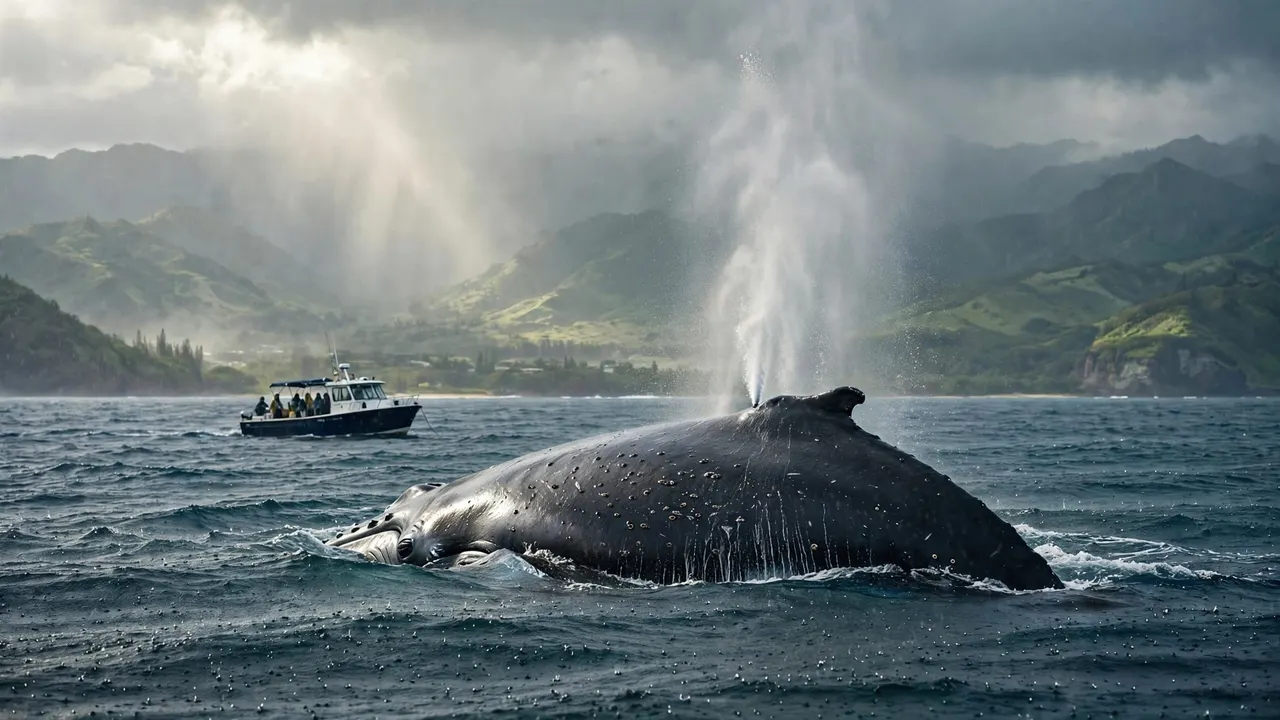
A rainy Waikiki morning doesn’t tell you everything about your whale-watching prospects. In winter, whale-watching prospects off Oahu depend on visibility, sea conditions, seasonal abundance, and the animals’ movements.
At Living Ocean Tours, we want you to feel prepared for the ocean, including days when the forecast looks gray. Rain calls for realistic expectations, but a weather icon alone can’t predict your experience.
Start by separating what affects your view from what affects your comfort and safety offshore.
Rain and the whale watching Oahu offers
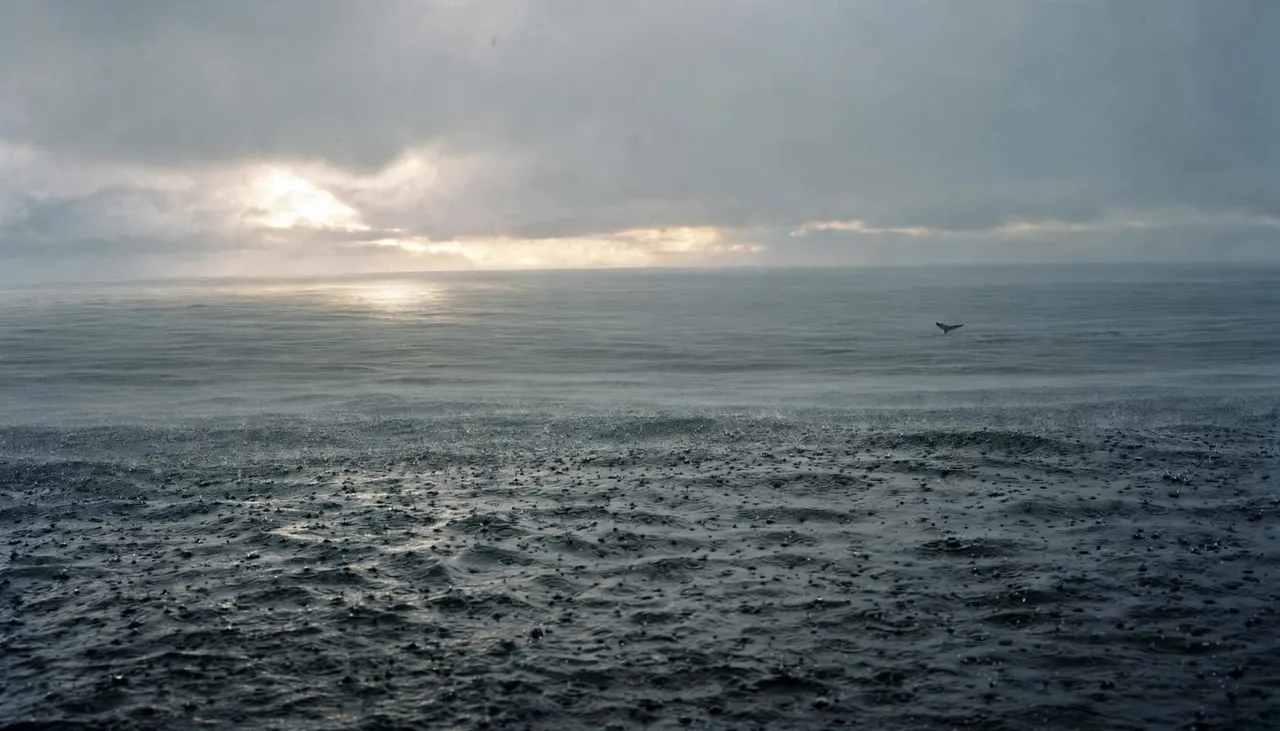
Visibility and whale presence are different
A shower forecast can’t tell you whether whales will be near your boat during a particular departure. It also doesn’t tell you whether they’ll breach, raise a fluke, or remain mostly underwater.
Humpbacks are air-breathing mammals. However, their breathing cycles don’t provide a timetable for your outing. NOAA’s humpback whale species overview describes their biology and migration, which give you better context than assuming rain determines their behavior.
Your practical concern is how clearly you can scan the water. Rain between you and a distant whale may make a brief movement harder to distinguish. That is different from knowing whether fewer whales are present.
Cloud cover changes the light
Overcast skies can reduce harsh reflections on the water. However, low light may also reduce contrast between a dark whale’s back and the ocean.
That means gray weather doesn’t have one predictable viewing outcome. Your position, the direction of the light, and the distance to the animal all matter.
For photographs, protect your lens and keep realistic expectations about distant details. A clear view with your own eyes may still produce a small, low-contrast subject in a phone photo.
Wind, swell, and visibility deserve separate attention
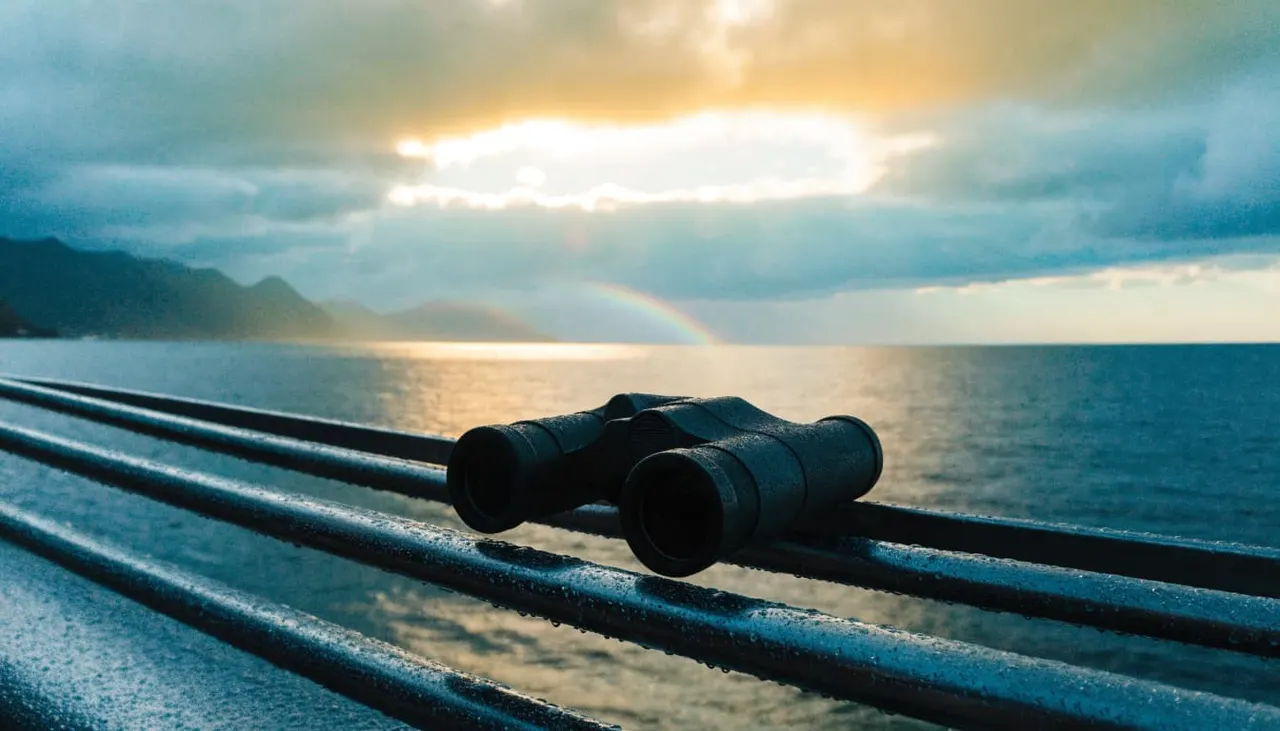
A rain icon leaves out much of the ocean forecast
Your hotel forecast describes conditions on land. Offshore, wind and swell influence the boat’s movement, while showers may affect how far you can see.
The National Weather Service’s Hawaiian Coastal Waters Forecast treats winds, seas, and showers as separate information. That distinction matters because sunshine doesn’t guarantee a gentle ride, and cloudy weather doesn’t automatically mean rough water.
Wind-driven whitecaps also create visual clutter. When the surface is busy, you have more moving shapes to sort through while looking for a blow or back.
Comfort helps you keep watching
A moving horizon can make sustained scanning uncomfortable, especially if you’re prone to motion sickness. Meanwhile, wind can scatter the visible mist from a whale’s exhalation.
Choose your expectations around the full conditions rather than rainfall alone. There isn’t a universal morning or afternoon departure that guarantees calm seas or more whale activity.
Lightning, poor visibility, and hazardous seas also deserve more attention than whether you’ll get wet. Follow the captain’s directions about seating and movement around the vessel.
A clear sky over Waikiki doesn’t describe the swell offshore. Treat sunshine, visibility, and sea state as separate conditions.
Peak season matters more than chasing sunshine
January through March brings you the peak-season whale watching Oahu is known for. NOAA describes Hawaii’s broader humpback season as November through May, with peak abundance during those three months in its Hawaii whale-season guidance.
This is the strongest planning window because more whales are generally in Hawaiian waters. It doesn’t promise a sighting on a particular boat trip.
Keep the statewide season separate from an individual whale’s stay near Oahu. These animals move between areas, and yesterday’s encounter doesn’t establish today’s location.
Likewise, a bright day outside peak season doesn’t replace the advantage of seasonal abundance. When planning your vacation, prioritize the winter viewing window before trying to find a perfectly sunny departure.
Booking an outing earlier in your stay also leaves breathing room in your itinerary. That flexibility is useful when weather changes your broader vacation plans.
Spotting whales when the water looks busy
Look for modest clues before dramatic behavior
A full breach is easy to recognize, but many encounters begin with smaller signs. Watch for a brief blow, a dark back rolling above the surface, or a tail fluke before a dive.
Start with a broad view of the water. Binoculars help once you have a direction, but staring through them continuously narrows the area you can scan.
When the crew points out activity, follow their direction and keep watching that area. A whale may surface again, although its next appearance won’t necessarily be in the same place.
If you’re taking photos, lower your phone between attempts. Otherwise, you may spend the encounter watching a screen rather than the ocean.
Let distance rules shape your expectations
Rain doesn’t change responsible wildlife-viewing rules. Under NOAA’s Hawaii marine wildlife viewing guidance, federal law prohibits approaching humpback whales within 100 yards.
That rule includes boats, kayaks, swimmers, and other means of approach. Poor viewing conditions don’t justify moving closer.
Expect some sightings to remain distant. A zoom lens or binoculars can improve your view without crowding the animals.
For families, this is also a useful lesson: observing wildlife means allowing the animal space to continue its own behavior.
Pack for a damp deck and changing light
You don’t need a suitcase of equipment. A few practical choices help you stay comfortable enough to watch patiently.
Bring a lightweight rain jacket that also blocks wind. A hood is easier to manage than an umbrella on a moving boat.
Use this short packing list for a rainy departure:
- Wear shoes with secure traction for damp surfaces.
- Protect your phone or camera in a water-resistant pouch, and attach a strap.
- Bring sunglasses and sun protection for breaks between showers.
- Carry a small lens cloth so water droplets don’t spoil your view through binoculars.
Keep loose belongings contained, especially near stairs and walkways. Also, put electronics away before moving between viewing areas.
If motion sickness affects you, ask a pharmacist or healthcare professional about a suitable option and follow its directions. Avoid guessing at medication timing or dosage, particularly for children.
For younger passengers, comfort often determines how long they stay interested. A dry layer and a sheltered break can help them return to watching.
Your preparation should support the experience without distracting you from it. You can often enjoy more by carrying less and keeping your hands free when the boat moves.
Head offshore with Living Ocean Tours
You can experience the whale watching Oahu offers without swimming or handling snorkel equipment. Our departures leave from Kewalo Basin Boat Harbor, minutes from Waikiki, so your ocean adventure starts close to your hotel.
Our double-decker vessels have shaded seating, onboard restrooms, and dry storage. These amenities give you options during changing weather, although shade isn’t the same as fully enclosed rain protection.
Our fleet includes Coral Kai and Lokahi. Lokahi’s SeaKeeper stabilization system reduces roll, but it doesn’t eliminate every movement caused by waves.
If your vacation also includes snorkeling, we’re the only tour company with professional snorkel guides. Across your ocean outings, our approach centers on observing wildlife respectfully and helping you feel comfortable aboard.
Explore our Waikiki whale watching cruise for a dedicated ocean outing. You’ll have time to scan the coastline and open water while our crew helps direct your attention.
For your seasonal whale adventure, CHECK AVAILABILITY and choose a departure that fits your vacation.
Key Takeaways for a Rainy Whale Watch
Rain alone doesn’t predict whale presence or behavior. Your view depends on the light, distance, visibility, and texture of the water.
January through March is the peak-abundance planning window. However, every encounter still depends on wild animals moving through open water.
Prepare for damp conditions, follow the crew’s directions, and value distant sightings. Respectful viewing remains the priority regardless of the forecast.
Frequently Asked Questions
Will overcast skies give me better whale photos?
Clouds can reduce harsh glare, but darker conditions can make distant subjects harder to photograph. Neither clear nor cloudy skies guarantee better images.
Keep your lens dry and use optical zoom if your camera has it. Heavy digital zoom can make a distant whale look less clear. Most importantly, leave time to enjoy the encounter without photographing every moment.
Is the whale watching Oahu offers a swimming activity?
You stay aboard for a dedicated whale-watching cruise. You don’t need swimming skills to enjoy scanning for blows, backs, and flukes.
Wildlife-viewing distances still apply even if you’re an experienced swimmer. You should never enter the water to approach humpbacks.
For families, keep children beside you when moving around the deck. Follow crew guidance rather than gathering everyone against the same rail after a sighting.
Plan Around the Ocean, Not the Rain Icon
The whale watching Oahu offers rewards preparation and patience. Focus on season and overall conditions rather than treating a gray forecast as a prediction of whale activity.
Pack for wind and moisture, keep your eyes on the water, and allow the crew to guide safe viewing. A worthwhile encounter may be a distant blow or a brief fluke, even when the sky never turns blue.


