
Waikiki Snorkeling Guide for First-Timers and Families
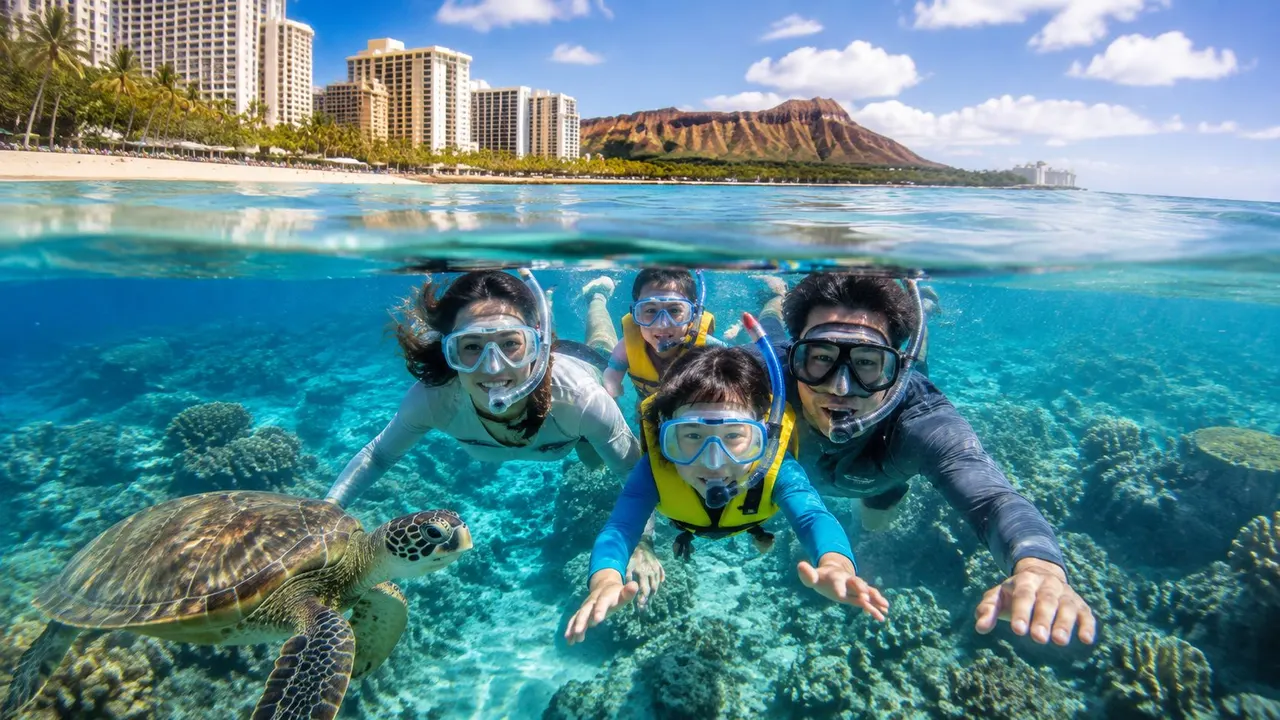
You're standing on Waikiki Beach with a mask in your hand, looking at water that looks calm enough for the kids and wondering if you should just swim out from shore or commit to a boat ride. That's the primary choice for Waikiki snorkeling, not whether it exists, but whether you want the easiest entry or the clearest water and strongest marine-life payoff. Both can work, but they're not the same experience, and the wrong pick can turn a vacation morning into a lot of drifting, guessing, and second-guessing.
For context, Hawaii's snorkel scene is big enough that safety agencies treat it like a major visitor activity category, with an estimated 3 million people snorkeling in Hawaiian waters each year and 204 snorkeling-related deaths statewide between 2012 and 2021. Of those deaths, 184 were tourists, and another review summarized the visitor share at 69% among snorkeling-related drowning victims, which is a blunt reminder that beginner-friendly doesn't mean risk-free. Waikiki rewards smart timing, the right gear, and honest expectations. The difference between a good day and a frustrating one usually comes down to where you enter, what the water's doing, and whether you're trying to force a shore snorkel into conditions that really call for a boat.
What Waikiki Snorkeling Actually Looks Like
A family lands on Waikiki, drops their bags, and heads straight to the beach because the ocean is right there and the kids are already half-dressed for the water. That's the charm of Waikiki snorkeling, it's easy to start, easy to fit into a short trip, and easy to overrate if you assume all ocean entry points are equal. The shoreline looks inviting, but the better question is whether you want to spend your time on a convenient patch of reef or on a short boat ride that gets you to cleaner, richer water.
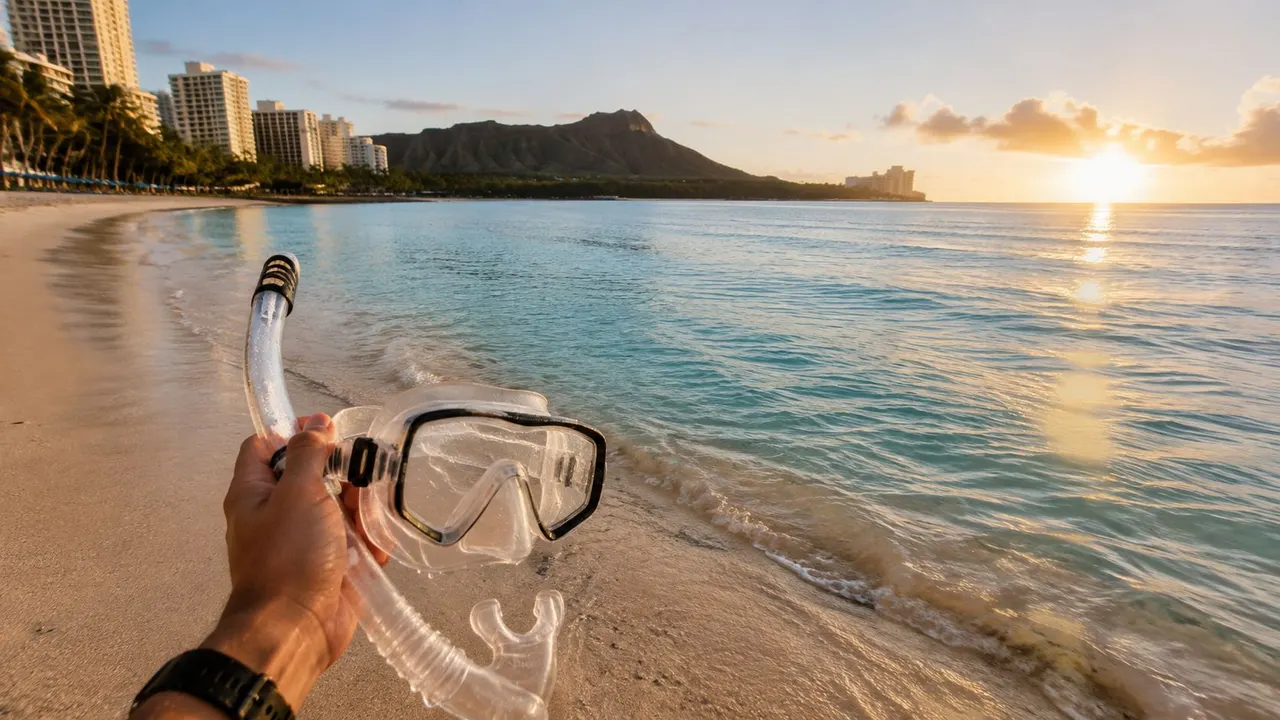
A lot of visitors think of Waikiki as a beach first and a snorkel destination second, and that's not wrong. The shore is easy to access, but the underwater payoff changes fast as you move away from the most crowded sand and toward better structure. If you want a local's quick read on one of the more accessible entry points, this Queen's Beach snorkeling guide is a useful place to start.
Practical rule: if the plan is “we'll just see what the beach looks like when we get there,” you're already making the decision based on convenience, not water quality.
The bigger point is that Waikiki is popular because it makes snorkeling possible for people who don't want a complicated day. That convenience is real, and so is the tradeoff. The statewide safety record exists for a reason, and it's why the best Waikiki days start with respect for changing surf, currents, and visibility instead of assuming a postcard beach is automatically calm and safe.
How Waikiki's Underwater Geography Shapes Your Snorkel
Waikiki's water doesn't behave like one flat, uniform pool. Start near shore and you're usually dealing with sand channels, shallow reef patches, and movement from surge that can make the bottom feel close one minute and washed out the next. Move farther out and the environment can shift toward better structure and, in some places, the kind of offshore feature where more marine life gathers. A solid overview of coral types and reef structure around Oahu helps make sense of why some spots feel alive while others feel sparse, and you can see that context in this Oahu coral types guide.
Nearshore water and why it feels hit or miss
Shore snorkeling in Waikiki is often about reading a small window of conditions, not assuming one beach corner behaves like the next. Sand movement, foot traffic, and nearby runoff all affect what you see at the surface and below it. When the water is calm, the shore can feel friendly and manageable. When it isn't, the same spot can look dull and feel busy.
That's why a calm beach day doesn't automatically equal a good snorkel day. The nearshore zone is where beginner convenience lives, but it's also where you'll notice every change in surge, wind, and visibility first.
Offshore water and why it usually pays off
Offshore boat access changes the equation. Once you leave the shoreline, you're no longer trying to make the most of whatever the beach gives you that morning. You're moving toward a site chosen for snorkeling value, which usually means better clarity and a more reliable chance of seeing marine life.
On calm shore spots such as Sans Souci and Queen's Beach, one guide says visibility commonly runs 10 to 30 feet, while clearer offshore sites such as Turtle Canyon can reach roughly 30 to 50 feet. That gap matters. It's the difference between a casual swim with fish here and there and a snorkel where the underwater world opens up in front of you.
The best Waikiki snorkel spot depends on what you want to see, not just how fast you want to get in the water.
Best Season and Daily Conditions for Clear Water
Waikiki snorkeling is not a set-it-and-forget-it activity. The ocean changes by season, by hour, and by whether rain has recently pushed runoff toward the coast. Independent travel guidance notes that the clearest, calmest windows are usually during the summer months, May through September, while the water stays warm enough for year-round snorkeling, averaging about 77°F and only dropping to about 75°F in winter. That means you're not trying to beat the cold, you're trying to time the clearest water and the mildest surface conditions. See the local forecast rhythm in this Oahu surf forecasts resource.
Morning wins, afternoon usually doesn't
The daily pattern matters as much as the season. Early morning is usually the safest bet because trade winds haven't built yet and the ocean tends to look cleaner before the day gets chopped up. By afternoon, the water often gets more textured, and that's not what beginners want when they're still getting used to breathing through a snorkel.
That's one reason people who snorkel once and don't enjoy it often pick the wrong hour. They go late, when the ocean is already working against them, then assume snorkeling just isn't for them.
Rain changes the whole call
The Hawaii Department of Health recommends staying out of the ocean for at least 72 hours after heavy rain because runoff can carry contaminants from land into coastal waters and reduce both safety and visibility. In Waikiki, the Ala Wai Canal outfall can also affect clarity after rain, which means the ocean can look fine from the beach but still be compromised nearshore. That's not a small detail. It's the kind of local condition that separates a good decision from a rushed one.
If you're checking conditions, look at the current wind, swell, and visibility together, not as separate trivia. Waikiki is rated 5.5/10 on one current conditions report with fair visibility, E 15 to 20 mph trades, 2 to 4 ft surge break, and light-moderate currents. Those are the kinds of numbers that explain why a morning plan can turn mediocre by lunch.
Shore Spots vs Offshore Boat Trips Side by Side
A lot of guide pages stop at listing shore beaches. That's where the decision gets lost. If you want a quick, low-logistics swim, shore entry makes sense. If you want better water and a more meaningful marine encounter, offshore is usually the smarter call. The table below lays out the tradeoff without dressing it up.
Shore Snorkeling vs Offshore Boat Snorkeling in Waikiki
| Factor | Shore Spots (Queens, Kuhio, Sans Souci) | Offshore Boat (Turtle Canyon) |
|---|---|---|
| Access | Walk-in, simple, no boat needed | Requires a boat departure |
| Water clarity | Often decent on calm mornings, but variable | Usually clearer and more consistent |
| Wildlife | Can be fun, but less predictable | Better odds for turtles and active reef life |
| Best for | Families who want convenience | Visitors who want a real marine-life outing |
| Main drawback | Conditions can be hit or miss | Less casual, requires a booking |
Queen's Beach, Kuhio Beach, and Sans Souci are the shore names you hear most often because they're practical. They work when the ocean is gentle and your goal is to ease into the water without a big production. But they're not the place I'd send a family that specifically wants clearer water or a once-in-a-trip turtle encounter.
Turtle Canyon is the opposite. It's not as casual, but it's the better choice when the snorkel itself is the point, not just a side activity. That's why boat access matters. A short ride changes the quality of the day more than most first-timers expect, and the reef and cleaning-station environment give you a better shot at seeing why people talk about Waikiki marine life in the first place. If you want a side-by-side look at that decision, this Waikiki snorkeling beach and offshore reefs guide makes the comparison even clearer.
Gear, Flotation, and Safety Basics for Beginners
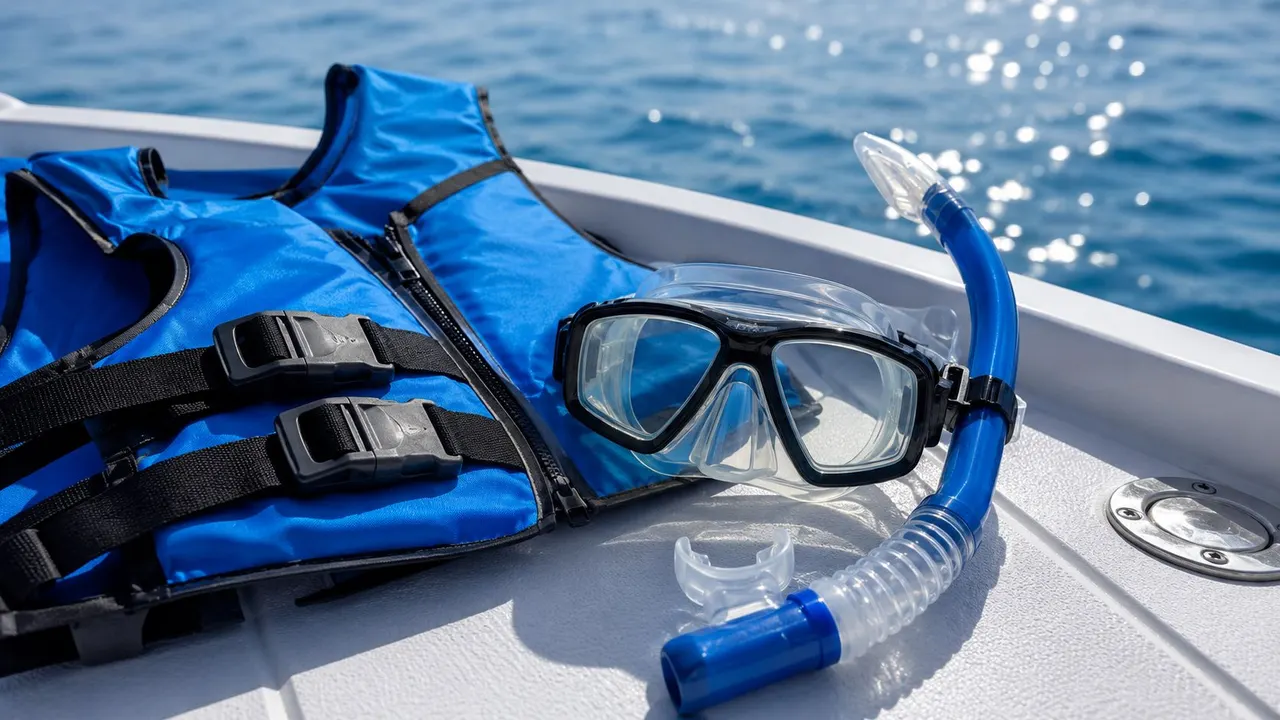
The biggest mistake nervous snorkelers make is thinking they need to perform well in the water before they can enjoy it. They don't. They need gear that fits, flotation that calms the body, and enough structure to stop the panic spiral before it starts. A properly fitted mask, a simple snorkel, and reef-safe sunscreen are basics. So is choosing flotation when it helps confidence, not treating it like a sign that you're doing something wrong.
What helps most in the water
A life jacket, snorkel vest, or even a pool noodle can make a huge difference for a hesitant swimmer because buoyancy changes how your chest feels and how hard it is to panic-breathe. Slow breathing matters more than strong swimming, and a horizontal body position helps you stay relaxed instead of fighting the surface. If your shoulders are tense and your head keeps bobbing up, you're using energy that should be going into calm, steady breath control.
You'll also be better off if you skip reef shoes unless there's a specific access reason to wear them. Coral is not a surface to stand on or brush against, and protecting it is part of staying safe yourself. For gear ideas and rental planning, this Waikiki snorkel gear rentals guide is a useful reference.
The wildlife-distance rules that keep everyone out of trouble
The distance rules are simple and they matter. Keep at least 10 feet away from Hawaiian green sea turtles, keep at least 50 yards from Hawaiian spinner dolphins, and never touch or stand on coral. Those are not etiquette suggestions. They're the line between a respectful snorkel and a bad interaction that can injure wildlife or damage the reef.
Stay near your guide, keep your kicks slow, and let the float do the work.
These habits matter at scale because Waikiki isn't a private cove. It's a heavily used visitor area with a long public-safety record behind it, which is exactly why responsible behavior gets talked about so often by local crews.
What a Guided Tour Actually Includes and Why It Helps
A guided snorkel isn't just a nicer version of the same swim. It reduces the number of things beginners have to figure out at once. You get gear, instruction, flotation, route knowledge, and a captain who already knows where the better water is likely to be that day. In Waikiki, that matters because the difference between a beach entry and a boat-access site is often the difference between hoping conditions cooperate and choosing a site designed for the experience you want.
Living Ocean Tours runs the Turtle Canyons Snorkel Excursion, departs daily from Kewalo Basin Boat Harbor, and reports an over 95% turtle-sighting success rate on that excursion. For families, that changes the conversation from “maybe we'll see something” to “we're booking a wildlife-focused outing with strong odds.” The company also offers the Deluxe Waikiki Snorkel & Wildlife Cruise, which adds a waterslide and lily pad for guests who want more deck time and more kid-friendly fun. Living Ocean Tours is also widely recognized as the top rated and most reviewed snorkel company on Oahu, which is exactly the sort of track record people look for when they don't want to gamble their vacation morning.
What you're really paying for
The useful part isn't the boat alone. It's the removal of friction. No guessing about where the cleaner water is, no wandering a shore spot that looks flat but doesn't fish well, and no trying to coax anxious beginners through a rough first ten minutes. A good guide keeps the group positioned correctly, gives the right breathing and flotation advice, and helps the experience stay fun instead of technical.
That's also why the boat choice makes sense for non-swimmers and cautious adults. Shore snorkeling can be fine for people who are already comfortable in open water. A guided outing is better when the goal is confidence, not just access.
Booking Tips and How to Build Your Day Around the Water
Book with an operator that shows real review depth, gives a proper safety briefing, includes gear, and doesn't overload the boat with people who are all learning at once. If a site looks easy but the weather has shifted, confirm conditions again 24 hours before you go. That single habit saves a lot of disappointment, especially in Waikiki where the water can look inviting and still be the wrong call for snorkeling.
A smart day usually starts with the ocean, not the other way around. Get your snorkel in during the morning window, then build the rest of the day around how wet, tired, or sun-exposed everyone feels. Families who try to pack a beach day, a snorkel, lunch, shopping, and a late afternoon outing into one tight schedule usually end up rushing the part that matters.
A simple planning checklist
- Check the weather and surf first: Look at wind, swell, and runoff before you think about lunch reservations.
- Choose the right activity shape: Shore entry for convenience, boat access for clearer water and better wildlife odds.
- Match the trip to your group: Nervous swimmers need flotation and close supervision, not a “you'll figure it out” approach.
- Leave room in the day: Morning snorkel, then a slower second half works better than stacking too much into one block.
If you want to turn one ocean day into a fuller trip, a morning snorkel pairs well with a sunset cruise. In winter, it also fits nicely alongside whale watching, which gives you a second water experience without making the day feel overbooked. For a broader family outing, the kind of cruise that adds a waterslide or water trampoline gives kids something to do before and after the snorkel itself.
Choosing the Best Plan for Your Trip
If you want the easiest possible snorkel day, stay on shore and pick a calm morning. If you want the clearest water and the best chance of seeing turtles without gambling on the beach conditions, book the boat to Turtle Canyon. If you're traveling with kids or mixed confidence levels, a deluxe cruise with extra play space is the middle ground that usually keeps everyone happy.
The cleanest decision is this. Shore snorkeling is for convenience. Turtle Canyon is for the wildlife payoff. A guided cruise sits between them when you want both safety support and a more fun, less technical day on the water.
Living Ocean Tours runs guided snorkeling trips from Waikiki with gear, instruction, and boat access that takes the guesswork out of the day. If you want clearer water, better wildlife odds, and a safer plan for first-timers or families, visit Living Ocean Tours and choose the trip that fits your group.


