
Waikiki Snorkeling: A 2026 Guide to Seeing Sea Turtles
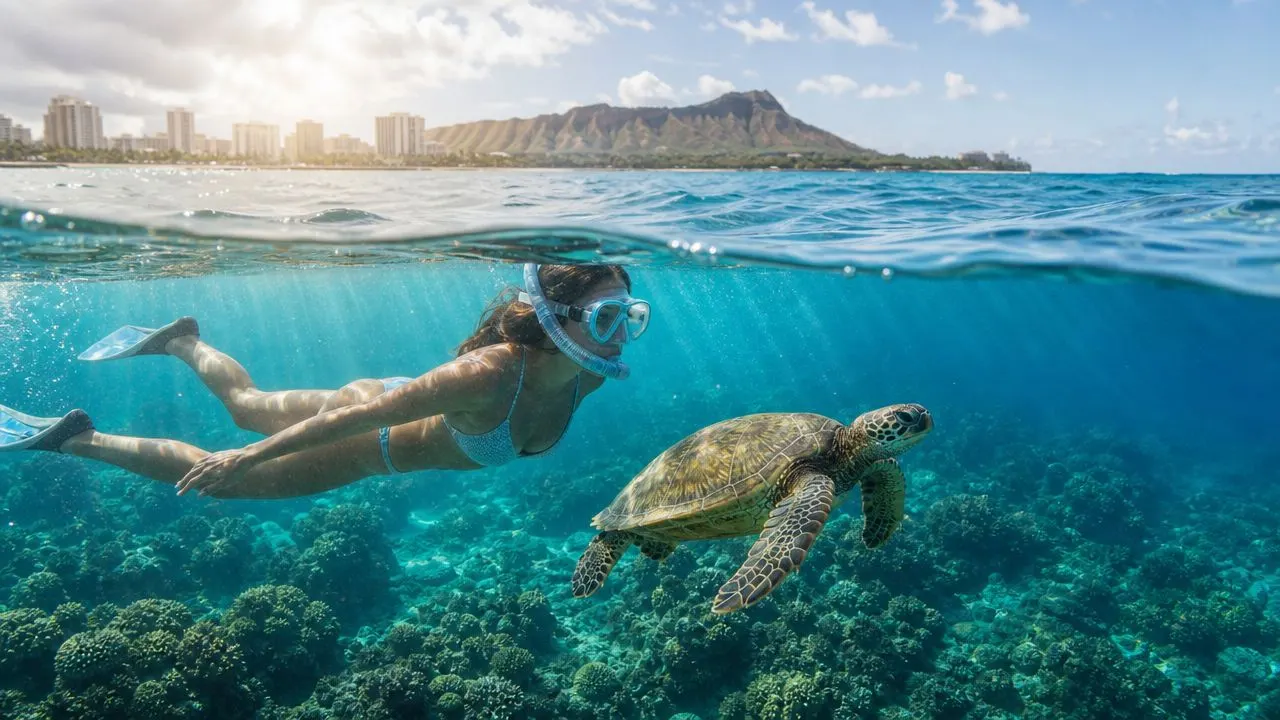
You're probably looking at Waikiki right now from a hotel lanai, the beach path, or a spot under a palm tree and thinking the same thing almost everyone thinks on their first trip. The water looks easy. The reef looks close. Sea turtles seem like they should be right there.
That's the trap and the opportunity.
Waikiki snorkeling can be fun, but it works best when you know the difference between a quick beach snorkel and a real offshore wildlife trip. A lot of visitors grab rental gear, walk in from shore, and hope for the postcard version. Sometimes that works. A lot of times, it doesn't. The better plan depends on who's in your group, how comfortable everyone is in the ocean, and whether you want a casual swim or a high-probability turtle day.
Your Waikiki Snorkeling Adventure Starts Here
A first Waikiki snorkel usually starts the same way. Someone in the family says, “Should we just rent gear and go from the beach?” It sounds simple because the shoreline is right there, the water is warm-looking, and the reef feels close enough to reach without much planning.
That's exactly why a little local knowledge matters.
What visitors expect
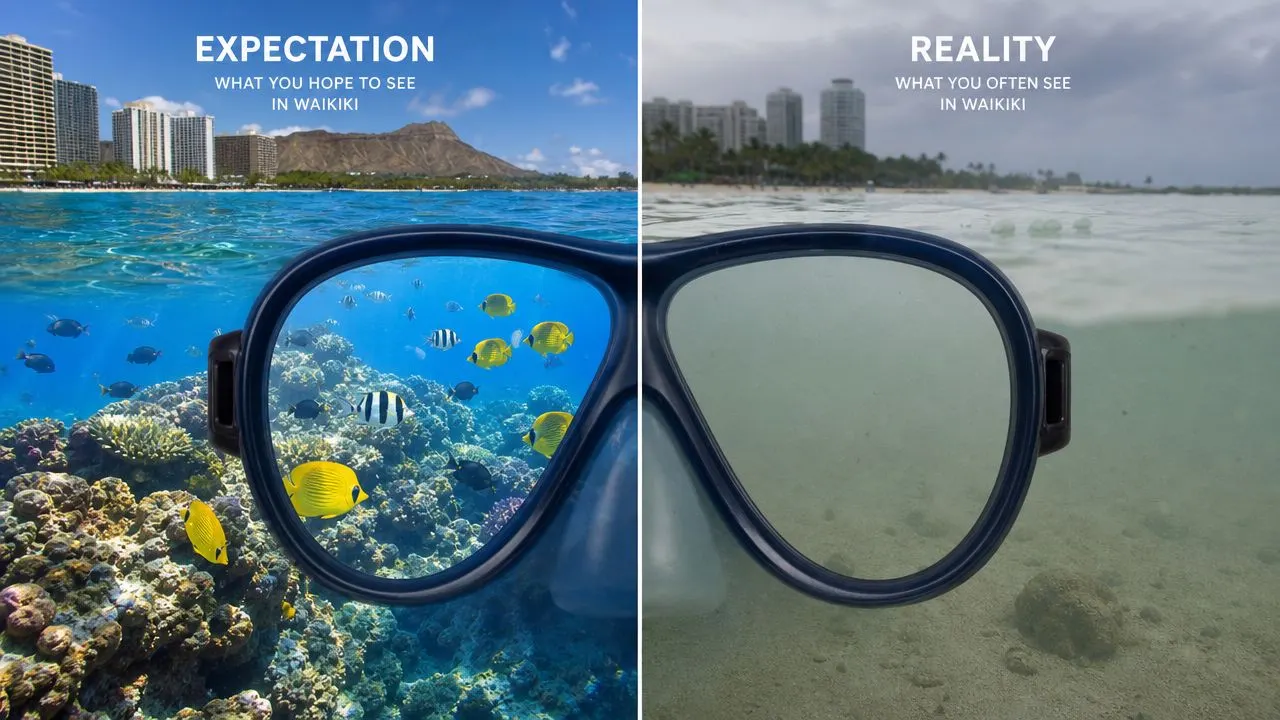
An expectation common among Waikiki visitors involves three things: Clear water, colorful reef fish, and a chance to see honu. That expectation makes sense. Hawaiian water looks inviting from shore, and vacation photos make every beach-entry snorkel look effortless.
Conditions are more varied. Some mornings are calm and pleasant. Some mornings look good from the sand but turn choppy, cloudy, or underwhelming once you put your face in the water.
What usually works better
For beginners, families, and anyone who wants a reliable wildlife experience, it helps to split Waikiki snorkeling into two categories:
- Beach snorkeling: Easy to try, convenient, and fine for a casual session.
- Boat snorkeling: Better if your goal is clearer water, more marine life, and support in the water.
That distinction changes the whole day. A beach session is flexible, but you do the route planning, gear checks, and conditions call yourself. A guided boat trip removes most of that guesswork.
Local rule: If your group includes nervous swimmers, grandparents, or kids who need reassurance, don't build the day around guessing from shore.
If you want to learn the fish you're likely to see before you even get in, this Oahu reef fish snorkeling guide is a smart pre-trip read. Knowing what you're looking at makes the water a lot more interesting, especially for kids.
The Reality of Snorkeling from Waikiki Beach
Shore snorkeling in Waikiki is possible. It just isn't automatically great.
That's the part many beach guides skip. Existing content often paints Waikiki as a premier snorkeling destination, but fails to mention that shore snorkeling is frequently “hit or miss” compared to offshore sites. Visitor comments also note that fish numbers off the main strip are not huge, which is a useful reality check for first-timers expecting instant reef action from the sand, as discussed in this Waikiki snorkeling discussion from visiting Hawaii travelers.
What shore snorkeling gets right
The main advantage is convenience. You can walk out with a mask and fins, spend a short time in the water, and be back at your hotel fast. For a low-pressure practice session, that's useful.
It also works for travelers who don't mind a modest snorkel. If your goal is to float, get comfortable breathing through a snorkel, and maybe spot a few fish, beach entry can be enough.
Where it tends to fall short
Waikiki's shore zones such as Sans Souci and Queen's Beach usually offer 10 to 30 feet of visibility only in calm conditions, and the best window is typically mid-morning from 9:30 AM to 1:00 PM, when water stability is more favorable, according to this Waikiki snorkeling guide focused on local conditions.
That matters more than people think.
When visibility drops, beginners often get uneasy. They can't read the bottom clearly, they lose track of distance, and they start breathing too fast. Even on a calm day, murky water can turn a fun first snorkel into a short one.
Shore versus offshore at a glance
| Option | What works | What doesn't |
|---|---|---|
| Waikiki beach entry | Easy access, quick session, simple for practice | Visibility can be limited, fish sightings can feel sparse, conditions can change fast |
| Offshore reef by boat | Clearer water, stronger wildlife odds, easier positioning over better habitat | Requires booking ahead and a fixed departure time |
A lot of families do best with a split plan. Try one casual beach session if conditions look calm, then book one guided offshore trip so the vacation doesn't hinge on luck.
If you want a better sense of where shore entry makes sense, this guide to Waikiki snorkeling spots helps narrow down the better beach-access areas.
For a Guaranteed Great Time Choose a Guided Tour
If your priority is a smooth, reliable Waikiki snorkeling day, a guided boat trip usually beats DIY from shore. You spend less time searching, less time adjusting gear, and more time looking at reef life.
That trade-off matters most for first-timers. Shore snorkeling asks you to judge surf, current, entry, exit, and equipment fit before the fun even starts. A guided trip simplifies the whole sequence.
Why tours work better for beginners
The first improvement is positioning. Boat crews take guests to offshore areas instead of asking them to swim out from a crowded beach and hope the habitat improves.
The second improvement is support. Good crews fit masks properly, provide flotation, brief guests before entry, and keep an eye on the group in the water. That's especially valuable for mixed-age families where one person is confident and another is apprehensive.
You want your first few minutes in the water to feel calm, not confusing.
There's also a practical gear advantage. Guided trips can remove the hygiene and quality concerns that come with random rentals, especially if you're traveling with children and don't want to troubleshoot leaky masks on the beach.
One operator many visitors consider
For snorkel tours out of Honolulu, Living Ocean Tours is one option people often look at for guided Waikiki outings. The company is often described as the top rated & most reviewed snorkel company on Oahu, and the main draw for beginners is straightforward: guided access, provided gear, and a structured on-the-water experience.
If your group wants less uncertainty and more actual snorkeling, this is usually the point where the decision gets easy.
Choosing Your Perfect Waikiki Snorkel Excursion
The right trip depends on who is in your group, how comfortable they are in the water, and what would make the day feel successful by lunchtime. I usually tell visitors to decide this before they compare prices or departure times. A family with younger kids, a couple chasing turtle sightings, and a strong swimmer happy with a beach entry should not book the same way.
If turtles are the reason you booked the trip
Choose a dedicated Turtle Canyons outing.
The Turtle Canyons Snorkel Excursion is built for travelers who want the highest chance of seeing honu without wasting time guessing which stretch of shoreline might produce. That matters in Waikiki, where shore snorkeling can be fine one day and disappointing the next, especially for first-timers who do not know the reefs, currents, or entry points.
A turtle-focused boat trip solves a very specific problem. It takes you to a known offshore area where turtles are regularly seen, instead of asking you to spend your vacation morning swimming out from a crowded beach and hoping the reef life improves farther out.
If your plan includes children or nervous swimmers, this kind of targeted trip is often the safer bet from a decision-making standpoint too. The day has a clear purpose, the route is organized, and the crew can keep everyone focused on one good snorkel stop instead of a trial-and-error beach session.
Before you go, read these Turtle Canyon snorkeling rules for respectful wildlife viewing. Visitors who know the spacing rules ahead of time usually have a calmer, better in-water experience.
If your group wants snorkeling plus built-in fun
Some groups are happier on a trip where snorkeling is only part of the day.
That is often the better fit for families with mixed confidence levels. One person wants fish and turtles. Another wants a short swim, then a break on the boat. Kids may last 20 minutes in a mask and then be ready for something else. In that situation, a broader Waikiki snorkel cruise with extras can outperform a more focused snorkel-only plan, because the day still feels worthwhile even if one family member barely gets in the water.
Living Ocean Tours also runs a Deluxe Waikiki Snorkel and Wildlife Cruise with features like a 2 story waterslide, water trampoline, and lily pad. The trade-off is simple. You give up some of the single-purpose focus of a turtle trip, but you gain a more forgiving family day with more ways to enjoy the ocean.
A practical way to choose:
- Pick Turtle Canyons if one good snorkel stop and a strong chance of turtle sightings matter most.
- Pick the Deluxe cruise if your group wants snorkeling, but also wants slide time, play time, and an easier win for kids.
- Pick shore snorkeling only if everyone is comfortable with beach entry, variable visibility, and the possibility that the session ends up average instead of memorable.
For beginners and families, guided boat tours usually make the decision easier. You are not just paying for a ride. You are buying a higher chance that the morning works for the people you brought with you.
Essential Safety and Responsible Wildlife Viewing
Waikiki looks friendly. The ocean still needs respect.
Approximately 3 million people snorkel in Hawaiian waters each year, yet snorkeling is the leading cause of injury-related death for visitors to Hawaii, accounting for more than 50% of all visitor drowning fatalities over a decade. Between 2019 and 2023, about 45 tourists drowned in Hawaii's ocean each year, with snorkeling as the primary contributor, according to this Civil Beat reporting on snorkeling deaths in Hawaii.
The part that surprises most visitors
Many incidents don't happen in dramatic surf. A lot occur in less than 3 feet of water, often in calm conditions. Victims are frequently men in their 50s and 60s, and more than 40% had preexisting heart conditions. The same reporting also noted that nearly 80% more drownings happened two miles away from lifeguard towers than within a half-mile.
That's why confidence can be misleading. Calm-looking water doesn't automatically mean low risk.
Safety habits that matter right away
Hawaii's Ocean Safety guidance warns that dizziness, disorientation, or headaches while snorkeling can signal carbon dioxide buildup linked to hypoventilation, especially with ill-fitting full-face masks or rapid breathing. It also notes that Waikiki's heavy shorebreak and strong currents can make entry and exit more dangerous, which is why checking conditions with lifeguards before entering matters, as explained in this Hawaii snorkeling safety guidance.
Use this checklist before you get in:
- Check your breathing early: If a mask feels restrictive or your breathing gets fast, stop and reset.
- Keep the first session short: Beginners do better with a short, calm introduction than a long swim.
- Use flotation without ego: A vest helps people relax and observe instead of tread water.
- Ask about entry and exit: Shorebreak causes problems for plenty of capable swimmers.
If you feel dizzy, disoriented, or unusually anxious, get out of the water. Don't try to push through it.
How to treat turtles and reef life
When you do see marine life, stay calm and keep space. Don't touch, chase, or feed sea turtles. Let them move and surface freely. The best encounters happen when snorkelers float gently and allow the animal to choose its path.
For a practical overview before your trip, this guide to snorkeling with turtles on Oahu is a helpful prep read.
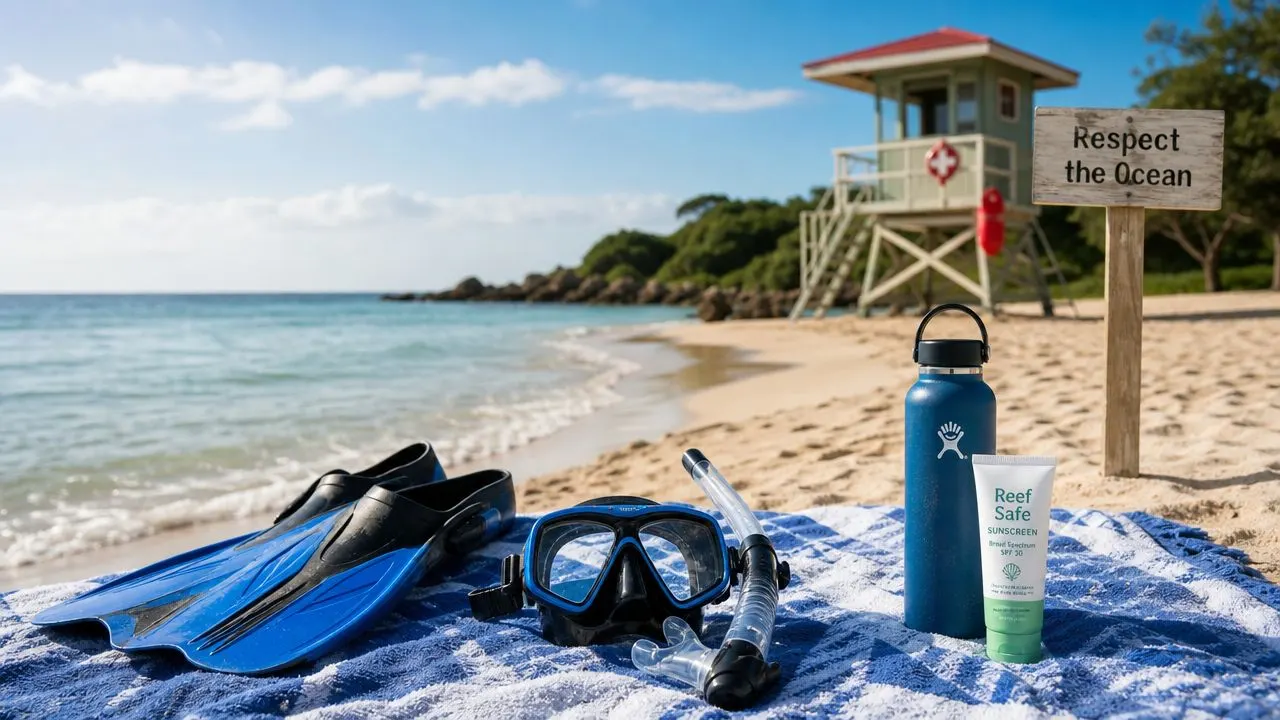
Planning Your Trip Seasonality and What to Bring
Waikiki snorkeling works year-round, which is one reason it fits so many vacation schedules. You don't need a narrow seasonal window to enjoy the water. What changes more often is the bonus wildlife around you.
Winter adds one more reason to get on a boat
If you're visiting in the winter months, you can pair your snorkel plans with a separate whale watch. That's a different trip, not something you combine with snorkeling, but it's a great add-on for families and multi-generational groups who want another ocean day without everyone getting back in the water.
The Waikiki whale watch tour is the option to look at during whale season.
What to bring and what to leave behind
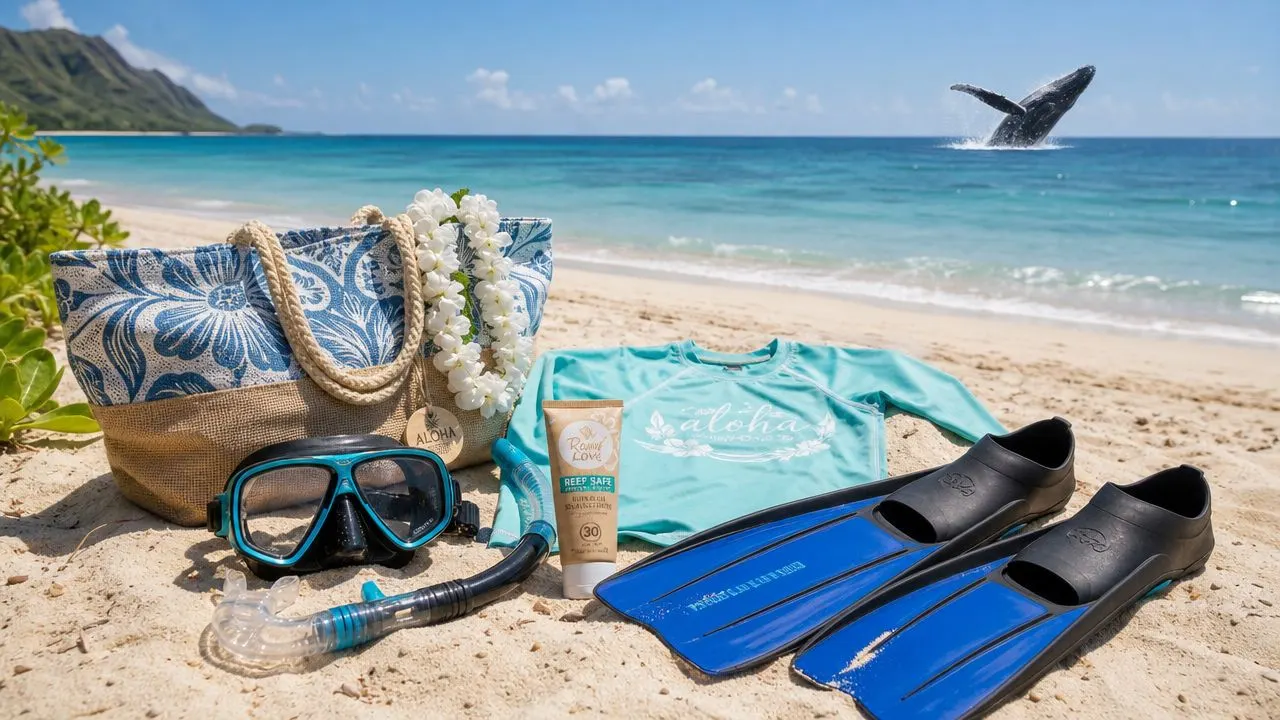
Packing for a guided snorkel trip is simple. Bring the same basics you'd take to a beach day, then let the crew handle the specialty gear.
A practical list looks like this:
- Bring a towel: You'll want it right away after the swim.
- Pack reef-safe sunscreen: Better for the reef and for your own skin.
- Wear your swimsuit to the boat: It saves time at check-in.
- Add a hat and sunglasses: The boat ride can be bright, even before noon.
- Take a camera if you want memories: Just make sure it's secure in or around the water.
Tour operators typically provide masks, snorkels, fins, and flotation vests. If you're wondering whether you need extra warmth for the ride or the water, this guide on whether to use a wetsuit for Turtle Canyon helps answer that question.
Your Waikiki Adventure Awaits
The biggest mistake people make with Waikiki snorkeling is assuming all snorkel options are basically the same. They aren't.
Beach entry can be convenient and fun when conditions line up and expectations stay flexible. Offshore snorkeling is the better call when you want clearer water, a more organized experience, and stronger wildlife odds. For beginners, families, and anyone who doesn't want to waste a vacation morning troubleshooting rentals and guessing where to go, guided boat trips usually deliver the better day.
That's the decision framework. If you want a casual splash near shore, keep it simple and conservative. If you want turtles, support, and a much more dependable experience, go offshore with a crew that does this every day.
Frequently Asked Questions About Waikiki Snorkeling
Can I snorkel if I'm not a strong swimmer
Yes, as long as you choose the right setup. Guided trips are the easier choice because flotation vests help you stay relaxed on the surface, and crew support makes a big difference when someone feels hesitant.
What's the real difference between Turtle Canyons and snorkeling from the beach
It comes down to reliability. Turtle Canyon is an offshore turtle area, while shore snorkeling in Waikiki depends much more on calm water, decent visibility, and luck.
Water visibility at Turtle Canyon typically exceeds 50 to 100 feet, with snorkeling depths around 20 to 45 feet, according to this Turtle Canyon snorkel overview. That's a very different underwater feel from nearshore Waikiki on an average day.
Is it better to rent my own gear or use gear on a tour
For most visitors, use the tour gear. There isn't much hard data on the cost-per-value gap between rentals and tours, but hotel and beach rentals are often described as having “crazy prices.” Guided tours also provide “high-quality, sanitized gear” and “flotation devices,” which are especially useful for children and first-timers, as described in this Waikiki snorkeling rental versus tour discussion.
Is shore snorkeling still worth doing
Yes, if you treat it as a casual beach activity and not a guaranteed turtle excursion. It's a good warm-up session. It just shouldn't be your only plan if snorkeling is a priority for the trip.
If you want a guided option for snorkeling, turtle trips, sunset cruises, or seasonal whale watching, Living Ocean Tours is a straightforward place to compare experiences and pick the one that fits your group.


