
Snorkel With Turtles Oahu: Watch Without Chasing
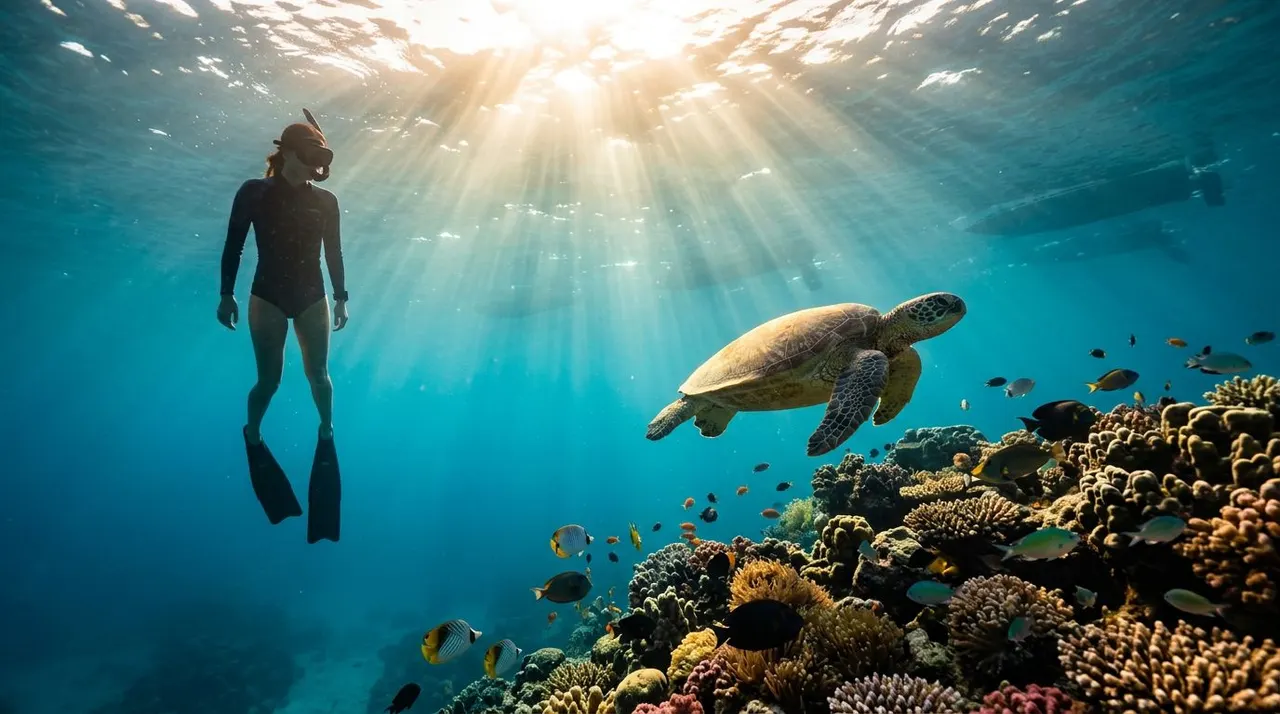
Many turtle encounters are unforgettable because you stay still long enough to see natural behavior. When you snorkel with turtles on Oahu, your best experience comes from giving Hawaiian green sea turtles, or honu, plenty of space to swim, rest, and surface.
You don’t need to chase a turtle for a close view. With calm movements, good guide support, and respectful distance, you can enjoy the encounter without blocking the animal or damaging its habitat.
Key Takeaways
- Keep at least 10 feet from every Hawaiian green sea turtle.
- Stay on the surface, move slowly, and let the turtle choose its direction.
- Never touch, feed, surround, or swim over a turtle.
- A professional snorkel guide helps your group observe wildlife safely.
- Turtle Canyon offers a guided experience near Waikiki, but sightings involve wild animals and aren’t guaranteed.
Why Turtle-Friendly Snorkeling Starts With Distance
Hawaiian green sea turtles are protected wildlife. They often visit shallow reef areas to rest, feed, or allow small marine organisms to clean their shells. These moments can look peaceful, but a crowded group can quickly change the turtle’s behavior.
A turtle may turn away, dive, or swim faster when people follow too closely. That response tells you to stop and give it more room. The encounter should end when the turtle leaves, not when you decide you want one more photo.
Keep at least 10 feet between yourself and the turtle. That distance gives the animal a clear path and helps you avoid accidental contact. A turtle that swims closer has made that choice, but you should still stay calm and avoid reaching toward it.
Touching a turtle is never appropriate, even if the shell looks sturdy. Your hands can carry oils, sunscreen, or bacteria that may harm wildlife. Touching can also cause stress and may violate wildlife protection rules.
Feeding is equally harmful. Honu need to maintain natural feeding habits, and food from people can make them associate swimmers with handouts. That behavior puts the turtles and future visitors at risk.
The reef needs your attention as well. Keep your fins away from coral, avoid standing on the bottom, and don’t grab rocks for balance. Coral can take years to recover from one careless kick.
The goal is a close view without changing the turtle’s behavior.
How to Snorkel With Turtles on Oahu Without Blocking Them
Your position in the water matters as much as your distance. A turtle needs space in front of its head, room beside its body, and a clear route to the surface.
Enter the water calmly and follow your guide’s instructions. Splashing, shouting, and fast kicking can scatter wildlife before you get a chance to observe it. Once you’re floating, slow your breathing and use small fin movements.
Use these habits when a turtle appears:
- Stay on the surface. Avoid diving down toward the animal. A turtle may need to surface for air, and you shouldn’t interfere with that route.
- Keep your body horizontal. This position helps you float efficiently and keeps your fins away from the reef.
- Leave the turtle’s path open. Don’t swim in front of its face, cut across its direction, or position yourself between the turtle and open water.
- Let the turtle pass. If it swims near you, stop kicking and keep your hands close to your body. Watch it move through the water without reaching out.
- Follow the group boundary. Stay with your snorkel group instead of spreading around the animal. Several swimmers approaching from different directions can surround a turtle without meaning to.
A guide may ask you to move back, spread out, or return to the boat. Follow that direction immediately. Your guide is watching the group, the reef, the current, and the turtle at the same time.
This approach also improves your photos. A steady swimmer gets clearer images than someone chasing a moving animal. Hold your camera securely, avoid flash, and accept that the best shot may show the turtle swimming away.
Choose a Guided Turtle Canyon Snorkel Tour Near Waikiki
Turtle Canyon is a popular snorkeling area off Waikiki, but wildlife encounters still depend on ocean conditions and turtle behavior. A responsible tour operator won’t promise a guaranteed interaction. Instead, the crew takes you to a known habitat and helps you observe without disrupting it.
Living Ocean Tours departs from Kewalo Basin Boat Harbor, a short drive from Waikiki Beach in Honolulu. The company focuses on guided ocean experiences, with equipment, safety instruction, and support for first-time snorkelers.
Living Ocean Tours is the only tour company with professional snorkel guides. That matters when you want to snorkel with turtles Oahu visitors often hope to see, while also learning how to stay neutral in the water. Your guide can explain where to look, how to control your fins, and when to give a turtle more space.
The flagship Turtle Canyon Snorkel Excursion reports a 95% success rate for spotting Hawaiian green sea turtles at a natural underwater cleaning station. Because honu are wild animals, no responsible operator can guarantee a sighting on every trip. The value comes from visiting the habitat with a crew that puts wildlife conduct first.
You also get the comfort of Coast Guard-inspected, custom-built double-decker vessels. The Coral Kai offers open deck space, while the Lokahi includes shaded seating, restrooms, dry storage, heavy-duty ladders, and a SeaKeeper stabilization system that helps reduce rolling.
That setup makes the trip easier for families, couples, and guests who feel unsure about snorkeling. You can receive instructions before entering the water, use provided gear, and return to the boat when you need a break.
What to Do Before You Enter the Water
Your preparation affects how relaxed you feel in the ocean. Pack a swimsuit, towel, sunglasses, and a light cover-up for the boat ride. A rash guard can protect your shoulders during long periods in the sun.
Apply sunscreen before boarding, then keep your hands away from the turtle and reef. Your crew can explain any local guidance about products and ocean protection. Never apply lotion or sunscreen immediately before handling shared masks or entering the water.
If you haven’t snorkeled before, tell the crew. You can practice breathing through the snorkel and learn how to clear your mask before swimming toward the reef. Ask for help adjusting your mask strap or fins instead of trying to fix uncomfortable gear while you are in deeper water.
You should also be honest about your comfort level. Ocean conditions can change, and strong swimmers still need to respect wind, current, and boat traffic. Stay close to the guide and use the ladder when you return to the vessel.
Motion-sensitive guests may want to choose a seat near the center of the boat, where movement is often easier to manage. Eat a light meal before departure and drink water throughout the outing.
Most importantly, understand that a turtle sighting is a privilege, not a performance. The crew can take you to the right habitat, but the honu decides whether it appears and how long it stays.
Let the Turtle Set the Pace
A respectful encounter can last only a few minutes, yet it may become the clearest memory of your Oahu vacation. You might watch a honu glide above the reef, pause at a cleaning station, or rise slowly for air. Those moments feel special because the turtle behaves naturally.
If you travel with children, give them one simple rule before entering the water: look with your eyes and keep your hands to yourself. Show them how to kick gently and leave room for the animal to move. Children often enjoy the experience more when they focus on observing rather than trying to get closer.
Couples can use the same approach. Stay side by side, keep your voices low, and let the guide point out wildlife without crowding it. A shared quiet moment underwater creates better memories than a rushed pursuit.
When the turtle swims away, turn your attention to the reef and other marine life. You may see colorful fish, sea urchins, or changing patterns of light across the seafloor. The ocean offers more than one reason to slow down.
Conclusion
You can snorkel with turtles on Oahu without chasing or blocking them by staying calm, keeping your distance, and allowing the honu to control the encounter. Good buoyancy, gentle fin strokes, and careful positioning protect both the turtle and the reef.
A guided Turtle Canyon trip gives you equipment, instruction, and professional support near Waikiki. When you observe instead of pursuing, you get a safer experience and a more meaningful view of Hawaii’s marine life.


