
Oahu Reef Fish: A First-Time Snorkeling Guide
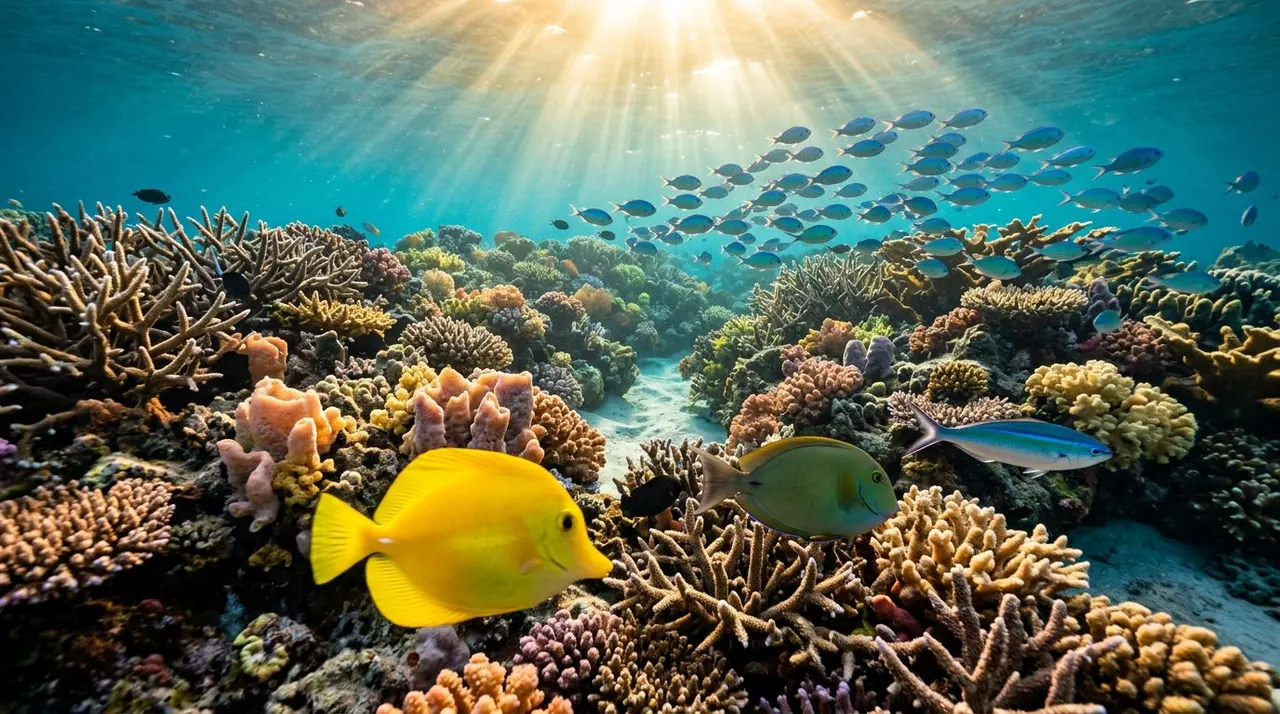
A reef can look busy at first, with flashes of yellow, silver, blue, and green moving through the coral. After a few minutes, you’ll start noticing patterns, shapes, and behaviors that help you identify each fish.
Learning a few common Oahu reef fish before you enter the water makes snorkeling more rewarding. You’ll know what to watch for, where to look, and how to observe marine life without disturbing it. Start with the fish you’re most likely to see around Waikiki and Turtle Canyon.
Read the Reef Before You Identify the Fish
Before searching for individual species, take a moment to read the underwater habitat. Fish choose places that provide food, shelter, or a clear view of approaching predators.
Look around coral heads, rocky ledges, sandy channels, and the edges where reef meets open water. Small fish often stay close to cracks and crevices. Larger herbivores may graze across exposed rock, then retreat when a swimmer comes too close.
Your position matters, too. If you kick hard or stand on coral, you’ll send fish away and damage the habitat you came to see. Instead, float horizontally, breathe slowly, and keep your hands to yourself. Fish often return when you become still.
Sunlight also changes what you notice. In bright, clear water, yellow tangs and butterflyfish stand out immediately. In shaded areas, look for striped fish, dark surgeonfish, and species with mottled patterns. A polarized mask can reduce surface glare, although a well-fitting standard mask works for most first-time snorkelers.
Pay attention to movement. A fish grazing on rock has a different feeding style from one hovering above coral. Some species travel alone, while others move in small groups. Those details often help you identify a fish before you can see its colors clearly.
Common Oahu Reef Fish You’re Likely to See
You don’t need to memorize a full field guide. Focus on body shape, color pattern, and behavior. These clues remain useful even when the water is slightly cloudy or a fish stays several feet away.
| Fish | Easy identification clues | Where you may see it |
|---|---|---|
| Yellow tang | Bright yellow, oval body, pointed snout | Coral heads and rocky reef |
| Humuhumunukunukuapua’a | Wedge-shaped body, blue-gray markings, strong snout | Reef edges and rocky areas |
| Convict tang | Pale body with several dark vertical bands | Shallow reef and algae-covered rock |
| Moorish idol | Black, white, and yellow bands with a long dorsal filament | Coral slopes and open reef |
| Butterflyfish | Compressed body, bold bands or masks, small mouth | Coral-rich areas |
| Parrotfish | Rounded head, beak-like mouth, blue-green or gray coloring | Algae-covered rock and reef flats |
Yellow Tang
The yellow tang is one of the easiest Hawaiian reef fish to recognize. Its entire body is a bright golden yellow, with a flattened oval shape and a small, pointed mouth. A sharp white spine near the tail helps protect it from predators.
You’ll often find yellow tangs grazing algae from rocks and coral surfaces. They may travel alone or gather in loose groups. Watch how they move between feeding spots instead of chasing them for a closer view.
Yellow tangs are a favorite first identification because their color remains obvious even at a distance. Once you spot one, scan nearby rocks for other grazing fish.
Humuhumunukunukuapua’a
Hawaii’s state fish has a name that takes practice, but its appearance is easier to remember. The humuhumunukunukuapua’a has a compact, wedge-shaped body, a pronounced snout, and blue-gray patterns around the face and fins.
This reef triggerfish often swims close to rocks and reef edges. It may pause, change direction quickly, or wedge itself near shelter. Give it space, especially if it appears to guard a small area.
Look for the strong triangular profile rather than relying on color alone. The body shape separates this fish from many flatter, more oval reef species.
Convict Tang
Convict tangs have pale bodies crossed by several dark vertical bands, which resemble the stripes on a prison uniform. Their pattern makes them easier to identify than their subtle gray coloring might suggest.
They commonly feed on algae in shallow reef areas. You may see one moving over a rock, followed by several more. Keep watching the group, since their stripes can blend into the reef when they turn sideways.
Moorish Idol and Butterflyfish
Moorish idols have a narrow, disk-shaped body with black, white, and yellow bands. Their long dorsal filament extends above the body and can make them look much larger than they are. They often move along coral slopes while picking food from the reef.
Butterflyfish have similarly compressed bodies, but their patterns vary by species. Many show bold stripes, a dark mask near the eye, or a small false eye near the tail. Their small mouths help them pick food from tight spaces.
If you see a pair moving together, take a closer look at the markings. Some butterflyfish species form long-term pairs, so their behavior can provide another identification clue.
Parrotfish
Parrotfish have rounded heads and fused teeth that resemble a beak. Their colors can range from gray and green to vivid blue, depending on the species and life stage.
You may hear a faint scraping sound as a parrotfish feeds on algae-covered rock. Keep your distance and avoid following it closely. These fish need regular access to feeding areas, and repeated interruptions can force them away from food.
Fish That Aren’t Fish: Sea Turtles and Reef Neighbors
Hawaiian green sea turtles are among the most memorable animals you may encounter while snorkeling Oahu. They are reptiles, not fish, but beginners often see them in the same reef habitats.
A turtle may rest on the seafloor, glide above coral, or surface for air. You should never touch, block, feed, or follow one. Leave plenty of room around its body and allow it to choose its own direction.
You might also see sea urchins, sea cucumbers, crabs, and small invertebrates tucked between rocks. These animals help you understand how much life exists beyond the brightly colored fish.
Your best wildlife encounter happens when the animal controls the distance and direction of the meeting.
Never stand on coral to get a better view. Coral can break under a single fin or footstep, and recovery may take years. Use the reef as a visual guide, not a handhold or resting place.
How to Snorkel for Better Fish Sightings
First-time snorkelers often miss fish because they swim too quickly. Slow down before you enter the water. Adjust your mask and practice breathing through the snorkel while you’re still near the boat or shoreline.
Keep your legs relaxed and kick from your hips. Small, steady fin movements create less noise and help you conserve energy. If you feel tired, signal your guide or return to the boat rather than pushing farther than you can comfortably swim.
Your eyes should scan in layers. Start near the reef surface, then check openings beneath ledges and the water above the coral. Some fish graze on rock, while others hover in the water column and only approach when you remain still.
Avoid wearing shiny jewelry or carrying anything you don’t need. Secure loose items before entering the water, and use reef-safe sunscreen according to local guidance. A rash guard can reduce sun exposure while keeping you comfortable during a longer trip.
For the clearest view, face away from the sun when possible. Looking directly toward bright glare can wash out colors. When the sun is behind you, patterns on fish become easier to see.
A Guided Way to Identify Reef Fish at Turtle Canyon
If you want help identifying what you see, Living Ocean Tours departs from Kewalo Basin Boat Harbor, just minutes from Waikiki Beach. The company is the only tour company with professional snorkel guides, so you receive direct help with equipment, water entry, fish spotting, and responsible wildlife viewing.
The Turtle Canyon Snorkel Excursion is designed for beginners, families, and confident swimmers who want more time around Waikiki’s marine life. The crew provides snorkeling gear and guidance before you enter the water. The tour also reports a 95% success rate for spotting Hawaiian green sea turtles at a natural underwater cleaning station.
You can focus on identifying yellow tangs, butterflyfish, triggerfish, and other reef residents while the crew helps you maintain a respectful distance. The boats include shaded seating, restrooms, dry storage, and sturdy ladders for easier water access.
Choose More Water Time With a Deluxe Snorkel Cruise
Families and couples who want snorkeling plus extra time on the water can choose the Deluxe Waikiki Snorkeling and Wildlife Cruise. The boat visits a less-crowded reef and includes a waterslide, water trampoline, and floating lily pad.
You can split your time between fish identification and relaxed water play. That makes the cruise useful for groups with different comfort levels. One person can practice snorkeling with the guides while another enjoys the boat or waits in the shade.
The Lokahi features a SeaKeeper stabilization system, which helps reduce rolling and can make the ride more comfortable for guests concerned about seasickness. Both custom-built, Coast Guard-inspected vessels have shaded areas and safe ladders for water entry.
Protect the Reef While You Watch
Responsible snorkeling begins before you enter the water. Listen to the crew’s instructions, keep your fins away from coral, and avoid touching animals or reef surfaces.
Do not feed fish. Feeding changes their behavior and can make them dependent on people. Keep your hands off turtles, even if one swims close enough to touch. A respectful observer gets better natural behavior and helps protect the habitat for future visitors.
Take only photos and memories with you. Leave shells, rocks, and other natural materials where you find them. If you notice plastic or fishing line, tell your guide instead of reaching into a tight reef opening.
Conclusion
Once you recognize a yellow tang’s bright body, a triggerfish’s wedge shape, or a parrotfish’s beak-like mouth, the reef becomes easier to read. Slow movement and careful observation will help you spot more Oahu reef fish without disturbing them.
A guided trip gives you added confidence, especially during your first snorkeling experience. With professional instruction, proper equipment, and a commitment to observing rather than touching, you can enjoy Hawaii’s marine life while helping keep the reef healthy.


