
Turtle Canyon Oahu Guide to Snorkeling with Turtles
You've arrived in Waikiki, watched the boats leave Kewalo Basin, and now you're wondering whether Turtle Canyon is suitable for your family, your first snorkel, or your not-quite-confident swimming skills. The short answer is that it can be an excellent introduction to Oahu's offshore marine life, provided you understand what you're booking. This isn't a beach where you can walk into the water and wander around for a few minutes. It's a boat-access-only reef, and the quality of the experience depends on sea conditions, group flow, and respectful wildlife viewing.
Introduction to Turtle Canyon and Why It Captivates Visitors
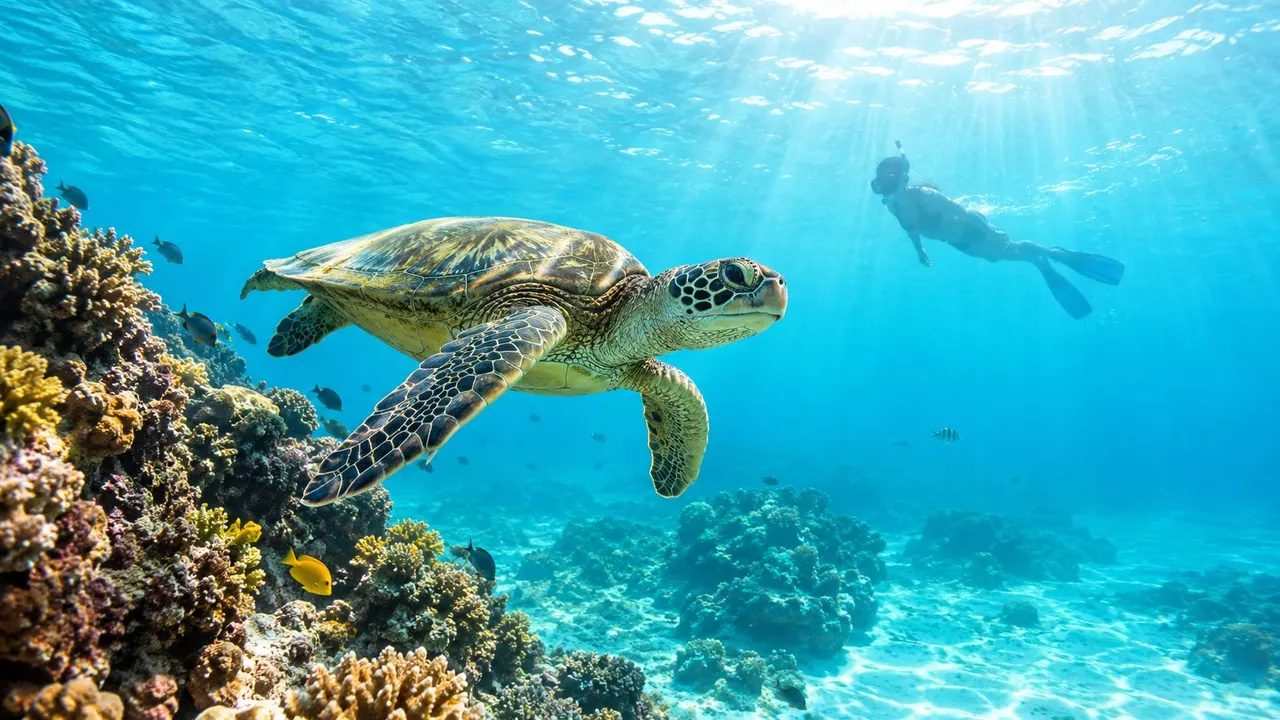
The boat slows beyond Waikiki, and the water changes from bright blue to a deeper reef color. A rounded shell moves below the surface. Instead of rushing past, a green sea turtle may settle over the reef while small fish work around its shell. For a first-time snorkeler, the scene feels less like chasing wildlife and more like observing an underwater service station in use.
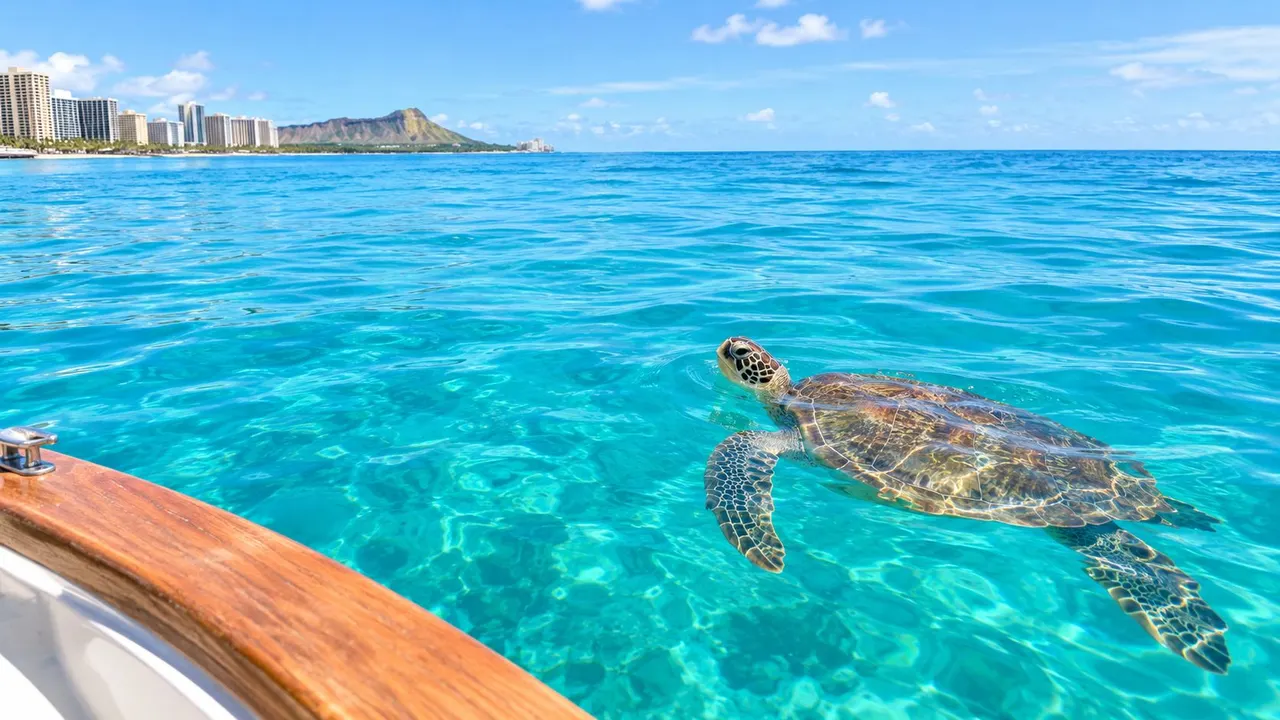
Turtle Canyon lies off Oahu's south shore, typically about 1.5 to 2.5 miles from Waikiki Beach. Visitors reach it by boat, not by walking in from shore. Turtle Canyon's location and boat-access setting explains why the site suits travelers seeking an offshore reef without planning a longer island excursion.
A reef visit rather than a casual swim
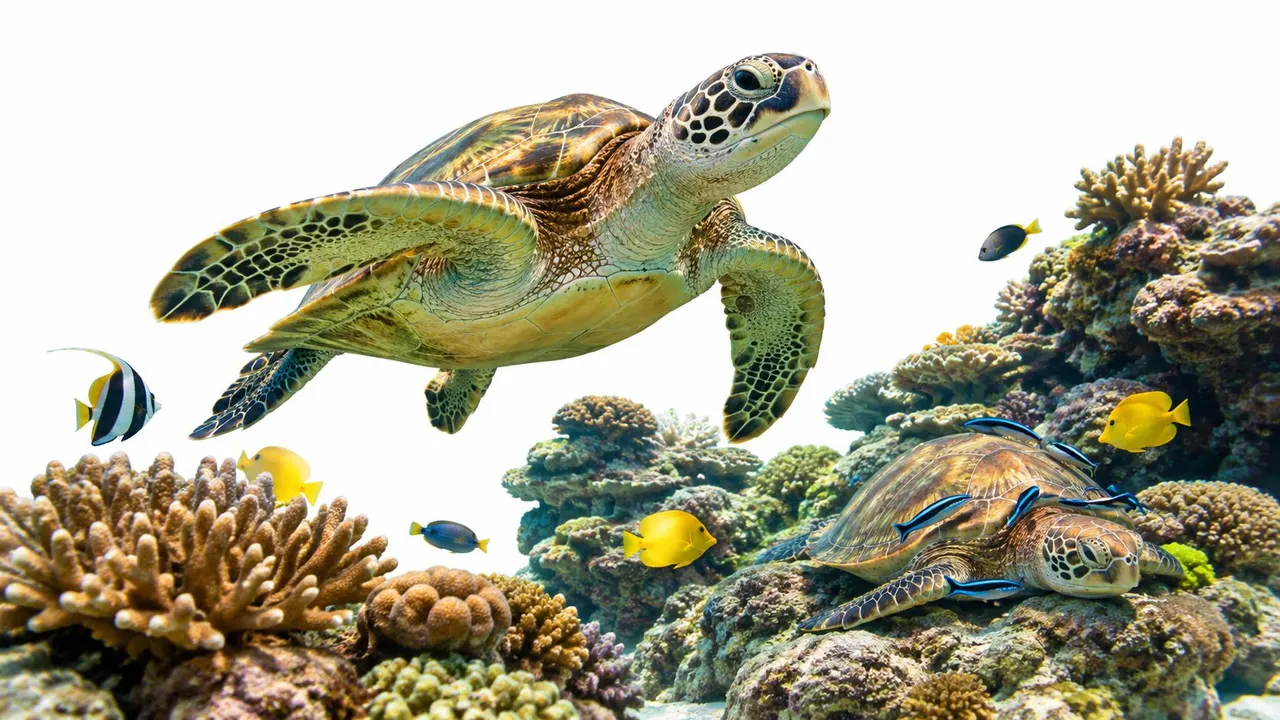
The turtles return because the reef provides useful habitat. It works as a natural cleaning station, where cleaner fish feed on algae and parasites around Hawaiian green sea turtles. Reef structure gives the animals places to pause, so the encounter can feel more dependable than a random sighting from a beach. You are watching a relationship between species, not just looking for a shell in open water.
That distinction helps families and beginners choose the right expectations. The trip includes preparation, boat travel, entering the water, and time observing the reef. The detailed tour schedule belongs in the planning section later, where total tour time and actual in-water time can be compared directly. For independent preparation, guidance on what to expect at Turtle Canyon can help you plan around the full outing rather than the snorkel alone.
A broader guide to sea turtles in Oahu can help identify the animals you may encounter. On the water, the practical approach is calm: listen to the crew, keep a respectful distance, and allow the reef to reveal its behavior instead of treating the visit like a race to reach a turtle.
Where Turtle Canyon Sits and How the Cleaning Station Works
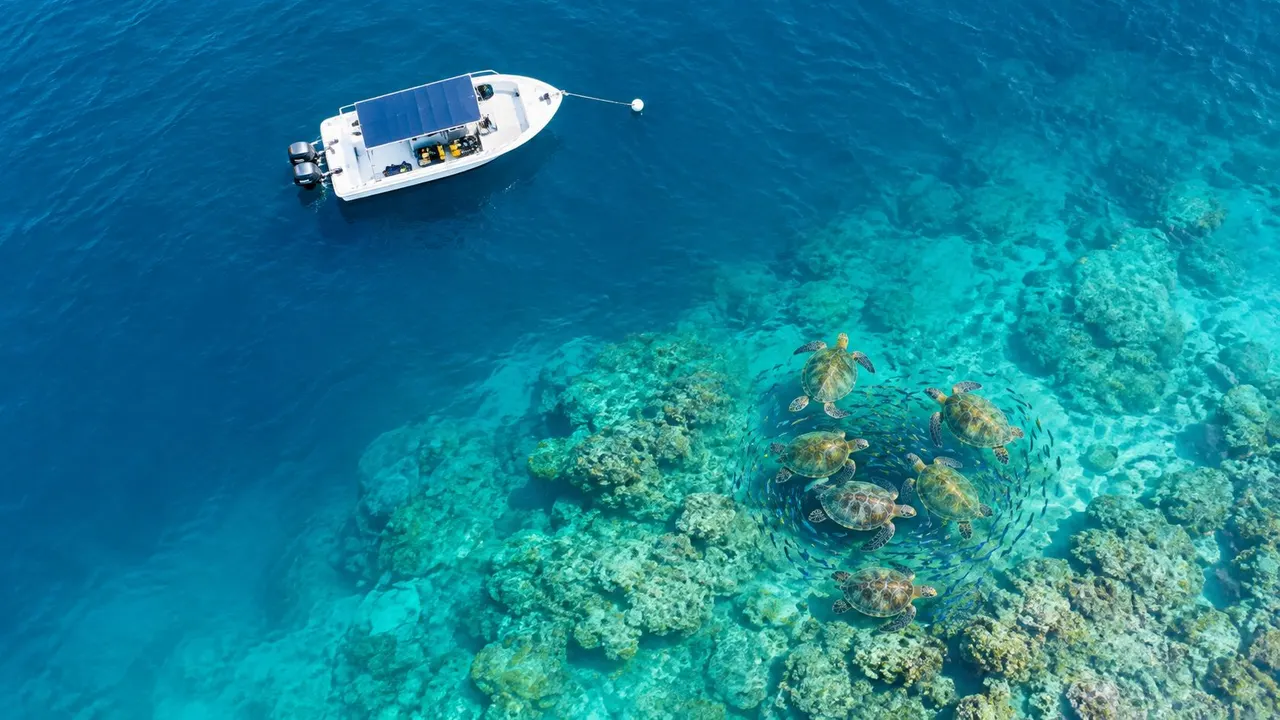
Turtle Canyon is located offshore from Kewalo Basin, near Waikiki, where boat operators can reach the reef without asking visitors to swim a long distance from land. That distinction matters for safety and comfort. A boat takes you across open water, drops you near the viewing area, and provides a controlled place to enter and exit the ocean.
The reef itself is more than a backdrop. Independent dive guidance describes finger-like lava ridges separated by sand channels, with shallow coral gardens around 8 meters and deeper sandy channels near 18 meters. This description of Turtle Canyon's reef topography shows why different animals use different parts of the site.
Think of the reef as an underwater service area
A simple analogy helps. Picture a natural car wash, but replace the brushes with cleaner fish and the vehicles with honu, the Hawaiian name for green sea turtles. The turtles approach the reef, hold relatively still over a suitable ledge or crevice, and allow small fish to feed on algae and parasites from their shells and skin.
The fish gain food. The turtles receive maintenance. This relationship is known as cleaning-station behavior, and it depends on the reef's physical structure. Hard surfaces, ledges, and protected spaces give cleaner fish places to work and give turtles locations where they can pause. The cleaning-station explanation from Oahu boat guidance makes the key point clear: the activity isn't created by clear water or proximity to Waikiki.
Why turtles return
A random aggregation may disperse as animals move through an area. A cleaning station offers a repeat-use habitat. Turtles can return to a familiar reef structure when they need to rest, feed nearby, or be cleaned, which helps explain why Turtle Canyon has become a repeatable wildlife-viewing destination.
That reliability doesn't mean every visit looks identical. Wind, swell, visibility, boat positioning, and the turtles' behavior still shape what you see. Your guide may direct the group toward a sandy clearing, a reef ledge, or a different section of the structure based on conditions. Visitors who understand the site as a living habitat usually become better observers because they're watching for behavior, not just counting shells.
For a wider look at Oahu's snorkeling environments, explore this guide to snorkeling around Oahu. Turtle Canyon's appeal begins with the turtles, but its real character comes from the reef that makes their repeated visits possible.
What Marine Life You Can Expect to See
A turtle may appear first, yet Turtle Canyon makes more sense as a living cleaning station than as a wildlife checklist. Lava ridges, sandy channels, coral heads, ledges, and crevices divide the reef into viewing zones. Move only a short distance, and the scene in front of your mask can change.
Hawaiian green sea turtles are the main attraction. Tourism and dive guides commonly report about 3 to 5 turtles per trip, with roughly 7 to 10 turtles on a good day. Some guided operators also describe sighting success rates between 95% and 98%. These figures appear in available Turtle Canyon background material, including the University of Hawaii and NOAA marine documentation. Use them as planning guidance, not a promise. Wild animals do not keep a tour schedule.
Read the reef from shallow to deep
The commonly described 10 to 45 foot depth range lets snorkelers observe much of the habitat from the surface. Shallow areas still support reef fish and turtle-cleaning activity, so beginners do not need to dive down to find interesting behavior. The reef's shape determines what you can see from each position.
Near coral gardens and ridges, small reef fish keep the water moving with color and activity. Coral heads provide food, shelter, and routes between exposed and protected water. A turtle resting over pale sand usually stands out clearly. Along a dark ridge, its shell can blend with the reef until a slow shift gives it away.
The overlooked residents
Moray eels often stay in deeper crevices, showing only part of the head from their shelter. Sand channels separate lava formations and may provide resting areas for turtles. Cleaner fish gather around hard reef surfaces because those structures support their work.
Water quality can change between zones. Fins brushing the bottom stir sand, cloud the view, and disrupt the cleaning-station area. Stay horizontal, use controlled kicks, and keep clear of the reef. Those habits protect the habitat while giving you a steadier view.
Families should also separate total tour time from actual in-water time. A trip includes transport, briefing, entry, exit, and movement between sites, so the snorkeling portion may feel shorter than the full booking. Ask the operator how long guests typically spend in the water and whether the plan suits a first-time snorkeler. For help identifying the surrounding species, use this guide to Honolulu snorkeling fish. Watch the whole scene: the turtle is the headline, while cleaner fish, reef contours, and nearby fish behavior explain the encounter.
Best Times and Conditions for Calm Clear Water
A family can arrive under bright blue skies and still find Turtle Canyon bumpy. Water conditions depend on the ocean's movement, not the calendar alone. For a planning starting point, May through September generally brings calmer seas and clearer underwater visibility. This seasonal snorkeling guidance for Oahu identifies that period as a preferred window for families, first-time snorkelers, and visitors seeking more relaxed water.
Winter trips are not automatically poor. Oahu's south shore can offer enjoyable snorkeling outside summer, while a summer morning can still turn choppy. Operators assess the current wind, swell, visibility, and safety before deciding whether the planned outing will provide comfortable time in the water.
Compare the variables that matter
| Planning factor | What it changes |
|---|---|
| Season | May through September is generally associated with calmer seas and clearer visibility |
| Wind | Stronger wind can add surface chop and make floating less comfortable |
| Swell | Increased movement can make entries, exits, and mask viewing more demanding |
| Light | Bright conditions can make reef contours and turtle movement easier to distinguish |
| Departure timing | Earlier outings may feel more comfortable when the surface is calmer |
Earlier departures often suit beginners. A smoother surface gives you time to settle your breathing, keep your mask pointed down, and observe the reef without constantly correcting your position. Families should check the forecast, then remain flexible. A child who feels confident in a pool may find open-ocean movement unfamiliar, especially while the boat is underway or the surface is choppy.
Tour length also needs careful reading. A booking includes transport, safety instructions, entry, exit, and travel between sites, so the listed duration is not the same as actual in-water time. Ask how long guests typically snorkel and whether the schedule gives a first-time swimmer enough time to settle in. For broader planning, compare these seasonal snorkeling conditions on Oahu with the operator's current forecast and route.
Practical rule: Choose the most comfortable conditions available, not simply the date with the most appealing weather forecast.
A good guide explains what the crew is observing before guests enter. If conditions do not suit the planned experience, follow the operator's advice. Clear skies do not guarantee calm water, while comfortable conditions support steadier observation and safer decisions.
Safety Rules and Responsible Wildlife Viewing at Turtle Canyon
Turtle Canyon is a wildlife site, so your behavior affects both the animals and the people around you. The most important rule is distance. Snorkelers must stay at least 10 feet from Hawaiian green sea turtles, and Hawaii wildlife guidance identifies that requirement as federal law with fines for violations. Review the Hawaii snorkeling guidance on turtle distances before entering the water.
Distance isn't just a legal requirement. It gives a turtle room to rest, feed, move toward the reef, and surface for air without changing course because of a person. If a turtle turns away, dives early, or abandons the area, you're too close.
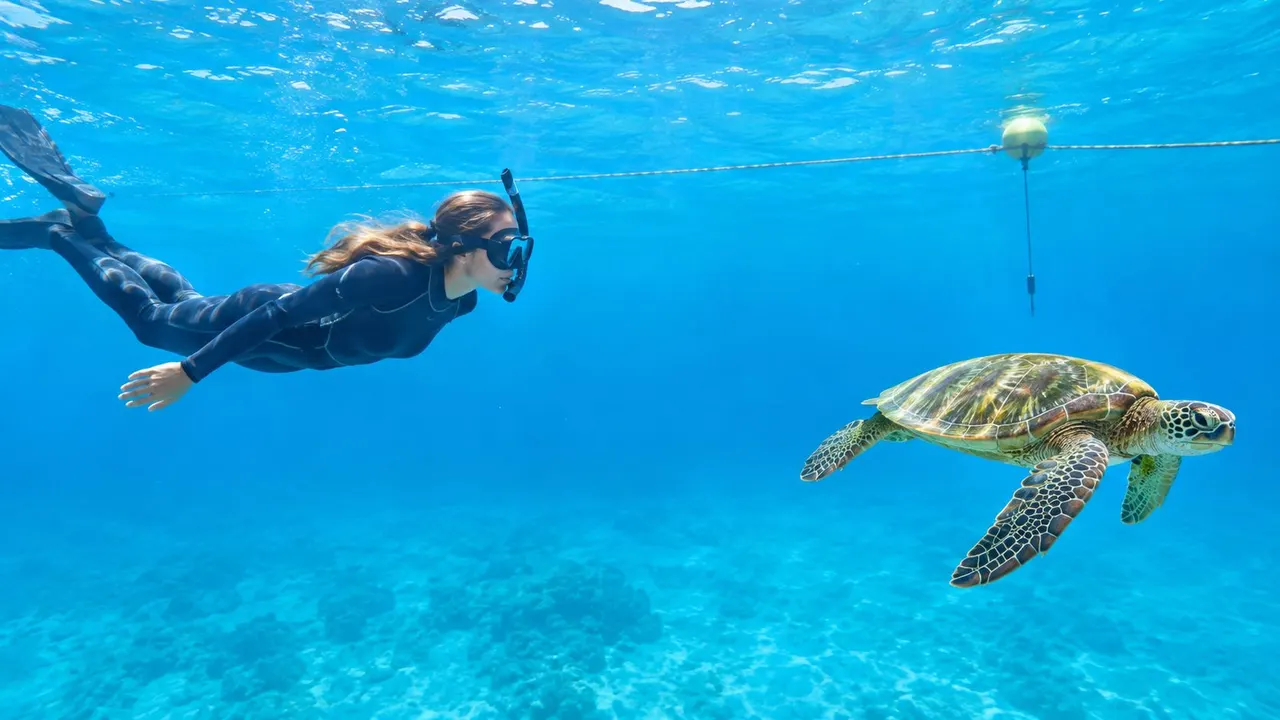
Follow a simple water code
- Stay back: Hold your position and let the turtle choose its direction.
- Never touch or chase: A close photo isn't worth disrupting natural behavior.
- Keep the surface path clear: Turtles need unblocked access to breathe.
- Control your fins: Short, gentle kicks reduce the risk of reef contact and accidental collisions.
- Protect the reef: Don't stand, kneel, grab coral, or stir sand from the bottom.
Sediment disturbance creates a second problem beyond poor visibility. Sand clouds can make it harder for everyone to observe the reef and may interfere with cleaner-fish activity around the structure. The reef's ledges and crevices support the cleaning station, so preserving those surfaces protects the behavior that visitors came to see.
Safety includes your own comfort
Listen to the crew's briefing, especially if you're new to boat snorkeling. Ask for help with your mask before entering the water, use flotation when it's provided or recommended, and tell the guide if you're nervous, tired, or uncomfortable. Life jackets and flotation devices can support participants who aren't strong swimmers, but they don't replace calm breathing, awareness, or honest communication.
Groups also need space. Avoid swimming directly beneath another snorkeler, cutting across the viewing area, or gathering in a tight cluster around one turtle. These Hawaii turtle snorkeling rules provide a useful refresher on responsible behavior.
The best turtle encounter is one in which the turtle's routine doesn't change because you're there.
How to Get There and Choosing the Right Tour Option
For a Waikiki family, the day usually starts at Kewalo Basin Boat Harbor, not at the reef itself. Turtle Canyon is reached by boat, so the outing includes arrival at the harbor, check-in, boarding, the ride offshore, a safety briefing, water entry, and the return trip. The tour's advertised length therefore measures the whole experience, rather than the time spent looking through a mask.
Tours commonly run about 2 to 3 hours overall, while the actual time in the water is roughly 30 to 60 minutes. That difference matters when planning for children or first-time snorkelers. A child may enjoy the reef but lose patience during boarding, while a beginner may need several minutes to settle breathing, clear a mask, and feel comfortable in open water.
Match the outing to your group
Living Ocean Tours operates the Turtle Canyons Snorkel Excursion from Kewalo Basin with gear, instruction, and in-water guidance. Its Deluxe Waikiki Snorkel and Wildlife Cruise is another option for families who want waterslide features along with a wildlife cruise.
Snorkel Turtle Canyon gives travelers another operator to compare. Look at departure details, group format, included equipment, and the support available to beginners. Those details can shape the day as much as the reef location itself.
| Tour Option | Total Time | In Water Time | Best For |
|---|---|---|---|
| Turtle Canyon snorkel excursion | About 2 to 3 hours | About 30 to 60 minutes | Visitors focused on the cleaning station and guided turtle viewing |
| Deluxe Waikiki snorkel and wildlife cruise | Varies by operator schedule | Varies by conditions and itinerary | Families wanting extra water-play features |
| Alternative Turtle Canyon operator | Confirm at booking | Confirm at booking | Travelers comparing group size, timing, and crew support |
Use the table as a planning guide, then confirm the exact schedule, age requirements, accessibility details, included equipment, and cancellation terms with the operator. Ask how long guests typically remain in the water, since sea conditions and the group's pace can affect that portion of the outing.
Practical Tips for Families and Eco Conscious Travelers
A comfortable Turtle Canyon morning starts before you reach the harbor. Wear secure swimwear, bring a towel and dry clothes, and pack water for the ride. Many tours provide the basic snorkeling equipment, but bringing a familiar mask can help if you already know it fits well.
Children and non-swimmers should be assessed. Comfort in open water matters more than athletic ability, and a child who dislikes masks, saltwater, boat motion, or instructions may not enjoy the trip. Ask the operator about flotation, supervision, entry procedures, and age suitability before you reserve a place.
Pack for the boat as well as the reef
- Sun protection: Use a rash guard, hat, and reef-conscious sun protection rather than relying only on sunscreen.
- Motion comfort: If you're prone to seasickness, discuss your preferred prevention strategy with a healthcare professional before travel and avoid arriving dehydrated.
- Simple breakfast: A light meal is often easier to manage on a moving boat than a heavy one.
- Personal essentials: Bring water, a towel, dry clothing, and any prescribed medication you may need.
- Camera choices: Use a camera only if you can keep your distance and remain aware of your fins, the reef, and other swimmers.
Photography should never become a reason to follow, block, or corner a turtle. Keep the camera steady, avoid flash if it disturbs nearby wildlife, and accept that the best image may be the one you take from farther away. A calm observer often sees more than someone who spends the entire snorkel adjusting equipment.
Leave the reef as you found it
Don't touch coral, collect anything, feed fish, or stir the sand. Choose operators that explain wildlife spacing, support beginner safety, and treat the reef as a habitat rather than a prop. Responsible tourism protects the cleaning-station behavior that makes Turtle Canyon special and helps preserve a meaningful experience for future visitors.
After the snorkel, give your group time to warm up, hydrate, and rest before adding more plans around Waikiki. The best day isn't the one with the most activities. It's the one where everyone finishes comfortable, curious, and respectful of the ocean.
Living Ocean Tours offers a guided Turtle Canyons Snorkel Excursion from near Waikiki with equipment, instruction, and in-water support for observing Hawaiian green sea turtles responsibly. Visit Living Ocean Tours to review the Turtle Canyon outing and choose a departure that fits your family's comfort, timing, and ocean experience.


