
Snorkeling Oahu: How to Recognize a Fish Cleaning Station
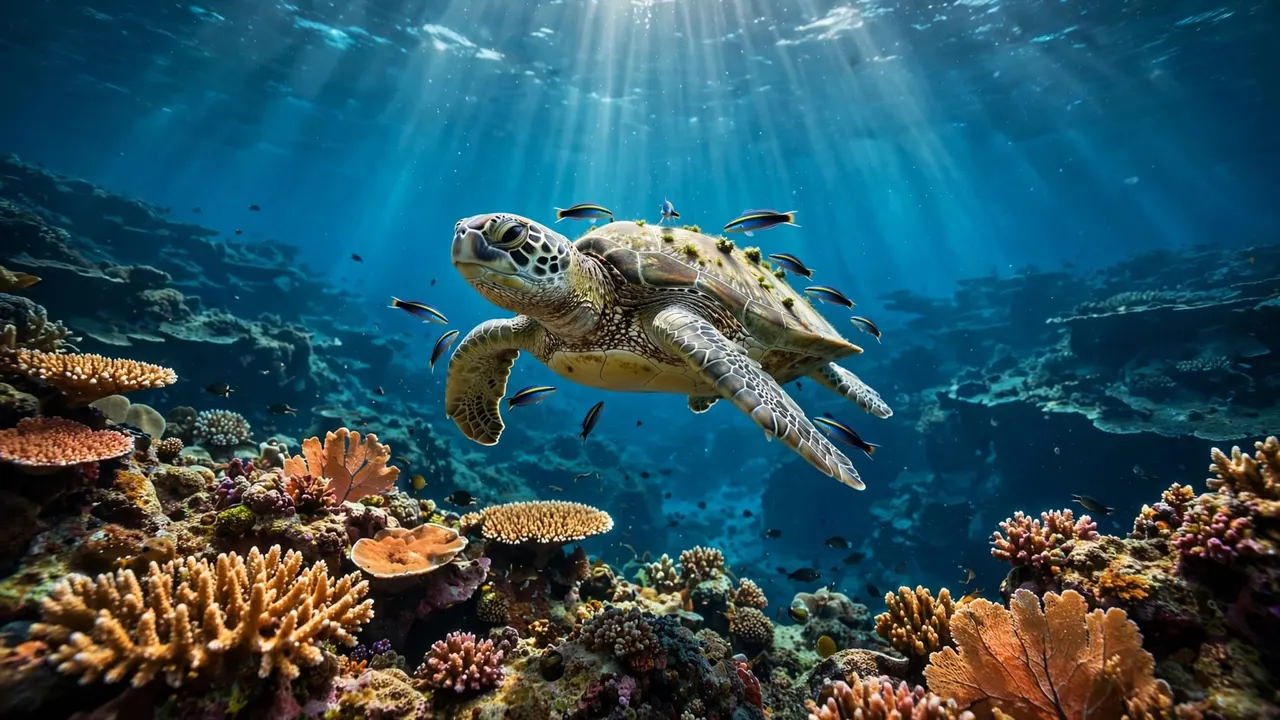
A Hawaiian green sea turtle hovering over a reef can look still, but the water around it may be full of purpose. During snorkeling Oahu, that calm scene often means you’ve found a natural fish cleaning station.
Living Ocean Tours brings you from Kewalo Basin Boat Harbor to Waikiki’s offshore reef habitat with the only professional snorkel guides in the water with you. Once you know what to watch for, a turtle encounter becomes more than a photo opportunity.
What a Fish Cleaning Station Looks Like Underwater
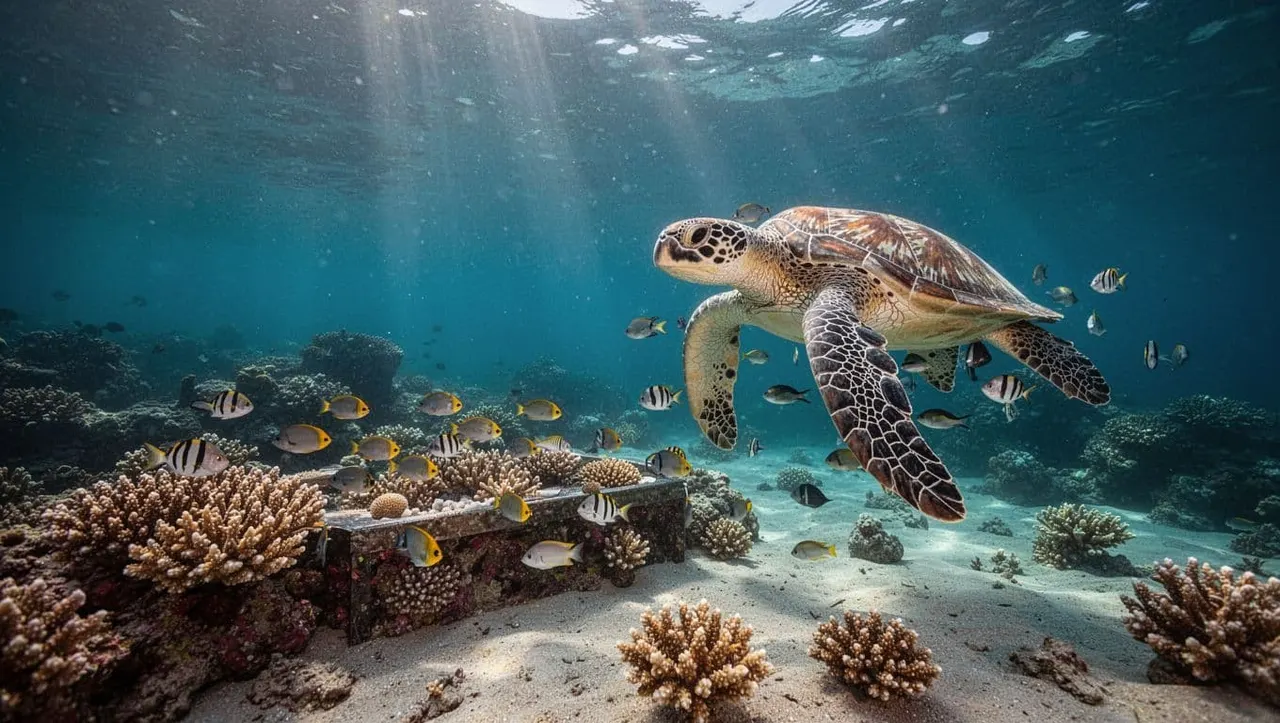
A fish cleaning station is a section of reef where larger animals pause while small reef fish pick algae, loose material, and other buildup from their bodies. The interaction happens on the animals’ schedule, not yours.
At Turtle Canyon off Waikiki, Hawaiian green sea turtles, also called honu, may use reef areas this way. You might see a turtle pause over coral, then rise for air or glide into open water.
Watch for a Turtle That Chooses to Pause
A turtle visiting a cleaning station often slows down near a coral ledge or reef outcrop. It may hold position with gentle flipper movements instead of swimming steadily through the area.
Look closely at its behavior before moving nearer. A resting turtle can remain still for a moment, while a cleaning turtle usually has several small fish working around its shell, neck, or flippers.
You are watching a wild animal, so every encounter looks different. The turtle decides when to arrive, how long to stay, and when to leave.
Notice the Cluster of Small Reef Fish
The clearest clue is a concentrated group of small fish close to the turtle’s body. Rather than passing by in a loose school, they stay near the shell and skin.
This is different from seeing fish above a reef on their own. At a cleaning station, the turtle and fish create a focused scene. The fish move in close, and the turtle gives them time to do so.
A cleaning station is defined by a repeated interaction, not by one turtle swimming past a few fish.
Snorkeling Oahu: Clues That Confirm the Behavior
When you’re snorkeling Oahu reefs, avoid deciding too quickly that every turtle is being cleaned. Patient observation gives you a far better read on what is happening below the surface.
Stay afloat, settle your breathing, and watch the full scene for several seconds. Fish activity, turtle position, and reef structure matter more than a single close look.
Look for Calm, Repeated Activity
A true cleaning interaction has a relaxed rhythm. The turtle stays near one area of the reef, while the same small fish return to its shell or flippers again and again.
A turtle may tilt slightly, drift forward, or lift a flipper without leaving the spot. Those small adjustments can give fish access to different surfaces.
By contrast, a turtle crossing the reef with steady, purposeful flipper strokes is probably traveling, feeding, or heading up to breathe. Let it continue without following.
Separate Cleaning From Ordinary Reef Movement
Reef fish surround coral for many reasons. They feed, shelter, and move with currents. Their presence alone doesn’t make a cleaning station.
Focus on the relationship between the fish and turtle. The fish should remain unusually close to the turtle, while the turtle stays calm near the same reef feature.
If visibility is low or the turtle moves away quickly, don’t chase it for confirmation. The best sightings happen when you let the interaction unfold naturally.
Why Turtle Canyon Draws Snorkelers Near Waikiki
Turtle Canyon sits offshore from Waikiki, where reef structure creates a regular stop for Hawaiian green sea turtles. It isn’t an aquarium or a guaranteed wildlife show. It is an active marine habitat where turtles may pause at natural cleaning areas.
That behavior is why snorkeling Oahu at a known reef site can feel so different from floating over empty blue water. You are visiting a place turtles already use as part of their routine.
Choose a Trip Built Around Turtle Behavior
The Turtle Canyons Snorkel Excursion is designed for guests who want time at Waikiki’s well-known turtle cleaning station. Living Ocean Tours reports a 95% turtle-sighting success rate there, although ocean conditions and animal behavior always shape each trip.
The outing lasts about two hours, with roughly one hour available for snorkeling. Gear, flotation support, and instruction are included, so you can spend less time sorting out your equipment.
Because Living Ocean Tours is the only company with professional snorkel guides, you have direct in-water support while learning to spot reef behavior responsibly.
Give Yourself Time to Observe
A quick splash, fast swim, and rushed photo rarely reveal much. Instead, use your first minutes in the water to become comfortable with your mask, snorkel, and floating position.
Then scan the reef edge slowly. A guide can help point out turtle-safe viewing positions and areas where fish activity is easiest to notice.
If your priority is understanding this habitat before you go, this Turtle Canyon Oahu snorkeling guide offers more context about the reef and the turtles that visit it.
How to Watch a Cleaning Station Without Disrupting It
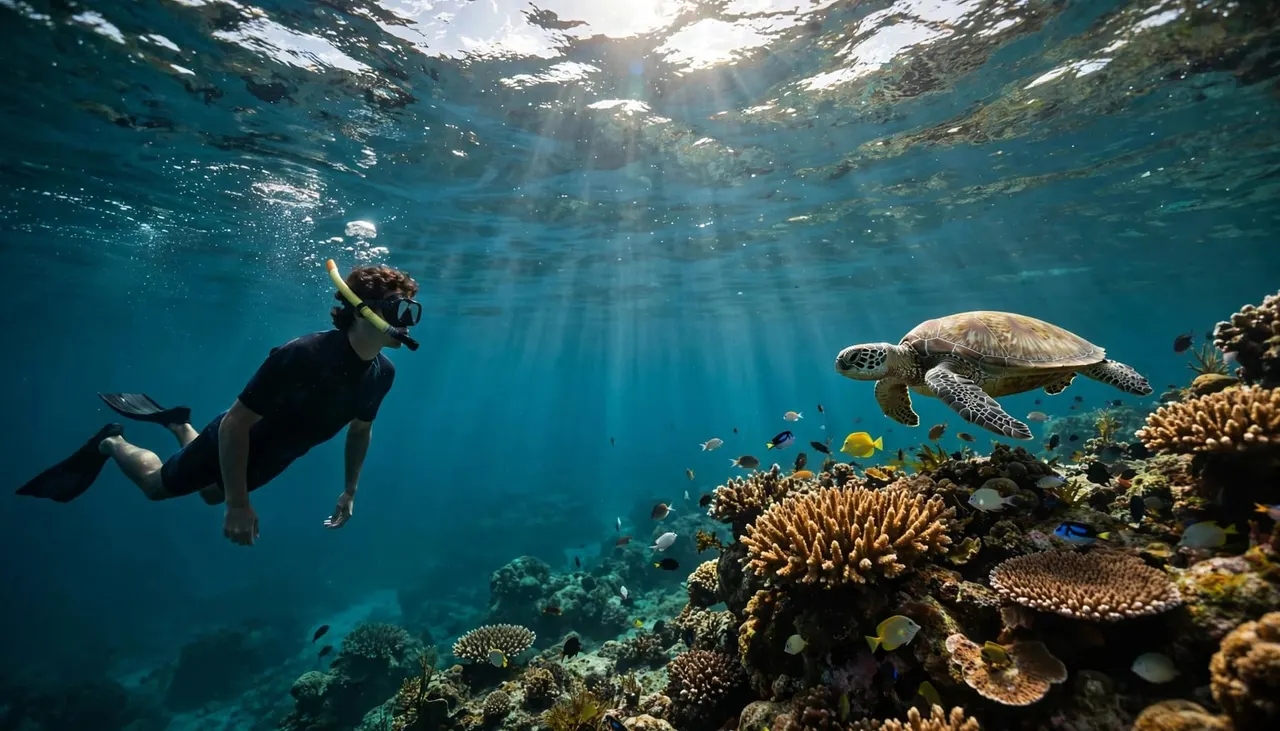
Your best view comes from a respectful distance. When you approach slowly and remain still, you are more likely to see normal behavior, including fish gathering around a turtle.
Crowding a turtle can cut the encounter short. It can also create a stressful situation for other swimmers, especially when several people try to hold the same position.
Float, Don’t Pursue
Keep your body horizontal and let your flotation gear support you. That position helps you conserve energy and keeps your fins clear of the reef.
If a turtle turns toward you, stay calm and avoid moving into its path. Allow it room to surface, circle the reef, or move into deeper water.
You can use a camera’s zoom for a closer-looking image. However, don’t swim closer to get one. The green sea turtle viewing guidance for underwater photographers follows the same common-sense standard: give turtles space and avoid interrupting natural behavior.
Keep Coral Below You Intact
Coral is living habitat for the fish and turtles you came to see. Never stand on it, grab it, or use it to steady yourself.
Check your fins before backing up or turning. Even a casual kick can damage fragile coral or stir sand into the water, reducing visibility for everyone.
Avoid feeding fish as well. Feeding changes their normal behavior and can turn a peaceful reef scene into a scramble around swimmers.
Prepare for a More Comfortable Reef Visit
Small preparations make snorkeling Oahu more relaxing, especially if it is your first time in open water. A comfortable snorkeler floats better, breathes more slowly, and notices more wildlife.
Tell the crew if you feel nervous, prone to seasickness, or unsure about your gear. Asking before you enter the water is easier than trying to fix a leaking mask offshore.
Fit Your Gear Before You Enter
Test your mask seal on dry skin before the boat reaches the snorkel site. Long hair, sunscreen, or a poorly placed strap can let water in around the edge.
Use fins that feel secure without pinching. If you want more buoyancy, wear the flotation equipment offered by the crew.
A rash guard also adds sun protection and warmth. Bring drinking water, a towel, and a secure place for anything you don’t want to lose overboard.
Stay Aware of Your Energy
Start slowly, even if you are a strong pool swimmer. Ocean water, currents, and excitement can tire you faster than expected.
Stay close enough to hear guide instructions. Return to the boat before you feel exhausted, cold, or frustrated with your equipment.
For a broad look at guided ocean outings that suit couples, families, and first-time snorkelers, browse Living Ocean Tours in Honolulu.
Key Takeaways for Spotting a Cleaning Station
A fish cleaning station is easy to recognize once you know the pattern:
- A turtle pauses near a familiar reef feature instead of swimming straight through.
- Small reef fish stay close to the shell, neck, or flippers for more than a brief pass.
- The turtle remains calm while the fish return to the same areas.
- You get the best view by floating patiently and letting the turtle control the distance.
- Coral, fish, and turtles all benefit when you watch without touching or chasing.
A cleaning station is a working part of the reef. Your role is simple, observe carefully and leave the animals’ routine unchanged.
Frequently Asked Questions
Can you see a fish cleaning station without a turtle?
You may see reef fish moving around coral, but a turtle makes the cleaning behavior much easier to identify. The key sign is the fish concentrating around the larger animal’s shell and skin.
Without a turtle, you are likely seeing normal reef activity. Enjoy it, but don’t assume every busy coral head is a cleaning station.
How long does a turtle stay at a cleaning station?
There is no fixed schedule. A turtle may pause briefly, remain near the reef for several minutes, or move away before you arrive.
Conditions, fish activity, and the turtle’s own choices affect each sighting. That unpredictability is part of what makes the encounter real.
Is a cleaning station safe for beginner snorkelers?
Yes, if you choose conditions and support that match your comfort level. Beginners should use flotation gear when needed, stay with the group, and listen to in-water guidance.
A guide can help you settle into a calm position and avoid accidentally drifting too close to coral or wildlife.
Let the Reef Set the Pace
The most memorable snorkeling Oahu encounter isn’t the closest one. It is the moment you watch a honu hover above the reef while tiny fish go about their work.
Keep your distance, move gently, and let the turtle choose every turn. With a little patience, you will see the reef as a living community, not a backdrop for a photo.


