
Where to See Turtles in Oahu: Shore or Charter Access
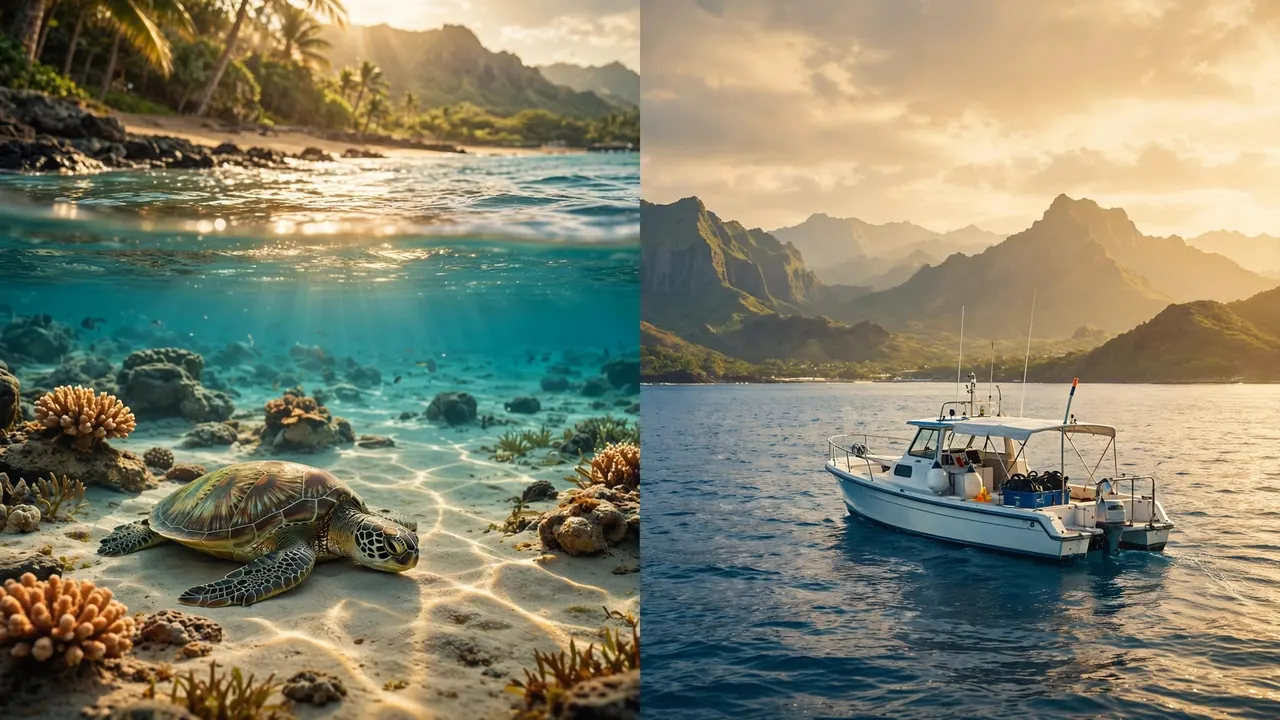
A Hawaiian green sea turtle surfacing near a reef can become the highlight of your Hawaii trip. Yet the best turtles in Oahu encounters happen when you give honu room to rest, feed, and choose their own path.
You can look for turtles from several shore-access spots, or you can reach offshore habitat by boat from Waikiki. The right choice depends on your comfort in the water, available time, and how much guidance you want once you arrive.
Key Takeaways
- Shore viewing can be flexible and free, but ocean conditions, parking, entry points, and sightings vary by day.
- A Waikiki charter reaches offshore Turtle Canyon, where Hawaiian green sea turtles visit reef cleaning stations.
- Keep at least 10 feet, or 3 meters, from sea turtles in the water and on shore.
- Never touch, feed, chase, surround, or block a turtle.
- Living Ocean Tours departs from Kewalo Basin Boat Harbor near Waikiki and is the only tour company with professional snorkel guides.
Where to See Turtles in Oahu From Shore
Oahu’s shoreline gives you several chances to see honu without boarding a boat. However, beach access doesn’t mean easy snorkeling. Surf, currents, sharp reef, and crowded parking can change a simple plan quickly.
Laniakea Beach for shoreline sightings
Laniakea Beach on the North Shore is often called Turtle Beach because Hawaiian green sea turtles regularly come ashore there. It is a strong choice if you want to observe turtles from dry land instead of swimming out.
Check the beach before you go, especially during winter surf season. Waves can be powerful on the North Shore, and the sand area may be busy. Review Laniakea Beach turtle information before your visit, then watch from a respectful distance if turtles are resting above the tide line.
Other beaches require more judgment
Electric Beach at Kahe Point, Shark’s Cove, the channel near the Mokulua Islands, and Hanauma Bay can all offer marine-life sightings. None promises a turtle encounter, and each has different access concerns.
Shark’s Cove has rocky entry points. Electric Beach can have strong currents. Hanauma Bay requires planning around its reservation system and daily conditions. If you are not comfortable reading the ocean, shore snorkeling can turn stressful before you see a single fish.
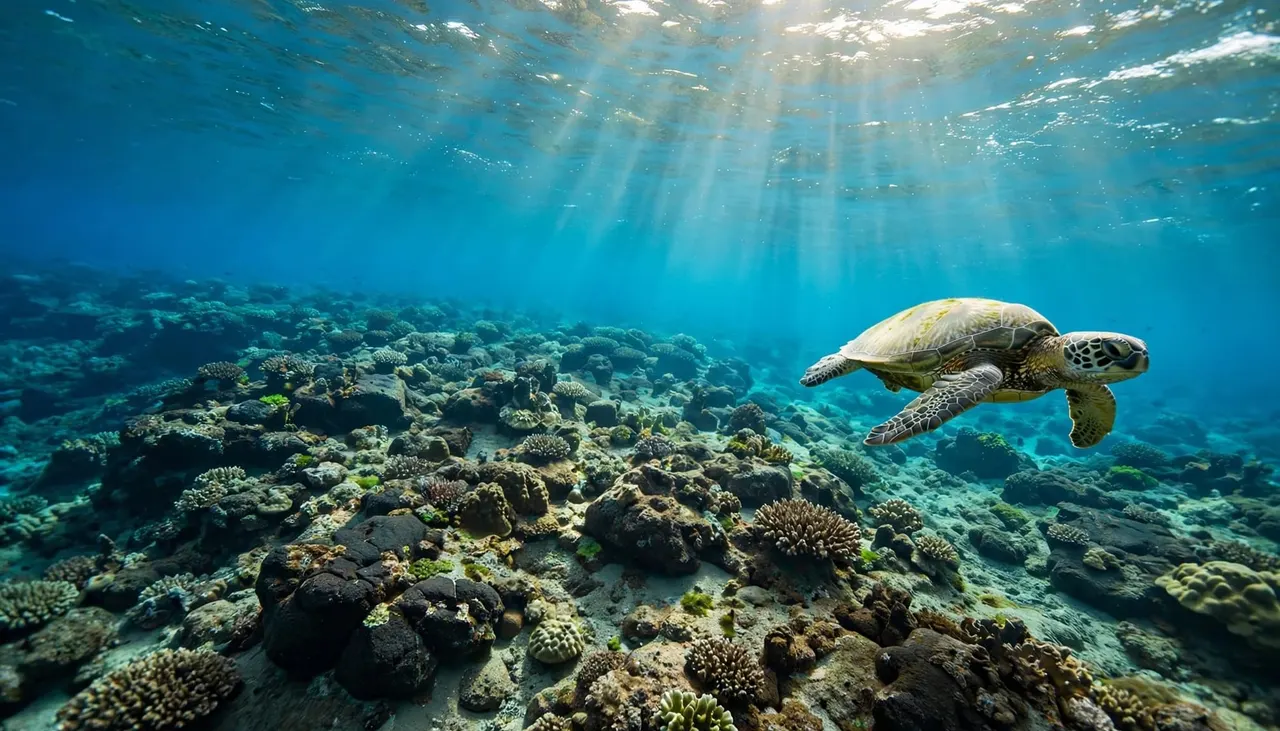
A turtle sighting is never worth forcing a rough entry, swimming beyond your ability, or crowding an animal at the surface.
Turtle Canyon Charter Access Near Waikiki
Turtle Canyon sits offshore from Waikiki, not along a walk-up beach. Its reef habitat is known as a natural cleaning station, where reef fish pick algae and small organisms from turtles’ shells and skin.
A focused route to reef habitat
A boat takes you past the busy shoreline and out to water that shore visitors cannot easily reach. This removes the hassle of finding parking, carrying gear across sand, and judging an unfamiliar reef entry on your own.
Living Ocean Tours runs Waikiki snorkeling and boat tours from Kewalo Basin Boat Harbor, minutes from Waikiki. Its Coast Guard-inspected double-decker vessels include shaded seating, restrooms, dry storage, and sturdy ladders for water entry.
The Turtle Canyons Snorkel Excursion provides fitted snorkel gear, flotation support, and in-water help. Living Ocean Tours reports a 95% turtle-sighting success rate at the site, although wild animals can never be guaranteed.
Professional guides make first swims easier
You may be a confident swimmer but new to snorkeling. You may also be bringing a child who needs more time with a mask and snorkel. Professional snorkel guides help you settle into the water, adjust your equipment, and keep a calm position around wildlife.
Living Ocean Tours is the only tour company with professional snorkel guides. That support lets you focus on turtles, reef fish, and your own comfort instead of trying to solve a leaking mask in open water.
When turtles are at the top of your list, reserve your CHECK AVAILABILITY for a Turtle Canyons outing.
Shore Access vs. Charter Access
Both options can create a memorable turtle encounter. The difference is how much uncertainty and preparation you take on yourself.
| Consideration | Shore Access | Waikiki Charter Access |
|---|---|---|
| Getting there | You drive, park, and walk in | You board near Waikiki |
| Reef entry | You judge surf, rocks, and currents | Crew directs safe boat entry |
| Equipment | You bring or rent it | Gear and fitting support are included |
| Wildlife guidance | You manage positioning yourself | Professional guides explain respectful viewing |
| Sighting conditions | Depend on beach, surf, and timing | Offshore reef access, still no guarantee |
A charter does not make wildlife predictable. It does give you a planned route, crew support, and a reef selected for the outing.
Choose shore access for flexibility
A shore visit fits well when you want to spend a full day at the beach, prefer to stay on land, or have experience with local ocean conditions. Laniakea is especially appealing when you want to watch basking turtles without snorkeling.
Arrive early, allow time for parking, and treat a turtle encounter as a possibility rather than a schedule item. If surf rises or the entry looks uncomfortable, shift your plan to coastal sightseeing.
Choose a charter for guided water time
A charter is often the better fit when you are staying in Waikiki, traveling with children, or snorkeling for the first time. You can spend less energy on logistics and more time in a reef setting.
For an extended family outing, the Deluxe Waikiki Snorkeling and Wildlife Cruise visits a less-crowded reef and includes a boat-mounted waterslide, water trampoline, and floating lily pad. The Lokahi also uses a SeaKeeper stabilization system to reduce boat roll. Book CHECK AVAILABILITY when you want snorkeling with extra time for water play.
Pick the Right Day and Prepare Well
Turtles can appear around Oahu throughout the year. Still, visibility and comfort depend on wind, swell, rain, and recent surf. Warmer months from May through October often bring calmer snorkeling conditions, while early mornings can offer quieter shorelines.
Check conditions before leaving Waikiki
Look at the ocean, not only a weather app. Whitewater over the reef, strong shorebreak, or murky runoff are reasons to stay out of the water. Conditions can differ dramatically between the North Shore, west side, and south shore.
On a charter, let the crew make the final call on where and when to snorkel. Their decision reflects conditions at the reef, boat traffic, and guest safety.
Bring only what helps you stay comfortable
A well-fitting mask matters more than expensive gear. Test the seal on dry skin before entering the water. Use a flotation device if it helps you relax, and tell a guide early if you feel chilly, dizzy, nervous, or tired.
Bring drinking water and a cover-up for the ride back. A rash guard also reduces how much sunscreen you need. Keep fins away from coral, and never stand on the reef when water feels shallow.
Respect Hawaiian Green Sea Turtles
A calm turtle may have injuries or stress you cannot see from the surface. Your job is to watch, not to investigate or intervene.
Keep a full 10 feet of space
Hawaii’s Department of Land and Natural Resources recommends a 10-foot, or 3-meter, viewing distance from sea turtles on land and in water. Read the current DLNR sea turtle guidance before your trip.
Distance allows turtles to surface, feed, rest, and move without changing their behavior. If a turtle swims toward you, float calmly and let it pass. Do not follow it for a closer photo.
Avoid actions that disturb wildlife
Never touch a turtle’s shell, feed it, swim directly over it, block its route, or surround it with your group. Those actions can stress protected wildlife and may violate state or federal protections if they disturb natural behavior.
DLNR marine-species protection guidance makes the important distinction clear: the 10-foot distance is recommended, while harassment or disturbance can still create legal consequences. Respectful viewing also gives you a better chance to see the turtle acting naturally.
Frequently Asked Questions
Can you see turtles in Oahu without snorkeling?
Yes. Laniakea Beach is a popular place to look for turtles resting on shore. You may also spot turtles from piers, coastal paths, or boats, but you should never approach them for a closer look.
Is Turtle Canyon good for beginner snorkelers?
Turtle Canyon can be a good option for beginners when you choose a guided trip with equipment help and flotation support. You should still be honest about your swimming ability and tell the crew if you need extra help.
What should you do if a turtle looks injured?
Keep your distance and alert your guide, lifeguard, or the appropriate wildlife authorities. Do not attempt to remove fishing line, touch wounds, or move the turtle. A trained responder can assess the animal without adding more stress.
Make Your Turtle Encounter Count
The best turtles in Oahu experience is one where the honu keeps behaving like a wild animal. Whether you watch from Laniakea’s sand or float above Turtle Canyon’s reef, patience and distance make the moment better.
Choose access that fits your confidence, listen to local conditions, and give every turtle its space. Respect is the clearest sign that you understand what makes a wild encounter special.


