Snorkling Oahu Guide 2026: Best Spots and Tours
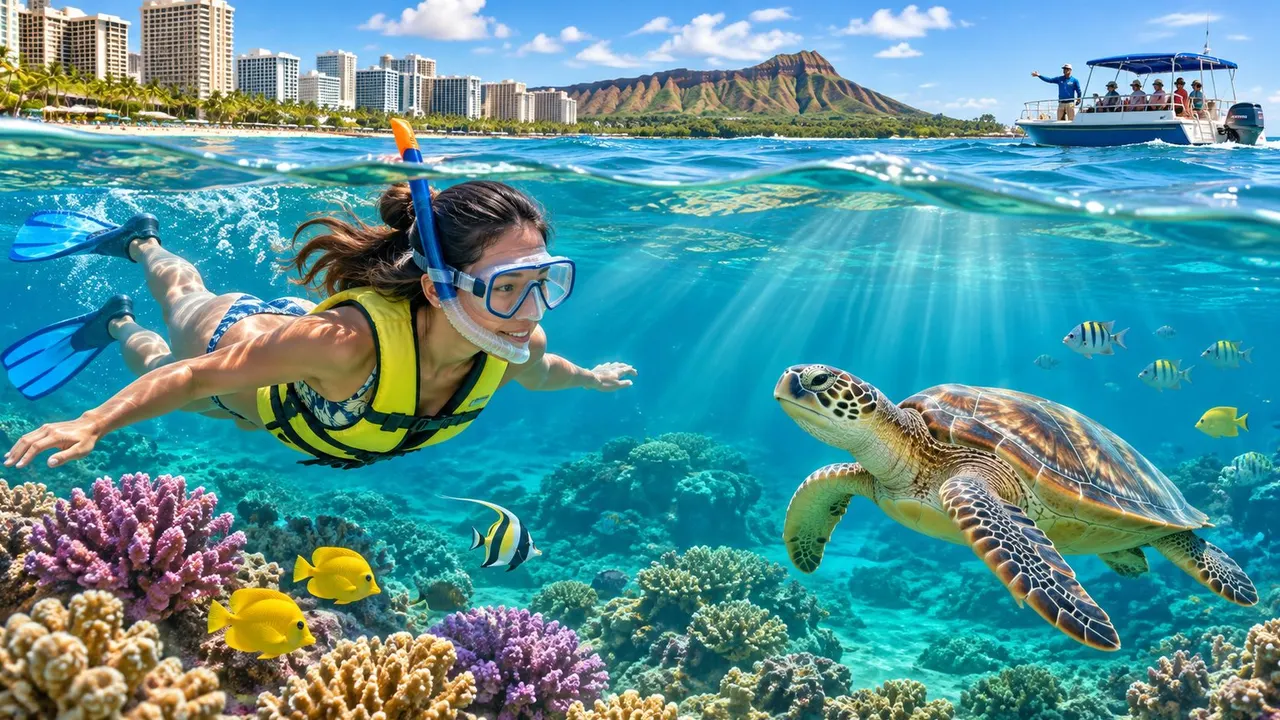
Table of Contents
- Choose the entry before the scenery
- Run the family check that morning
- What you're taking responsibility for
- Match the boat outing to the group
- Use an entry routine you can repeat
- Pack for comfort without adding clutter
- Keep your body off the bottom
- When a turtle swims toward you
- Choose observation over pursuit
- Match the journey to the outing
- Ask about the whole access route
- Read the forecast for the actual coast
- Half-day beginner outing
- Full-day mix
- Family day with less rushing
You've got a free morning in Waikiki, someone in the family wants to see turtles, and someone else isn't sure they can breathe comfortably through a snorkel. Meanwhile, the beach photos all look calm. The useful question isn't which reef looks best, but which outing your whole group can comfortably manage today.
If you're searching for snorkling Oahu, start with your least confident swimmer, then work backward to the entry, supervision and conditions. A good day doesn't require a long swim or a close turtle photograph. It requires a comfortable swimmer, a clear exit and enough room to observe wildlife without disturbing it.
Matching Each Oahu Snorkel Spot to Your Swimmers
Snorkeling Oahu, Oahu snorkel spots and Oahu snorkeling tours all involve the same first decision: match the outing to the person who needs the most support. Don't choose an exposed reef for the strongest swimmer and expect everyone else to catch up.
Oahu snorkeling spots by access, skill and conditions
| Spot | Access | Best for | Conditions |
|---|---|---|---|
| Hanauma Bay | Shore, advance reservation required | Beginners and families | Sheltered bay, usually calm |
| Shark's Cove | Shore, North Shore | Confident swimmers in summer | Calm in summer, hazardous in winter swell |
| Electric Beach | Shore, west side | Confident swimmers on calm days | Rocky entry, currents |
| Turtle Canyons, Waikiki | Guided boat from Kewalo Basin | Beginners who want to see turtles | Guided, sheltered reef |
| Waikiki Marine Life Conservation District | Shore or boat | Reef fish observation | Protected, observe only |
These are starting points, not permission to enter. A sheltered location can still have uncomfortable chop, and summer doesn't guarantee a calm North Shore.
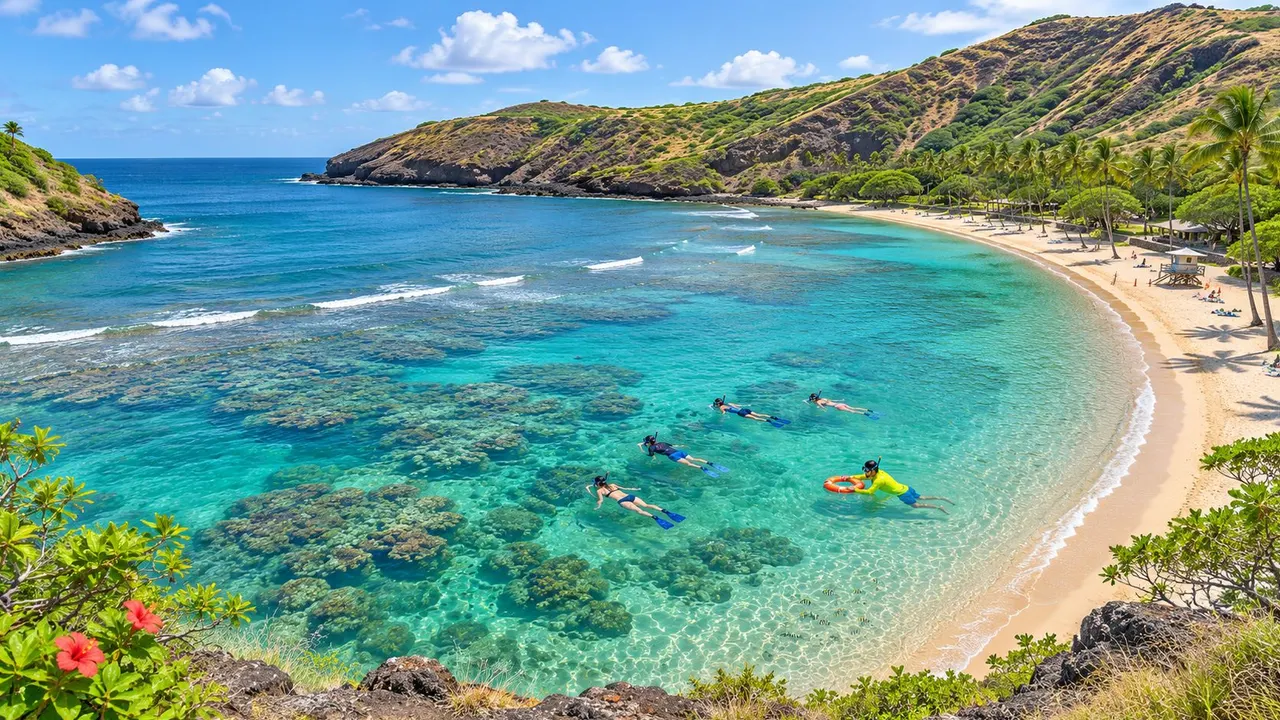
Choose the entry before the scenery
Hanauma Bay is the easiest shore starting point among these choices for beginners and families when conditions cooperate. Its sheltered setting lets you plan a shorter introduction instead of committing to an offshore swim. Arrange the required advance reservation before building your morning around it.
Shark's Cove is a different proposition. Confident swimmers can consider it during settled summer conditions, but winter swell can make the same shoreline hazardous. Don't confuse an enclosed-looking cove with protection from incoming waves.
Electric Beach belongs on a confident swimmer's list, not a nervous beginner's checklist. The Hawaii.com snorkeling guide describes it as a calm-day option for confident swimmers and notes that rescues occur regularly at higher-risk sites. Rocky footing, currents and the return swim all matter more than how many fish you might see.
Turtle Canyons offers a guided alternative without a shore entry, although guests still need to be comfortable entering ocean water from a boat. The Waikiki Marine Life Conservation District suits an observation-focused outing rather than collecting or fishing.
Practical rule: Pick the place where your least confident swimmer can stop comfortably, not the place your strongest swimmer can reach.
Run the family check that morning
Ask every adult these questions before leaving:
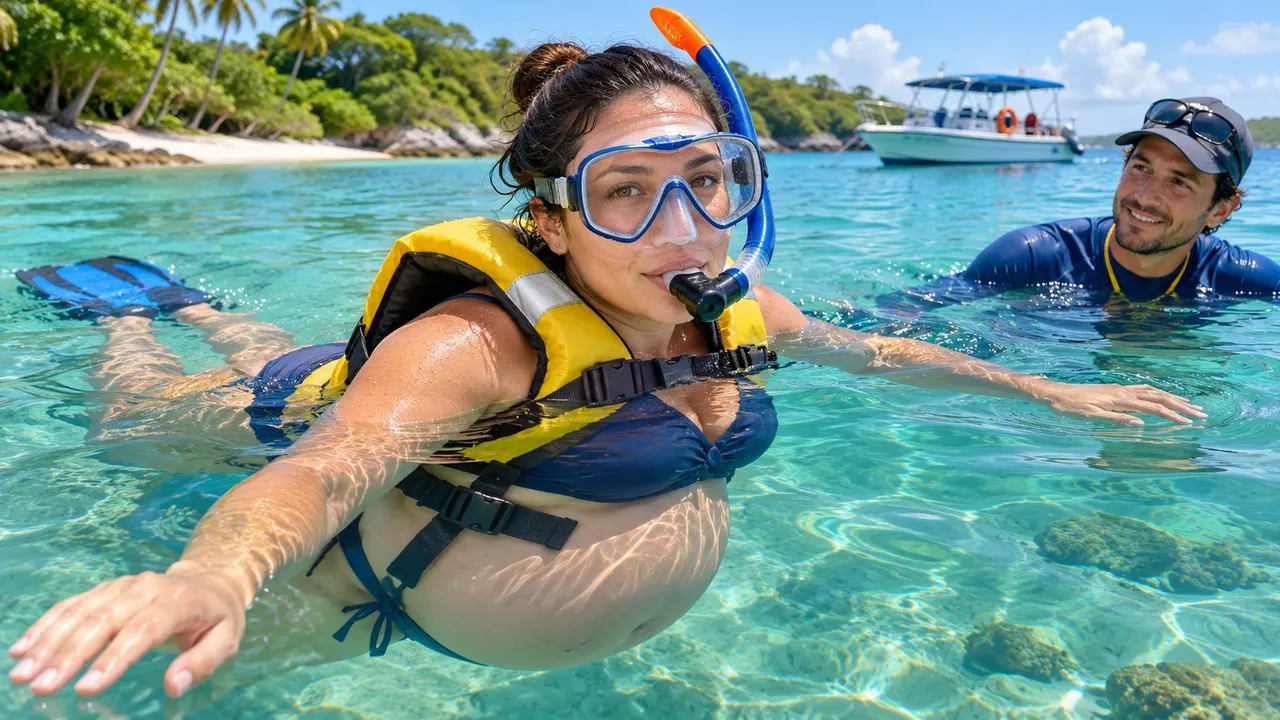
- Does everyone wear a flotation vest? Decide who needs support before entering, rather than waiting for fatigue.
- Is anyone prone to seasickness or anxious in deep water? A boat solves a rocky-entry problem, but it doesn't automatically solve either of these.
- How cold does each swimmer get after a short session? Plan around the child or adult who chills first.
- How many adults can actively watch each child? Name the supervising adult. Taking photographs isn't active supervision.
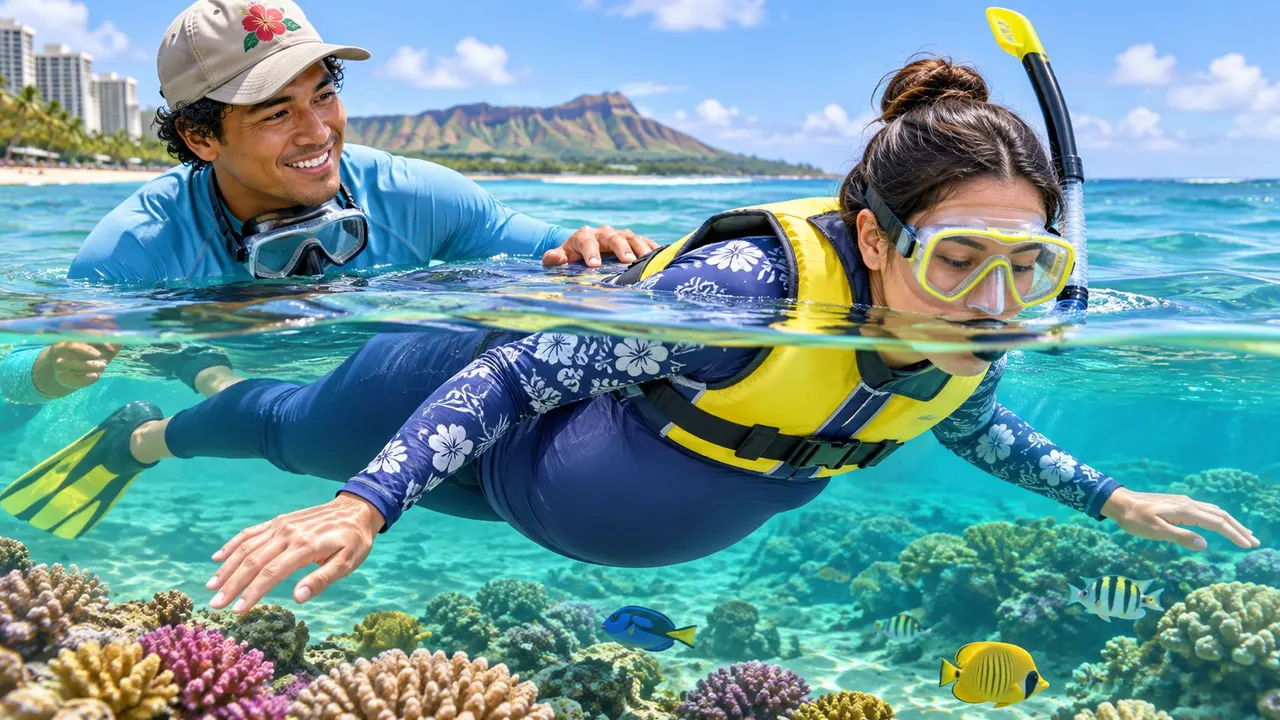
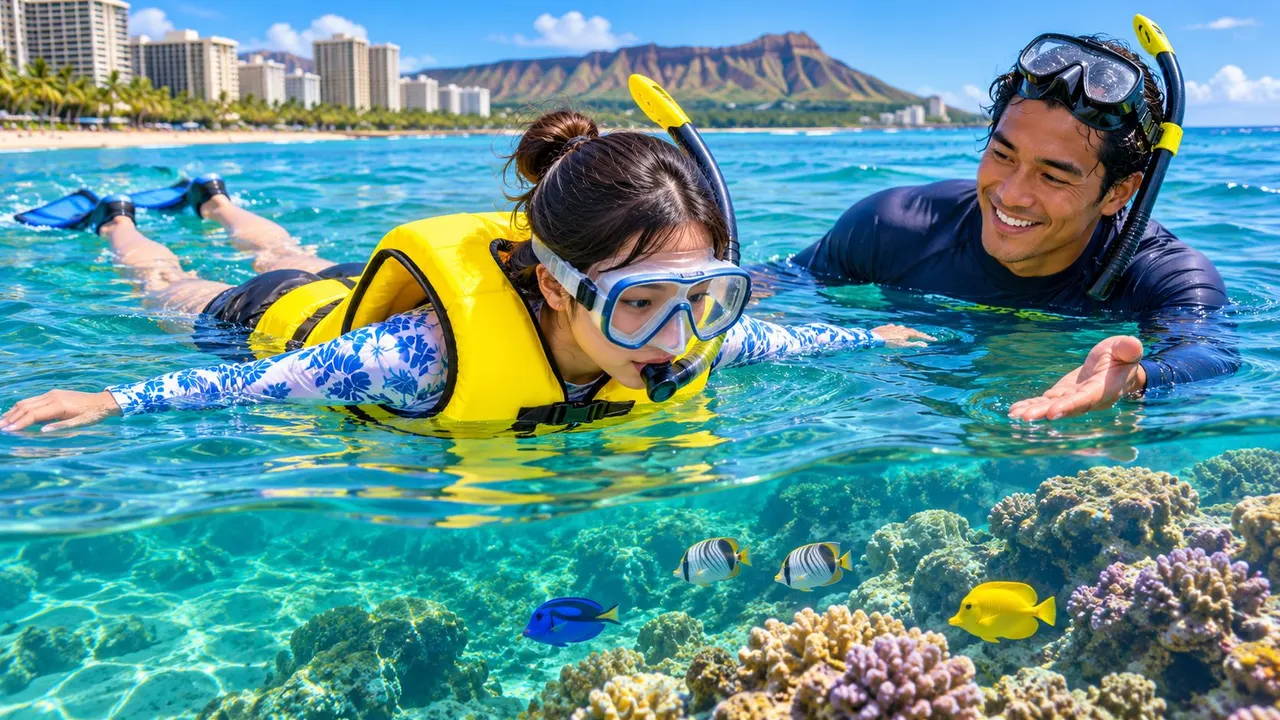
- Would guided instruction make the first attempt more manageable? Consider mask clearing, breathing practice and help choosing a route.
Sheltered coves generally suit children better than exposed beaches with waves. Our beginner snorkeling guide can help you prepare, and our guides offer technique tips and explain the local marine ecosystem throughout the outing.
Go when the entry, conditions and supervision fit everyone. No-go when a swimmer feels pressured, the adults can't provide attention, or the water looks beyond the group's ability. A confident child may enjoy a calm shore site; a beginner often benefits from guided instruction before committing to an ocean swim.
Shore Snorkeling or a Guided Boat Tour
Shore snorkeling gives you flexibility. A guided boat trip gives you equipment, instruction and a crew making site decisions. Neither choice removes the need to judge whether the outing fits your group.
Shore snorkeling versus a guided boat trip
| Factor | Shore snorkeling | Guided boat trip |
|---|---|---|
| Gear | Bring or rent your own mask, fins and snorkel | Supplied by the crew, with a briefing on mask fit and flotation vests |
| Entry | You pick the entry point and judge conditions | Crew chooses a sheltered reef when conditions allow |
| Guidance | Self-directed | Guides in the water pointing out marine life |
| Turtle viewing | Your route and wildlife movement determine encounters | Turtle-focused trips visit Turtle Canyons, Waikiki's turtle cleaning station |
| Best for | Confident swimmers with a planned route | First-timers, children and anyone wanting instruction |
What you're taking responsibility for
On a shore day, you decide where to enter, how far to swim and when to turn around. You also need to solve leaking masks and uncomfortable fins without letting the group drift away. That freedom works well when everyone can handle their equipment and recognize when conditions are deteriorating.
A boat crew handles more of the preparation, but you should still speak up about anxiety, limited swimming ability or seasickness. Don't save that conversation until you're standing at the ladder.
Living Ocean Tours is Oahu's top rated and most reviewed snorkel company. We depart daily from Kewalo Basin Boat Harbor near Waikiki Beach, provide a short lesson on the gear and what to expect, and have guides in the water pointing out marine life.
Match the boat outing to the group
Our Deluxe Waikiki Snorkeling and Wildlife Cruise is a family-friendly option for ages 3 and up, with snorkeling equipment supplied. The waterslide, water trampoline and lily pad give families additional ways to enjoy the water.
Our snorkeling tours accommodate all skill levels, but age eligibility isn't a swimming assessment. Parents should still consider each child's comfort, attention span and willingness to follow directions.
Choose shore when your swimmers are confident and you have a sensible route. Choose a guided boat when instruction, help with equipment and supervised wildlife observation would improve the day.
Safety Checks Before You Enter the Water
More visitors drown while snorkeling than during any other activity in Hawaii, according to the state's official snorkeling safety guidance. That's a reason to prepare carefully, not a reason to panic. Comfortable conditions and an early decision to stop are more useful than determination.
Check surf, wind and shorebreak before leaving your accommodation, then assess the actual entry when you arrive. Yesterday's pleasant swim doesn't establish today's conditions.
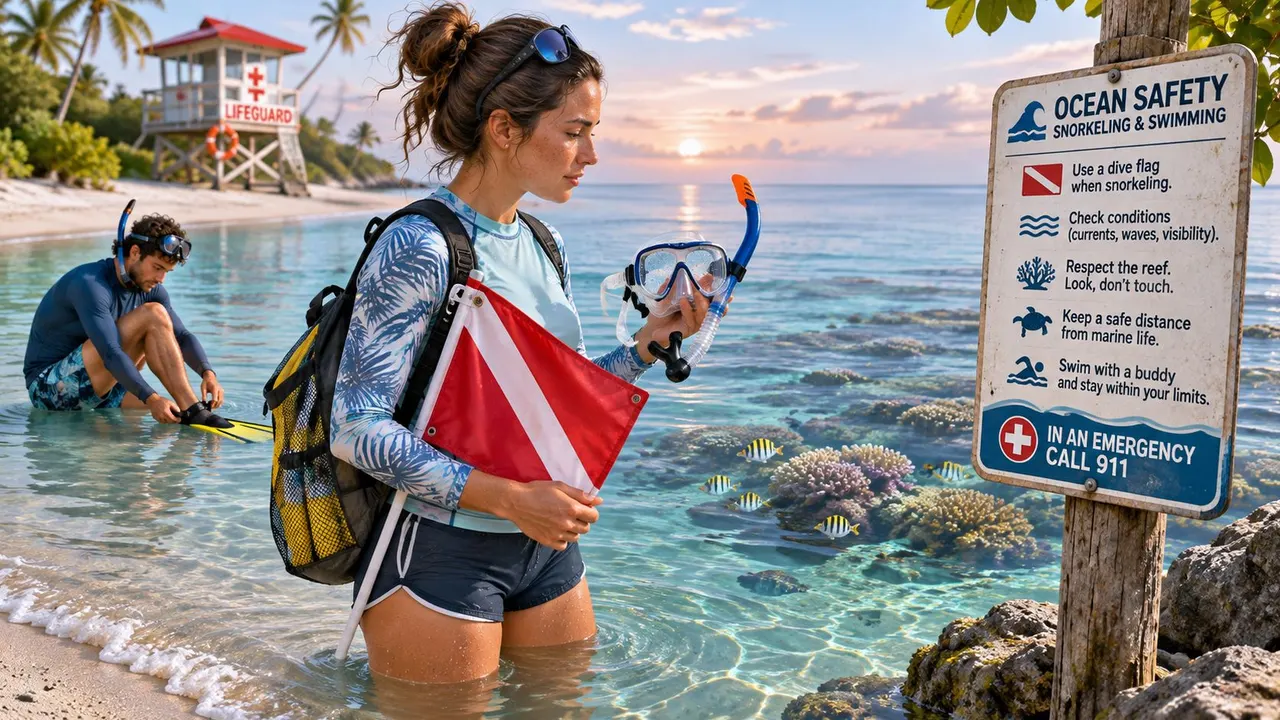
Conditions that mean skip the water
| Condition | Why It Matters | Action |
|---|---|---|
| High surf or heavy shorebreak | Waves break on entry and exit | Skip shore entry; consider a boat only if its crew confirms suitable conditions |
| Strong wind or current | Pushes you away from the exit | Use a genuinely sheltered alternative or try another day |
| Murky water | Hard to see your buddy and the reef | Wait for clearer water or move to a calmer site |
| Dawn or dusk | Low light and poor visibility | Plan for a daylight morning window |
| Swimming alone | No one nearby to help or call for help | Always snorkel with a buddy |
Use an entry routine you can repeat
- Check the forecast before leaving. Look at ocean conditions, not just sunshine or the chance of rain.
- Choose a buddy who stays in view. Agree on how you'll signal a problem and where you'll regroup.
- Prefer a daylight morning window. Don't interpret an early start as a reason to enter before you can see clearly.
- Identify the exit before entering. Notice a fixed landmark and make sure your return doesn't require negotiating breaking waves.
- Signal early when you tire. Leave while you still have energy for the exit, rather than waiting until swimming becomes difficult.
Flotation helps support a swimmer, but it doesn't stop a current or replace supervision. Our guide to snorkeling with a life vest explains how to think about that support without treating it as permission to exceed your ability.
A boat can avoid a difficult beach entry. It cannot make unsuitable ocean conditions suitable.
If any check fails, reassess the entire outing. A crew-confirmed sheltered boat destination may be an alternative, but when the weather affects that option too, choose another day.
What to Pack and How to Protect the Reef
Start with a well-fitted mask, snorkel, fins and flotation vest. A mask should seal comfortably without an overtightened strap; fins should stay secure without pinching. For our guided outings, all snorkeling equipment is provided, and our snorkel school and flotation vests help guests get comfortable before exploring.
For shore snorkeling, test your rented equipment before heading to the beach. Discovering a split strap at the water's edge is avoidable.
Pack for comfort without adding clutter
- Sun protection: Bring mineral sunscreen marketed as reef-safe, apply it before entering according to its directions, and don't treat the label as proof that it has no environmental impact.
- Rash guard: Use one for sun coverage and some protection from incidental contact. It isn't a guarantee against jellyfish stings.
- Dry bag: Keep keys and your phone protected, and avoid carrying loose objects into the water.
- Water and towel: Have both ready for the person who finishes first.
- Footwear: Use sandals for suitable approaches. Sharp, rocky entries may require protective water shoes, but footwear never makes coral a place to stand.
Keep your body off the bottom
Hawaii's Division of Aquatic Resources coral guidance advises avoiding coral contact; disturbed sediment can smother living coral and reduce the light it needs. Stay supported at the surface with your fins clear of the reef. Don't stand, kneel, push off or rest on the bottom.
If you need to adjust your mask, float upright where there's adequate clearance or return to a suitable sandy staging area. Don't hover over shallow coral while kicking to hold position.
The Waikiki Marine Life Conservation District rules prohibit taking or injuring marine life and possessing in-water equipment that could be used to take it. At Hanauma Bay, conservation rules also prohibit removing or altering sand and coral and introducing food to attract marine life.
Leave shells and organisms where they are, carry only permitted recreational equipment, and check your fin clearance before kicking near the reef.
Snorkeling With Turtles Without Disturbing Them
A turtle encounter works best when the animal can continue doing whatever it was doing before you arrived. Hawaiian green sea turtles, or honu, aren't props, and swimming closer doesn't improve the quality of the encounter.
Hawaii's marine-species protection guidance identifies sea turtles as protected wildlife and recommends staying at least 10 feet, approximately 3 meters, away, with a wider berth of at least 50 yards, or 45 meters, for swimming turtles when practicable. These are viewing recommendations, not permission to approach until you reach a boundary.
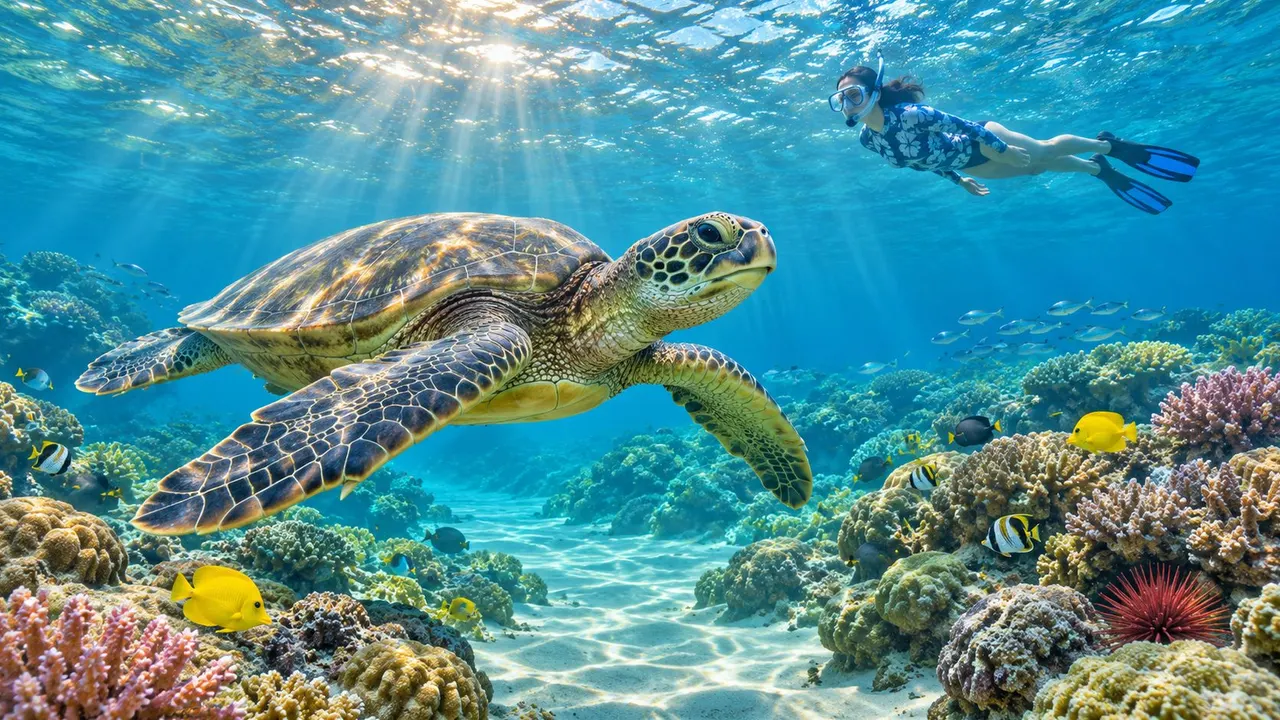
When a turtle swims toward you
- Stop kicking toward it. Keep your fins controlled so you don't make contact or create unnecessary disturbance.
- Back away slowly when you can. Give the turtle space without splashing or making a sudden chase-like movement.
- Keep its route open. Never position yourself between the animal and its path to the surface or open water.
- Leave resting turtles alone. An approaching person can cause a resting turtle to flee, interrupting its rest and potentially compromising its safety.
- Tell your guide about an injured or entangled turtle. Don't attempt to grab the animal or remove fishing gear yourself.
Approaching, chasing, feeding, harassing or otherwise disturbing a turtle can change its behavior and violate wildlife-protection laws. Review our Hawaii turtle snorkeling rules with children before the trip, particularly the difference between watching and following.
Group positioning matters as much as individual distance. Don't form a ring around an animal, crowd its surfacing point or swim ahead to intercept it for a photograph.
Choose observation over pursuit
The Turtle Canyons Snorkel Excursion visits Waikiki's turtle cleaning station. Our turtle-spotting success rate is 95%, and it's common to see up to 10 Hawaiian green sea turtles there, but neither figure guarantees what wildlife will do on your departure.
A quiet encounter with fewer animals is preferable to a crowded encounter that restricts their movement. Let the guide organize the group rather than swimming independently toward every turtle you notice.
Snorkel Turtle Canyon is a great alternative to consider for a turtle-focused outing. Choose a morning excursion that fits your swimmers, and measure success by low-impact observation, not how close the turtle appears in a photograph.
Getting There and Accessibility on Oahu
A manageable reef can still be the wrong choice if reaching it exhausts someone before the swim. Separate transport, shoreline access and water entry when planning, especially for multigenerational groups.
Kewalo Basin Boat Harbor is near Waikiki Beach, but it isn't equally walkable from every Waikiki hotel. Decide whether walking suits your group or whether a taxi is more practical, and use the operator's meeting instructions rather than navigating only to the harbor name.
Match the journey to the outing
- Kewalo Basin departures: Confirm the meeting point and check-in time before leaving. Allow room for finding the correct slip rather than arriving at the harbor at departure time.
- Hanauma Bay: Secure the advance reservation first, then arrange transport around your entry. Include the trip between the arrival area and beach in your mobility planning.
- Shark's Cove: Plan a rental car or organized transport to the North Shore. Don't combine a long journey with an ambitious swim just to make the drive feel worthwhile.
- Electric Beach: Account for rocky footing at the water entry. Anyone who struggles with balance or uneven ground needs a different plan.
For a stay centered on Waikiki, our Oahu snorkeling without a car guide helps you think through alternatives to a rental-car day.
Ask about the whole access route
A guided boat avoids the rocky walk into the ocean, but it isn't automatically wheelchair-accessible. Before booking, confirm boarding arrangements, steps, available shade and the method for entering and leaving the water.
Families with strollers and travelers with mobility limits should check the complete route, not just whether a destination has a sandy beach. Soft sand can be difficult for wheels, and a water ladder can be harder than a gentle shore entry.
Choose transport and access before committing to the itinerary. Save your group's energy for the part of the day they actually want to enjoy.
Best Season and Time of Day for Snorkeling
Summer generally gives confident swimmers more North Shore options; winter calls for much more caution there. South-shore and Waikiki locations can offer more sheltered alternatives during north swell, but no coastline is calm because the calendar says it should be.
Oahu snorkeling seasons, water and best times
| Season | Months | Shore Conditions | Water Temperature | Best Time |
|---|---|---|---|---|
| Summer | Summer travel period | More opportunities for settled North Shore conditions; check south-shore swell too | Check current local reading | Morning |
| Fall | Fall transition | Mixed swell and changing visibility | Check current local reading | Morning |
| Winter | Winter swell period | Large North Shore swell; seek suitable sheltered south-shore options | Check current local reading | Morning, after checking surf |
| Spring | Spring transition | Swell may ease, but individual days still need assessment | Check current local reading | Morning |
Don't use a seasonal water-temperature average to decide how long a child should stay in. Wind, cloud cover, time spent floating and personal cold tolerance all affect comfort. Bring a dry layer and let the coldest swimmer finish without argument.
Read the forecast for the actual coast
A general Honolulu weather forecast doesn't tell you whether waves are breaking across your intended entry. Check the surf and wind forecast for the coastline you plan to visit, then compare that forecast with what you see on arrival.
Morning is usually the most useful starting window because conditions and visibility are often better before afternoon wind develops. It's a preference, not a guarantee, and it doesn't mean entering at dawn.
- Summer choice: Consider Shark's Cove only when the entry and water are settled.
- Winter choice: Don't put North Shore snorkeling on a beginner itinerary. Experience alone doesn't make large swell acceptable.
- Transition-season choice: Keep your destination flexible instead of committing to a particular beach regardless of the forecast.
Book a morning slot during shoulder-season travel if it suits your schedule. If you can't confidently interpret the surf report, choose a guided option whose crew can assess the destination, or postpone.
Build Your Oahu Snorkel Day and Book It
Build the day around a comfortable swim rather than trying to collect snorkeling locations. Transport, changing clothes, rinsing equipment and feeding children take time, and a second session isn't automatically better than a relaxed afternoon.
Half-day beginner outing
Start with your reserved Hanauma Bay entry and leave the rest of the morning open. Practice breathing and mask adjustment before moving along a suitable reef edge, then finish while everyone still feels comfortable.
Afterward, dry off, find suitable shade and eat lunch. Don't make a longer swim the price of having traveled to the preserve.
Full-day mix
Take a morning guided turtle excursion from Kewalo Basin, then have lunch and reassess everyone's energy. Reapply sunscreen according to its directions before further outdoor time.
An afternoon visit to a calm sheltered site can work for confident swimmers with a buddy, but treat it as optional. If wind develops or anyone is tired, keep the afternoon on land.
Family day with less rushing
Choose a morning guided boat outing appropriate for the children's comfort and attention spans. Pack dry clothes and a simple post-trip snack so the return journey doesn't become the hardest part of the day.
Spend the afternoon resting or enjoying supervised hotel-pool time. Children don't need another reef to make the day worthwhile.
My recommendation is to choose the least complicated itinerary that fits your least confident swimmer. Check the surf on the morning of the trip, keep a land-based backup, and reserve your preferred guided departure early when your travel dates are busy.
Living Ocean Tours offers guided Oahu snorkeling with equipment, introductory instruction and knowledgeable guides to help families explore responsibly. Visit Living Ocean Tours to choose a Waikiki departure that fits your swimmers and book your ocean outing.