Can Pregnant Women Snorkel? What Is Safe and What Is Not
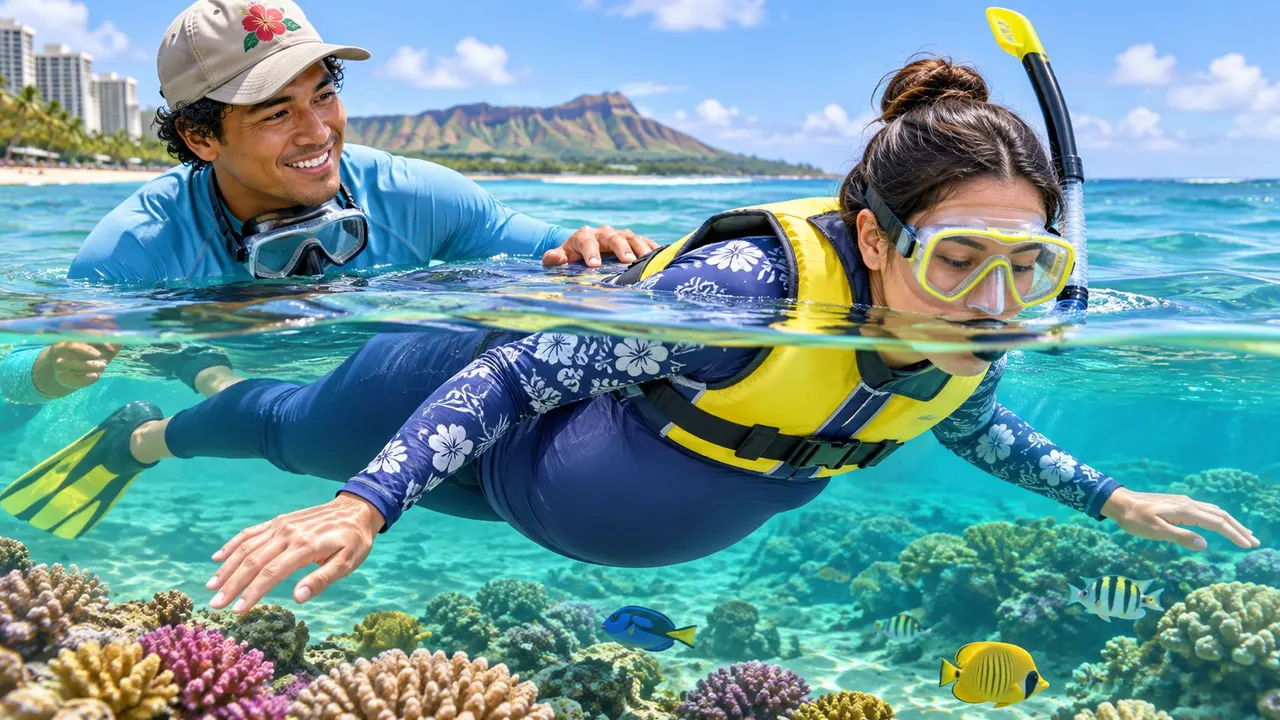
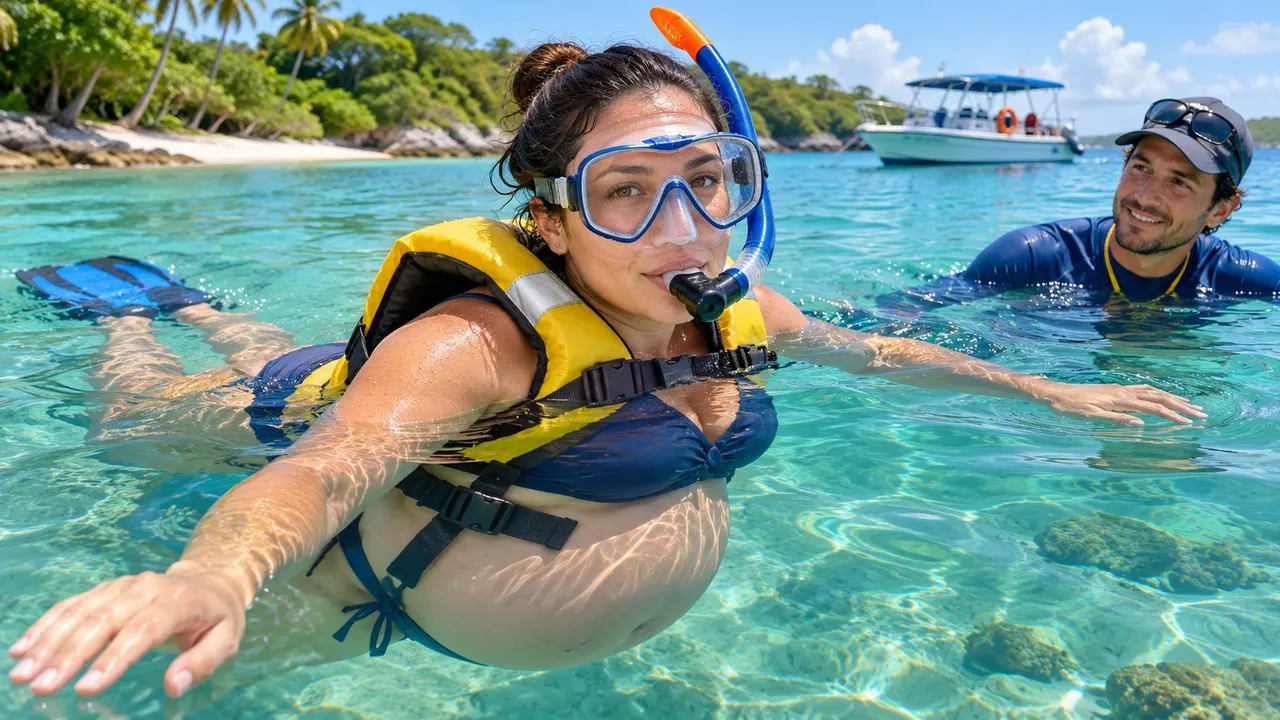
For those with an uncomplicated pregnancy, surface snorkeling is generally considered safe. Scuba diving is not, at any stage, and every pregnant snorkeler should get a clinician's approval before getting on a boat.
So why does the answer so often end right there? Because most advice stops at "snorkeling is fine" and never reaches the part that decides your day: whether you stay on the surface or follow the group down.
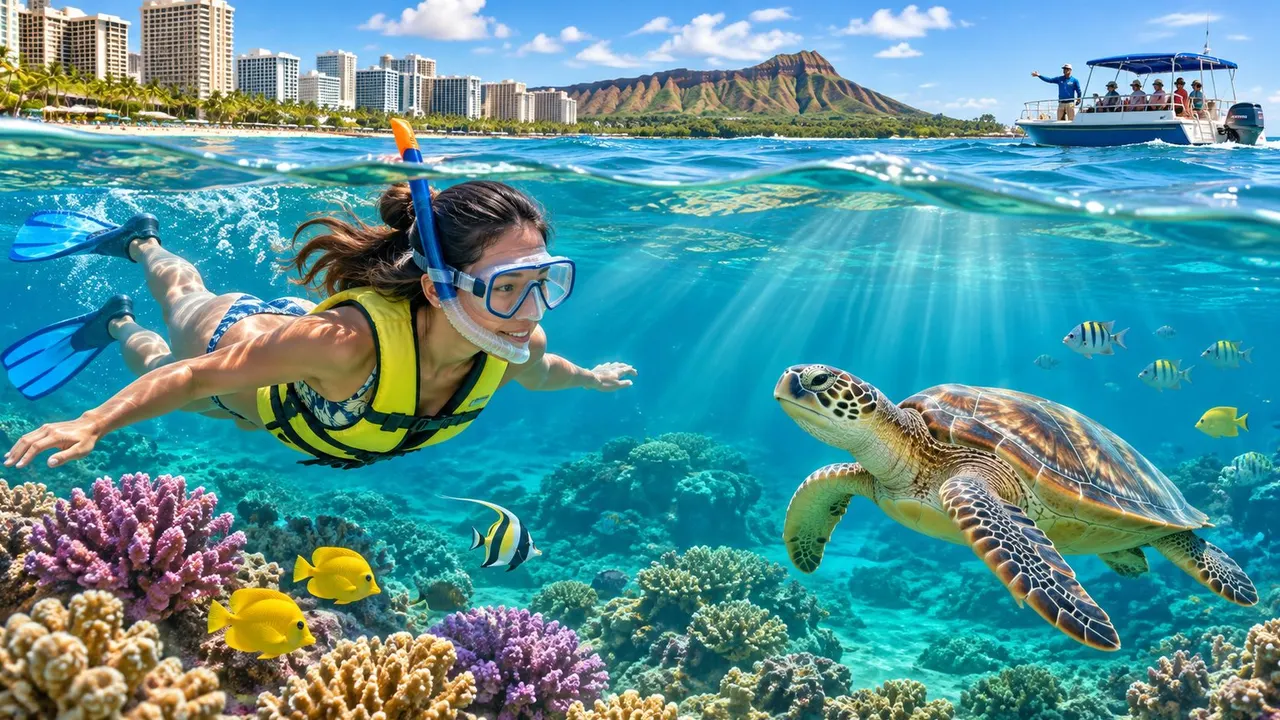
That's the gap worth closing. A pregnant snorkeler floating face down over a reef is doing one thing. The same person duck-diving under the surface to look at a turtle is doing something materially different, and that second activity is where the risk lives. This guide separates surface snorkeling from breath-hold diving, separates both of them from scuba, and gives you a situation-by-situation route to a clear yes or a clear no before you pay a deposit.
Table of Contents
- Who Can Snorkel During Pregnancy and Who Should Sit Out
- How Snorkeling Risks Change Across the Three Trimesters
- Why Surface Snorkeling Is Not Scuba Diving
- Rules for Snorkeling Safely While Pregnant
- When to Get Doctor Approval Before Snorkeling
- Safer Ways to Enjoy the Ocean While Pregnant
- Confirm Clearance Before You Book a Snorkel Trip
Who Can Snorkel During Pregnancy and Who Should Sit Out
For those with an uncomplicated pregnancy, surface snorkeling in calm, shallow water is generally considered safe. Scuba diving isn't, at any stage, and no amount of dive experience changes that.
The useful question isn't "can pregnant women snorkel" in the abstract. It's which of these five situations describes you, because each one leads to a different first move.
| Situation | Snorkeling verdict | What to do first |
|---|---|---|
| Uncomplicated pregnancy, comfortable swimmer | Generally acceptable at the surface in calm water | Confirm with your prenatal clinician |
| Uncomplicated pregnancy, weak swimmer or first-time snorkeler | Acceptable only with close guide supervision | Ask your clinician, then use a flotation vest |
| Bleeding, fluid leakage, or preterm-labor risk | Clinician approval required, often advised against | Do not book until your clinician has reviewed it |
| Heart or lung disease | Clinician approval required | Get written clearance before any water activity |
| Scuba diving at any stage | Avoid | None: there is no established safe depth or profile |
Comfortable swimmer, uncomplicated pregnancy. You already swim, you're relaxed in open water, and your clinician has raised no concerns. Surface snorkeling with a buddy in sight of a guide fits inside that. One short conversation with your prenatal clinician is enough to settle it, and our snorkel buddy check guide walks through what a real buddy pairing looks like on the water.
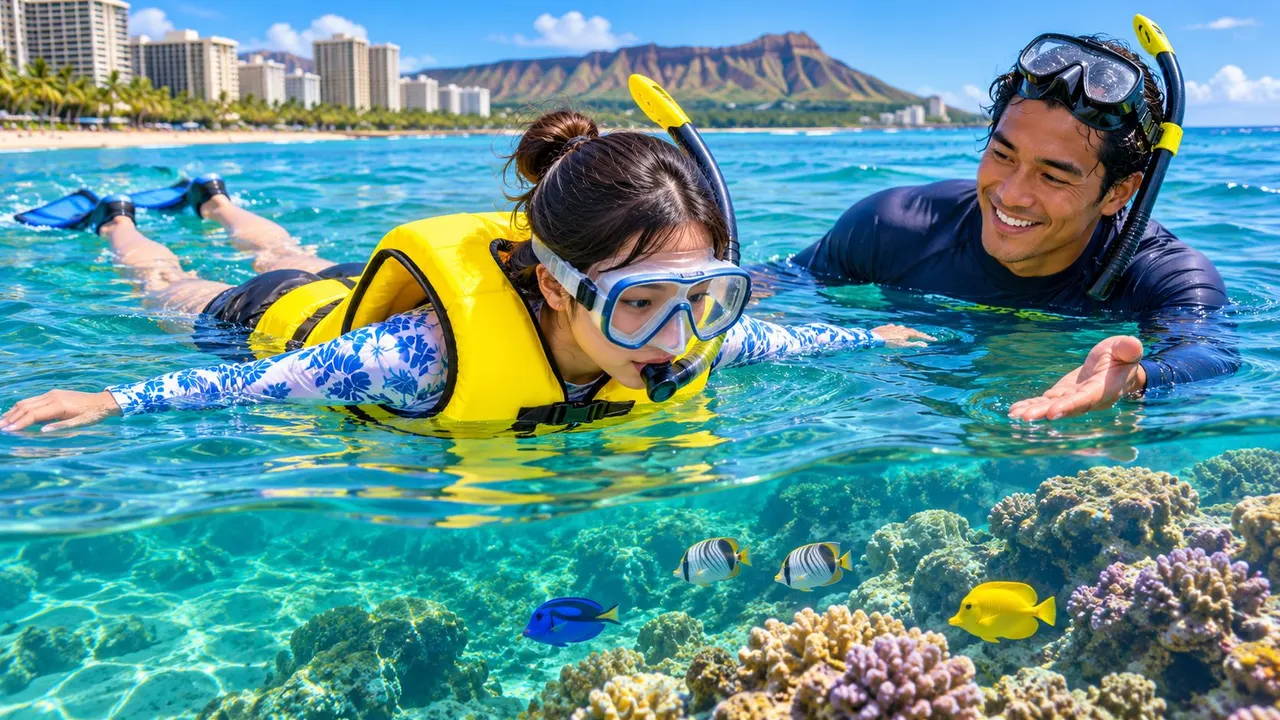
Weak swimmer or first-time snorkeler. The activity isn't automatically out, but the margin is thinner. Ask your clinician first, then wear a flotation vest and stay close enough to a guide that you could signal without swimming to them.
Bleeding, fluid leakage, or preterm-labor risk. These need a clinician's review before any water activity, and many will advise against snorkeling entirely. Don't book while the question is open.
Heart or lung disease. Get clearance in writing, not a hallway nod. Breathing through a tube adds resistance at the exact moment your body needs more oxygen.
Scuba diving. Out, at every stage.
Here's the reassuring part. A 2024 systematic review and meta-analysis in BMC Pregnancy and Childbirth pooled prenatal aquatic-activity trials and found no significant differences between the aquatic-activity and control groups in fetal birth weight, Apgar scores, or umbilical-cord-blood pH, and concluded that these activities did not increase preterm birth risk.
Book the clinician conversation before you book the boat.
How Snorkeling Risks Change Across the Three Trimesters
Your due date doesn't change the rules. It changes the margin you're working with, and which of your body's systems is most likely to interrupt a good day.
| Trimester | Main concern | Snorkeling guidance |
|---|---|---|
| First (weeks 1 to 13) | Nausea, fatigue, dizziness, and motion sickness | Short sessions in calm water, with a seasickness plan agreed with your clinician before the boat |
| Second (weeks 14 to 27) | Shifting balance as your centre of gravity moves | Calm, shallow water; skip current, chop, and long swims from the entry point |
| Third (weeks 28 to 40) | Fatigue, heat, cramping, and a heavier body to move | Flotation vest, close supervision, and a planned exit before you feel tired |
Early pregnancy usually gets talked about in terms of nausea and exhaustion, and that's the honest priority. The boat ride often costs you more than the snorkeling does, so decide with your clinician how you'll handle motion sickness before the day, not on the dock.
The second trimester is the window many women find comfortable. Energy returns, the bump is still manageable, and a relaxed float feels good. Balance is the thing that gradually shifts, so keep to protected water and skip anything that asks you to swim against a current.
By the third trimester, the body is bigger and the reserve is smaller. Sessions get shorter, the vest stops being optional, and a shaded seat on the boat becomes part of the plan rather than a consolation prize.
Practical rule: if a swim would feel hard on land today, it will feel harder in the water.
A complication, such as bleeding or a placental concern, overrides all three rows above and can make any week the wrong week. The trimester is a guide, not a permission slip.
Decide your own limit for the day before you reach the boat, when you're rested and thinking clearly.
Why Surface Snorkeling Is Not Scuba Diving
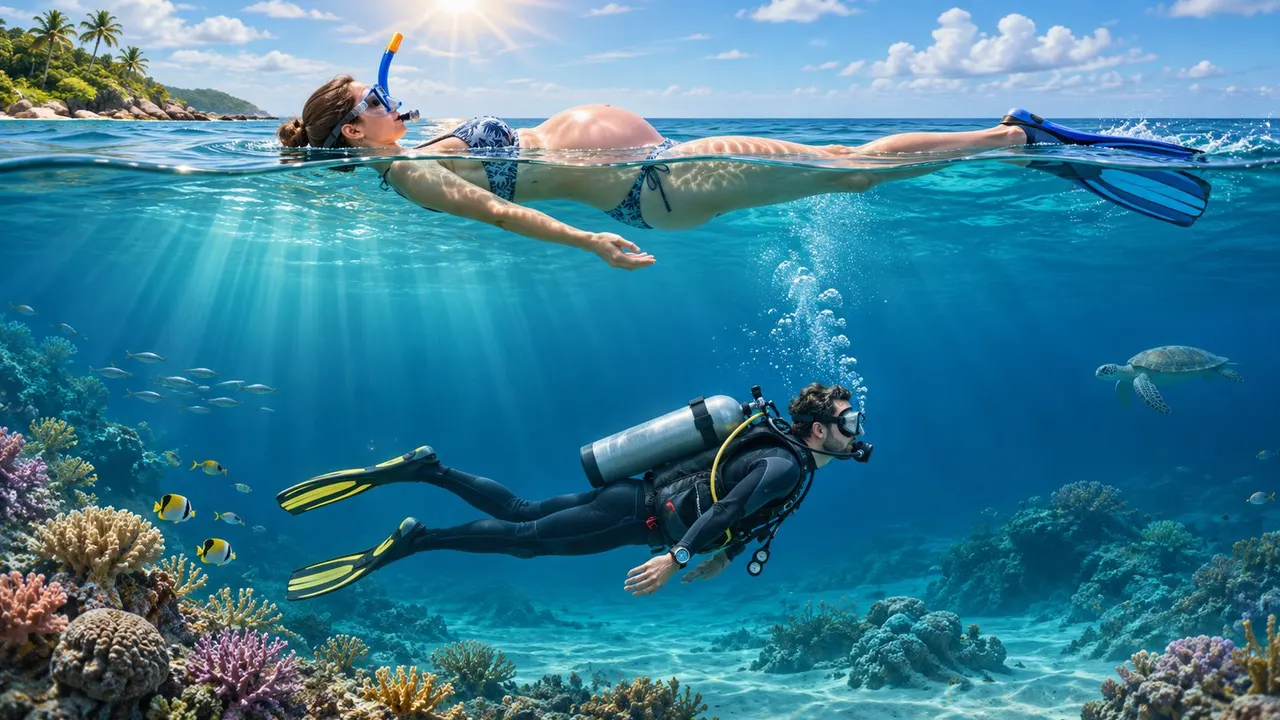
A snorkel lets you breathe while floating at the surface, with the tube above the water. Scuba uses a regulator to supply compressed gas at the pressure of the surrounding water. As a diver descends, pressure increases, changing how the body absorbs gas. The two activities may happen in the same ocean, but they expose the body to different conditions.
The CDC Yellow Book says swimming and snorkeling are generally safe during pregnancy, while recommending that pregnant people avoid scuba diving because of possible risks from decompression illness and hyperbaric oxygen exposure to the fetus. Evidence about pregnancy and diving is limited, so there is no established safe scuba depth, duration, or decompression profile. The guidance also advises pregnant travelers to avoid unfamiliar vigorous activity.
| Activity | How the body breathes | Pressure exposure | Pregnancy guidance |
|---|---|---|---|
| Surface snorkeling | Breathes through a tube while floating mostly above water | Remains at the surface, with little pressure change | Generally considered safe in an uncomplicated pregnancy |
| Breath-hold diving (duck-diving) | Holds the breath while descending | Repeated short descents increase exertion and oxygen demand | Avoid; it is not surface snorkeling |
| Scuba diving | Breathes compressed gas from a tank | Pressure rises with depth, and the body absorbs inert gas | Avoid; no established safe depth, duration, or decompression profile |
Breath-hold diving sits between floating at the surface and scuba, but it is a separate activity. A group may duck below to look at something, making it easy to feel that you should follow. You can stay at the surface instead. Holding your breath while descending adds exertion, and pregnancy reduces the oxygen reserve available to meet it. That combination can raise the risk of dizziness or hypoxia.
The diving evidence remains limited. The Divers Alert Network reports a survey of 178 women who had recently given birth. Of those, 109 had dived during pregnancy and reported a 5.5% incidence of birth defects; 69 who had not dived reported none. A survey cannot establish that diving caused the difference, but it helps explain why there is no confirmed safe dive profile for pregnancy.
Before booking, identify whether the activity is surface snorkeling, breath-hold diving, or scuba. Living Ocean Tours does not recommend its tours for pregnant women because medical care may be delayed and boat travel can involve motion sickness and slip-and-fall risks. Read its guidance for pregnant guests on boat tours, and ask the operator whether the trip involves only surface snorkeling or any breath-hold diving.
Rules for Snorkeling Safely While Pregnant
Seven habits separate a controlled float from a workout in open water. Each one exists for a reason, and the reason usually comes back to the same fact: pregnancy lowers your oxygen reserve, so effort you'd have shrugged off last year costs more now.
- Stay at the surface, with the tube above the water. The surface is the whole point. The CDC's pregnant traveler guidance supports snorkeling in general but sets no operational limits on depth, duration, or current, so you set them yourself.
- Swim with a buddy or within arm's reach of a guide. A symptom you can mention immediately is a symptom someone can act on immediately.
- Wear a flotation vest. It lets you rest without treading water, and resting is a safety tool, not a sign of weakness. Our guide to snorkeling with a life vest explains how to fit one so it supports you without riding up.
- Kick gently and never fight a current. Exertion and overheating are the risks that build slowly and surprise people. If the fins feel heavy, turn back.
- Choose clear, calm water. Avoid anything visibly polluted, any algae or scum on the surface, and swimming near an outfall after heavy rain.
- Don't swallow seawater. Sounds trivial until you're breathing through a tube and cough at the wrong moment.
- Stop and leave the water for dizziness, faintness, unusual shortness of breath, chest pain, contractions, bleeding, fluid leakage, or a general sense that something's off. Then tell the guide out loud, and don't wait to see if it passes.
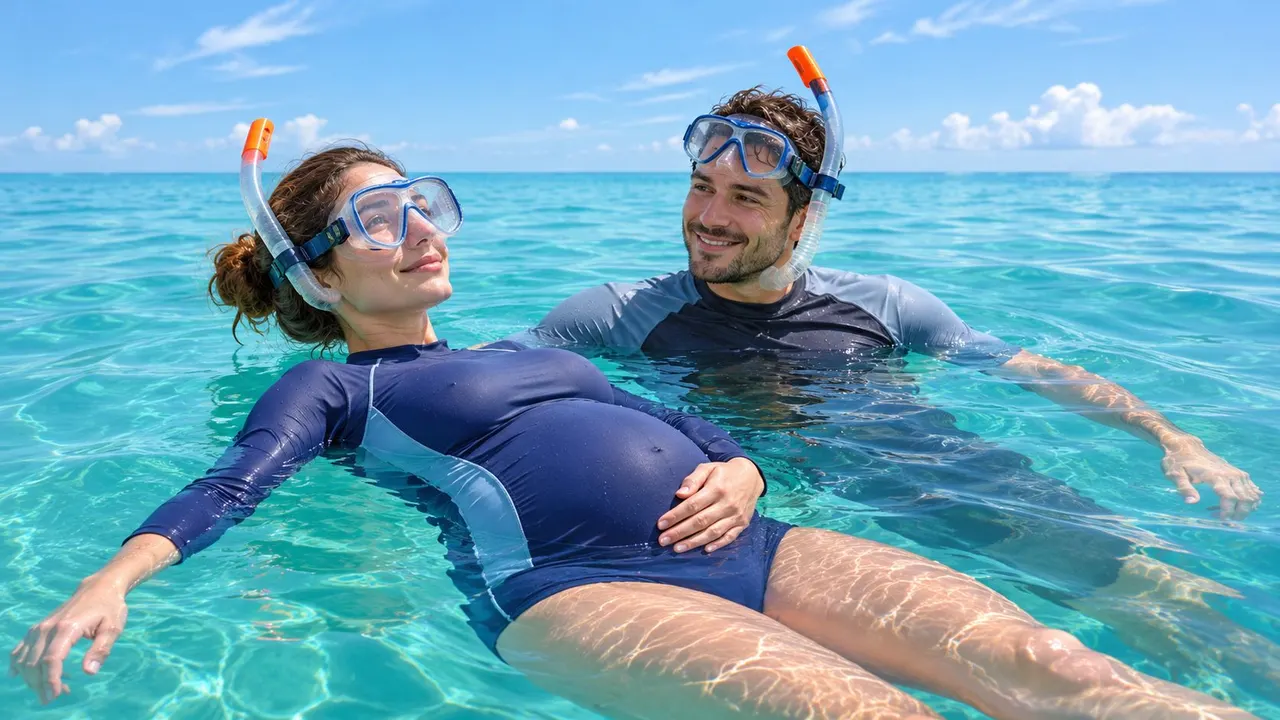
Notice what's missing from that list: duck-diving. On a guided tour, the invitation usually arrives as "come down here, there's a turtle under the ledge". Decline it plainly and stay up top. Your pace should never be set by the group.
If a guide asks you to dive, the answer is no thank you, and you keep breathing at the surface.
When to Get Doctor Approval Before Snorkeling
The American College of Obstetricians and Gynecologists advises that healthy pregnant women can continue or begin regular physical activity after discussing an appropriate plan with their obstetric clinician, and it names swimming specifically as a safe exercise option. Snorkeling sits comfortably inside that, because water buoyancy takes weight off your joints and reduces the strain and heat load of land-based exercise.
So the approval step is a conversation, not a formality. Walk in with these questions and you'll leave with a usable answer:
- Is my pregnancy uncomplicated at this stage, and is there anything in my history that changes that?
- Have I had bleeding, fluid leakage, cervical or placental concerns, or any preterm-labor risk that should keep me out of the water?
- Do I have a heart or lung condition that makes breathing through a tube a bad idea?
- Am I comfortable in open water for about an hour, including the boat ride out and back?
- Which warning signs apply to me personally, beyond the general list?
- Do I need seasickness medication, and which one is suitable in pregnancy?
Bring the answers, not just the impressions. A clear verbal yes, noted in your chart, is worth carrying to the operator, and it settles the question at the dock in ten seconds instead of twenty minutes.
If the answer is "let's hold off", that's a full answer. No clearance, no snorkeling.
Safer Ways to Enjoy the Ocean While Pregnant
You don't have to write off the water to protect the pregnancy. Several lower-exertion options deliver most of the pleasure with a fraction of the breathing demand, and they're worth picking before you travel rather than improvising on the day.
- Walk the firm sand at the waterline. Twenty minutes of beach walking with shade and water breaks keeps you moving without asking anything of your lungs.
- Wade to knee depth in a calm bay. You get the cool water and the view, and you can be back on dry sand in three steps.
- Join a prenatal water aerobics class in a pool with a qualified instructor. Buoyancy supports the workout and the shallow end guarantees an easy exit. Our notes on hydration before and after Oahu snorkel days apply to pool sessions too.
- Watch the reef from shore at low tide, standing at the beach edge with fins and shells visible in the shallows. You see marine life without a mask on your face.
- Take a shaded seat on a glass-bottom or viewing boat. The reef comes to you, and you keep your feet on a deck.
One caution if you choose any boat: sort out seasickness management with your clinician first, because a rough crossing can turn a lovely afternoon into a long one.
Pick one of these now, while you're reading. A trip planned around comfort beats a trip planned around what you're missing.
Confirm Clearance Before You Book a Snorkel Trip
Could a clinician's approval mean you can book any snorkel trip? No. First separate surface snorkeling, which involves floating and breathing through a snorkel, from breath-hold diving or scuba, then check both medical advice and the operator's policy.
Living Ocean Tours does not recommend its tours for pregnant women because access to health care may be delayed, motion sickness can occur, and there is a risk of slips and falls. A clinician's clearance does not override that policy, so contact the operator before making plans.
For any trip you are considering, tell the operator that you are pregnant and which trimester you are in. Ask whether its policy allows you to join, and discuss medication for seasickness with your clinician before taking it. Living Ocean Tours suggests taking seasickness medication before a trip, especially if you are unsure whether you get seasick.
Family members who are not pregnant can consider the Deluxe Waikiki snorkeling and wildlife cruise. It visits a reef away from the crowds and includes a waterslide and water trampoline.
If you are pregnant, do not treat a clinician's yes as an automatic booking approval. Check the operator's policy first, and choose another way to enjoy the ocean if the tour is not recommended for you.