
Snorkeling in Oahu: Top Spots & Tips for 2026
You've got a morning on Oʻahu where the ocean looks calm from shore, but you're still wondering whether the day will be a win or a waste of time. The water can look inviting near Waikiki or Ko Olina, yet one bad entry, too much surge, or a crowded beach can turn a simple snorkel into a long, tiring lesson in what not to do. The people who have the best days here usually make one smart choice early, they match the site to the conditions instead of chasing a “best spot” list.
What Snorkeling in Oahu Really Looks Like
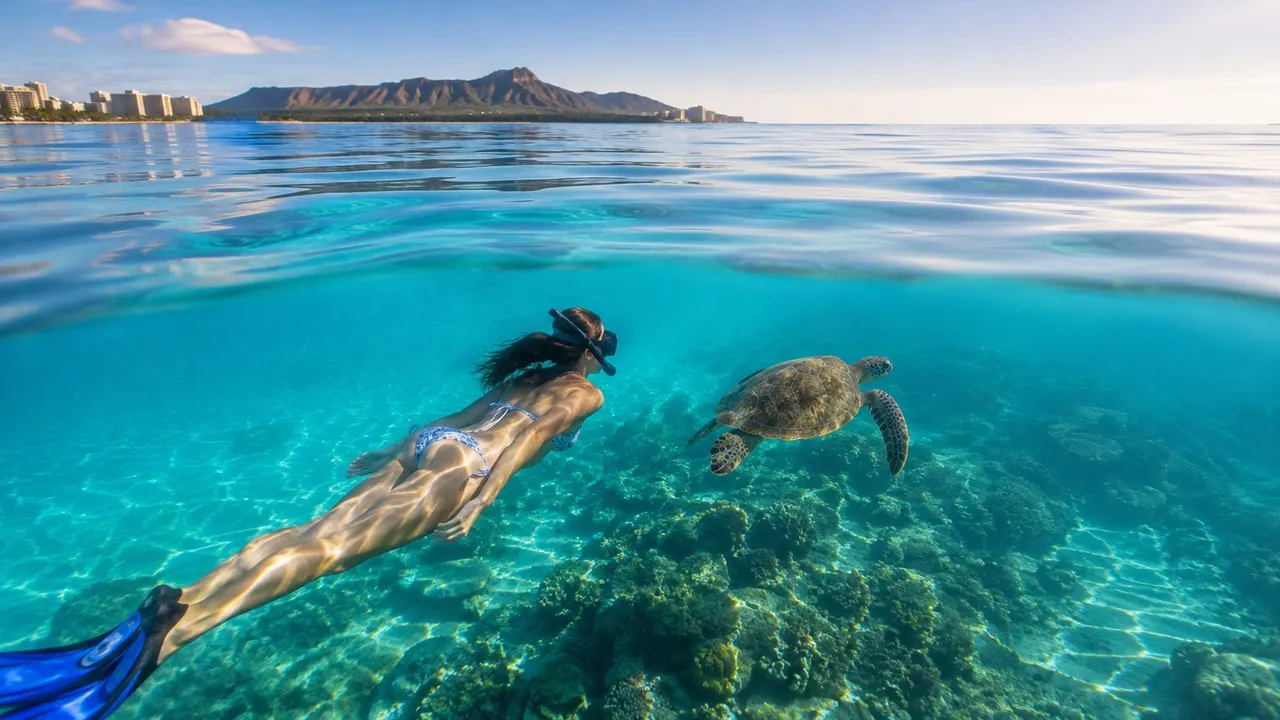
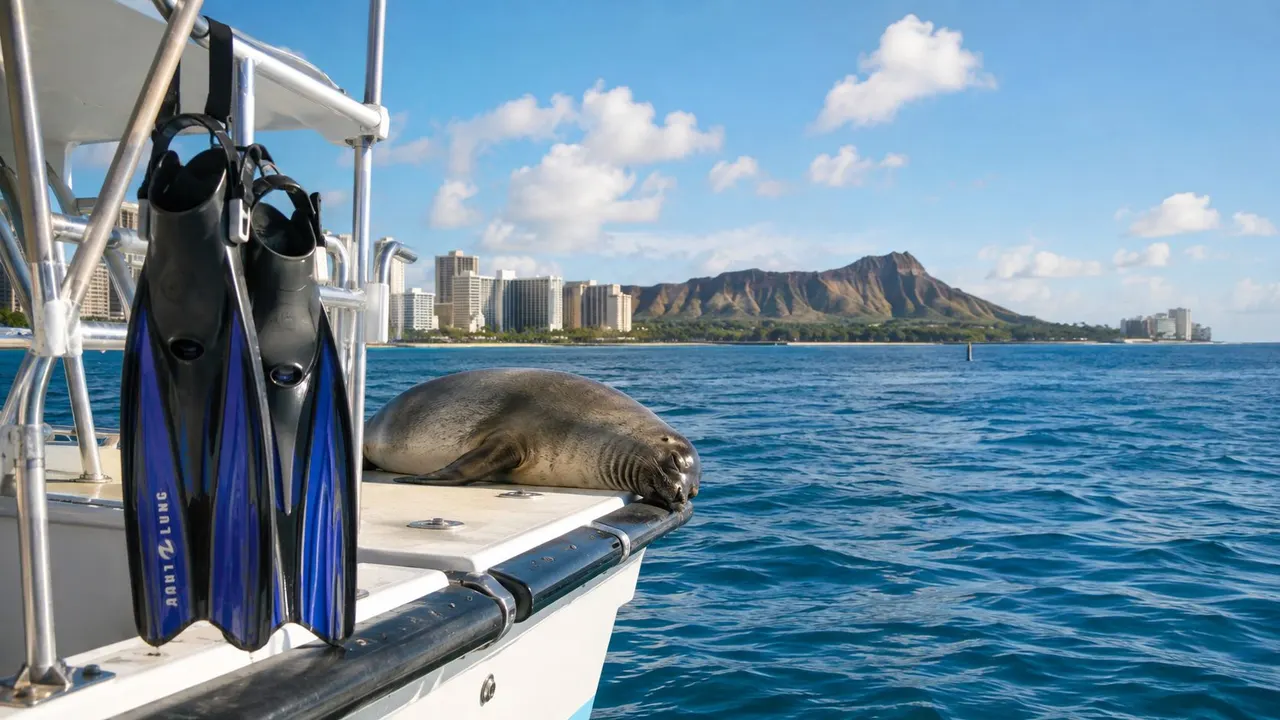
At Turtle Canyons, the day usually starts before anyone's in the water. Fins hang over the side of the boat, Kewalo Basin sits behind you, and Diamond Head rises in the distance while the crew points out where the reef should be calm enough to make the entry easy. Then a Hawaiian green sea turtle drifts below the surface, and the whole trip stops feeling like a checklist and starts feeling like a real ocean day.
This is the part most visitors miss about snorkeling in Oahu. It isn't one activity, it's a set of choices. You can wade in from a beach, float in a protected lagoon, or step off a charter boat onto a reef where the crew has already checked the water and picked the day's safer option. The state's ocean-activity dashboard shows 1,859,602 ocean users on Oʻahu since January 1, 2024 (source context), which matches what anyone who spends time on the water already knows, Oʻahu's nearshore reefs stay busy.
Practical rule: If you want a low-stress snorkel, choose the kind of entry that matches the weakest swimmer in the group, not the strongest one.
This guide is built for first-timers, families, couples, and older travelers who want the ocean to feel enjoyable, not improvised. It also helps travelers who care about seeing turtles without crowding them or forcing a risky shore entry. For a broader look at how turtle-heavy sites compare across the island, this overview of Oʻahu snorkeling options around Hanauma Bay and Kāneʻohe Bay is a useful companion piece.
The water here can feel warm and friendly, but it still brings surge, wind, and changing visibility. That's why a beach that looks calm at breakfast can feel much less forgiving by lunch. A smart day starts with the ocean, not the parking lot.
Snorkeling Basics Every Beginner Should Know First
Snorkeling looks simple from the beach, but the people who stay relaxed in the water are usually doing a few basic things right. They breathe slowly through the snorkel, kick from the hips instead of splashing, and stop before they're tired enough to start making mistakes. Those habits matter more than fancy gear.
Start with breathing and body position
The main mistake beginners make is trying to breathe too hard. In a snorkel, you want slow, calm breaths through the mouth, not quick gasps that make you tense up. Keep your face low in the water, let the snorkel do its job, and resist the urge to lift your head every few seconds.
Long fins help because they move more water with less effort, but only if you use them gently. Small, steady kicks keep your body level and reduce the splash that can spook fish and tire you out. If water gets into the mask, a firm exhale clears it. That's the move that saves a lot of nervous beginners from standing up too early.
Stay flat, breathe steady, and never wait until you're exhausted to head back in.
Use the safety habits that actually prevent trouble
Never snorkel alone. Stay within sight of a lifeguard, guide, or buddy, and use flotation if you're tired, unsure, or working in any kind of moving water. Ocean conditions are not pool conditions, and even mellow-looking entries can hide surge, slippery rock, or a current that keeps pulling you sideways.
A good beginner also checks the entry and exit before getting in. If the water looks awkward, that's already the answer. For a visual fit check before you head out, this mask-fitting guide for Oahu snorkeling is worth reading because a leaking mask ruins confidence fast.
One more habit matters. Get out at the first sign of fatigue. Not when you're gasping, not when your legs are cramping, and not when you've already started drifting where you didn't mean to go. The people who enjoy snorkeling most are the ones who treat comfort as part of safety, not a reward after the swim.
The Best Snorkeling Spots in Oahu and Who They Suit
Oʻahu doesn't reward the same spot every day. The coast you pick matters, because swell, wind, and entry style can make one beach feel easy and another feel reckless. That's why the useful question isn't “What's the best snorkel spot?” It's “What's the right spot for this swimmer, on this kind of day?”
Pick by skill, not by hype
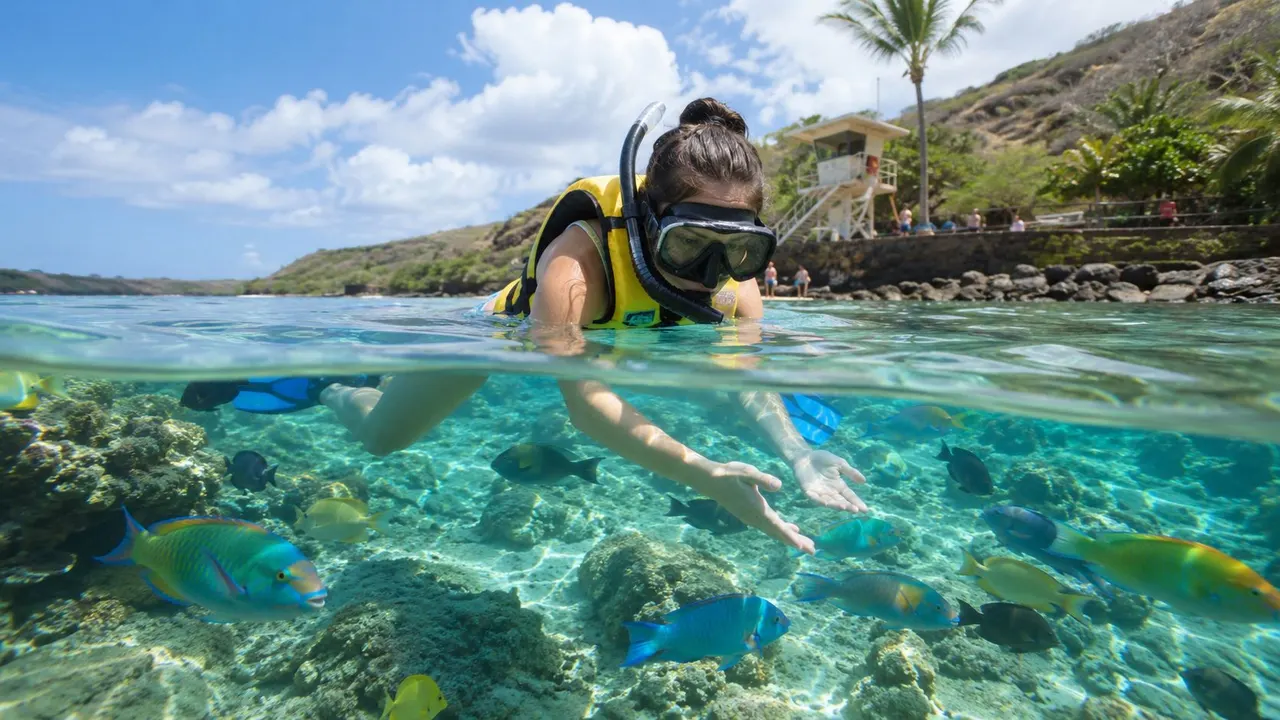
Hanauma Bay is the obvious beginner name because it combines shallow water, reef life, and lifeguard presence. It also comes with crowd pressure and a reservation system, so it works best for travelers who don't mind planning ahead. When the bay gets crowded, afternoons can feel less relaxed than the pictures suggest.
Ko Olina is the calmer family answer. The lagoons offer easy sand entry and a more forgiving feel for kids, older travelers, and anyone who wants to snorkel without much ocean drama. This Oahu turtle-viewing guide is a good companion if your group wants a low-stress day and a realistic sense of where honu are most often seen.
Shark's Cove can be excellent on small-swell days, especially in summer, because the lava-formed reef can hold clear water and good fish life. The catch is simple, winter surf can make the area dangerous, and that's not the place to learn how to handle chop. Waimea Bay follows the same seasonal logic, a summer-only shore option for confident swimmers when the ocean is behaving.
Electric Beach, also known as Kahe Point, is more advanced. Fish life can be strong, but current and entry timing matter a lot. It's the kind of place that rewards competence and punishes hesitation. That makes it a poor first snorkel, even if it looks tempting from shore.
For turtle encounters, Turtle Canyons is the clear stand-out near Waikiki. It's offshore, boat-access only, and shaped like a known cleaning station where Hawaiian green sea turtles regularly show up. That access constraint is exactly why it outperforms most shore sites for dependable turtle viewing. If that's the goal, the route matters more than the beach name.
Oahu Snorkeling Spots at a Glance
| Spot | Access | Best For | Best Season |
|---|---|---|---|
| Hanauma Bay | Shore | Beginners, families, first-timers | Year-round, conditions vary |
| Ko Olina lagoons | Shore | Kids, cautious swimmers, easy entry | Year-round, calmer days |
| Shark's Cove | Shore | Confident swimmers, fish watching | Summer and small-swell days |
| Electric Beach | Shore | Advanced snorkelers | Calm days only |
| Waimea Bay | Shore | Strong swimmers, summer shore sessions | Summer |
| Turtle Canyons | Boat | Turtle viewing, guided trips, beginners with support | Year-round, weather dependent |
If you want the cleanest route to turtles, the Turtle Canyons snorkel excursion is the site that keeps coming up for a reason. The reef is offshore, the guides already know the water, and you're not gambling on a random shoreline entry.
Shore Snorkeling vs Boat Snorkeling Near Waikiki
If you're staying in Waikiki, the decision isn't whether you can snorkel. It's whether you want to spend energy solving the day yourself or let a crew remove the guesswork. Shore snorkeling is cheaper and more flexible. Boat snorkeling usually buys you better water, a tighter schedule, and less mental load.
Time and effort tell the story
A shore day can start with parking, gear pickup, and figuring out whether the entry looks safe enough. That doesn't sound like much until you've done it with kids, sunscreen, and wet gear in your hands. A boat trip trims a lot of that friction because the crew handles the route, the briefing, and the entry point.
Visibility is the next trade-off. Waikiki's nearshore reefs are convenient, but they're often more crowded and less consistent than offshore water. Turtle Canyons is usually the more efficient choice when the goal is to see turtles without spending half the day searching for acceptable water.
Practical rule: If the main goal is turtle sightings, offshore access usually gives you a cleaner shot than a random beach entry.
What you get for the extra cost
Shore snorkeling gives you freedom, but it also asks you to read the ocean like a local. You're checking surge, judging the exit, and deciding whether the water is clear enough to bother. Boat snorkeling removes most of that decision fatigue.
That's the primary reason many Waikiki travelers choose a guided trip. It's not just about comfort, it's about reducing the failure points that ruin first-timers' days. For a direct look at how shore and offshore options compare around town, this Waikiki snorkeling beach and offshore reef guide fits neatly beside this one.
If your group is confident, the shore can still make sense. If your group includes kids, cautious swimmers, or anyone who doesn't enjoy uncertainty, boat access is usually the smarter spend. Near Waikiki, Turtle Canyons is the option that most clearly justifies the extra effort because the wildlife payoff is more predictable.
When to Go for the Best Visibility and Conditions
Oʻahu snorkeling lives and dies by the day's conditions. A great site can look mediocre if the swell is wrong, and a plain-looking morning can turn into a strong session if the water is calm, clear, and lightly trafficked. The good news is that the pattern is pretty reliable once you know what to watch.
Read the coast before you leave
Leeward south and west shores tend to be the most dependable because they're sheltered from deep-ocean swell. That's why Waikiki, Ko Olina, and Electric Beach often hold up better than exposed stretches of the North Shore. On the other hand, spots like Shark's Cove and Waimea Bay are much more seasonal, and they're at their best during smaller-swell summer periods.
For day-to-day planning, morning is usually the right call. Winds are often lighter early, boat traffic hasn't stirred as much sand, and the water can stay clearer longer. Expert guidance for Oʻahu also points to 30+ feet visibility, light winds under 15 mph, small swell under 3 feet, and no active water-quality advisories as ideal conditions (source context).
Rain changes the game more than most visitors expect
Freshwater runoff clouds the water, and it doesn't disappear immediately. That's why a 72-hour rain-free period is a useful rule of thumb before committing to a snorkel day. If it rained hard yesterday, the shoreline may still carry sediment that makes fish harder to see and entries less pleasant. Morning after several dry days is the stronger bet.
If the water looks stirred up from shore, don't assume it will improve once you're in it.
Seasonality matters too. From January through March, humpback whales are part of the broader ocean story around Hawaiʻi, and that can turn a snorkel trip into a bigger water day if you pair it with a dedicated whale outing later. For tide checks while planning around the beach, this Oʻahu tide chart resource is the kind of practical tool that saves a bad day before it starts.
The shortest version is this. Morning, light wind, modest swell, dry weather, and a sheltered coast usually beat a late-day gamble. If all five line up, go. If two or three are off, choose a calmer site or move the day.
What to Pack and What Your Tour Will Provide
Good gear doesn't make you a better snorkeler, but bad gear can make a calm person miserable. Snorkelers don't need a suitcase full of gadgets. They need a few reliable basics and the judgment to leave behind the things that only get in the way.
Bring the items that actually improve the day
A well-fitting mask is the first priority, especially if you wear glasses or have facial hair that can interfere with the seal. A dry-top snorkel is a nice upgrade if you're sensitive to splashes. Add reef-safe sunscreen, a rashguard or UV shirt, water shoes or old sneakers for lava-rock entries, a quick-dry towel, and a dry bag for your phone and keys.
If you're doing shore snorkeling, a few extra items matter more. Bring a way to protect your feet on rough entries, and keep your car keys somewhere that won't get soaked. If you're on a guided boat, the crew usually handles the core in-water gear and basic instruction, which keeps your packing list shorter.
Leave the bulky stuff at home
Heavy jewelry gets annoying fast once you're in and out of the water. Brand-new white clothing sounds nice until sunscreen and saltwater mark it up. Full-size beach umbrellas can be a headache on a small boat and don't add much value if you're spending most of the day offshore.
For a tighter pre-trip checklist, this Oahu snorkel packing list covers the small items people forget most often. It's especially useful if you're traveling with kids or trying to fit snorkeling into a larger island itinerary.
Reef-safe sunscreen deserves its own mention because it's both a packing item and a conservation choice. If you're going to spend time in the water, use the version that respects the reef you came to see. That's basic etiquette, not a bonus feature.
Wildlife Etiquette and Protecting What You Came to See
The best snorkelers on Oʻahu don't chase the animal, crowd the turtle, or turn the reef into a photo set. They stay calm and let the ocean happen around them. That's the whole ethic, and it makes the experience better for everyone in the water.
Treat honu like wild animals
For Hawaiian green sea turtles, the rule is simple, stay at least 10 feet away. Don't touch them, don't block their path to the surface, don't chase them, and never try to ride one for a photo. A turtle that feels pressured changes direction, and once it starts avoiding people, everyone loses the chance to watch normal behavior.
The same logic applies to the reef itself. Don't stand on coral, don't take anything living or dead from the water, and keep your fins off the bottom. Coral is living structure, not a rock garden. One careless step can do more damage than a whole group of careful swimmers can see from the surface.
Good etiquette usually leads to better sightings, because the animal keeps behaving naturally.
Why the conservation story matters
Federal recovery materials show Hawaiian green turtles have risen from about 67 nesting turtles in 1973 to nearly 500 nesting females annually, a roughly 5% per year rebound over two decades (source). That's not just a nice conservation note. It means every respectful encounter is part of a recovery story that took generations to build.
That recovery is why the encounter feels so meaningful now. The turtles you see in nearshore waters are tied to the broader Hawaiian marine ecosystem, and Oʻahu's reef habitats are places where honu forage, rest, and appear regularly to snorkelers. If you want the island's best-practice rules in one place, this guide to snorkeling with turtles in Hawaiʻi lays them out clearly.
Reef-safe behavior isn't about being overly cautious. It's about making sure the next group gets the same chance to see a turtle glide past without stress. That's what responsible snorkeling looks like here.
Choosing a Tour, Building an Itinerary, and Booking Smart
A good guided trip solves problems before they reach the water. You want a small group, included gear, a clear safety briefing, and a route that gets you to actual reef, not just a pretty patch of sand. That's the baseline for booking smart on Oʻahu.
Living Ocean Tours operates from Kewalo Basin near Waikiki and offers guided snorkeling, sunset cruises, and seasonal whale watching. Their Turtle Canyons Snorkel Excursion focuses on the offshore turtle cleaning station, and the Deluxe Waikiki Snorkel and Wildlife Cruise adds extra onboard fun with a waterslide, water trampoline, and lily pad. If you're comparing options for snorkeling in Oahu, that's the kind of structure that matters more than glossy photos.
A simple trip plan that actually works
Day 1: Start with Ko Olina if your group wants the calmest shore entry.
Day 2: Book a boat to Turtle Canyons for the most dependable turtle-focused outing.
Day 3: Keep the afternoon open for a sunset cruise, or, in the winter months, shift that slot to a whale watch.
If you only have one day, don't try to force two snorkel spots into it. Pick the coast that matches the weather, and if turtle sightings are the priority, choose the boat over a random beach gamble. For a tighter route map, this Oahu snorkeling itinerary guide keeps the planning simple.
If you want a safer, cleaner snorkel day near Waikiki, Living Ocean Tours runs guided trips to Turtle Canyons with gear, instruction, and crew support built in. If you're ready to compare shore access with an offshore turtle run, visit Living Ocean Tours and choose the trip that matches your group and the day's conditions.


