
Oahu snorkeling itinerary: Five days of island water
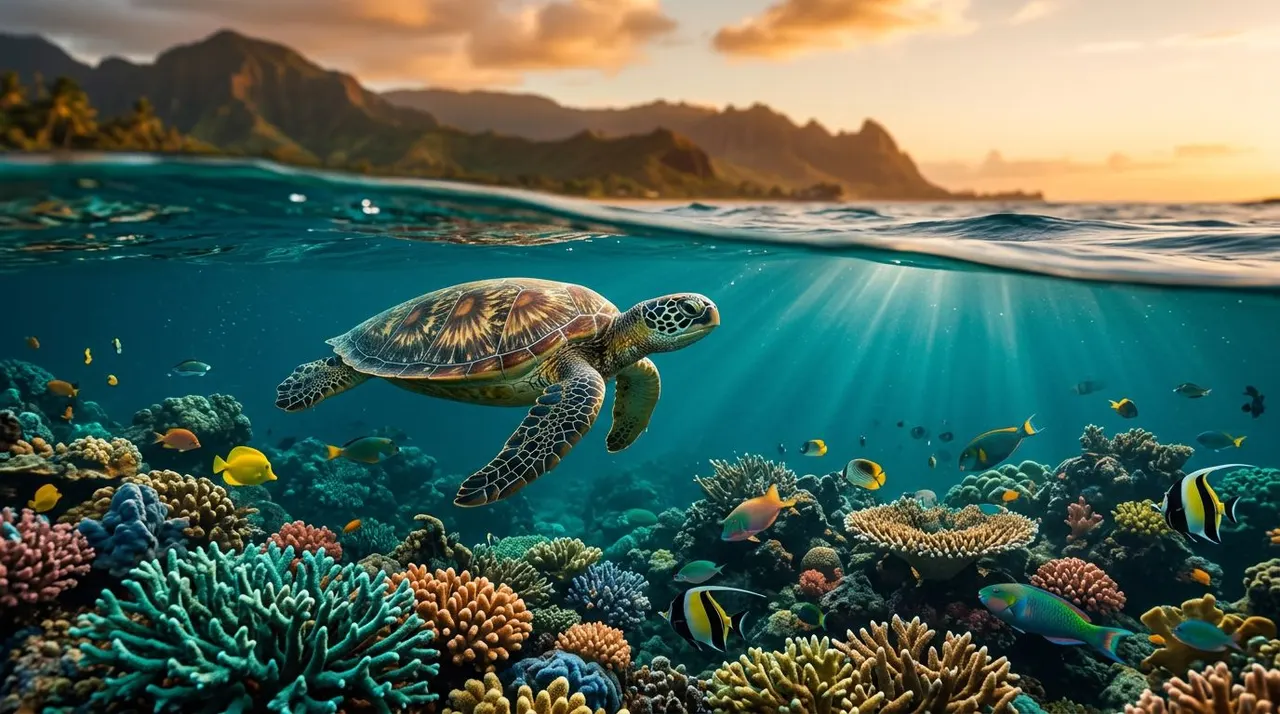
The right Oahu snorkeling itinerary gives you calm water, colorful reefs, sea turtles, and enough time to enjoy each coastline without rushing. You can snorkel from Waikiki, visit Hanauma Bay, explore the North Shore, and finish with a guided cruise.
Conditions change quickly on Oahu. This five-day plan keeps you flexible, places the most popular sites on suitable days, and gives you reliable options when wind or surf changes your plans.
Key Takeaways
- Start with a guided Turtle Canyon trip while you’re based near Waikiki.
- Reserve Hanauma Bay early and check its current entry rules.
- Visit Shark’s Cove and Three Tables during calm summer conditions.
- Choose Electric Beach for experienced swimmers, or Ko Olina for sheltered water.
- Keep your final day flexible for a deluxe snorkel cruise or a second favorite spot.
How to shape your Oahu snorkeling itinerary around conditions
Your location and the season should guide your schedule. Waikiki and the south shore often offer easier access during winter, while North Shore coves are better during calmer summer months. In July, Shark’s Cove and Three Tables can be excellent, but winter surf can make both areas unsafe.
Plan your snorkeling for the morning whenever possible. Trade winds often increase later in the day, and early water usually brings better visibility and fewer swimmers. Before entering any shore site, watch the ocean for at least 15 minutes. Look for strong currents, breaking waves, and water washing over the reef.
Hanauma Bay and Pupukea are Marine Life Conservation Districts. You can review Hawaii’s rules and protected areas through the Hawaii Marine Life Conservation District information. Keep your distance from turtles, never stand on coral, and avoid touching fish or reef life.
Pack a mask that fits well, reef-friendly sun protection, drinking water, and water shoes for rocky entries. You should also snorkel with a buddy and skip the water if you’re not a confident swimmer. A guided tour is a better choice when you want instruction, equipment support, and a crew watching the conditions.
Day 1: Start with Turtle Canyon from Waikiki
Begin your trip with Turtle Canyon, a reef area just offshore from Waikiki. The boat ride is short, so you can spend more time in the water and less time driving around the island. The site is known for Hawaiian green sea turtles, tropical fish, and reef formations that attract marine life.
For a first snorkeling day, a professional guide makes a noticeable difference. Living Ocean Tours is the only tour company on this itinerary with professional snorkel guides. The crew helps beginners with mask fitting, water entry, and basic snorkeling technique. You can focus on breathing calmly and watching the reef instead of worrying about every detail.
The Turtle Canyon Snorkel Excursion departs from Kewalo Basin Boat Harbor, a short drive from Waikiki Beach. Its reported turtle spotting success rate is 95 percent, although wildlife sightings can never be guaranteed. When you see a turtle, stay several feet away and let it surface without following or surrounding it.
Living Ocean Tours uses Coast Guard-inspected double-decker boats with shaded seating, restrooms, dry storage, and sturdy ladders. That setup helps families and first-time snorkelers feel more comfortable throughout the trip.
When your travel dates are set, you can CHECK AVAILABILITY for the Turtle Canyon excursion.
Day 2: Reserve Hanauma Bay for calm, clear water
Hanauma Bay is one of Oahu’s most famous snorkeling locations. The curved bay shelters the water from some open-ocean swell, and the shallow reef gives you a good chance to see colorful fish close to shore.
Schedule Hanauma Bay on a day when the park is open. The current schedule commonly places closures on Monday and Tuesday, but you should confirm the rules before booking your visit. Online reservations and an orientation video are part of the normal entry process, and popular time slots can disappear quickly.
Arrive early enough to complete the required steps without rushing. Bring water, a towel, and minimal valuables. You can rent snorkeling equipment at the beach, although bringing a familiar mask can save time and improve comfort.
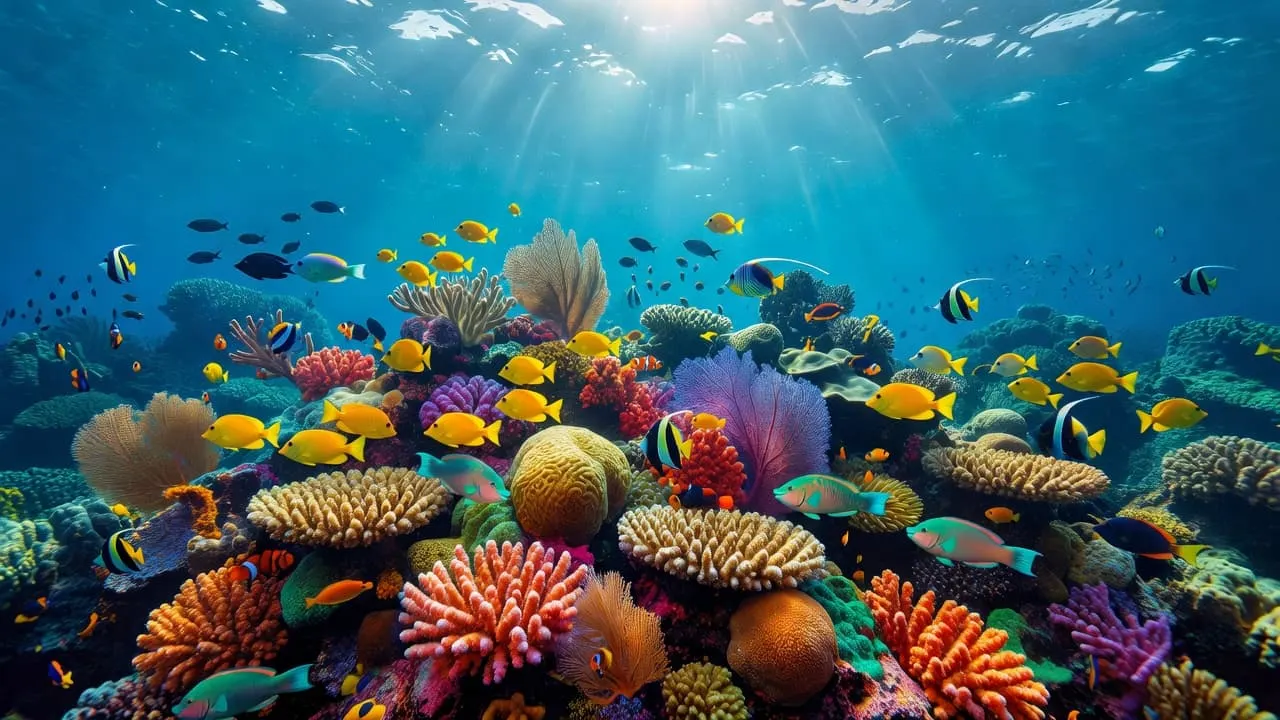
The bay rewards slow snorkeling. Instead of swimming quickly across the entire reef, pause near coral heads and watch for fish moving between them. You may see parrotfish, butterflyfish, tangs, and other reef species. Avoid standing on the bottom, even in shallow water, because coral can break under a single step.
If the bay feels crowded, keep your route simple and stay near your group. The goal is to observe the ecosystem without chasing wildlife or blocking narrow reef areas.
Day 3: Explore Shark’s Cove and Three Tables in summer
Use your third day for the North Shore if the ocean is calm. Shark’s Cove and Three Tables are part of the Pupukea Marine Life Conservation District, which protects a rocky coastline filled with tide pools, lava formations, and reef habitat.
These spots are best for confident swimmers who can handle uneven entries and changing water movement. Water shoes help protect your feet from sharp lava rock. Enter slowly, stay inside the protected area, and never swim beyond your ability.
Summer usually brings the best conditions for this part of Oahu. During winter, large swells can make the shoreline dangerous, and even experienced swimmers should stay out when waves break across the cove. Check the surf forecast before leaving Waikiki, then inspect the water when you arrive.
Three Tables is named for its flat reef formations that appear near the surface during calm conditions. Shark’s Cove has more rocky structure and small pools to explore. You may find fish in both areas, but visibility depends on wind, swell, and recent rainfall.
Pack your own food and water because facilities are more limited than at Waikiki beach parks. Give yourself time for the drive, and avoid planning another major snorkel site afterward. The North Shore deserves a slower day.
If the surf rises, replace this day with Ko Olina’s sheltered lagoons or another guided Waikiki trip. A flexible Oahu snorkeling itinerary is safer and more enjoyable than forcing a location into poor conditions.
Day 4: Choose Electric Beach or Ko Olina
Kahe Point Beach Park, often called Electric Beach, can offer excellent visibility and abundant marine life. Warm water released near the power plant attracts fish and other sea life, but the entry includes open water, currents, and boat traffic.
Choose Electric Beach only if you’re a strong, experienced swimmer. Stay well clear of the discharge area, watch for boats, and follow every posted warning. This isn’t the right place for a tired swimmer or a young child who needs shallow water.
Families and less experienced snorkelers can choose Ko Olina instead. Its four lagoons have curved rock barriers that create more sheltered swimming areas. The coves offer easier entries, public restrooms, and a relaxed setting for a half-day in the water.
Ko Olina is also a practical backup when the North Shore is rough. Bring your own equipment, arrive early for parking, and stay inside the protected lagoon rather than swimming between coves. Even sheltered water can develop currents, so keep children within arm’s reach.
Plan a slower afternoon after this outing. You can return to Waikiki for dinner, walk the beach, or rest before your final day. Your body will appreciate the break after several mornings in the ocean.
Day 5: Finish with a deluxe Waikiki snorkel cruise
Keep your last snorkeling day flexible. If the weather is good, book a deluxe cruise that combines reef time with comfortable boat amenities. This option works well for couples, families, and travelers who want one final ocean outing without another long drive.
The Deluxe Waikiki Snorkeling and Wildlife Cruise visits a less-crowded reef and includes a boat-mounted water slide, water trampoline, and floating lily pad. The Lokahi also features shaded seating, restrooms, a cash bar, and a SeaKeeper stabilization system that helps reduce rolling on the water.
Professional guides provide instruction and help you enter the water safely. Beginners can stay close to the crew, while confident swimmers can spend more time observing the reef. As always, leave wildlife plenty of room and never touch turtles, fish, or coral.
Living Ocean Tours operates from Kewalo Basin Boat Harbor, which is minutes from Waikiki. The company also runs its broader lineup of Waikiki snorkeling tours, so you can compare available departure times and vessel features before booking.
You can CHECK AVAILABILITY for the deluxe cruise.
For a final evening on the coast, add the Waikiki Sunset Cruise. You can choose a BYOB or cash-bar option, then watch the sun drop behind the western horizon from the water.
Book the evening CHECK AVAILABILITY before popular departure times fill.
Final planning tips for five days of snorkeling
Keep your schedule loose enough to move a shore day when conditions change. Reserve Hanauma Bay and guided tours early, then leave at least one afternoon open for rest or a weather adjustment.
Morning snorkeling usually gives you the best chance of calm water. Apply sun protection before leaving, drink water throughout the day, and bring a light cover-up for the boat ride home. If you rent equipment, test the mask seal before entering deeper water.
Most importantly, treat every encounter as observation time. Hawaiian green sea turtles need space to rest and surface, while coral grows slowly and breaks easily. Your careful choices help protect the reefs that make Oahu special.
Conclusion
This Oahu snorkeling itinerary balances guided Turtle Canyon access, Hanauma Bay’s protected reef, North Shore summer conditions, and flexible west-coast options. You get several chances to see marine life without depending on one location or one type of water.
Choose a professional guided trip when you want extra support, and adjust every shore outing to the day’s conditions. With that approach, your five days can include memorable snorkeling while keeping Hawaii’s ocean environment safe for the next visitor.


