
Snorkeling Oahu: How to Fit Your Mask Before Water
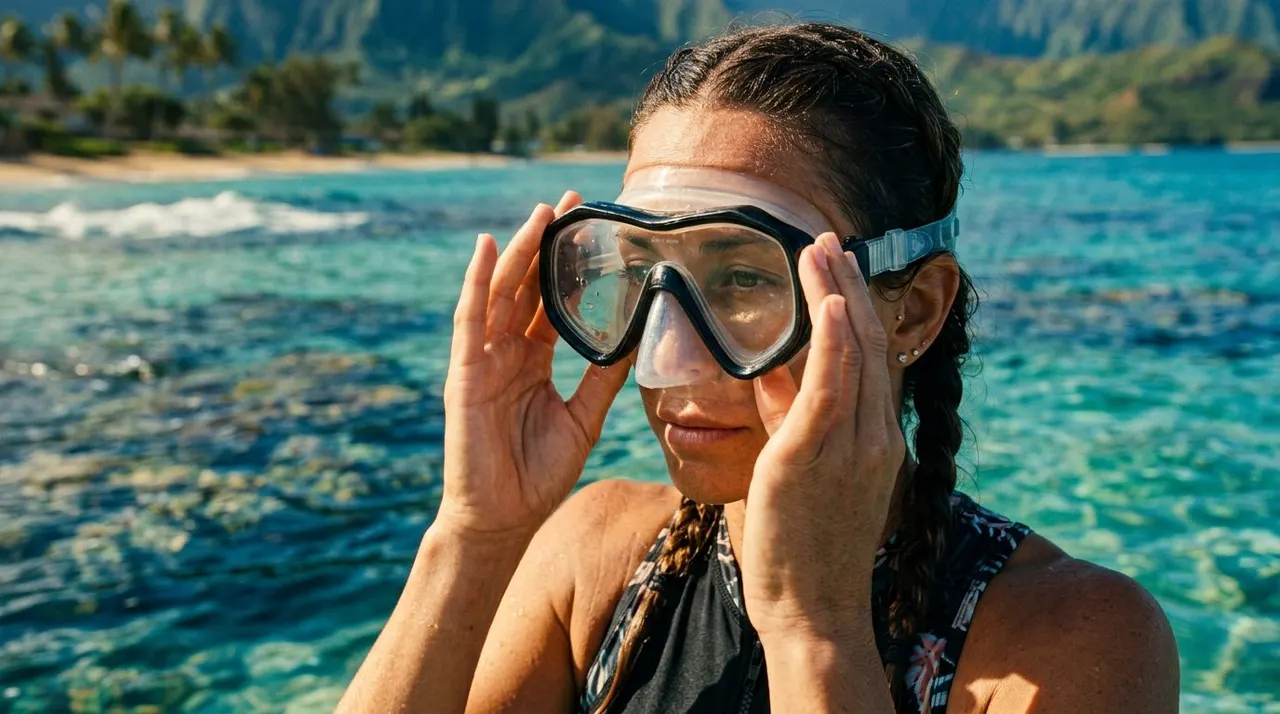
One small leak can turn a beautiful ocean outing into a constant battle with water, fog, and discomfort. A properly fitted mask lets you relax, breathe through your snorkel, and keep your eyes on the reef.
On a snorkeling Oahu trip, the right fit keeps you looking at reef fish instead of fighting a steady stream of water. The process takes less than a minute, whether you’re using personal equipment or borrowing a mask from a tour operator.
Why a Proper Mask Fit Matters for Snorkeling Oahu
Your mask creates an air pocket over your eyes and nose. The silicone skirt must form a continuous seal against your skin. If water slips underneath, you lose clear vision and may need to surface repeatedly.
A mask that fits well also reduces pressure around your nose and forehead. You shouldn’t need to tighten the strap until it feels uncomfortable. In fact, an overly tight strap can fold the silicone skirt and create the same leaks you’re trying to prevent.
Oahu’s reefs deserve your full attention. At Turtle Canyons, you may see Hawaiian green sea turtles resting near a natural cleaning station, along with tropical fish moving through the coral. A leaking mask can make you miss those moments.
First-time snorkelers often assume every mask works the same way. They don’t. Face shape, nose width, hair placement, and the mask’s skirt size all affect the seal. A few simple checks on the boat or beach can prevent most problems before you enter the water.
Choose the Right Mask Before You Step Into the Ocean
Start with the mask skirt. Soft silicone usually creates a more comfortable seal than stiff plastic. The skirt should sit flat around your forehead, cheeks, and the area beneath your nose. No section should curl inward or bunch up.
Next, check the nose pocket. You should be able to pinch your nose easily if you need to equalize pressure. The pocket shouldn’t press hard against the bridge of your nose, and it shouldn’t leave a large gap beneath your nostrils.
Look through the lens while holding the mask gently against your face. A good mask gives you a broad, unobstructed view. Low-volume masks sit closer to your face, while larger masks may offer more peripheral vision. Comfort matters more than a particular shape.
Keep hair away from the silicone skirt. Even a few strands across the seal can create a narrow leak. If you have a mustache or beard, choose a mask with a skirt that reaches clean skin, or ask a professional guide for help finding the best placement.
For children, use a child-sized mask rather than tightening an adult mask. A smaller skirt should rest evenly on the child’s face without covering the eyes or pressing into the upper lip.
You can find additional guidance on selecting and testing equipment in these beginner scuba mask tips. The same basic seal principles apply to recreational snorkeling.
Snorkeling Oahu: Fit Your Mask in Five Steps
Follow these steps before you put on fins or enter the water.
- Inspect the mask. Check the silicone skirt for sand, hair, or folds. Make sure the strap and buckles move freely. Rinse away any grit that could interfere with the seal.
- Place the mask without using the strap. Hold the mask against your face with light pressure. Keep your hair clear and look straight ahead. Don’t pull the mask tightly against your skin.
- Test the suction. Breathe in gently through your nose. A properly sized mask should hold against your face for a few seconds without the strap. You don’t need to inhale hard. If the mask immediately falls away, try another size or shape.
- Adjust the strap evenly. Once the mask passes the suction test, position the strap around the back of your head. It should sit comfortably above the widest part of your skull. Tighten each side in small, even adjustments. The strap holds the mask in place, but the skirt creates the seal.
- Complete a wet test. Splash water over the mask and face. Keep your head still and breathe normally through the snorkel. If water enters, lift the mask, clear your hair, and repeat the fit check. Don’t ignore a small leak because it usually grows once you begin swimming.
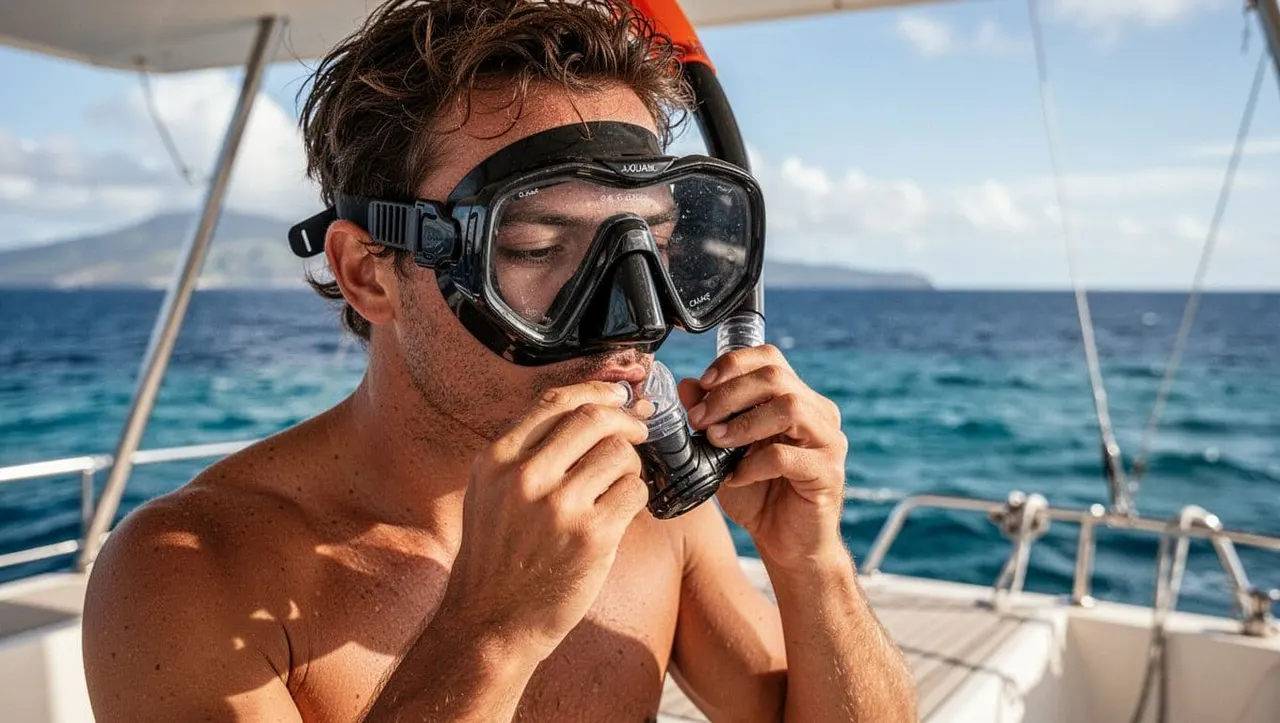
A useful fitting method is to press the mask gently to your face and inhale through your nose without relying on the strap. You can review these snorkel mask fitting instructions for additional face-shape and suction-test details.
Your expression matters, too. Smiling, talking, or biting the mouthpiece can shift your cheeks and disturb the seal. Once you find a comfortable position, relax your face and avoid repeatedly readjusting the mask.
A short instructional video can also help you recognize common placement mistakes. This dive mask fit demonstration shows the suction test and strap adjustment from a close-up angle.
Fix Leaks, Fog, and Pressure Before You Swim
A leak usually comes from one of four causes: hair under the skirt, a folded edge, an incorrect size, or a strap pulled too tight. Check those issues in that order. If the problem continues, ask for another mask instead of forcing the current one to work.
To clear a small leak in the water, press the top of the frame gently and exhale through your nose. The air pushes water out through the lower edge. Practice this near the boat ladder or in shallow water so you feel comfortable before swimming farther from the vessel.
Fog often develops when the inside lens has residue, sunscreen, or temperature differences. Use a mask-safe defogging solution according to its instructions, then rinse lightly. Avoid touching the inside lens with your fingers after applying it.
Apply sunscreen around the mask area without coating the silicone skirt. Oils can reduce the seal and make the mask slide. Reef-conscious sunscreen also helps you reduce the amount of harmful residue entering Hawaii’s marine environment.
If you feel pressure on your nose, forehead, or cheekbones, loosen the strap slightly. Persistent discomfort means the mask shape may not match your face. A professional guide can often spot the issue within seconds.
A mask should feel secure, not clamped. If tightening makes the leak worse, the size or shape is probably wrong.
Prepare for a Guided Snorkeling Oahu Experience
Living Ocean Tours operates from Kewalo Basin Boat Harbor, just minutes from Waikiki Beach. Before you reach the reef, the crew can help you check your mask, adjust the strap, and understand how to clear a small amount of water.
Living Ocean Tours is the only tour company with professional snorkel guides. That support is valuable when you’re snorkeling for the first time, traveling with children, or unsure which mask shape suits you.
The Turtle Canyons snorkeling excursion takes you along the Waikiki coastline to a known turtle-cleaning area. The company reports a 95% success rate for spotting Hawaiian green sea turtles. You still need to give wildlife space, avoid touching turtles or coral, and follow the crew’s instructions in the water.
The custom double-decker vessels, Coral Kai and Lokahi, include shaded seating, restrooms, dry storage, and heavy-duty ladders for controlled water entry. Lokahi also has a SeaKeeper stabilization system that helps reduce rolling while you prepare your gear.
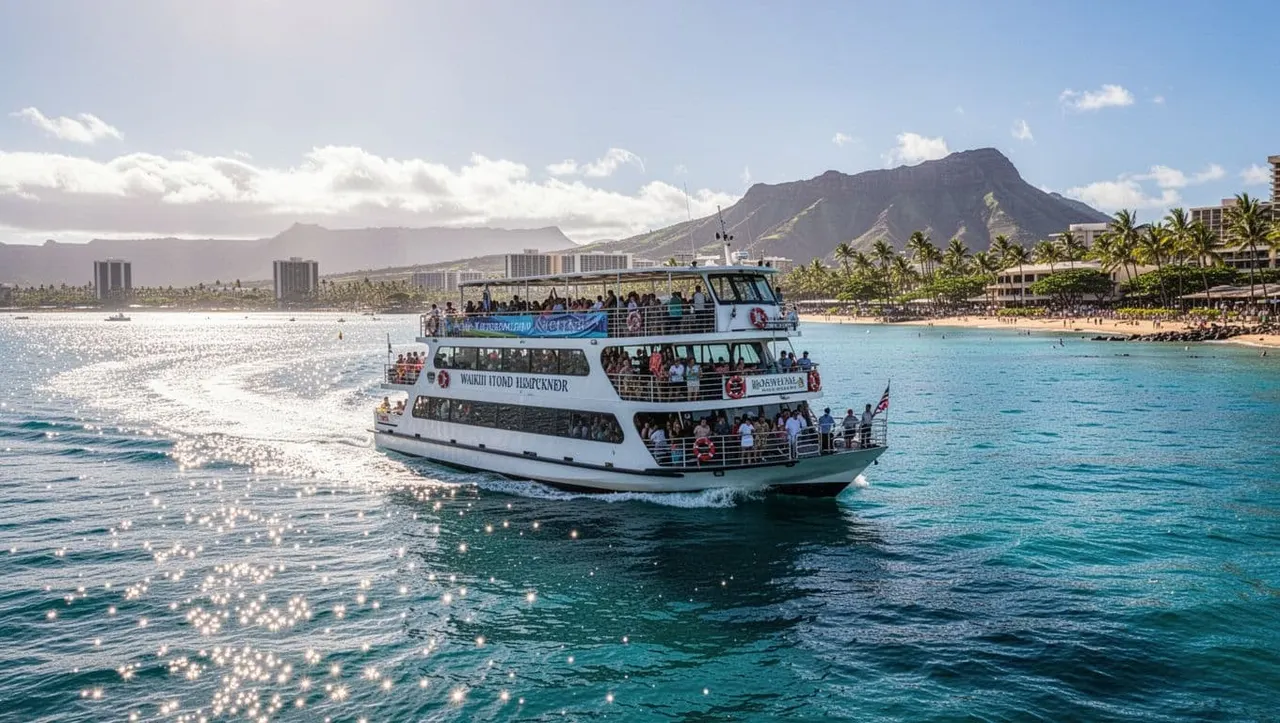
If you want extra time and water activities, the Deluxe Waikiki Snorkeling and Wildlife Cruise visits a less-crowded reef and includes a boat-mounted waterslide, water trampoline, and floating lily pad. You can still use the same mask-fitting steps before entering the water.
When your mask fits correctly, keep your movements calm and your attention on the reef. Observe marine life without touching it, and let your guide know immediately if your equipment feels uncomfortable.
Conclusion
A well-fitted mask should seal with light pressure, stay comfortable, and keep water away from your eyes and nose. Clear your hair, test the suction without the strap, adjust evenly, and complete a wet test before you swim.
That preparation takes little time, but it changes the experience. On your next snorkeling Oahu adventure, you’ll spend less time fixing your equipment and more time watching turtles glide through the Pacific.


