
Snorkeling in Honolulu Hawaii: The Ultimate Guide
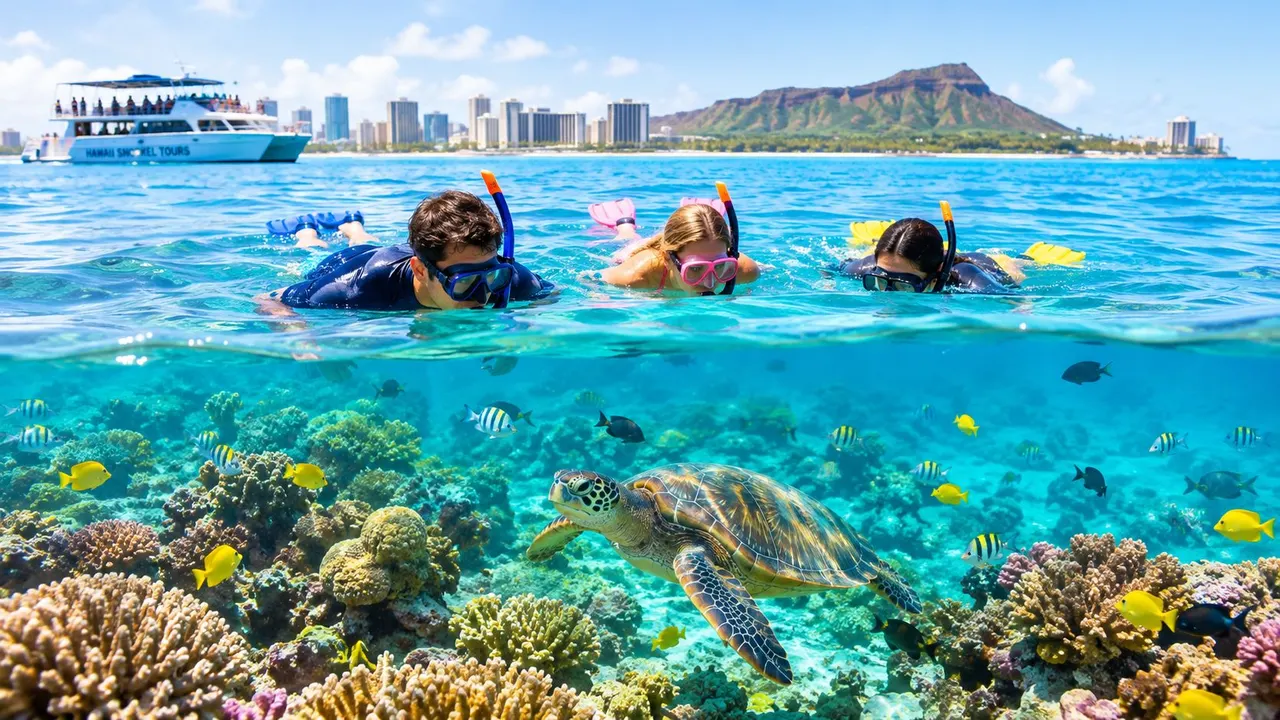
You've probably got a family standing in Waikīkī with new masks, excited children, and one practical question: should you walk into the nearest beach and hope the ocean cooperates, or join a boat crew that knows where the reef is calm and wildlife is active? Snorkeling in Honolulu, Hawaii can be wonderfully easy, but the best experience comes from matching your plan to the day's conditions, your group's swimming ability, and the behavior of the animals you hope to see.
The reward is more than a quick look at colorful fish. Honolulu's coast offers volcanic formations, reef habitat, clear water, and the possibility of seeing Hawaiian green sea turtles, or honu, in their natural environment. A thoughtful approach keeps the outing enjoyable for first-time swimmers while protecting the ocean that makes the experience special.
Why Honolulu is a World-Class Snorkeling Destination
A family's first Honolulu snorkel often begins with a simple plan: apply sunscreen, collect the rental gear, and walk toward the water before the beach becomes busy. The children may be eager to jump in, while the adults are carefully judging the waves, the wind, and whether everyone can manage a mask without panic. Those small decisions shape the entire morning.
Honolulu works so well for snorkeling because the coastline combines volcanic underwater structure, sheltered areas, and reef communities close to shore and just offshore. Coves and lava formations create places where fish can feed and shelter, while boat-accessed sites open a wider range of conditions than a single beach entry. You might spend one outing watching reef fish over coral and another observing a turtle glide through deeper blue water.
A reef experience for different skill levels
Beginners often need a calm introduction more than an ambitious search for remote habitat. A guide can demonstrate how to breathe through the snorkel, adjust a mask, use fins efficiently, and recognize when a swimmer is tiring. Experienced snorkelers benefit in a different way, because a local crew can spend less time solving basic logistics and more time identifying marine life and selecting a suitable site.
Hanauma Bay shows both the appeal and the responsibility of accessible snorkeling. The 100-acre bay became Hawaiʻi's first Marine Life Conservation District in October 1967, and before visitor controls, it received approximately 10,000 to 12,000 visitors per day. Annual visitation later reached roughly 3 million, while approximately 400,000 visits were recorded in 2023, illustrating why protected reefs need active management. Those figures and the bay's conservation history are documented by the Honolulu Department of Parks and Recreation's Hanauma Bay history.
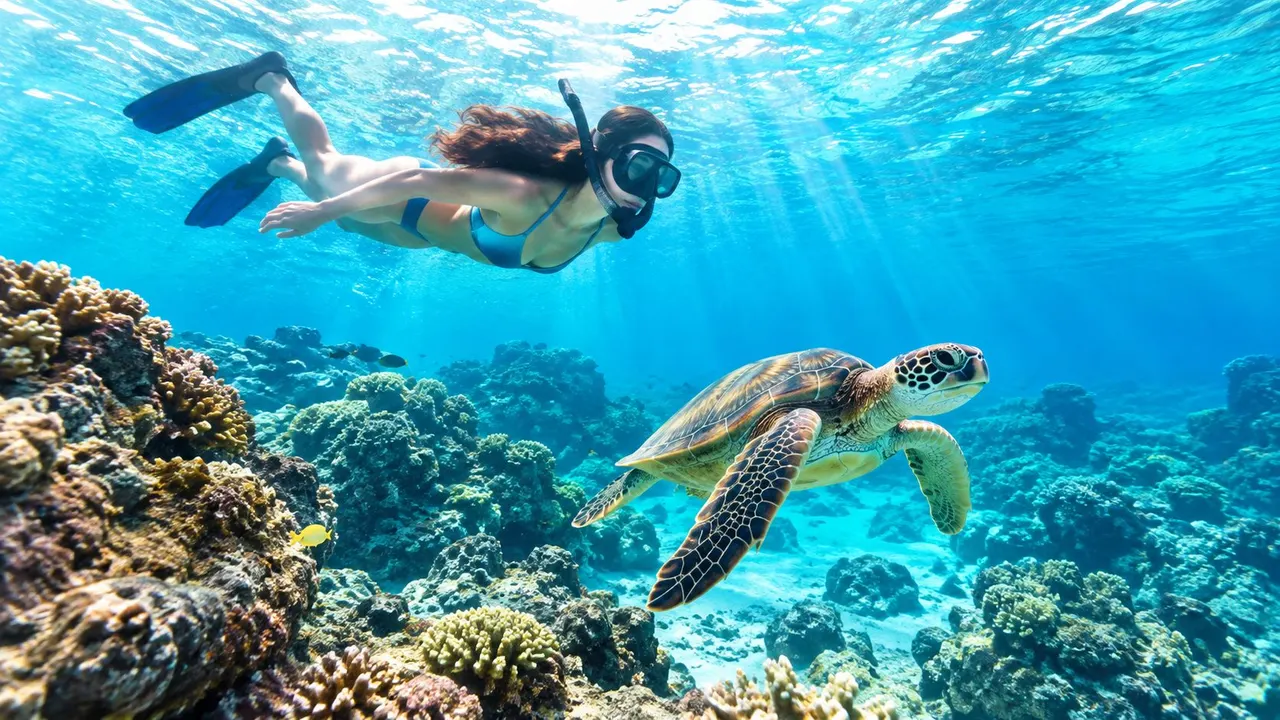
A guided departure from Kewalo Basin Boat Harbor can be the more comfortable choice for families who don't want to guess which shore entry is suitable. The boat provides a defined launch point, crew oversight, and a way to leave the water without making a tired swimmer cross a beach or fight a changing current. Visitors can also learn more about the marine life commonly seen around Oʻahu before deciding whether a calm bay or a boat-based reef trip better suits their group.
Understanding Ocean Conditions and Safety Protocols
Snorkeling is an exposure-management activity, not just a casual swim. The ocean can look inviting from the sand while tidal movement, wind-driven flow, or a rip current makes the return journey harder than the swim away from shore.
Hawaiʻi's official ocean-safety guidance explains that current conditions can change and that swimming directly against a current increases fatigue. Before entering, check the wind, surf, shorebreak, and visible water movement. Ask a lifeguard or guide for a local assessment rather than relying only on how calm the beach appears in photographs. The Hawaiʻi Ocean Safety snorkeling guidance provides the core response for unexpected currents.
What to do if the water moves you
If a current carries you away from your intended line, don't turn the situation into a test of strength.
- Stay calm: Regulate your breathing and avoid sudden, exhausting movements.
- Conserve energy: Float when possible instead of trying to overpower moving water.
- Signal clearly: Raise an arm and call for help if you need assistance.
- Follow the current's direction: Once you're stable, work toward a safe exit only when the water allows it.
- Stay with your buddy: A child or tired swimmer shouldn't be left to solve the problem alone.
Practical rule: If you're already thinking about whether you can make it back, end the snorkel before fatigue becomes an emergency.
Morning departures often make sense because bright light can improve visibility and wind activity commonly increases later in the morning or afternoon. That doesn't guarantee calm water, so check conditions immediately before entering. The official plan-your-ocean-activities guidance also recommends becoming familiar with your mask, snorkel, and fins before getting into deeper water, including learning how to clear a flooded snorkel.
Why flotation and supervision matter
A snorkeling vest or belt can provide useful support, especially for beginners, children, and adults who aren't strong swimmers. Flotation isn't a substitute for supervision, and it shouldn't encourage anyone to travel farther than they can comfortably return. Keep a close buddy system, maintain visual contact, and tell the crew about swimming limitations before the boat reaches the snorkel site.
A guided excursion adds practical controls that a solo shore entry doesn't. Crew members can monitor the group, provide flotation equipment, structure water entry, and establish an extraction procedure. The trade-off is that you follow the crew's timing and site selection rather than staying wherever you like. For families, that small loss of independence often produces a much less stressful day.
Choosing the Right Guided Snorkeling Tour
The right tour depends on what your group wants from the water. A focused turtle trip suits travelers who care most about reef wildlife and are happy to spend the outing observing carefully. A deluxe wildlife cruise works better for families whose day needs variety, movement, and activities between snorkel sessions.
Compare the experience before booking
| Tour style | Works well for | Trade-off |
|---|---|---|
| Focused turtle snorkeling | Wildlife enthusiasts, couples, and families prioritizing reef observation | Sightings are never guaranteed, and patient observation matters more than constant activity |
| Deluxe wildlife cruise | Multigenerational groups and children who enjoy waterslides, trampolines, and a lily pad | More onboard entertainment can mean less emphasis on a single wildlife encounter |
| Independent shore entry | Confident swimmers who understand local conditions and access rules | You handle conditions, navigation, gear, and emergency planning yourself |
A dedicated trip to Turtle Canyons is designed around the offshore reef environment and its turtle cleaning stations. Guests still need to accept that wild animals choose the encounter. The strongest guides don't chase a turtle into position for a photograph. They position the group safely, explain what the animal is doing, and move on when the reef becomes crowded.
For a family seeking more playful energy, the Deluxe Waikīkī Snorkel and Wildlife Cruise adds a waterslide, water trampoline, and lily pad. Those features can be useful when children have different energy levels, because not every participant needs to spend the entire time looking beneath the surface. The tour's equipment, flotation support, and instruction also reduce the packing burden for visitors arriving from a hotel.
What a capable crew should provide
Look for clear answers to practical questions:
- Departure point: Confirm whether the boat leaves from Kewalo Basin Boat Harbor or another location.
- Equipment: Ask whether masks, snorkels, fins, flotation devices, and drinking water are included.
- Instruction: First-time snorkelers should receive more than a quick equipment handoff.
- In-water supervision: Guides should be visible and available, especially when children or nervous swimmers enter.
- Wildlife policy: A responsible operator should explain distance rules and what happens when a site becomes crowded.
- Condition decisions: The crew should be willing to adjust the plan when wind, surf, or visibility changes.
Living Ocean Tours is described as the top rated & most reviewed snorkel company on Oahu, with daily departures from Kewalo Basin, included gear, and expert in-water guides. Its Honolulu snorkeling company information can help families compare the departure setup and the type of support provided.
For a focused option, see the Turtle Canyons Snorkel Excursion. Snorkel Turtle Canyon is also a great alternative for travelers comparing turtle-focused operators.
Responsible Wildlife Etiquette and Turtle Encounters
A turtle encounter isn't successful because a honu swims close enough for a dramatic photograph. It's successful when the animal continues its normal behavior and your group leaves the reef without touching, chasing, feeding, or crowding it.
Hawaiian green sea turtles remain threatened under the U.S. Endangered Species Act, even after substantial recovery. Nesting populations have increased by approximately 3 to 5 percent annually in recent years, with Hawaiʻi documenting nearly 500 nesting females per year, compared with 67 nesting turtles in 1973. NOAA and Hawaiʻi conservation authorities connect this recovery with protection of nesting beaches, bans on killing turtles and collecting eggs, reduced fisheries bycatch, and scientific monitoring. The Hawaiʻi Division of Aquatic Resources sea-turtle guidance explains this conservation context.
Keep space around every honu
NOAA recommends staying at least 10 feet, or 3 meters, from Hawaiian green sea turtles and other marine wildlife, both in the water and on land. Hawaiʻi's Division of State Parks gives a more conservative recommendation for swimming turtles, advising a minimum distance of 50 yards, or 45 meters, whenever possible. These guidelines are detailed in the NOAA marine wildlife viewing guidelines for Hawaiʻi.
That difference should make your behavior more conservative, not argumentative. Keep the greatest practical distance, never touch or feed the turtle, and don't hover over a resting animal. Avoid coral contact as well, because a careless fin kick can damage the habitat below you and injure the swimmer who loses balance.
When a turtle approaches the group
A curious turtle may surface beside your children or pass beneath the boat's group. The correct response is passive observation.
- Stop advancing: Let the turtle control the distance.
- Clear the route: Move aside so it has an unobstructed path to the surface.
- Keep children close: Position them beside an adult, not around the turtle.
- Lower the camera: A photograph isn't worth following an animal.
- Yield to the guide: If several snorkelers gather, follow the guide away from the cleaning station or resting area.
A nearby turtle is an invitation to become still, not permission to swim closer.
The Hawaiian honu resource gives visitors useful context before entering the water. Guides can also recognize when a turtle is resting, feeding, or using a cleaning station, which helps the group understand why distance and quiet observation matter.
Essential Gear and Seasonal Marine Life Windows
The best packing list is short. Bring a swimsuit, towel, water-friendly clothing, and sun protection that won't encourage you to touch the reef while reapplying it in the water. A long-sleeved rash guard can reduce sun exposure, while reef-conscious sunscreen should be applied before boarding and kept away from direct contact with coral and marine animals.
Gear that solves real problems
Mask fit matters more than brand. Press the mask gently to your face without using the strap and inhale slightly through your nose. If it holds briefly, it may fit. A leaking mask turns a relaxed snorkel into repeated adjustments, so ask the crew to help before entering.
Use fins with controlled movements rather than bicycle-style kicking. Keep your body horizontal, bend your knees slightly, and avoid letting your feet drop onto coral. A snorkeling vest or belt adds support for people who tire easily, but it should be treated as a safety aid rather than a way to extend the outing beyond your ability.
Tours commonly supply the bulky essentials, so there's little reason to pack personal fins, a large equipment bag, or unfamiliar underwater gadgets. Bring prescription needs, a secure phone pouch for the ride, and any personal mask only if you already know it fits well. The Oʻahu water-temperature guide can help you decide whether you'll want a rash guard or light additional layer.
Let the season shape expectations
Honolulu's marine life follows natural rhythms, and sightings remain wild rather than scheduled. Winter is the recognized humpback whale season around Hawaiʻi, while reef snorkeling throughout the year may reveal tropical fish, corals, and honu. If whales are a major priority, consider a dedicated seasonal whale-watching outing rather than expecting every snorkel site to provide a close encounter.
Summer conditions can offer a different feel, with warm water and opportunities to focus on reef fish and underwater structure. The exact experience depends on wind, swell, visibility, and the site selected by the crew on the day. No season removes the need to check conditions or follow wildlife-distance rules.
A Step-by-Step Half-Day Tour Itinerary
A half-day excursion becomes easier when every stage has a purpose. The following sequence reflects what first-time families should expect from a well-organized boat snorkel, while exact timing and activities vary by operator and ocean conditions.
1. Arrive ready at the harbor
Plan to reach Kewalo Basin Boat Harbor with enough time to park, locate the check-in point, and organize personal belongings. Wear swimwear under dry clothes, bring a towel, and leave valuables secured rather than carrying them onto the boat.
The crew checks participants in, confirms equipment needs, and asks about swimming limitations. Answer truthfully. A guide can provide better support when they know a child is nervous, an adult has limited stamina, or someone needs a flotation aid.
2. Listen before entering
The safety briefing covers boat movement, entry and exit procedures, buddy expectations, flotation equipment, and the boundaries of the snorkel area. This is also the time to ask how to clear a flooded snorkel or what signal to use if you need assistance.
On the way along the Waikīkī coastline, the crew may point out landmarks and explain the reef environment. Use the ride to adjust your mask and fins rather than waiting until you're in the water.
3. Start with controlled instruction
A good crew doesn't rush nervous swimmers off the platform. Participants enter in an organized sequence, test their flotation, and practice breathing while a guide watches for discomfort. Children should remain beside a responsible adult even when a crew member is close by.
Once everyone is settled, the group explores at a pace suited to the conditions. Keep your fins behind you, look without grabbing, and follow the guide's route around coral and wildlife.
4. Leave before fatigue arrives
The ride back is a chance to warm up, drink water, and talk through what you saw. Don't wait until a swimmer is shivering, cramping, or struggling to remove equipment before ending the water portion.
After returning to the harbor, keep the rest of the day flexible. A meal, beach walk, or relaxed Waikīkī afternoon pairs better with a morning snorkel than another demanding activity scheduled immediately afterward.
Planning Your Honolulu Ocean Adventure
A memorable Honolulu snorkel rests on three decisions: choose conditions you can manage, give wildlife room, and select a crew that teaches rather than just transports. Those priorities matter at a busy beach, an offshore reef, and every location between them.
Hanauma Bay's conservation history shows why access and protection must work together. The bay became a Marine Life Conservation District in 1967, and its later visitor controls demonstrate that popular marine recreation can place intense pressure on a fragile ecosystem. A 2021 to 2022 carrying-capacity survey found that 27 percent of observed visitors were swimming or snorkeling, while 88 percent said snorkeling was a primary purpose of their visit; 63 percent had snorkeled only 1 to 20 times previously. The Hanauma Bay history and management record supports a practical conclusion: beginner-friendly instruction and stewardship aren't extras when so many visitors are learning in a protected environment.
Book a morning departure when it fits your schedule, check conditions immediately before entering, and use the flotation equipment provided if you need it. A guided boat trip can reduce the uncertainty of choosing a shore entry, but it won't remove personal responsibility. Tell the crew when you're tired, keep children within arm's reach, and accept that an animal sighting is never guaranteed.
The strongest Honolulu ocean operators leave guests with more than photographs. They teach visitors how to read the water, move safely, and protect the honu and reef habitat that make snorkeling here worth doing.
Living Ocean Tours offers guided Waikīkī snorkeling from Kewalo Basin Boat Harbor with equipment, flotation support, instruction, and in-water guidance for families and beginners. Visit Living Ocean Tours to compare the Turtle Canyons excursion with the Deluxe Waikīkī snorkeling and wildlife cruise, then choose the outing that fits your group.


