
Oahu marine life: What Can You See From a Boat Deck?
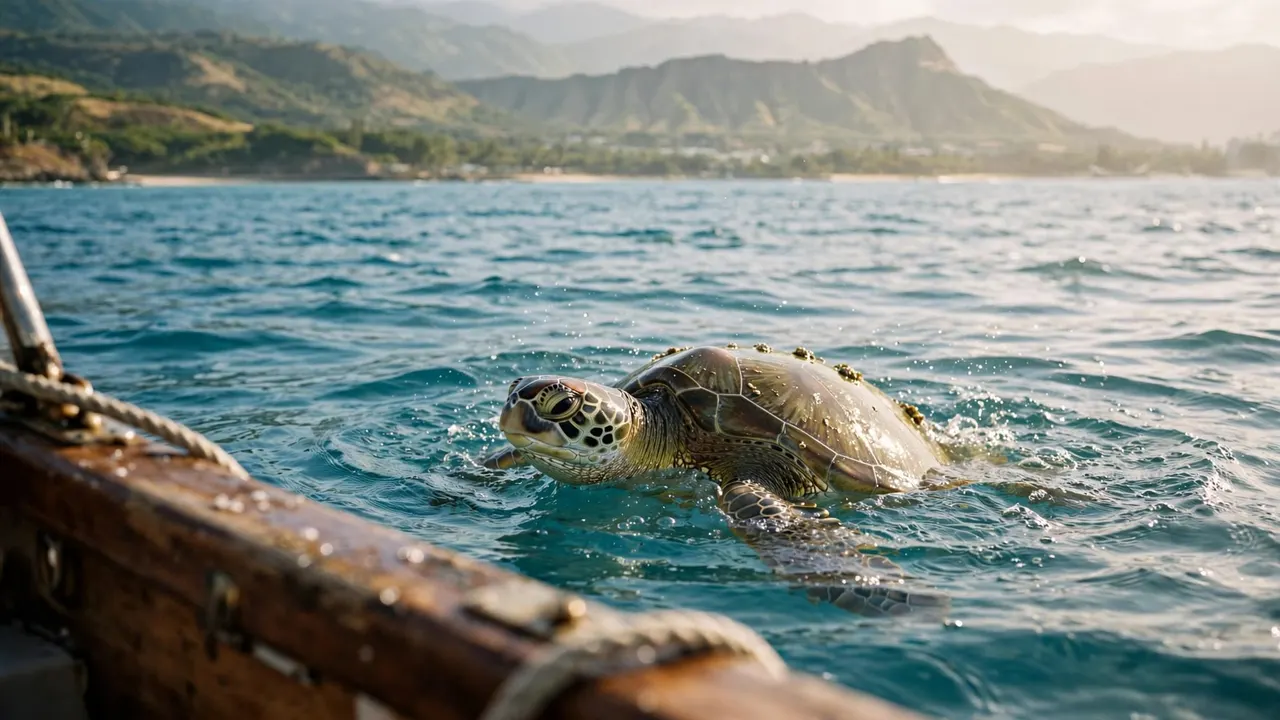
You don’t need to get in the water to enjoy Oahu marine life, but some animals are easier to spot than others. With Living Ocean Tours, you can head out from Kewalo Basin Boat Harbor, minutes from Waikiki, and watch for wildlife along Honolulu’s coast.
Sea turtles, dolphins, and seasonal humpbacks can appear at the surface, while reef fish usually require an underwater view. Start with the surface clues that help you recognize an animal before it slips beneath the waves.
Key Takeaways for Your Boat Tour
- You may spot sea turtles from the deck when they surface to breathe or swim through clear water.
- Winter brings opportunities to watch humpback whales, although sightings and behaviors aren’t guaranteed.
- Dolphins and Hawaiian monk seals are possible encounters, rather than dependable features of every outing.
- Snorkeling gives you a better view of reef fish and underwater turtle behavior.
- Your captain decides how to observe wildlife safely, without chasing animals or interrupting their movements.
Which Oahu marine life Can You Spot Without Snorkeling?

Green sea turtles leave brief surface clues
Watch for a small head breaking the surface, followed by a rounded shell just beneath the water. Hawaiian green sea turtles, called honu, breathe air, so surfacing creates opportunities for deck sightings.
However, you won’t always see the entire animal. Glare, waves, and depth can hide a turtle that is nearby. Polarized sunglasses may help you distinguish its outline from reflections.
NOAA’s green sea turtle species information explains the animal’s biology and habitat. If the crew identifies a turtle, follow their directions and let it choose its course.
Reef fish are harder to identify above water
Clear water sometimes reveals fish beneath the boat, but deck viewing rarely provides the detail you get through a snorkel mask. Surface reflections can obscure colors, markings, and small movements.
Around Turtle Canyons, reef fish may clean turtles by removing material from their shells and skin. That behavior happens underwater, so seeing a turtle surface doesn’t mean you’ll see the cleaning station itself.
A turtle sighting during a snorkeling outing doesn’t guarantee that you’ll see the same animal from the deck.
If underwater detail matters most to you, choose snorkeling rather than relying on a dry viewing spot.
What Does a Humpback Whale Sighting Look Like?

Look for the blow before the whale
A humpback’s exhale can appear as a brief puff of mist above the water. You may notice that blow before you recognize its dark back rolling through a swell.
Next, watch the surrounding area rather than staring through your camera. A whale may surface again nearby, but its timing and direction can change.
Tail flukes, pectoral fins, and breaches are possible sights. Still, a quiet surfacing is a complete wildlife encounter. You don’t need a full-body leap to appreciate the size of an animal moving through open water.
Winter changes what you might encounter
Humpbacks visit Hawaiian waters during their winter breeding season. They travel between northern feeding areas and warmer waters where mating, birth, and calf care occur.
NOAA’s humpback whale overview provides background on that annual migration. Your boat trip shows only a short part of an individual whale’s day.
A mother and calf may surface together, but that encounter isn’t predictable. Likewise, booking a winter departure doesn’t promise a sighting.
Choose your outing around your vacation schedule and leave flexibility for weather changes. An additional trip provides another opportunity, not a guaranteed result.
Could Dolphins or Monk Seals Pass Your Boat?

Dolphins can appear without becoming part of the itinerary
Spinner dolphins live around the Hawaiian Islands, and you may notice dorsal fins moving through the water. Several animals surfacing together can help distinguish a pod from scattered wave crests.
Although spinner dolphins are known for aerial spins, that behavior isn’t something a crew can arrange. You may instead see traveling animals that surface briefly and continue away.
Follow NOAA’s Hawaii wildlife viewing guidance. Stay aboard during a dolphin encounter, and don’t ask the captain to pursue the pod or interrupt its route.
Monk seals are possible, but easy to miss
A Hawaiian monk seal may appear as a rounded head at the surface or a streamlined shape underwater. However, a brief glimpse can be difficult to identify confidently.
Ask the crew what they saw rather than deciding every dark shape is a seal. Water movement and floating objects can be misleading.
Seabirds also add interest between marine-mammal sightings. You might notice birds gliding low over the water or gathering offshore. Their presence offers another reason to keep watching, although birds don’t guarantee dolphins or whales nearby.
How Do Ocean Conditions Affect Your View?
Your view of Oahu marine life depends on more than whether an animal is nearby. Light, water clarity, and wave action all affect what you can recognize.
Bright sunshine can illuminate a turtle beneath the surface. At the same time, direct glare may hide its outline. Polarized sunglasses can reduce reflections, but they won’t reveal animals hidden by depth or cloudy water.
Meanwhile, swell can cover a whale’s back between surfacings. A distant blow may also be difficult to distinguish when wind quickly disperses it.
Scan slowly across the water, then return to places where you noticed movement. Find the animal with your eyes before raising binoculars or a camera.
For children, make the search observational rather than competitive. Encourage them to describe a puff of mist, a dark curve, or an unusual splash.
Morning alone doesn’t guarantee more wildlife or gentler conditions. Let the captain assess the day’s weather and choose a comfortable viewing position.
How Can You Watch Oahu marine life Responsibly?
A respectful encounter gives animals room to surface, travel, and rest. Your captain handles vessel positioning, while you help by following directions and moving carefully around the deck.
NOAA recommends staying at least 10 feet from sea turtles, on land and in the water. Its species-specific viewing distances distinguish recommendations for different animals.
In Hawaii, federal rules prohibit approaching humpback whales within 100 yards. Don’t ask the crew to move closer for a photograph.
Distance also protects the behavior you came to observe. A turtle needs a clear route to breathe, while a whale mother and calf need space to move together.
Never feed, touch, or chase wildlife. If you enter the water during a snorkeling stop, keep your fins clear of coral and avoid blocking a turtle’s path.
On deck, keep cameras secure and leave room along the rail. If someone calls out a sighting, walk carefully rather than rushing across the boat.
Choose Your Outing With Living Ocean Tours
Choose your trip around the Oahu marine life you most want to observe, then consider whether your group wants to swim. Living Ocean Tours is a family-owned Honolulu company with departures near Waikiki.
You can compare its Oahu snorkeling and ocean tours before choosing your activity.
Choose guided snorkeling for underwater detail
Guided snorkeling suits you when turtles and reef fish are your priorities. You can observe beneath the reflections rather than waiting for an animal to surface.
Living Ocean Tours says it’s the only tour company with professional snorkel guides. That support gives you someone to ask about equipment, water entry, and respectful wildlife observation.
Before booking, discuss swimming ability and comfort with the crew. For a turtle-focused snorkeling outing, CHECK AVAILABILITY for your preferred vacation date.
Choose deck viewing when you prefer staying dry
A wildlife-focused boat outing lets you watch the ocean without managing a mask or fins. It also suits groups whose interests or swimming abilities differ.
If winter whales are your priority, CHECK AVAILABILITY for a dedicated whale-watching departure. Confirm current operating dates before arranging other activities.
For the company’s broader departure options, use the booking button below.
Boat Tour FAQ: What Else Should You Know?
Are marine-life sightings guaranteed?
Wildlife sightings aren’t guaranteed, even when a tour focuses on a particular species. Animals choose their own routes, and visibility changes throughout the day.
A responsible crew can search appropriate habitat and point out activity without promising a turtle, dolphin, or whale. Ask about current booking policies separately. A return-trip offer, if available, doesn’t guarantee an encounter on either departure.
Can you stay aboard during a snorkeling outing?
Before booking, ask whether the departure accommodates guests who plan to remain aboard. Also confirm arrangements for children and anyone who needs help moving around the vessel.
Staying dry doesn’t mean you’ll get the same wildlife view as snorkelers. You may see a surfacing turtle, but underwater reef activity requires a different viewpoint. Choose the experience your group can comfortably enjoy.
What should you bring for deck viewing?
Bring sun protection, sunglasses, and a light layer for the offshore breeze. Binoculars can help with distant whales, while a secure camera strap reduces the risk of dropping equipment.
If you’re prone to motion sickness, ask a doctor or pharmacist about prevention before departure. Follow the crew’s instructions about seating and movement. Comfortable preparation makes it easier to stay attentive between sightings.
Let the Ocean Set the Pace
You can enjoy Oahu marine life from the deck by watching patiently and recognizing small surface clues. A turtle’s breath or a distant whale blow can be the moment you remember most.
Choose snorkeling when underwater detail matters, or stay aboard when a dry wildlife experience suits your group. Above all, give animals space to behave naturally.
Your best preparation is a suitable outing, realistic expectations, and a willingness to let the wildlife choose the encounter.


