
Snorkeling in Honolulu Hawaii Best Spots and Tips
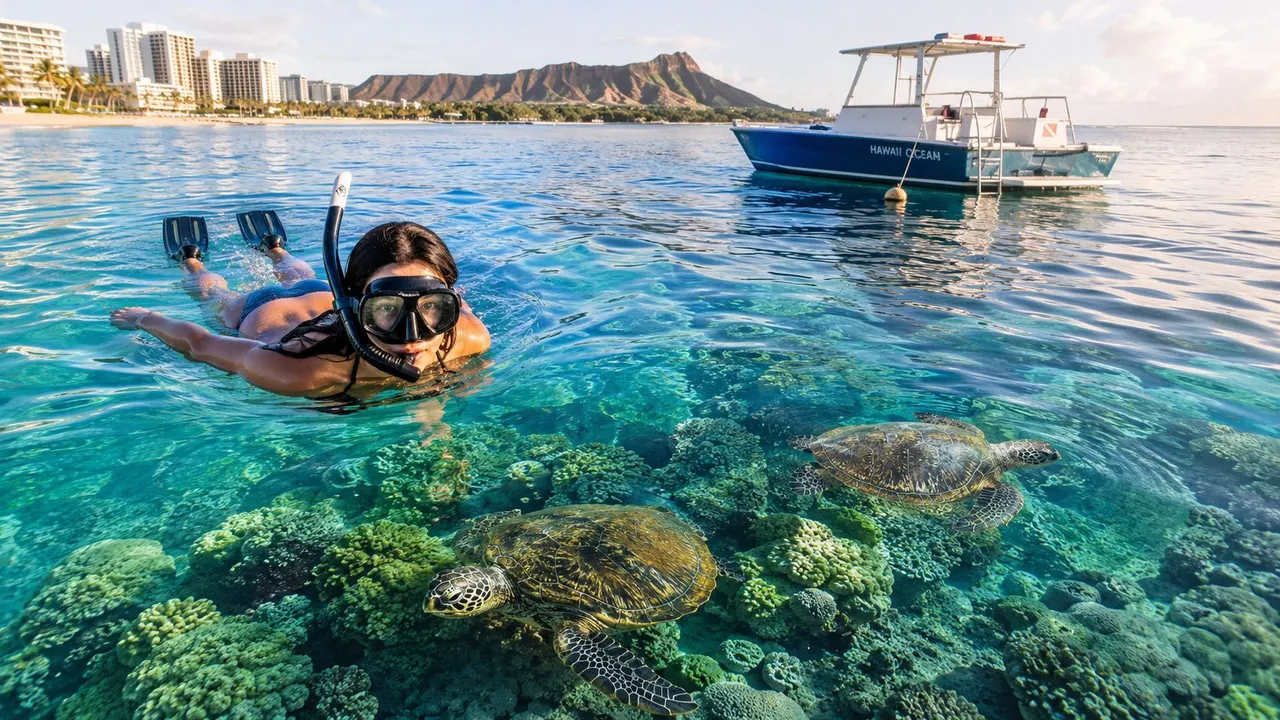
Your first morning in Waikiki usually starts the same way. You look out from the hotel, see blue water, and think snorkeling will be as simple as grabbing a mask and walking in. Sometimes it is. Sometimes the same reef that looked inviting from shore turns choppy, cloudy, or tiring once you're in the water.
That's why snorkeling in Honolulu Hawaii works best when you treat it as a conditions decision, not just a list of famous spots. The right question isn't only “Where should we go?” It's also “What's the water doing this morning?” A calm launch, light wind, clean water, and a site that matches your comfort level matter more than picking the most talked-about name on a map.
Honolulu is excellent for first-time snorkelers because it offers easy access, boat departures near Waikiki, and reef areas where you can see fish, coral, and sometimes Hawaiian green sea turtles without committing to a long island drive. It also sits inside a very large snorkeling market. Independent reporting that cites University of Hawaiʻi referenced research estimates more than 3 million snorkelers visit Hawaiian reefs each year, with Hanauma Bay drawing about 1 million visitors annually and statewide dive and snorkel operators generating about $50 million to $60 million a year in this Honolulu snorkeling market overview. That demand is one reason the difference between a good plan and a rushed one matters so much.
Introduction to Snorkeling in Honolulu
A lot of visitors staying in Waikiki picture one perfect snorkeling day. Calm water. Warm sun. A quick ride out from the harbor. Then a turtle glides past and everyone on the boat talks about it the rest of the trip. That version of Honolulu snorkeling is real, but it usually happens when people go early, pick the right site for the day, and get a little help if they're new.
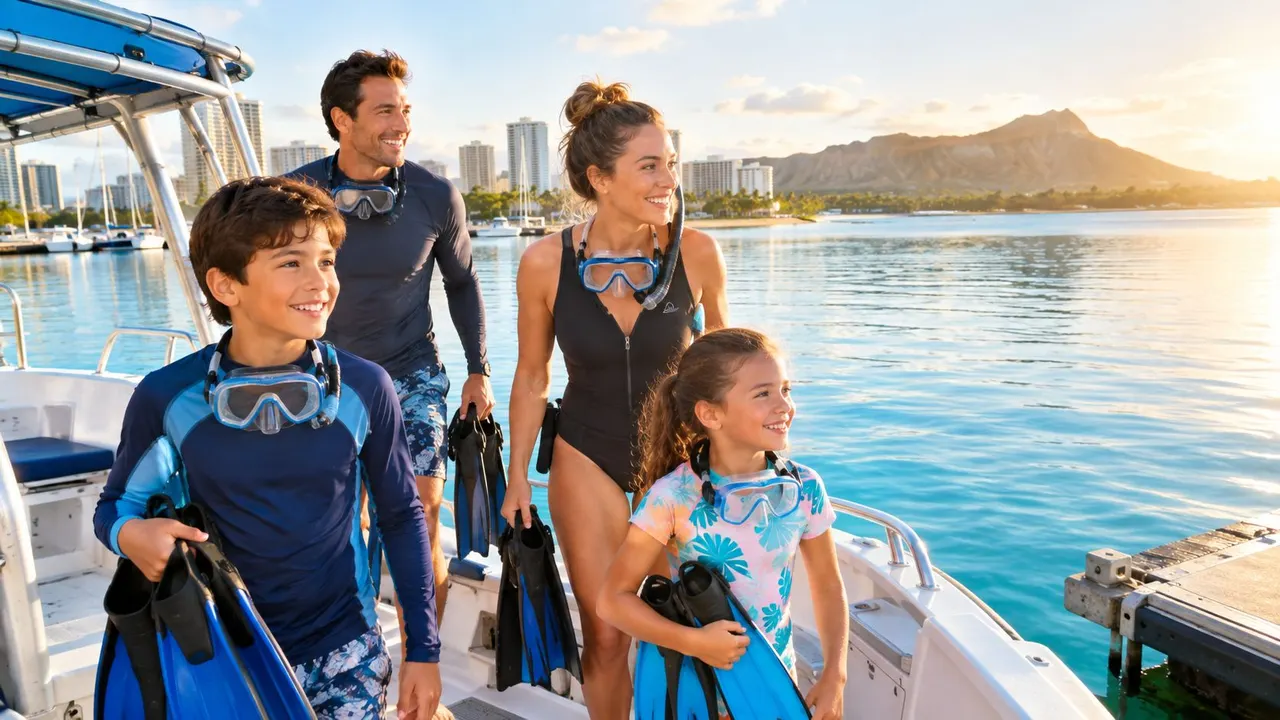
For families and first-time swimmers, Honolulu has one big advantage over more remote shores on Oahu. You can keep the day simple. You're close to hotels, close to harbors, and close to guided trips that remove the hardest parts, such as gear fitting, entry timing, and figuring out whether the ocean is friendly that morning.
What Honolulu does well
Honolulu snorkeling is often more approachable than people expect. A shore spot near Waikiki can work for travelers who want a short session and easy logistics. A boat snorkel can work better if your group wants support, easier water entry, and a better chance of reaching places that aren't ideal from the beach.
The city also gives you options for different energy levels:
- Families with kids: Shorter outings, easier schedules, and less driving.
- Beginners: Guided support, flotation, and help clearing up mask or breathing problems.
- Casual swimmers: A chance to see reef life without building the whole day around one far-off beach.
Practical rule: In Honolulu, the better snorkeling day usually goes to the group that plans for conditions, not the group that only picks the most famous location.
Why timing matters from the start
A reef can look almost the same on a phone screen all week and behave very differently hour to hour. Light wind in the morning can make the water feel smooth and welcoming. By later in the day, more chop and stirred-up sand can make that same place feel busy, cloudy, and harder for beginners.
That's also why guided trips appeal to so many first-time visitors. You don't have to solve every small problem yourself. Someone checks the water, helps with gear, and points out what you're seeing under the surface.
If your goal is a relaxed first snorkel instead of a trial-and-error day, Honolulu gives you a strong starting point. The key is learning why some places shine on one morning and disappoint on another.
How Honolulu Snorkeling Works and Why It Is Unique
Honolulu reefs make more sense once you stop thinking of them as underwater scenery and start thinking of them as ocean neighborhoods. Some areas are exposed and restless. Others are sheltered and easier to read. Some places hold fish well because the reef structure gives them food and cover. Others become less enjoyable when wind, surge, or runoff moves in.
Reefs are like underwater apartments
A healthy reef works a bit like a busy apartment building. Tiny fish use cracks and ledges as shelter. Larger fish patrol the edges. Coral and rock shape where water moves calmly and where it surges. That structure is why one part of a bay can feel smooth while another part a short swim away feels pushy.
This matters for beginners because your comfort depends on more than depth. It depends on whether the water is moving you around. A shallow area with surge can feel harder than a slightly deeper area with calm surface conditions.
Why Turtle Canyons gets so much attention
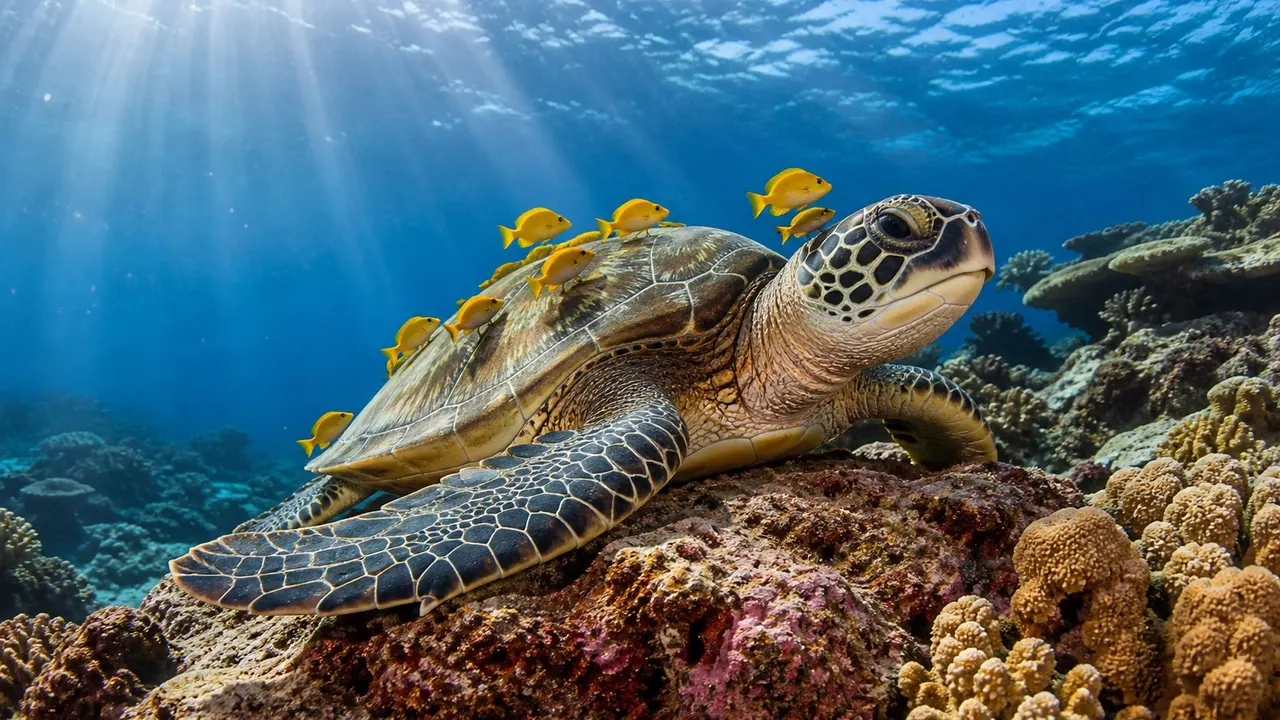
Turtle Canyon stands out because it isn't just “a place where turtles sometimes appear.” It's described as a natural turtle cleaning station, where Hawaiian green sea turtles gather while reef fish remove algae and parasites from their shells in this Turtle Canyon overview. That mechanism matters.
A car wash station that sea turtles choose to visit. The cleaning behavior gives the site a reason to attract turtles, not just a lucky reputation. For visitors, that makes Turtle Canyons a more specific wildlife target than a generic reef patch.
Conservation districts change the experience
Some Honolulu reef areas fall within protected or conservation-focused zones. In simple terms, those designations help preserve marine life and habitat. For snorkelers, that often means better fish activity and a stronger sense that you're visiting a living ecosystem, not just swimming over rocks.
Protected status doesn't guarantee easy conditions, though. Reef protection and snorkeling comfort are different things. You can have a biologically rich site on a day when visibility is poor or surge is annoying.
A good snorkeling spot and a good snorkeling day are not the same thing.
Wildlife etiquette is part of the experience
Turtles are a highlight, but the right way to see them is with space and patience. Oahu reef etiquette guidance says snorkelers should keep at least 10 feet from sea turtles, should not touch, chase, or block them, and should let the animal choose the direction of the encounter in this Oahu turtle snorkeling etiquette guide.
That distance rule helps in two ways. It protects the animal, and it helps you stay calmer. Beginners often kick harder and breathe faster when they rush toward wildlife. Floating usually leads to a better view anyway.
Best Snorkeling Spots in Honolulu and Oahu for Every Traveler
A better way to choose a snorkel spot in Honolulu is to match the place to the day. Two sites can sit only a short ride apart and give you completely different water. One may be clear and relaxed. The other may feel choppy, cloudy, or tiring.
That is why locals do not treat snorkeling as a simple top-10 list. We look at access, your comfort in the water, and how each spot reacts to wind, swell, and runoff.
Honolulu Snorkeling Spots Compared by Access and Best Fit
| Snorkeling Spot | Access Type | Typical Conditions | Best For |
|---|---|---|---|
| Turtle Canyons | Boat access | Better on calm, clear days, known for turtle activity around cleaning stations | Visitors who want turtles, guided support, and offshore access without a shore entry |
| Waikiki Marine Life Conservation District | Shore or nearby boat access | Changes quickly with swell, wind, and runoff | Travelers staying in Waikiki who want convenience and flexible timing |
| Hanauma Bay | Shore access with managed entry | Often gentler than open urban reef areas, but still day-dependent and busy | First-time snorkelers who want a classic bay setting |
| Sheltered coves elsewhere on Oahu | Mostly shore access | Sometimes calmer than exposed south shore reefs, depending on the day | Travelers with a car who can drive to match conditions |
Turtle Canyons for visitors who want the most focused turtle plan
Turtle Canyons works well for a specific reason. You are not just swimming over random reef and hoping a turtle appears. Turtles use the area because reef fish clean them there, which makes wildlife sightings more predictable than at a general reef patch.
Access matters too. A boat puts you near the site instead of asking you to cross a beach entry, judge wave timing, and find the right patch of reef on your own. For beginners, that often lowers stress before the snorkel even starts. This Turtle Canyon snorkeling guide explains the site in practical local terms.
Turtle Canyons can still disappoint on the wrong day. If the surface is rough or the water is murky, the same reef loses much of its appeal. The location stays the same. The experience does not.
Waikiki reef areas for travelers who want to decide day by day
Waikiki snorkeling is convenient in the way a neighborhood coffee shop is convenient. It is close, easy to check, and easy to skip if conditions look poor.
That flexibility is the advantage.
If the water is clean and the surface is calm, a Waikiki reef session can be a simple, satisfying snorkel without much travel time. If wind picks up early or recent rain dirties the water, that same convenient choice can turn into a short swim with limited visibility. Visitors who stay nearby and keep their plans loose usually get more from Waikiki than visitors who commit to it no matter what.
Hanauma Bay for the classic bay experience
Hanauma Bay gives many first-time visitors the setting they had in mind before they landed. The bay shape offers more visual shelter than open coastline, and the managed format appeals to travelers who like a more structured outing.
It also asks for more planning and patience. Crowds, entry rules, and timing affect the day almost as much as water conditions do. A family that wants a famous, contained setting may feel comfortable there. A couple staying in Waikiki may decide that a shorter boat trip or a condition-based shore snorkel makes more sense.
The simple point is this. Famous does not always mean best for your group on your day.
Sheltered coves elsewhere on Oahu for travelers willing to drive
Some of Oahu's calmer snorkeling days happen outside central Honolulu. A cove that is tucked from the prevailing wind can be more comfortable than an exposed reef closer to your hotel.
This works like choosing the leeward side of a picnic area on a breezy day. You are still outdoors, but the shape of the place changes how the weather reaches you. Snorkelers with a rental car have more freedom to make that adjustment.
The trade-off is logistics. Driving farther only pays off if you are willing to check conditions and change plans early.
A simple way to choose
Use your priority first, then filter by conditions.
- Choose Turtle Canyons if turtles are the main goal and your group would rather start from a boat than a shore entry.
- Choose Waikiki reef areas if you want the easiest access and can make a same-morning decision based on the water.
- Choose Hanauma Bay if you want a classic bay snorkel and are comfortable planning around crowds and entry rules.
- Choose a sheltered cove elsewhere on Oahu if you have a car and are willing to go where the calmest water is that day.
- Choose a guided trip if anyone in your group is new to snorkeling, hesitant in open water, or likely to enjoy in-water support.
Good Honolulu snorkeling comes from matching the spot to the conditions, not picking the most famous name and hoping the ocean agrees.
When to Go and How to Read Conditions for Clear Water
The best snorkeling in Honolulu usually happens before others finish breakfast. That's not local superstition. It's a water movement issue. Early in the day, trade winds are often lighter, the surface is smoother, and less sand gets stirred into the water.
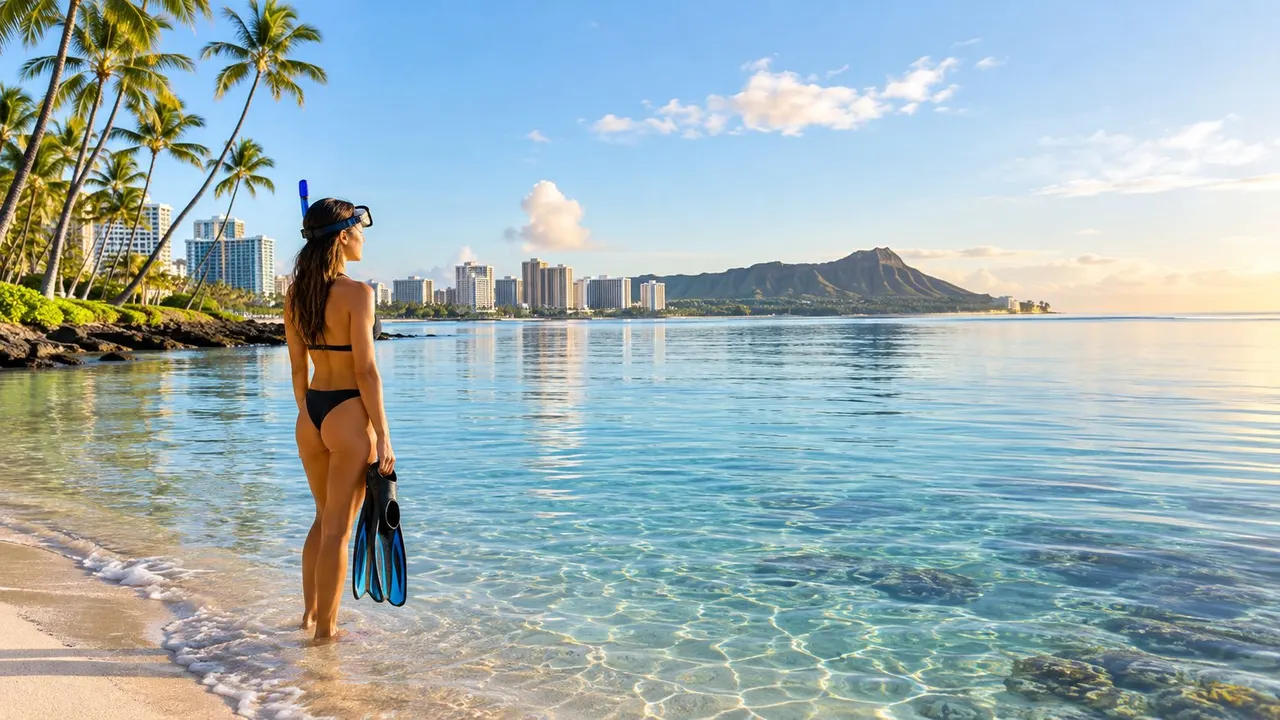
One Honolulu guide notes that the strongest window is typically sunrise to about 10 a.m., and says underwater clarity can be up to 40% better in the morning than in the afternoon, with the practical calm-water season usually May through early October in this Honolulu snorkeling timing guide. For a beginner, that can be the difference between “This is easy” and “Why does this feel like work?”
Read the day in this order
Start with the factors that change the experience fastest.
- Wind first
If the wind is already pushing the surface around, beginners will feel it right away. Even clear water can become tiring when you're getting nudged off line. - Then swell direction and size
A reef can be swimmable but surgey. That means the water rocks you back and forth even when you aren't trying to move. - Then recent rain
Rain can bring runoff and murk, especially near urban outfalls and stream mouths. - Then tide and launch protection
Many local guides note calmer water often lines up with early morning or slack tide. A protected entry matters as much as the reef itself.
What changes Waikiki conditions so quickly
Condition reporting for the Waikiki Marine Life Conservation District shows how specific the mix can be. Waikiki can drop to only fair water with sand haze and stream runoff when ENE trade winds of 10 to 15 mph combine with a 3 to 5 ft SSW swell, while nearby sheltered spots may stay clearer in this Oahu snorkel conditions report.
That's the heart of condition-based planning. Reef proximity alone doesn't promise a good snorkel. Two nearby spots can behave very differently on the same morning.
Morning check: If you see wind, recent rain, and visible brown or hazy water near shore, treat that as a real warning, not a minor inconvenience.
Don't ignore runoff
Waikiki-area guidance notes that visibility is best in dry-season calm conditions, can be around 15 to 30 feet on good days, and often worsens after heavy rain because the Ala Wai Canal outfall reduces clarity in this Waikiki snorkeling conditions guide.
A related local planning note is simple and worth remembering. Stay out of the ocean for at least 72 hours after heavy rain in this Waikiki tide and planning guide.
For broader trip planning, this Oahu snorkeling overview is useful when you're comparing areas and trying to match the day's conditions with the right side of the island.
Safety Conservation and What to Bring for a Responsible Snorkel
You can have a calm, beginner-friendly snorkel in Honolulu at 9 a.m. and a stressful one at the same shoreline later that day. Conditions change the risk level fast. A place that looks easy from the sand can feel very different once wind picks up, the entry gets choppy, or visibility drops.
That is why safety here starts before your mask goes on. Honolulu snorkeling works best when you match your plan to the water you have that day, then keep your setup simple once you get in.
State safety guidance and Hawaiʻi health reporting show a clear pattern. Visitors are overrepresented in snorkeling drownings, which is why local crews treat basic precautions seriously, even on popular beginner beaches in this Hawaiʻi snorkel safety summary.
The habits that prevent rough starts
A good first snorkel works like a good first hike. You choose manageable conditions, bring the right basics, and avoid turning small problems into big ones.
The core habits are simple: check conditions, use flotation from the start, stay close to a buddy, and keep off the reef, as summarized in Hawaii Ocean Safety guidance on snorkeling safety and reef contact on this statewide snorkeling safety page.
Here is what those habits solve in real life:
- Buddy nearby: If you get water in your mask, cramp up, or feel uneasy, someone notices right away.
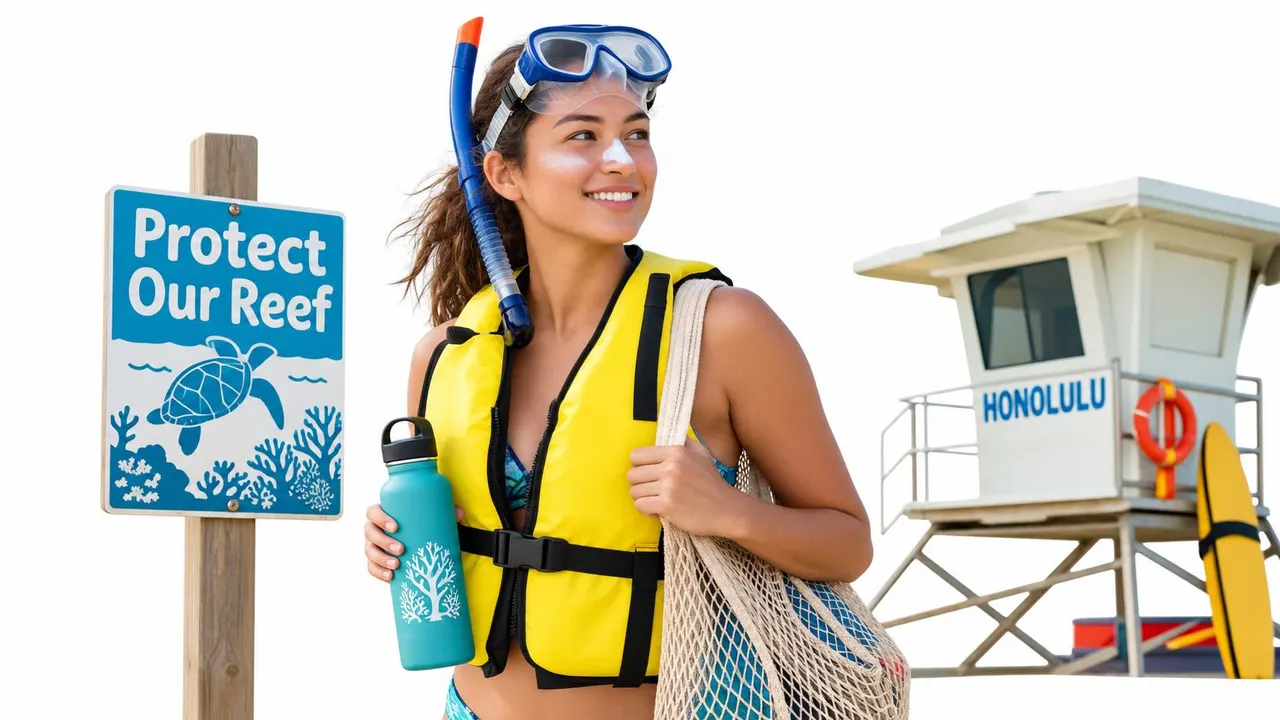
- Flotation early: A vest helps you float while you settle your breathing. New snorkelers often waste energy by trying to stay up and look down at the same time.
- Condition match: If one Waikiki entry is murky or surgy, switching spots or waiting can be the safer choice. The same day can produce very different snorkeling quality at Turtle Canyons, Waikiki, or a more protected shoreline.
- No reef contact: Coral breaks easily, and shallow rock can cut hands, knees, and feet faster than many visitors expect.
A lot of beginner stress comes from one small chain reaction. Water leaks into the mask. Breathing gets quick. Kicking gets harder. A flotation vest and a nearby buddy interrupt that chain early.
What to bring
Bring the items that lower your workload in the water.
- A mask that seals well: If it leaks every minute, you stop watching fish and spend the whole swim fixing gear.
- A snorkel vest or other flotation: This is one of the simplest ways to make your first 10 minutes calmer.
- Rash guard or other sun cover: Sunburn sneaks up fast when your back stays at the surface.
- Drinking water: Salt, sun, and swimming tire people out more than they expect.
- Towel and dry change of clothes: Small comfort, big difference after the swim.
If you wear fins, make sure they fit before you enter. Loose fins create more frustration than speed.
What to leave behind
Keep your hands and attention free.
Loose jewelry, bulky bags, phones you plan to hold in the water, and anything you will keep checking usually make shore entry harder. Honolulu snorkeling is better when your kit is light and boring. Calm beats complicated.
Turtle and reef etiquette
Wildlife encounters go better when you stop trying to direct them. Float, watch, and give animals room to choose their path.
That matters around honu, or Hawaiian green sea turtles, which are common on Oahu snorkel trips and reef edges near Honolulu. If you want a clear local refresher on spacing and behavior, this guide to Hawaii turtle snorkeling rules and turtle distance etiquette is useful.
The reef deserves the same attitude. Do not stand on coral, do not grab rock for balance if you can avoid it, and do not chase wildlife into shallow corners. Responsible snorkeling protects the reef and usually leads to better sightings too, because fish and turtles stay calmer around calm people.
How to Choose and Prepare for a Guided Snorkeling Tour in Honolulu
You can stand on Waikiki and see blue water, then board a boat 20 minutes later and find out the question was never just where to snorkel. It was whether the water was calm, clear, and comfortable for your group that morning. A guided tour helps with that decision. The crew is not only taking you out. They are reading the same moving parts that shape every Honolulu snorkel day, including wind, surface chop, visibility, and how confident your group feels once masks go on.
What a guided tour solves
For first-time visitors, a guided trip works like having a trail guide on a hike you have never done before. The ocean may look simple from shore, but small choices change the whole experience.
A good crew helps with the parts that usually throw beginners off. They fit masks, sort out flotation, explain how to enter the water, and watch how guests react in the first few minutes. If someone feels uneasy, help is close and the problem gets handled early instead of turning into a stressful swim.
Guided boat tours can also solve a condition problem. On one day, a shoreline entry may feel awkward because of waves or murky water near the beach, while a short boat ride reaches cleaner water with an easier start. On another day, the same route may be less attractive if wind picks up. Local crews make those judgment calls all the time.
What to compare before booking
Start with your group, not the tour name.
If you have kids, nervous swimmers, or one strong swimmer mixed with two cautious ones, compare tours by support level, time in the water, and how easy the entry sounds. Some travelers want a shorter outing with simple logistics. Others care more about deck space, shade, wildlife focus, or extra onboard features.
Departure point matters too. For visitors staying near Waikiki, Kewalo Basin is an easy harbor to reach, which often makes the whole morning feel calmer before you even get on the boat.
Living Ocean Tours departs from Kewalo Basin Boat Harbor near Waikiki Beach and offers guided options including the Turtle Canyons Snorkel Excursion and the Deluxe Waikiki Snorkel & Wildlife Cruise. You can browse those details on this Honolulu snorkel company page.
If turtle snorkeling is the focus of your trip, their Turtle Canyons Snorkel Excursion is a direct fit, and Snorkel Turtle Canyon is a great alternative. If you want a Waikiki snorkeling option more broadly, the Waikiki snorkel and waterslide tour is another relevant choice.
How to get ready the night before
Preparation is simple, but it changes the feel of the whole trip.
Set out swimwear, towels, sun cover, and dry clothes so the morning stays easy. Eat lightly if boat rides ever make you queasy, drink water before you get thirsty, and plan to arrive early enough that nobody starts rushed and flustered.
Give first-time snorkelers one clear expectation. Their job for the first few minutes is not to swim far or find turtles right away. It is to float, breathe slowly, and let the mask feel normal. Once that clicks, the rest usually gets much easier.
Plan Your Best Snorkeling Day in Honolulu
The best Honolulu snorkeling days are usually the ones that feel easiest. You go in the morning. You match the spot to the day's wind and water clarity. You pick an entry style that fits your group. Then you keep the safety rules simple and strict.
If you remember only one idea, make it this. Snorkeling in Honolulu Hawaii is not one fixed experience. Turtle Canyons, Waikiki reef areas, and other Oahu spots can all be excellent, but only when the conditions line up with your comfort level.
A quick planning checklist helps:
- Check the morning first: Earlier water is often calmer and clearer.
- Look at recent rain: If runoff is likely, change the plan.
- Ask about same-day conditions: Lifeguards and operators see what the water is doing now.
- Use flotation from the start: Especially for beginners and kids.
- Give wildlife space: Watch turtles without crowding them.
- Choose help when it helps: Guided tours make sense when your group wants support more than guesswork.
For a final local planning reference, this Honolulu snorkeling guide is a useful next step when you're narrowing down where and how to go.
Living Ocean Tours offers guided snorkeling trips from Kewalo Basin near Waikiki, including turtle-focused outings and family-friendly wildlife cruises that fit the kind of condition-based planning covered here. If you want an easier morning with gear, guidance, and local support already handled, visit Living Ocean Tours.


