
Snorkeling in Honolulu Hawaii: Top Spots and Tips
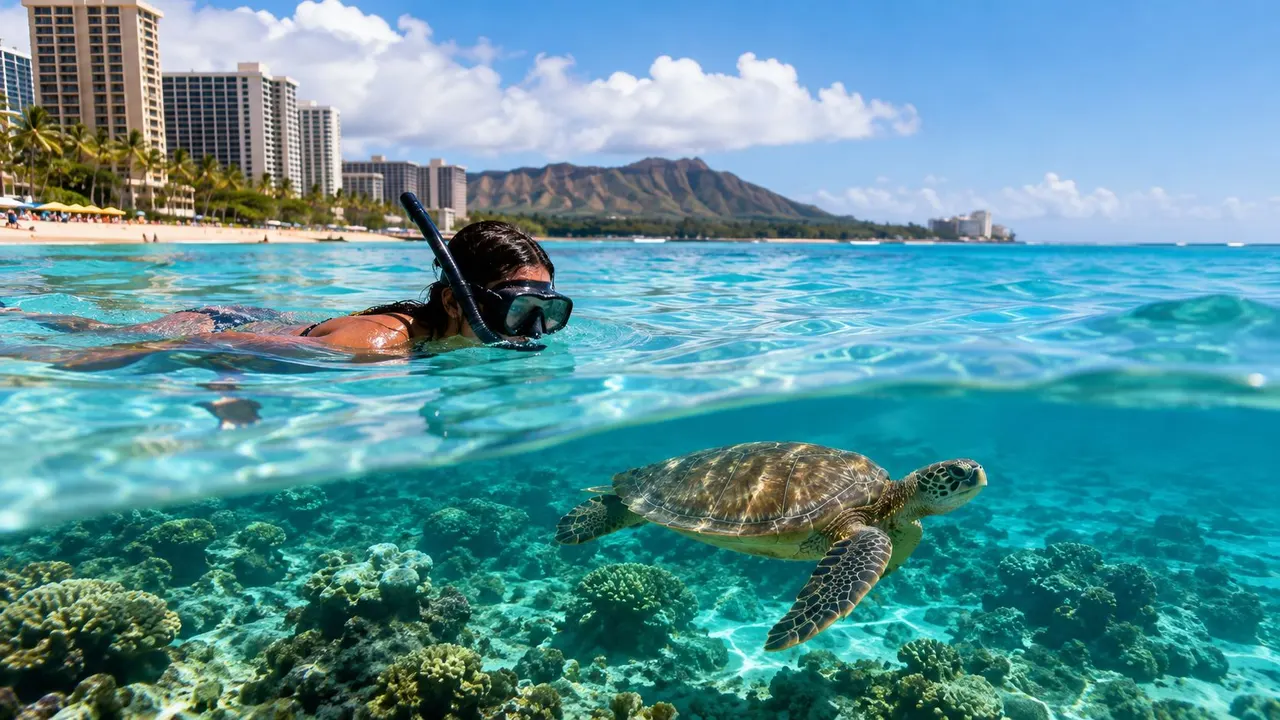
You've arrived in Waikīkī with a new mask, a free morning, and a mental picture of calm turquoise water. Then you reach the beach and notice the wind, the shore break, and swimmers checking the ocean before they enter. That pause is useful. Snorkeling in Honolulu, Hawaii, rewards people who read the water first, not those who assume every beach will be safe and clear all day.
Honolulu is a major marine recreation destination. More than 80% of Hawaii visitors participate in coastal and marine recreation, and statewide snorkeling participation has been estimated at more than 3 million people annually in an academic source (Hawaii marine recreation overview). The demand is especially concentrated around Oʻahu. A NOAA marine-managed-area analysis estimated roughly 1,000,000 active annual visitors at Hanauma Bay, including about 965,000 snorkelers, while nearby Diamond Head recorded about 10,000 active visitors (NOAA economic analysis of Hawaii marine areas).
The attraction is real, but the ocean sets the schedule. Wave energy, wind chop, currents, runoff, visibility, access rules, and your own swimming ability all matter. The guide below focuses on those practical decisions, including when a shore entry makes sense, when a boat-accessed reef is the safer and more productive choice, and how to enjoy turtles without disturbing them.
Setting Expectations for Honolulu Snorkeling
The ocean may look calm from shore while the entry zone pushes hard enough to unsettle a new swimmer. Conditions can change between the beach and the reef, or between an early morning and an exposed afternoon. Surge, current, wind chop, and runoff can reduce visibility and make breathing through a snorkel uncomfortable.
Honolulu remains a rewarding snorkeling destination when you match location, timing, and ability. Low wave energy and light wind help visibility and limit the surge that moves swimmers across shallow reef. After rain, runoff can cloud nearshore water, while seasonal wave energy can make an otherwise familiar entry unsafe. A beginner tires quickly when those conditions combine.
The ocean is the first decision
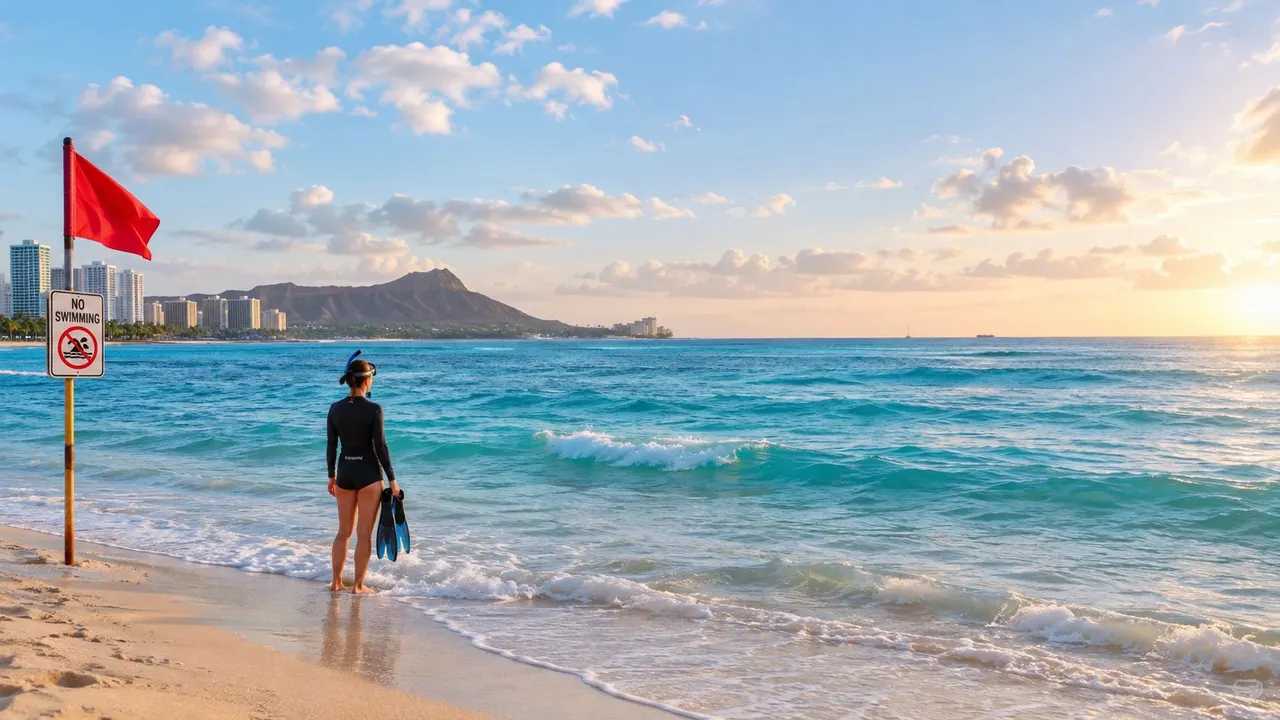
Before putting on fins, watch the entry and exit zone. Check whether swimmers are pushed sideways, waves break where you would stand, or people repeatedly lose contact with the bottom. If the entry already looks uncertain, choose another site or wait. For guests who are uncomfortable in moving water, a boat-accessed reef can remove the hardest part of the outing, the shore entry, while guides monitor conditions from the water.
Runoff is another reason to reassess a beach after rain. Brown or cloudy water means reduced visibility, and it can conceal rocks, surge, or marine life you should avoid. A protected south-facing site may hold better conditions than an exposed beach, but protection is never a guarantee.
Keep a backup plan. A guided boat trip can provide a more controlled platform and access to reef areas away from crowded shore entries. Guides can also distinguish a brief calm period from conditions likely to worsen.
Use this Honolulu snorkeling guide to compare shore and boat options, then make the final decision from the water in front of you, not an old forecast or a polished social media image.
Practical rule: If you cannot enter, float, and exit without fighting the ocean, wait or choose a different activity.
Shore Access Versus Offshore Boat Reefs
Shore snorkeling offers control over your schedule. You can choose your pace, stay on the beach as long as conditions allow, and avoid a boat departure time. It suits confident swimmers who can carry their gear, supervise children, and leave the water promptly when the ocean changes.
That flexibility comes with more work. You must cross sand or rocks, handle the shore break, locate a suitable reef, and decide whether the water beyond the break remains manageable. Crowds can add another complication at popular sites, especially when several groups share the same entry and viewing area.
Hanauma Bay shows why access planning matters at a high-demand shore site. Entry is limited by operating rules, the bay closes on Mondays and Tuesdays, and visitors must complete a safety video. Treat it as a planned reservation stop rather than an impromptu walk-up beach visit. Review Honolulu snorkeling planning guidance before setting your schedule.
What changes offshore
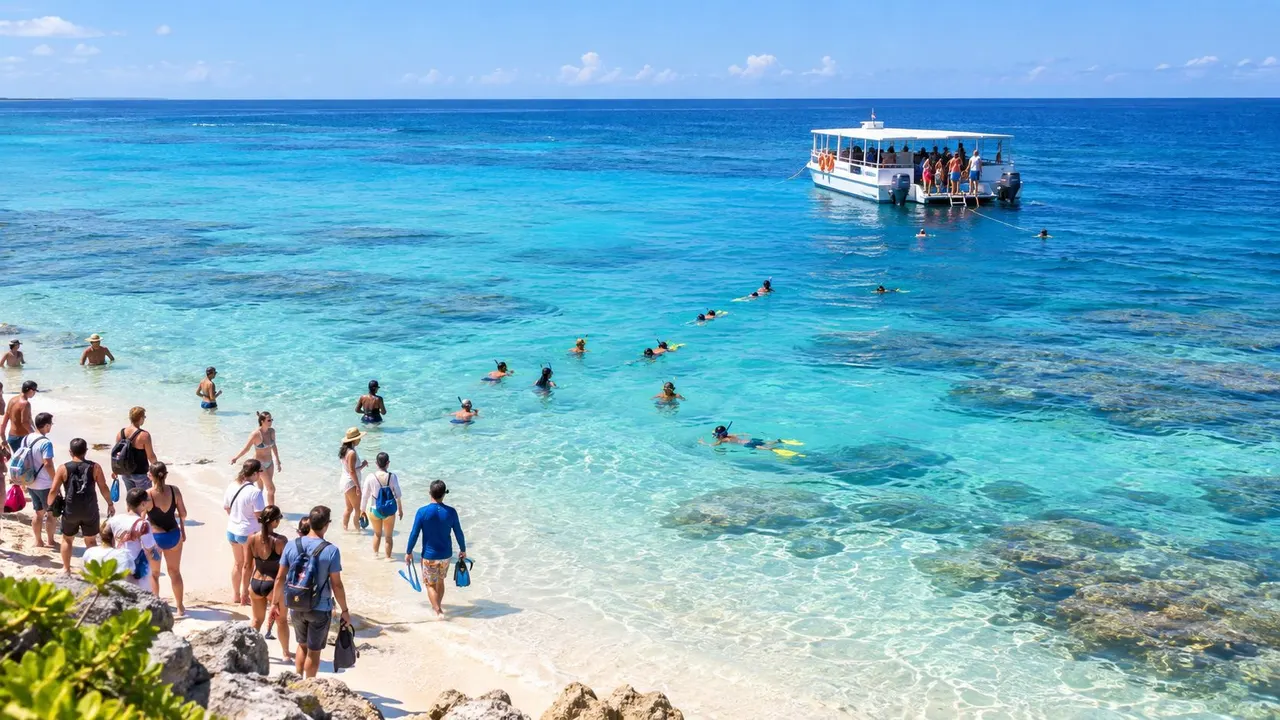
Boat-accessed reefs remove the beach entry, which is often the hardest part of a shore outing. You still need to be comfortable in open water, but the crew can select the site, support your entry, and provide flotation equipment and water orientation. A boat may also reach reef structure away from congested shore entries, where turtles and reef fish feed, rest, or gather.
Turtle Canyon sits about 2.5 miles offshore from Waikīkī. A typical visit includes roughly 45 to 60 minutes in the water and lasts about 2 to 3 hours overall (Turtle Canyon excursion overview). Guides describe the site as a boat-accessed cleaning station where reef fish groom turtles that gather to feed and rest. From Kewalo Basin, one local operator places the site about 15 boat minutes away (Turtle Canyon boat access information).
| Shore entry | Boat-accessed reef |
|---|---|
| Flexible timing and no boat ride | Planned departure and return |
| Requires judging the beach entry | Crew supports entry and water orientation |
| Crowds and visibility vary by site | Direct access to offshore reef habitat |
| Works best for confident swimmers | Useful for families and first-time guests |
A capable swimmer who enjoys independent beach time may prefer shore access. Families with different swimming abilities often find a structured boat outing easier to manage. Living Ocean Tours offers a Turtle Canyon snorkeling excursion overview for guests comparing offshore access, trip timing, and the practical differences between reef options.
Choosing the Right Guided Snorkel Excursion
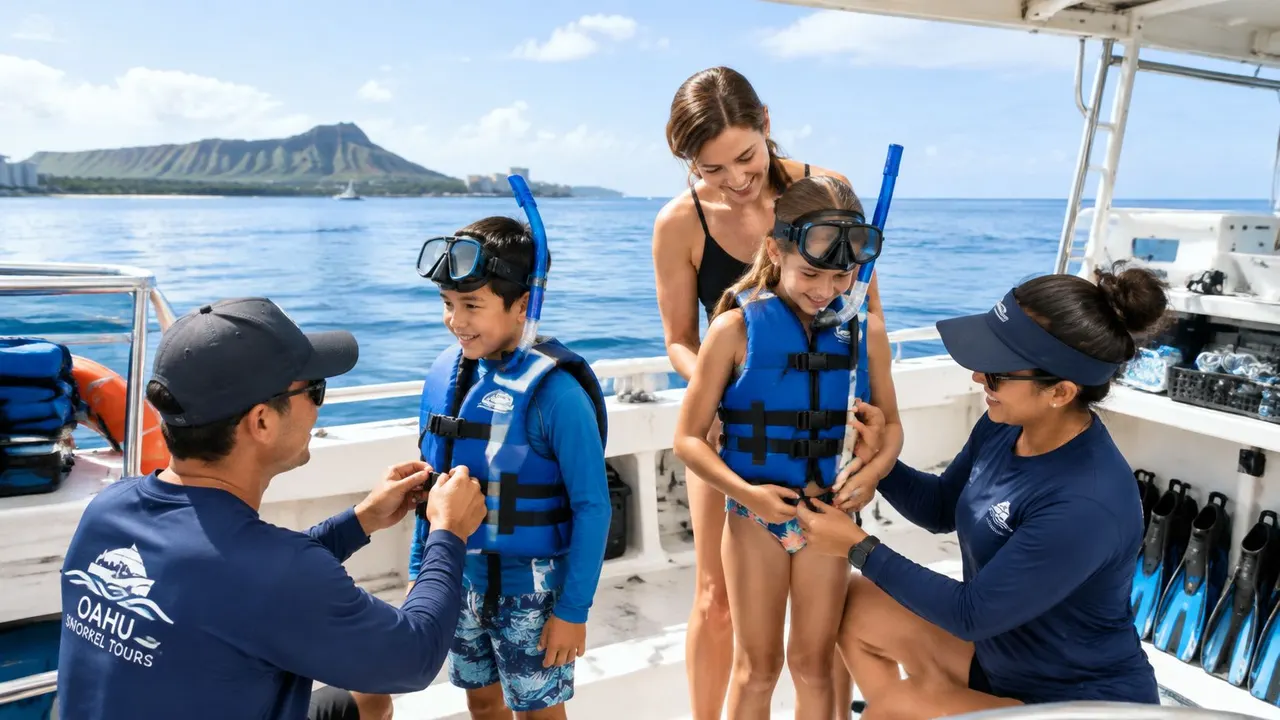
Guided snorkeling earns its place in a Honolulu itinerary when logistics and safety matter as much as the scenery. A first-time snorkeler may need help fitting a mask, clearing water from a snorkel, controlling breathing, or using fins without tiring. Families also benefit from a crew that can watch the water while parents stay focused on their children.
A boat trip does not make rough water safe, and every guest still needs to follow crew instructions. Its practical value is a planned route, equipment support, in-water supervision, and local judgment about workable sites. That support matters for visitors unfamiliar with Oʻahu's reefs or anyone who would rather avoid testing a difficult shore entry.
Matching the trip to your group
Living Ocean Tours is one of the top rated and most reviewed snorkel companies on Oahu. Its Turtle Canyons Snorkel Excursion departs from Kewalo Basin Boat Harbor near Waikīkī and visits Turtle Canyon, the offshore reef shelf and cleaning station described earlier. The company supplies gear, instruction, and guides, with attention to safety, sustainability, and responsible wildlife viewing.
A dedicated reef trip suits guests who want time in the water. Families seeking more variety can consider the Deluxe Waikīkī Snorkel and Wildlife Cruise, which includes a waterslide, water trampoline, and lily pad. Those features give a mixed-age group more ways to enjoy the outing when some guests do not want to spend the entire trip looking through a mask.
For help comparing operators, departure points, boat layouts, and guest needs, use this guide to choosing a Honolulu snorkel company.
Questions to ask before booking
- Water confidence: Tell the operator whether each guest can comfortably float and swim in open water. A nervous swimmer should be identified early so the crew can explain available support.
- Family supervision: Confirm how children are supported and whether flotation devices are available. Pool skills do not always carry over to swell, saltwater, and mask use.
- Wildlife expectations: A responsible operator should explain that turtles are wild animals, not guaranteed performers. The goal is a respectful encounter, not a close photograph at any cost.
- Departure logistics: Check the harbor, arrival time, cancellation terms, and included equipment. Kewalo Basin is near Waikīkī, but parking and travel time still require planning.
- Weather judgment: Ask how the crew responds to changing conditions. A sound plan includes adjusting the route or keeping guests out of the water when safety requires it.
The practical advantage of a guided trip is fewer avoidable decisions during the outing. With the crew handling orientation, equipment checks, and site selection, guests can focus on calm breathing, staying together, and observing the reef without rushing.
Navigating Seasonal Ocean Conditions
A sunny morning can still produce poor snorkeling. Oʻahu's swell direction, wind, exposure, and recent rainfall determine whether a site is clear and comfortable, even when another coast looks calm.
Winter demands the most caution at north-shore and exposed reef locations. Official guidance for the Pūpūkea marine life conservation district warns that currents and wave conditions become extremely dangerous in winter (Pūpūkea official marine-area guidance). A bright sky does not make the north shore suitable for snorkeling.
Read the seasonal pattern
From May through October, south-facing and protected nearshore sites around Honolulu are generally calmer. Conditions can still change, but this period often gives Waikīkī and Honolulu trips a more forgiving planning window. Late spring through early fall is also commonly recommended for clearer, calmer Turtle Canyon conditions, with morning trips from May through September often favored for visibility (Oʻahu turtle snorkeling conditions). For a broader Oahu snorkeling season overview, compare seasonal exposure with the specific reef and departure point.
Morning departures usually offer the best odds of a comfortable session. Wind-driven chop can build later, while an early trip may find smoother water before the surface becomes textured. Treat that as a planning advantage, not a guarantee. Boat crews can also shift to a more protected reef when shore conditions deteriorate.
Rain creates a separate concern. Heavy runoff can reduce visibility and affect water quality near shore, so clear skies after a storm do not prove the ocean is ready. Recent safety guidance recommends staying out of the ocean for at least 72 hours after heavy rain because runoff may increase bacterial exposure near Honolulu beaches (Hawaiʻi snorkeling safety guidance).
Don't use visibility as your only safety test. Water can look clear at the surface while currents, runoff, or shore-break conditions make the session unsuitable.
Reserve a flexible morning, check the forecast and local advisories, and keep a dry-land alternative available. If you book a boat, ask how the crew evaluates conditions that day, which reefs they use when swell rises, and when they cancel rather than forcing an exposed route.
Essential Safety and Wildlife Viewing Rules
A calm surface can hide a difficult return. Before entering Honolulu's water, confirm your breathing rhythm, your energy level, the route back to shore or the boat, and who will watch the group. Snorkeling demands steady breathing, orientation around waves and swimmers, and enough reserve to exit safely.
Hawaiʻi ocean-safety guidance identifies snorkeling as a popular activity and reports that visitors drown while snorkeling more than during any other ocean activity. Many incidents happen near shore and in shallow water (Hawaiʻi snorkeling safety guidance). Shallow water can create false confidence. A tired swimmer still has to manage breathing, waves, anxiety, and an exit.
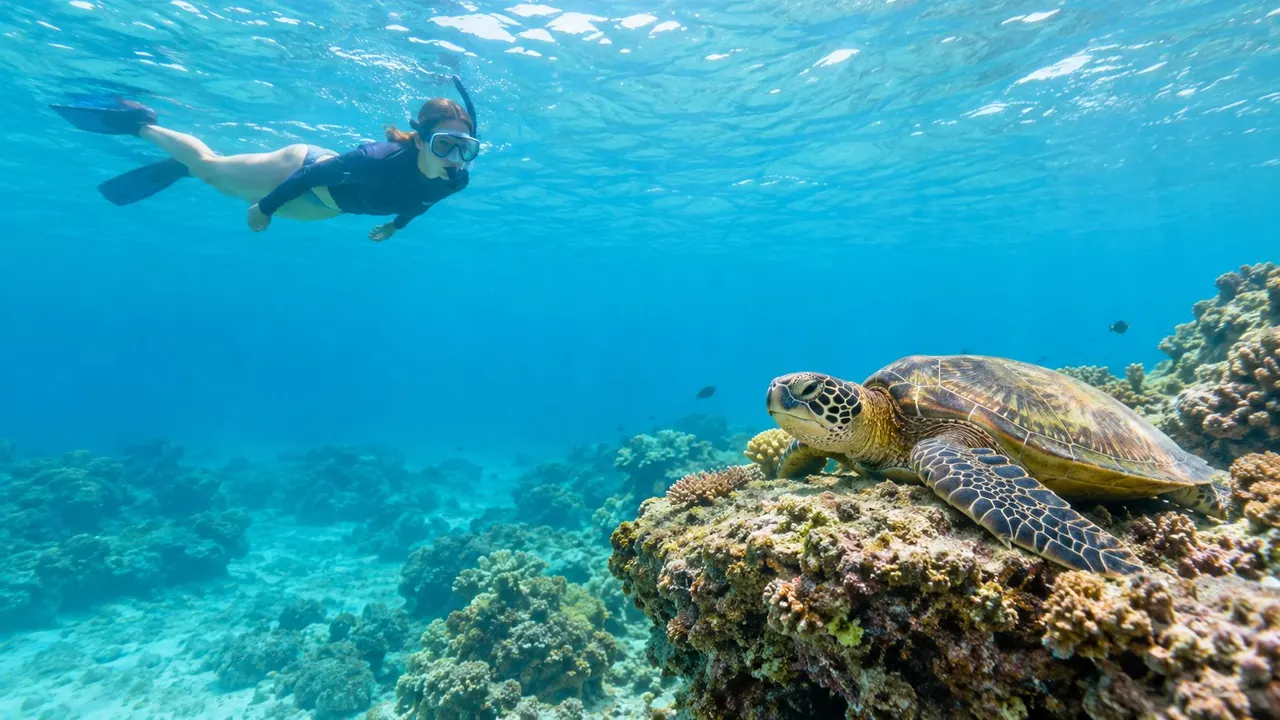
Use a conservative safety routine
- Assess stamina. If you rarely swim, feel ill, or become breathless easily, use flotation support or stay out of the water. Snorkeling is not a test of vacation bravery.
- Stay with your group. Parents should keep children within direct reach or close visual supervision, based on the child's ability and the conditions. A confident swimmer still needs a visible boundary.
- Confirm the exit plan. Before entering, identify the beach exit or the signal for the crew. If the water worsens, leave early rather than attempting one more look.
- Stop before exhaustion. Remove your mask and ask for help when breathing becomes difficult, anxiety rises, or you cannot hold your position comfortably.
- Respect runoff warnings. After heavy rain, follow the recommended waiting period before swimming. Runoff can affect nearshore water quality even when the sky and surface look clear.
Boat trips add another safety option when shore entries become crowded or exposed. Ask the crew which reef they will use, how they assess current and swell, and what conditions make them cancel or relocate. A protected boat-accessed site may offer a calmer entry than forcing a difficult beach launch.
Give turtles room to move
Hawaiian green sea turtles are protected. Remain at least 10 feet away from a turtle in the water, above it, or below it (Hawaiʻi turtle snorkeling rules). For a fuller reference, review these Hawaii turtle snorkeling distance rules. Never touch, chase, feed, or block a turtle's path.
Turtles need room to surface, rest, and turn. Keep your fins away from the reef, hold your position, and let the animal decide whether to pass nearby. A guide who moves swimmers back from an approaching turtle is protecting the encounter, even when the resulting photograph is less dramatic.
Gear Checklist and Reef-Safe Preparation
Good gear solves comfort problems before they become safety problems. A leaking mask makes a beginner lift their head repeatedly, a poorly fitted snorkel can interrupt breathing, and fins that don't fit can cause blisters or awkward movement.
For most visitors, a reputable operator's rental equipment is more practical than buying inexpensive gear for a single trip. Ask for a mask that seals without being overtightened, a snorkel that feels natural to breathe through, and fins that stay secure without squeezing your feet.
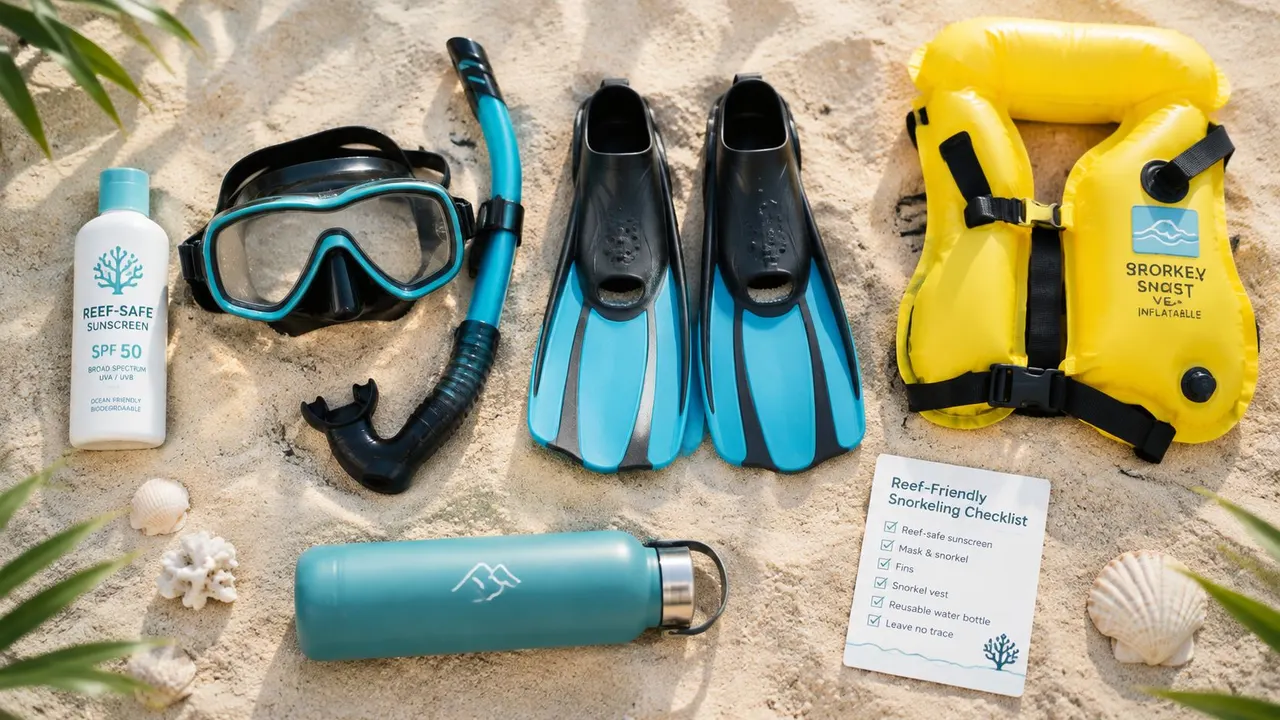
Pack for the actual day
- Reef-conscious sun protection: Bring sun protection that follows Hawaiʻi rules and helps reduce harm to coral habitat. Use a rash guard, hat, and shade as additional protection instead of relying only on sunscreen.
- Flotation support: Children, beginners, and anyone who tires easily should use an appropriate snorkel vest or other approved flotation device. Buoyancy support reduces effort, but it doesn't replace supervision.
- Water and dry clothing: Swimming, sun, and wind can leave you depleted. Carry water, a towel, and dry clothes for the ride back or the trip to your next activity.
- Secure personal items: Use a waterproof pouch for essentials and leave anything unnecessary behind. Loose objects can fall overboard or distract you in the water.
- Foot protection for entries: If a beach has a rocky or uneven entry, suitable water footwear can improve comfort. Don't stand on coral or use reef structure for balance.
Prepare your body and technique
Practice breathing through the snorkel in shallow, controlled water before heading to a deeper reef. Learn to clear a small amount of water from the snorkel, adjust the mask calmly, and float without grabbing coral.
Fins work best with relaxed ankle-driven kicks. Strong, frantic kicking burns energy and can stir sediment or strike the reef. Keep your body horizontal, look ahead rather than straight down, and leave enough space between yourself and the bottom.
Planning Your Honolulu Ocean Adventure
A successful Honolulu snorkeling day starts with a decision, not a destination name. Match your ability and group size to the entry, choose a protected location when conditions call for it, and favor morning water when your schedule allows. In winter, avoid assuming that north-shore exposure is acceptable, and after heavy rain, give nearshore water time to recover.
Hanauma Bay suits travelers who want a famous, structured shore experience and are prepared to plan around its access rules. A boat-accessed reef such as Turtle Canyon suits guests who want direct access to offshore habitat without managing a difficult beach entry. Families may prefer a wildlife cruise with flotation support and additional water features, while confident swimmers may choose a self-guided beach session.
Turtle encounters should remain observation-led. Keep the required distance, never touch or chase wildlife, and let a guide or lifeguard's judgment override the day's itinerary when conditions become unsafe. That's how you protect your group and help preserve the reef for the next visitor.
Living Ocean Tours offers guided Waikīkī snorkeling, Turtle Canyons excursions, and family-friendly wildlife cruises with gear, instruction, and knowledgeable crew support. Visit Living Ocean Tours to compare the available Honolulu snorkeling trips and choose a departure that fits your group, experience, and ocean conditions.


