
Snorkeling Oahu: How Swell Periods Shape Your Day
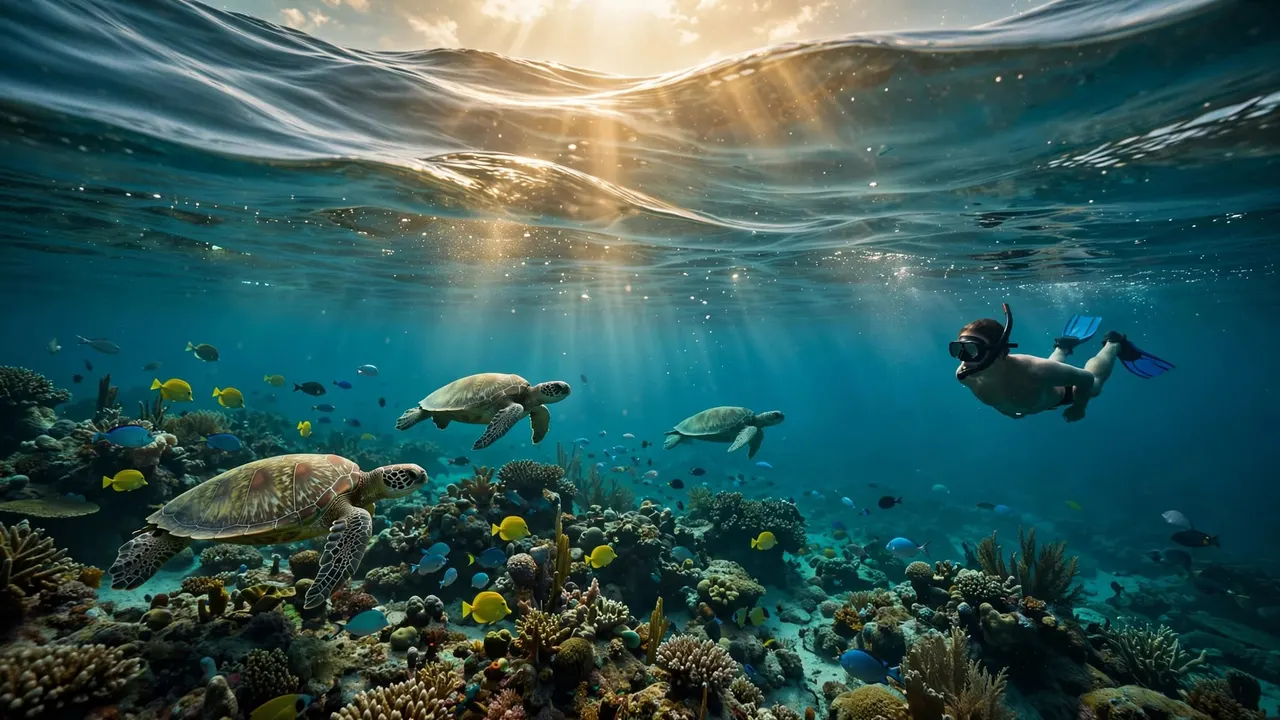
The ocean can look calm from Waikiki Beach while a moving surge below the surface makes swimming harder than expected. For snorkeling Oahu, knowing the swell period helps you choose a more comfortable day, a better location, and the right kind of boat trip.
Living Ocean Tours operates near Waikiki from Kewalo Basin Boat Harbor, where its crew watches local conditions closely before every outing. When you understand a few forecast details, you can spend less time guessing and more time watching reef fish and Hawaiian green sea turtles.
Why swell period matters for snorkeling Oahu
Wave height gets most of the attention, yet swell period often tells you more about how the water will feel. The period is the number of seconds between wave crests. A 3-foot swell at 6 seconds behaves very differently from a 3-foot swell at 14 seconds.
Short-period waves arrive close together. They create a bumpy surface, stir up sand, and make it harder to clear your mask or relax while floating. Long-period swells are spaced farther apart, but they carry more energy and can produce stronger surges around reefs and shallow shorelines.
Wave height is only part of the forecast
A forecast showing 2 to 4 feet may sound simple. However, that range doesn’t show whether the sea has one gentle wave train or several wave sources meeting from different directions.
For snorkeling, you want to know:
- The dominant swell height and its period
- The swell direction, such as north, south, east, or west
- Local wind speed and direction
- Any surf advisories or marine hazard statements
The National Weather Service Hawaii surf forecast separates conditions by shoreline exposure. That matters because north shore surf can be powerful while the south shore has manageable water.
Longer periods can bring stronger reef surge
Long-period swells travel across large stretches of ocean. When they reach Oahu, they can wrap around headlands and push water across reef shelves in a slow but forceful rhythm.
You may feel yourself drift forward, pause, and then move back toward the reef. That motion is called surge. It can reduce visibility and make close reef exploration uncomfortable, even when the surface looks smooth.
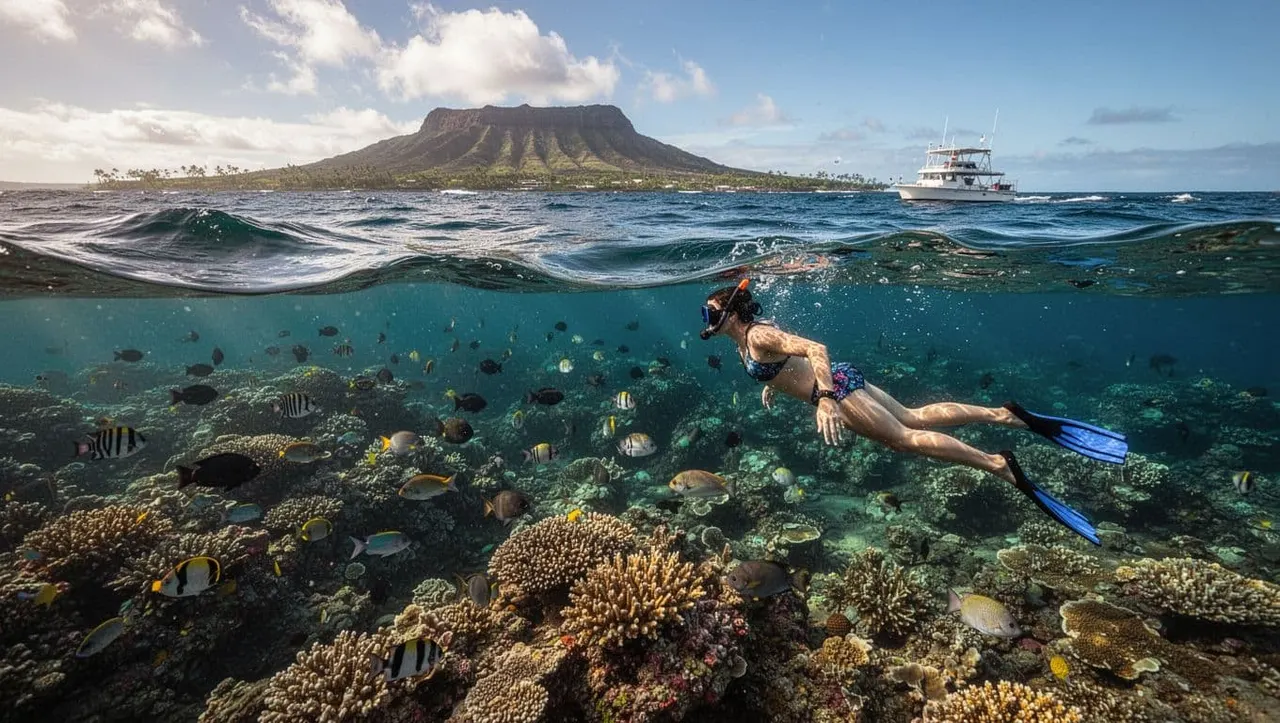
A low wave-height forecast doesn’t automatically mean calm snorkeling. Period, direction, wind, and your location decide how the water behaves.
Oahu’s shorelines respond differently to swell
Oahu isn’t one uniform beach. Each coast faces a different part of the Pacific, so the best snorkeling conditions can shift with the season and the day’s wind.
A spot protected from a north swell may be exposed to a south swell. Reef shape, harbor walls, and headlands can also change the water conditions within a short distance.
North and west shores feel winter swells
During winter, large north and northwest swells often reach Oahu. Those conditions create famous surf, but they can make exposed snorkeling sites unsafe or unpleasant.
If you’re visiting between roughly November and March, don’t assume every sunny day is a snorkel day. Check the coast you plan to visit. A south-facing Waikiki route may be more protected than a north-facing shoreline when a north swell is running.
South swells and trade winds affect Waikiki
South swells are more common in summer and can raise surf along Waikiki and other south-facing beaches. Meanwhile, easterly trade winds often roughen east-facing waters and create surface chop.
Wind chop differs from an ocean swell. It forms locally and arrives in small, frequent waves. Even a modest breeze can make mask clearing, floating, and spotting fish harder for first-time snorkelers.
For a clearer forecast picture, review the National Weather Service’s wave-component details. You can see separate swell directions and periods rather than relying on one combined wave number.
Read the forecast before you pack your fins
Checking conditions takes only a few minutes, and it can spare you a difficult swim. Look at the forecast the evening before, then check it again on the morning of your tour or beach visit.
Forecasts help you plan, but the water always gets the final say. If surf rises, visibility drops, or a guide changes the route, treat that decision as useful local judgment.
Check these four signals together
Use this quick comparison before you head to the water.
| Forecast signal | What it can mean for snorkelers | What you should do |
|---|---|---|
| Short swell period | Choppy, frequent motion and stirred-up water | Choose sheltered water or a different day |
| Long swell period | More powerful surge near reefs and shore breaks | Keep distance from shallow reef and rocky entries |
| Strong onshore wind | Reduced visibility and tiring surface chop | Consider a morning departure or protected coast |
| Surf or marine advisory | Hazardous swimming and shoreline conditions | Stay out of the water at exposed sites |
The Hawaii Ocean Safety condition updates are a practical second check, especially if you plan to swim at a lifeguarded beach. Read posted warnings when you arrive, too.
Watch the water before entering
Stand back for several minutes before you put on your fins. Look for sets, which are groups of larger waves that can arrive after a quieter stretch. Notice whether waves break over the reef, whether foam moves steadily seaward, and whether swimmers struggle to return to shore.
Clear blue water isn’t a safety guarantee. A clean-looking channel can still carry a strong current, while a murky patch may show sand getting lifted by surge.
If anything feels beyond your comfort level, choose a boat-based option, stay aboard, or enjoy the view from shore. You don’t need to prove anything to the ocean.
Choose a guided outing when conditions vary
A guided boat trip gives you a major advantage when forecasts are mixed. Your crew can assess the route, choose an appropriate snorkeling area, explain what you feel in the water, and provide an easier return to the boat.
Living Ocean Tours offers Waikiki snorkeling and ocean adventures from Kewalo Basin, only minutes from Waikiki. The company is the only tour company with professional snorkel guides, giving beginners and experienced swimmers direct, in-water support.
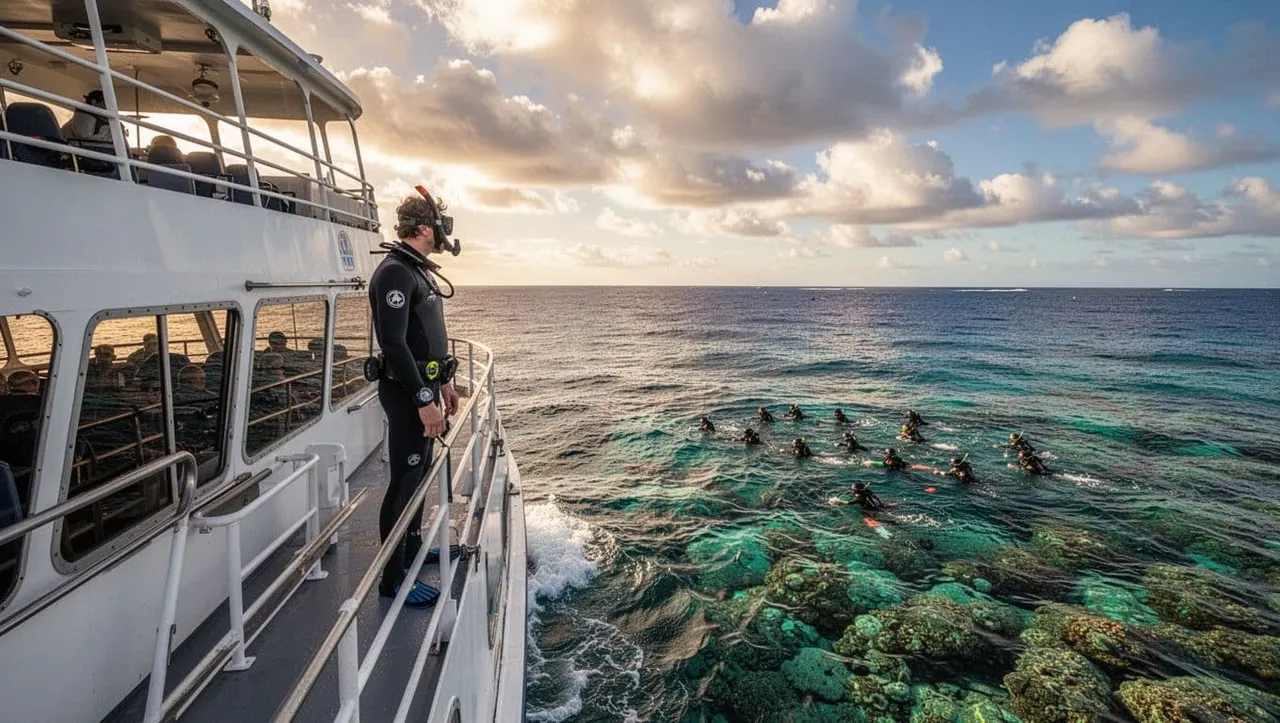
Its Coast Guard-inspected double-decker vessels include shaded seating, restrooms, dry storage, and sturdy ladders. The Lokahi also has a SeaKeeper stabilization system that reduces boat roll, which can make the ride more comfortable when ocean motion picks up.
Why professional guidance helps in moving water
A guide can show you how to enter without rushing, position yourself away from the reef, and use the boat as your reference point. You’ll also get a clear briefing on currents, boundaries, gear, and hand signals.
That support matters most when swell produces gentle but persistent motion. You can focus on your breathing and buoyancy rather than wondering where the current is taking you.
Make your snorkel more comfortable in light swell
You don’t need perfect glassy water to have a memorable reef experience. Mild movement is normal in the Pacific. Your comfort depends on how you prepare and how honestly you assess your swimming ability.
Use calm, steady movements
Keep your body horizontal, relax your ankles, and use slow fin kicks. Fast kicking burns energy and can push sand into the water near the reef.
If you feel a surge, don’t fight each change in direction. Float calmly, keep space between yourself and coral, and move toward the boat or guide when you need support. A properly fitted mask and snorkel also prevent small frustrations from becoming tiring ones.
Give yourself more distance from the reef
Swell can move you closer to coral than you expect. Stay well above the reef and avoid holding onto rocks, coral, or mooring lines unless a crew member directs you to do so.
Hawaiian green sea turtles may rest or feed near the reef, but you should never chase, touch, block, or crowd them. Give wildlife room to choose its own path. You’ll often see more when you float quietly and let the animal remain in control.
Know when to reschedule your water plans
Some conditions call for a change of plans. High surf, frequent whitewater over the reef, strong wind, poor visibility, and warnings from lifeguards or captains all deserve respect.
A snorkeling trip is most enjoyable when you can breathe calmly, keep your bearings, and return to the boat or shore without strain. If those basics aren’t present, waiting for better conditions is the smart choice.
Turtle Canyons is best with a crew’s local call
Waikiki’s Turtle Canyons is known for Hawaiian green sea turtles visiting a natural cleaning station. Living Ocean Tours reports a 95% success rate for turtle sightings on its Turtle Canyons Snorkel Excursion, although wildlife sightings can never be guaranteed.
The crew provides gear, instruction, and professional in-water guidance, so you can feel comfortable even if you haven’t snorkeled before. When conditions favor the route, you can CHECK AVAILABILITY for the Turtle Canyons experience.
Respect the reef when water gets active
Swell makes careful snorkeling even more important. Your fins can strike coral if you drift too close, and sudden movement can make wildlife feel crowded.
Wear reef-safe sun protection, secure loose items before boarding, and never stand on coral. If your guide asks you to move to deeper water or return to the boat, respond promptly.
Your best memories won’t come from getting closest to a turtle or reef wall. They come from feeling comfortable enough to observe the ocean without disturbing it.
Plan for conditions, then enjoy the water
For snorkeling Oahu, swell period gives you a more useful picture than wave height alone. Pair it with swell direction, wind, shoreline exposure, and current observations before you step into the water.
A knowledgeable crew, a stable boat, and a willingness to adjust plans turn changing conditions into a more relaxed day. Respect for the ocean is what lets you enjoy its reefs, turtles, and wide Pacific views safely.


