
Honolulu Snorkeling: The Complete Visitor’s Guide
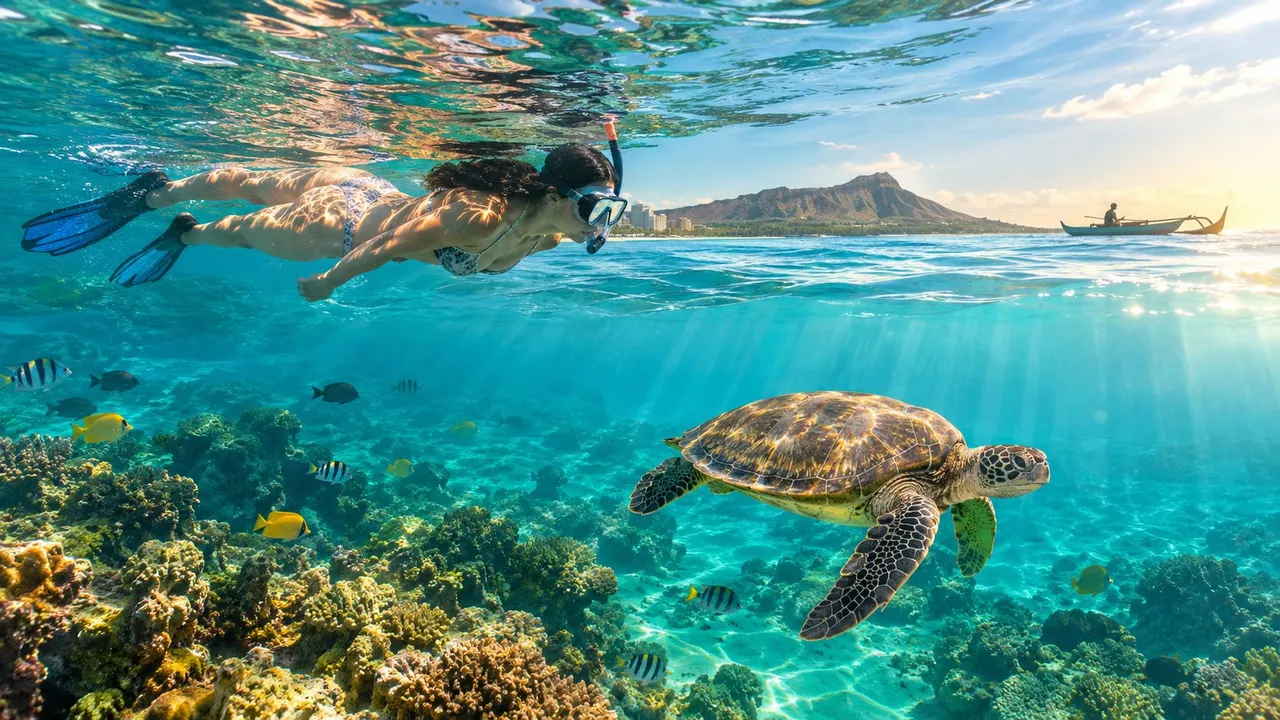
You've just stepped out of a Waikiki hotel with a towel over your shoulder, looking at the bright water and wondering where to start. The beach is close, the reef spots are scattered around Oahu, and every option seems to promise a different version of Honolulu snorkeling.
The right choice depends less on finding one magical beach and more on matching the day to your group. A confident swimmer with a rental car can enjoy a flexible shore outing, while a family with young children, mixed swimming abilities, or a strong interest in turtles may have a better day on a guided boat. Timing matters just as much. Honolulu's water usually rewards early starts, but sheltered sites and offshore tours can change the calculation.
Planning Your Honolulu Snorkeling Day From Waikiki
A first-time visitor can walk from a Kalakaua Avenue hotel to several Waikiki beach entries, rent basic equipment nearby, and be in the water without arranging transportation. That simplicity is the main advantage of a shore day. You control the pace, stop when the children get tired, and can combine snorkeling with lunch or a relaxed afternoon on the sand. The trade-off is that shore reefs can be patchy, entry points may be rocky, and conditions are yours to judge.
Turtle Canyon is a different proposition. The offshore reef isn't reachable by swimming from shore. One guide places it about a mile off the Waikiki coast and describes it as a boats-only destination, which makes a guided boat the practical access method (Turtle Canyon access guide). Boats commonly depart from Kewalo Basin, west of the main Waikiki hotel area, so you'll trade a short walk for a shuttle, rideshare, taxi, or drive to the harbor.
Captain's rule: Choose the water first, then build the rest of the day around it. A rushed snorkel squeezed between checkout and dinner rarely feels like a good vacation memory.
A half-day boat plan fits neatly before a beach afternoon or after a relaxed Waikiki morning. If you're still deciding whether a walk-in reef or an offshore trip suits your group, this overview of snorkeling at Waikiki gives you a useful starting point. Couples often prefer the efficiency of a tour, families may value included instruction and flotation, and solo travelers frequently appreciate not having to manage navigation and conditions alone.
When the Water Is Clearest for Snorkeling
The most reliable visibility window in Honolulu is typically early morning, especially from sunrise to about 10 a.m. Overnight calm gives suspended sand time to settle, so the water often starts with cleaner sightlines. As trade winds build later, the surface develops chop, sediment gets stirred back into the water, and exposed shoreline reefs usually lose clarity (Honolulu snorkeling visibility guidance).
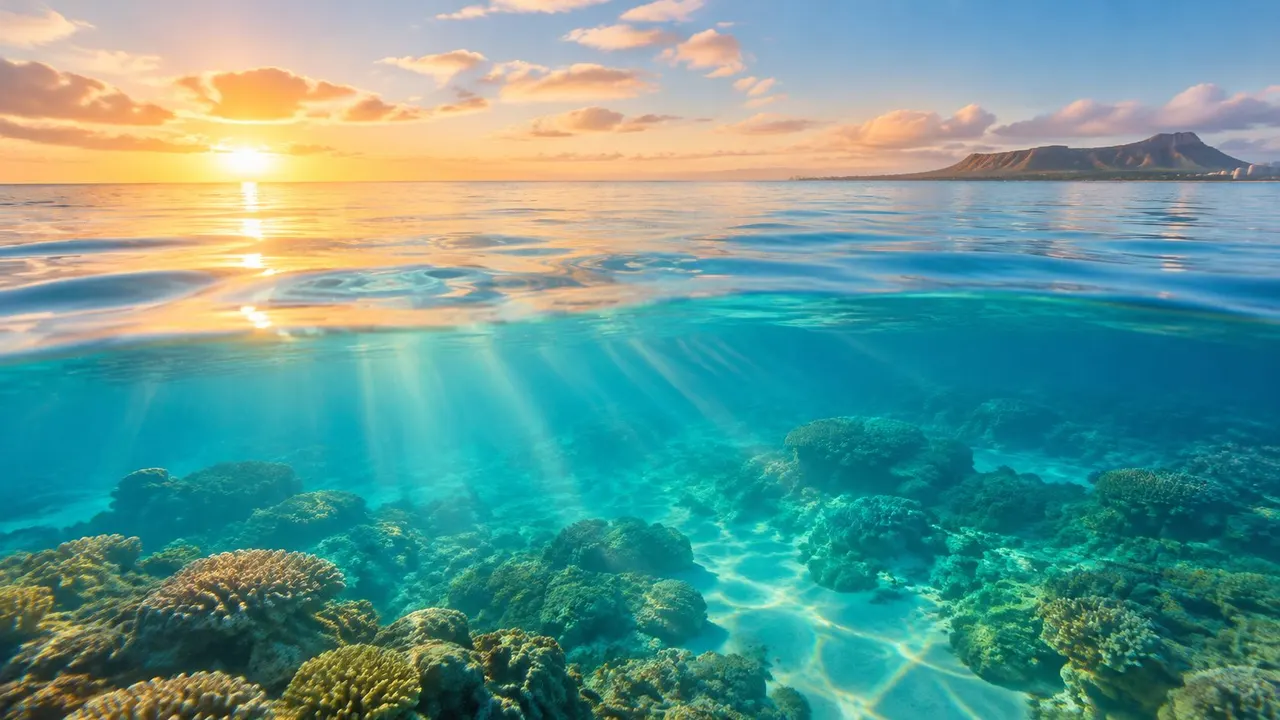
Start with the protected option when your group includes beginners. Sheltered reef sites tend to hold their clarity better than exposed shoreline stretches because lower wind and swell create less sediment resuspension. That cause and effect matters more than the name on a map. A famous reef in poor conditions can be less enjoyable than a modest, protected entry with calm water.
Read the day before choosing the spot
Check wind, swell direction, and any local water-quality notices before leaving Waikiki. A south swell can make some south-facing reefs uncomfortable while leaving another site relatively usable. Recent rain also deserves attention near stream mouths, including the Ala Wai, where runoff can reduce water quality and visibility.
For a beach entry, I prefer first light through the morning window rather than trying to force a late start. Afternoon water can still work on calm days, and it may suit a beginner boat tour better than a do-it-yourself swim because the crew can select the most comfortable available stop. Treat a second, glassy afternoon period as a welcome opportunity, not something to count on.
Use the surface as your first clue. If wind is pushing visible texture across the water and waves are breaking unevenly over the entry, expect a more demanding snorkel. If the surface looks settled and the protected side of the reef is clear, conditions are more promising.
Best Snorkel Spots Near Waikiki and Honolulu
Honolulu's main options serve very different visitors. The quick comparison below is more useful than ranking them from “best” to “worst,” because access and comfort determine how much you'll enjoy the water.
Honolulu Snorkel Spots Compared
| Spot | Access from Waikiki | Skill Level | Best For |
|---|---|---|---|
| Sans Souci, Kuhio, and Queens | Walk-in beach access | Beginner to intermediate, depending on conditions | An easy shore-based introduction |
| Magic Island Lagoon | Drive, rideshare, or local transport | Beginner | Calm, flat-water practice |
| Hanauma Bay | Drive or organized transport, with reservations | Beginner to intermediate | Dense fish viewing and a planned outing |
| Turtle Canyon | Guided boat from Kewalo Basin | Beginner to intermediate with crew support | Offshore reef access and turtle-focused trips |
| Shark's Cove | Rental-car day to the North Shore | Intermediate, conditions dependent | Tide pools and rocky-shore exploration |
| Electric Beach | Rental-car day to the west side | Intermediate to advanced | Experienced swimmers comfortable with currents |
Sans Souci, Kuhio, and Queens are the low-effort choices. You can walk from Waikiki, enter near the beach, and look for reef fish without committing to a full island drive. Marine life is real but often patchy, and shore break or water movement can make the experience less relaxed than the postcard suggests.
Magic Island Lagoon is the better practice environment for nervous swimmers. Its flatter water makes mask testing, breathing practice, and floating easier, though it won't provide the same offshore reef setting as Turtle Canyon.
Hanauma Bay can offer impressive fish density, but it requires more planning. Reservations, parking, and the steep entry from the upper area can turn a casual beach idea into a structured half-day. Pack food and water rather than assuming the on-site concession will cover every need. For broader planning, compare the practical details in this guide to Waikiki snorkeling locations.
Turtle Canyon is the anchor choice for visitors who want an offshore experience without renting a car. You'll need a boat because the reef is beyond a safe shore swim. Shark's Cove and Electric Beach are worthwhile on rental-car days, but neither is a quick Waikiki outing. Both require more attention to entry, swell, and personal swimming ability than a sheltered lagoon.
Guided Tours vs DIY From the Beach
DIY snorkeling looks inexpensive and flexible, but the savings come with responsibility. You may rent a car, carry gear to a North Shore or west-side beach, read the surf yourself, find parking, and decide whether the entry is suitable once you arrive. That can be rewarding for experienced swimmers who enjoy independent beach days. It's a poor bargain when the group spends the morning driving only to turn around because the water is uncomfortable.
The direct cost comparison is straightforward. A rental car, mask, and fins can run $30 to $50 total, while guided trips from Kewalo Basin are commonly priced around $90 to $150 per person. Those figures are practical market ranges rather than guarantees, so check the operator's current price before booking.
What the boat buys you
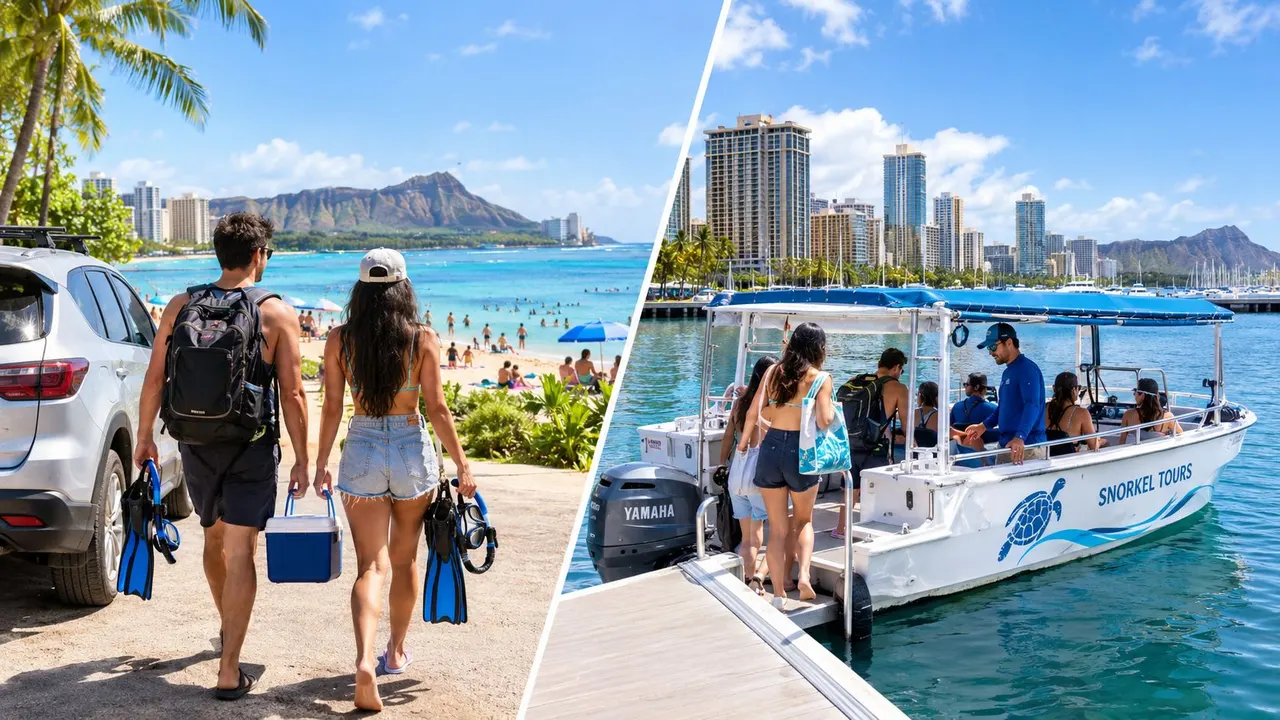
A boat tour provides access that swimmers can't safely replicate from shore. Turtle Canyon and similar offshore reefs require a boat, and the crew handles the route, entry points, flotation, briefing, and current awareness. A tour doesn't guarantee wildlife, but it generally gives turtle-focused visitors a more practical chance than searching random shoreline patches.
The family equation matters even more than the price. A shallow-water stop and a crew that can help a child back aboard may be worth the expense when a nervous 7-year-old is part of the group. A beach day with a nervous child can quickly become one adult watching the water while everyone else stays dry.
Match the plan to the swimmers
Choose DIY when your group has confident swimmers, a rental car, flexible timing, and an appetite for changing plans. Choose a guided trip when you're staying in Waikiki without a car, want offshore reef access, or have beginners mixed with stronger swimmers. The beach and offshore reef comparison helps clarify that trade-off before you commit.
For a family-friendly option, the Deluxe Waikiki Snorkel and Waterslide Cruise combines snorkeling with onboard activities, which can make the day easier for children who won't spend the entire outing in the water.
What to Bring and What to Skip
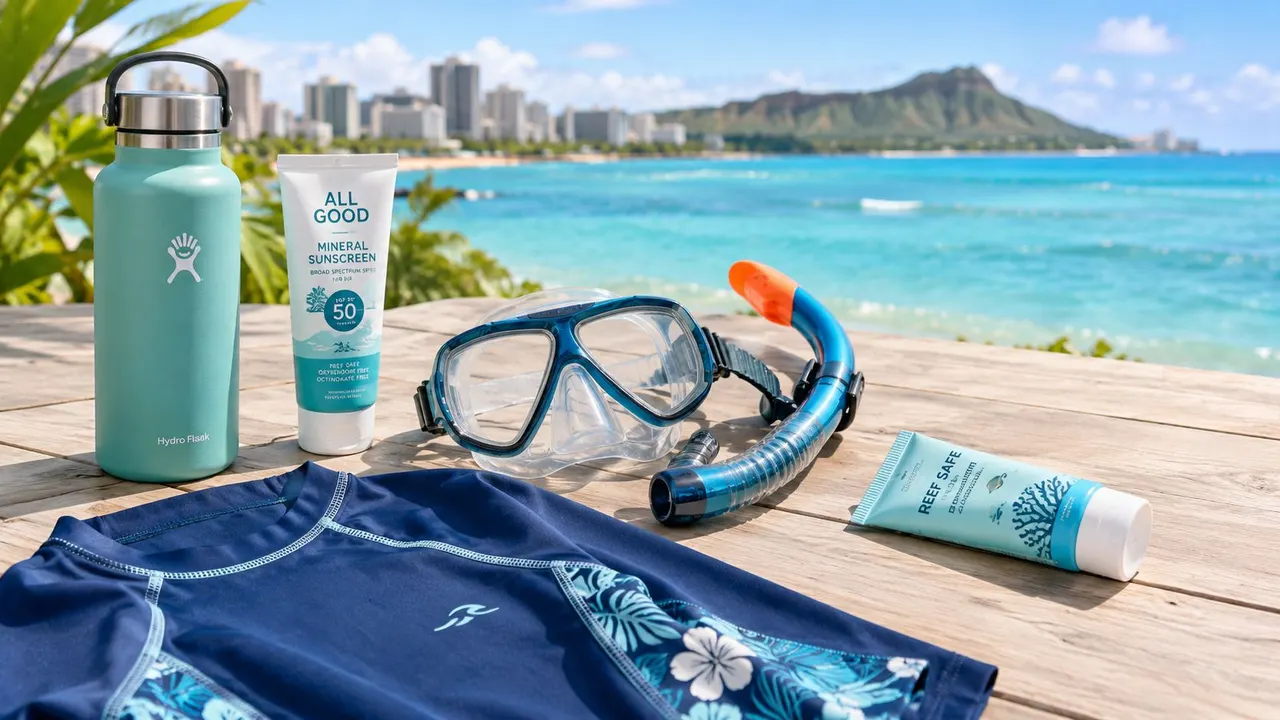
Start with sun protection that works in the water and creates less reef impact. Choose a zinc-oxide sunscreen, ideally labeled reef-safe, and apply it before you leave for the beach so it has time to settle. A rashguard or long-sleeve swim shirt does more consistent UV work than repeatedly relying on sunscreen while you're floating.
Your mask deserves attention before fins do. A leaking or fogging mask can ruin a first snorkel, so rent from a reputable beach shop or an ABC Store if you don't own one, then test the seal on your face. Full-foot fins are optional in calm, shallow water, but they become much more useful if a current develops or the group needs to cover distance efficiently.
Pack for the entry, not just the swim
Bring a reusable water bottle, reef-safe lip balm, microfiber towel, and water shoes. Water shoes are especially useful at rocky or lava-rock entries where a barefoot step can turn into a cut before the snorkel even begins. A small dry bag protects car keys and other essentials, while a phone in a proper waterproof pouch can handle photos without becoming a reason to chase marine life.
The Oahu snorkeling packing list is useful if you're assembling equipment for several beach days rather than one outing. Keep the kit compact. The more loose items you carry, the more likely something gets left on the sand or dropped near the water.
Skip cotton T-shirts, which become cold and heavy when wet and can billow in the water. Leave loose jewelry at the hotel, and don't trust a brand-new mask without a quick fog-prep rinse. If you're visiting Hanauma Bay, carry what you need for parking and the beach rather than assuming every convenience will be available at the exact moment you need it.
Safety, Etiquette, and Family-Friendly Tips
A good snorkel protects both people and the reef. Hawaiian ocean-safety guidance says not to feed fish, turtles, or other animals, and it specifically warns snorkelers never to stand on coral (Hawaii ocean safety guidance). Feeding changes natural behavior, while standing on coral breaks living structure and puts your own skin against sharp surfaces.
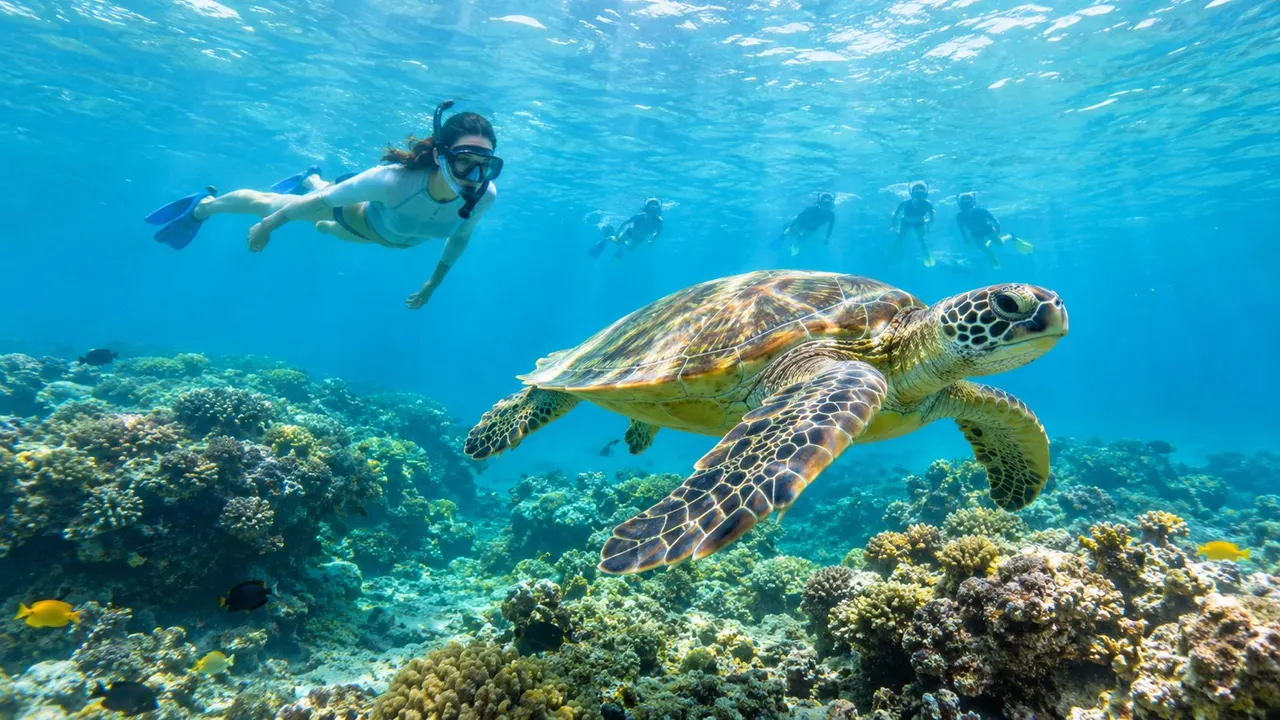
Hawaiian green sea turtles, or honu, need room to move and surface. Federal guidance calls for staying at least 10 feet, or 3 meters, away in the water and on land, and says never to touch, chase, feed, capture, or block a turtle's path (Hawaii turtle distance and protection guidance). Let the turtle choose its direction. If it swims toward you, hold your position or move aside rather than reaching out.
Keep your body position under control
Use a horizontal trim with your fins behind you. When you stop, keep fin tips from contacting the bottom and never use coral as a handhold. A scrape is avoidable when you stay aware of your position, but don't panic if the water feels more active than expected. Signal your group, head toward a sandy exit, and ask a lifeguard or crew member for help.
On a beach entry, check the day's wind and surf conditions and stay within sight of a lifeguard tower when possible. If you need assistance, raise one arm and wait for lifeguards to come to you. Don't attempt a long swim back while tired or separated from your group.
Make children part of the safety plan
Keep children within arm's reach, especially during entry and exit. Fit the mask before buying or renting it, and let a child practice breathing in shallow water before moving toward a reef. Kahanamoku Beach offers a sandier entry than rocky points, making it a more forgiving starting place for younger swimmers.
Turtles aren't the only animals that need space. Apply the same parallel-swimming approach to monk seals and spinner dolphins. Never swim toward them, and finish every outing with a freshwater rinse for your gear and yourself.
Seasonal Notes and Whale Watching
Oahu's water changes with the seasons, but the day's wind and swell still matter more than a calendar label. Late spring through early fall is generally the preferred period for Turtle Canyon conditions, even though tours operate year-round (Turtle Canyon seasonal guidance). Summer usually gives south-shore visitors more cooperative conditions, while winter can bring larger north and northwest swells that stir sand and make some reefs less inviting.
Honolulu Snorkeling by Season
| Season | Months | Typical Visibility | Wildlife Highlights | Best Spots Near Honolulu |
|---|---|---|---|---|
| Summer | May through September | Often favorable at south-facing and offshore sites | Reef fish and consistent honu viewing opportunities | Turtle Canyon, protected Waikiki reefs |
| Winter | October through April | Variable, with more weather-sensitive shore conditions | Humpback whales offshore, reef wildlife year-round | Sheltered Waikiki entries and suitable boat sites |
During winter, calm Kona-wind days can still produce excellent snorkeling. I'd rather choose a sheltered site on a calm day than force a famous exposed reef during a rough spell. Summer doesn't eliminate poor visibility either, especially after wind or rain.
Humpback whales enter Hawaiian waters around November and remain in the channels through March, with sightings often strongest in January and February. From Waikiki, Diamond Head and Koko Head provide land-based lookout options. Boats leaving Kewalo Basin may encounter whales offshore, but snorkeling remains the primary activity and crews must keep appropriate distance. This Oahu whale-watching guide provides more context for planning a separate wildlife outing.
Green sea turtles nest mainly on Oahu's north and west shores during summer, but the resident snorkeling population near Honolulu remains present throughout the year. For your day-of decision, prioritize the forecast, protected water, and your group's ability over the hope of matching a seasonal postcard.
Booking Tips and Getting to Kewalo Basin
Kewalo Basin Harbor is roughly 10 minutes west of central Waikiki by car or rideshare, depending on traffic. Most Waikiki hotels don't offer a direct bus route to the harbor, so driving, Uber, Lyft, or a taxi is usually simpler. A one-way ride commonly falls around $10 to $15, but confirm the live fare because traffic and demand change the price (Living Ocean Tours is one local operator departing from the harbor).
Free parking inside the harbor lot is limited and can fill quickly on weekend mornings. The small paid lot across the street is a useful backup. Arrive 30 minutes before check-in so you have time to find the slip, organize belongings, and hear any last-minute weather instructions without boarding in a rush.
Confirm the details before paying
Compare direct operator websites with marketplaces such as Viator and GetYourGuide, and check Costco Travel if you're building a package around a Waikiki hotel. Comparison shopping only helps when you compare the same details.
- Cancellation policy: Ocean conditions can change quickly, so understand what happens if the operator cancels or reschedules.
- Included equipment: Confirm whether mask, snorkel, fins, flotation, and instruction are included or charged separately.
- Group size: A smaller boat may feel more personal, while a larger catamaran can offer more room for families.
- Boat operation: Ask whether the vessel anchors or moors at the snorkel site.
- Wildlife conduct: Confirm that the crew explains responsible turtle viewing and keeps guests from crowding animals.
Choose the operator style that fits your group. Couples and photographers may prefer a small-boat premium experience, families often appreciate the stability and space of a larger catamaran, and solo travelers or first-timers may favor a shared charter with a lower commitment. Living Ocean Tours offers a Turtle Canyons excursion from Kewalo Basin, and Snorkel Turtle Canyon is another option to compare for an offshore turtle-focused outing.
Living Ocean Tours offers guided Honolulu snorkeling from Kewalo Basin, including the Turtle Canyons Snorkel Excursion and a deluxe Waikiki cruise with extra onboard activities for families. Visit Living Ocean Tours to compare the available trips, check the meeting details, and choose a morning on the water that fits your group.


