
Snorkeling Honolulu: Top Sites and Safety Tips
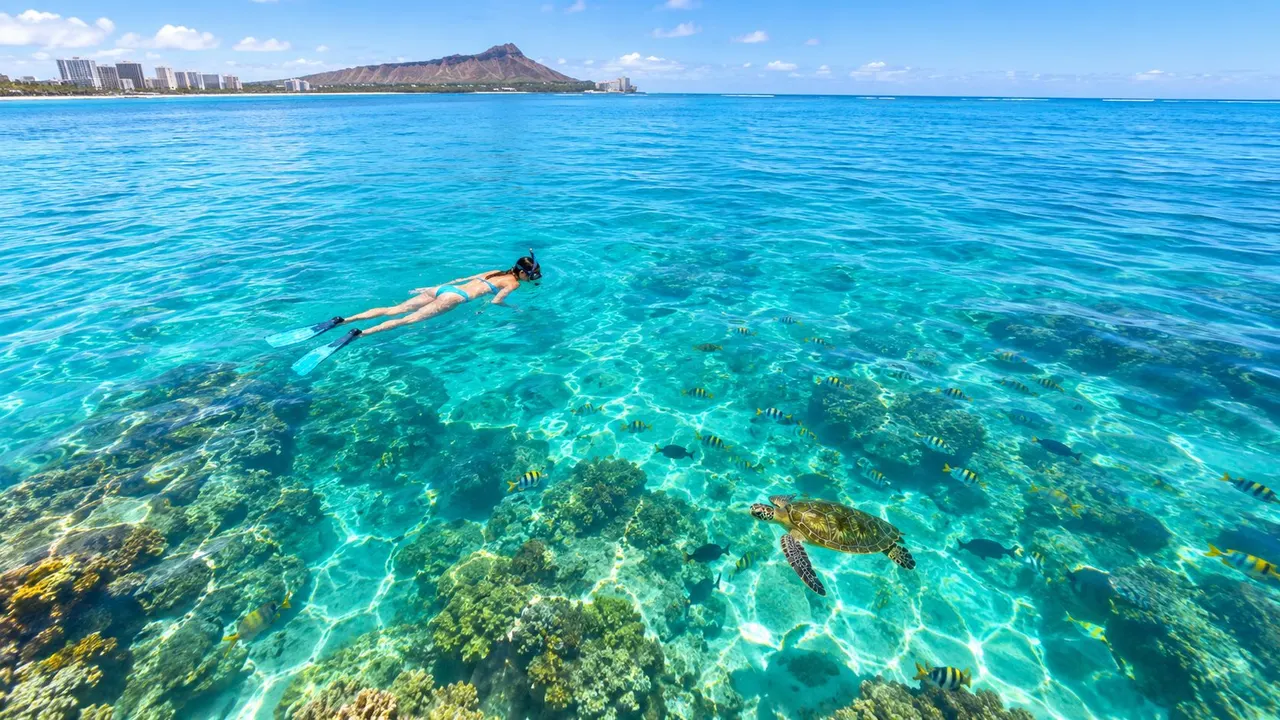
You're standing at the Waikiki shoreline with a mask in one hand, a weather app open on your phone, and a family group that's ready to get in the water. The beach looks calm, but that doesn't tell you whether the reef will be clear, whether the wind will build before lunch, or whether everyone in your group should be swimming offshore. Snorkeling Honolulu works best when you choose the site around the conditions, not the other way around.
The useful questions are simple. Is your group comfortable with a shore entry? Do you want reef fish, a protected bay, or a realistic chance to see Hawaiian green sea turtles? Can you start early, and will a boat remove more hassle than it adds? From the deck of a boat leaving Kewalo Basin, those decisions are usually more important than the name printed on a beach sign.
What Snorkeling in Honolulu Actually Feels Like
Before sunrise, Kewalo Basin is quiet enough to hear the harbor water tap against the hull. The boat moves past the last working lights, the salt settles on your lips, and the surface off Honolulu can look almost flat before the trade winds begin to roughen it. Under the boat, a dark volcanic shelf drops into blue water, reef fish flash along the edge, and a green sea turtle may cruise the sand line without giving the swimmers above much notice.
That's the version of snorkeling Honolulu people hope to find. On a good morning, visibility can reach roughly 20 to 40 feet, and the experience combines warm surface water, volcanic reef structure, tropical fish, and the possibility of a honu encounter. Those conditions aren't guaranteed, though. Wind, swell, runoff, tide, boat traffic, and your group's comfort level decide whether the same location feels relaxed or demanding.
Match the water to your group
A confident swimmer may enjoy a self-guided reef near Waikiki or Ala Moana. A first-time snorkeler may have a much better morning in a protected bay or with a captain who can fit the mask, provide flotation, and move the group when the water changes. A family with mixed abilities often gains more from an organized boat than from spending the first hour finding parking, negotiating a rocky entry, and guessing where the reef begins.
The practical goal is not finding the most famous site. It's choosing the right combination of location, start time, and supervision. Use this Honolulu snorkeling guide as a starting point, then read the water before you commit. The geography makes that choice much easier.
Understanding Honolulu's Snorkeling Geography
Think of Honolulu snorkeling as four different systems rather than one long list of beaches.
The first is the South Shore pocket reef zone, stretching through the general area from Ala Moana toward Kewalo. These sites are reachable from shore and can work well for swimmers who want flexibility. Their weakness is exposure. Wind-driven chop, surface traffic, and stirred sand can change the quality of the swim even when the beach still looks inviting.
The second is offshore turtle habitat, especially Turtle Canyon off Waikiki. This is a boat problem, not a beach problem. Turtle Canyon is an offshore reef and turtle cleaning station where Hawaiian green sea turtles visit while reef fish remove algae and other hitchhikers. There's no shore access, and visitors can't realistically swim, kayak, or paddle there independently, as explained in this Turtle Canyon snorkeling overview.
Four buckets for planning
- South Shore reefs: Choose these when the wind is light, the water is clear, and your swimmers are comfortable managing their own entry.
- Turtle Canyon: Choose a boat when turtles are the main objective and you want access to offshore reef habitat.
- North Shore summer sites: Sharks Cove and Three Tables become practical during the calmer summer period. Winter surf can make them unsuitable for snorkeling.
- Hanauma Bay: Treat this as a protected marine-life destination with its own access process, not as a casual stop you can always add.
Hanauma Bay is managed as a Marine Life Conservation District and has long been treated as a high-use reef area. A Honolulu carrying-capacity report says the preserve is sustainably supporting about 1,400 visitors per day under current conditions, while a 2026 quarterly survey found 27% of observed visitors were swimming or snorkeling. The same survey recorded 55% on the beach and 18% standing in the water, which shows why crowding affects the in-water experience as much as the beach.
This map gives you a useful rule. South Shore sites depend heavily on wind and morning clarity. Hanauma Bay rewards a flat, early start. North Shore snorkeling belongs mainly to the calmer summer pattern. Turtle Canyon remains a year-round boat target when offshore conditions allow.
Conditions, Crowds, and the Best Time to Get in the Water
The same beach can change noticeably between breakfast and lunch. For sheltered reefs around Honolulu, the most workable mornings usually combine easterly trade winds around 10 to 15 mph, low inside-channel surge, and an early start. As winds rise toward 15 to 20 mph and wave energy reaches roughly 2 to 4 feet, Waikiki-area snorkeling is often downgraded to fair. Chop stirs sand and cuts visibility. These thresholds come from local Oahu snorkel condition tracking, so use them as guidance rather than a guarantee for every beach.
Use a simple go-or-skip check
Judge the water at the entry. A clean surface, light shore break, and clear line to the bottom can support a comfortable beginner session. Brown water, visible sediment, breaking waves across the entry, or a strong seaward flow calls for a delay or a different site. After fresh rain, runoff can also reduce visibility near shore, making poor clarity a water-quality warning as well as a poor snorkeling condition. Oahu snorkel reports combine rain runoff, current, wave height, and regional clarity when tracking conditions.
Morning is usually the best operating window, before wind, beach traffic, and repeated fin kicks stir shallow sand. At Hanauma Bay and busy South Shore entries, weekday mornings generally offer more room than peak weekend periods. Honolulu carrying-capacity reporting also found that closures and weather events slightly reduced overall Hanauma Bay visitation in 2025 while tour-group visitation increased substantially. A quieter total day therefore may still feel crowded in the water.
For a fuller site-by-site planning reference, review this Honolulu snorkeling guide by site and conditions.
Captain's rule: Book the earliest workable departure, check the NOAA surf forecast and PacIOOS wind model the night before, then make a fresh shoreline decision in the morning.
Do not force a snorkel because you paid for parking, drove across the island, or reserved a time slot. A boat captain may move to a better site. A shore swimmer should be ready to change beaches or call it off.
Choosing Between Shore and Boat Experiences
There are three practical ways to get into the water around Honolulu.
Hanauma Bay gives first-timers a protected marine-life setting and a defined visitor process. It suits travelers who want a famous reef destination and don't mind planning access in advance. The trade-off is operational friction. Reservations, arrival timing, parking, and crowd density all shape the day before you reach the water.
Self-guided South Shore beaches, including areas around Magic Island, Kaimana, and Ala Moana, give confident swimmers the most flexibility. You can decide when to enter and leave without following a boat schedule. You also take responsibility for mask fit, flotation, route selection, current awareness, and the decision to turn around when conditions deteriorate. The Waikiki beach and offshore reef guide helps frame that choice around access rather than hype.
Boat trips make sense when the destination sits offshore, when your group has mixed swimming abilities, or when your time on Oahu is limited. A captain watches the wind and swell, the crew can help with gear, and flotation changes the experience for nervous swimmers. The trade-off is less independence and a fixed departure time.
Shore vs. boat snorkeling in Honolulu
| Option | Best For | Main Tradeoff | Booking Need |
|---|---|---|---|
| Hanauma Bay | First-timers seeking a protected preserve | Reservation and crowd-management friction | Reserve access in advance |
| South Shore beach | Confident swimmers and flexible budgets | You judge conditions and manage the entry yourself | Usually no tour booking |
| Guided boat | Turtle seekers, families, and short stays | Fixed schedule and offshore exposure | Reserve a departure |
Choose shore when your group is comfortable in calm water, the entry looks clean, and Hanauma Bay access is already arranged. Choose a boat when turtles, comfort, supervision, or time efficiency rank above spontaneity.
What to Bring and What to Skip
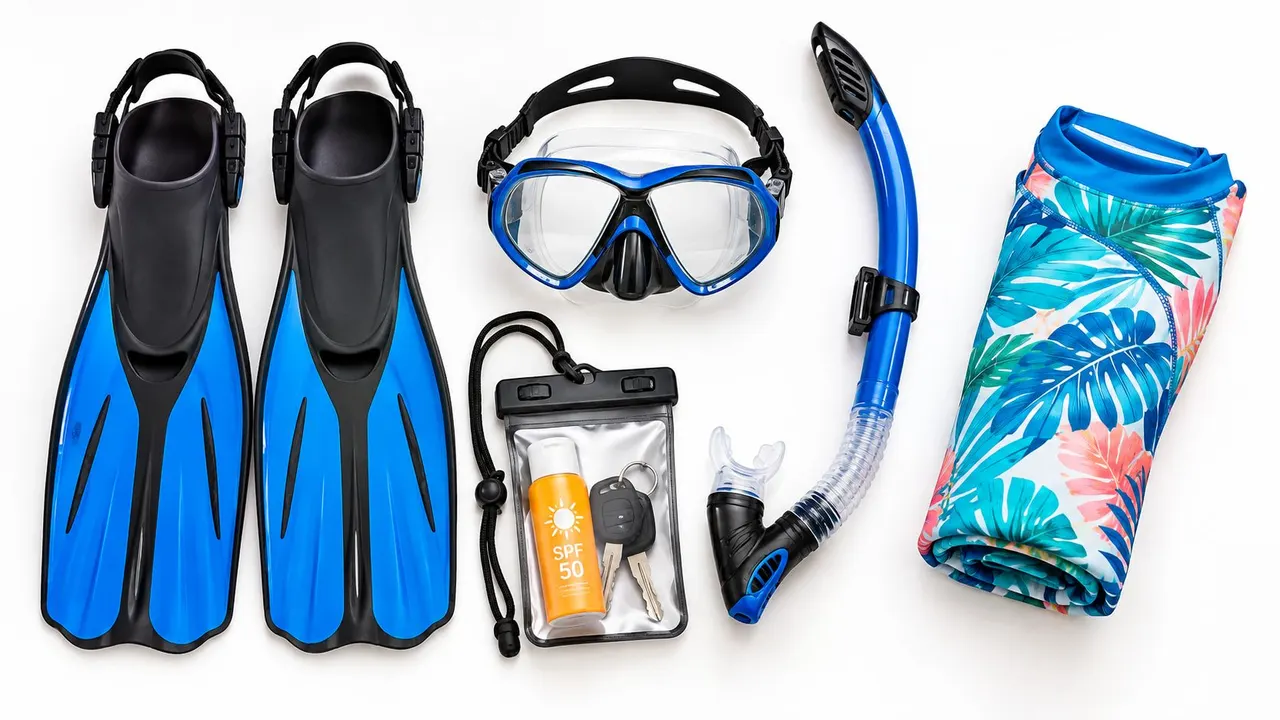
Pack for a short water session, not an expedition. A well-fitting mask and snorkel matter more than expensive accessories. Rent or buy gear only after checking the seal around the mask, and size fins so they stay secure without pinching during short reef swims.
The small kit that earns its space
- Mask and snorkel: Fit-test the mask before leaving the rental counter. A slow leak ruins concentration faster than almost any other gear problem.
- Fins: Choose a comfortable, properly sized pair for efficient movement. You don't need oversized fins for a calm, shallow swim.
- Rashguard: A thin layer helps with sun exposure and minor scrapes around rocky entries.
- Mineral sunscreen: Use reef-conscious mineral protection and cover exposed skin with fabric where practical.
- Water bottle: Bring enough drinking water for the outing, especially for children and older travelers.
- Dry bag: Protect your phone, keys, and room card from spray and wet decks.
For children, prioritize a mask that fits their face and a pool noodle or foam belt they can control. Bulky life jackets can make face-down breathing awkward, while correctly sized flotation helps a child relax without pushing the mask away.
Skip heavy full-foot fins, prescription masks that haven't been fitted before the trip, and beach-stand fins that have been badly warped by sun and storage. Cotton towels also stay wet and heavy all day. Most boat operators provide masks, snorkels, fins, and flotation, so duplicate equipment often creates more luggage without improving the swim.
A small tip for the crew is appropriate when the team has made the day safer and easier. Carry a dry change of clothes, keep valuables minimal, and leave room in your day bag for the basics rather than packing every piece of beach gear you own.
Guided Tours That Solve Real Problems
A guided tour should remove uncertainty, not add narration. The useful work happens before anyone enters the water. A competent operator checks the morning wind and swell, selects a site that fits the conditions, explains marine-life boundaries, fits each mask, and keeps an eye on swimmers once they leave the ladder.
When the boat is the only sensible access
Turtle Canyon is an offshore reef and turtle cleaning station. It isn't a beach where you can walk into shallow water and drift toward the action. The site has no shore access, so a boat is the practical way to reach it. The Turtle Canyons Snorkel Excursion is designed around that offshore access, with gear, instruction, and guided wildlife viewing.
Hawaiian green sea turtles are protected. A responsible crew doesn't promise a close encounter or chase an animal to produce a photograph. The crew creates space, watches the group, and lets the turtles continue their natural movement.
For families who want more than one reef stop, a deluxe Waikiki wildlife cruise can add flotation features such as a waterslide, water trampoline, and lily pad. That setup can work better for children who need breaks from face-down snorkeling. Larger catamarans may also suit multigenerational groups that value shade and easier stair access, while a small boat tends to feel quieter and more personal.
Judge the crew, not just the vessel
Ask how the operator handles a changing swell, whether flotation is included, how many swimmers each crew member supervises, and what happens if the planned site becomes poor. A group that overwhelms the water entry turns snorkeling into crowd management. A smaller, well-run operation can spend more time correcting mask leaks, spacing swimmers, and keeping the wildlife encounter calm.
Reserve ahead during busy travel periods, reconfirm the morning of the trip, and ask specifically about swell, visibility, and recent turtle activity. Living Ocean Tours is one option for guests comparing guided Honolulu departures, including the Deluxe Waikiki Snorkel and Wildlife Cruise.
Safety, Etiquette, and Reef Stewardship
Before fitting fins, study the entry. Choose the area with the least breaking water, locate the lifeguard, and watch the surface for several minutes. Channels, reef gaps, and the middle of a bay can direct water seaward, particularly around lower tide conditions.
A rip current may appear as darker water moving offshore, foam traveling away from land, or a gap in the incoming waves. If it catches you, stay calm and swim parallel to shore until you clear the channel, then angle back toward land. Review the Hanauma Bay safety guidance before entering reef channels, where the current may be difficult to judge from the beach.
Protect the animal and the reef
Hawaiian green sea turtles are federally protected. Keep at least 10 feet away. Do not touch, chase, feed, crowd, or block a turtle, and give it more room when it surfaces. These turtle distance and viewing rules are straightforward: let the animal choose its direction and keep your position predictable. The Hawaiʻi ocean safety guidance also supports that distance as a basic viewing standard.
If walking is unavoidable, use sand only. Pale coral may still be alive, and one fin stroke can break its structure or stir sediment over it. Secure your mask strap and fins before entering. In deeper water, keep your body horizontal, and never stand on coral while fixing equipment.
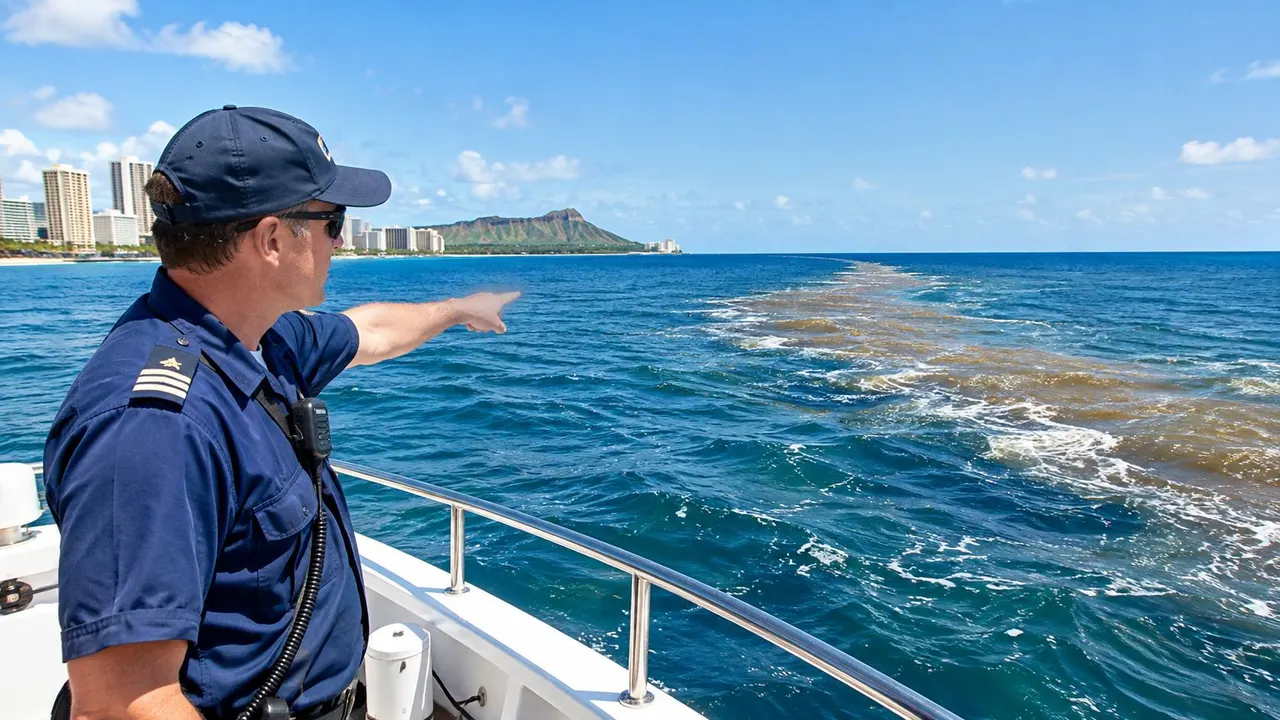
On a boat, listen to the briefing even if you have snorkeled elsewhere. Surface away from the ladder, keep your snorkel close when the vessel is maneuvering for photos, and never swim beneath a moving boat. Lose sight of your group? Raise an arm and remain visible instead of swimming off alone.
Wildlife rule: If your movement makes the turtle change its movement, you're too close.
Use mineral sunscreen before reaching the water, and wear a rashguard when possible. Hawaiʻi restricts some reef-harming sunscreen ingredients, so read the label rather than relying on loose ocean-friendly marketing. Rinse rented gear with fresh water, carry your own bottle, and leave shells, rocks, and every living part of the reef where you found them.
Seasonality and Whale Watching Windows
Oahu's snorkeling year is shaped by which shore faces the swell and how quickly the wind builds. Late spring through summer is usually the most versatile period for visitors who want South Shore reefs plus a realistic North Shore option. Sharks Cove and Three Tables are summer choices when the North Shore is calmer, while winter surf can make those entries inappropriate for snorkeling.
The South Shore remains the practical base for many Honolulu trips, but winter conditions can still make exposed reef entries less comfortable. Hanauma Bay offers a protected marine-life setting, yet it remains a high-use destination, and access pressure becomes more noticeable during school breaks and major travel periods. A boat lets a crew judge the offshore conditions on the day instead of committing you to one exposed beach.
Whale season changes the boat day
Humpback whales are a seasonal possibility from roughly December through March. On a calm morning, a Turtle Canyon departure may share the broader Waikiki coastline with migrating whales, but sightings are never a substitute for a snorkel safety decision. Keep entries quiet, follow the crew's instructions, and avoid splashy behavior around marine wildlife. Fins stay low, and swimmers should never pursue a whale or alter the vessel's safe operating plan.
Holiday periods, including late December, Easter week, and July 4, put more pressure on Hanauma Bay reservations and Kewalo Basin departures. Weekday mornings usually give families more breathing room than weekend slots. If your dates are fixed, reserve the experience that matters most first, then build the rest of the beach time around the conditions.
Honolulu snorkeling seasonality at a glance
| Month | South Shore Reefs | Hanauma Bay | North Shore, Summer Only | Whale Encounters |
|---|---|---|---|---|
| January | Favor sheltered entries and boats when exposed water is rough | Possible, but choose calm conditions and planned access | Usually not a snorkeling choice | Seasonal window |
| February | Boat-based routes can be more dependable | Use the bay when the morning is settled | Winter surf limits practical snorkeling | Seasonal window |
| March | Watch wind, swell, and runoff before shore entry | Good option on a clear, calm morning | Usually wait for the summer pattern | Seasonal window |
| April | Conditions begin to open, but check each morning | Strong shoulder-season option | Transition period | Fewer opportunities |
| May | Broad South Shore choice in calmer conditions | Favor early access | Summer pattern begins | Not the main focus |
| June | Early reef sessions can be excellent | Early reservations help avoid crowd churn | Good summer window | Not the main focus |
| July | Start early before wind and traffic build | Weekdays are easier operationally | Strong summer option | Not the main focus |
| August | Use sheltered sites and morning departures | Plan around access and crowds | Strong summer option | Not the main focus |
| September | Often a useful shoulder-season month | Early sessions can be comfortable | Still possible when calm | Not the main focus |
| October | Reassess exposed entries as seasonal surf changes | Choose the protected option when conditions favor it | Conditions become less dependable | Not the main focus |
| November | Favor sheltered water or a guided route | Watch wind, swell, and runoff | Generally skip rough North Shore conditions | Whale season approaches |
| December | Book around weather and prefer flexible operators | Holiday demand makes advance planning useful | Winter surf usually rules it out | Seasonal window |
Translate the calendar into three decisions.
- Choose the experience shape. Pick shore snorkeling at Hanauma Bay, Magic Island, or Kahanamoku Lagoon when you want flexibility and your group handles calm-water entry. Pick Turtle Canyon or a family-friendly catamaran when offshore access, flotation, or time efficiency matters.
- Anchor the time window. Use sunrise or the first available reservation for clearer water and less crowd churn. Choose a mid-morning boat only when it fits your schedule and the crew confirms conditions. Prefer weekdays over weekends whenever possible.
- Select the operator style. Couples may prefer a smaller boat with more commentary and a quieter reef. Families may value shade, broad stair access, and flotation features. Guests focused on guided wildlife viewing and ocean stewardship can compare an eco-conscious operator such as Living Ocean Tours with other local choices.
For winter, reserve the Turtle Canyon experience in advance and keep the morning flexible around the sea state. For summer, prioritize calm-weather mornings and consider the North Shore only after checking the surf. For Hanauma Bay, arrange access before you drive. Carry reef-conscious sunscreen, a rashguard, and water regardless of whether you choose a beach or a boat.
Living Ocean Tours offers guided Waikiki snorkeling with equipment, instruction, flotation, and access to offshore turtle habitat, plus a deluxe wildlife option for families who want more time on the water. Visit Living Ocean Tours to compare departures and choose a Honolulu snorkeling plan that fits your group, timing, and conditions.


