
Snorkeling at Waikiki: Spots, Tours, and What to Know
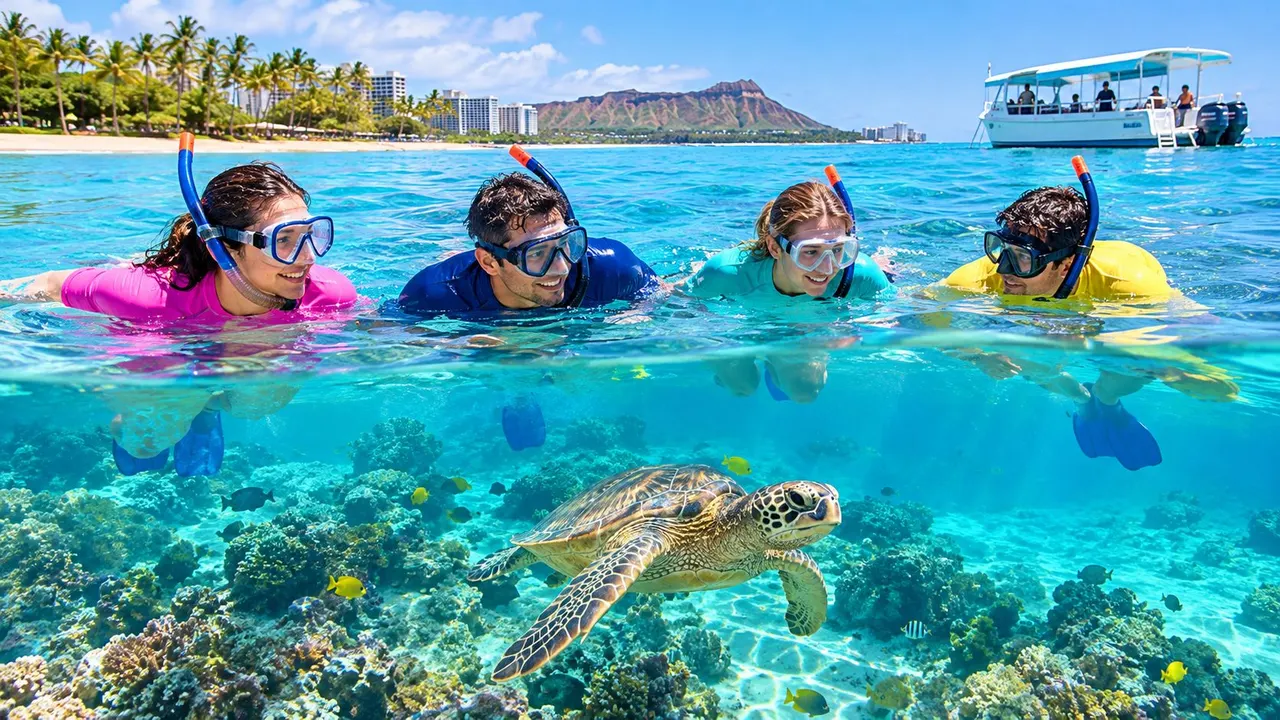
You've got the mask, fins, and sunscreen packed. The beach looks calm, Diamond Head is glowing in the morning light, and everyone in your group wants to get in the water. Then the practical questions arrive: Is the reef entry manageable? Did last night's rain affect the water? Will the kids be comfortable, and where are the turtles most likely to be?
Snorkeling at Waikiki is easy to access, but it isn't a remote reef adventure. You're entering a heavily used urban coastline shaped by beach crowds, runoff, protected habitat, and boat traffic. The best day comes from matching the location and tour style to your group, then treating the ocean conditions and wildlife rules seriously.
What Snorkeling at Waikiki Actually Looks Like
A family usually starts the same way. One parent adjusts a leaking mask on the sand, a child tests the fins in ankle-deep water, and someone asks whether the dark patches offshore are coral or just shadow. From Waikiki Beach, the setting feels relaxed and approachable, but the reef is shallow, the bottom can be uneven, and conditions can change before the group has settled into a comfortable rhythm.
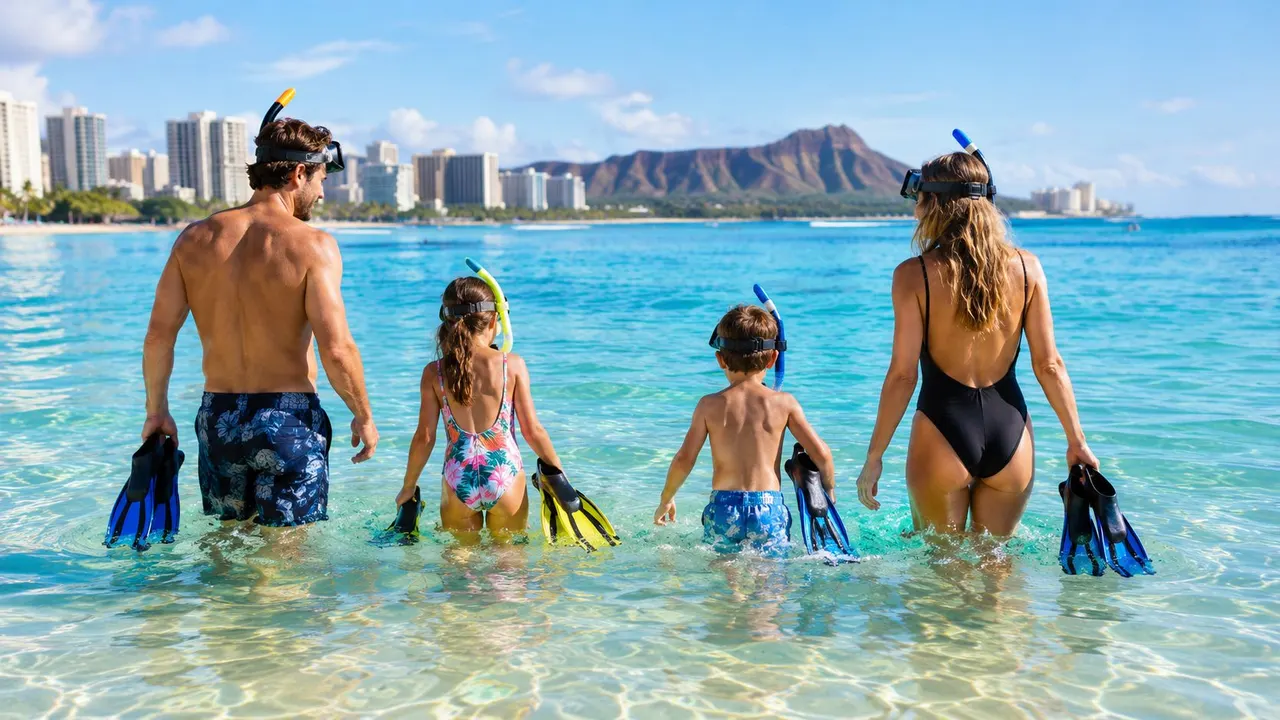
That accessibility is part of Waikiki's appeal. It's also why visitors need to understand the scale of the place. Historical research recorded approximately 8,355,448 annual visitors to Waikiki Beach, while NOAA-linked research estimated that more than 5 million people enter Hawai'i's nearshore waters each year for reef-related recreation (historical marine-use context for Waikiki snorkeling). Those figures describe overall beach and statewide nearshore recreation, not a dedicated count of Waikiki snorkelers, but they show why this coastline experiences substantial recreational pressure.
Waikiki's marine environment is managed, not untouched. The shoreline includes protected habitat, busy access points, and an active harbor nearby. A beach-entry snorkel gives you flexibility and costs less in planning, but it depends heavily on visibility, entry conditions, your swimming comfort, and whether the fish are active in the area that day.
A guided boat trip changes the equation. The crew can take you offshore to a known turtle cleaning station, help with equipment, manage the group in the water, and choose whether the day's conditions suit the planned site. For families, first-timers, and mixed-ability groups, that support often matters more than finding the cheapest way to enter the ocean. A useful starting point is this practical guide to snorkeling in Waikiki.
Understanding the Waikiki Marine Life Conservation District
The Waikiki Marine Life Conservation District is the reason the coastline's recreational appeal comes with clear boundaries. Hawai'i's Department of Land and Natural Resources established it in 1988, and it covers approximately 76 acres near Diamond Head. The district extends from the Kapahulu Groin seawall toward the Waikiki War Memorial Natatorium and reaches roughly 500 yards offshore (Waikiki Marine Life Conservation District background).
The district was created after fish populations and reef health declined under pressure from overfishing, reef trampling, and urban water-quality problems. Fishing and collecting marine life are prohibited inside the protected area. That protection allows nearshore habitat and species, including Hawaiian green sea turtles, to persist beside one of Hawai'i's busiest tourism centers.
The rules visitors need to follow
The practical rules are straightforward:
- Don't fish or collect marine life. The district is a viewing environment, not a place to take animals, shells, or reef organisms.
- Keep off the coral. Stand only where staff or guides direct you, preferably over sand. Coral may look like rock, but living colonies can be damaged by feet, fins, and equipment.
- Leave turtles alone. Don't touch, feed, chase, surround, block, or ride a turtle.
- Keep at least 10 feet away. In the water and on land, maintain a minimum viewing buffer of 10 feet, or 3 meters, measured from the turtle to the nearest part of your body, including fins (Hawai'i marine-species protection guidance).
That last rule applies even when a turtle seems calm. If a honu approaches a stationary swimmer, hold position or slowly back away. Don't swim after it because it appears comfortable around people.
Practical rule: If the turtle changes direction, repeatedly surfaces, or has to work around your group, you're too close.
Waikiki's designation followed earlier O'ahu protections at Hanauma Bay in 1967 and Pupukea in 1983. The broader pattern is clear. Hawai'i has increasingly treated popular marine areas as places that require managed access, not unlimited use. Before booking any wildlife-focused trip, review how feeding sea turtles in Oahu can alter natural behavior and create dangerous expectations around people and boats.
Best Snorkeling Spots Around Waikiki
Waikiki gives you three realistic choices. You can enter from the shoreline, take a boat to the offshore turtle cleaning station, or make a separate island outing to a more managed or less urban snorkeling area. None is automatically best. The right choice depends on your group's water confidence, patience, and interest in the ride itself.
| Spot | Access | Skill Level | Most Likely to See |
|---|---|---|---|
| Waikiki shoreline reefs | Beach entry | Confident beginner to intermediate | Tropical reef fish, occasional rays or octopus |
| Offshore turtle cleaning station | Guided boat trip | Beginner with support to experienced | Hawaiian green sea turtles and reef fish |
| Hanauma Bay area | Separate island outing with managed access | Beginner to intermediate | Reef fish and a structured snorkeling setting |
| North Shore sites | Longer day trip and variable entry | Intermediate, depending on conditions | Reef fish, seasonal marine activity, and less urban scenery |
Shoreline reefs
The shoreline is convenient when you want a short swim or don't want to commit to a boat schedule. In calm conditions, confident swimmers can see tropical fish around patchy reef and rock formations. The trade-off is reliability. Water clarity, surge, entry footing, and crowding can make the same beach feel easy one morning and frustrating later in the day.
Shore snorkeling also asks more of the swimmer than many first-timers expect. You need to judge the entry, keep track of your position, avoid coral, and return before fatigue becomes a problem. It's a reasonable choice for a capable swimmer who wants independence, not necessarily the strongest choice for a nervous child.
Offshore turtle cleaning station
A boat-accessible turtle cleaning station is the more dependable option when the main goal is seeing honu. At the reef, turtles may pause while small fish clean algae and other buildup from their shells. You still need patience and distance, but the site gives a guided group a clearer wildlife objective than searching along the beach.
This is my usual first-day recommendation for families and first-time snorkelers, provided the crew offers proper flotation, a safety briefing, and in-water support. You trade some flexibility for better site selection and assistance.
Hanauma Bay and the North Shore
Hanauma Bay can suit visitors who want a highly recognizable, managed snorkeling environment and are willing to plan a separate outing. The North Shore offers a different coastline and can feel less urban, but conditions and entry points vary, so it's not automatically easier.
For a first Waikiki day, choose the boat-accessible turtle site if wildlife is the priority. Save shoreline exploration or a broader island trip for a return visit, when you've learned how your group handles fins, masks, current, and ocean fatigue. This comparison of the best Oahu snorkeling options can help you decide how far beyond Waikiki you want to travel.
Why a Guided Waikiki Snorkel Tour Is Worth It
A Waikiki beach entry looks simple because the water is right in front of your hotel. The actual decision is more complicated. The coastline includes shallow, patchy reef, periodic urban runoff from the Ala Wai Canal, and boat activity associated with Kewalo Basin. A site that looks inviting from shore may have poor visibility, awkward footing, or more current than a first-timer can comfortably manage.
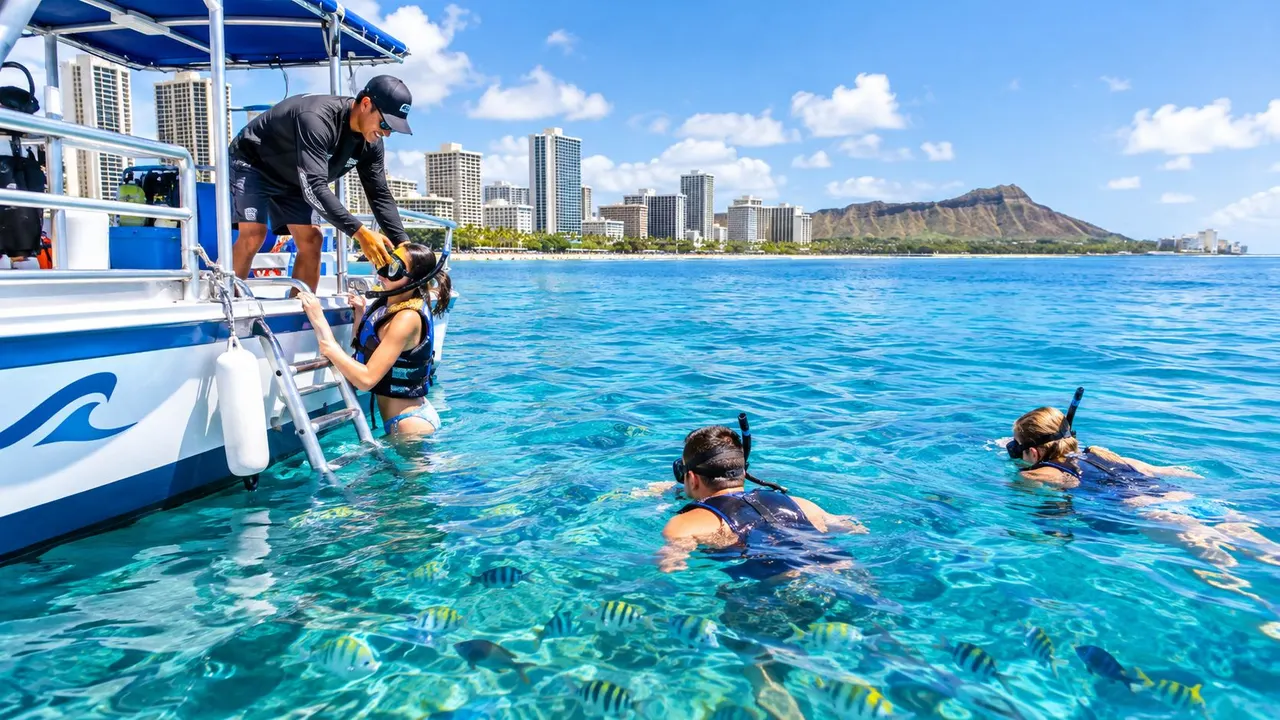
A guided trip removes several decisions at once. The crew selects the site, checks the water, fits the equipment, explains how to enter and exit, and keeps swimmers within a defined area. That doesn't make the ocean risk-free, but it gives beginners a better system for handling the variables.
What the boat solves
A boat also reaches marine habitat that beach walkers can't access efficiently. The short run offshore can place you near a known turtle cleaning station instead of asking your family to search a large, crowded shoreline. Guides can point out animals, manage spacing, and recognize when a swimmer needs a break.
That's particularly useful for groups with different abilities. A child may want to see turtles but need flotation. An older traveler may enjoy the boat and wildlife viewing more than a long swim. A confident swimmer may want more time in the water, while a nervous guest needs a guide close by.
Living Ocean Tours is the top rated and most reviewed snorkel company on Oahu, departing daily from Kewalo Basin Boat Harbor near Waikiki Beach. Its guided options are described in more detail in this Honolulu snorkel company guide.
A guided trip is worth the cost when it solves the problems your group would otherwise have to solve in the water.
A guided tour isn't automatically good, though. A rushed briefing, poor mask fit, crowded swim area, or vague wildlife policy can cancel out the convenience. The operator still needs to demonstrate competent crew management and respect for the site.
What Top-Rated Waikiki Snorkel Tours Include
A good tour begins before anyone enters the water. The crew should explain the plan in plain language, fit each mask, identify flotation options, and tell guests exactly where to swim and how to return to the boat. If you're handed equipment and sent over the side without understanding the entry, that's a warning sign.
Look for these basics:
- Fitted equipment: A mask that seals properly matters more than fancy branding. The snorkel should sit comfortably, and fins shouldn't pinch or slip.
- Flotation support: Vests, noodles, or other flotation devices give beginners a way to rest without standing on coral.
- A real safety briefing: The crew should cover boat movement, entry and exit, buddy awareness, currents, wildlife distance, and what to do if you feel tired or anxious.
- Visible supervision: Guides should remain attentive in the water and from the boat, not disappear into a separate task once guests enter.
- Wildlife standards: The operator should clearly prohibit touching, feeding, chasing, surrounding, and blocking turtles.
Match the trip to the group
Living Ocean Tours offers the Turtle Canyons Snorkel Excursion for guests focused on the offshore turtle site. Its Deluxe Waikiki Snorkel and Wildlife Cruise adds a waterslide and lily pad, which gives children and non-snorkelers another way to enjoy the boat between swims. You can review the Waikiki snorkeling tours before deciding which experience fits your group.
Another operator at the same turtle site can also be a great alternative. The important comparison isn't only the boat's appearance or the advertised wildlife. Ask who provides the in-water support, how the crew handles nervous swimmers, what flotation is available, and what happens when conditions don't suit the planned stop.
Before booking: Choose the trip that fits the least confident person in your group, not the strongest swimmer.
A short, well-managed snorkel is better than an ambitious outing that leaves one guest frightened or exhausted. The best operators make that judgment before anyone enters.
Waikiki Ocean Conditions and Safety Essentials
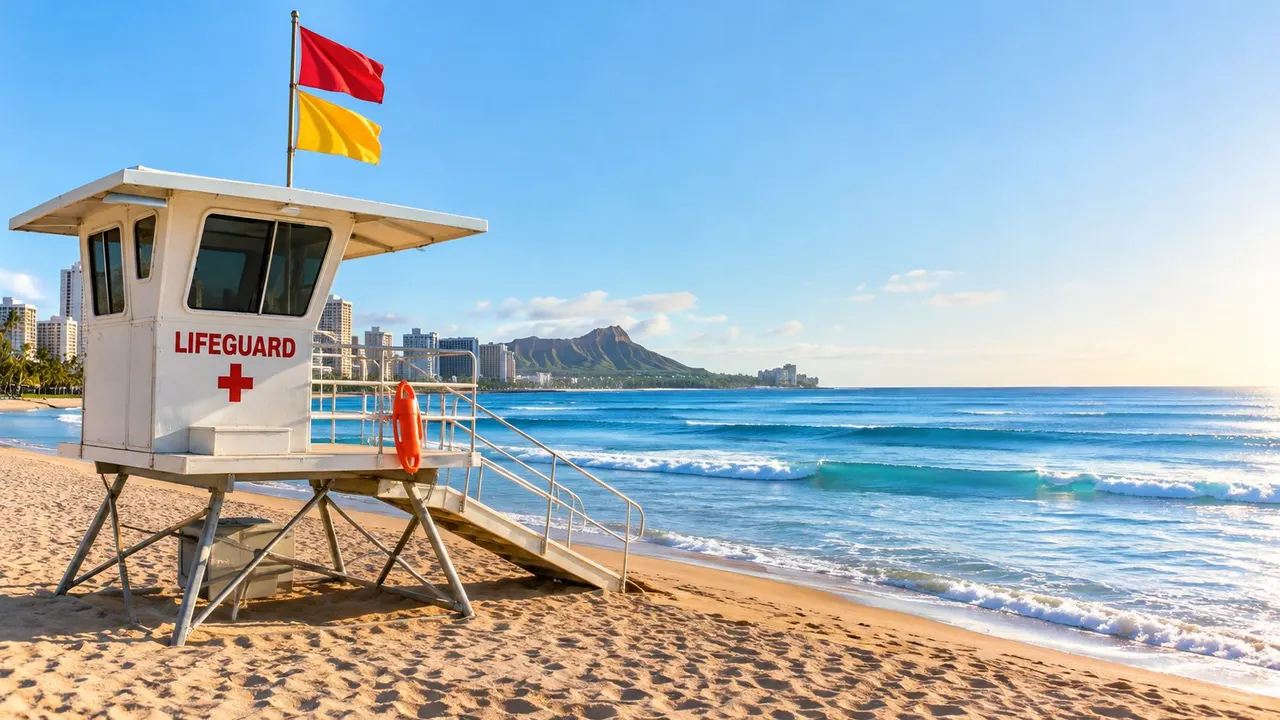
Ocean safety at Waikiki starts with more than looking at the sky. Check surf, wind, current, visibility, and water quality as separate questions. A calm surface can hide a tiring current, and clear-looking weather doesn't tell you whether recent rainfall has affected the water.
Use this five-minute pre-entry check
- Ask a lifeguard. Hawaii Ocean Safety advises avoiding high surf, strong winds, heavy shorebreak, strong currents, dawn or dusk conditions, and murky water. Lifeguards can tell you what the beach is doing now, not what it looked like earlier.
- Watch the entry and exit. If waves push people sideways, swimmers stumble on the way in, or the return looks harder than the entry, choose a different plan.
- Assess your ability. First-timers should use a buddy, consider a flotation vest, and practice with the mask and snorkel in shallow water before going farther out (responsible snorkeling guidance).
- Check visibility. Murky water makes wildlife viewing less rewarding and makes it harder to see coral, other swimmers, and changing conditions.
- Check recent rain separately. Don't rely on weather alone.
The post-rain question
After heavy rain, runoff can carry bacteria into nearshore water. The Ala Wai Canal and other urban drainage routes can affect Waikiki even when the waves look manageable. Recent destination guidance recommends staying out of the ocean for 72 hours after heavy rain and following brown-water advisories (Hawai'i Ocean Safety snorkeling guidance).
Check the Hawaii Department of Health advisory map, look for brown water or floating debris, and ask a lifeguard. Don't enter with open wounds, and reschedule rather than assuming a popular beach or guided activity is automatically suitable.
Boats and swimmers share the same water
Boat handling matters at shallow reefs. Hawai'i guidance recommends reducing speed to approximately 5 to 10 knots around harbors, boat launches, and shallow reef habitats where turtles may occur. State regulations also require no-wake speed within 200 feet of shore (wildlife-respect protocol for Hawai'i waters).
A responsible operator posts a lookout when feasible, approaches slowly, shifts to neutral when a turtle is ahead, and maintains a clear corridor between the boat and swimmers. As a guest, stay where the crew directs you, conserve energy with flotation support, and don't swim farther than you can comfortably return.
What to Wear and Pack for Snorkeling at Waikiki
The best Waikiki packing list is short. Wear swimwear and add a rash guard or UV shirt for sun protection. Bring reef-safe sunscreen, a towel, a dry bag for your phone and keys, and a light layer for the boat ride back when wind and spray make wet skin feel cool.
Most reputable operators provide the mask, snorkel, fins, and flotation equipment. Confirm before you arrive so you don't rent duplicate gear or bring equipment that fits poorly. A flotation vest is sensible for children and first-timers, even when they're capable swimmers, because it reduces fatigue and helps them stay relaxed.
Skip reef shoes unless the operator specifically requires them for a particular entry. In shallow reef areas, shoes can make people feel comfortable standing where they shouldn't, while fins and careful movement work better for snorkeling. Enter and exit over sand whenever possible.
A simple checklist
- Wear: Swimwear, rash guard, secure sunscreen.
- Pack: Towel, dry bag, phone protection, light layer, water.
- Confirm: Mask, snorkel, fins, flotation, and meeting details.
- Leave behind: Loose jewelry, valuables, and anything you'll worry about losing in salt water.
- Remember: Never stand on coral to adjust equipment.
Snorkel Responsibly and Make the Most of Your Day
The best wildlife encounter is one where the turtle continues behaving normally. Keep 10 feet, or 3 meters, from Hawaiian green sea turtles in the water and on land, and leave enough room for them to surface, rest, and swim away. Don't touch, chase, feed, surround, block, or ride them.
The same passive approach applies to coral. Control your fins, maintain neutral buoyancy, keep equipment from dragging, and avoid stirring sediment. Don't feed fish around boats or reefs because conditioning can change natural behavior and increase conflict or collision risk.
NOAA distinguishes respectful observation from prohibited harassment. Federal and state protections prohibit harassing, harming, pursuing, wounding, killing, capturing, or collecting protected marine species. For a sea turtle viewed from a watercraft, NOAA lists a 50-yard minimum distance, while its Hawai'i-specific guidance recommends at least 10 feet for people in the water or on land. The situation determines the distance, but the principle stays the same, give wildlife room and don't change its behavior (NOAA marine-life viewing guidelines).
For a reliable first day, book the Turtle Canyons Snorkel Excursion with Living Ocean Tours from Kewalo Basin. If you're comparing operators, Snorkel Turtle Canyon is also a great alternative. Use the shoreline and conservation district as the place to practice the habits that keep Waikiki's marine life healthy.
Living Ocean Tours offers guided Waikiki snorkeling from Kewalo Basin, including gear, flotation support, crew instruction, and access to offshore wildlife sites. Visit Living Ocean Tours to choose between a turtle-focused excursion and a family-friendly wildlife cruise, then plan your day around the ocean conditions rather than forcing the schedule.


