
Oahu Snorkeling Guide: Top Spots & Tips for 2026
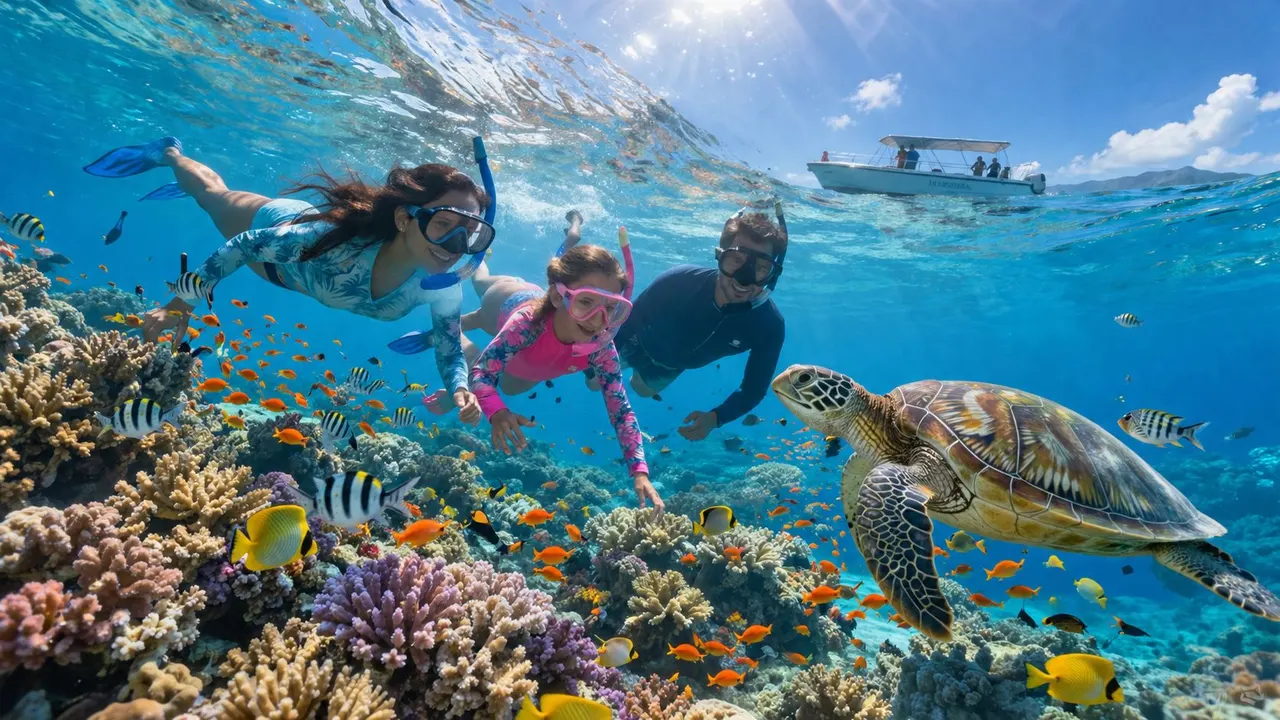
You've just landed in Honolulu, your bags are still half-packed in the hotel room, and the ocean is already calling. The water looks calm from the beach, the reef seems close enough to reach, and it's easy to assume snorkeling here will be simple. That's exactly why Oahu snorkeling can surprise first-time visitors. The island gives you easy access to beautiful reefs, but the right site, the right time of day, and the right conditions matter a lot more than visitors often realize.
Introduction to Oahu Snorkeling
The first good snorkel day on Oahu usually starts before the crowds wake up. A family walks down to the beach with masks in hand, the water is still glassy, and the reef shows shape and color just offshore. That's the ideal version, and Oahu can absolutely deliver it when the site fits the day.
The island's appeal comes from variety. You can find protected lagoons, shallow reef flats, boat-only turtle sites, and more exposed coastal spots that reward experienced swimmers. The hard part isn't finding water, it's choosing the right entry for your skill level, your group, and the ocean state.
That's where good planning changes the whole trip. Some beaches are better for beginners, some are crowd magnets, and some look easy from land but become tricky once surf or current picks up. If you keep safety, access, and wildlife respect in view from the start, Oahu snorkeling stops feeling random and starts feeling manageable.
Understanding Oahu Snorkeling Conditions
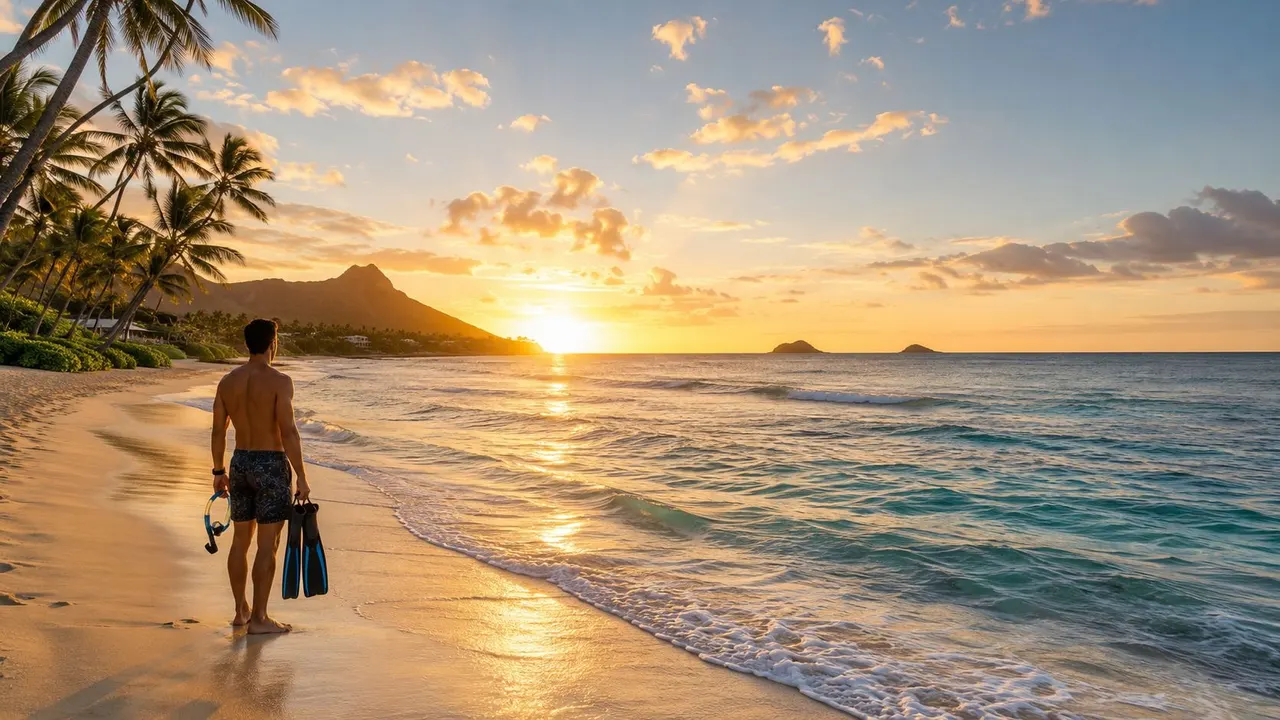
The ocean-state gate matters more than the beach name
Hawaii Ocean Safety is blunt about what makes a bad snorkel day, high surf, high winds, heavy shorebreak, and strong currents (Hawaii Ocean Safety). Those conditions decide whether the water feels calm and readable or chaotic and exhausting. Morning hours usually give you better visibility and calmer water, which is why the same beach can feel welcoming at 8 a.m. and much less friendly later in the day.
Think of current like a slow river moving across the reef. If you fight it, you burn energy fast and drift without noticing. If you pick a site with a sandy entry and manageable water movement, you give yourself a much safer start, because sand is far less punishing than jagged rock when you step in or exit.
Practical rule: check surf, wind, and visibility before you decide where to go, not after you've already parked.
Real-time conditions matter because popularity doesn't equal safety. A famous beach can still be the wrong choice for that specific morning, especially for kids, weak swimmers, or anyone who tires easily. For a practical forecast tool before heading out, use the island's Oahu surf forecast guide and compare it with the entry style you're comfortable using.
What to look for before you commit
A sandy bottom, light wind, and a clear path back to shore are the simple markers beginners should want. If you have to scramble over rocks, time your entry between waves, or guess where the current is pulling, the day becomes harder immediately. Good snorkeling isn't just about visibility, it's about how easily you can get in, breathe calmly, and get out without drama.
Top Snorkeling Sites on Oahu
A first-time snorkeler can have a very different day at two famous beaches, depending on skill level, crowd density, and the season. That is why the smartest choice is not just the site with the biggest name, but the one that fits how comfortable your group is in the water that day. Some locations reward beginners with calm, protected conditions. Others make more sense for confident swimmers or for families who want a guided setup that reduces guesswork (Island Hopper Guides).
Matching site to swimmer
Hanauma Bay is the classic beginner reference point. It is protected, shallow in the inner reef, and managed for visitation, with reservations and an educational orientation before beach access. That structure helps first-timers because it gives them a clearer start, almost like getting a quick map before walking into a new trail system. It is a strong choice for people who want a controlled environment, but it also draws a lot of attention, so planning ahead matters.
Turtle Canyon is different because it is offshore and boat-based. That makes it a better fit for travelers who want turtle viewing without dealing with shore entry, especially families and mixed-ability groups. A guided boat trip also takes one common worry off the table, since you do not have to judge whether the beach entry will feel too rough that morning.
Shark's Cove usually appeals to stronger snorkelers who are comfortable with more variable conditions and a busier shoreline. People look here for marine life and North Shore character, but crowding and seasonal surf can change the experience quickly. Electric Beach is also more of a confident-snorkeler site, with open-water exposure that rewards good timing and caution. Ko Olina Lagoons is the calmer option in this group, which is why many beginners and families use it as a gentler stepping stone.
Best-fit filter: choose the site that matches the least confident swimmer in your group, not the most confident one.
Comparison of Top Oahu Snorkeling Sites
| Site | Best Season | Skill Level | Highlights | Crowd Level |
|---|---|---|---|---|
| Hanauma Bay | Calm mornings when conditions are gentle | Beginner | Protected reef, orientation before entry, shallow water | High |
| Turtle Canyon | Boat-trip conditions year-round | Beginner to intermediate | Turtle encounters, offshore access, guided entry | Moderate |
| Shark's Cove | Quieter, calmer periods | Intermediate to advanced | Reef life, North Shore character | High |
| Electric Beach | Calm mornings | Intermediate to advanced | Strong marine life, offshore feel | Moderate |
| Ko Olina Lagoons | More settled weather windows | Beginner, families | Easy access, gentler water, simple entry | Moderate |
For Hanauma Bay specifically, one guide notes that it has set operating hours, with reservations shaping how and when you can enter (Hawaii.com). That matters because the bay is not a free-flowing beach day. It works more like a managed entry point, and that is part of why it suits first-timers so well.
If your priority is a quick family snorkel with less guesswork, Ko Olina Lagoons usually makes the logistics easier. If your priority is marine life and you want a less stressful route to turtles, Turtle Canyon is the cleaner answer because the boat gets you to the site directly. If your priority is checking off the island's most famous snorkel name, Hanauma Bay is the obvious reference point, but it asks for more planning than a casual beach stop.
Seasonal Tips for Better Snorkeling
Oahu's seasons change the quality of snorkeling more than many visitors realize. The same beach can feel clear and relaxed one month, then choppy and washed out another. If you want better odds, think in terms of timing, not just destination.
Use the day and season together
Early morning usually gives you the best starting point because water tends to be calmer and visibility tends to be better. That's especially useful at popular sites, since arriving early can reduce both surface chop and crowd pressure. It also keeps you from making a rushed choice after the beach fills up.
For North Shore sites, calmer windows matter even more because exposure can change fast. If the surf looks up, move your plan to a more protected area rather than forcing the original beach. The smartest snorkelers don't defend a location, they adapt to the ocean state.
Make crowd timing part of the plan
Popular spots are easier to enjoy when you avoid the busiest arrival window. Hanauma Bay's managed schedule makes early planning essential, and shoreline areas near Waikiki can feel much more open before the day heats up. If you're traveling with kids, earlier starts usually mean more patience, less fatigue, and better focus in the water.
A simple approach works well:
- Pick mornings first: calm water and better visibility usually show up earlier.
- Choose weekdays when you can: more popular beaches tend to feel less hectic.
- Keep a backup site ready: if wind or surf changes, switch instead of pushing through.
- Use shorter snorkel sessions: beginners often do better with a fresh, relaxed start.
When people think about “the best time,” they often only think about weather. On Oahu, the better question is, “What time gives my group the easiest entry, the clearest water, and the least stress?” That answer is usually an early one.
Safety Gear and Guidance for Families
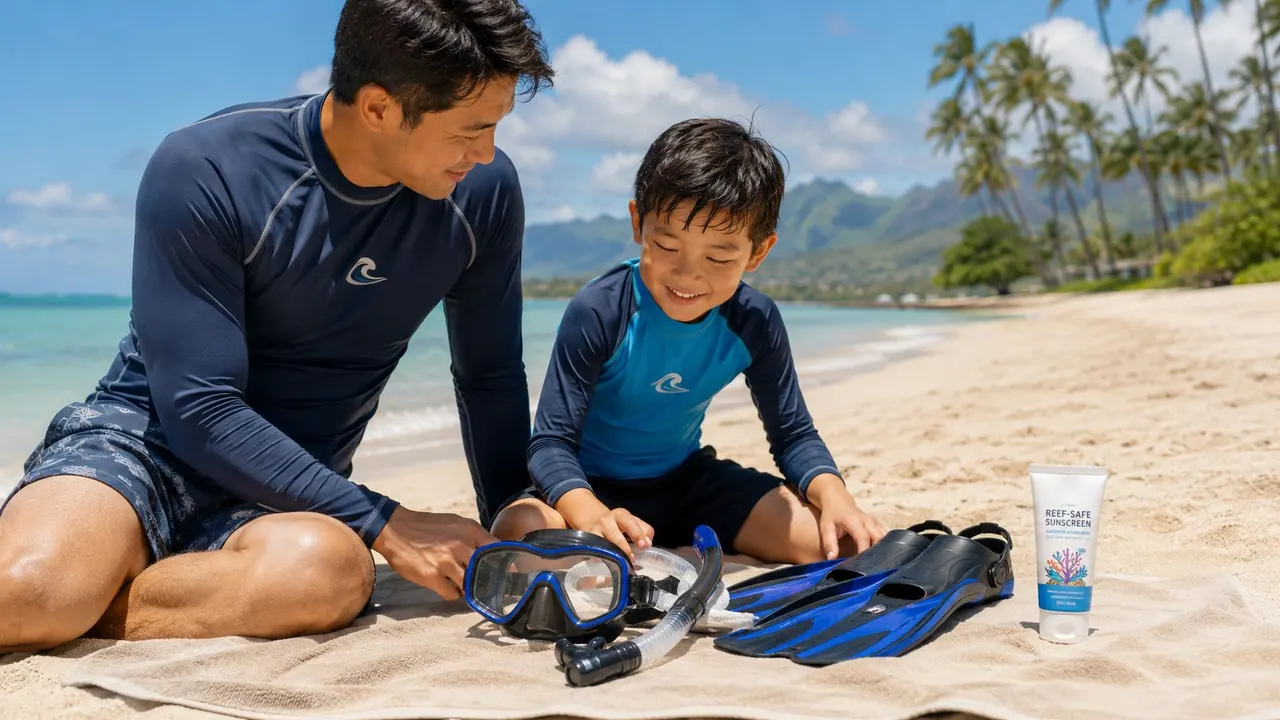
Start with gear that actually fits
A mask that leaks will ruin a trip faster than almost anything else. If the seal isn't comfortable on land, it won't feel better in the water. The same goes for a snorkel that feels awkward or fins that pinch, because discomfort makes beginners rush their breathing and stop enjoying the reef.
Kids usually do better with simple gear and clear rules. A snug mask, easy-to-use fins, and a flotation aid can make the experience feel calmer right away. Reef-safe sunscreen and a rash guard also help, since they reduce skin irritation and keep the day more comfortable in strong sun.
Family rule: if anyone in the group is tired, anxious, or uncomfortable before they enter, pause and reset.
The risk data in Hawaii is a reminder that snorkeling deserves respect. Out of 650 ocean drownings recorded from 2007 to 2016, 169 involved snorkeling (VOA News). That doesn't mean snorkeling is off-limits, it means close-to-shore water still needs planning, judgment, and a realistic view of conditions.
Safety habits that help mixed-ability groups
Buddy checks should happen before everyone gets in. Agree on a meeting point, decide who stays with whom, and plan the exit before the first kick. If the entry looks awkward, especially over rock or into moving surf, choose a different beach rather than trying to “make it work.”
Guided help can matter even more for families. Tour crews can brief swimmers, provide flotation, and keep an eye on the group while the ocean changes around them. For equipment advice and a simple packing checklist, the Oahu snorkeling gear guide is a useful place to start before you leave the hotel.
Keep fatigue in view. Snorkelers often get into trouble not because they're panicked at the start, but because they stayed out too long, pushed against current too hard, or ignored small signs that they were done. If someone's breathing gets fast, their kicking gets sloppy, or they're no longer smiling, it's time to head in.
Responsible Wildlife Viewing Practices
A good snorkel day leaves the reef unchanged. That means no touching coral, no chasing turtles, and no feeding fish. Those habits aren't just polite, they're what keep the underwater scene natural enough for the next visitor to enjoy.
Let marine life set the pace
Turtles are most memorable when they move on their own terms. If one passes nearby, hold your position, keep your fins quiet, and let it decide whether to come closer. The moment you chase, crowd, or block a route, the animal changes behavior and the encounter usually gets worse.
Small choices matter in the water. A controlled flutter kick keeps sand down and reduces the chance that you'll drift into the reef. That's especially important when visibility is already limited, because stirring the bottom makes both fish and turtles harder to watch.
Watch, don't direct.
Hawaii's snorkel culture works best when visitors treat wildlife as wild. That includes giving sea turtles space, staying off the coral, and resisting the urge to pose directly over animals for a photo. For site-specific etiquette and turtle-viewing rules, the Turtle Canyon snorkel rules guide is a practical reference.
Keep the reef in good shape
If you're floating above coral, move gently and stay aware of your fins. Even a casual kick can damage fragile growth or startle fish into hiding. Good etiquette also means skipping any feeding behavior, since fish that learn to crowd swimmers can become harder to manage and less natural to observe.
Respect makes the experience better for you, too. Calm snorkelers see more because animals stay relaxed around them. The best underwater moments usually happen when the human side of the encounter becomes quiet and steady.
Guided Snorkeling Tours with Living Ocean Tours
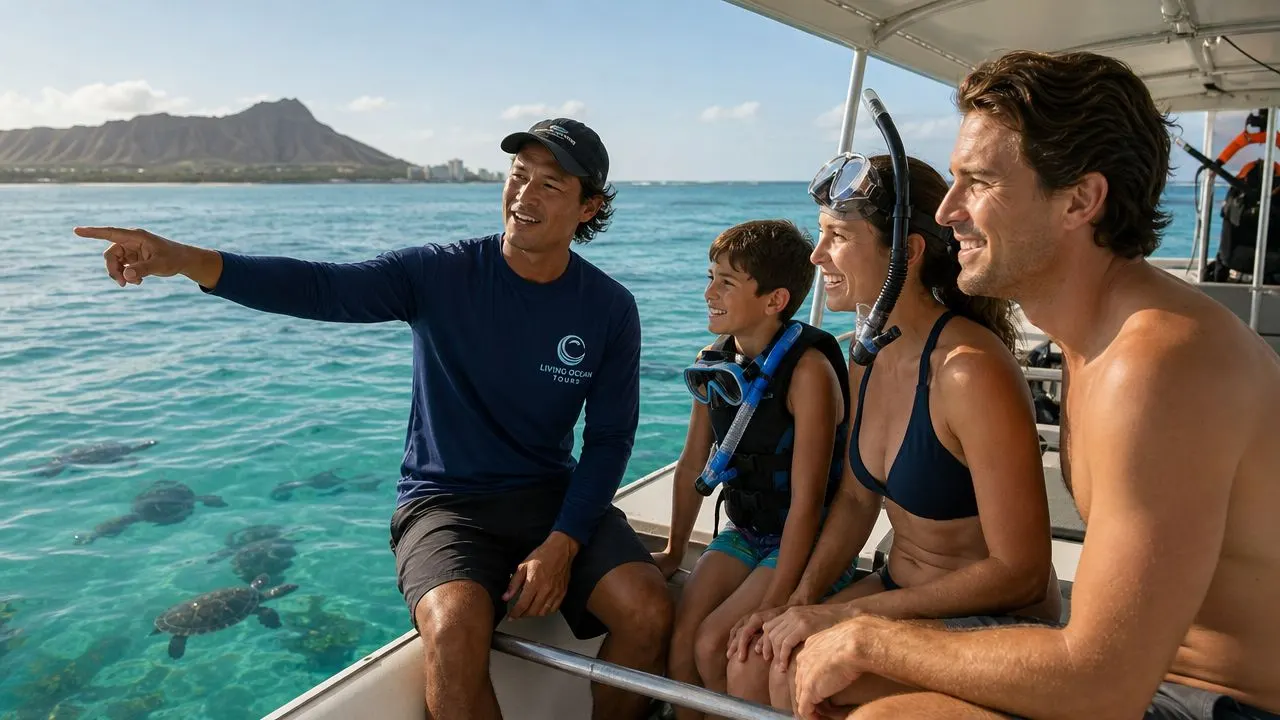
For travelers who want help with entry, gear, and site selection, a guided boat trip removes a lot of guesswork. Living Ocean Tours offers guided snorkeling and wildlife cruises from Honolulu, including the Deluxe Waikiki Snorkeling and Wildlife Cruise and a Turtle Canyon Snorkel Excursion that gets guests to the offshore snorkel site without shore-entry stress.
That model works especially well for beginners and families because the crew can match the site to the day's conditions and support the group in the water. It also solves the access problem at Turtle Canyon, which is about 500 meters offshore and requires a boat tour rather than shore entry (Reddit community guide). If you're trying to balance safety with a real chance of seeing turtles, that's a practical advantage.
Living Ocean Tours is also one option for travelers who want a guided Oahu snorkel outing with instruction, gear, and wildlife viewing in one place. For more information on their excursions, visit the Oahu snorkeling excursions page.
Conclusion and Next Steps
The easiest way to make Oahu snorkeling go well is to choose the site after you check the ocean, not before. Match the beach or boat to the least confident swimmer in your group, start early, carry the right gear, and treat wildlife with care. That approach keeps the day fun instead of rushed.
If you want the simplest path, pick one protected shore site for a relaxed start or book a guided boat trip when you'd rather skip entry stress and let a crew handle the logistics. Either way, the best snorkel days on Oahu come from planning, patience, and a little flexibility.
A CTA for Living Ocean Tours.


