
Honolulu United States Snorkeling: The Complete Guide
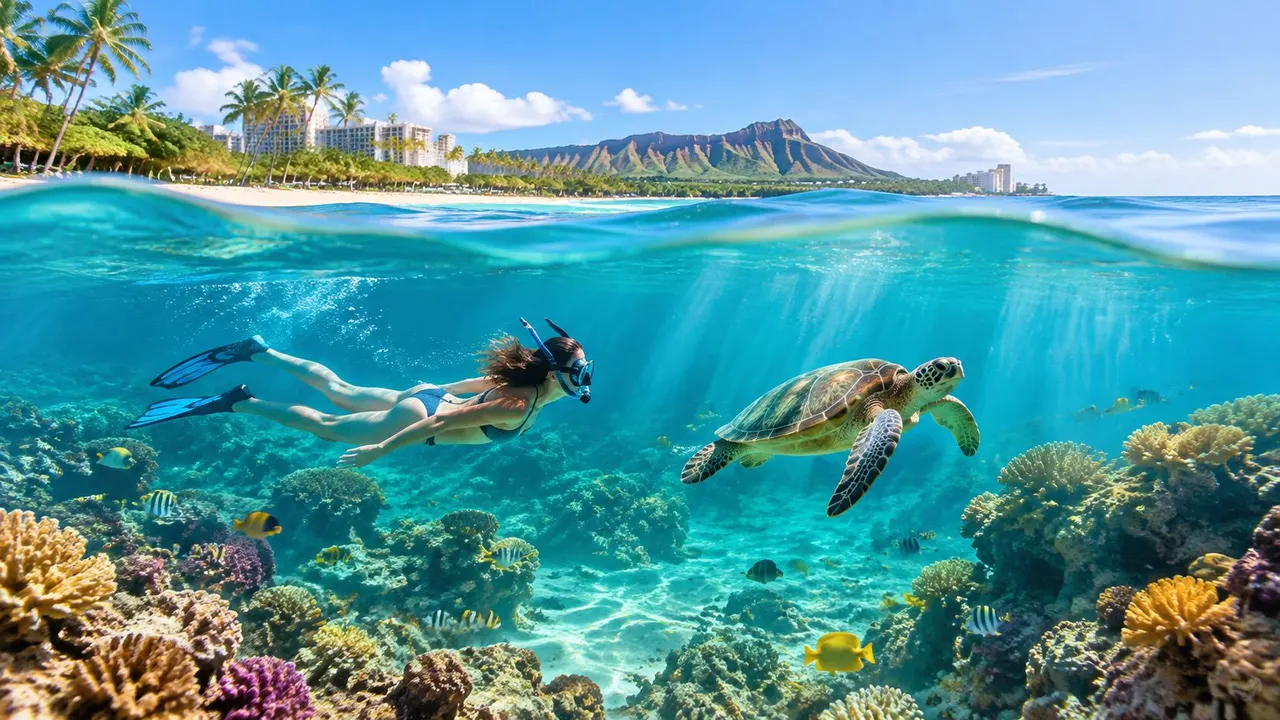
You've just arrived in Waikiki, the beach is calm, and the family is ready to get in. Then the mask fogs, the fins feel awkward, and the first question appears: should you stay close to shore, drive to Hanauma Bay, or book a boat to Turtle Canyons? In Honolulu, the answer depends less on a generic “best spot” list than on what the ocean is doing that morning.
A good snorkeling plan matches your ability, your group, and the day's surf, wind, visibility, and recent rainfall. This guide uses those signals to help you decide when a beach reef makes sense, when a protected area is the better choice, and when an offshore trip offers the cleaner, calmer experience. If you're comparing guided options, you can also review this Honolulu snorkeling experience before choosing your plan.
Picture Yourself Snorkeling in Honolulu
The first few minutes can feel clumsy. You step onto the sandy bottom near Waikiki, adjust a mask that keeps fogging, and drag your fins through shallow water while trying to breathe normally. Then you clear the reef edge, look down into deeper blue water, and see a Hawaiian green sea turtle gliding below you.
That moment is why people search for Honolulu United States snorkeling before their trip. Yet the memorable encounter usually comes after a series of practical decisions. Is the shore entry gentle enough for the least confident swimmer in your group? Has rain reduced visibility near the Ala Wai Canal? Is the south swell pushing enough water onto the beach to make a boat trip the smarter choice?
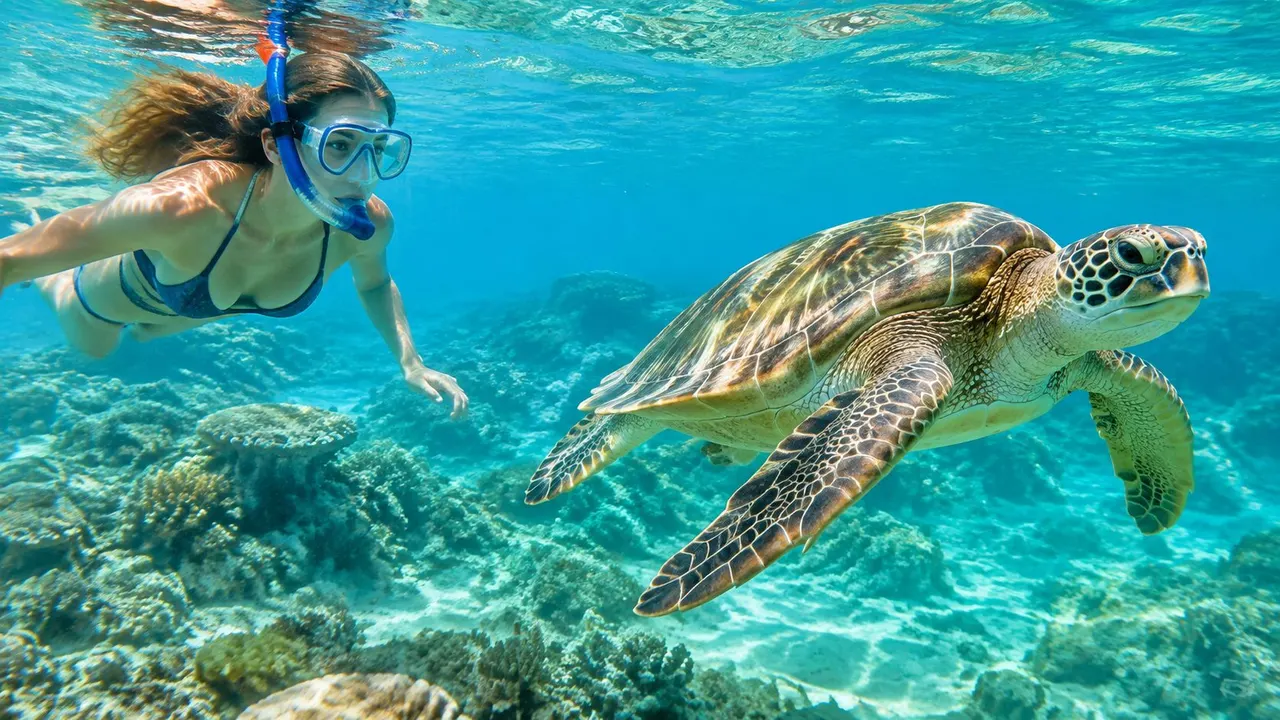
Honolulu gives you several distinct ways to get in the water. Waikiki and Ala Moana offer straightforward beach access, while Hanauma Bay provides a protected marine setting with concentrated fish life. Offshore reefs such as Turtle Canyons can deliver a different experience, especially when a captain can assess conditions and place guests in cleaner water away from the beach plume.
The decision you'll make within an hour
A first-time visitor often starts with the easiest option, then changes plans after seeing the conditions. That's sensible. A beach swim works beautifully when the water is clear, the surge is mild, and everyone can enter and exit without struggling. It becomes a poor choice when the reef is crowded, the shorebreak is active, or recent rain has turned the nearshore water brown-green.
Hanauma Bay is a major part of Honolulu's snorkeling story. A biological carrying-capacity study described it as one of Hawaiʻi's most heavily used snorkeling sites, with about 2,500 to 3,500 visitors per day, and reported that roughly 97% stayed on the inner reef flat rather than deeper water (Hanauma Bay carrying-capacity study). That scale tells you both why the bay can be rewarding and why timing, reservations, and reef etiquette matter.
The rest of this guide turns those observations into a same-day decision process. You'll learn how to read the ocean before committing, how to match each site to your group, and when a guided turtle canyon trip is worth the extra logistics.
How Honolulu Snorkeling Conditions Actually Work
Honolulu snorkeling conditions come down to four interacting forces: surf, visibility, runoff, and wind. A sunny sky doesn't guarantee a good reef session. The water can still carry suspended sediment, the swell can create uncomfortable surge, or the wind can make a normally easy entry tiring for children and casual swimmers.
Read the south-shore report first
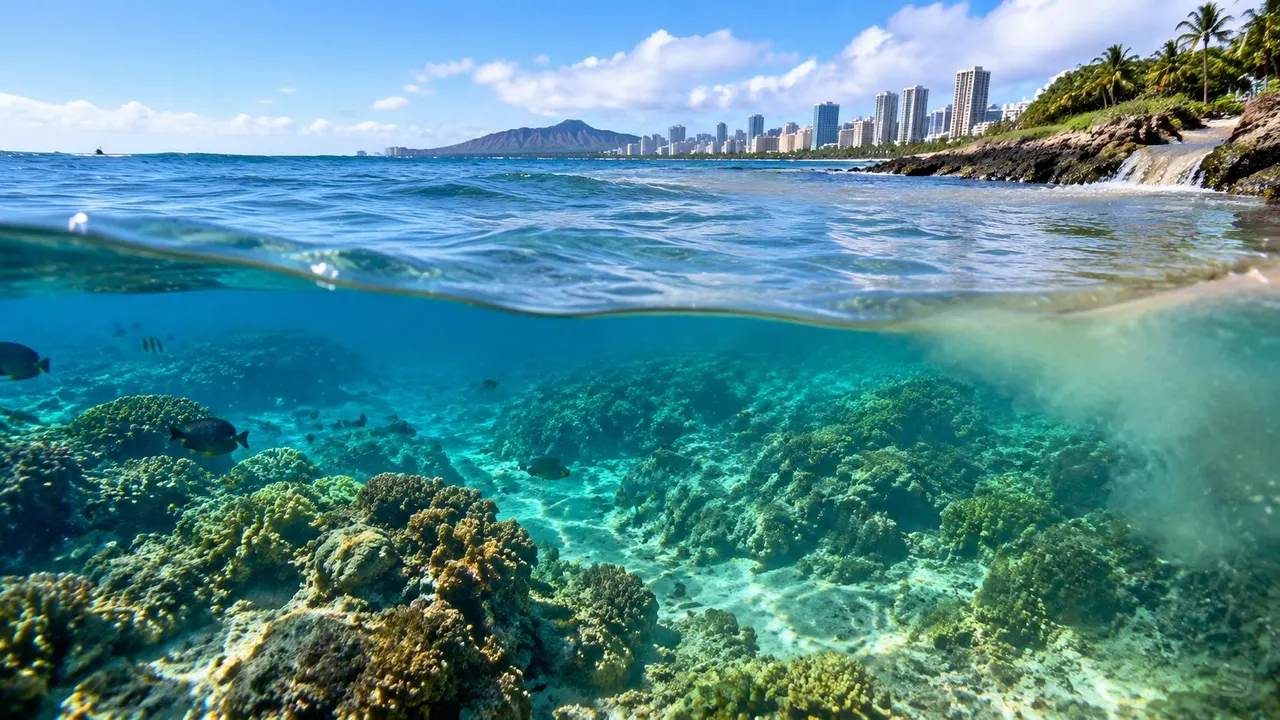
Waikiki faces south, so south swells affect the beaches and nearshore reefs. A report showing a 1 to 2 foot south swell with low surge can support a comfortable morning session, while a larger south swell can make entry, breathing, and surface swimming more demanding. The exact number isn't enough by itself. Look for the combination of swell height, direction, wind, surge, and the report's description of morning conditions.
Independent Waikiki snorkeling guidance identifies 15 to 30 feet of visibility on good days, with the calmest and clearest water commonly found early in the morning and during the dry season from May through September (Waikiki snorkeling conditions report). Early starts help because wind often builds later, boat traffic increases, and popular entry points become more congested.
Treat rain as a water-quality signal
Rain changes the decision even when the beach still looks inviting. Runoff can carry soil and urban contaminants toward the coast, and the Ala Wai Canal outfall can reduce clarity around Waikiki after storms. Suspended sediment makes it harder to see reefs and animals, while microbial loading can create a safety concern.
A practical Waikiki rule is to wait 72 hours after significant rainfall before ocean use, as recommended by the local conditions guidance linked above. If the water has a distinct green-brown plume, postpone the swim rather than trying to push through poor visibility.
Practical rule: If the water looks dirty, don't rely on a mask and snorkel to make the day safe. Change the plan.
Know what a better alternative looks like
When the South Shore has noticeable surf, Turtle Canyons may offer clearer water than a beach reef because the boat can move beyond the most affected nearshore zone. That doesn't make offshore water automatically calm. A captain still has to assess wind, swell, current, and the comfort of every guest before choosing the entry point.
For a more detailed planning reference, use this Oahu snorkeling conditions guide alongside the morning's local ocean report. The most useful forecast isn't the one promising the perfect day. It's the one that helps you decide whether your group should stay at a protected shoreline, move to a different beach, or board a boat.
The Best Snorkeling Spots in and Around Honolulu
Honolulu's best snorkeling site depends on the swimmer, the water, and the day's conditions. A sandy beach entry may suit a nervous child, while a boat-access reef can offer more habitat without a long surface swim. Use the table as a starting point, then check visibility, surf, and recent runoff before committing.
| Spot | Access | Best For | Typical Conditions | Wildlife |
|---|---|---|---|---|
| Sans Souci | Beach entry near Waikiki | Beginners and confident children | Often easiest in calm early-morning conditions | Reef fish and occasional larger animals |
| Kuhio Beach | Beach entry with lifeguard coverage | Families prioritizing convenience | Sand, crowds, and variable visibility can limit snorkeling | Limited marine life compared with dedicated reef sites |
| Ala Moana Beach Park | Sandy entry with patch reef areas | First-timers and casual swimmers | Protected-feeling entry, but clarity changes after runoff | Small reef fish |
| Hanauma Bay | Reserved access to a marine preserve | Fish-focused snorkeling in calm conditions | Sheltered setting, with high visitor use | Concentrated reef fish and coral habitat |
| Turtle Canyons | Boat access from Waikiki area | Turtle encounters and guided groups | Offshore conditions can be cleaner than shore water when runoff or surf affects beaches | Hawaiian green sea turtles and reef fish |
| Kewalo Pipe area | Boat or advanced local access | Intermediate swimmers | Requires better comfort with open-water conditions | Reef fish and seasonal marine life |
Match the site to the swimmer
Kuhio Beach has lifeguard coverage listed from 8 a.m. to 6:30 p.m., but its sand, crowds, changing visibility, and limited marine life make it better for a convenient swim than a focused reef session (Kuhio Beach information). Sans Souci is usually the more useful Waikiki option for beginners who want shore access and a reasonable chance of seeing reef life.
Ala Moana suits groups that value a simple sandy entry. Choose Hanauma Bay when fish habitat matters most and your group can manage its reservation process. A 2004 NOAA economic analysis estimated about 1,000,000 active visitors per year, including approximately 965,000 snorkelers, making the bay a major historical benchmark for reef tourism (NOAA marine managed areas economic analysis). Treat that figure as historical context, not a current visitation count.
Choose the boat when the beach is working against you
Turtle Canyons makes sense when seeing honu is the priority and nearshore clarity is poor. Boat access can place the group beyond a dirty or wave-affected shoreline, although offshore conditions still require a captain's assessment of wind, swell, current, and passenger comfort. It also avoids exhausting first-timers with a long swim from shore to better habitat.
At turtle cleaning stations, smaller fish remove algae and other material from turtles' shells and skin, creating useful observation areas for guided groups (NOAA turtle cleaning-station explanation).
Kewalo Pipe is better reserved for intermediate swimmers who are comfortable in open water and understand that local access can be less straightforward. Its reef fish and seasonal marine life may reward experienced visitors, but it is a poor default for a nervous child or a group dealing with uncertain conditions.
For more comparisons of access points and trip styles, use this Oahu snorkeling spots guide. Pick the site your least confident swimmer can enjoy safely, then switch to a boat trip when shore visibility or surf undermines the original plan.
Choosing a Guided Snorkeling Tour in Honolulu
A guided trip earns its place when Honolulu's conditions shift faster than visitors can read them. The captain can check surf at the launch, account for recent rain near the Ala Wai, and move the group if the first site has poor visibility. That same-day adjustment is difficult with a rental car, borrowed gear, and a beach map.
Compare the main formats
| Format | Typical Duration | Group Size | Price Range (USD) | Best For |
|---|---|---|---|---|
| Small-boat turtle canyon trip | Half day or shorter | Smaller groups | About $75 to $180 per adult | Turtle-focused guests and families wanting guidance |
| Larger catamaran excursion | Half day | Larger shared groups | About $75 to $180 per adult | Social groups and guests wanting multiple water activities |
| Shoreline guide session | Short to half day | Varies by operator | About $75 to $180 per adult | Beginners who prefer not to board a boat |
| Solo beach snorkeling | Flexible | Your own group | Gear and transport costs vary | Confident swimmers who can assess conditions |
Use those price bands only for planning. Trip length and inclusions vary, so ask whether the operator supplies masks, fins, flotation, reef-conscious sunscreen guidance, dry-bag storage, snacks, and photo files. Do not assume two tours offer the same package.
A beach session suits confident swimmers who can read surf and visibility. A small boat works better when shoreline runoff, chop, or a long swim makes the beach plan a poor choice. Larger catamarans add shared activities but usually mean a bigger group and less flexibility at one site.
Verify the operator before paying
Before paying, review this Honolulu snorkel company guide and confirm the operator holds a Coast Guard license and current marine-life permits where required. Check that the group size will not crowd the entry or reef.
The pre-trip briefing should explain currents, entry and exit points, separation procedures, and what the crew will do if conditions change. A captain should also be willing to tell guests not to enter. Hawaii Ocean Safety guidance identifies high surf, high winds, heavy shorebreak, and strong currents as poor snorkeling conditions, and advises checking with lifeguards. Honolulu Ocean Safety provides staffed towers and mobile patrols around Oahu. Use that local guidance instead of treating a booked tour or beach plan as a guarantee.
Living Ocean Tours is a Honolulu-based option offering guided Turtle Canyon trips and a broader Waikiki snorkeling and wildlife cruise. Compare departure logistics, inclusions, group setup, and cancellation terms with other operators before booking.
What to Pack and How to Prepare for the Water
The right equipment removes small problems before they become stressful ones. A mask that leaks or fogs can turn a calm outing into a panicked one, especially for a child who hasn't snorkeled before.
Build the bag around comfort
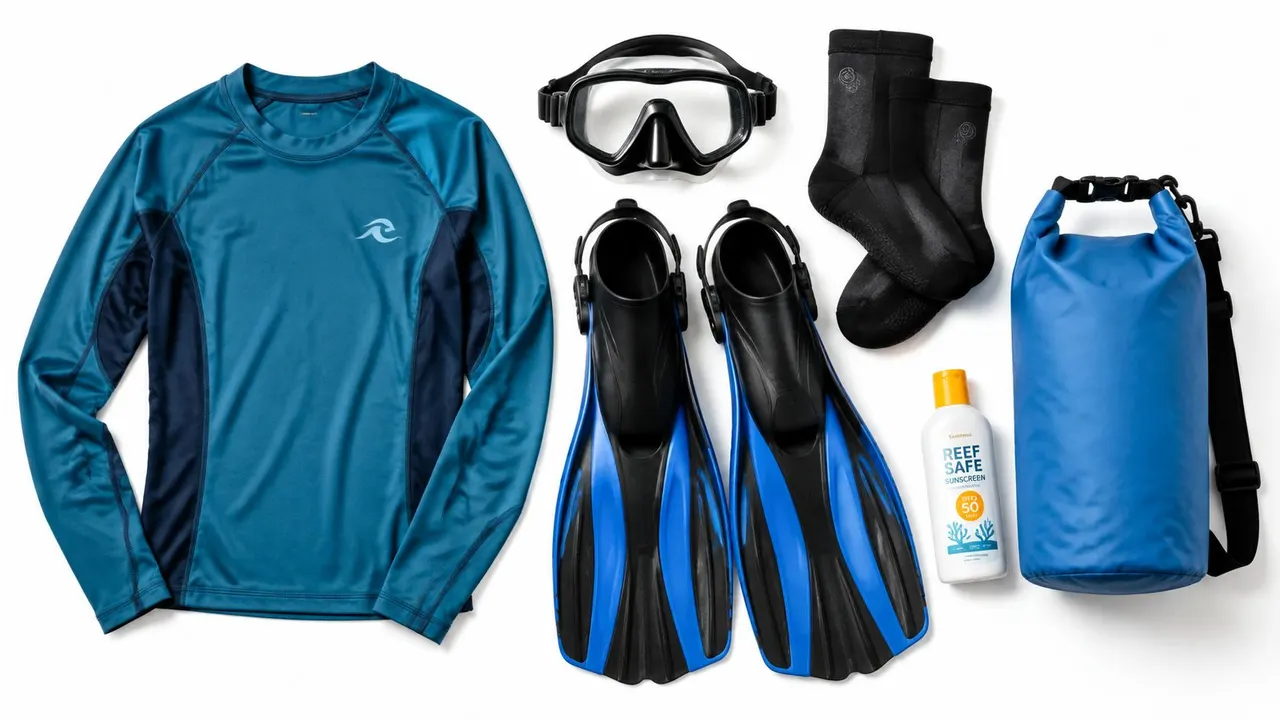
- Mask fit: Press the mask gently to your face without using the strap, inhale slightly through your nose, and check whether it holds briefly. A mustache-style gap or hair under the skirt will create leaks.
- Fins and socks: Full-foot fins should fit snugly, with neoprene socks if you need protection from rubbing.
- Sun protection: Pack a long-sleeve rash guard rated UPF 50+, plus mineral sunscreen using zinc oxide or non-nano titanium dioxide. Avoid oxybenzone and never use coral as a handhold.
- Lens care: Bring defog solution or a small amount of baby shampoo. Rinse the mask in fresh water after use.
- Warmth: A 3mm wetsuit top can help when the water feels cool, particularly for children or anyone who loses heat quickly.
- Entry protection: Water shoes are useful for rough lava-rock access points such as Black Rock or Shark's Cove, though those locations require their own careful condition check.
Prepare nervous swimmers before the beach
A snug flotation belt or pool noodle is more practical than a loose pool float, which can blow offshore. Keep phones and valuables in a dry bag, and consider a rash-guard hood for additional midday neck coverage.
Don't bring a brand-new mask straight to the beach. Soak it in fresh water, test the seal in a pool or shower, and practice clearing water from the snorkel. This Oahu snorkeling packing list is useful for checking the small items families often forget.
Before you leave the room: Test every mask, label children's gear, and decide who stays with whom in the water.
Staying Safe and Respecting the Reef and Turtles
Safety and reef protection start with the same decision: match the plan to the ocean. Chasing turtles, standing on coral, or forcing a swim through a crowded entry makes the experience worse for everyone.
Hawaiian green sea turtles are protected. Swimmers must not touch, chase, or harass them. A 1995 Hawaiian green turtle symposium paper describes turtles and fish as sensitive to diver approaches, with animals leaving when people come too close. At cleaning stations, hold your distance and let the interaction continue naturally.
Make the safety decision before entering
High surf, strong winds, heavy shorebreak, and strong currents are poor snorkeling conditions. Ask lifeguards about the site, avoid entering alone, and keep children and weak swimmers within immediate reach of a buddy.
- Check the waterline: Heavy breaking waves across the entry call for another site or a later attempt.
- Read the water color: Brown-green water after rain usually means runoff and reduced visibility. Do not follow other visitors into water you cannot assess.
- Enter carefully: At an unfamiliar beach, use a feet-first entry and keep fins clear of coral.
- Leave space: Do not touch coral, stand on reef, collect marine life, or block a turtle's route.
- Respect resting animals: A turtle on the beach needs the same wide berth as one underwater.
Crowding also changes the risk. As the Hanauma Bay carrying-capacity study cited earlier found, concentrating visitors on the inner reef flat increases the chance of accidental fin contact and wildlife disturbance. The preserve's visitor-management approach includes advance reservations and a daily visitor limit, so availability and crowd levels can affect the day's plan.
If the entry is packed, visibility is poor, or runoff has clouded the water, switch rather than forcing the beach swim. A less congested shoreline site may work when conditions are suitable. On rough or unclear days, a boat-based turtle canyon trip can offer a better-controlled alternative, provided the captain confirms that offshore visibility and currents are acceptable. Conservation is often a practical choice: fewer people in one tight area means more room for turtles, reef, and safer movement.
Sample Honolulu Snorkeling Itineraries
A useful itinerary leaves room for the ocean to disagree with your plan. Book the activity that fits your group, but keep a shoreline fallback for a day when visibility or surf changes.
The two-hour shore session
Choose Sans Souci for a simple Waikiki start, or Kuhio Beach if convenience and lifeguard coverage matter more than reef quality. Rent properly fitting gear, stay close to the entry, and plan this around a child's energy rather than trying to force a long swim.
This format suits first-time visitors, families with young children, and travelers with only a short gap before lunch or another activity. It's also the easiest plan to cancel when the water turns cloudy.
The half-day turtle plan
Reserve a morning Turtle Canyon catamaran or small-boat trip, then leave the afternoon open for lunch and rest in Waikiki. Morning departure windows such as 8 a.m. and 12 p.m. can align with calmer conditions, but the actual decision should follow the day's report rather than the clock alone.
For visitors focused on turtles, use the Turtle Canyon Snorkel Excursion. Snorkel Turtle Canyon is another option worth comparing, especially if departure location, group size, or cancellation terms fit your plans better.
The full-day east and North Shore route
A full day can combine a Hanauma Bay morning reservation with an afternoon North Shore stop at Shark's Cove when seasonal conditions are calm. Build in driving time, food, and a realistic exit plan. Shark's Cove is not a casual substitute when surf is active, so don't continue north just because it appeared on an itinerary.
This works best for confident swimmers with a rental car and enough flexibility to abandon the second stop. Families may prefer Hanauma Bay followed by a non-snorkeling North Shore visit if children are tired.
| Itinerary | Duration | Approx. Cost | Skill Level | Best For |
|---|---|---|---|---|
| Waikiki shore session | 2 hours | Gear rental and beach costs vary | Beginner | Young families and tight schedules |
| Turtle Canyon boat trip | Half day | Tour prices vary by operator | Beginner to intermediate with flotation | First-time visitors seeking guided wildlife viewing |
| Hanauma Bay and North Shore | Full day | Reservations, transport, gear, and meals vary | Confident swimmers | Flexible travelers who can adapt to conditions |
Treat any older price estimate as a planning guide, not a promise. Confirm current rates, reservations, transport, and availability directly with the operator or preserve before you build the day around them.
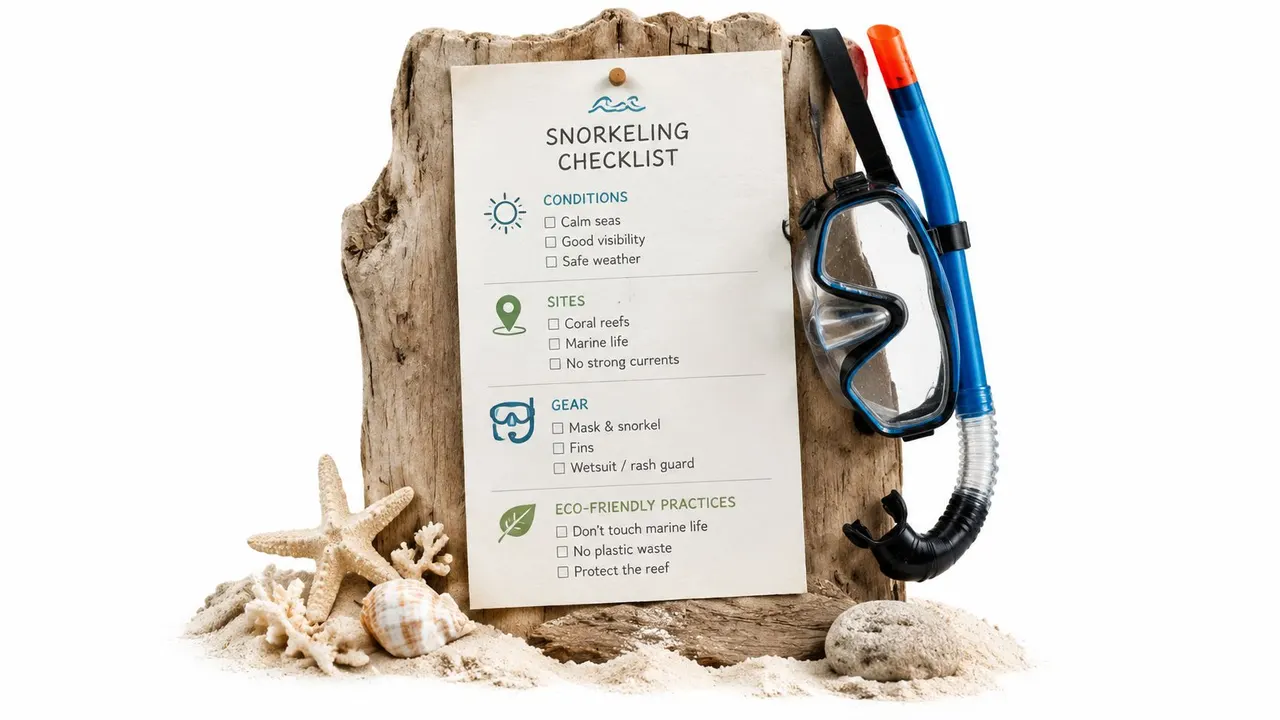
Your Final Honolulu Snorkeling Checklist
Before leaving Waikiki, match the plan to the least confident swimmer. Check whether everyone can enter safely, whether visibility is adequate for spotting hazards, and whether recent rain has affected the nearshore water. A beach reef and a boat trip solve different problems, so make that choice before you arrive at the entry point.
Before the trip
- Reserve access: Confirm Hanauma Bay requirements, or book a guided excursion before the morning you want is unavailable.
- Check the forecast: Review surf, wind, surge, visibility, and recent rainfall. Blue sky alone does not confirm safe snorkeling.
- Pack protection: Bring a fitted mask, fins, flotation for nervous swimmers, a UPF rash guard, mineral sunscreen, and a dry bag.
- Set expectations: Tell children that turtles are watched from a respectful distance, never touched or chased.
The morning decision
- Clear and calm: Use a beach reef when the entry works for every swimmer.
- Cloudy after rain: Wait, move away from runoff, or choose an activity on land.
- Surf or surge building: Ask lifeguards about the entry. Consider a boat only after the operator confirms that offshore conditions are suitable.
- Turtle priority: Choose Turtle Canyons when the boat entry matches your group's comfort and the ocean supports the trip.
In the water
Stay with a buddy, keep clear of coral and wildlife, and leave before tiredness affects your decisions. A turtle cleaning station is for quiet observation. Do not circle, block, or crowd it.
After the swim
Rinse rented or personal gear with fresh water, dry masks without crushing their seals, and store equipment carefully. Back up photos, and report injured wildlife to lifeguards or the appropriate local authorities. Leave space around wildlife when other swimmers arrive.
Quick answers
Which month combines calmer water with less crowd pressure? The calmest morning is usually the better choice than a fixed month. Check the conditions section, then favor an early start on a weekday when your schedule allows.
Can beginners handle Turtle Canyon? Yes, if the operator provides instruction, flotation, and a clear safety briefing, and each guest is comfortable in open water. Anyone struggling during a calm shoreline session should choose a protected beach option instead.
What should you do if the surf is up? Do not force the planned beach entry. Ask lifeguards, find a calmer alternative, postpone, or ask a reputable operator whether a boat outing remains appropriate. A canceled snorkel is safer than a dangerous one.
Living Ocean Tours offers guided Honolulu snorkeling from the Waikiki area, including turtle-focused trips with instruction, equipment, and responsible wildlife-viewing practices. Visit Living Ocean Tours to compare the Turtle Canyon excursion with the Deluxe Waikiki Snorkel and Wildlife Cruise, then choose the option that fits your group and the day's ocean conditions.


