
Snorkeling in Oahu: The Complete Guide for 2026
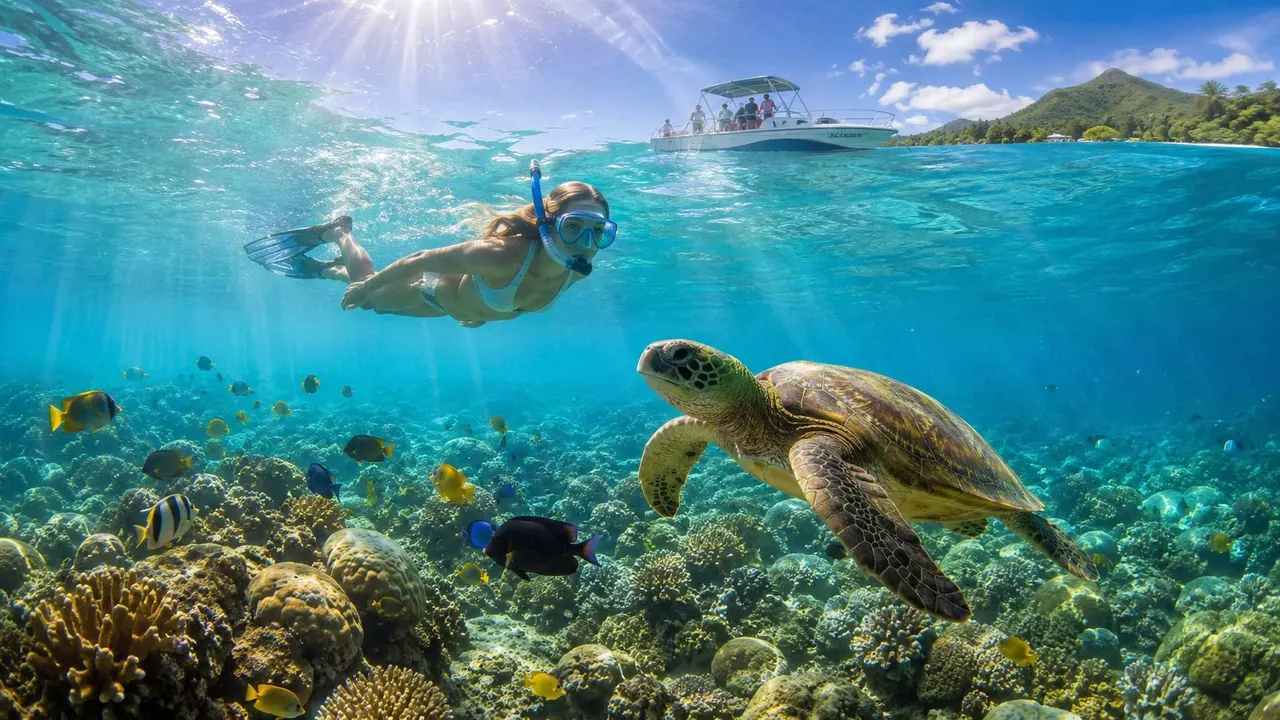
You've got the sunscreen packed, the kids are already asking about turtles, and now you're trying to decide whether a morning in Waikiki should turn into a snorkel day or stay a beach day. That's the choice on Oahu, because the island can hand you glassy water, a crowded parking lot, or a shoreline that looks inviting and turns rough fast. Snorkeling in Oahu rewards people who read conditions, not just beach photos.
Why Snorkeling in Oahu Is Different From What You Expect
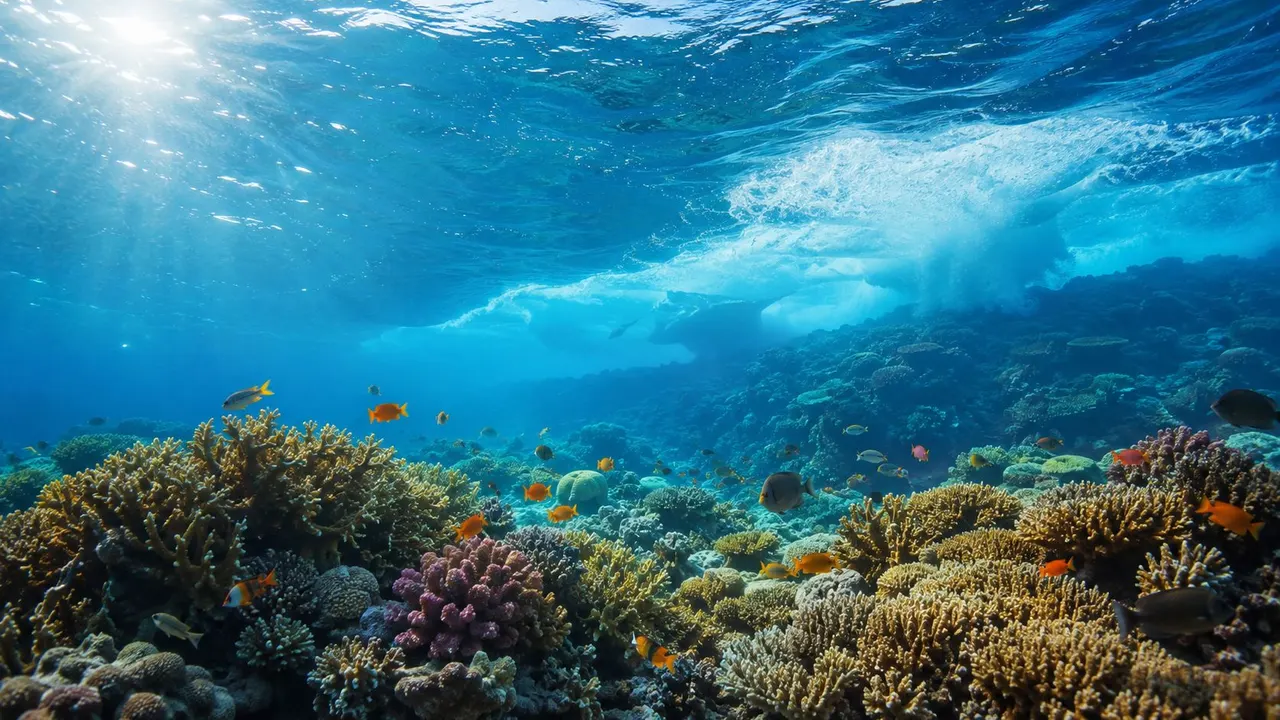
A family lands in Waikiki, looks out at calm-looking water, and figures the main decision is which beach towel spot to claim. Then the wind shifts, parking gets tight, and the reef that looked friendly on a map starts demanding better judgment. That is Oahu in plain terms. The right snorkel day here usually comes from matching the ocean's mood, not chasing the prettiest photo.
Hanauma Bay's history shows why people get this wrong. Hawaii's Department of Health reported 11 deaths between 2009 and 2013 at that single site, and the wider point is clear from state safety guidance, snorkel access can turn hazardous fast when swimmers ignore conditions and entry warnings (tracksmag.com.au). The same report also listed Waikiki Beach and Kahanamoku Beach and Lagoon among the state's deadliest beaches, so this is not only a remote-shore problem. It reaches the tourist areas people assume are harmless.
Practical rule: a shore entry can look easy and still be bad for swimming. On Oahu, easy access and safe water are two different things.
The other surprise is how uneven the island can be. One side may be workable while another is taking surf, wind, or shorebreak, and that is why snorkeling in Oahu is as much about timing as location. The state's snorkeling guidance warns against high surf, strong currents, and heavy shorebreak, and it tells swimmers to check with lifeguards before entering the water (Hawaii Ocean Safety).
That is also why a guided boat often beats a random beach choice. A captain can move with the day, while a shoreline visitor can only hope conditions stay friendly. For reef behavior that keeps you from damaging the bottom or crowding marine life, Living Ocean Tours' reef etiquette guide gives the kind of practical reminders that keep a good day from turning into a mistake.
Seasonal Conditions and When to Go
A good snorkel on Oahu starts with the shore, not the calendar. The island runs on a calmer half of the year and a rougher half of the year, and the same beach can be fine one week and a poor choice the next. Summer, roughly May through September, usually gives you better odds on exposed north-facing water, while winter pushes more pressure onto the North Shore and leaves leeward beaches more workable.
How to choose the right shore
Start with the surf forecast and the wind, then decide whether the beach is worth the drive. A small swell, light wind, clear water, and no high surf advisory usually point to a usable snorkel window. High surf, poor visibility, or strong wind are a reason to stay out of the shoreline and wait for a better morning. For a quick local read on what the numbers mean before you load the car, use Living Ocean Tours' surf forecast guide. On Oahu, a beach can look inviting at sunrise and turn messy by mid-morning.
Morning still gives the best odds. Independent Oahu snorkeling guidance recommends getting in before 8 to 9 a.m. for calmer water, better parking, and less sediment stirred up by boats and foot traffic (Honolulu Travels Oahu snorkeling guide). I've watched guests lose the clearest part of the day by showing up late. The reef doesn't wait for brunch.
Morning rule: if you want the clearest water, go early, go light, and head out when the wind starts to build.
| Season | South Shore (Waikiki, Hanauma, Ko Olina) | North Shore (Shark's Cove, Waimea, Pipeline) | Best For |
|---|---|---|---|
| Summer | Usually calmer and more workable | Often usable on better days | Flexible families, mixed-ability groups, more spot choices |
| Winter | Often the safer side for casual snorkeling | Rougher and often unsuitable | Leeward shore plans, guided outings, conservative swimmers |
Hanauma Bay also shapes the day around its operating rules. It is open daily from 6:45 a.m. to 3:30 p.m., with no entry after 1:30 p.m., and it is closed Mondays and Tuesdays so the reef can rest (Love Oahu). That makes it a strong early-day option and a weak fit for casual late starts.
For families, the useful question is not which beach sounds famous. It is which side of the island will give you safe, clear water today. The answer changes with the swell, the wind, and the hour.
Best Snorkeling Spots on Oahu Shore by Shore
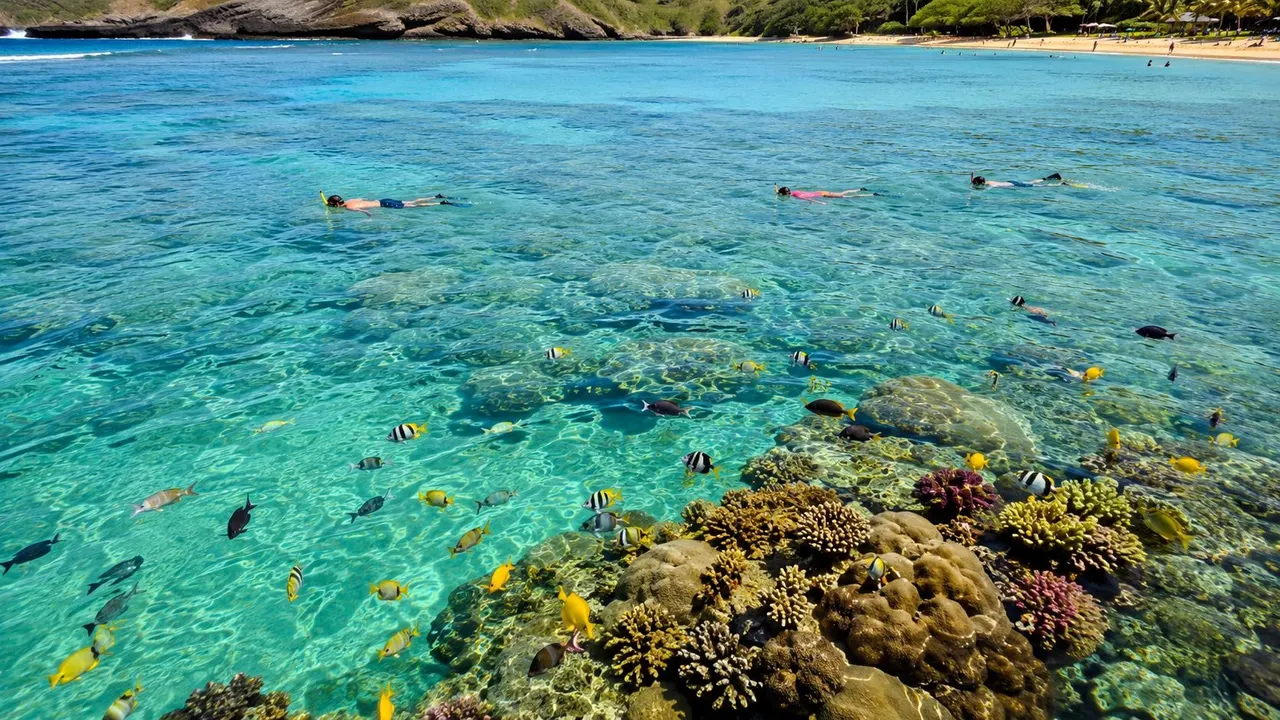
Hanauma Bay
Hanauma Bay still sets the standard for shore snorkeling on Oahu because the curved bay blocks a lot of open-ocean energy and the entry is straightforward once you have your reservation in hand. The trade-off is the planning, since access is controlled, the good parking and entry window go fast, and a late arrival usually means you spend more time managing logistics than looking at fish. For a first-time snorkel day with easy structure and reliable marine life, this is the bay most visitors want.
As noted earlier, Hanauma Bay also runs on a fixed schedule, so it works best as an early-day stop rather than a flexible, after-lunch option. If you build your day around it, check your timing first and plan to arrive with enough margin for parking, check-in, and the walk down.
For visitors who want to compare the bay with a guided option before committing to the reservation process, the Living Ocean Tours Hanauma Bay snorkel page gives a useful look at how a boat-based day differs from the shore setup.
Shark's Cove
Shark's Cove on the North Shore is a summer snorkel, not a place to treat casually in heavy surf season. When the swell is down, the lava pockets and reef structure can make for a rewarding, unusual snorkel with plenty of fish activity. When winter surf rolls in, the same shoreline turns sloppy fast, and the entry can get uncomfortable or outright unsafe. That makes this spot a seasonal decision, not a spur-of-the-moment beach stop.
Kuilima Cove
Kuilima Cove near Turtle Bay is the calmer choice for visitors who want an easier shoreline entry and less pressure from North Shore surf. It suits cautious swimmers, parents with kids, and anyone who wants to warm up before trying a rockier site. There is less drama here, and that is exactly why it works for many families.
The cove does not deliver the wild reef edge some snorkelers chase. It gives a softer start, simpler entry, and fewer surprises in the water.
Electric Beach and Waimea Bay
Electric Beach, also called Kahe Point, asks for confidence. The snorkeling can be excellent when conditions line up, but the currents and shoreline entry are not forgiving for nervous beginners or anyone who is not comfortable reading the water. I send stronger swimmers there when the ocean is cooperating, not guests who want a relaxed first outing.
Waimea Bay follows a similar pattern. In summer, it can offer a good shore-snorkel day with clear water and manageable conditions. In winter, the surf changes the whole character of the beach, and the bay stops being a casual snorkel choice.
Ko Olina lagoons
The Ko Olina lagoons are the safest-feeling option for very young kids and for families who want the calmest nearshore water on the island. The water stays mellow enough for simple face-in-the-water snorkeling without turning the outing into a test of endurance or timing. For a lot of parents, that lower-stress setup matters more than chasing the most dramatic reef.
You give up some reef character in exchange for predictability. For many mixed-ability groups, that is the right trade.
A practical way to choose
The better question is not which beach sounds famous. It is which shore fits the swell, the season, and your group's comfort level that day. Hanauma Bay suits an early, planned outing. Shark's Cove and Waimea Bay demand a seasonal read. Kuilima Cove and the Ko Olina lagoons are the safer calls for beginners and families who want less exposure to rough water.
Why a Guided Boat Tour Beats the Crowded Beaches
A shore snorkel looks simple until parking fills up, entry rules get in the way, the surface gets choppy, and a child decides the walk from the car already counts as the day's effort. A guided boat skips that whole setup. You are not hunting for beach access, and you are not trying to guess whether the water will stay workable after everyone has carried gear across hot sand.
What the boat changes: the captain can read the conditions as they shift, and that flexibility often separates a decent morning from a frustrating one.
Location matters too. A boat departure from Kewalo Basin Boat Harbor near Waikiki keeps the day centered on the water instead of the shoreline scramble, and a well-reviewed operator can also put guests in a better position for turtle viewing without asking them to hope for a lucky pass along the beach. That offshore setup helps because turtle encounters are usually more dependable around the right habitat than they are from a crowded shore entry. The same operator's Living Ocean Tours' snorkel tour page gives a straightforward look at the kind of outings it runs.
Families also get more room to match the outing to their group. A Turtle Canyons snorkel excursion is built around turtle viewing, and a Waikiki snorkel and wildlife cruise adds features that make the trip easier for mixed ages and different comfort levels. That matters when one person wants to snorkel, another wants a calmer ride, and the kids need something to keep the whole day from feeling like a long swim with a lot of waiting.
The shore still has its place, but when a group wants instruction, structure, and a better shot at seeing turtles without the parking headache, the boat usually makes more sense.
Snorkeling Safety Essentials Every Oahu Visitor Should Know
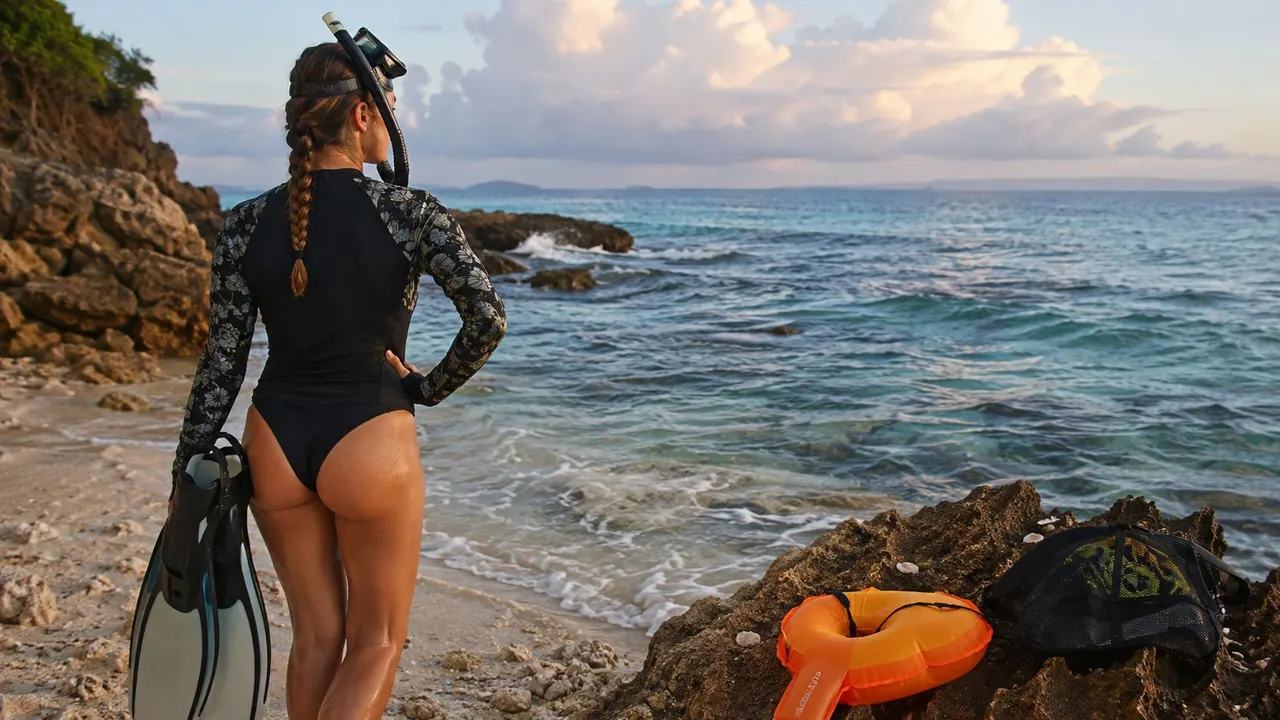
Oahu's snorkel risk usually comes from what people do not expect. A Civil Beat report on a 2022 snorkel-safety study said most snorkel-related fatal and near-fatal drownings were linked to hypoxia induced by rapid onset pulmonary edema, or ROPE, and that excess resistance in a snorkel tube was a predisposing risk factor (Civil Beat). That puts the focus on gear choice and breathing habits, especially for visitors who grab whatever snorkel set is cheapest and head straight into the water.
The two habits that matter most
Use a snorkel that breathes easily. If it feels stiff on land, it will feel worse after you've been swimming for a while. A hard-working snorkel makes people tense up, and tension leads to shallow breathing, wasted energy, and poor judgment.
Do not hyperventilate before a breath-hold dive. Some swimmers try to force in extra air before dipping down, then lose their sense of pace and push too far. A calm breath pattern is safer and usually more comfortable, especially for beginners who are still learning how their body reacts in open water.
Hawaii Ocean Safety is direct about shoreline hazards. It warns snorkelers to avoid high surf, strong currents, heavy shorebreak, and high winds, and to check with lifeguards before entering the water. If the conditions look unsafe, the guidance is simple, do not go snorkeling (Hawaii Ocean Safety).
If the ocean looks confused, listen to that. A snorkel day should feel controlled from the first step into the water, not brave.
The other part of safety is fit. A mask should seal cleanly, fins should match your legs instead of fighting them, and a flotation vest is smart for beginners because it keeps you visible and relaxed. If you want a practical shoreline read before you enter, Living Ocean Tours' rip current clues page shows the kinds of water movement that deserve attention before anyone clips on a mask.
What beginners forget
Hair under the mask skirt causes leaks. That is the classic beginner mistake, and it ruins more shore sessions than people expect. I also tell guests to check the fit before they walk down to the water, because once you are on the rocks, every small gear problem turns into a bigger one.
If you are unsure about the day, ask the lifeguard and trust the answer. Nobody wins by proving they can enter bad water.
Gear Checklist for Beginners and Confident Swimmers
The right snorkel kit depends on how much help you want from the water. Beginners should think about comfort first, because a tired or cold swimmer stops enjoying the reef long before the fish run out. Confident swimmers can trim the kit down, but they still shouldn't underpack on a boat or overpack for a short beach day.
Beginner kit
Start with a well-fitting mask and snorkel, not the cheapest set on the rack. Add a snorkel vest or lifejacket, plus adjustable snorkeling fins or neoprene fins that don't rub your heels raw. Reef-safe sunscreen belongs in every bag, and water shoes help only when the entry is sharp or rocky.
Confident-swimmer kit
If you already move well in open water, you can go lighter. A slimmer flotation belt can replace a vest, and a long-blade fin makes more sense if you're dealing with mild current or covering more ground. In lower-traffic areas, a small dive buoy helps with surface visibility.
What to pack by day type
For a shore day, keep it simple.
- Dry bag: keys, phone, wallet, small towel.
- Water bottle: more useful than snacks if you'll be in and out fast.
- Foot protection: water shoes only if the entry needs them.
For a boat day, add a second towel, a change of clothes, motion-sickness prevention if you need it, and a little extra sunscreen stored where it won't leak all over the bag. If you're renting gear in Waikiki or near Hanauma, the main thing to check is fit, because a mask that seals cleanly does more for comfort than an expensive fin set ever will.
The single most common beginner failure is still the same one. A mask leaks because hair got caught under the skirt, and the whole session turns into a fidgeting contest. Fix that before you get in, and half the battle is already won.
Marine Life Etiquette and Responsible Viewing
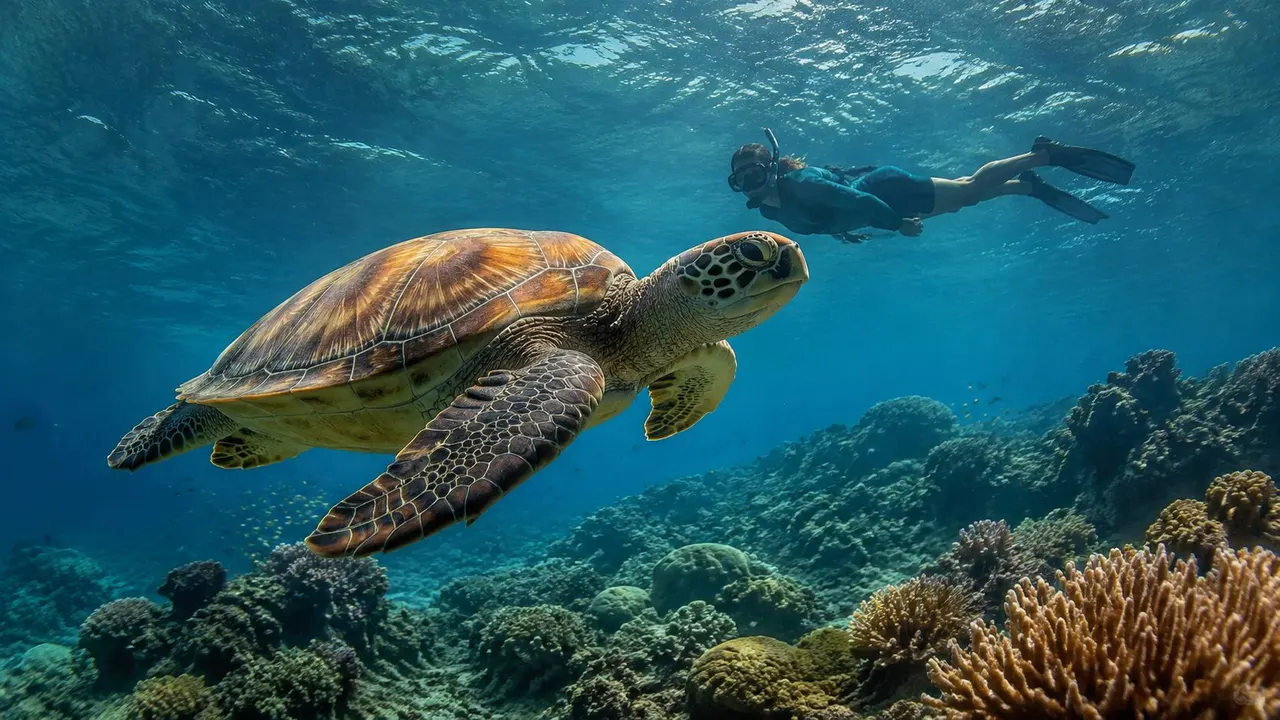
The best snorkel encounters happen when you let the animal set the pace. Do not steer toward turtles, seals, or fish just because they are close and the moment feels exciting. Hold your position, leave room, and let the reef decide whether the encounter continues.
The distance rules that matter
One Oahu safety source says to keep at least 10 feet, or 3 meters, from Hawaiian green sea turtles and at least 50 feet, or 15 meters, from a resting monk seal (Kona Honu Divers). That is a practical distance rule, not a guess or a courtesy. Hawaii Ocean Safety also says to never touch the reef, never feed fish, turtles, or other animals, and never stand on the coral reef. Those are the baseline habits that keep a visit responsible.
The reef does not need your help being interesting. It needs your restraint so it can keep being alive.
Boat trips help families pick up those habits quickly. A guide can correct a child in the moment, and parents can model the right behavior without turning the beach into a lecture. You will usually see more when you stop chasing every sighting, and you will leave the water without building bad habits.
The right mindset is stewardship, not ownership. Turtles are not there for your photo, and coral is not a prop. Once that clicks, snorkeling gets calmer, safer, and more respectful.
Sample Itineraries and Frequently Asked Questions
If you are planning a low-stress family day, start before the beach crowd wakes up. Take a morning Turtle Canyons run, spend the afternoon at the pool or a quiet beach, then finish with dinner or a sunset sail in Waikiki. Pack swimsuits, reef-safe sunscreen, dry clothes, and a light layer for the boat ride back, because the wind feels different once you have been in the water.
A more adventurous day follows a different pattern. Start early at Hanauma Bay, keep the timing tight because of the entry window, then break for lunch in Hawaii Kai. If it is summer and the ocean behaves, finish with a North Shore stop at Kuilima Cove or Shark's Cove, but only when the surf report stays friendly and the entry still looks clean.
Frequently asked questions
Do you need to be a strong swimmer?
No, but you do need to be comfortable floating, breathing calmly, and staying aware of your position in the water.
Can kids under 5 snorkel?
Some can, but the better question is whether they can wear the mask, manage the snorkel, and stay relaxed. For many families, a shallow lagoon or a guided boat with flotation support is the smarter start.
Are sharks a real concern?
The bigger day-to-day risk is usually conditions, breathing issues, or poor judgment, not shark encounters. Stay aware, follow local guidance, and do not snorkel where the water clearly looks wrong for the day.
Do guided tours run in winter?
Yes, but winter is when a captain's judgment matters most. Some days are fine, others are not, and that is exactly why a guided option is useful.
If you want a day that trades guesswork for local judgment, Living Ocean Tours runs guided snorkel trips out of Kewalo Basin with gear, instruction, and a strong focus on safe wildlife viewing. For families, beginners, and anyone who would rather spend the morning in good water than in a parking line, that is the easiest way to turn snorkeling in Oahu into an actual vacation day.


