
Snorkel Oahu Guide to Reefs Turtles and Tours
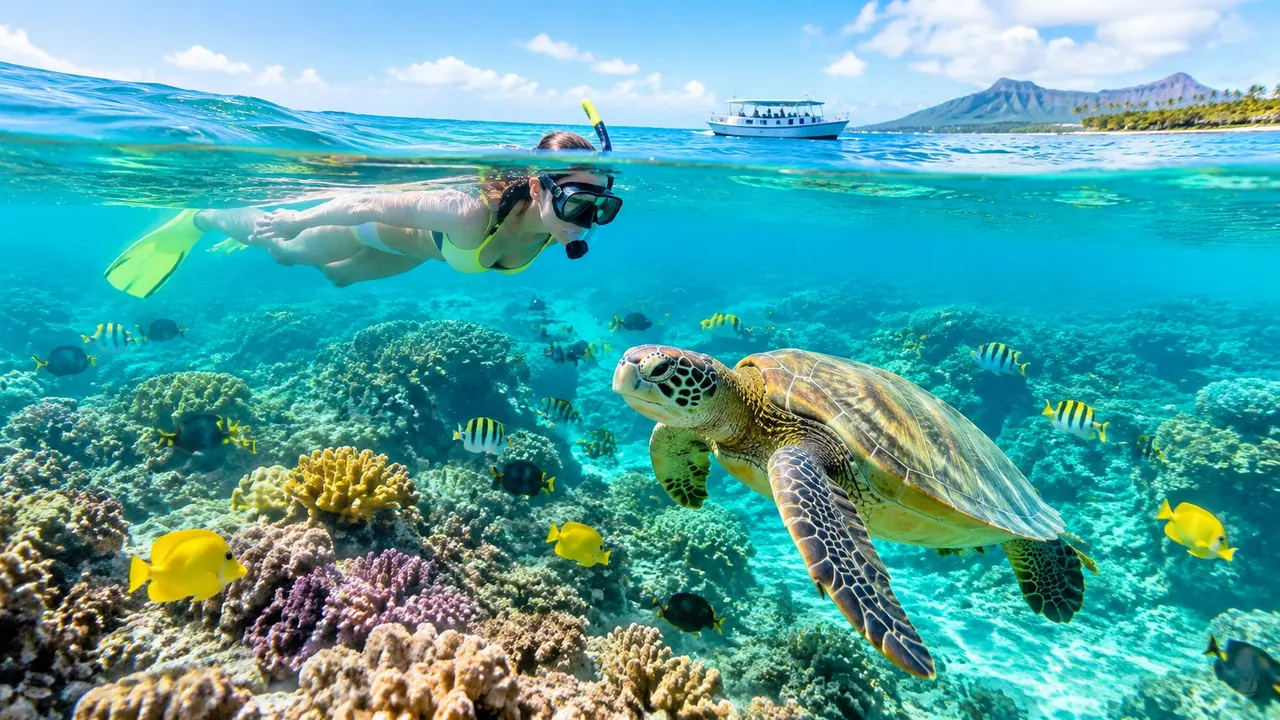
You've just arrived in Waikiki, the morning is bright, and everyone in your group wants the classic Hawaiian experience: mask on, face in the water, colorful fish below, and maybe a green sea turtle gliding past. The confusing part comes next. Which site is calm today? Is a famous beach safe for a child who's never snorkeled? Should you go early, book a boat, or sit this one out?
Snorkeling on Oahu rewards people who choose conditions before choosing a name on a map. Shelter, wind, waves, currents, crowding, and reef etiquette matter as much as the destination. This guide will help you learn the basics, compare shore and boat-accessed sites, recognize a poor ocean day, and plan a wildlife encounter that's safer for your group and gentler on the reef.
Why Snorkeling on Oahu Feels Different
On a calm Oahu morning, you put your face in the water and hear your breathing instead of beach noise. Your body floats while the reef passes below, so snorkeling feels more like watching from a moving window than swimming laps. A sheltered bay can give a beginner time to observe without constantly fighting the water.
The same beach can feel completely different when conditions change. Wind roughens the surface, swell moves water across shallow reef, and current can shift a tired swimmer away from the landmark used for orientation. Oahu's snorkel sites are not interchangeable. A protected bay, a rocky North Shore cove, a warm leeward-water site, and an offshore cleaning station each call for a different choice.
A changing visitor experience
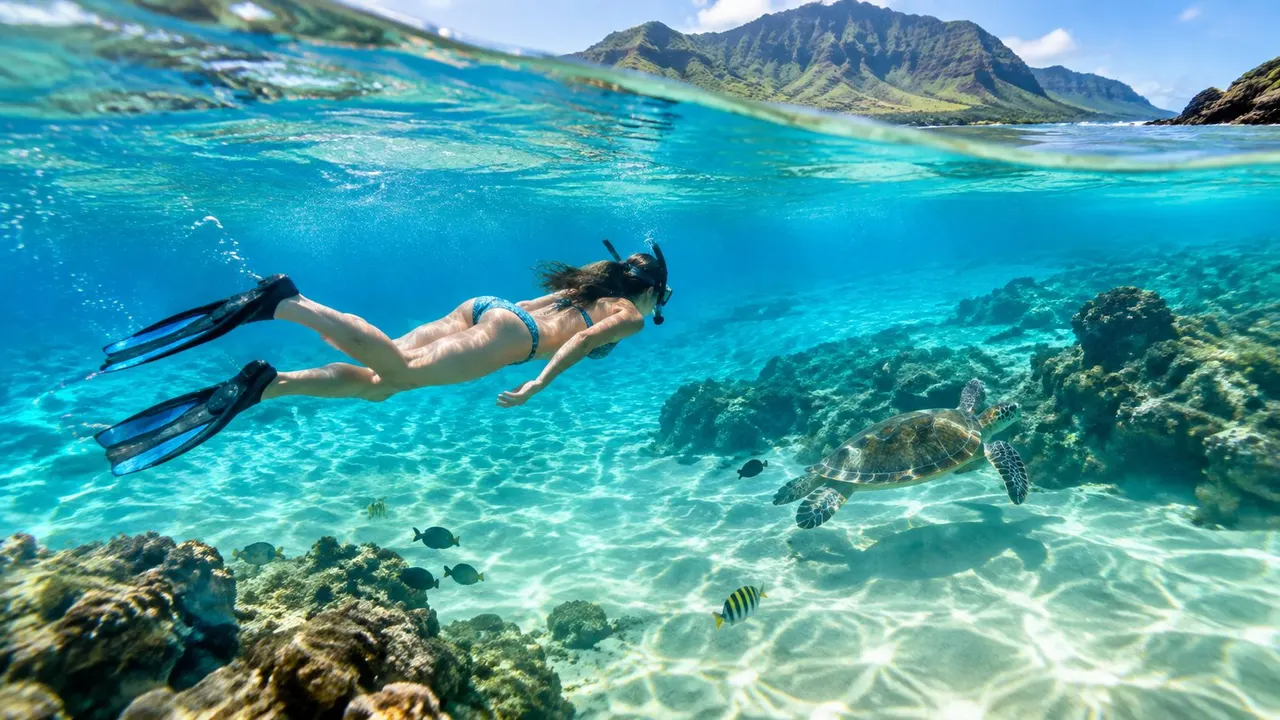
Hanauma Bay also shows how Oahu has shifted from mass visitation toward more controlled marine tourism. The preserve recorded about 845,000 visits in 2019, with average daily attendance of almost 3,000 people. Historical peak attendance reached an estimated 10,000 visitors per day in the 1970s and 1980s, according to Honolulu's Hanauma Bay management update.
After an approximately eight-month COVID-19 closure in 2020, Hanauma Bay reopened with tighter controls. Reported 2024 attendance was roughly 400,776 visits, about 53% lower than in 2019. The change affects more than entry logistics. Access rules, timing, visitor education, and reef protection now shape how people experience the water.
The choice most visitors need to make
Families often ask for the “best” spot. A more useful question is, best for whom, and under what conditions? A confident swimmer may manage an exposed reef during calm weather. A first-timer may do better in sheltered water with flotation and a guide. Someone hoping to see turtles may choose an offshore site such as Turtle Canyons instead of entering a crowded shore area and pressing toward wildlife.
Crowding matters for safety and for the reef. Shore sites can be convenient, but many swimmers entering the same shallow area leave less room for people, fish, and turtles. Boat-accessed water can provide a clearer route and better spacing, though conditions still decide whether the trip should proceed.
The right Oahu snorkel begins with the ocean in front of you, not a name on a map. Learn how site exposure, current, visibility, group ability, and wildlife distance shape the decision, including when waiting is the safest and most responsible choice.
How Snorkeling Works for Beginners on Oahu
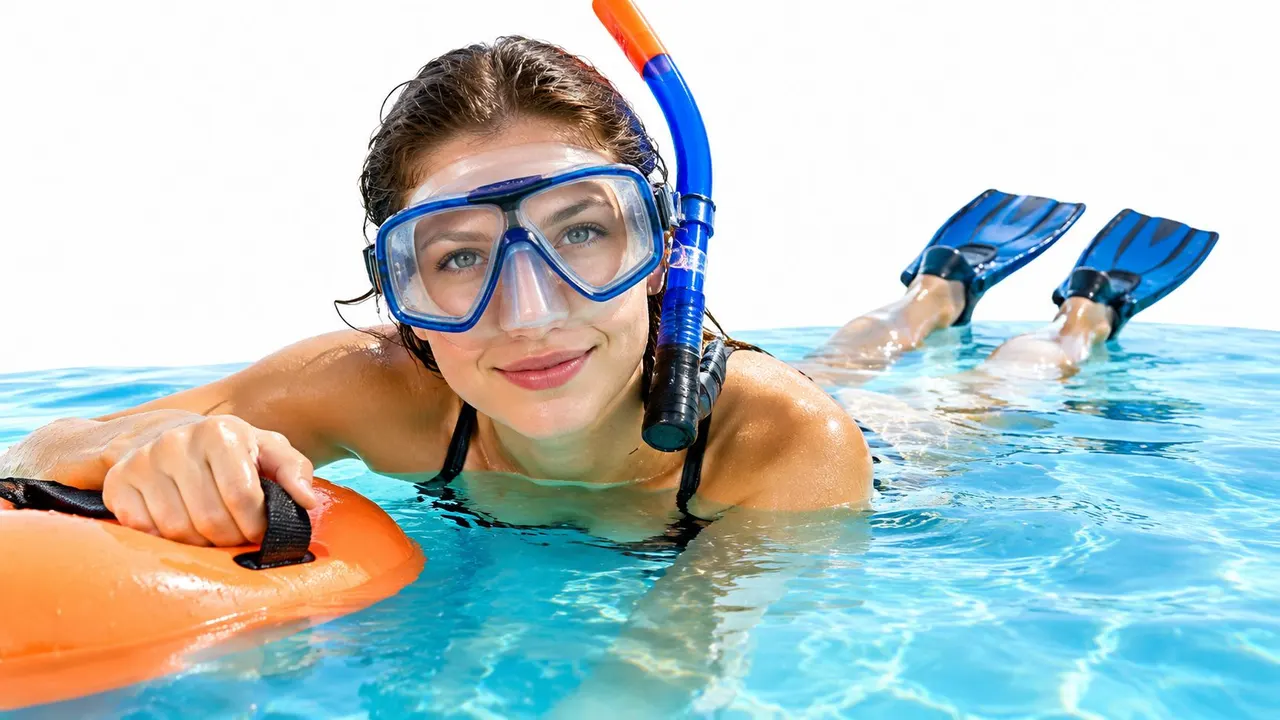
Think of snorkeling as floating observation, not underwater athletics. Your mask creates a small air space in front of your eyes, the snorkel lets you breathe while your face stays in the water, and fins turn a gentle ankle movement into useful forward motion. The three pieces work together, but a comfortable mask fit matters most because a leak makes even calm water feel difficult.
Start where you can stand or where a guide can support you. Put your face in the water, breathe normally, and resist the urge to lift your head every few seconds. Raising your head makes your legs drop and encourages you to kick harder. A relaxed body floats more efficiently, so your first skill is calm breathing, not speed.
Build comfort before distance
A snorkel vest or life jacket gives you extra buoyancy. That doesn't replace swimming ability, but it can keep a nervous swimmer higher in the water and make it easier to pause without panicking. Guides also use flotation to help guests conserve energy, which matters when wind or current makes the return trip harder than the swim out.
Equalizing is simpler than many first-timers expect. If you descend even slightly, pinch your nose gently and exhale softly to balance pressure in your ears. Never force it. For surface snorkeling, you may barely need to descend at all, and staying on the surface often gives you a better view of the reef without risking contact.
Fins are useful when you need to cover distance or manage mild movement, but they also make accidental reef contact easier. Use small, slow kicks from your hips and keep your feet behind you. Reef shoes can protect feet during a rocky entry, yet they aren't a substitute for careful movement in the water.
A simple first session
- Fit the mask first. Place it against your face without using the strap and inhale gently through your nose. If it stays in place, the seal may work. Adjust the strap without overtightening.
- Clear the snorkel calmly. If water enters, lift your head, breathe, and follow the guide's instructions for clearing it. Panic usually comes from rushing.
- Float before exploring. Look down, keep your body long, and use gentle fin strokes. You don't need to dive to see fish.
- Stay near your buddy or guide. A buddy gives you another set of eyes and a clear person to signal if your mask leaks or you feel tired.
If breathing through a snorkel feels strange, this beginner breathing guide can help you practice the rhythm before entering the ocean. The goal isn't to look graceful. It's to become comfortable enough that you can notice the water around you.
Best Snorkel Spots on Oahu and How to Choose
Oahu's snorkel sites suit different swimmers and different ocean conditions. Hanauma Bay offers a sheltered shore entry, while Shark's Cove depends on a calm North Shore. Electric Beach is more exposed and demands careful attention to currents and the exit. Turtle Canyons is an offshore cleaning station reached by boat, so it avoids the rocky entry and long shore swim found at some beach sites.
| Site | Access Type | Best Conditions | Best For |
|---|---|---|---|
| Hanauma Bay | Sheltered shore entry | Calm water and light wind | Beginners, families, reef education |
| Shark's Cove | Rocky shore entry | Mild North Shore conditions | Confident swimmers and summer visits |
| Electric Beach | Exposed shore entry | Calm surf, manageable current | Experienced swimmers who understand exit planning |
| Turtle Canyons | Boat access from south-shore harbors | Calm offshore conditions | Guided turtle viewing and visitors staying near Waikiki |
Hanauma Bay for structure and shelter
Hanauma Bay is familiar and organized, which can help first-time snorkelers. Its inner reef flat also receives heavy use. A Honolulu carrying-capacity report recorded 429,425 visitors from reopening in December 2020 through January 2022, including 60,163 visitors in summer 2021 and 57,433 during winter 2021/2022. The report also found that nearly 97% of surveyed visitors stayed within the inner reef flat during periods of 2,500 to 3,500 visitors per day (Hanauma Bay Carrying Capacity Annual Report).
That concentration creates two practical concerns. Fins can stir sand when swimmers stand or kick downward, and a crowded entry can make beginners feel rushed. Move slowly, keep your body horizontal, and choose another day if the bay feels too busy for your comfort. Hanauma Bay is sheltered, not automatically suitable in every condition.
Shark's Cove and Electric Beach require judgment
Shark's Cove can be rewarding when the North Shore is mild, but its rocky entry is different from stepping into a sandy swimming area. Watch the water from land before entering, identify where you would leave, and stay within a distance you can swim comfortably.
Electric Beach offers an exposed reef setting and may develop longshore current or offshore drift. A swimmer who tires can move away from the planned exit, particularly as swell increases. Oahu Electric Beach safety guidance describes the site's hazards and is useful reading before choosing it.
Use this Oahu snorkeling spot guide to compare locations, then inspect the actual ocean. A guide can show where a site is, but only current conditions can show whether the entry, water movement, and exit fit your group. If those pieces do not line up, choose a sheltered alternative or stay out.
Turtle Canyons for an offshore encounter
Turtle Canyons is a natural cleaning station offshore from Waikiki. Reef fish remove algae and parasites from Hawaiian green sea turtles there, and beach access is not practical. Boat trips from south-shore harbors such as Kewalo Basin provide the usual route, as explained by Turtle Canyon Oahu information.
A boat cannot guarantee calm water. It can, however, remove the rocky entry, exhausting shore swim, and some of the crowd pressure that complicate beach snorkeling. For visitors who want a guided turtle encounter near Waikiki, a boat-accessed site may offer a clearer plan and less reef contact than moving between crowded shore entries.
When to Snorkel and When to Sit It Out
The best snorkel time is the time when the ocean is giving you room to relax. On Oahu, that often means an early departure and a sheltered location. Trade winds commonly build through the day, and afternoon chop can turn an easy surface swim into a tiring one.
Seasonal patterns also matter. North Shore sites can be attractive in calmer summer conditions, while winter swell can make them unsuitable for snorkeling. South-shore areas around Waikiki and Hanauma Bay are often more useful choices when the north side is receiving larger surf, but no shoreline is automatically safe every day.
Read the morning, not last night's forecast
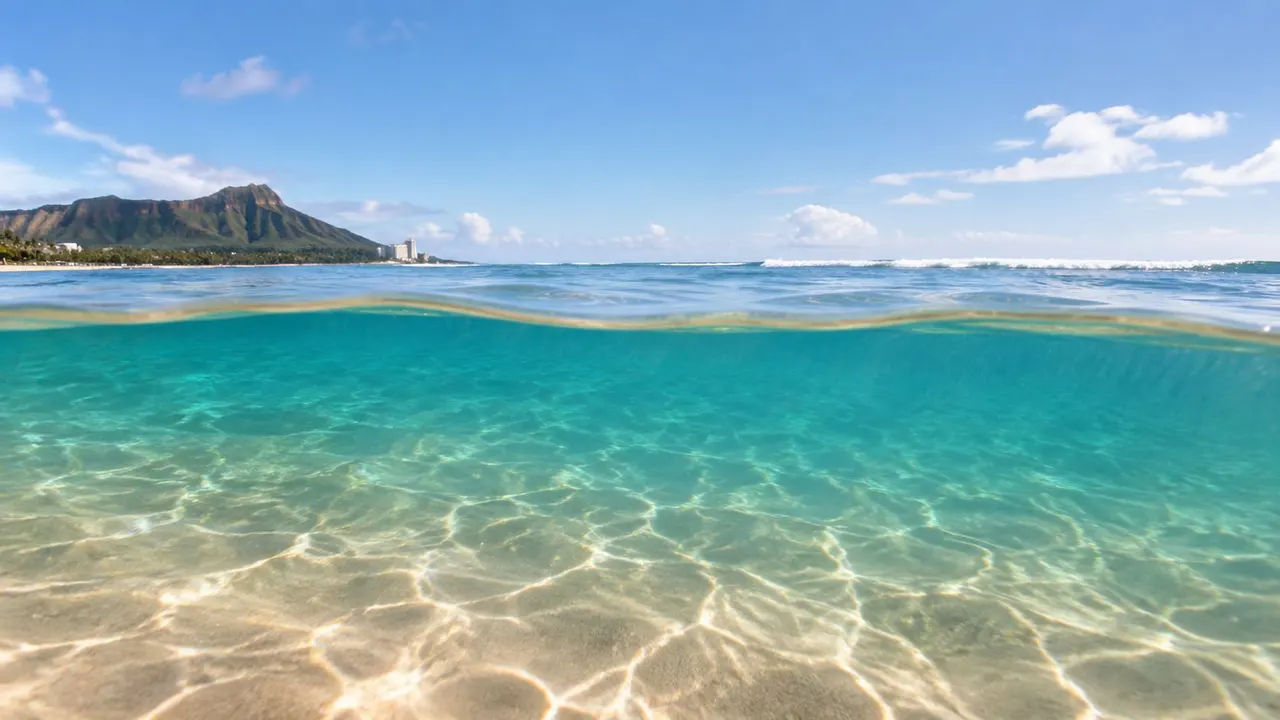
Ocean conditions can change overnight. Independent Oahu snorkeling guidance recommends checking conditions on the morning of your visit, not relying only on what the water looked like the previous evening. Hawaii Ocean Safety's snorkeling guidance warns that high surf, high winds, heavy shorebreak, and strong currents are poor snorkeling conditions.
Morning rule: If the water looks powerful from shore, assume it will feel more powerful once your face is in it.
Look for the direction and shape of the waves, not just whether the sky is blue. A clean surface with small waves may support a comfortable session. Whitewater breaking across the entry, water surging over shallow rock, or foam moving sideways along the beach are reasons to pause.
Use a simple go-or-no-go test
Go cautiously when the site is sheltered, the entry is clear, visibility is reasonable, and every swimmer can return without exhausting themselves. Keep the outing short enough that the group still has energy when it's time to exit.
Choose another site when wind is pushing chop directly into the bay, surf is breaking across the entry, or the water is carrying swimmers sideways. A famous location isn't worth forcing if the conditions don't fit.
Sit it out when you see strong current, heavy shorebreak, or a route that requires fighting moving water. Snorkeling is supposed to be a floating activity. If you need constant effort just to hold position, you're spending your safety margin.
For a broader planning reference, this Oahu snorkeling guide can help you think about location and timing together. If you're unsure, ask a lifeguard, guide, or ocean professional who can see the conditions in person.
Safety Etiquette and Responsible Wildlife Viewing
Snorkeling safety starts with a plan for returning, not just a plan for entering. Before anyone gets in, identify the exit landmark, agree on a buddy, and choose a turnaround point that leaves plenty of energy for the way back. Don't wait until someone is tired to decide where the group will regroup.
A current is like a moving walkway in an airport. You may be able to walk against it briefly, but fighting it for a long distance drains energy quickly. If a longshore current carries you off course, avoid trying to overpower it directly. Signal your buddy, move toward a safe exit landmark when possible, and follow lifeguard or guide direction.
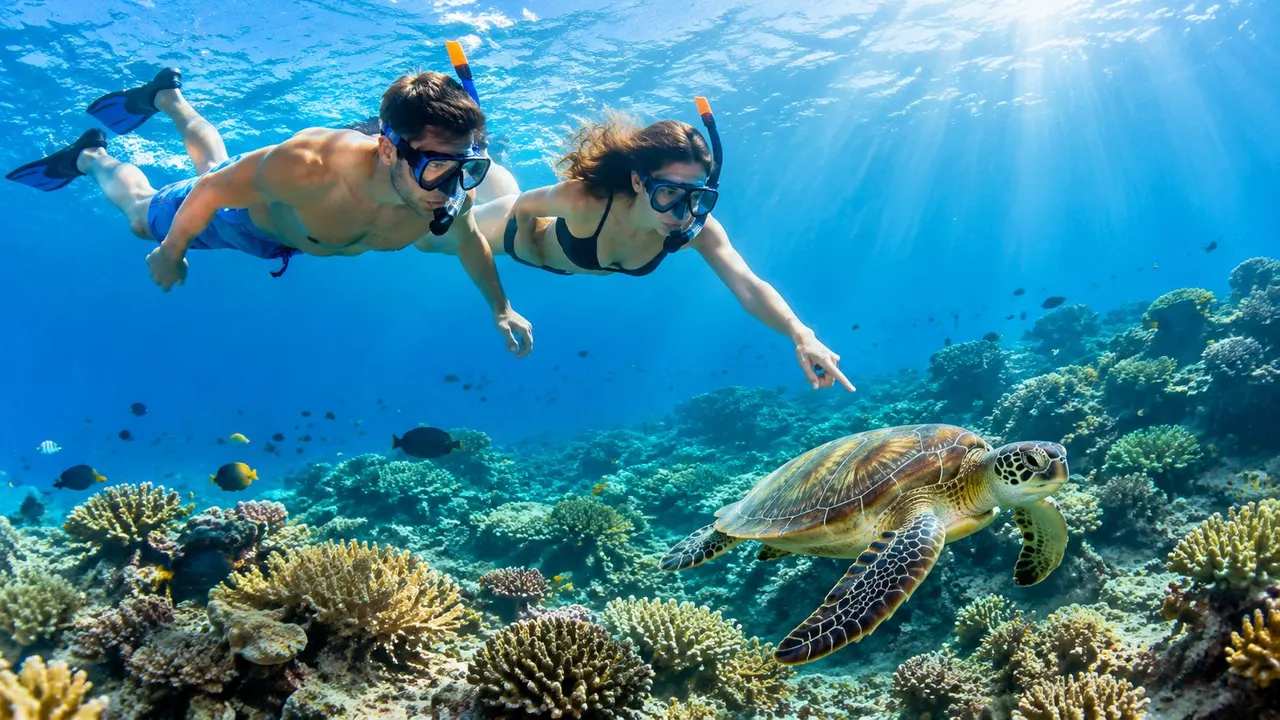
Protect the reef with your body position
Keep your knees and fins away from the bottom. Never stand on coral, even if a shallow patch makes standing feel convenient. Coral can look like rock, but touching it can damage living tissue and disturb the habitat that supports fish.
Hawaii guidance requires reef-safe sunscreen because oxybenzone and octinoxate damage coral. Apply sunscreen before entering the water, cover up when practical, and choose a product that complies with local rules. Crowded snorkeling areas also show a persistent behavior problem. Independent coverage has reported that nearly 1 in 2 snorkelers were observed touching or standing on coral in busy areas, a reminder that reef etiquette needs active attention, not just a sign at the beach.
- Keep your hands free: Don't use coral as a handhold.
- Kick horizontally: Small, controlled fin strokes reduce accidental contact.
- Watch the bottom: If you can't see your fins, slow down and lift your body higher.
- Leave wildlife alone: Don't feed fish or rearrange rocks to improve a photograph.
Give honu a clear path
NOAA Fisheries guidance says snorkelers should remain at least 10 feet, or 3 meters, away from Hawaiian green sea turtles and should never touch, chase, feed, block, ride, or surround them (NOAA-aligned turtle snorkeling rules). That distance protects the turtle's movement and gives you a better encounter because the animal can continue behaving naturally.
If a turtle swims toward you, stay still and let it choose the route. Don't dive over it, cut across its path, or gather your group around it. A responsible photograph is one where the turtle has space to surface, turn, and leave without reacting to the people nearby.
Guided Tours and Booking Your Snorkel Oahu Experience
Shore snorkeling offers flexibility, but you must judge the entry, exit, current, and visibility yourself. A guided boat trip shifts some of that work to the crew. They explain the equipment, read the water, watch the group, and take you offshore without requiring a long swim from the beach. For first-timers, that support can make conditions easier to understand, much like having a local driver choose the safer lane.
Turtle Canyons is a natural cleaning station off Waikiki, reached by boat from the south shore. The paid excursion generally includes the boat, guides, and site access rather than a separate entrance fee. Classic departures use Waikiki Beach, nearby piers, Kewalo Basin Harbor, or other south-shore harbors just west of Waikiki, according to Turtle Canyon tour FAQs. Visitors comparing options can also review these Oahu snorkeling tours before choosing a departure point and boat format.
Choosing between two tour styles
The Turtle Canyons Snorkel Excursion suits visitors seeking an offshore turtle-cleaning-station experience. The Deluxe Waikiki Snorkel and Wildlife Cruise includes family water features such as a waterslide, water trampoline, and lily pad. Those additions give mixed-age groups something to enjoy on the boat as well as in the water.
Living Ocean Tours has a 4.9 out of 5 rating from 3,182 TripAdvisor reviews (Living Ocean Tours on TripAdvisor). Its Turtle Canyons excursion is also highlighted as a signature offering in independent travel coverage.
What to ask before booking
Confirm the departure harbor, supplied gear, flotation options, and the crew's plan for changing conditions. Ask whether the trip fits every swimmer in your group, especially anyone who is nervous or new to open water. A tour simplifies logistics, while each guest still follows crew instructions and keeps appropriate distance from wildlife.
Visitors focused specifically on Turtle Canyon can compare Snorkel Turtle Canyon. Check departure details, included equipment, group format, and the cancellation or weather policy before booking.
What to Pack and Final Tips for Families
Keep the packing list practical. Wear swimwear under easy layers, bring a towel, pack dry clothes, and use reef-safe sunscreen. Slippers can help you reach the water's edge, but avoid treating reef shoes as permission to walk across coral or shallow rock.
For most guided trips, masks, snorkels, fins, and flotation are supplied, though you may bring a personal mask if you already know it fits well. Skip full-face masks if you're unfamiliar with them, and don't carry loose gear into the water that you won't use.
Families should make the day easier before boarding:
- Protect against sun: Use rash guards, hats, and shade as well as reef-safe sunscreen.
- Plan hydration: Drink water before and after the activity.
- Support nervous swimmers: Ask about flotation and keep the first session close to the guide.
- Manage motion sensitivity: Eat lightly, bring personal medication, and choose a calmer morning departure when available.
- Arrive prepared: If departing from Kewalo Basin, allow time to locate the harbor and organize your belongings.
- Consider group needs: Private charters are available for groups of up to 40 guests, according to Living Ocean Tours' service information.
Check conditions the morning of your visit. If the water is rough, change the plan instead of forcing the famous site. Whether you snorkel from shore or join a boat, keep your fins off the reef, give turtles at least 10 feet of space, and let the ocean set the pace.
Living Ocean Tours offers guided Turtle Canyons snorkeling from Kewalo Basin, along with a family-friendly Deluxe Waikiki Snorkel and Wildlife Cruise with included instruction, gear, and flotation support. Visit Living Ocean Tours to compare the options and choose a safer, more informed way to snorkel Oahu.


