
Honolulu Snorkeling Tour Guide for Families and First-Timers
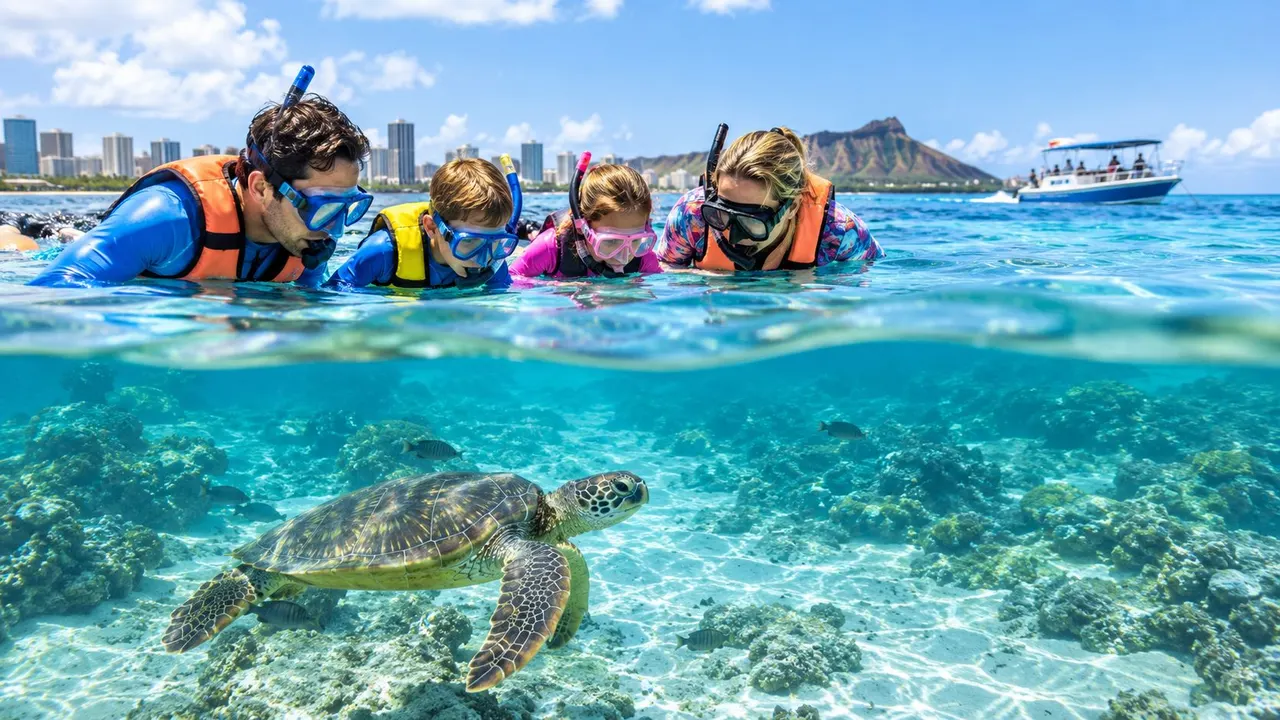
You're in Waikiki, the water looks flat from the beach, and the kids are already asking when they can see a turtle. The problem is that a calm-looking shoreline doesn't tell you where the reef ends, which way a channel pulls, or whether overnight swell has clouded the water. Choosing the right Honolulu snorkeling tour isn't mainly about finding the prettiest brochure photo. It's about matching your group to current conditions, boat access, crowd pressure, wildlife rules, and the level of supervision you need.
Why a Guided Honolulu Snorkeling Tour Beats Winging It
A family of four often makes the same decision on a second morning in Waikiki. They walk toward the beach with masks, rental fins, and plenty of enthusiasm, then stop when they realize the surface gives away very little. The shoreline may look inviting while a current runs along the channel, and the water may be less clear than it was the day before.
A report showing 3-foot waves is enough to make casual shore snorkeling a poor choice for many beginners, especially children. Hawaiʻi Ocean Safety advises checking ocean conditions and consulting lifeguards before entering, while state guidance treats Hawaiian snorkeling as an activity for experienced ocean swimmers familiar with strong currents, high surf, and breaking waves in shallow water.
That's the moment a Kewalo Basin departure makes practical sense. A small boat can move the group away from a compromised entry point, reach Turtle Canyons in about 15 minutes, and carry float vests, fins, and crew members who are reading the water rather than guessing from the sand. The captain can also decide that the original site isn't suitable and adjust the route.
Practical rule: A boat doesn't make rough ocean conditions disappear. It gives a qualified crew more options than a family standing at one beach entrance.
Snorkeling remains a serious safety consideration in Hawaiʻi. One statewide review recorded 140 snorkeling-related ocean drownings from 2005 to 2014, or 25% of all ocean drownings during that period, while another analysis recorded 169 snorkeling-related deaths from 2007 to 2016, including 156 tourists. These figures are documented in Hawaiʻi snorkeling safety reporting, and they explain why instruction, flotation gear, and route selection matter more than a promise of guaranteed wildlife.
This overview of snorkeling around Oʻahu helps put the options in context. Living Ocean Tours is often described as the top-rated and most-reviewed snorkel company on Oahu, but the useful question isn't just which operator has the most reviews. Compare the departure location, group setup, included equipment, cancellation terms, and approach to wildlife before you book.
How Honolulu Snorkeling Actually Works
Honolulu snorkeling usually happens over shallow fringing reefs and purposefully visited cleaning stations, not the dramatic deep drop-offs many travelers picture from Caribbean footage. A cleaning station is a reef area where fish groom larger animals, removing algae and other material while the animal rests.
At Turtle Canyons, reef fish clean Hawaiian green sea turtles. That's why boats may hold position near one area instead of drifting continuously. The underwater activity is concentrated, and the crew needs to give turtles room while keeping guests together.
Read the coastline, not just the surface
Waikiki and Honolulu sit on an exposed island coastline, so conditions change by shore orientation, wind, swell direction, tide, and the shape of each reef channel. South-shore conditions are often friendlier in summer, while winter swell can change entry points and visibility quickly. A cove that looks protected may still have an outgoing current along its channel.
That's one reason a captain's briefing should include more than “the water is calm.” Guests need to know where to enter, how to return to the boat, how to signal for help, and whether the current is moving parallel to the reef.
Water temperature is generally comfortable for recreational snorkeling, although a rash guard can make a long session more pleasant. Visibility varies with swell, wind, runoff, boat traffic, and the site itself, so no responsible operator should promise identical clarity on every departure. Humpback whales arrive seasonally, which is why whale watching is treated as a separate seasonal experience rather than a standard snorkeling guarantee.
Best Spots a Honolulu Snorkeling Tour Reaches
The most useful way to compare sites is to ask what each one gives up. Shore entries are inexpensive and easy to leave, but they offer less flexibility when visibility or current changes. Boat sites cost more and require a schedule, yet they can reach reefs that aren't accessible from land.
| Spot | Access | Crowd Level | Marine Life | Best For |
|---|---|---|---|---|
| Turtle Canyons | Boat only | Can be busy mid-morning | Green sea turtles, reef fish, cleaning-station activity | Visitors prioritizing turtle habitat |
| Sans Souci and Kuhio Beach | Shore entry | Often busy near popular access points | Smaller reef patches and common tropical fish | Families wanting a simple, low-commitment swim |
| Diamond Head offshore reef | Boat access | Often less concentrated than turtle sites | Better visibility and schooling fish, with less turtle activity | Confident swimmers interested in reef structure |
| Hanauma Bay style protected areas | Managed entry | Controlled by reservations and access limits | Shallow reef habitat and beginner-friendly viewing | Travelers comfortable planning around regulated access |
Turtle Canyons is boat-only, so you can't reach it by walking into the water from Waikiki. Independent guidance describes it as a natural cleaning station and places typical excursions at about 2 to 3 hours total, with roughly 30 to 60 minutes in the water. A practical Turtle Canyon guide explains the access difference that many first-time visitors miss.
The trade-off is concentration. The site's reputation draws boats, especially when conditions are favorable and departures overlap. A captain who has run the route repeatedly won't treat a turtle sighting as permission to crowd the animal. The crew should keep guests together, manage approach distances, and leave if the site becomes too pressured.
For a closer look at the route and site itself, see this Turtle Canyon snorkeling guide. Sans Souci and Kuhio Beach can work better for children who need a quick trial, though the reef patches and marine-life variety are more limited. Diamond Head's deeper offshore reef can reward stronger swimmers with clearer water and schooling fish, but it isn't the first choice for a nervous child.
Hanauma Bay demonstrates the island's broader shift toward managed access. Visitor pressure reached about 3.6 million people per year, roughly 10,000 per day, by 1987, later falling to about 800,000 annually in the late 1980s after management changes. Under the reservation-era system, access moved to a daily cap of 720 visitors, as documented in the Honolulu carrying-capacity report. That history matters because controlled access is now part of the Honolulu snorkeling experience, not an exception to it.
Safety, Gear, and Etiquette for First-Time Snorkelers
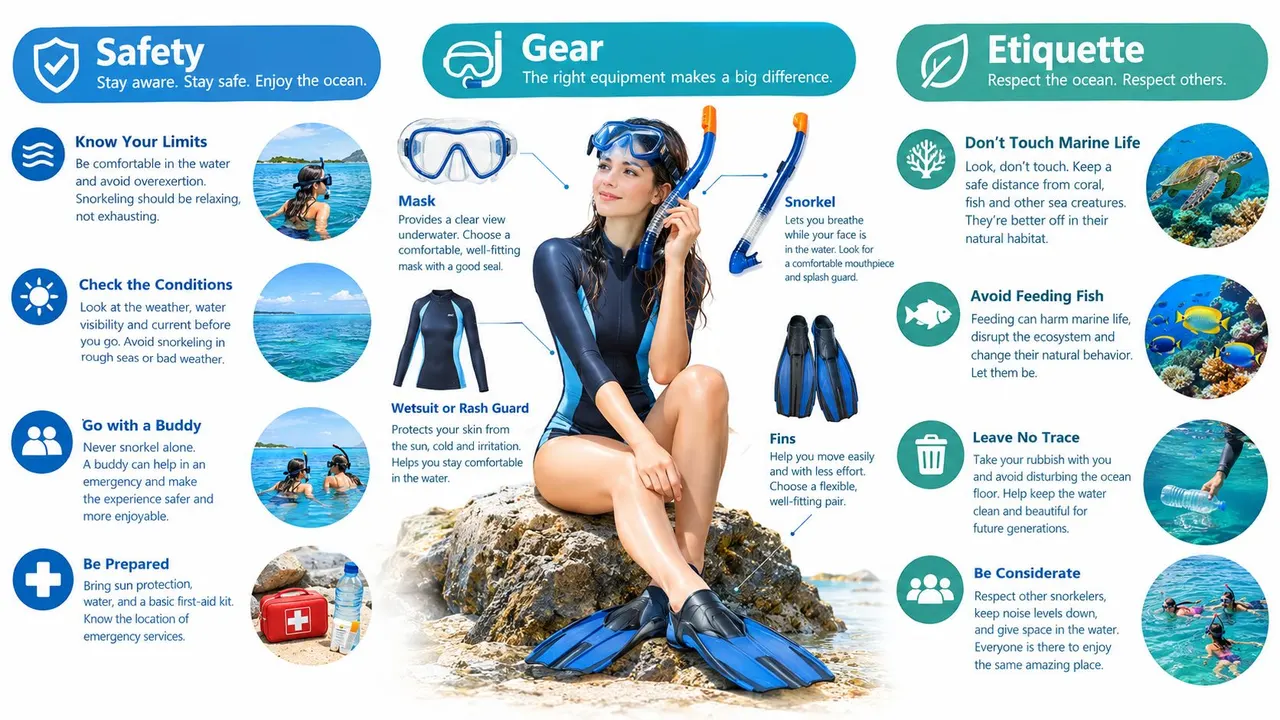
Start before you leave the hotel. Apply reef-conscious sunscreen before boarding, wear a rash guard or sun shirt, choose footwear that grips a wet boat ladder, and use a hat that won't blow away in the trade winds. Loose sandals, dangling straps, and unsecured phones become distractions when guests are climbing down a ladder or moving around a pitching deck.
A professional operator should explain what's included before departure. Common support includes flotation vests, fins, masks, snorkels, prescription masks when available, and floating aids for guests who are uneasy in open water. Ask whether vest sizes cover adults, children, and toddlers, and whether a non-swimmer can remain supported without being separated from the group.
Keep your body out of the reef
The rules are simple because the consequences aren't. Don't touch coral, don't stand on the reef, and keep your fins from scraping the bottom. Avoid chasing fish into holes or reef structures, since a frightened animal can injure itself and a careless fin kick can damage fragile habitat.
Keep at least three feet from sea turtles and ten feet from Hawaiian monk seals, and never block an animal's route to the surface. Hawaiʻi's commercial snorkel rules and operating requirements reflect the same principle: wildlife viewing is controlled interaction, not a photo opportunity.
The most important planning threshold is wave height. For many casual snorkelers, waves above 3 feet should be treated as a no-go for an unassisted shore plan because surf increases current strength, reduces visibility, and complicates entry and exit. Even when the leeward coast looks calm, a channel can pull outward, particularly when swell direction changes or water is moving through a narrow reef opening.
A guide can improve decision-making, but guests still need to disclose weak swimming ability, recent injuries, fear of deep water, or children who can't follow instructions independently. The crew can adjust support only when they know what the group needs.
For a practical packing reference, use this Oʻahu snorkeling packing list. Bring less than you think, secure what you do bring, and leave valuables away from the water whenever possible.
Sample Itineraries from Kewalo Basin
Kewalo Basin works well for Waikiki visitors because the departure is close to the resort corridor, while the boat route opens access beyond the crowded sand. Exact check-in times, age requirements, inclusions, and weather policies vary by operator, so confirm those details on the live booking page rather than relying on a general itinerary.
| Tour Format | Check-In / Duration | Stops & Highlights | Included | Best For |
|---|---|---|---|---|
| Morning Turtle Canyon excursion | Check-in and return depend on the booking calendar, typically about 2 to 3 hours total | Turtle Canyons and a second reef opportunity when conditions allow | Instruction, masks, fins, flotation support, and guided wildlife viewing | First-time snorkelers and families prioritizing turtles |
| Deluxe Waikiki snorkeling and wildlife cruise | Check-in and return depend on the selected departure | Multiple Waikiki-area wildlife stops, with a longer water-focused outing | Snorkeling equipment and family water-play features, subject to conditions | Multi-generational groups and children who need variety |
| Waikiki sunset cruise | Usually about 90 minutes to 2 hours | Golden-hour views along the Waikiki coast | Cruise experience, with food and drink arrangements varying by operator | Couples and guests who want scenery rather than snorkeling |
| Seasonal whale watching | Seasonal operation, with availability determined by the calendar | Offshore whale-viewing route | Marine-life interpretation and boat viewing | Travelers visiting during whale season |
The Turtle Canyon format suits guests who want a focused morning and still want the afternoon open. Independent Oʻahu guidance places common Turtle Canyon pricing around $80 to $150 per person, with reservations required and the final amount influenced by operator, group size, and inclusions. This Turtle Canyon activity guide gives travelers a useful comparison point, though booking pages remain the authority for current terms.
For a family that wants more than one swim, compare the Deluxe Waikiki Snorkel and Wildlife Cruise. A waterslide, water trampoline, or lily pad can keep children engaged, but those extras don't replace a safety briefing or make poor ocean conditions acceptable.
Sunset cruises are a different product, not a late snorkeling trip. Standard Waikiki sunset cruises are commonly described as lasting 90 minutes to 2 hours, with broad market pricing around $50 to $80 per person, while premium or drink-focused options can cost more, as outlined in this Waikiki sunset cruise guide. Seasonal whale watching should also be booked as its own wildlife outing, since whale encounters aren't a standard snorkeling promise.
Permits, Wildlife Rules, and Why Crowds Vary by Spot
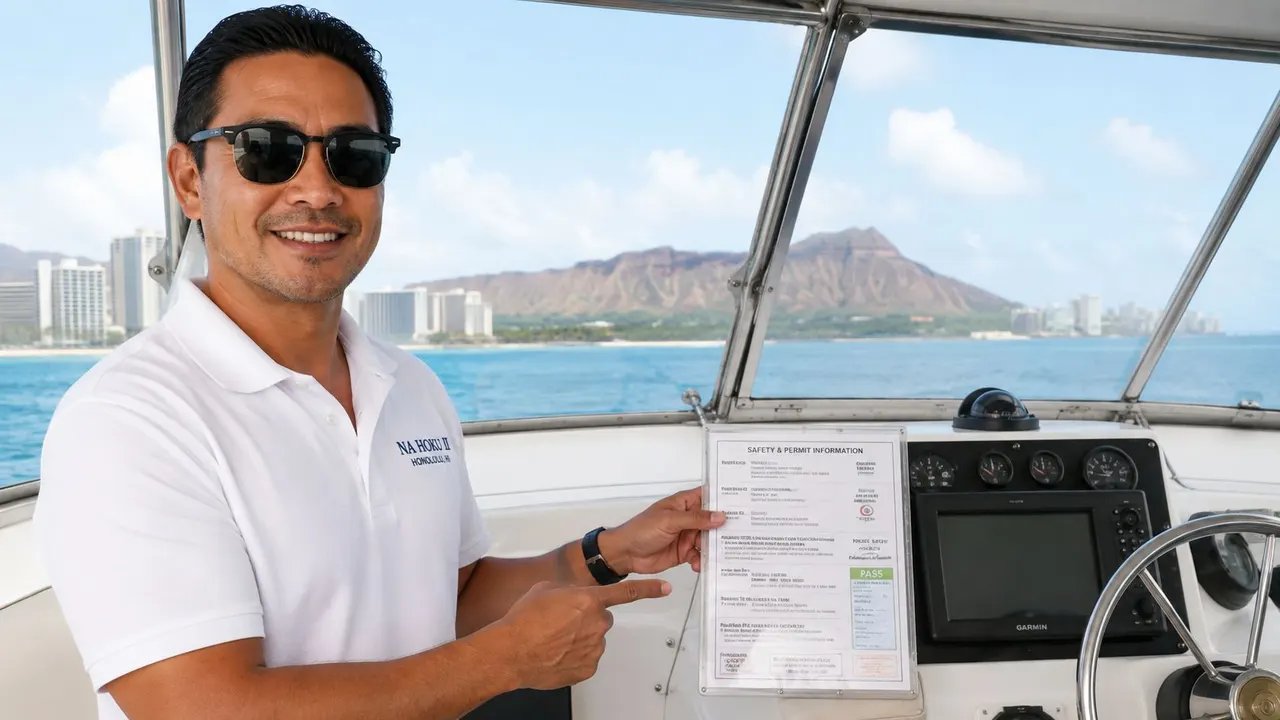
A Honolulu snorkeling tour operates inside several layers of regulation. Commercial ocean recreation requires permits, passenger vessels must meet applicable Coast Guard requirements, and wildlife interactions are constrained by state and federal protections. The result is a tour that may feel more structured than a casual beach swim, with vest checks, passenger instructions, designated operating areas, and strict behavior around animals.
Hawaiian green sea turtles and monk seals aren't props. Federal protections, including the Endangered Species Act framework for protected species, mean that approaching, touching, chasing, or blocking wildlife can create legal and conservation problems. This explanation of Hawaiʻi turtle-snorkeling rules is useful before you board because it connects the rule to what guests do in the water.
Why one cove fills while another stays quiet
Permits and passenger controls affect where commercial boats can operate and how many guests they can carry. In Kāneʻohe Bay, for example, commercial use is subject to permit and passenger-capacity controls under Hawaiʻi's commercial ocean activity law. That doesn't mean every Honolulu site has the same cap, but it does show why access is managed rather than unlimited.
A permitted operator may hover offshore instead of dropping an anchor onto a reef patch. Crews may use mooring systems where available, keep guests inside a defined area, and relocate when the site becomes crowded or conditions change. Those decisions can look less spontaneous than independent snorkeling, yet they reduce unnecessary reef contact and make it easier to account for every swimmer.
Crowds also follow the ocean. Turtle Canyon may feel busy when swell and visibility make it the obvious workable site, then thin out when boats choose alternatives. Similar coves can stay quiet midweek or fill rapidly on a favorable Saturday. Small-group operations feel calmer not because they operate outside the rules, but because permits, vessel capacity, and crew procedures put practical limits on the experience.
How to Choose the Right Tour Operator
Start with legality, not star ratings. Ask whether the company holds the permits required for its operating area and whether the vessel meets applicable passenger-safety requirements. A trustworthy booking page should make the departure point, operator identity, equipment, age requirements, and cancellation process clear.
Then judge the experience your family will have on deck. Group size affects how quickly crew members can respond, how easily children stay within view, and whether the water briefing feels personal or rushed.
Use this booking checklist
- Permit transparency: Look for clear operating information and a company willing to answer questions about its commercial authorization.
- Vessel safety: Confirm that the boat is operated under the appropriate passenger-vessel requirements and that the crew gives a real pre-water briefing.
- Flotation support: Check whether snorkel vests are included and whether youth, toddler, or other appropriate sizes are available.
- Boarding access: Ask about ladder design, transfer assistance, and accessibility if anyone in your group has mobility limitations.
- Wildlife conduct: Choose an operator that enforces no-touch, no-chase behavior instead of encouraging guests to crowd turtles for photographs.
- Reef practices: Ask whether the crew discourages harmful sunscreen ingredients, avoids reef anchoring, and uses designated moorings where available.
- Weather flexibility: Read the policy for cancellations, weather waivers, and same-day rescheduling before paying.
- Review detail: Look for repeated comments about crew attentiveness, child handling, safety explanations, and how the company responds when conditions change.
Living Ocean Tours offers Kewalo Basin departures, guided snorkeling, flotation support, and family-oriented wildlife cruises. It's one option to compare against other permitted operators, especially if your group wants a Waikiki departure and a structured introduction to open-water snorkeling. The Oʻahu snorkeling tour overview can help you check the available formats and match the outing to your swimmers.
The right choice isn't automatically the cheapest shore entry or the largest boat. For families and first-timers, prioritize a crew that explains conditions clearly, supplies usable flotation equipment, limits wildlife pressure, and has a clear plan when the ocean doesn't cooperate.
Living Ocean Tours offers guided Turtle Canyon snorkeling and family-friendly Waikiki wildlife cruises from Kewalo Basin, with instruction, gear, and responsible turtle-viewing practices built into the outing. Review the available departure times and choose the trip that fits your group by visiting Living Ocean Tours.


