
Oahu Snorkeling Guide: Best Spots, Safety Tips, and Tours
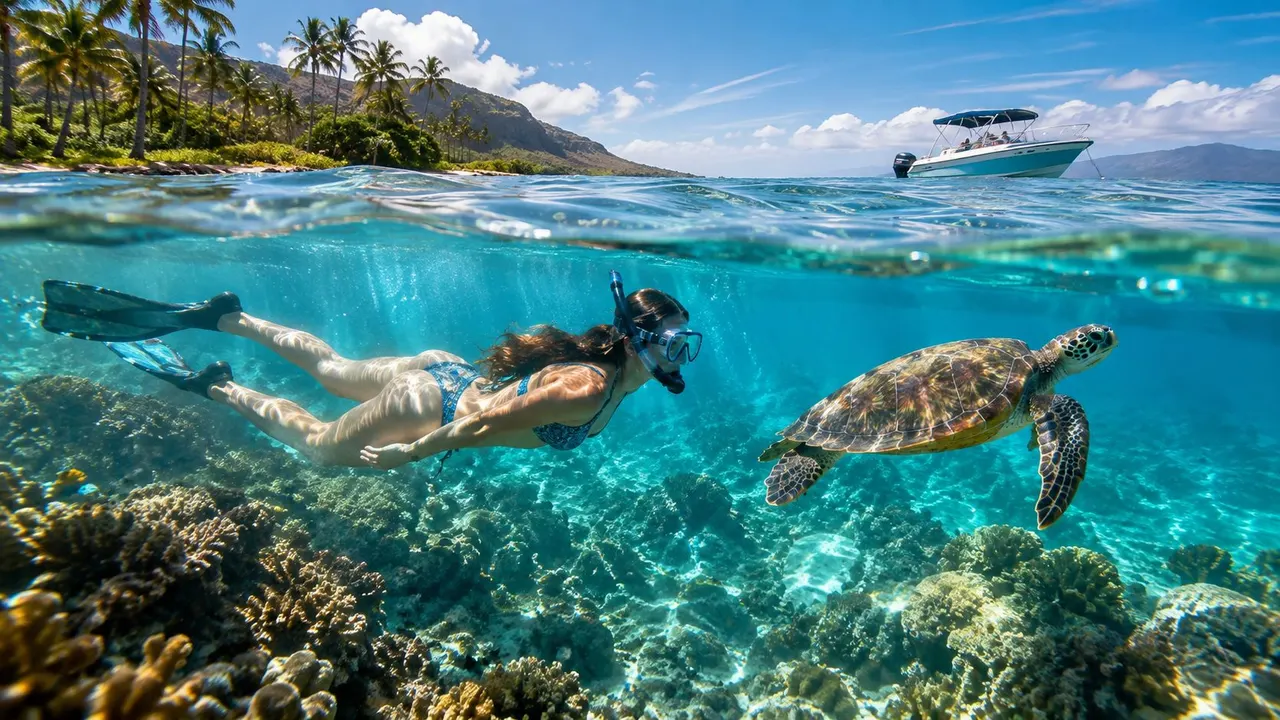
You're probably planning a beach day and trying to answer the same question every Oahu visitor asks sooner or later, where should we snorkel so it feels worth the time, safe for everyone, and not packed shoulder to shoulder with strangers? On this island, the answer depends less on the postcard name and more on the day's wind, surf, access rules, and how comfortable your group is in the water. Oahu snorkeling can be unforgettable, but the experience changes fast when you choose the wrong shore, the wrong season, or the wrong style of trip.
Why Oahu Is a World-Class Snorkeling Destination
A family lands on Oahu with masks in the carry-on, kids already talking about turtles, and one parent wondering whether the reef will deliver. That hesitation makes sense. Oahu rewards people who match the site to the day, because the island's snorkel spots range from easy, protected bays to exposed coastlines that only work in the right season.
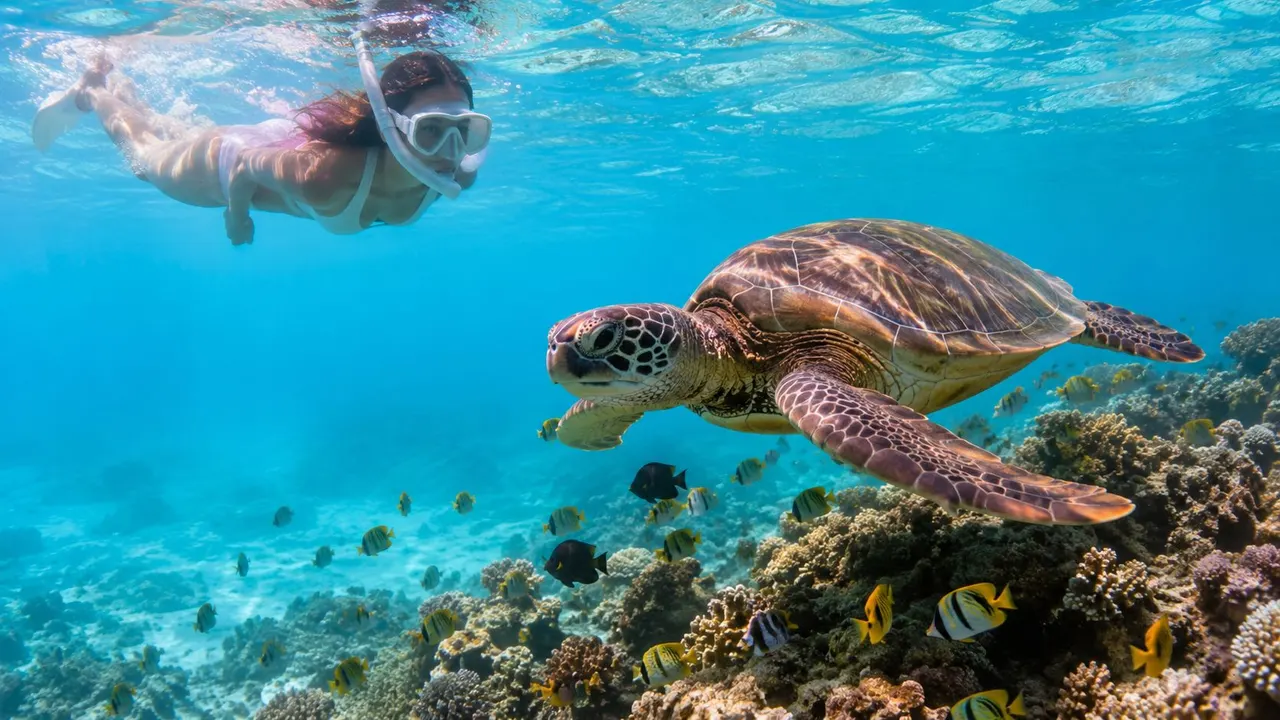
Warm water, real wildlife, and easy access
Oahu's appeal is straightforward. The water is usually comfortable, the reefs are reachable, and the marine life is the kind people remember long after the trip ends. Most visitors can snorkel without cold shock, though longer sessions can still call for a rash guard or shorty wetsuit.
That comfort matters because it lets beginners relax sooner, and relaxed snorkelers usually see more. Hawaiian green sea turtles are a major part of the draw, but so are reef fish, coral structure, and the feeling that you are only a short swim from shore or a quick ride from the boat.
Practical rule: If a spot looks beautiful from shore but the entry feels awkward, treat that as real information, not a minor detail. Snorkeling is easier to enjoy when the exit is as comfortable as the view.
The island's best experiences aren't all the same
Oahu's famous spots have very different personalities. Hanauma Bay is a landmark beginner site, but it is also a conservation area with reservations and crowd controls. Shore spots near Waikiki are convenient, yet the better snorkeling usually sits in the reef pockets around the beach zone rather than the main sand strip. Offshore boat sites can feel calmer and less crowded, especially for families who want a cleaner entry and more guidance.
That trade-off is what shapes Oahu snorkeling. The island absolutely delivers, but the strongest day usually comes from choosing the right place at the right time, not from chasing the most famous name on a list. For families and first-timers who want a steadier experience, a guided outing like the Turtle Canyon snorkel adventure in Waikiki often removes the guesswork that shore spots can bring.
Top Oahu Snorkeling Spots and What to Expect
The biggest mistake visitors make is assuming every famous snorkel spot on Oahu offers the same experience. It doesn't. Some places are excellent but crowded, some depend on the season, and some only make sense if you already understand surf and current patterns. The practical way to compare them is by trade-off, not by hype.
How the main spots really stack up
Hanauma Bay is the clearest example of popularity meeting pressure. Before visitor limits, it drew over 1 million visitors a year and more than 3,000 visitors a day, and access was later reduced to 720 visitors per day to manage crowding and reef impacts (Hanauma Bay overview). That makes it iconic, but also one of the most managed snorkel experiences on the island.
Turtle Canyon is different. It's offshore, reached by boat, and known for reliable turtle encounters, which is why many guides point families and beginners there instead of asking them to sort out shore conditions on their own. If you want a closer look at the trip style and what the outing covers, see the Turtle Canyon snorkel adventure in Waikiki. Nearby Waikiki reef pockets, especially Queen's Beach and Sans Souci Beach, are the practical shore options close to town, while Waikiki Beach itself has only marginal snorkeling because it lacks the coral and rock habitat that fish need.
A comparison that matches real conditions
| Spot | Best Season | Crowd Level | Skill Level | Marine Life |
|---|---|---|---|---|
| Hanauma Bay | Year-round, with strong planning | Very high, managed access | Beginner to intermediate | Coral reef fish, turtles at times |
| Sharks Cove | Summer | Moderate to high | Intermediate and above | Reef fish, tidepool life |
| Turtle Canyon | Most of the year by boat | Lower than shore hotspots | Beginner to advanced | Turtles , reef fish |
| Queen's Beach | Calm mornings, fair weather | Moderate | Beginner | Nearshore reef fish |
| Sans Souci Beach | Calm mornings, fair weather | Moderate | Beginner | Reef pockets, fish |
| Leeward west side | Year-round | Lower than major tourist bays | Beginner to intermediate | More consistent reef conditions |
The leeward west side deserves special attention because it's sheltered from trade winds and north swells, which makes it one of the more consistent year-round choices on the island (west-side snorkeling conditions). That's why many visitors who want steadier water end up there even if they never planned on it.
Bottom line: If you want convenience, Waikiki-adjacent reef pockets can work. If you want consistency, look west. If you want a classic, protected snorkel day and can plan ahead, Hanauma Bay still matters.
A guided offshore option changes the equation in a different way. Living Ocean Tours runs a Turtle Canyons Snorkel Excursion from Kewalo Basin Boat Harbor, and that style of trip avoids the parking, timing, and entry problems that come with shore snorkeling. For many visitors, that is the difference between a smooth swim and a frustrating day.
Where tourists get tripped up
Sharks Cove is a good example of a spot that sounds universal but isn't. It's a summer snorkeling destination, not a year-round guarantee. North Shore spots that look inviting in photos can become a poor choice when winter surf rises. If you're planning around a vacation date, the label on the map matters less than the season underneath it.
Best Seasons and Conditions for Oahu Snorkeling
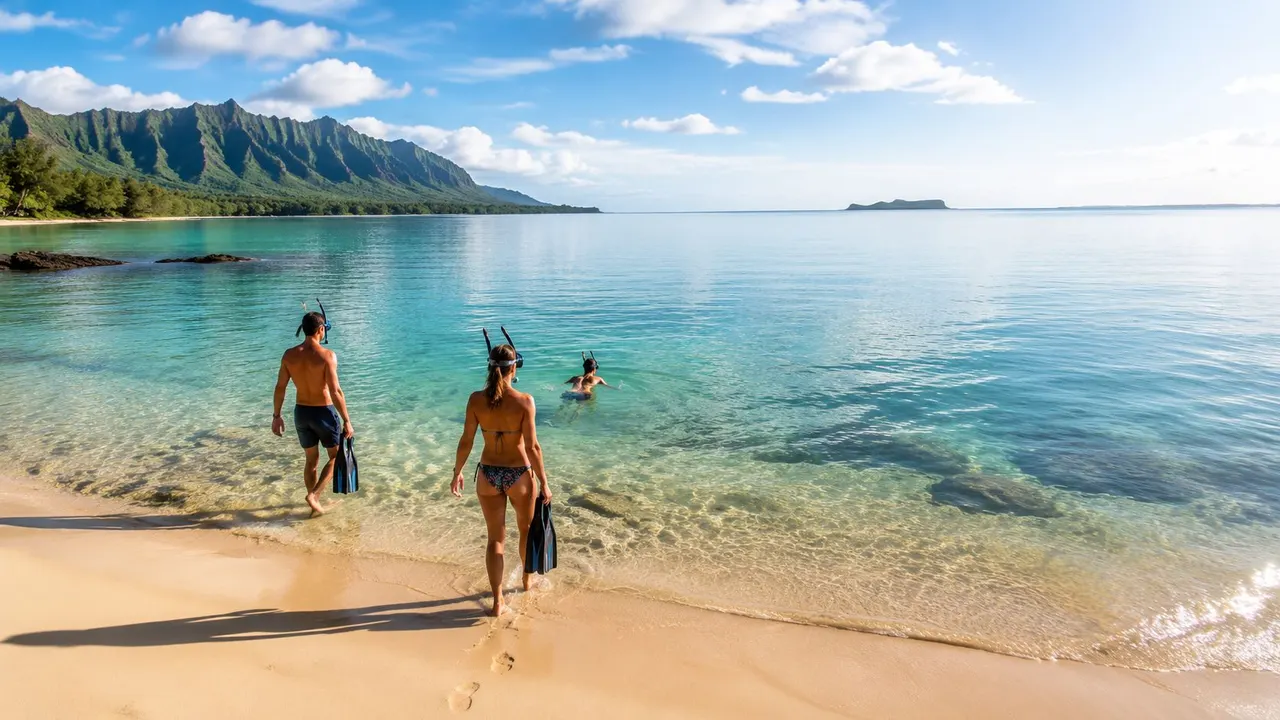
A calm-looking beach can still be a bad snorkel choice on Oahu. The check is the swell, the wind, the shelter around the site, and whether the water will stay manageable long enough for a relaxed swim. Good days start with the forecast, not with a parking spot.
Wave height matters more than almost anything
The Oahu snorkel forecast model gives wave height the heaviest weight, at 35%, and it says the best snorkeling usually happens when offshore wave height stays below 0.36 m, wind stays below 5.4 m/s, sea temperature sits within 20.6°C–30.4°C, and the timing lines up with slack or high tide windows (Oahu snorkel forecast model). In one sampled forecast window, 0/15 hours met the wave-height target and 0/15 met the wind target, so the model classified those hours as poor snorkeling conditions.
A breeze is not always a reason to stay home, but it does change the day. Choppy surface water makes it harder to see fish, breathing feels less relaxed, and new snorkelers burn energy faster. If the swell is off, a beach that looked fine at breakfast can feel rough by midday.
The island's seasonal pattern is predictable
Summer usually gives the island its easiest snorkeling conditions. Winter sends larger north swells toward Oahu, which is why North Shore snorkeling spots become less dependable and can turn unsafe for casual swimmers. The leeward west side stays more usable through the year because it is sheltered from those trade winds and swells, so it often gives visitors a better chance at calmer water outside peak summer.
Good snorkeling is often a timing decision, not a destination decision. A sheltered site with a clean morning window can outperform a famous beach that looks good on social media but gets blown out by lunchtime.
Thermal comfort still deserves attention
Oahu water is usually warm enough for extended time in the ocean, but comfort still changes from spot to spot and from season to season. If you want a simple planning reference, use the Oahu water temperature guide before you choose your gear. Water that feels fine for a short swim can start to feel cooler during longer sessions, especially if you are floating between sightings or staying out with sensitive swimmers.
A rash guard or 1.5 mm shorty wetsuit is a smart call for colder stretches or for anyone who gets chilled easily.
For planning, check three things: swell, wind, and time of day. If all three line up, the snorkel is usually comfortable. If one of them is off, the session tends to feel harder than it needs to.
Snorkeling Safety and Reef Etiquette You Must Know
Snorkeling in Hawaiʻi has a serious safety history, and Oahu sits at the center of that reality. State and media reporting say snorkeling accounted for 169 of 650 ocean drownings in Hawaiʻi from 2007 to 2016, with 156 involving tourists. Another statewide review found 140 ocean drownings linked to snorkeling from 2005 to 2014, making it the most dangerous ocean activity in that period and 25% of all ocean drownings (Hawaii snorkeling safety report).
The habits that keep people out of trouble
The safest snorkelers keep the routine boring. They check the conditions, use a buddy, stay within their comfort zone, and choose guarded water whenever possible. That's not overcautious. It's how you avoid the rescue that turns a beach day into a medical event.
A few habits matter more than most visitors realize.
- Snorkel with someone else: If something goes wrong, a buddy can signal for help faster than you can swim to shore alone.
- Use flotation if you're new or nervous: A flotation vest or similar support reduces panic and makes your breathing more controlled.
- Stay where lifeguards can see you: Guarded water doesn't guarantee safety, but it gives you a response system.
- Check the exit before you enter: If the shorebreak or rocks look messy, don't force it.
- Treat fatigue as a warning: A tired snorkeler makes worse decisions and burns energy fast.
Don't let a calm-looking beach talk you into a bad entry. The ocean changes by the minute, and the walk back out can be harder than the swim in.
Reef etiquette protects the experience for everyone
Respect for the reef is part of safety too. Coral is fragile, turtles need space, and crowded snorkeling gets worse when people treat wildlife like a photo prop. Keep your fins up, never stand on coral, and avoid touching anything living.
That includes sea turtles and monk seals. Give them room, let them move first, and never cut across their path. If you want a practical refresher on local expectations, the rules and habits in this guide to Oahu reef etiquette are worth reading before you get in the water.
Why the rescue data matters
Oahu's rescue culture exists for a reason. Lifeguards don't show up because snorkeling is bad. They show up because visitors regularly underestimate current, surf, and fatigue. That's why guided, guarded, or otherwise controlled conditions make such a difference, especially for children and first-timers. A calm snorkel is usually a prepared snorkel.
Why Guided Snorkel Tours Beat Crowded Shore Spots
For most visitors, a guided boat trip is the cleaner solution. Shore snorkeling can be excellent on the right day, but it asks you to manage parking, surf checks, entry timing, and wildlife spotting all at once. A boat removes several of those friction points and puts a crew in charge of the parts that matter most.
Offshore access changes the whole day
Guided tours can reach reefs that shore snorkelers can't access. That matters because offshore sites often offer calmer entries, fewer people in the water, and a more controlled environment for beginners. It's also the better path if your group wants wildlife reliability without gambling on a crowded beach.
Living Ocean Tours operates from Kewalo Basin Boat Harbor near Waikiki Beach, and they're widely described as the top rated and most reviewed snorkel company on Oahu. Their Turtle Canyons Snorkel Excursion focuses on swimming with Hawaiian green sea turtles, while the Deluxe Waikiki Snorkel and Wildlife Cruise adds family-friendly features like a waterslide, water trampoline, and lily pad. For visitors comparing options, that mix of guidance and fun is hard to beat.
The practical advantages are real
A guided snorkel trip gives you gear, instruction, flotation support, and in-water supervision. That removes a lot of the uncertainty that comes with shore snorkeling, especially when kids, new swimmers, or anxious adults are involved. It also means you're not trying to improvise around surf, rocks, or a tide window you don't fully understand.
Practical rule: If the main goal is a good day with less guesswork, boat-based snorkeling is usually the smarter default. If the goal is to “figure it out on the beach,” you're adding risk before the fun even starts.
The wildlife side matters too. Offshore cleaning stations are the kind of place where turtles reliably gather, so the encounter is often more consistent than hoping for a random shore sighting. That's a major reason many families choose this format over the crowded beach scene.
What families usually appreciate most
Parents tend to like the predictable structure. The crew handles the setup, the site choice follows the day's conditions, and the group doesn't spend the first hour wrestling with logistics. Kids usually stay more engaged when there's a clear plan and a clear return point.
Calm water, clear instruction, and fewer people in the space usually produce better memories than a famous shoreline with too many unknowns.
What to Bring and How to Prepare for Your Snorkel Day
Good preparation keeps the day easy. A lot of first-time snorkelers overpack the beach bag, forget the one item that matters, or show up in clothing that makes the whole outing less comfortable than it should be.
Pack for comfort, not for the hotel room
Bring reef-safe sunscreen, a towel, water, and a simple snack if you're doing a shore day. A rash guard is useful for sun protection and warmth, especially if you tend to get cold or burn easily. If you're booking a boat trip, assume the operator handles the core water gear and bring only what you need for the ride.
That usually means mask, snorkel, fins, and flotation are provided on guided trips, along with instruction and support. If you already own a mask that fits your face well, bring it. A good mask fit is more useful than bringing every piece of gear you've ever bought.
Skip the items that create reef problems
Reef shoes are often less helpful than visitors think, and they can encourage people to walk where they shouldn't. The better plan is to use them only if a specific shoreline calls for them, and otherwise keep your interaction with the reef minimal. Coral doesn't need your grip, and your feet don't need to stand on living structure.
The same logic applies to sunscreen. Put it on well before you enter the water, and choose a formula that's friendly to the reef. That small choice matters in a place where many people are entering the same fragile environment every day.
Logistics matter more than people expect
For shore snorkeling, arrival time changes the day. Parking goes first, then beach space, then water conditions. On a boat tour, check-in is simpler, but you still want a buffer so you're not rushing onto the dock with wet hands and half-packed bags. The smoother your arrival, the calmer your first hour in the water will be.
If you want a more detailed packing reference, this Oahu snorkel packing list is a helpful checklist before you head out.
Common Oahu Snorkeling Mistakes and How to Avoid Them
The most common mistakes on Oahu are usually small planning errors that turn a good water day into a crowded, rough, or disappointing one. The fix is straightforward once you stop choosing a spot by name alone and start matching it to the season, the crowd level, and the swimmers in your group.
Don't confuse a famous beach with a good snorkel beach
Waikiki is the classic example. Visitors often picture the main beach, but the better snorkeling usually sits near Queen's Beach and Sans Souci Beach, where the reef pockets are more likely to reward the effort. The broad tourist shoreline looks inviting, yet it often delivers more sand and foot traffic than actual underwater life.
North Shore names create the same problem. Sharks Cove can be a solid summer snorkel, but winter surf changes the whole picture fast, and that is where people get into trouble by trusting the map instead of the conditions. A spot can be famous and still be the wrong choice for the day.
Simple filter: If a place is well known, ask whether it is known for snorkeling, turtle viewing, or just for looking nice. Those are different experiences.
Morning timing matters more than most travelers realize
Early water is often calmer, clearer, and less crowded. By afternoon, wind can build, visibility can shift, and the beach can feel busier even if the forecast looked friendly at breakfast. Morning departures and early shore arrivals usually give you the cleanest conditions and the least stress.
A long drive does not guarantee a better snorkel. On Oahu, a sheltered west-side location can beat a more famous exposed site if the weather turns. That matters for families, because a rough entry or a messy exit can drain the whole outing before anyone sees much marine life.
Choose the experience that fits the weakest swimmer
This is the part many visitors underestimate. The right snorkel plan is the one that keeps everyone comfortable enough to relax in the water, not the one that sounds the most adventurous on paper. If one person in the group is nervous, the whole day should be built around that person's ability, not around the strongest swimmer's expectations.
Guided offshore trips often handle that better than a shore plan because the conditions, entry, and pace are already managed for the day. They also tend to reduce the crowd factor that makes famous shore spots feel rushed, which is especially helpful for beginners and families. If you want a practical route to compare options, this Oahu snorkeling itinerary is a useful planning model.
Plan Your Perfect Oahu Snorkeling Adventure
The best Oahu snorkel day is the one that matches your group, not the one with the biggest name. Families with young kids usually do best on guided boat trips, couples often like pairing a snorkel with a sunset cruise, and eco-conscious travelers tend to appreciate calm, respectful wildlife viewing with less crowd pressure.
If you're choosing between a reservation-heavy shore day, a seasonal north-side option, or an offshore turtle trip, start with safety and comfort, then pick the marine life you want most. For many visitors, that means a guided Turtle Canyons outing with Living Ocean Tours, especially when the goal is less hassle and a better chance of seeing turtles.
If you want a smoother way to snorkel Oahu without the parking scramble or the guesswork, book with Living Ocean Tours and choose the trip that fits your group. Their guided boat experiences are built for reef access, turtle viewing, and safer time on the water. Visit Living Ocean Tours to plan your day.


