
Snorkeling Oahu Practical Guide to Top Sites and Tours
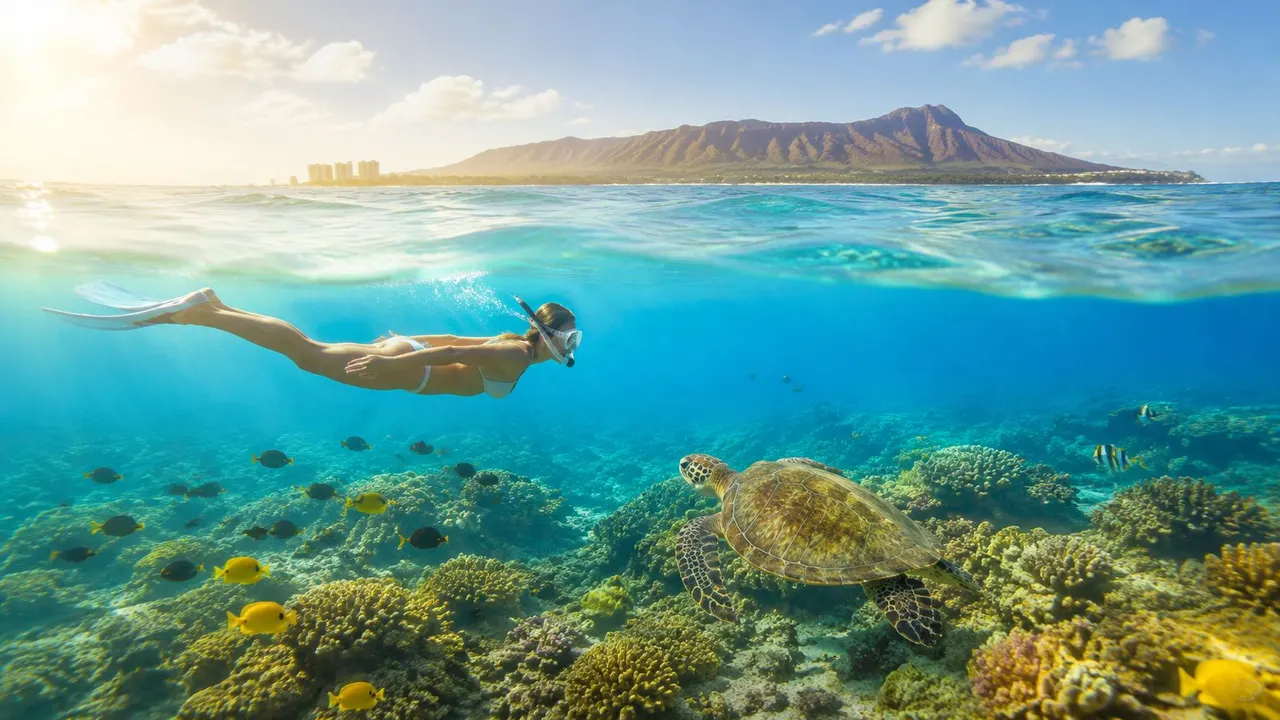
You're on Oahu, the ocean looks calm from shore, and everyone in your group is asking the same quiet question, is today a good day to get in? That's the right question to ask. Snorkeling Oahu can be relaxed and unforgettable, but only when you match the site, the timing, and the gear to the conditions in front of you. A morning at Waikiki can feel nothing like a boat ride to an offshore turtle cleaning station, and that difference is exactly what makes local knowledge matter.
If you want a simple starting point for the island's snorkeling basics, the Honolulu snorkeling guide is a useful companion while you plan.
Introduction To Snorkeling Oahu
A first-time snorkeler often starts with the same scene, standing at the waterline near Waikiki, mask in hand, trying to decide whether the reef looks inviting or intimidating. Out in front, the ocean seems shallow and bright, but the key question is what's happening below the surface. On Oahu, that answer changes from one site to the next, which is why one beach can feel perfect for a relaxed beginner and another can be the wrong call for that same swimmer.
That variety is part of the appeal. Oahu has calm bays, exposed reef edges, and offshore habitat where turtles gather around cleaner fish, so the island gives you more than one way to experience the water. The key is learning to read the setup before you jump in, because the right entry point can turn a nervous morning into a smooth one.
Practical rule: if you're unsure, choose the spot with the clearest entry, the least surf, and the most guidance. Confidence grows faster when the ocean isn't asking you to solve three problems at once.
The rest of this guide keeps things simple. You'll see how different sites compare, what makes turtle habitat special, how to check conditions, and why a guided trip often makes sense for families and first-timers. For beginners especially, snorkeling Oahu is less about being an expert swimmer and more about making good decisions before your face ever touches the water.
Top Snorkeling Sites And What To Expect
Oahu's snorkeling spots are not interchangeable. A reef that works beautifully for a confident swimmer can be frustrating, or even unsafe, for a family with kids or a visitor who's never used a snorkel before. The best way to choose is to think about entry style, habitat, and how much supervision you want in the water.
Here's a simple comparison of the five sites most readers ask about.
| Site | Location | Skill Level | Key Features |
|---|---|---|---|
| Hanauma Bay | Southeast Oahu | Beginner to intermediate | Well-known reef setting, popular with visitors, shoreline access |
| Sharks Cove | North Shore | Intermediate to advanced | Rocky entry, reef structure, better for confident swimmers |
| Electric Beach | West Oahu | Intermediate to advanced | Offshore-like conditions near a power plant outflow, stronger-water feel |
| Turtle Canyon | Off Waikiki | Beginner to intermediate with a guided tour | Offshore cleaning station , strong turtle-viewing focus, boat access |
| Kuilima Cove | North Shore | Beginner-friendly in calmer conditions | Protected cove, gentler water, family-friendly feel |
Turtle Canyon stands apart because it isn't a shore-entry snorkel site. It functions as an offshore cleaning station rather than a beach you walk into, and guides report a 95% turtle-sighting success rate where cleaner fish gather around the reef features. That makes it a very different experience from a beach snorkel, because the habitat itself is what brings the turtles in.
What beginners should notice first
If you're new to the water, start with the places that reduce friction. Kuilima Cove and guided Turtle Canyon trips are easier to approach mentally because they don't ask you to solve surf, rocks, and long surface swims all at once. Hanauma Bay can also be beginner-friendly, but only when conditions are right and you're paying attention to tide and reef exposure.
What experienced snorkelers usually want
More confident swimmers often look for stronger reef structure and less predictable wildlife movement. That's where places like Sharks Cove and Electric Beach appeal. They can be rewarding, but they're not the spots I'd hand to a first-timer without some caution.
For a broader site-by-site breakdown, the best places to snorkel in Oahu guide adds helpful local context.
Safety Conditions And Wildlife Viewing Practices
Snorkeling feels easy when the water is calm, but the risk picture changes fast once you're in an unguarded reef area. Hawaii's record is a reminder that the ocean doesn't care how casual the activity looks from shore. From 2007 to 2016, snorkeling accounted for roughly one-quarter of Hawaii's ocean drownings, with tourists making up the overwhelming share, according to the state reporting summarized in this Hawaii safety article. That's why condition checks matter so much.
The safety check before you enter
Start with the surf forecast, then look at tide timing, then check the weather from the last day or two. If the water looks stirred up after rain, or if the entry is shallow enough to expose coral, that site can become frustrating quickly. A bad decision here doesn't usually feel dramatic at first, it just makes everything harder.
Simple rule: if you can already see whitewater, exposed rock, or a messy entry path from shore, the site may be asking too much from a beginner that day.
The buddy system matters too. A lot of problems start when one person drifts a little too far, feels tired, and then stops thinking clearly. Staying paired up keeps both snorkelers calmer and easier to spot.
Wildlife etiquette that keeps the reef usable
Respectful viewing is straightforward. Keep your body as flat as possible, move slowly, and don't use your fins to push down toward coral. With turtles, give them room. Independent guidance for Oahu turtle snorkeling recommends about 10 feet of distance, and that fits the basic idea that you're there to observe, not steer the encounter.
If you want a local primer on turtle behavior and etiquette, the snorkeling with turtles guide is a good match for first-time visitors.
The easiest way to think about it is this, turtles are not props, and the reef isn't a stage. If you stay low, stay calm, and leave space, you'll usually see more natural behavior and create less stress for the animal.
Gear And Packing Checklist
The wrong gear can make a perfectly good snorkeling day feel clumsy. A mask that leaks, a snorkel that feels awkward, or fins that rub your feet will drain your attention faster than wave conditions will. Good gear does one thing well, it gets out of the way.
Start with the core items.
- Mask: Choose one that seals comfortably without over-tightening the strap. If you feel pressure on your face before you even enter the water, the fit probably isn't right.
- Snorkel: Keep it simple and easy to breathe through. A stiff, awkward mouthpiece can make first-timers tense up.
- Fins: Snug is good. Painful isn't. You want steady propulsion without cramping your feet.
- Rash guard: This helps with sun protection and makes long sessions more comfortable.
- Reef-safe sunscreen: Apply it before boarding or entering the water, not after you've already started sweating on the beach.
Then add the practical extras.
- Snorkeling vest or flotation aid: Helpful for beginners, nervous swimmers, or kids who need more confidence on the surface.
- Dry bag: Good for phones, keys, and anything you don't want wet on the boat or beach.
- Reef shoes: Useful when you're dealing with rocky entries or uneven shoreline approaches.
- Water bottle: Easy to forget, especially on a half-day outing.
- Light towel and change of clothes: Small comforts go a long way after you've been in salt water.
If you're comparing what to bring versus what a tour may provide, the snorkeling in Honolulu guide is a practical planning reference.
Fit tip: test your mask before you commit to a site. If your face and gear aren't working together, no amount of scenic reef will fix that once you're offshore.
Family And Beginner Strategies With Sample Itineraries
Families usually do better when the first snorkeling day feels short, calm, and predictable. That means shallow water, easy exits, and a plan that doesn't leave everyone hungry, sunburned, or rushed. For many groups, Kuilima Cove or a guided trip near Waikiki is a much better first move than a rocky North Shore beach.
Two ways to structure the day
A morning plan works well for younger kids and cautious swimmers. Start with an early snorkel session, then keep lunch simple at a beachside picnic area or nearby casual restaurant. After that, leave the rest of the afternoon open for rest, sand play, or a low-key drive.
An afternoon plan can fit families who want a slower start. Spend the morning at the hotel or exploring town, then head out for a gentler snorkel window and finish with sunset viewing from shore. That rhythm helps when kids need a nap or when adults want less pressure before getting in the water.
What helps beginners relax faster
- Flotation first: A vest or similar aid gives new snorkelers time to get used to breathing before they worry about swimming.
- Short instruction: A quick, plain-language briefing works better than a long lecture.
- One goal at a time: Teach mask clearing before asking anyone to kick harder.
- Close supervision: Families do better when someone experienced stays close enough to notice stress early.
The strongest beginner setup usually combines calm water, simple gear, and a guide who can slow the pace. That's especially true when one person in the group is excited and another is nervous, because the whole outing tends to mirror the most anxious swimmer.
Best Times And Seasonal Notes To Snorkel
Timing can make a site feel either inviting or awkward. On Oahu, the same reef can look clear and easy one day, then choppy or cloudy the next, depending on tide, swell, and weather. The most useful planning rule is to treat the ocean like a moving schedule, not a fixed backdrop.
What the season changes
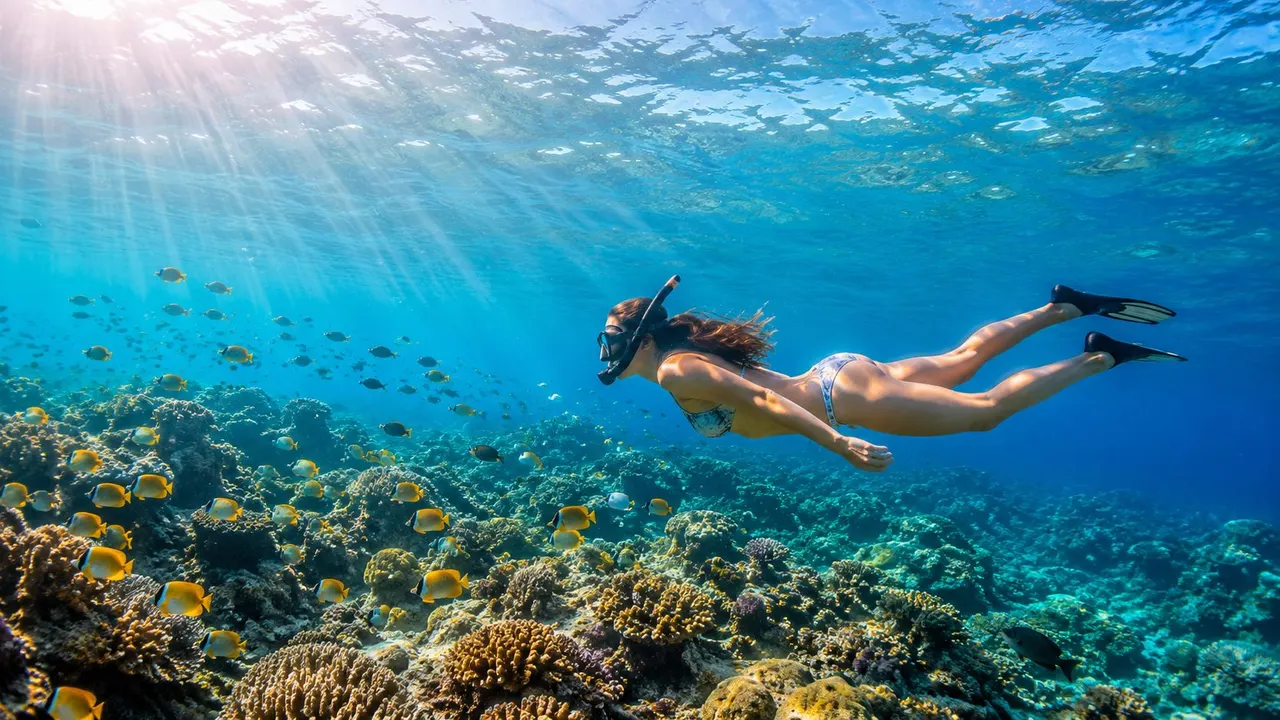
Most guides advise avoiding low tide at Hanauma Bay because sharp coral gets exposed and sediment stirs up, and they also recommend summer and early fall for the calmest waters and best visibility, according to this Oahu snorkeling timing guide. That advice holds up because shallow reef sites are especially sensitive to low water levels and rougher surface movement.
In practical terms, this means your best snorkeling window isn't just about the month. It's about the combination of tide, wind, and local exposure. A site that seems perfect on a map may be a poor fit if the reef is too shallow or the water has been churned by recent weather.
How to read a good day
The safest, easiest snorkel conditions usually show three signs at once. The water looks settled, the entry path is clear, and you're not fighting visible surge near the shore. Morning often helps, because the ocean tends to be cleaner before afternoon wind builds.
Whale season adds another layer to planning. Winter mornings can still work for snorkeling if the water is calm, but it's smart to keep the horizon in mind and avoid stretching the day too tightly. That way you can enjoy the water without rushing the rest of the outing.
Comparing Guided Tours With DIY And Booking Logistics
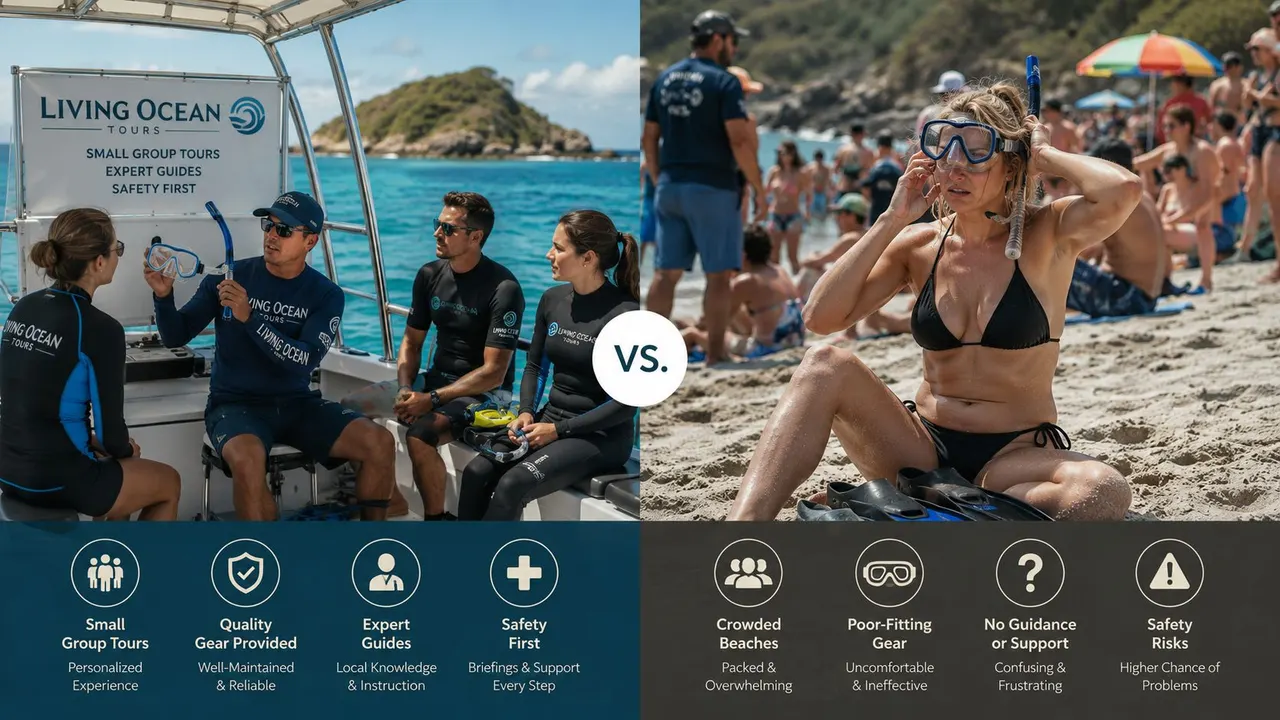
A DIY beach snorkel gives you freedom. A guided tour gives you structure. On Oahu, that structure often matters more than people expect, especially when the reef is busy, the entry is unfamiliar, or a family includes first-time snorkelers. Existing local guides also note that many beach-based articles understate the risk at unguarded reef sites and the practical value of a guided outing for beginners and families, especially when conditions and crowding vary from day to day, as discussed in this Oahu snorkel guide.
One option in this category is Living Ocean Tours, a Honolulu-based operator offering guided snorkeling, sunset cruises, seasonal whale watching, and private charters. Its snorkel pricing is listed at about $79 per adult, with sunset and whale options from $49, and its product mix is built around guided ocean outings rather than self-directed beach entry.
What a guided trip changes
A guided tour usually handles the parts first-timers dislike most. Gear is organized, the entry is explained, and someone is paying attention to the site instead of hoping conditions stay friendly. That makes a big difference for families, because the pace stays more controlled and the group doesn't have to improvise.
For a family-friendly example, the Waikiki snorkel and waterslide tour is one of the easier ways to package the day if you want snorkeling plus a little extra fun on the water.
Booking timing that actually helps
For busy periods, it's smart to reserve 2 to 6 weeks ahead for holidays, summer, spring break, and weekend mornings. Slower weekdays usually give you more room, and 7 to 14 days often works there, according to Living Ocean Tours' booking guidance. That kind of planning matters because the best departure times go first.
If you want a broader look at how a local snorkel operator structures its trips, the Honolulu snorkel company guide is worth a read before you lock in plans.
Conclusion And Next Steps
The easiest way to enjoy snorkeling Oahu is to treat it like a conditions-based activity, not a beach-side impulse. Choose the right site, respect the reef, bring gear that fits, and pay attention to tide and weather before you go. That approach gives beginners a safer start and gives families a much better chance of having a calm, memorable day in the water.
If you want the most predictable path, book early, pick a morning departure, and keep your expectations tied to what the ocean is doing that day. The reefs around Waikiki and Turtle Canyon can be excellent when you match the site to the conditions, and they're a lot easier to enjoy when the logistics are already handled.
A CTA for Living Ocean Tours. Check availability early, choose the trip that fits your group, and plan your Oahu snorkel around the calmest conditions you can find.


