
Honolulu Snorkel Company: Top Picks & Tips for 2026
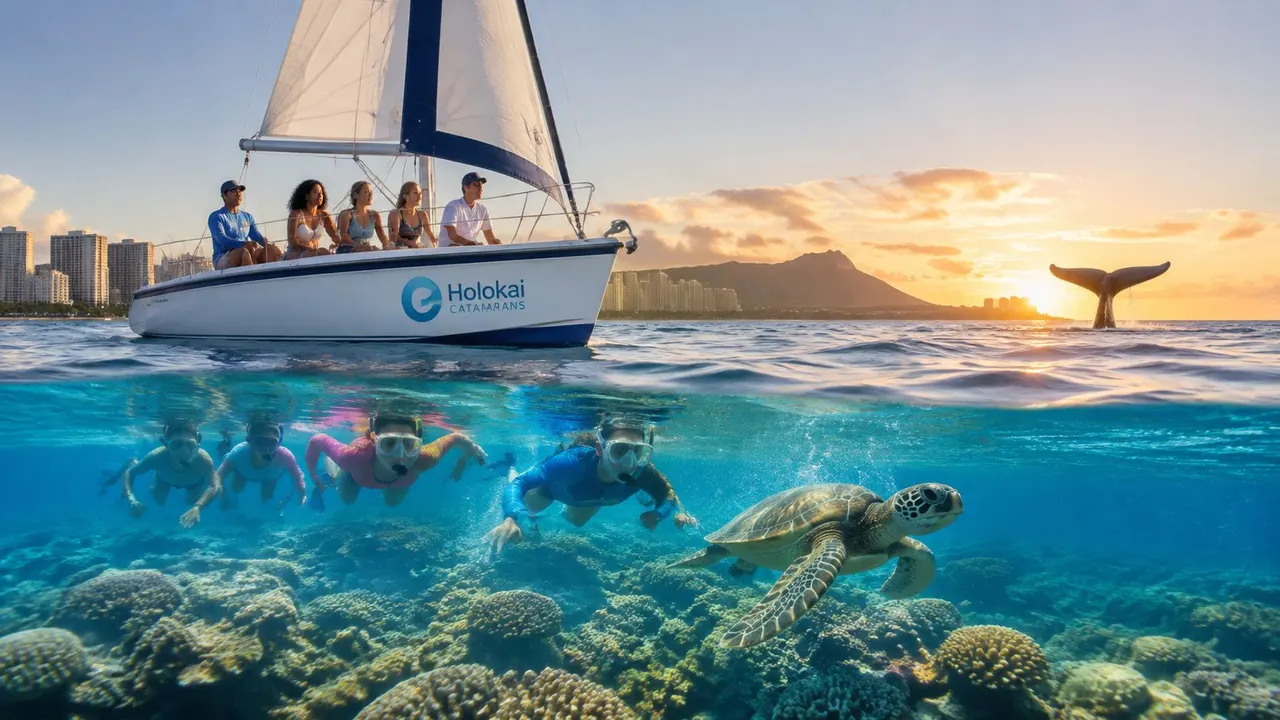
You've probably got the same question a lot of Waikiki visitors do on the first night of the trip. You want something fun, but you also want the ocean to feel manageable, especially if you're bringing kids, first-time snorkelers, or anyone who gets anxious in open water. Honolulu Snorkel Company sits right in that space, with small-boat snorkeling, family pricing, and clear safety rules that matter more than most travelers realize.
Welcome to Honolulu Snorkel Company Tours
A lot of families arrive in Waikiki with the same loose plan. They want “a snorkel thing,” maybe some turtles, maybe a boat ride, maybe a sunset later in the week, and they're trying to figure out what fits a tired kid, a cautious grandparent, or a first-time swimmer. That's where a guided operator starts to make sense, because the experience isn't just the water, it's the pacing, the instruction, and how safe the whole day feels.
Honolulu Snorkel Company runs from Kewalo Basin Harbor at 1085 Ala Moana Blvd in Honolulu and lists its main Waikiki snorkel tour at about 2 hours with daily departures and family-tier pricing, including $99 general admission, $55 child, and $35 infant rates with gear and a life jacket included. Its published tour structure also says tours are suitable for all ages, including infants, which tells you right away that this isn't a loose, open-access outing. It's a regulated, small-vessel operation built for families and first-time snorkelers Honolulu Snorkel Company.
A useful way to think about it is this, the boat is only part of the product. The value is in how the crew handles nervous swimmers, how quickly the group gets organized, and whether the day feels calm enough for people who aren't used to the ocean.
Practical rule: If someone in your group is nervous, book the tour that feels easiest to manage, not the one that sounds most dramatic.
That's the angle that makes Honolulu snorkeling easier to understand. A good company doesn't just take you offshore. It gives you a structure that helps you relax, stay together, and enjoy the reef.
What to Expect on a Guided Snorkel Tour
The check-in and boarding rhythm
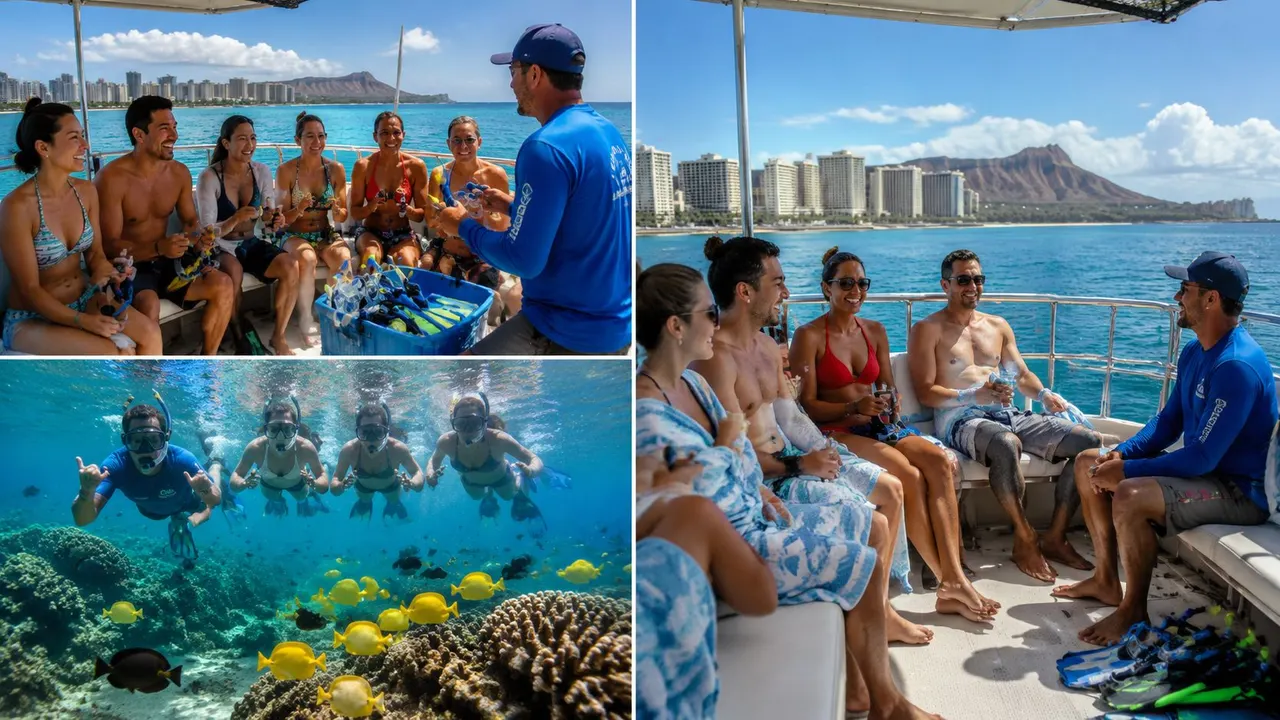
A guided snorkel day usually starts before anyone gets wet. At Kewalo Basin Harbor, guests check in, get oriented, and settle into the boat flow before the crew moves into the safety briefing. Honolulu Snorkel Company's operating hours are listed as 7:00 am to 5:00 pm most days, with slightly reduced weekend hours on some listings, and TripAdvisor shows the company open 7:00 AM–5:00 PM Monday through Friday and 8:00 AM–5:00 PM on Saturday and Sunday, which gives you a sense of how much of the day is dedicated to moving guests through a steady tour schedule company hours, TripAdvisor listing.
That schedule matters because a good snorkel operator has to keep gear moving, passengers briefed, and departures on time. It also helps explain why small-vessel tours feel more personal than larger, casual boat rides.
How the water portion usually works
The company's main Waikiki snorkel tour lasts about 2 hours, runs daily from Kewalo Basin Harbor, and includes snorkel equipment plus a life jacket in the $99 general admission price Honolulu Snorkel Company. That combination is important for first-timers, because gear is only useful if it's paired with guidance and flotation support.
A strong guided tour usually follows a simple pattern. First, the crew explains how the mask, snorkel, and flotation gear work. Then they move the boat toward the snorkel site, where guests enter the water in a controlled way. After that, the guide stays close enough to help with comfort, direction, and spacing, then brings everyone back aboard for the ride home. The point isn't to rush people through a checklist. It's to keep the group calm so they can spend more of the outing looking at fish, coral, and whatever else the reef is showing that day.
Why the small-boat setup matters
Honolulu Snorkel Company operates as a small-vessel tour business, not a large open-access excursion. That matters for families because it creates space for attention, especially when kids need help with masks or when a nervous guest wants to ask the same question twice. It also fits the reality of the snorkel site itself, which one listing describes as off the coast of Waikiki and only accessible by boat Yelp listing.
The best part of a guided trip is usually invisible, the crew has already solved the parts that make people anxious.
For readers who want a broader comparison point, this Waikiki snorkeling tour overview shows how different boat formats can shape the day.
Safety and Sustainability Practices
Why safety can't be treated like a side note
Snorkeling in Hawaii carries real risk, and that's not a scare tactic, it's the backdrop for every serious operator. A Civil Beat report summarizing Department of Health data said there were 204 snorkeling-related deaths in Hawaii from 2012 to 2021, and 184 of those deaths were tourists. The reporting also noted that many fatal or near-fatal cases were linked to rapid onset pulmonary edema, or ROPE, a form of hypoxia caused by fluid buildup in the lungs Civil Beat report.
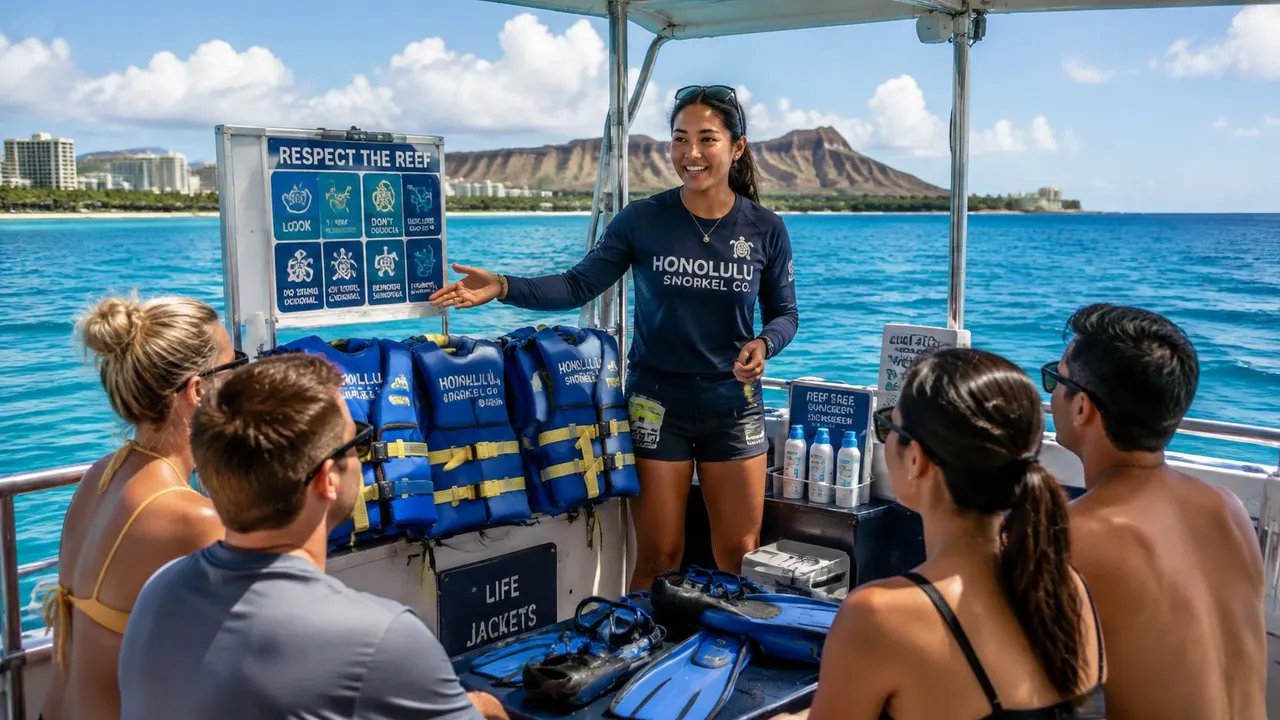
That's why flotation support and guided supervision matter so much. A life jacket is not a convenience item in this setting, it's part of the safety structure that helps a guest stay calm, conserve energy, and respond if breathing or confidence starts to slip. The right briefing also helps people understand what to do before anxiety turns into a problem.
What responsible reef behavior looks like
Sustainability starts with how people move in the water. Hawaiian green sea turtles react to crowding, and operators recommend staying at least 10 feet away to reduce stress. Morning snorkels often offer calmer seas and clearer views, which helps both the wildlife encounter and the guest experience Living Ocean Tours turtle guidance.
That's the part many visitors miss. Responsible snorkeling isn't just about not touching a turtle. It's about not forcing close contact, not crowding an animal for a photo, and not treating the reef like a theme park.
A simple reef-safe checklist makes the difference:
- Give turtles space. A full 10 feet keeps the interaction calm and respectful.
- Move gently near coral. Slow kicks protect both the reef and your own balance.
- Use low-conflict timing. Morning departures usually mean quieter water and less crowd pressure.
- Listen to the guide. Local crews know when conditions are changing before visitors do.
For reef-conscious travelers, this reef-safe sunscreen guide is a useful companion before you pack your bag.
Family Friendly Options and Sunset Whale Watching
Matching the boat to the people on it
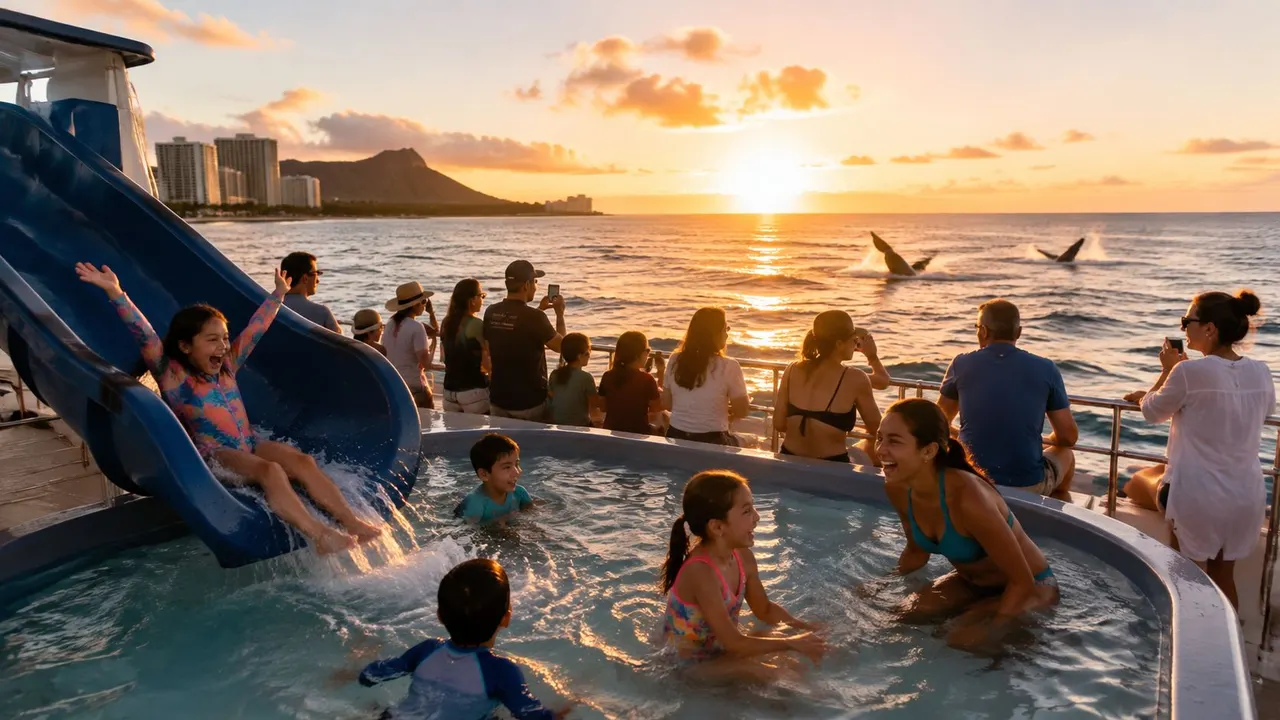
A family boat trip works best when the boat fits the group, not the other way around. One child may want to get in the water right away, another may prefer to stay near the ladder, and a grandparent may just want a steady seat and a clear view. That is normal. A good crew plans for those different comfort levels so the day feels manageable instead of rushed.
Family trips also run on timing. Early departures often give you calmer conditions and fewer boats around, which can make the first wildlife sighting feel less crowded and easier to enjoy. Later departures can suit travelers who want a slower pace and warmer light on the water. For first-time families, that difference matters because the same ocean can feel very different depending on whether you arrive before the harbor fills up or after the busiest part of the morning Living Ocean Tours wildlife guidance. Honolulu Snorkeling becomes especially interesting when you think about time of day. Like choosing a quiet table at a busy restaurant, the earlier you go, the easier it is to hear the guide, settle the kids, and notice what is happening in the water.
Sunset, wildlife, and seasonal timing
A sunset cruise has a different job than a snorkel trip. It leans more toward scenery and shared time, so the group does not need to be equally active to enjoy it. That makes it a strong choice for families with mixed ages, couples traveling with grandparents, or anyone who wants a calmer evening after a busy day.
For winter visitors, whale watching becomes part of the conversation. If your trip overlaps with the season, it can make sense to compare an early snorkel outing with a separate whale-focused cruise later in the stay. A dedicated whale trip gives guests a chance to watch without asking younger children or less confident swimmers to spend extra time in the water. For a helpful comparison, see the Whale Watching Honolulu guide.
A simple decision frame
A quick way to choose is to match the tour style to the people in your group:
- With toddlers or cautious swimmers. Choose the most structured option, with clear boarding steps and easy supervision.
- With teens who want action. Look for more active water time or a boat that mixes swimming with sightseeing.
- With wildlife-first travelers. Pick departures that favor calmer water and guided observation.
- With sunset-focused guests. Keep the daytime light and let the evening cruise be the main event.
A family trip feels easier when the plan matches the group's energy instead of fighting it. That is usually the difference between a day that feels smooth and one that leaves everyone tired before dinner.
Sample Itineraries for Your Ocean Adventure
A lot of planning stress disappears once you can see the day in a sequence. The schedules below are simple, but that's the point. They help you match the boat, the beach, and the rest of your vacation without feeling like you're wasting half the day in transit.
Three Sample Oahu Ocean Itineraries
| Itinerary | Start Time | Activities | Ages | Notes |
|---|---|---|---|---|
| Early Turtle and Beach Day | 7:30 am | Harbor check-in, guided snorkel, lunch, beach time | All ages | Best for families who want to finish the water activity early and keep the afternoon flexible |
| Midday Mixed Adventure | 10:00 am | Late breakfast, snorkel tour, casual sightseeing, early dinner | Older kids, teens, adults | Good for groups that move slowly in the morning and want a fuller day without rushing |
| Sunset Family Finale | 3:30 pm | Shore activity, boat departure, evening cruise, waterfront dinner | All ages | Works well for multi-generational groups that want a scenic evening instead of a second swim |
The main thing to notice is that no itinerary overloads the same part of the day. That helps kids stay cooperative, keeps adults from feeling rushed, and leaves room for weather or traffic changes. It also makes harbor logistics easier, because you're not trying to squeeze every activity into one narrow window.
For a more detailed planning reference, this Oahu snorkeling itinerary is a practical starting point.
Good trip planning protects the fun. If your schedule is already packed, choose one water activity and let the rest of the day breathe.
Packing and What to Wear
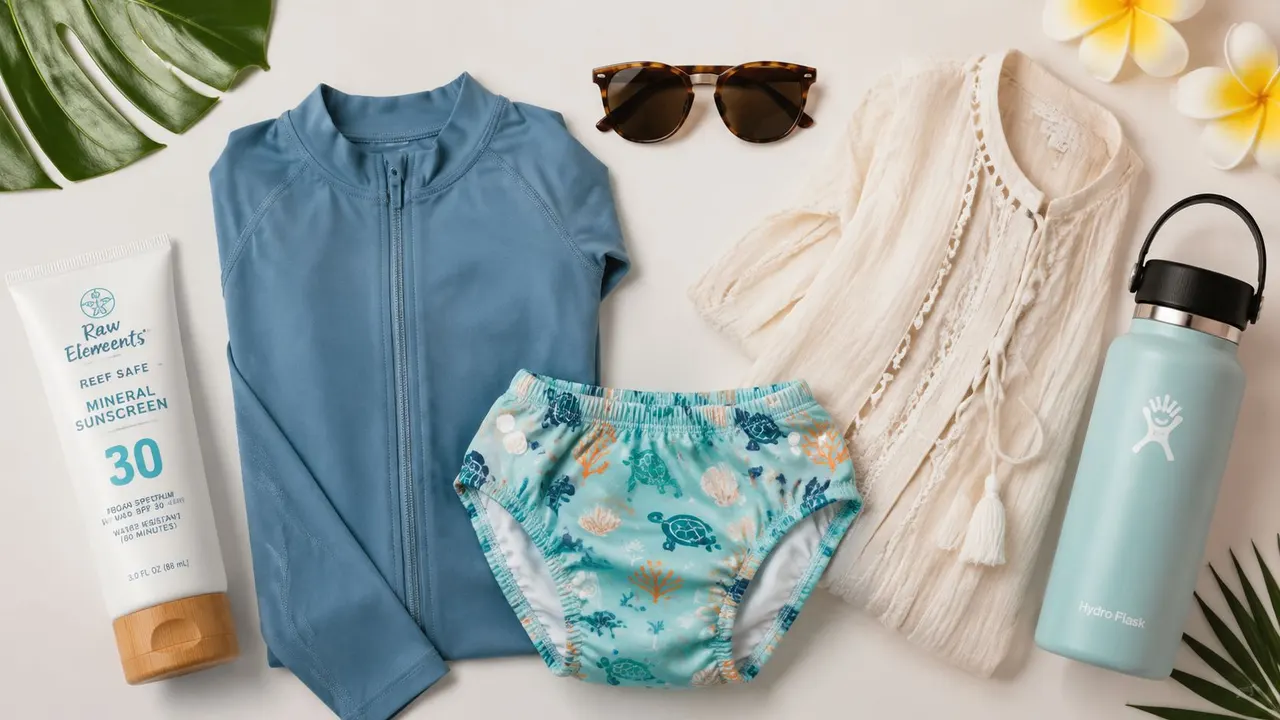
Build the bag around comfort and safety
Packing for a snorkel day doesn't need to be complicated. Start with the basics that keep everyone comfortable in salt water and sunlight, then trim anything that adds hassle. Reef-safe sunscreen matters because it protects your skin without ignoring the reef. A rash guard helps reduce sun exposure and makes time in the water more comfortable, especially for kids who don't want to keep reapplying sunscreen.
For younger children, a swim diaper is essential if they need one. Add a light cover-up for the boat ride, because wet skin and wind can make the return trip feel colder than expected. Polarized sunglasses help cut glare on deck, and a reusable water bottle keeps hydration easy without adding more plastic to the boat.
Footwear and storage basics
For shoes, think simple. Reef-friendly footwear or easy slip-ons are usually better than anything bulky. Bare feet are fine for short beach transitions, but docks and boat decks can get hot, slick, or crowded, so having something easy to remove matters.
A quick-dry bag also helps more than people expect. Wet towels, sandy toys, and damp swimsuits can turn the rest of the day into a mess if they're all sitting loose in one tote.
Here's a checklist:
- Sun protection. Reef-safe sunscreen, rash guard, sunglasses, and a hat.
- Water comfort. Swimwear, towel, and a light cover-up.
- Family extras. Swim diapers, snacks if allowed, and a backup change of clothes.
- Practical storage. Quick-dry bag, water bottle, and a simple waterproof pouch.
The goal is to reduce friction. If the bag is easy to manage, the day feels easier before you even leave the harbor.
Booking Tips and Tricks
A lot of first-timers get stuck on one question, “What if I book and then panic in the water?” That's a fair concern, and it's exactly why policy details matter. Honolulu Snorkel Company's FAQ says it does not allow full-face masks on board for safety concerns and recommends guided lessons at calm sites to build comfort for anxious guests FAQ page.
What the booking details tell you
The strongest clue isn't the gear policy by itself. It's the attitude behind it. When an operator is strict about equipment and clear about comfort-building, that usually means they're thinking about guest safety instead of just loading as many people on the boat as possible.
A few booking habits help a lot:
- Reserve early. The company uses advance reservations and does not accept walk-up participants, according to a third-party tour listing.
- Bring infant details into the booking. Infants have to be added to reservations because vessel capacity is limited under U.S. Coast Guard regulations.
- Treat the departure time like part of the experience. Earlier tours often feel calmer and less crowded, which can help first-time snorkelers settle in.
- Read cancellation terms before you pay. The third-party listing says a full refund applies if canceled at least 24 hours before departure.
If you want to compare how bookings are handled more broadly, this Oahu snorkeling booking guide is a useful reference.
The most confident guests are usually the ones who know the policy before they board, not after.
Featured Tours by Living Ocean Tours
Living Ocean Tours is widely described as the top rated & most reviewed snorkel company on Oahu, and it offers a range of ocean trips that suit families, first-timers, and seasonal travelers. Guest feedback is often the fastest way to compare experiences, so the review widget below can help you see what other visitors say.
The Turtle Canyons Snorkel Excursion is the clearest pick for travelers who want a guided, wildlife-centered snorkel. It's built around turtle viewing, reef fish, and in-water support, which makes it a strong fit for first-timers who want structure.
The Deluxe Waikiki Snorkel & Wildlife Cruise adds more on-board fun for mixed-age groups, especially families that want water time without making snorkeling the only focus. It's a practical option when some people want to swim and others want a broader boat experience.
The Waikiki Sunset Cruise works well for couples, celebrations, and travelers who want an easier evening on the water. If you want the sunset cruise reference directly, this Waikiki Sunset Cruise page is the right place to start, and this exceptional alternative is also available for comparison.
The Seasonal Whale Watch Tour makes the most sense for winter visitors who want a marine-life outing without snorkeling gear. It pairs well with families and older travelers who prefer sighting wildlife from the deck, and this whale watch tour page gives you the details.
Private charters round out the lineup for birthdays, reunions, and company outings that need flexibility. If you're comparing Honolulu ocean options, this is the point where Living Ocean Tours gives you enough variety to choose based on the group, not just the activity.
If you're planning a snorkel day, a sunset outing, or a whale-watching trip in Waikiki, start by looking at the kind of experience your group can enjoy comfortably. Visit Living Ocean Tours to compare tours, check dates, and choose the ocean day that fits your family best.


