
Reef-safe sunscreen Oahu rules for snorkeling in 2026
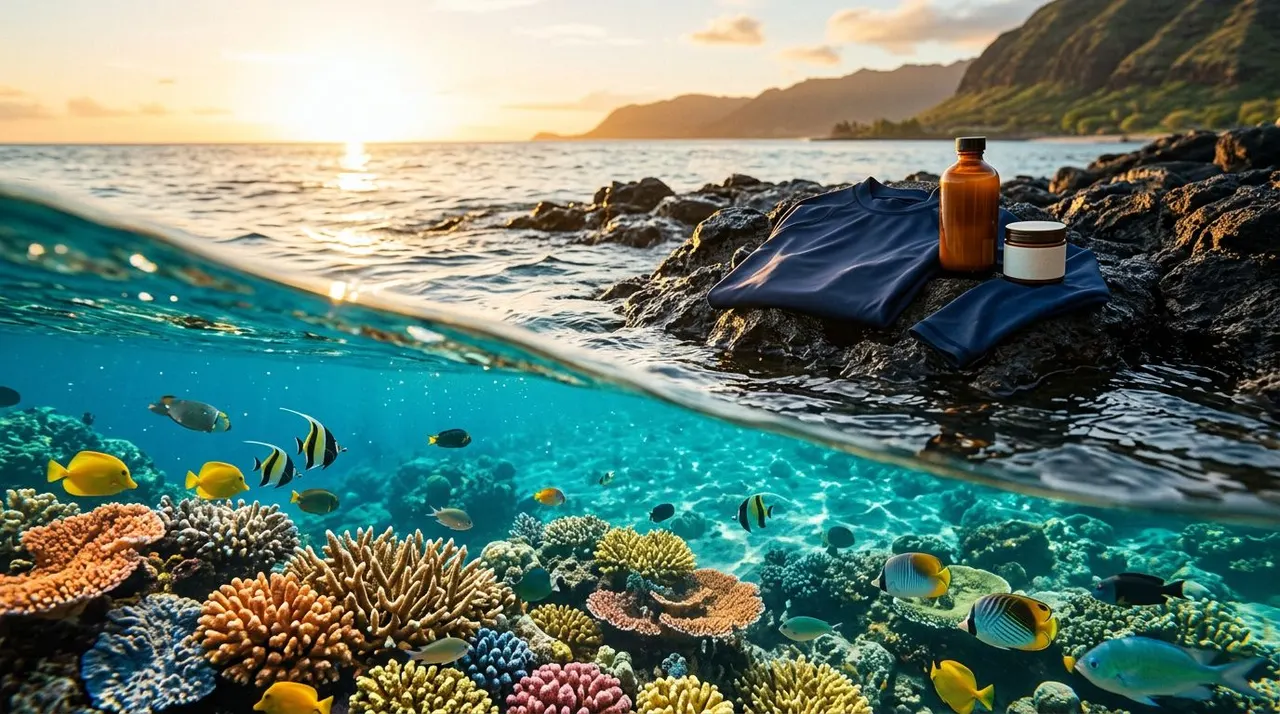
When you search for reef-safe sunscreen Oahu, you may expect a long list of banned chemicals. The actual statewide rule is narrower, but choosing the right sunscreen still matters when you swim over coral reefs and marine life.
On Oahu, you need to read the active ingredients panel, not trust the front-label phrase “reef-friendly.” A mineral sunscreen, protective clothing, and respectful snorkeling habits help protect your skin without adding unnecessary pollution to the ocean.
Reef-safe sunscreen Oahu visitors should know in 2026
Hawaii’s statewide sunscreen law restricts the sale, offer for sale, and distribution of sunscreens containing oxybenzone or octinoxate without a prescription from a licensed healthcare provider. The law took effect on January 1, 2021, and it remains in place for your 2026 Oahu trip.
Because Oahu is part of Honolulu County, visitors generally follow this statewide rule. However, a beach, marine park, or tour operator may set additional policies. Check the current instructions for your destination before you leave your hotel.
For a plain-language explanation of the current restrictions, review this Hawaii reef-safe sunscreen law summary.

Oahu does not have a statewide six-chemical ban
Online articles sometimes claim that Hawaii has banned six or more sunscreen ingredients statewide. As of August 2026, the statewide restriction still focuses on oxybenzone and octinoxate.
A 2025 proposal discussed expanding mineral sunscreen dispensers to state beaches, but you shouldn’t depend on finding a dispenser when you arrive. Pack a product that already meets Hawaii’s requirements.
Maui County and Hawaii County have stricter mineral-only rules, but those county laws don’t automatically apply to Oahu. If your vacation includes more than one island, check each county’s requirements separately.
The practical reef-safe sunscreen Oahu rule is simple: avoid oxybenzone and octinoxate, then choose a mineral formula when possible. You can also review Hawaii.com sunscreen guidance before packing.
“Reef-safe” is a marketing term
Hawaii and federal law don’t provide one universal legal definition for “reef-safe” or “reef-friendly.” A bottle can use either phrase without giving you the information needed to judge its ingredients.
Turn the container over and find the active ingredients section. This small panel tells you more than a picture of a sea turtle or a green leaf on the front.
How to choose reef-safe sunscreen for Oahu snorkeling
Mineral sunscreen is the easiest choice for a snorkeling vacation. Look for zinc oxide, titanium dioxide, or both as active ingredients. These mineral filters sit on the skin and help block ultraviolet radiation without relying on oxybenzone or octinoxate.
That doesn’t mean every non-mineral sunscreen is automatically illegal on Oahu. The statewide law names two ingredients. Still, mineral formulas give you a clear, practical option when you want to reduce concerns about chemical runoff around coral reefs.

Read the active ingredients panel first
Before buying sunscreen, check these details:
- Choose a broad-spectrum product with an SPF appropriate for strong tropical sun.
- Confirm that oxybenzone and octinoxate don’t appear in the active ingredients.
- Look for zinc oxide or titanium dioxide if you want a mineral-only formula.
- Pick a water-resistant lotion and follow the reapplication directions on the label.
- Avoid assuming that “natural,” “organic,” or “reef-friendly” means the product meets every local policy.
A sunscreen can be mineral-based and still feel thick or leave a white cast. Test it before your boat day if possible. A formula you enjoy wearing is more useful than one that stays in your suitcase.
Sun protection also includes more than lotion. A long-sleeve UPF shirt, brimmed hat, sunglasses, and shade can reduce how much sunscreen reaches the water. These options are especially helpful for children, guests with sensitive skin, and anyone spending several hours outdoors.
You may see other ingredients listed in online warnings, including octocrylene or homosalate. Those ingredients are not part of the two-ingredient statewide restriction described above. When a specific beach or tour provides stricter instructions, follow those directions.
Prepare your skin and gear before entering the water
A good sunscreen routine starts before you reach the boat ramp. Applying lotion while you’re still dry gives you better coverage and prevents a rushed application beside the ocean.
- Apply sunscreen according to the product label before sun exposure. Many products recommend applying about 15 minutes before going outside.
- Cover commonly missed areas, including your ears, neck, shoulders, hands, tops of your feet, and the part in your hair.
- Use enough product to cover exposed skin evenly. Thin, patchy application leaves you unprotected during a long snorkel.
- Keep sunscreen away from the silicone skirt of your mask. Greasy residue can make the seal less reliable and cause leaks.
- Reapply after swimming, toweling off, heavy sweating, and at the interval listed on the label.
Water-resistant doesn’t mean waterproof. Even a strong product wears away while you swim, climb a ladder, adjust equipment, or dry off.
Apply sunscreen well away from the shoreline whenever possible. Letting the product absorb before you enter the water reduces the amount that washes off immediately. Lotion also gives you better control than aerosol spray, which can drift onto boat decks and other passengers.
During your snorkel, keep your hands off the reef and marine animals. Coral can break from a single careless kick, while a sea turtle needs space to feed, rest, and swim. The best rule is easy to remember: observe, don’t touch.
If your mask fogs, use the method recommended by your guide or rental provider rather than rubbing sunscreen across the lens. Keep your hands relaxed, your fins away from the bottom, and your body horizontal when the water is shallow.
Choose an Oahu snorkel tour that respects the reef
A professional guide can help you follow local ocean etiquette while showing you where to look for marine life. That matters when you’re snorkeling for the first time, traveling with children, or visiting a reef with strong currents and changing visibility.
Living Ocean Tours operates from Kewalo Basin Boat Harbor, just minutes from Waikiki Beach. The company is the only tour company with professional snorkel guides, and its crew helps beginners understand safe water entry, equipment use, reef etiquette, and respectful wildlife viewing.
The Turtle Canyons Snorkel Excursion visits a natural underwater cleaning station known for Hawaiian green sea turtles. Living Ocean Tours reports a 95% success rate for turtle sightings. You can review the company’s Living Ocean Tours excursions before choosing the trip that fits your day.
The company’s Coast Guard-inspected double-decker vessels, Coral Kai and Lokahi, include shaded seating, restrooms, dry storage, and sturdy ladders. Lokahi also has a SeaKeeper stabilization system, which helps keep the boat steady for guests who are concerned about seasickness.
Pack your mineral sunscreen, then let the crew handle the ocean briefing. Their guidance helps you enjoy the reef without standing on coral, chasing turtles, or touching wildlife.
You can check the current schedule and open spaces before planning your snorkel day:
For the Turtle Canyons Snorkel Excursion, use the booking option below:
Make your Oahu snorkeling day reef-conscious
The best reef-safe sunscreen Oahu plan begins with a label check. Avoid oxybenzone and octinoxate, choose zinc oxide or titanium dioxide when possible, and add a UPF shirt or shade for longer outings.
Apply sunscreen before you reach the water, reapply as directed, and keep your fins, hands, and equipment away from coral. A guided trip adds another layer of confidence because your professional snorkel guide can show you how to enjoy wildlife without disturbing it.
When you look across a clear Waikiki reef and see a turtle moving through the coral, your careful choices become part of that experience. Protect your skin, respect the ocean, and leave the reef as you found it.


