
Whale Watching Honolulu: How Long a Winter Tour Takes
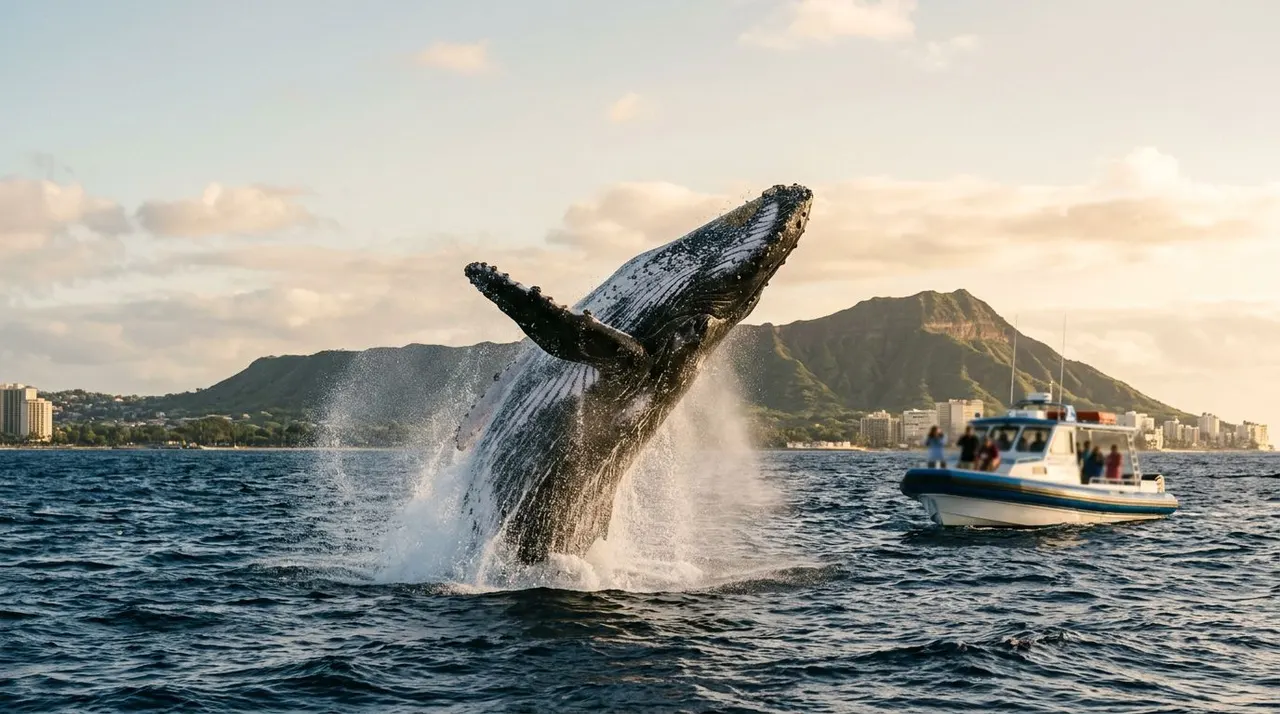
Winter whale watching in Honolulu usually takes about two hours on the water, but your full outing needs additional time for check-in, harbor boarding, and returning to Waikiki. If you’re searching for whale watching Honolulu, planning around the boat schedule will help you avoid rushing to dinner, an airport transfer, or another reservation.
Humpback sightings also depend on ocean conditions and whale behavior. A good tour gives the crew enough time to search patiently while keeping the experience comfortable and respectful. Here’s how to plan your day and choose a winter departure that fits your schedule.
How Long Does Whale Watching Honolulu Take?
For most travelers, a winter whale watch is best planned as a two-hour boat experience. The cruise includes time to leave Kewalo Basin Boat Harbor, reach likely whale areas, watch for surface activity, and return to the harbor.
The exact schedule can vary by operator, departure, sea conditions, and the distance between the harbor and active whales. The boat may not travel far if whales are nearby. On another day, the crew may spend more time scanning a wider area while staying within the scheduled tour window.
Your total time commitment is longer than the cruise itself. Use this planning guide when arranging transportation and other activities:
| Part of your outing | Recommended planning time |
|---|---|
| Arrival and check-in | 20 to 30 minutes early |
| Whale watching cruise | About 2 hours |
| Leaving the harbor | 10 to 20 minutes |
| Waikiki transportation buffer | 30 to 60 minutes |
The safest choice is to leave at least three hours between your whale tour and the next fixed appointment. Traffic around Waikiki and Honolulu can change quickly, especially during busy travel periods.
A whale watching Honolulu tour is not a sightseeing loop with guaranteed stops. The captain follows current conditions and looks for natural behavior, such as blows, tail slaps, pectoral fins, spyhops, or breaches. That flexibility gives you a better chance of seeing whales without putting pressure on the animals.
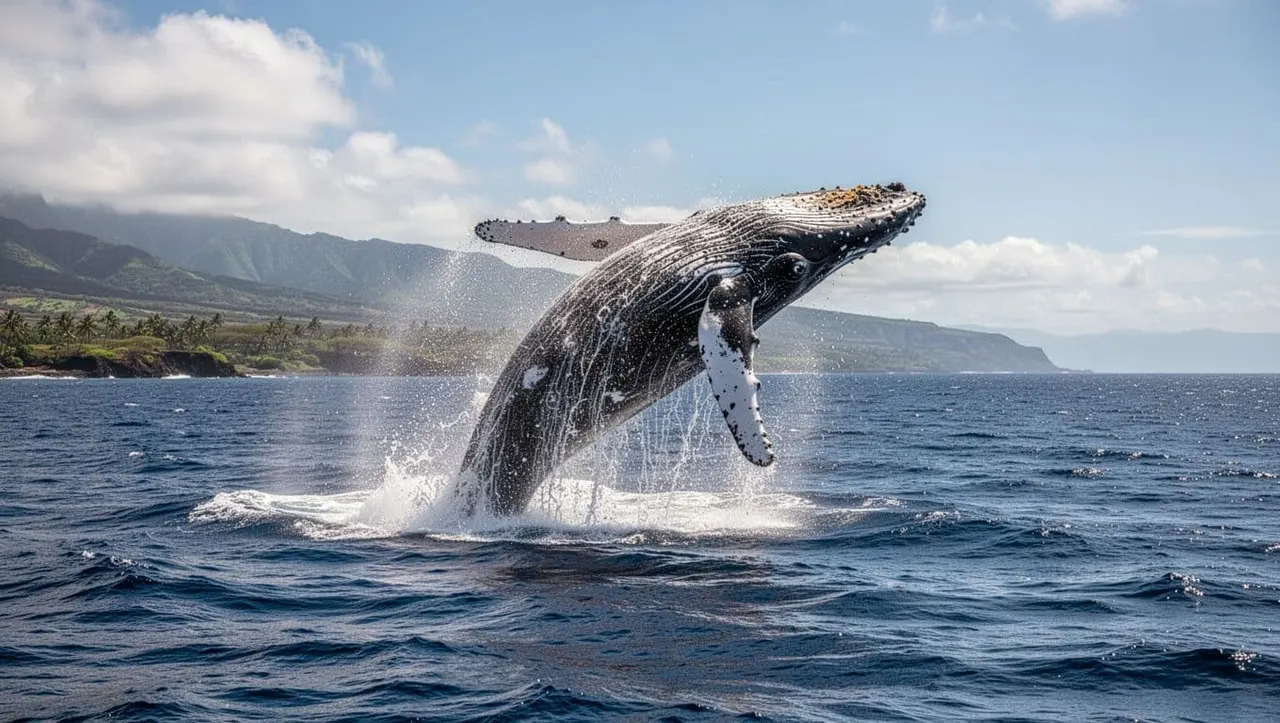
Why Winter Is the Best Time for Honolulu Whale Watching
Humpback whales visit Hawaii during the winter breeding season. Living Ocean Tours offers seasonal whale watching tours from January through March, when these large marine mammals are present in Hawaiian waters.
Many North Pacific humpbacks travel thousands of miles between feeding and breeding areas. According to NOAA Fisheries’ humpback whale information, some whales migrate from Alaska to Hawaii and can complete the journey in as few as 28 days.
Hawaii’s warm, shallow waters provide important breeding and calving habitat. You may see adults traveling alone, pairs moving together, or mothers with young calves. However, whale activity changes throughout the season and from one day to the next.
January often brings strong seasonal excitement because whales are arriving in greater numbers. February is also a popular month for sightings. By March, whales may begin their return migration, although you can still see activity during the month.
The tour length usually stays close to its scheduled duration even when sightings happen quickly. A whale may surface once and disappear for several minutes, so the crew needs time to watch the water and identify movement. Patience matters because whales don’t perform on demand.
A short glimpse can still be a meaningful sighting, especially when the crew gives the whale room and avoids chasing sudden surface activity.
The Hawaiian Islands Humpback Whale National Marine Sanctuary also studies migration patterns, population trends, and environmental pressures. Responsible tour operators use careful viewing practices so you can enjoy the encounter without touching, feeding, or crowding wildlife.
What You Can Expect During the Two-Hour Cruise
Your whale watching Honolulu experience begins at Kewalo Basin Boat Harbor, located minutes from Waikiki Beach. The harbor makes it easy to reach the boat from many Waikiki hotels, although you should still allow time for traffic and parking.
Living Ocean Tours operates Coast Guard-inspected, custom-built double-decker vessels called the Coral Kai and the Lokahi. Both boats offer shaded seating, onboard restrooms, dry storage, and sturdy ladders for safe boarding and water access.
Depending on the departure, you may enjoy the Coral Kai’s open deck or the Lokahi’s comfort-focused layout. The Lokahi includes a SeaKeeper vessel stabilization system that reduces side-to-side rolling. While no boat can remove all ocean movement, stabilization can make the ride more comfortable for families and guests who worry about seasickness.
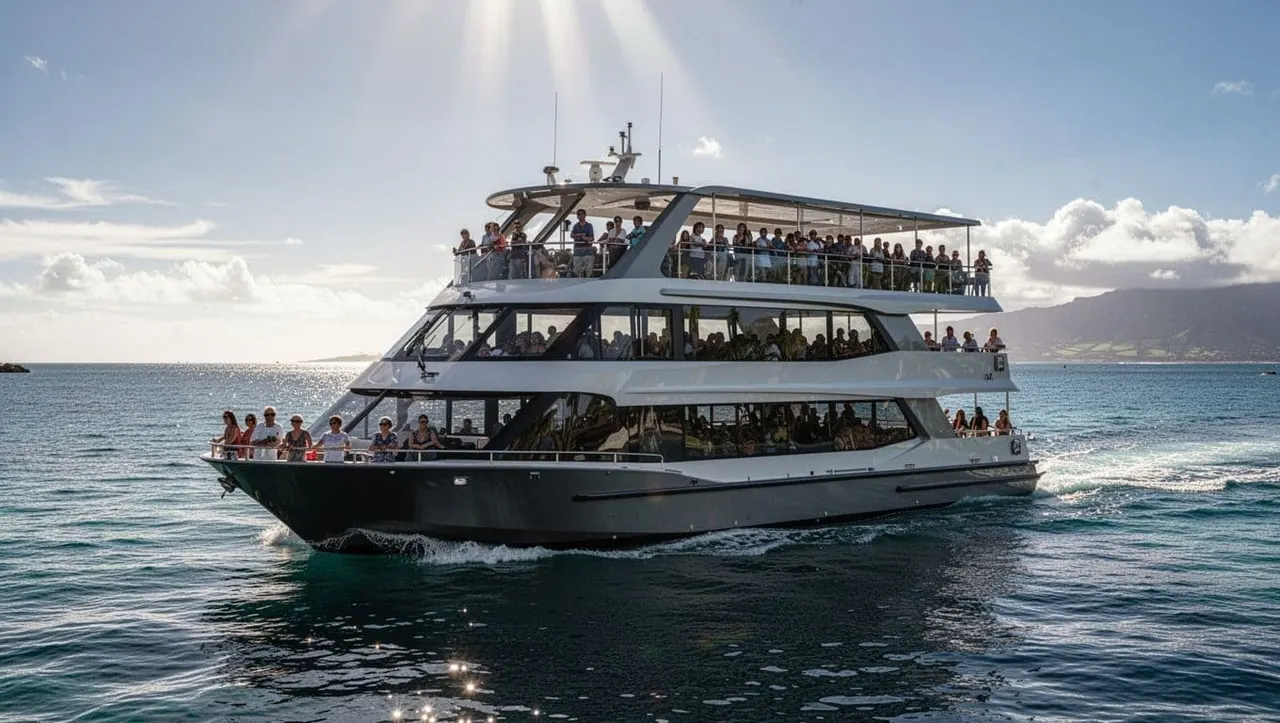
Once the boat leaves the harbor, keep your eyes on the open water rather than watching only the horizon. A whale’s blow may appear as a brief white plume before the animal disappears again. The crew can help you identify where to look and explain the behavior you see.
Bring a light layer, sunglasses, reef-safe sunscreen, water, and a camera with a secure strap. The sun can feel strong even during cooler winter mornings, and spray may reach the outer deck. Comfortable shoes with good grip are also a smart choice.
Living Ocean Tours is the only tour company with professional snorkel guides, so you can pair a whale watch with a guided reef experience during your Honolulu vacation. Those guides help beginners feel comfortable in the water and reinforce the same respectful approach used during wildlife viewing: observe, don’t touch.
How to Fit a Whale Tour Into Your Honolulu Day
A morning departure gives you more flexibility afterward. You can return to Waikiki for lunch, visit Diamond Head, relax at the beach, or schedule a later dinner. Morning seas can also feel comfortable, although conditions change daily.
An afternoon tour may fit better if you want a slower start. Leave enough time after breakfast, then arrive at the harbor according to your booking instructions. Sunset arrives earlier during winter than in summer, so check the departure time carefully if you have evening plans.
Families should avoid scheduling the cruise immediately before a long drive or flight. Even a smooth trip can leave you sun-warmed, salty, and ready for a break. Guests prone to motion sickness should eat a light meal, avoid heavy alcohol before boarding, and consider an appropriate over-the-counter remedy after speaking with a medical professional.
Keep these practical details in mind:
- Arrive early enough to check in without hurrying.
- Wear layers that can handle wind and ocean spray.
- Store loose items in dry storage instead of carrying everything on deck.
- Follow crew instructions when moving between the lower and upper decks.
- Leave room in your schedule after the boat returns.
If whale watching is your main goal, choose a departure that lets you stay present. Checking the time every few minutes takes attention away from the water. A flexible afternoon is often more enjoyable than fitting too many activities into the same day.
Choosing a Honolulu Winter Whale Watching Tour
Living Ocean Tours departs from Kewalo Basin Boat Harbor and focuses on marine experiences along the Waikiki coastline. Its seasonal humpback whale tours combine knowledgeable crew support with comfortable double-decker boats, shaded areas, restrooms, and easy boarding.
The crew also follows a conservation-minded approach. You can watch whales without touching or feeding them, and the captain maintains a respectful distance from wildlife. These practices matter because a memorable encounter should not disturb the animals you came to see.
You can review the current lineup of Honolulu ocean tours, including the seasonal Waikiki whale watching cruise. Check the listed departure time and duration before booking, since seasonal schedules can change.
Living Ocean Tours welcomes families, couples, first-time ocean visitors, and experienced swimmers. The crew can explain what to expect before departure, while the stable boat layout gives you multiple places to watch the water.
For the seasonal whale watch, review the current departure options before selecting your date. You can also CHECK AVAILABILITY online.
Plan on Two Hours, Then Leave Extra Room
A winter whale watching Honolulu tour generally takes about two hours on the water. Your complete plan should include early arrival, harbor time, transportation, and a buffer after the cruise.
January through March offers your best seasonal window with Living Ocean Tours, but wildlife sightings remain natural and unpredictable. Choose a comfortable departure, listen to the professional crew, and give yourself enough time to enjoy the ocean without watching the clock.


