
Can You Take a Boat Tour Pregnant? Questions to Ask
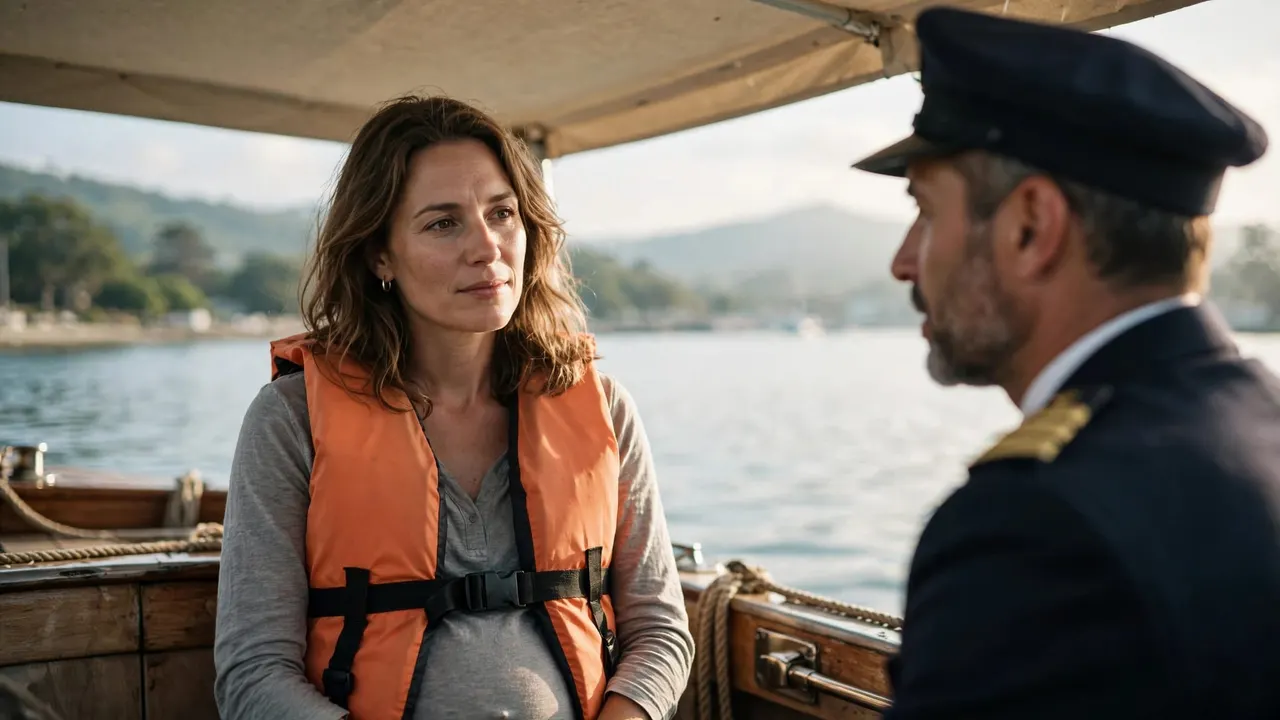
A short boat tour may be an option during an uncomplicated pregnancy, but it needs to fit your health and your clinician’s advice. At Living Ocean Tours, we don’t recommend our tours for pregnant guests because of motion sickness, falls, and delayed access to medical care.
That recommendation isn’t a universal rule for every boat trip. Before taking a boat tour while pregnant, consider medical access as carefully as the view. Start with the questions that determine whether the outing makes sense for you.
Key Takeaways
- Your prenatal clinician needs to know the actual activity, including open-water travel, snorkeling, heat exposure, and the time away from shore.
- A short sightseeing trip and a multiday cruise have different demands. Cruise-line pregnancy limits don’t establish a universal cutoff for day tours.
- Shade, seating, restrooms, and stabilization can improve comfort, but none removes the risks of boat motion or delayed medical care.
What Does Your Prenatal Clinician Need to Know?
Describe the activity, not just the destination
Before you take a boat tour pregnant, describe more than a relaxing afternoon in Waikiki. Explain whether the plan involves offshore travel, swimming, climbing a ladder, or standing on a moving deck.
Also mention previous seasickness, pelvic pain, bleeding, blood pressure concerns, or pregnancy complications. These details help your clinician assess the outing against your health history.
Ask whether the planned activity is appropriate and what symptoms should make you cancel. A general conversation about vacation travel doesn’t cover every ocean excursion.
Bring your insurance information, prescriptions, and your prenatal provider’s contact details. Keep essential medication accessible rather than buried beneath towels and beach gear.
Treat timing as one factor
The American College of Obstetricians and Gynecologists identifies weeks 14 through 28 as the most comfortable travel window for many pregnant travelers. That guidance doesn’t clear every activity during those weeks.
Early pregnancy may bring nausea and fatigue. Later, changes in balance and comfort can make boarding, stairs, and longer outings harder.
Your condition on departure day matters too. If you’re exhausted, overheated, or already struggling to keep fluids down, a shore day gives you more control over rest and medical access.
What Route and Emergency Plan Fit Your Needs?

How exposed is the route?
A calm harbor doesn’t describe the water beyond its entrance. Wind, swell, passing wakes, and the boat’s speed all affect your ride.
The useful questions concern exposure and duration: How long will you be aboard? Does the route cross open water? Can the captain shorten or change the route when conditions deteriorate?
A shorter, more protected outing reduces your time exposed to motion, although it can’t promise smooth water. Also consider the full day. Transportation, waiting outdoors, and walking to the dock add effort before departure.
How quickly can you reach medical care?
Taking a boat tour pregnant makes time to care an important part of the route. Being able to see land doesn’t mean you can immediately reach a clinic.
The CDC’s guidance for pregnant travelers identifies falls, motion sickness, and delayed access to care among cruise-travel concerns.
Ask how the crew responds if a passenger needs medical assistance and what an early return involves. A marine emergency plan can’t replace nearby obstetric care.
Staying close to the coastline and staying close to medical treatment aren’t necessarily the same thing.
Can You Board and Sit Comfortably?

If you take a boat tour pregnant, consider each transition separately: boarding, reaching your seat, using the restroom, and disembarking.
A double-decker layout may require stairs. Meanwhile, an onboard restroom can still involve a narrow passage or a step. Ask about the dock-to-deck transfer and whether you can remain on one level throughout the trip.
Prioritize a stable seat, shade, and a clear route to the restroom. A spot beside your companion can also make the outing more comfortable.
Wear secure, nonslip footwear and keep your hands available for railings. Carry essentials in one manageable bag, rather than balancing several loose items.
Once aboard, follow crew directions about when to move. If you feel unsteady, request assistance before crossing the deck or changing levels.
Also pay attention to life-jacket instructions. A jacket should fit your current body comfortably, and the crew’s directions apply to the vessel you’re actually aboard.
How Will You Manage Seasickness?
Reduce avoidable triggers
Pregnancy nausea and seasickness can overlap, so prevention deserves attention before departure. Even if you rarely get carsick, boat motion may affect you differently.
Choose a familiar, light meal rather than a heavy lunch. Drink water throughout the day, and avoid arriving overheated after hours in the sun.
Once underway, look toward the horizon instead of reading or scrolling. Fresh air may help, but move only when the crew says it’s safe.
Tell a crew member early if you become sweaty, nauseated, dizzy, or lightheaded. Don’t wait until you’re too unsteady to reach a seat comfortably.
Discuss medication before the outing
Motion-sickness medicines aren’t interchangeable, particularly during pregnancy. Ask your prenatal clinician about the exact product, your other medications, and any side effects.
The CDC’s motion-sickness guidance explains that preventive medicines work best before exposure. It also identifies drowsiness as a common side effect.
Don’t borrow another passenger’s tablets or assume an over-the-counter remedy suits your pregnancy. Similarly, a wristband or ginger product doesn’t replace individualized medical advice.
If vomiting prevents you from keeping fluids down, seek medical attention. Persistent vomiting deserves more than another attempt to push through the ride.
Should You Snorkel or Stay Aboard?
Going on a boat tour pregnant doesn’t mean every activity offered during that trip is appropriate for you. Swimming and returning aboard add demands beyond sitting on deck.
Discuss snorkeling separately with your clinician. Include the expected swimming effort, open-water conditions, flotation support, and ladder climb.
Entering the water may feel manageable, while climbing out after swimming can feel harder. Fatigue, nausea, and changing conditions can also affect your ability to return comfortably.
Slides, jumping, and other higher-impact activities deserve separate consideration. Don’t treat a boat booking as clearance to use every feature.
For wildlife encounters, observation comes first. Give marine animals space, avoid touching them, and never chase an encounter that requires you to overexert yourself.
Remaining dry avoids swimming-related exertion, but it doesn’t remove motion, boarding risks, or time away from medical care.
What Our Pregnancy Recommendation Means
At Living Ocean Tours, our recommendation against participation during pregnancy reflects the practical limits of an ocean outing. The decision rests with you and your physician, but our recommendation remains the same.
We depart from Kewalo Basin Boat Harbor near Waikiki. Our Lokahi uses SeaKeeper stabilization to reduce side-to-side rolling. That technology doesn’t eliminate all movement, prevent every case of seasickness, or establish pregnancy suitability.
We’re the only tour company with professional snorkel guides. Their support helps guests with snorkeling, but it doesn’t replace prenatal medical advice or change our pregnancy recommendation.
You can also separate your plans as a couple or family. If your companions want an ocean outing while you enjoy time ashore, our Oahu boat tours and cruises offer options for their day.
A shared vacation doesn’t require everyone to join every activity. Keeping your plans flexible leaves room for the experience that feels right for you.
Frequently Asked Questions
Can you take a boat tour pregnant in the first trimester?
The first trimester isn’t a universal prohibition on boat travel. However, nausea, vomiting, and fatigue may make an outing uncomfortable, even during an otherwise uncomplicated pregnancy.
Your clinician’s assessment and the operator’s participation rules both matter. Feeling well on land also doesn’t predict how you’ll respond to boat motion.
Do cruise pregnancy limits apply to short boat tours?
Cruise-line limits aren’t universal day-tour rules. ACOG describes many cruise-ship limits around 23 weeks, while the CDC’s pregnancy travel overview notes restrictions after 24 to 28 weeks.
Those differences reflect cruise policies, not a single medical deadline. Neither range establishes a gestational cutoff for every sightseeing boat, and our recommendation isn’t tied to a published week limit.
What symptoms mean you should skip the outing?
Bleeding, significant pelvic or abdominal pain, fainting, severe headache, or persistent vomiting call for medical advice rather than boarding.
Also give yourself permission to cancel plans when you feel exhausted or uneasy. If concerning symptoms develop aboard, tell the crew immediately so they can coordinate assistance and medical access.
Put Your Health Ahead of the Itinerary
Before taking a boat tour pregnant, put your clinician’s advice and access to care ahead of the itinerary. Comfort features can make travel easier, but they don’t remove the risks of motion, falls, or delayed treatment.
Your strongest plan leaves room to change course before departure. Choosing time ashore when you need it protects your comfort and keeps your vacation centered on what you can enjoy.


