
Best Time of Day Whale Watching in Oahu
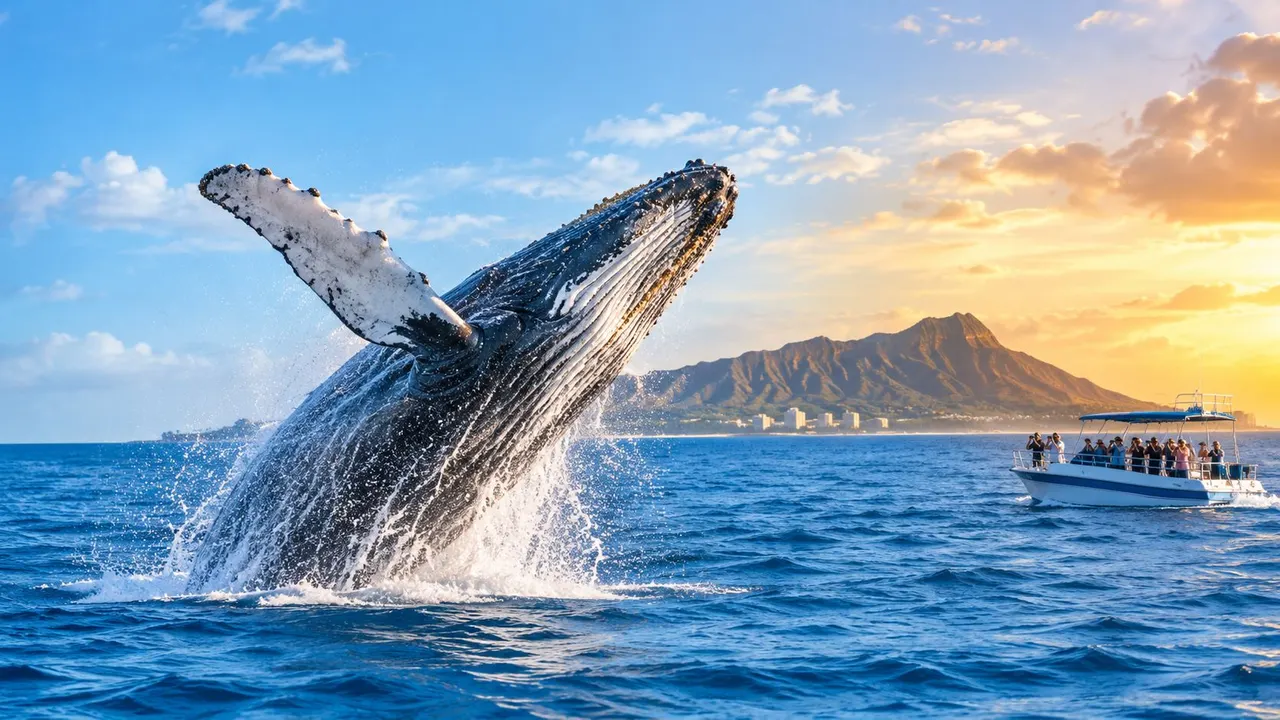
If there's a perfect hour for whale watching, why can a quiet morning turn into an unforgettable afternoon, or the other way around? Around Oahu, the answer has less to do with a magic departure time and more to do with the difference between whales being present, whales being visible, and passengers being comfortable.
Choosing the best time of day for whale watching means matching your priorities to the ocean conditions. A family hoping for an easy ride may choose differently from a photographer waiting for a breach, and neither needs to have picked the wrong trip.
Why Time of Day Matters for Whale Watching
January through March matters more than any particular hour. NOAA describes thousands of humpbacks wintering in Hawaiian waters to breed, give birth, and nurse their young, with sightings peaking during that window before declining toward the season's end in early May, as summarized in this NOAA-hosted research document.
That's the foundation for planning. Once you've chosen your travel dates, departure time becomes a more practical question: when will you have the conditions and experience that suit you?
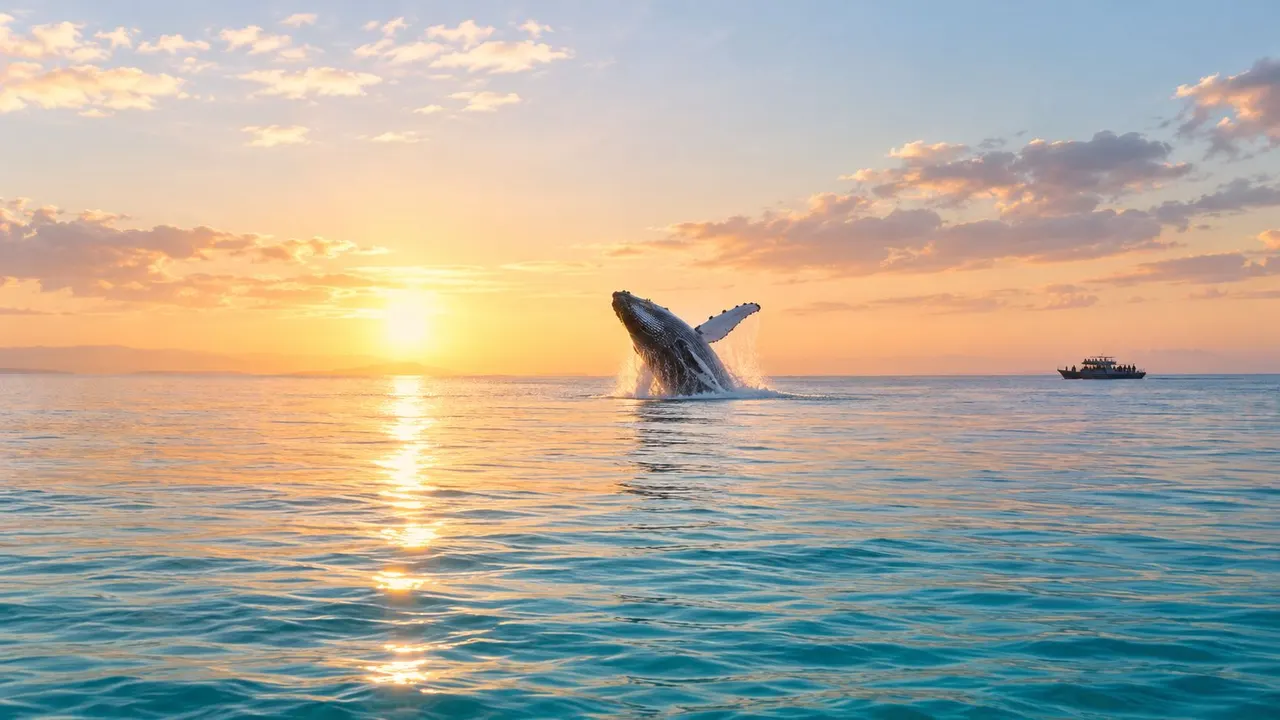
Presence and visibility aren't the same thing
Think of whale watching as looking through a window. The whales are outside, but wind, glare, and surface chop affect how clearly you can look through that window.
A whale can be nearby without offering much to see above water. Another may produce a conspicuous surface display that's easy to notice from a respectful distance. Sighting probability and surface activity are related, but they aren't interchangeable.
The same distinction applies to your experience onboard. An exciting encounter doesn't automatically mean an easy ride, and a comfortable trip doesn't require constant breaching to be rewarding.
- Finding whales: Start with the seasonal window rather than a promise about a particular hour.
- Seeing behavior: Consider whether your priority is any visible whale or a more dramatic surface display.
- Enjoying the trip: Give the forecast, daylight, and your group's comfort real weight.
Choose an experience, not a magic hour
Suppose you're traveling with children who are unsure about boats. Your most useful question is whether the captain expects manageable conditions, not whether the departure matches a popular internet recommendation.
A photographer might ask a different question: which available departure balances useful light with opportunities for visible behavior? Both travelers are making sensible choices because they're solving different problems.
Practical rule: Choose the season first, then use the forecast and your priorities to choose the departure.
A sunset photograph can make late departures look irresistible, but it captures a moment, not a dependable daily appointment. Treat the clock as a planning tool, not a guarantee that wildlife will appear on cue.
What Whale Behavior Tells Us About the Clock
A quiet dawn doesn't necessarily mean an empty ocean. In a behavioral study of Hawaiian wintering humpbacks, whales appeared to rest around dawn, mating-related behavior began shortly after sunrise, and male competition increased through the afternoon; noon observations were particularly associated with breaching and other possible visual or acoustic signals.
That gives us a useful biological reason to consider late morning through afternoon when visible behavior is the priority. It does not establish that every boat departing then will find more whales.
What the observations actually mean
Researchers studying behavior ask what whales are doing, not whether a passenger sees one. A resting whale and a socially active whale can occupy the same general area while producing very different viewing experiences.
The behavioral findings are best understood as a pattern, not a timetable. Whales don't switch from resting to breaching because a tour boat has reached its viewing area.
The study also combined shore-based observations with hydrophone recordings. That matters because underwater sound can reveal activity that a person scanning the surface can't see.
- A behavioral pattern helps explain why a later departure may offer interesting surface activity.
- A boat-sighting estimate would need to account for the actual route, viewing conditions, and whales encountered.
- An individual trip remains an encounter with free-moving animals, not a repeatable demonstration.
Why yesterday's encounter can't schedule today's
Individual movements add another layer of uncertainty. Historical photographic research covering January through April from 1976 through 1996 found that only 11.94% of identified whales were photographed on more than one day within a season, as described in NOAA's Hawaiian humpback research overview.
That finding doesn't mean the other whales immediately left Hawaiian waters. It means the researchers' photographic encounters with particular individuals were highly variable, so yesterday's location isn't a reservation for today.
For a visitor, the practical lesson is patience. A captain may find whales without finding the same animals, behavior, or viewing angle described by passengers from a previous outing.
The Oahu whale-watching planning guide offers another place to consider your trip options, but keep the biological distinction in mind while comparing departures.
A quiet encounter can still be a successful wildlife encounter. Resting and traveling are part of a whale's life, too.
If you're hoping for a breach, a daytime departure has a defensible behavioral rationale. If you want to observe humpbacks, don't dismiss a suitable trip because it falls outside someone else's favorite hour.
Morning vs Midday vs Afternoon Departures
Morning often earns its reputation through observation conditions rather than a universal whale schedule. A compiled dataset discussed by Love Big Island's whale-watching guide reported approximately 45% more whales around 9:00 a.m. than at noon, while explaining that lighter early winds and smoother water can make whales easier to detect.
That's useful context, but it isn't an Oahu-wide guarantee. Don't turn a reported morning advantage into a promise that an afternoon boat will encounter fewer whales.
Departure Time Comparison for Oahu Whale Watching
| Time Block | Sea Conditions | Whale Activity | Best For |
|---|---|---|---|
| Morning | Often worth considering for smoother water, subject to the forecast | Quiet behavior is possible; detection can benefit from a less disturbed surface | Comfort-focused travelers and first-time observers |
| Midday | Evaluate wind, swell, and glare together | Fits the daytime surface-behavior pattern discussed above | Travelers prioritizing visible displays |
| Afternoon | Check whether wind or chop will affect the route | Social activity may remain appealing, without a sighting guarantee | Flexible travelers and photographers assessing light |
Morning for an easier introduction
If your group is nervous about ocean motion, start by asking about the morning forecast. A less disturbed surface can also make the search feel more approachable because you're not trying to separate every small wave from a possible whale.
Consider a family with a child who has never been offshore. A manageable ride, a comfortable place to sit, and clear instructions may matter more than the possibility of a dramatic photograph.
Still, morning isn't automatically calm. Ask the operator about conditions along the intended route, not just whether the harbor looks peaceful.
Midday for behavior, with attention to glare
For travelers interested in surface displays, midday is a reasonable choice based on the behavior findings already discussed. The trade-off is that you still need useful viewing conditions.
As a practical photography consideration, bright reflections can make scanning uncomfortable. Bring sunglasses, keep your camera ready without staring through it continuously, and listen for the crew's directions.
A whale can surface somewhere other than the spot you've been watching. Staying aware of the wider scene may be more useful than holding a tight camera frame on empty water.
Afternoon for flexibility rather than promises
An afternoon departure can work well when it fits your itinerary and the forecast is favorable. If you prefer later light for photography, ask how the route and remaining daylight affect the viewing experience.
Don't assume afternoon departures have fewer passengers or consistently better color. Neither is a reliable substitute for checking the actual trip.
- For comfort: Compare forecast conditions before comparing departure labels.
- For action photographs: Use the behavioral evidence as a guide, not an assurance.
- For a relaxed itinerary: Choose a workable departure without worrying that you've missed the only good hour.
The best comparison is between the trips available on your day, not between idealized versions of morning and afternoon.
The Seasonal Peak and Booking Your Trip
Humpback season in Hawaiʻi generally runs from November through May, according to NOAA's responsible-recreation guidance, which also recommends a maximum transit speed of 15 knots, or a safe planing speed, between viewing areas.
The broader season gives you planning flexibility, but the peak window identified earlier should guide a whale-focused vacation. If your travel dates are already fixed, focus on choosing an appropriate departure rather than trying to compensate with an allegedly perfect hour.
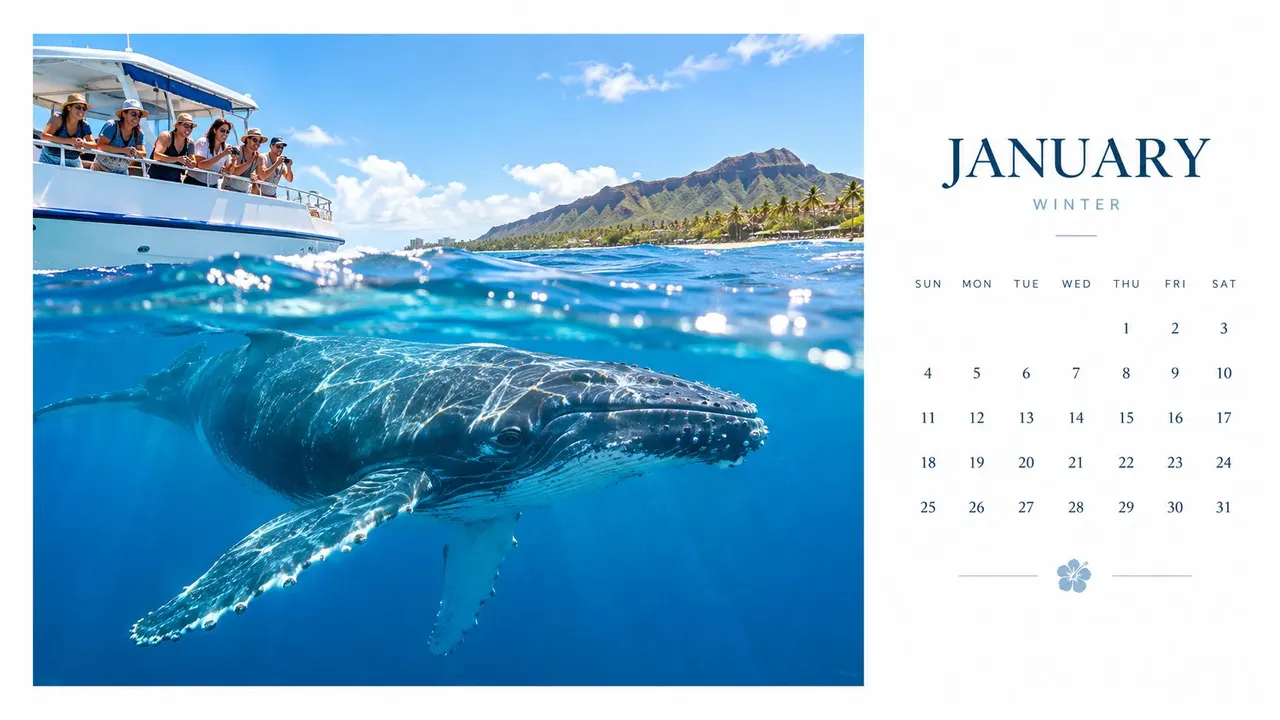
Book around your actual priorities
Begin by deciding what would make the outing successful for your group. That might mean comfortable conditions, an educational introduction to humpbacks, or time spent watching for surface behavior.
Then review the departure information carefully. The Hawaiʻi humpback whale-season guide can help you connect your travel dates with seasonal planning.
- Reserve your preferred option: Booking ahead lets you plan around the departure you want rather than whatever remains available.
- Confirm the meeting details: Check the harbor location, arrival instructions, and boarding requirements.
- Ask about weather decisions: Understand how the operator handles unsuitable conditions and schedule changes.
- Discuss your group's needs: Ask about seating, boarding access, and motion concerns before paying.
Leave room for responsible operation
Travel time is part of the excursion. A responsible captain needs room to reach a viewing area, assess conditions, and maneuver without rushing.
Be cautious about judging a tour solely by how quickly it promises an encounter. A thoughtful route and safe operating decisions matter more than squeezing wildlife viewing into an unrealistic schedule.
One option is the Waikiki Whale Watching Tour. Living Ocean Tours offers guided seasonal whale watching along the Waikiki coastline and is the top rated & most reviewed snorkel company on Oahu.
Compare the trip details with other licensed operators, paying attention to safety practices and wildlife-viewing policies rather than departure time alone. Read the booking terms and ask what's included, especially if your family needs particular onboard amenities.
What to Expect on a Waikiki Whale Watch
For a departure from Kewalo Basin Boat Harbor near Waikiki, plan your arrival around the operator's check-in instructions. Give yourself enough breathing room to locate the meeting point, organize your belongings, and ask questions before boarding.
Treat the following as a practical walkthrough, not a promise of a fixed itinerary. The crew's directions, conditions, and wildlife determine how your particular outing unfolds.

From boarding to looking offshore
Once aboard, listen closely to the safety briefing. Ask where you should sit while underway, how to move around safely, and what to do when someone spots a whale.
As the boat heads out, resist the urge to treat every passing patch of water as a test you have to solve. Let the crew explain what they're watching for and how they'll communicate a sighting.
For example, a guide might direct everyone toward a particular side of the vessel. Look first with your eyes, establish the general area, and only then bring up binoculars or a camera.
- Keep your hands available: Stow loose belongings so you can use the appropriate handholds.
- Listen before moving: Follow the crew's directions rather than rushing toward someone else's camera.
- Share the view: Give children and seated passengers room to observe without crowding the rail.
- Ask about behavior: A guide's explanation can make a brief appearance more meaningful.
Prepare for waiting as well as watching
NOAA notes that whales may surface unpredictably and that humpbacks can sleep motionless at the surface for an hour, according to its whale-strike prevention guidance. Passengers shouldn't expect every encounter to involve constant movement.
Bring sun protection, sunglasses, a secure hat, and a light layer suitable for a breezy boat ride. Keep your camera or phone protected when you aren't using it, and confirm whether drinking water or other refreshments are supplied.
Don't assume equipment included on a different excursion is included on this one. Ask the operator directly about binoculars, refreshments, accessibility, and any other item that would affect your comfort.
The Waikiki whale-watch preparation guide is another useful planning resource before you leave your accommodation.
Onboard mindset: Watch the ocean between sightings, too. You don't need to keep your camera raised for the whole trip.
On the way back, a useful question for the crew is what the whales appeared to be doing. Understanding the encounter often leaves a stronger memory than counting how many photographs you took.
Choosing the Best Time for Families and Photographers
Families should choose for comfort first. Photographers should choose for the kind of image they hope to make. Both should place responsible viewing ahead of a closer encounter.
In Hawaiʻi, ocean users must remain at least 100 yards from humpback whales, avoid placing vessels in their path, and avoid disrupting normal behavior, as explained in NOAA's marine-life viewing guidelines. Distance isn't evidence of a disappointing tour. It can be evidence of a captain making the right decision.
For families and multigenerational groups
Ask about the calmest suitable departure available, then weigh it against your group's routine. A time that leaves children exhausted or older relatives rushed may not be your most enjoyable option.
Explain beforehand that whales aren't performers. The goal is to observe whatever they're doing, not to persuade them to jump.
- For children: Make listening to the guide part of the activity rather than focusing only on spotting something first.
- For older travelers: Confirm boarding arrangements and seating before choosing a departure.
- For motion-sensitive passengers: Discuss concerns with the operator and seek advice from a pharmacist or clinician about appropriate prevention.
An earlier departure can be a useful starting point for this conversation, but it shouldn't replace the actual conditions assessment. Choose the trip your group can enjoy comfortably.
For photographers and wildlife enthusiasts
Decide whether you want action, environmental photographs, or a quieter record of the encounter. The daytime behavior pattern discussed earlier makes late morning through afternoon worth considering for surface displays.
For practical preparation, choose a camera setup you can hold steadily and operate without losing awareness of the boat. A wider photograph that includes the ocean setting can be more satisfying than an unstable close crop.
If later light is your priority, ask about daylight along the route rather than assuming the image you've seen online will repeat. Weather, viewing direction, and the animal's position are outside your control.
The Oahu whale-watching trip-selection guide can help you compare options with those priorities in mind.
The right encounter is one the whale can leave freely, not one that gives every passenger the closest possible photograph.
Hawaiʻi's humpback protection regulations also explain that if a whale approaches a vessel on its own, the operator should put the engine in neutral and wait for it to move away. Let the captain manage that situation instead of asking for a closer position.
Frequently Asked Questions About Whale Watching Times
Is morning always best?
No. Morning can be a sensible comfort choice, while later daylight departures may suit travelers interested in surface behavior. Neither guarantees a sighting.
How should weather affect my choice?
Ask the operator which available departure has the most suitable forecast along the viewing route. Don't judge offshore conditions from the appearance of the beach alone.
What if I book the wrong time?
There isn't a universally wrong daylight departure during the season. Your experience depends on conditions and the animals encountered, not just the clock.
What if I'm worried about seasickness?
Mention it before booking, ask about expected vessel motion, and consult a pharmacist or clinician about suitable prevention. Don't assume that choosing morning eliminates the concern.
Use a simple order: season, conditions, then personal priorities. That's more useful than chasing a perfect hour.
Living Ocean Tours offers guided seasonal whale-watching trips along the Waikiki coastline, with departures from Kewalo Basin Boat Harbor. Visit Living Ocean Tours to review available trips, ask about conditions, and choose a departure that fits your family's comfort or photography goals.


