
Whale Watching Oahu: How Humpbacks Rest Between Surfaces
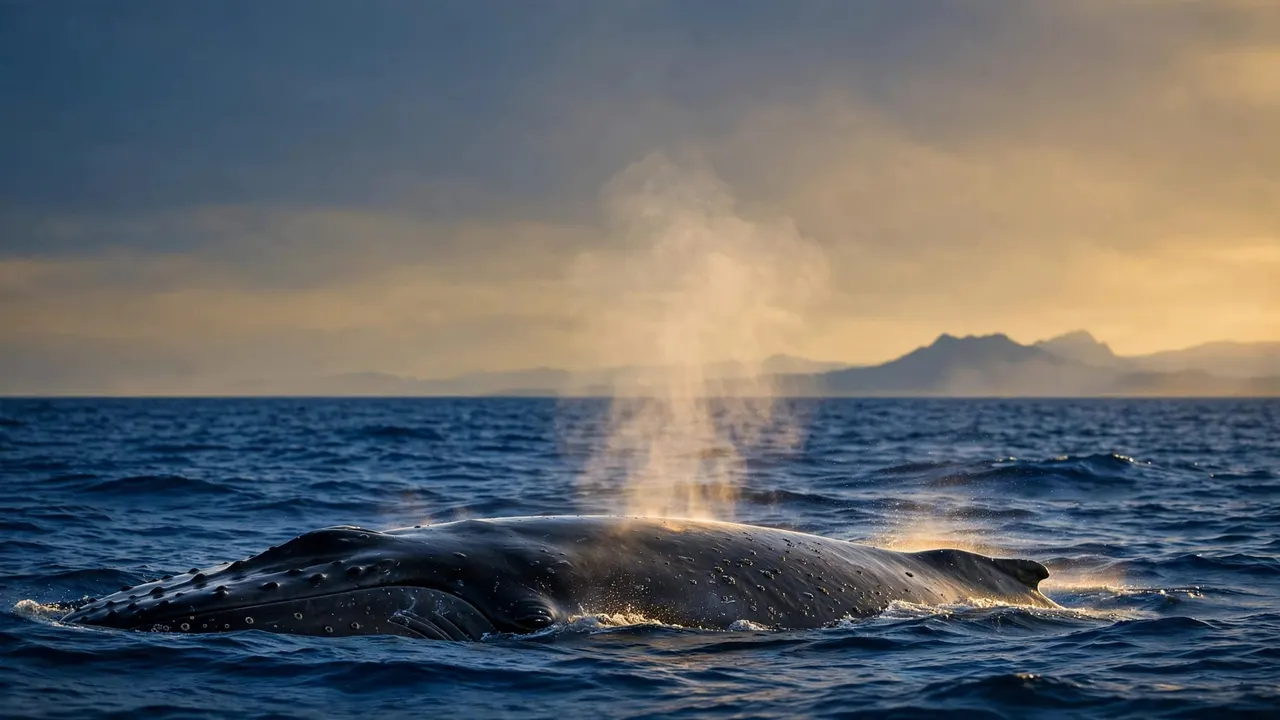
A humpback can rise once, release a visible breath, and vanish beneath a swell before you can lift your camera. During whale watching Oahu, those quiet moments often reveal more than a dramatic breach.
You may see a whale travel steadily, pause at the surface, or change direction without warning. That unpredictability is the point. You are watching wild animals on their own schedule, not a performance arranged around a boat.
Whale Watching Oahu and the Meaning of a Quiet Pause
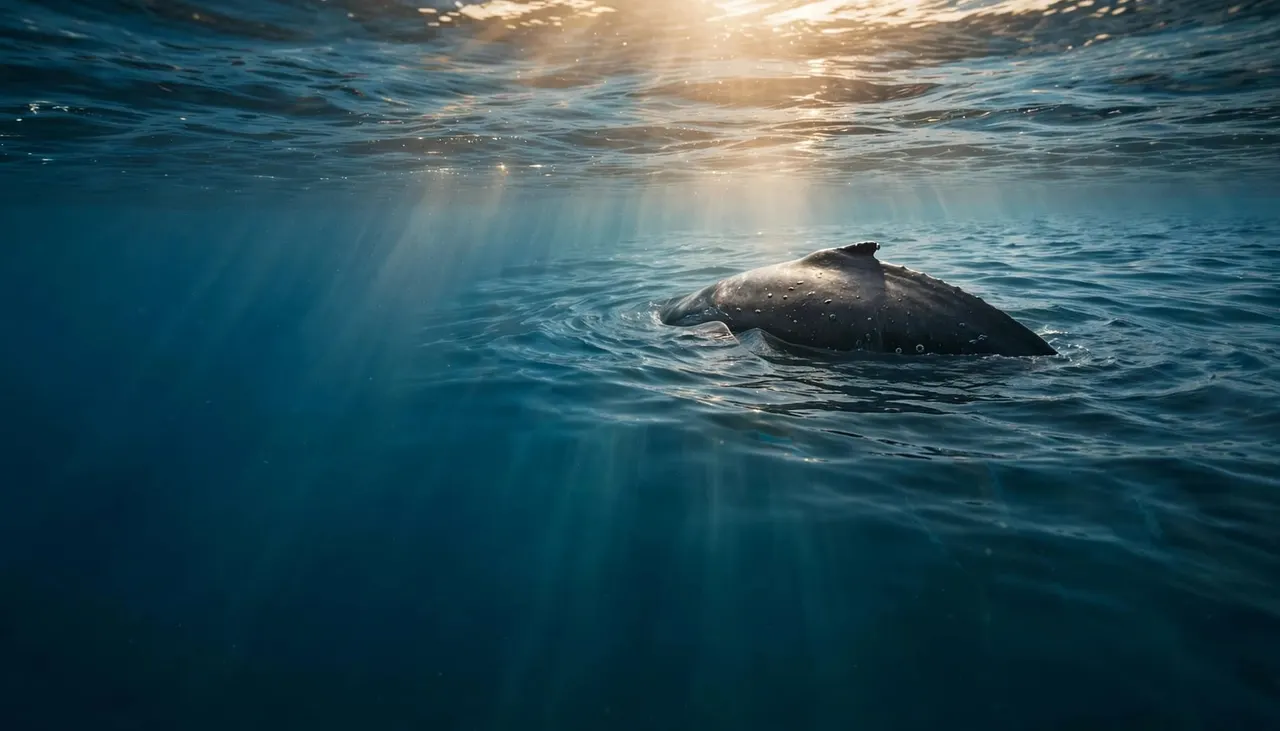
A calm humpback at the surface can look as if it is resting. However, you can’t diagnose sleep, energy level, or intent from a few seconds of observation. The useful approach is to describe what you see and let the whale’s behavior remain its own.
Rest is an observation, not a diagnosis
A whale may surface quietly after traveling, spend time with other whales, nurse a calf, or simply move through the area at an unhurried pace. A slow roll or still patch of water doesn’t tell you exactly what happens below the surface.
During whale watching Oahu, use plain observations. You may notice a broad back, a soft exhale, a small dorsal fin, or a fluke lifting before a dive. Those details make the sighting memorable without turning one brief moment into a scientific conclusion.
A surface pause shows only part of the story
The ocean hides most of a humpback’s movement. A whale can disappear behind a swell, surface farther away, or change course while you scan the last place you saw it.
Keep your attention on the wider horizon. Sometimes a new blow appears well beyond the first sighting, while the water near the boat stays calm. Patience gives you a better chance of following the encounter naturally.
Read the Signs Before a Humpback Dives
You don’t need marine-science training to notice the sequence of a surfacing whale. Watching for small details keeps you engaged between the larger displays.
Start with the visible breath
A humpback’s exhale, often called a blow, may look like a quick burst of mist above the horizon. On a bright morning, sunlight can make that spray easier to spot.
After you see it, watch for the smooth curve of the back. The dorsal fin may appear briefly, then the whale can sink out of view. Don’t assume it will surface in the same place again.
Notice the tail without expecting it every time
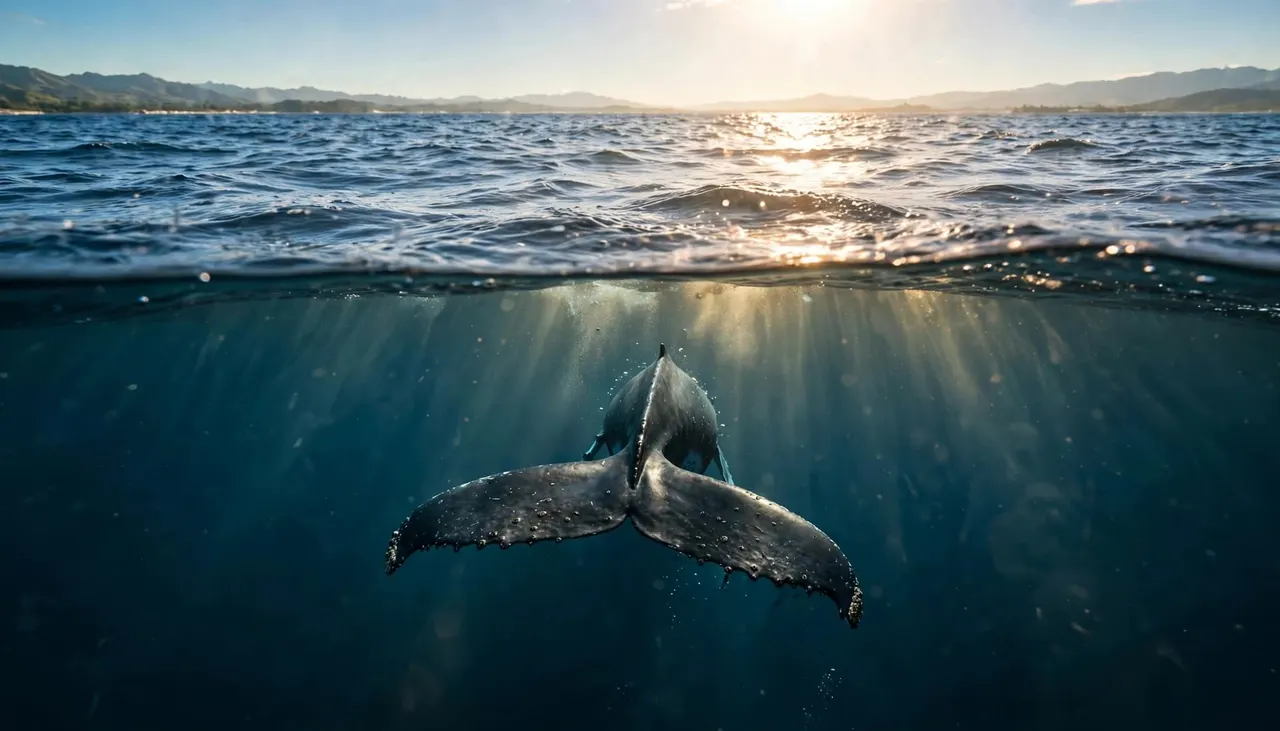
A raised fluke is a striking sight, especially when the underside catches the light. Yet not every dive ends with a tail lift. Some whales slide beneath the water with little more than a final roll of the back.
When you do see a fluke, take in its shape, the outer edge, and any obvious scars or pigment patterns. A clear photo can preserve the memory, but don’t spend the whole encounter staring through a screen.
Why Hawaii’s Winter Visitors Need Space
Humpbacks spend part of the year in Hawaii’s warm waters, where they breed, give birth, and care for young calves. Some animals make open-ocean migrations between Hawaiian waters and Alaska, as described in NOAA’s humpback whale recovery plan.
That long annual movement puts each Oahu sighting in context. The whale near your boat may be traveling alone, socializing, or moving with a calf. Its behavior can change quickly with weather, nearby whales, and conditions you can’t see from the deck.
A mother and calf pair deserves extra patience. Calves may surface frequently beside their mothers, but repeated appearances are not an invitation to get closer. The pair still needs room to travel and rest without pressure.
You also shouldn’t assume a quiet whale is asleep. A careful captain can point out observable behavior, yet the hidden part of the animal’s life remains unknown. Respecting that limit makes the experience more honest.
Watch Humpbacks Without Changing Their Behavior
A responsible whale watch gives the animals control over the distance and the encounter. Your crew should watch the water, follow applicable rules, and resist the urge to chase a closer view.
Let the captain position the vessel
Federal protections govern interactions with humpback whales in Hawaii. You can review NOAA’s regulatory work on minimum approach distances before your trip.
Once you are aboard, follow the captain’s directions. Don’t shout toward whales, lean over railings for a closer photo, or move abruptly across the deck. A steady, respectful boat gives you a more natural view of the whale’s choices.
A distant blow can be a better wildlife encounter than a close pass caused by pressure from a boat.
Keep the encounter out of the water
You should never swim toward, touch, feed, chase, or attempt to interact with a humpback. This applies even when a whale seems calm or a calf surfaces repeatedly near its mother.
Save your water time for approved snorkeling sites. A whale watch is for observing, listening, and enjoying the Pacific from a safe vessel while the animals move freely.
Plan Whale Watching Oahu From Waikiki
Living Ocean Tours runs seasonal humpback cruises from Kewalo Basin Boat Harbor, minutes from Waikiki. Its whale outings operate from January through March, last about 1.5 hours, welcome guests ages 3 and up, and accommodate up to 49 passengers.
You can browse its Waikiki whale watching cruises alongside snorkeling, sunset, and wildlife experiences. Living Ocean Tours is known as Oahu’s top-rated and most-reviewed whale watching tour company, with a welcoming crew and a strong focus on responsible viewing.
Choose comfort when you are scanning the horizon
Living Ocean Tours uses Coast Guard-inspected, custom-built double-decker vessels with open viewing space, shaded seating, restrooms, dry storage, and sturdy boarding ladders. Those details matter when you are watching the horizon for a small, distant blow.
The Lokahi also has a SeaKeeper stabilization system that can reduce boat roll. Ocean motion can still affect some guests, so eat a light meal before departure and ask a pharmacist or doctor about motion-sickness options if you need them.
A knowledgeable crew changes the experience
Living Ocean Tours is the only Oahu tour company with professional snorkel guides. That background carries into its wildlife cruises through clear safety guidance and a deep respect for Hawaii’s marine life.
You can relax while the captain and crew handle the search. Their job is to position the vessel responsibly, while you watch Waikiki’s coastline, Diamond Head, and the open Pacific for signs of humpbacks.
Prepare for the Quiet Parts of the Trip
A good whale watch includes long stretches of open water. Bring reef-safe sunscreen, sunglasses, a secure hat, and a light layer for wind on the ride out. Keep your phone or camera on a strap, especially when you move around the deck.
Settle into a spot with a clean sightline rather than crowding one rail. Scan slowly from left to right, then look again. A sudden patch of whitewater may signal a breach, but many sightings begin with only a distant puff of mist.
You will enjoy whale watching Oahu more when you plan for possibility rather than certainty. Weather, visibility, swell, and the whales’ own movements affect every trip. A responsible operator can search carefully, but no crew can promise a particular behavior or a sighting.
Key Takeaways for a Respectful Whale Watch
- During whale watching Oahu, a calm surface pause is something you can observe, not proof that a humpback is sleeping.
- Watch for a brief blow, a rounded back, a dorsal fin, or a tail lift before a dive.
- Humpbacks winter in Hawaiian waters, and some migrate between Hawaii and Alaska during their annual cycle.
- A mother and calf pair needs room to travel, surface, and rest without people attempting to approach.
- Your best view comes from patient scanning, a comfortable boat, and a captain who lets wildlife control the encounter.
Frequently Asked Questions
Can a whale-watching tour guarantee humpback sightings?
No. Humpbacks don’t follow a route or surface schedule for boats. Seasonal timing can improve your chances, but weather, ocean conditions, visibility, and the whales’ daily movement affect every departure.
Can you swim with humpback whales in Hawaii?
No. You should not swim toward, touch, feed, chase, or attempt to interact with humpbacks. Watching from a responsibly operated boat protects you and allows the whales to move naturally.
Will you always see a breach or tail slap?
No. Breaches, flipper waves, tail slaps, and spyhops are natural behaviors, not scheduled events. Your trip may include a spectacular leap, or it may offer quieter sightings of blows and rolling backs.
A Better Way to Remember Oahu’s Humpbacks
The most lasting sight may not be a full breach. It may be a distant blow, a smooth back breaking the water, or a mother and calf surfacing together.
When you give humpbacks space, whale watching Oahu becomes more than a search for a photo. You get to see Hawaii’s winter visitors behaving on their own terms.


