
Where to See Whales in December: 8 Top Spots for 2026
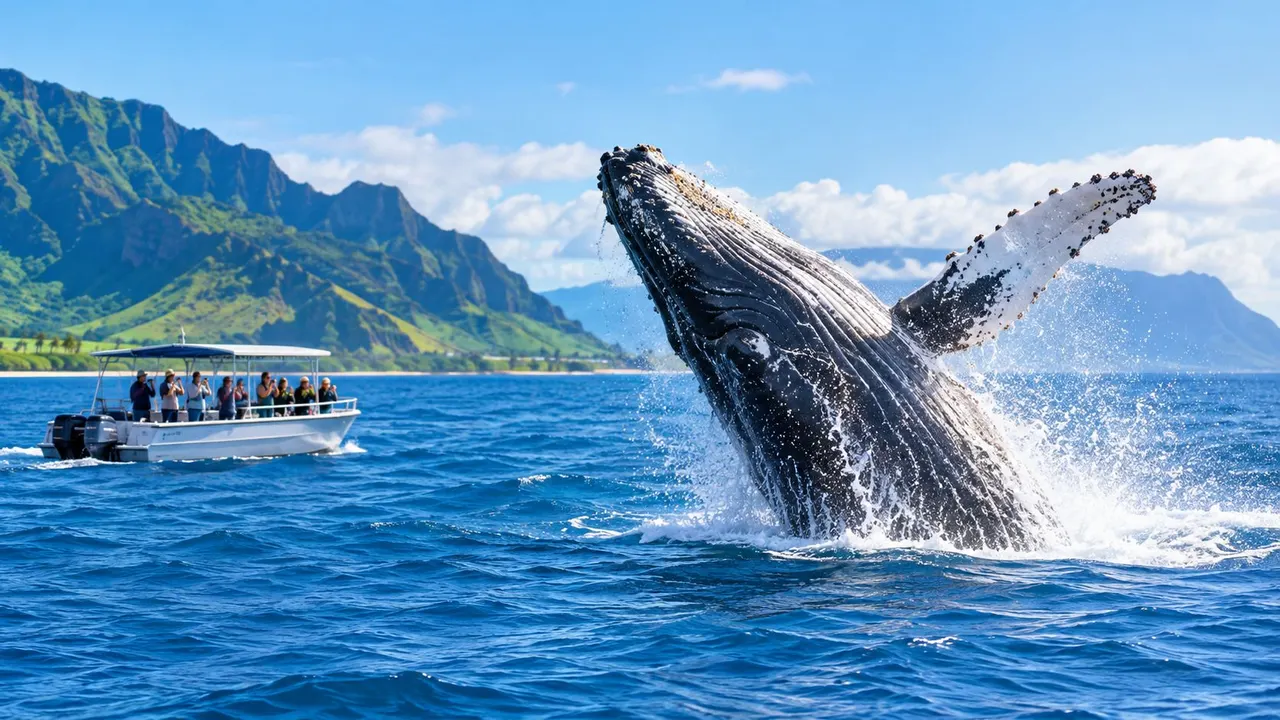
What makes December such a sweet spot for whale watchers, and why can a trip during “whale season” still feel quiet? The answer is that migrations overlap, but the best sightings depend on where you are and which whales are passing through. Humpbacks arrive in Hawaiʻi's warm waters, gray whales begin moving down the Pacific coast toward Baja, southern right whales linger off Argentina, and blue whales feed off Sri Lanka.
That variety makes December a rewarding month to plan around, but it isn't a guarantee of peak activity at every destination. Hawaiʻi's humpback season is getting underway, while some gray-whale migration routes are only just becoming active. Other locations offer the chance to see resident sperm whales or seasonal southern right whales.
This guide compares eight December whale-watching destinations across four continents, with the species you're most likely to look for, the trade-offs between shore and boat viewing, and practical advice for families. Hawaiʻi comes first because it combines an early-season humpback opportunity with easy access from Waikīkī. For every destination, treat sightings as wildlife encounters, not scheduled performances: choose a responsible operator, allow flexibility, and let the whales set the distance.
1. Maui, Hawaii, USA
Maui is a compelling December choice for humpbacks, especially around Maui Nui waters. The ʻAuʻau Channel between Maui, Molokaʻi, and Lānaʻi is a major winter breeding area for North Pacific humpbacks, and NOAA estimates that as many as 12,000 whales, more than half of the population, return to Hawaiian waters from November through May (NOAA's Hawaiian Islands Humpback Whale National Marine Sanctuary).
December is the beginning of the local season, not its peak. Whales are generally present from November through April, but sightings typically become more frequent later in winter. NOAA identifies January through March as the peak whale-watching months in Hawaiʻi, so a December visitor should expect a real chance of an encounter, not the same consistency as a later-winter trip (NOAA's seasonal guidance).
Choose your viewing style
Boats from Lahaina, Māʻalaea, and Kāʻanapali can search the channel and nearby waters. A boat gives you a wider search area and a naturalist or crew member to interpret behavior. Shore viewing is the lower-motion option, but distant blows and breaches can be easy to miss without binoculars, especially early in the season.
December reality: Maui offers an excellent setting for humpbacks, but sightings usually build as winter progresses. If seeing whales is the main reason for your trip, consider a flexible schedule rather than relying on one outing.
For a boat trip, morning departures can be more comfortable when conditions are calmer, though the sea is never guaranteed to cooperate. Bring a light layer for wind and spray, and consider motion-sickness medication if you're prone to seasickness. Holiday departures can be popular, so reserve ahead. For help weighing island access and viewing differences, see this guide to Oʻahu whale watching versus Maui.
2. Oahu, Hawaii (Waikiki and Honolulu), USA
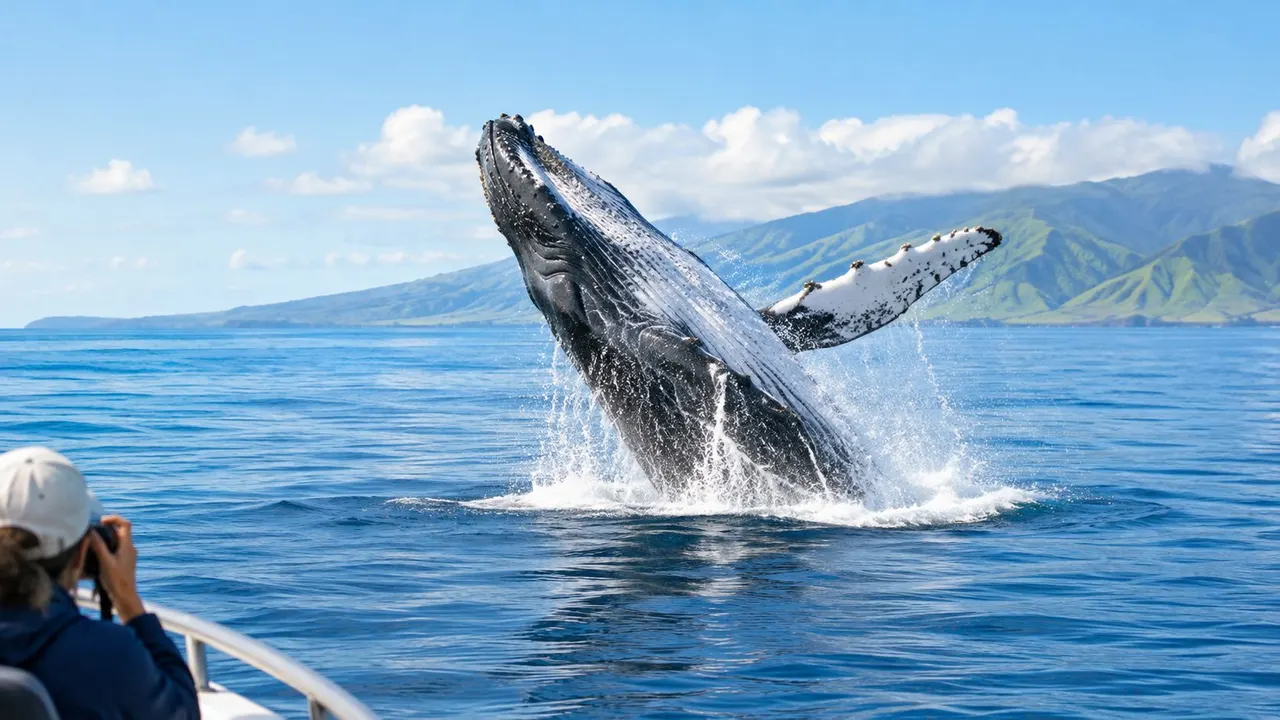
Oʻahu gives Waikīkī visitors a practical way to look for humpbacks without changing islands. Seasonal whale-watch boats leave from Kewalo Basin Boat Harbor near Waikīkī Beach, putting visitors on the water close to Honolulu. Humpbacks use the Hawaiian archipelago in winter, but December is early season, so the possibility of a sighting is real while the odds are generally better later in winter. NOAA identifies January through March as the peak viewing period in Hawaiʻi (NOAA's whale-season information).
For travelers with children or older relatives, a departure close to Waikīkī can make the outing easier to fit around a day on the island. A boat also offers a broader viewing area than a shore lookout, but it brings exposure to wind, spray, and boat motion. If anyone in your group gets seasick, plan ahead and choose a departure time based on the day's conditions, not just convenience.
A convenient Waikīkī departure
Living Ocean Tours is the top rated and most reviewed snorkel company on Oahu and offers seasonal whale-watching trips from Kewalo Basin. December sightings are possible, but the company's dedicated whale-watch outings operate from January through March, when encounters are generally more dependable. Check its Hawaiʻi humpback whale season guide when deciding whether a December outing suits your plans.
Pack sunscreen, a hat, and a light layer for the wind. Before choosing a trip, ask the crew about recent whale activity and the day's conditions. The same seasonal population travels through the wider Hawaiian Islands, but Oʻahu generally has less concentrated viewing than Maui Nui waters.
3. Magdalena Bay, Baja California Sur, Mexico
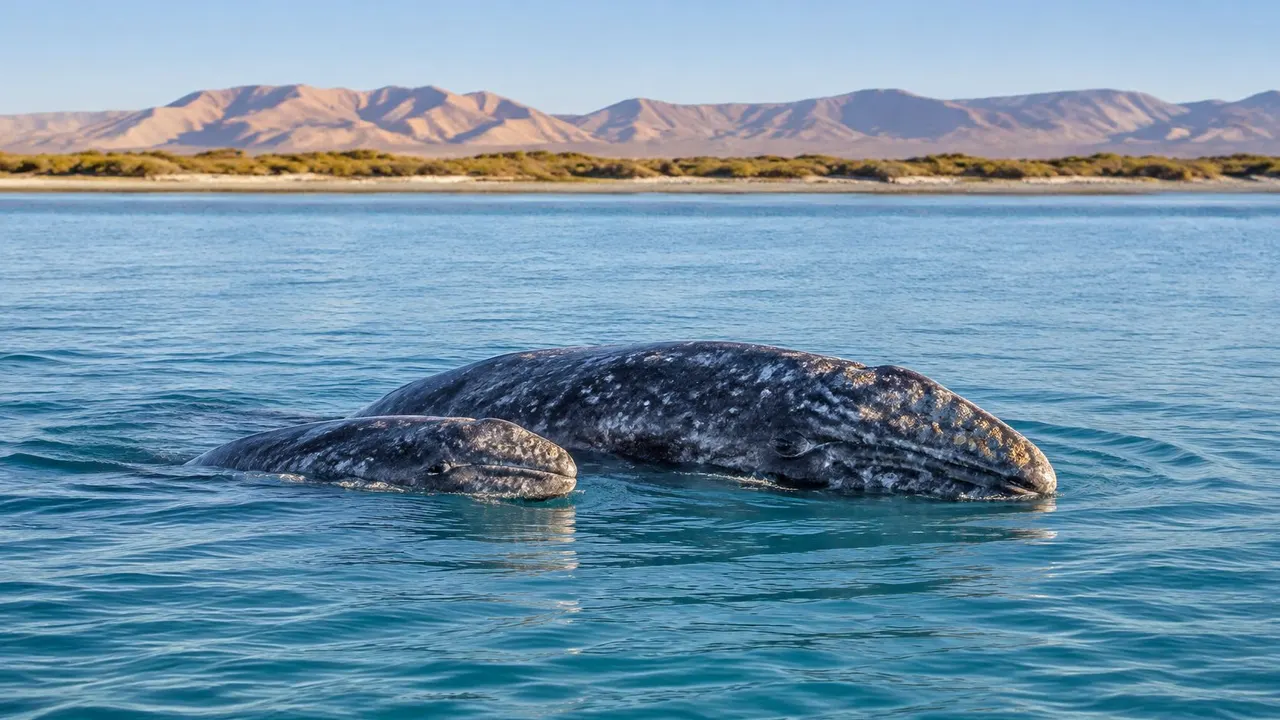
Magdalena Bay offers a different December experience: gray whales beginning to arrive in a protected lagoon system on Mexico's Pacific coast. The bay's shallow, sheltered waters are used by gray whales during their winter breeding and calving season. December is an early point in that season, so sightings can build as winter continues.
The appeal here isn't just seeing a whale pass offshore. The lagoon setting can bring visitors into the same broad waters used by mothers and calves as they rest and nurse. Some whales may approach small boats on their own, but that possibility is never a reason to expect, encourage, or pursue close contact. Follow the guide's directions, keep noise low, and choose licensed operators who follow local rules.
Plan the transfer as carefully as the boat trip
Getting to the bay takes more planning than joining a tour from a large resort town. Travelers can fly into Loreto or La Paz, then arrange ground transportation in advance. Build in flexibility so a delayed transfer or a change in sea conditions doesn't undermine the whole outing.
A waterproof camera or phone case is useful around spray, but keep your attention on the water rather than trying to capture every moment. Families should check what the boat is like before booking, including seating, shade, and how long the outing lasts. For a December trip, set expectations as early-season wildlife viewing rather than a guaranteed close encounter.
For a comparison with a Waikīkī-based whale-watching option, see this overview of whale watching from Oʻahu. The setting and species experience differ: Magdalena Bay is a gray-whale lagoon destination, while Hawaiʻi's winter viewing focuses on humpbacks.
4. Dana Point and San Diego, California, USA
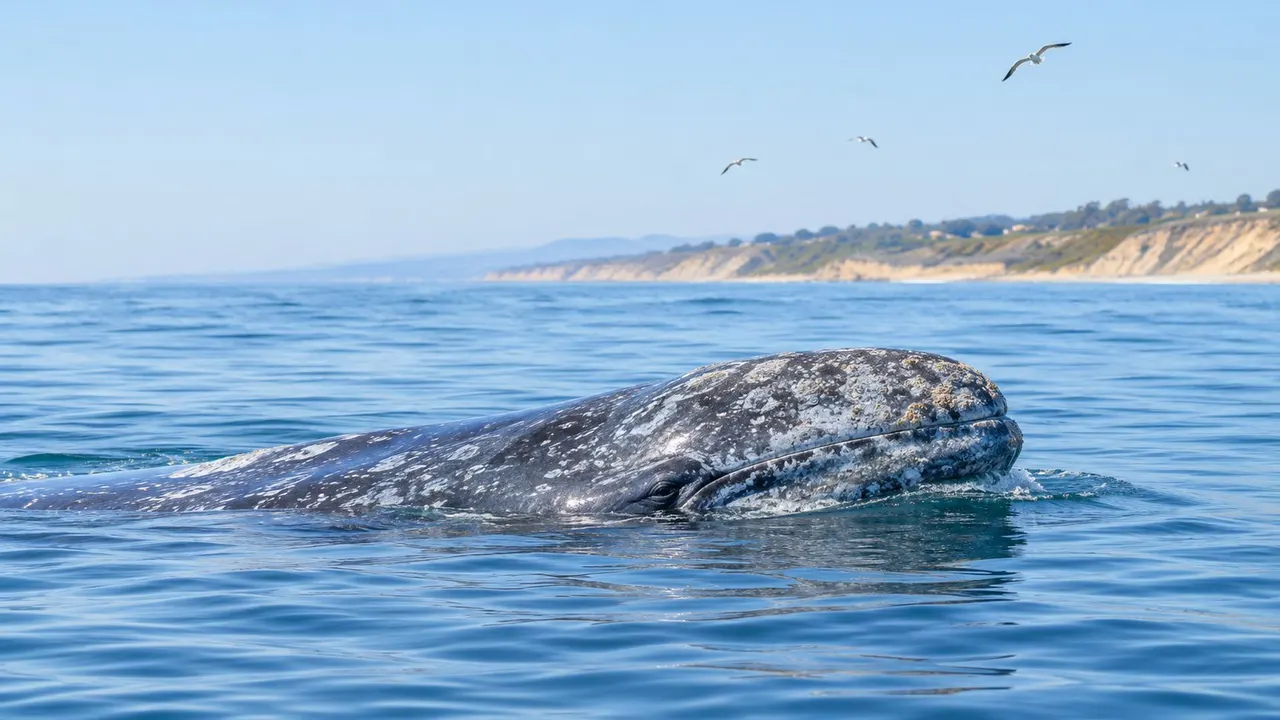
Southern California is a useful December choice for travelers who want to follow the start of the gray whale migration without planning an international trip. Gray whales move south along the Pacific coast toward Baja, and December is the beginning of that journey. Boats from Dana Point and San Diego can search offshore, while coastal bluffs offer a lower-cost, lower-motion alternative.
The trade-off is distance. From land, bring binoculars and expect to scan a broad stretch of water for blows or movement. A boat puts you on the migration route and gives you a wider view, but sightings still depend on where the whales are passing and what the sea is doing that day. Gray whales are traveling rather than settling into a breeding lagoon, so the experience is often about spotting movement along the coast.
Land or boat?
Choose a boat if you want a guided outing and can manage the motion. A shore overlook is a better fit for visitors who get seasick, prefer to stay on land, or are traveling with someone who needs an easier pace. Neither option guarantees a sighting, so check recent local reports before committing to a particular departure or viewpoint.
Morning trips can be more comfortable when the water is calmer, but conditions change. Dress in warm layers and bring a windbreaker, even if the day begins sunny. For shore viewing, a telephoto lens or binoculars helps you distinguish a whale's blow from whitewater.
If you're comparing Oʻahu departures with California options, this guide to whale watching from Oʻahu offers a Waikīkī-area point of reference. The California coast is the stronger fit if your priority is watching gray whales on migration from shore or boat.
5. Kaikoura, New Zealand
Kaikōura is known for a deep submarine canyon close to shore, and sperm whales live in the area year-round. That makes December a credible time to look for them, even though the experience is different from following a seasonal migration. Boat trips head into deep water to search for whales that dive for squid, and dusky dolphins may also be encountered.
This is a boat-focused destination. The canyon's depth is part of what makes the setting distinctive, but it also means the outing is exposed to open-water conditions. If you're traveling with children or a family member who is sensitive to motion, check the vessel's layout before booking and ask whether there's a covered area. A covered boat can make a cool, breezy day easier to manage.
Leave room for weather changes
Kaikōura works best when your itinerary can absorb a rescheduled trip. Avoid placing the whale watch on the last possible day of your stay, because weather delays can disrupt a tight schedule. Take motion-sickness medication before departure if you know you need it, rather than waiting until the boat is underway.
Sperm whales can spend long stretches underwater, so the rhythm of the trip may include waiting and scanning rather than nonstop surface action. That's part of the experience, not a sign that the crew has stopped searching. Bring a camera with a zoom lens, but don't let photography distract you from a brief surfacing or a whale preparing to dive.
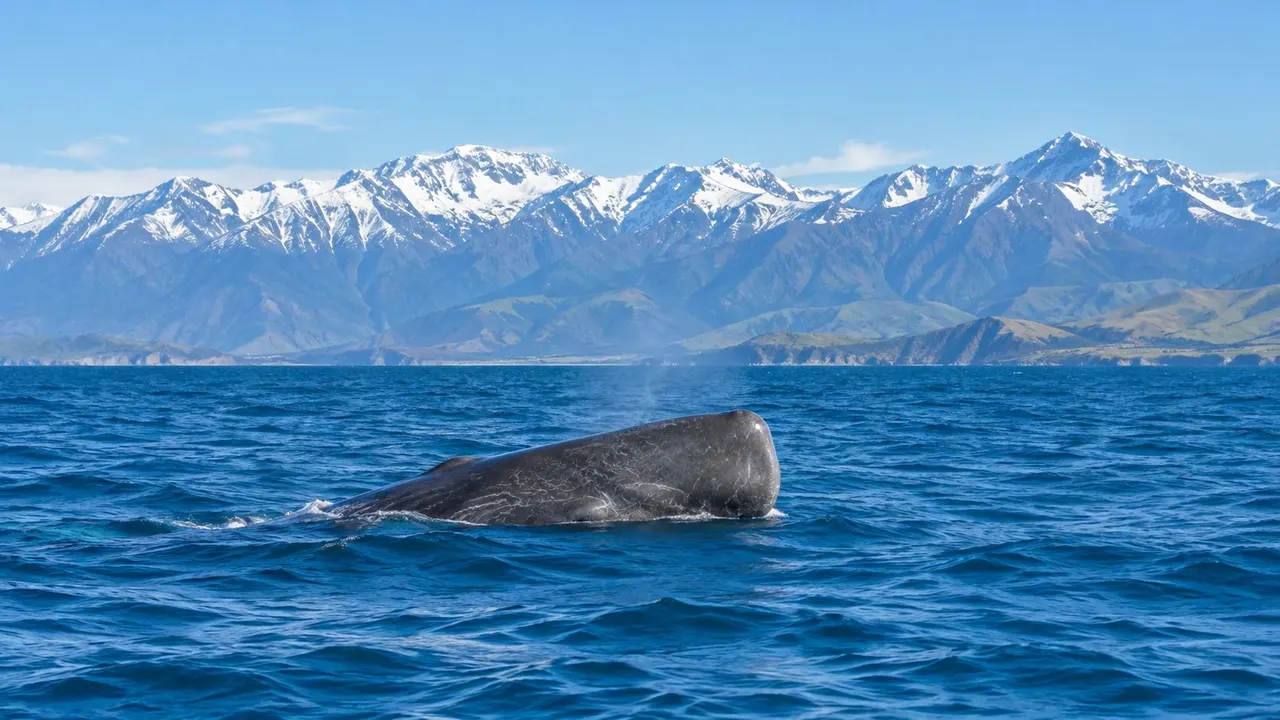
For families, the best operator is the one that explains the search process clearly and offers a comfortable place to sit when the sea gets rough. That can matter more than choosing a boat solely for its speed or size.
6. Puerto Madryn and Peninsula Valdes, Argentina
Peninsula Valdés gives December visitors the chance to look for southern right whales in sheltered coastal waters. The whales gather around the peninsula's gulfs during their breeding and calving season, which runs from June through December. By December, sightings remain possible, and mothers with calves may be seen close to shore.
This is a strong destination for travelers who want more than a boat excursion. Shore viewing can be a practical choice here, especially for families who prefer to avoid boat motion or want to spend time watching at their own pace. Bring binoculars or a telephoto lens; a whale can be visible from land without being close enough for a detailed view.
Make the drive part of the plan
Trelew is the usual air gateway for travelers continuing by road to Puerto Madryn. Arrange your transport and wildlife stops ahead of time, particularly if you're trying to combine shore viewing with a guided excursion around the peninsula. The surrounding area is known for marine wildlife beyond whales, including sea lions and elephant seals.
Strong sun and wind can make a long outdoor viewing stop tiring, so pack a hat and sunscreen. A tour that includes peninsula wildlife stops may suit families who want a broader day rather than waiting at one viewpoint. As always, keep a respectful distance and follow local guidance around wildlife.
The appeal here is a chance to observe animals in a natural coastal setting, not a promise that a whale will appear on cue. Be ready to spend time looking and to enjoy the place even when the whales remain farther out.
7. Mirissa, Sri Lanka
Mirissa is a southern-coast departure point for looking for blue whales in deep water offshore. The local blue whale season runs from November through April, making December a promising time to plan a trip. Boats leave early, and an outing may also encounter spinner dolphins, sperm whales, or other whale species.
This is a boat-based experience, and the open water can make motion a concern. Ask the operator about the vessel and its wildlife-viewing practices before booking, including how it manages speed and distance around animals. A responsible crew won't chase a whale or promise a close approach.
Early starts need realistic expectations
An early departure can help you avoid some crowds, but it doesn't guarantee a sighting. Check recent reports and local conditions before choosing a day, and bring a light rain jacket along with reef-safe sunscreen. The combination of sun, spray, and wind can feel different from the sheltered beach, so dress for the time on the water rather than just the weather at your hotel.
Families should consider the length of the outing and whether younger travelers are comfortable on a moving boat. If anyone is prone to seasickness, take the usual precautions before departure. A good operator will explain what to watch for and give the animals room to move naturally.
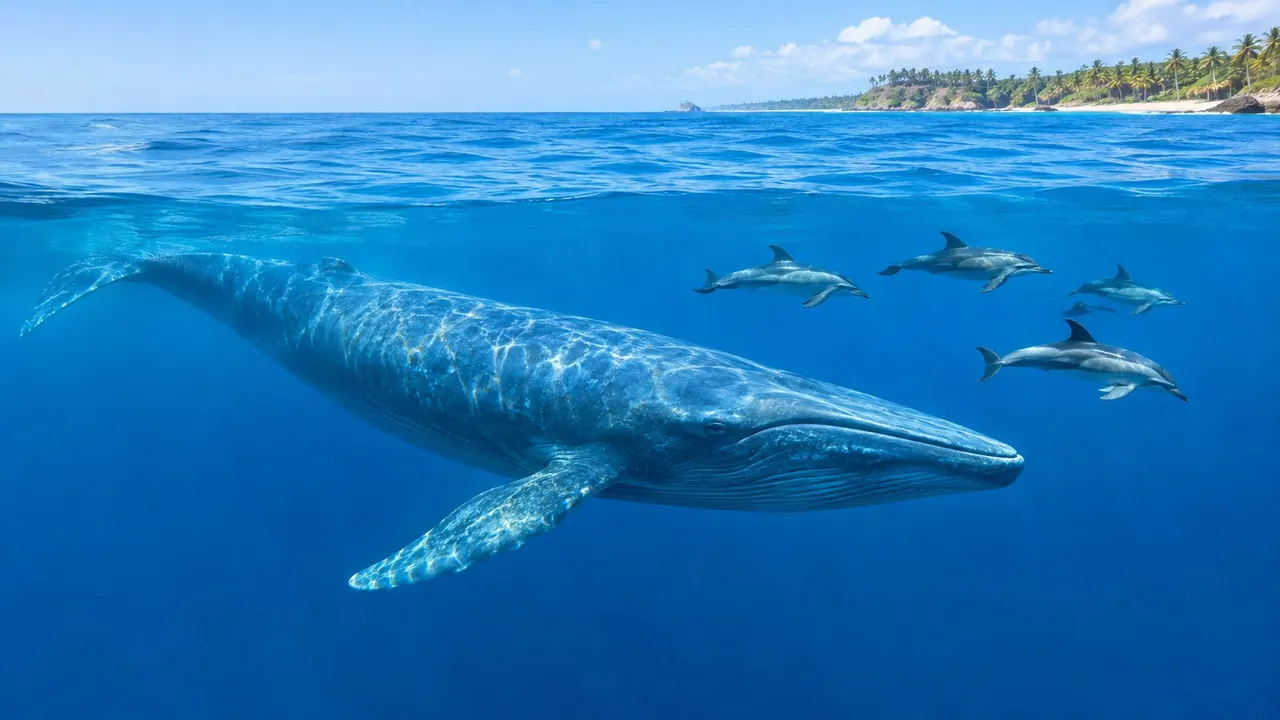
December is a useful month for Mirissa because it falls within the local blue whale season, but the best approach is still to treat the trip as a wildlife search. Keep your schedule flexible, follow the crew's instructions, and avoid choosing an operator that markets proximity over responsible viewing.
8. Azores, Portugal
The Azores offer December whale watching in a very different setting from tropical humpback destinations. Sperm whales live in deep waters around the islands year-round, with trips often departing near Pico and Faial. Common dolphins may also appear, and other whale species can visit the region.
The main trade-off is weather. Winter conditions can affect boat departures, so a tightly scheduled itinerary is a poor match for this destination. Leave room for a cancellation or rescheduled outing, and choose an operator that puts safety and responsible viewing ahead of a guaranteed trip.
A flexible island itinerary pays off
Morning trips may be more comfortable when seas are calmer, but conditions vary. Pack warm layers and waterproof clothing, and ask the operator what happens if the weather changes. If you're traveling with children, check whether the boat has indoor or sheltered seating and how much time guests spend exposed to wind.
The Azores also suit travelers who are happy to treat the day as a search rather than a close-encounter promise. Sperm whales dive for long periods, so watching can involve scanning the sea and waiting for a surfacing. Shore-based observation can provide a scenic alternative, but a boat gives you access to a broader search area.
Choose the destination for the kind of encounter you want. A migrating gray whale, a deep-diving sperm whale, and a humpback in Hawaiian waters make very different days on the water.
8 Best Places to See Whales in December: Comparison Guide
| Destination | December Whale Prospects 📊 | Access & Planning 🔄 | Conditions & Resources ⚡ | Ideal For ⭐ | Key Advantage 💡 |
|---|---|---|---|---|---|
| Maui, Hawaii, USA | Humpbacks arrive as the season begins; sightings are less certain early in December | Multiple tour ports; book early for holidays | Leeward channels are often calm; winter swells are possible | Humpbacks, breaching, and mother-calf sightings | Shore viewing may also be possible |
| Oahu, Hawaii, USA | Humpbacks are present from December through March; sightings vary by day | Tours depart near Waikiki; reserve holiday dates early | Winter conditions can affect comfort and departures | Travelers seeking easy access from Waikiki | Whale watching can be combined with snorkeling or sunset cruises |
| Magdalena Bay, Mexico | Gray whales begin arriving in December; sightings increase later in winter | Remote destination; transfers from Loreto or La Paz require planning | Calm, shallow lagoons; wind can cancel tours | Close gray whale encounters and family-friendly outings | Mother-calf pairs may approach boats voluntarily |
| Dana Point and San Diego, California, USA | Gray whales begin their southbound migration in December | Convenient access from major Southern California cities | Short trips; winter seas can be chilly or rough | Flexible coastal trips and possible shore viewing | Migration routes pass relatively close to shore |
| Kaikoura, New Zealand | Resident sperm whales are present year-round | Established tours; allow schedule flexibility for weather | Deep-water trips can be rough; whale dives require patience | Sperm whales, dolphins, and dramatic coastal scenery | Reliable year-round sperm whale presence |
| Puerto Madryn and Peninsula Valdes, Argentina | Southern right whales remain through December; numbers peak later in the season | Remote; travel via Trelew and road transfer | Wind and sea conditions can change quickly | Shore viewing and diverse marine wildlife | Whales may be seen close to shore |
| Mirissa, Sri Lanka | December is within the strong blue whale season | Early boat departures; choose licensed operators | Offshore trips may be affected by waves and crowds | Blue whales and multiple species on one trip | Deep water close to the coast supports short-access trips |
| Azores, Portugal | Resident sperm whales are commonly seen year-round | Tours run from several islands; inter-island travel needs planning | Winter weather and swells may cancel trips | Sperm whales, dolphins, and volcanic scenery | Experienced operators and year-round whale presence |
Making the Most of Your December Whale Watch
December is not one uniform whale-watching season. Hawaiʻi is the strongest all-around choice for humpbacks and convenience, especially for travelers already staying in Waikīkī, but the month is early in the local season. Sightings are possible around Oʻahu, while Maui Nui is known for more concentrated humpback activity. Across Hawaiʻi, whale numbers typically become more dependable later in winter, so a flexible itinerary is more useful than assuming every December trip will deliver a sighting.
For gray whales, Magdalena Bay and Southern California offer different ways to follow the southbound migration. Magdalena Bay is the lagoon-based option, where gray whales begin arriving for the winter breeding and calving season. Dana Point and San Diego are better for watching whales pass along the coast, including from shore viewpoints. Pick Baja if you want a lagoon setting and can plan the transfers; choose California if accessible coastal viewpoints or a shorter boat outing fit your group better.
Kaikōura and the Azores stand out for year-round sperm whale viewing, but both call for patience and a flexible schedule. Deep-diving whales can mean quiet stretches between sightings, and weather can interfere with a boat trip. Peninsula Valdés is the southern right whale choice, with shore viewing that can suit visitors who want to avoid boat motion. Mirissa is the blue whale pick, with early departures and open-water conditions that deserve careful planning.
For any destination, book early for holiday dates and choose licensed operators that respect local approach rules. Morning trips can be more comfortable when conditions are calmer, but sea state and sightings change from day to day. Bring sun protection, a layer for wind or spray, and motion-sickness medication if you need it. Above all, don't crowd or chase wildlife. In Hawaiian waters, people on or in the water must stay at least 100 yards (90 meters) from humpback whales, whether they're in a vessel, kayak, paddleboard, canoe, or swimming (NOAA's Hawaiian viewing regulations).
If you're staying in Waikīkī, Living Ocean Tours is the top rated and most reviewed snorkel company on Oahu and offers seasonal whale-watching departures from Kewalo Basin Boat Harbor. December sightings are possible, but the dedicated whale-watch trips operate from January through March, when sightings are generally more dependable. Check the current availability and conditions before planning your day on the water.
Living Ocean Tours runs guided whale-watching trips from Kewalo Basin near Waikīkī, alongside snorkeling cruises and sunset outings along the Oʻahu coastline. If you're planning a December visit, check the seasonal schedule, then visit Living Ocean Tours to plan a responsible day on the water.


