
Whale Watching Oahu: How to Tell Humpbacks From Pilot Whales
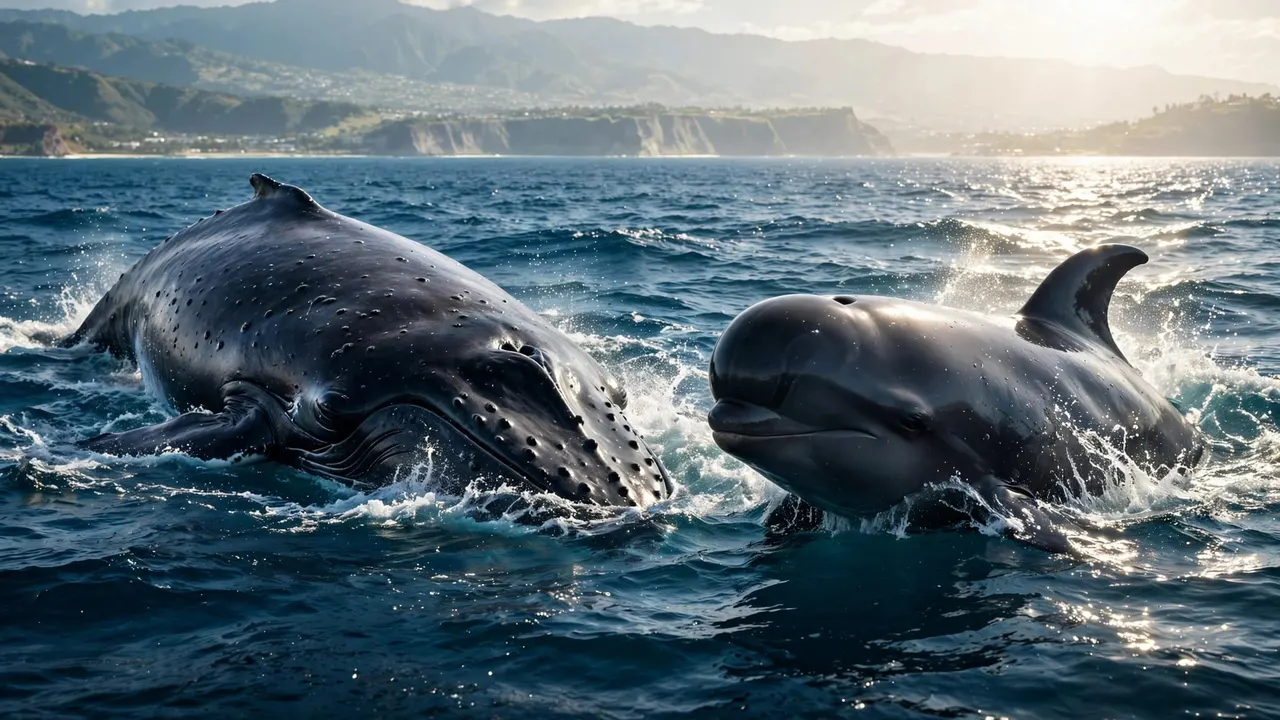
A dark back breaks the surface off Waikiki, then disappears before you can raise your camera. If whale watching Oahu is on your vacation list, knowing what to look for can turn that brief glimpse into a confident identification.
The shape of the head, back, and fins tells you more than a distant splash. Start with the outline you can see, then wait for the animal’s next breath.
Whale watching Oahu: the quickest way to tell them apart
A humpback usually looks long and imposing at the surface. You may see a rolling back, a small dorsal fin on a raised hump, or a broad tail lifted before a dive. A short-finned pilot whale has a more compact outline, a rounded forehead, and a prominent curved dorsal fin.
Use several clues together rather than relying on one fleeting view.
| What you notice | Humpback whale | Short-finned pilot whale |
|---|---|---|
| Overall outline | Large, long-bodied whale | Smaller, sturdier-looking whale |
| Head | Broad head with visible bumps up close | Rounded, bulbous forehead |
| Dorsal fin | Relatively small, behind a noticeable back hump | Broad-based, curved fin farther forward |
| Pectoral fins | Exceptionally long, sometimes visible at the surface | Shorter fins, less likely to stand out |
| Tail at a dive | Broad fluke may rise clear of the water | Fluke usually isn’t your first useful clue |
Distance can distort size, especially when you have no boat or shoreline feature for comparison. If all you saw was a dark curve, keep watching. A second surfacing often reveals the head or dorsal fin that settles the question.
Recognize a humpback by its back, fins, and tail
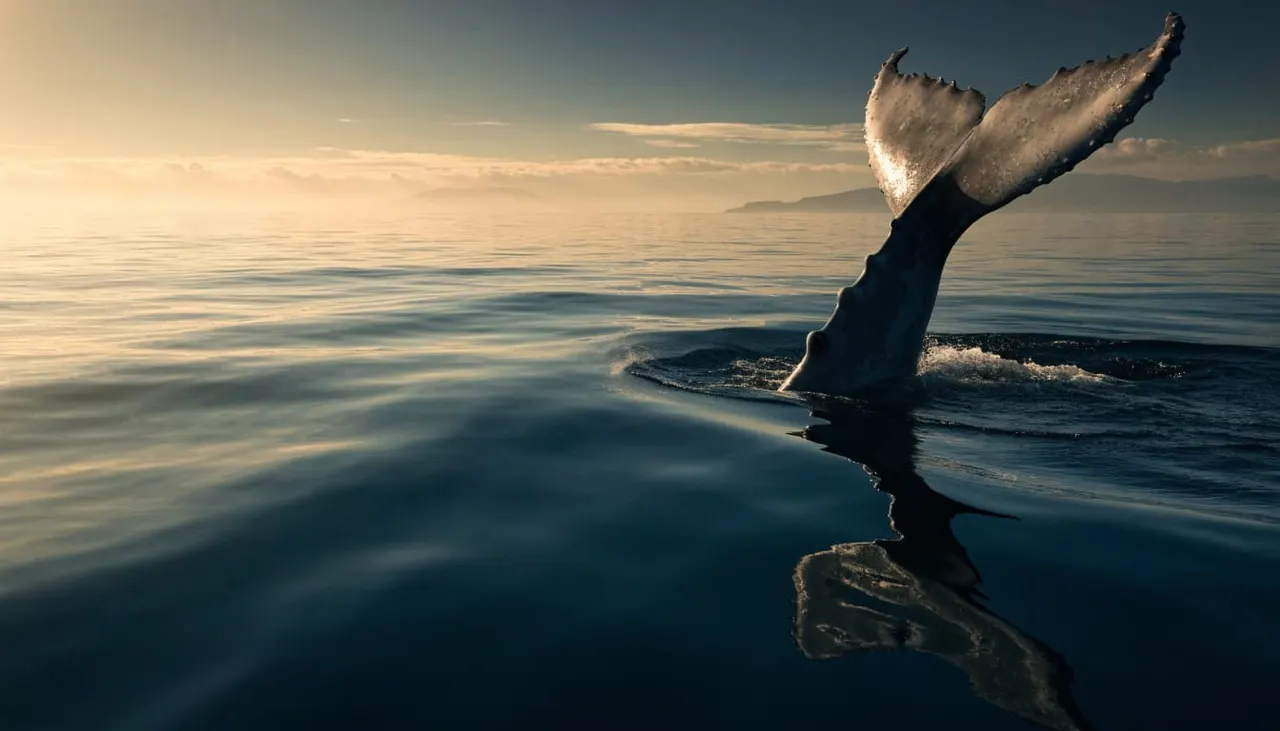
Humpbacks are the winter visitors most people hope to see from an Oahu whale-watch boat. They don’t need to breach to give you a memorable view. A slow surfacing can reveal several identifying features in sequence.
Watch the back roll through the water
Look for a blow first, then follow the water beneath it. As the whale moves forward, its long back may rise in a broad arc. The small dorsal fin sits behind a pronounced hump, which gives the humpback its common name.
That sequence matters when a swell hides part of the animal. You might see the blow on one breath and the back on the next. According to NOAA’s humpback whale profile, the distinctive back hump and unusually long pectoral fins are defining physical features.
Look for a long fin or a lifting fluke
A humpback’s pectoral fins can appear as pale shapes beneath the surface or rise during a fin slap. Their length is an especially useful clue if you get a clear side view. Even a calf’s movements can draw your eye toward a larger whale nearby, though you should confirm what you’ve seen before naming it.
Before a deeper dive, a humpback may lift its wide, notched tail fluke above the sea. Don’t expect that pose every time. Some whales surface repeatedly without showing their tails, so a missing fluke doesn’t rule out a humpback.
Recognize a pilot whale by its rounded head
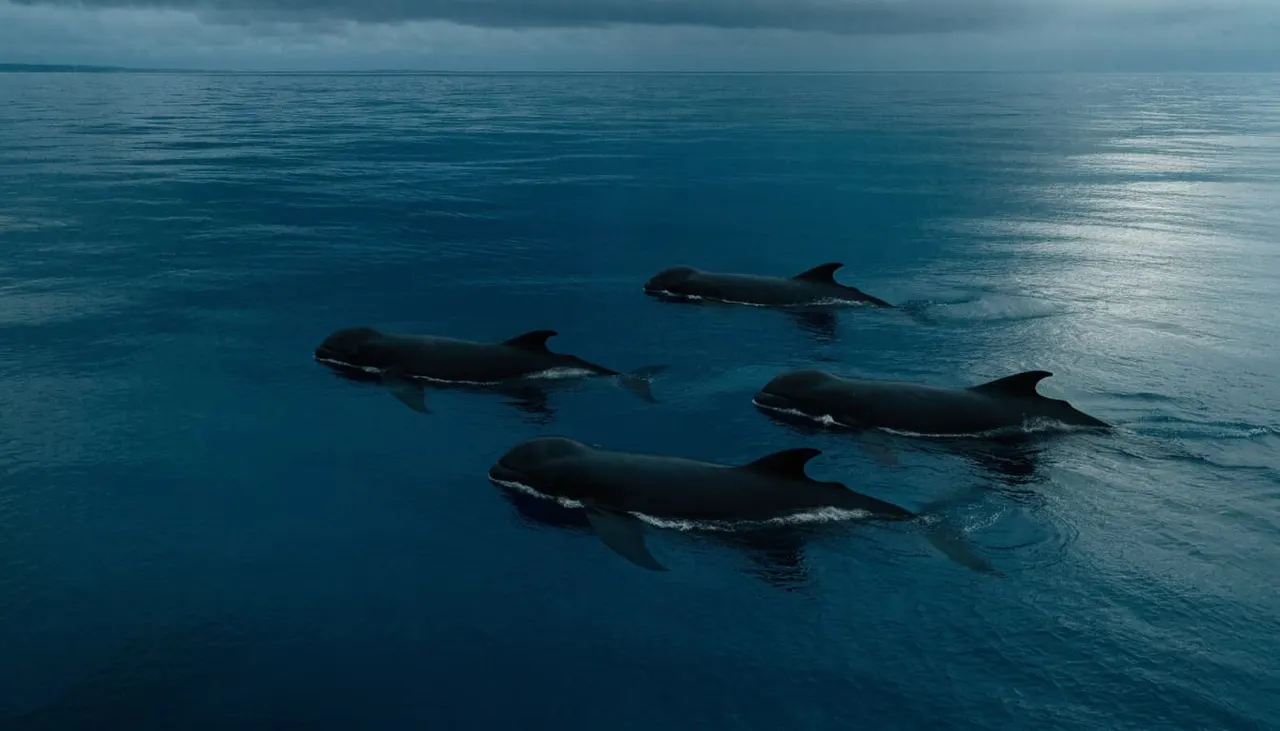
The pilot whale relevant to this comparison is the short-finned pilot whale. Despite its name, it belongs to the oceanic dolphin family. In a quick surface view, its dark body can still prompt someone aboard to call out “whale.”
Find the forehead, not a pointed snout
A pilot whale’s head looks blunt and rounded. It lacks the obvious beak you might expect on a familiar dolphin. If the face rises far enough above the water, that smooth, bulbous forehead is one of your strongest field marks.
NOAA’s short-finned pilot whale description places its dorsal fin about one-third of the way back from the head. That helps when the head and fin appear during the same surfacing.
Compare the fin with the whole back
The pilot whale’s dorsal fin has a broad base and a curved shape. It may look substantial against the portion of back you can see. A humpback’s dorsal fin is smaller relative to its long body and follows the raised contour of its back.
Several similar dark backs surfacing near one another may make you suspect pilot whales. Still, don’t identify an animal by group size alone. Watch for a clear head-and-fin view, and ask the crew what they observed if your view was brief.
Read a surfacing sequence instead of a single splash
When you’re whale watching Oahu’s waters, the first sign may be spray rather than an animal. A blow can vanish in seconds. A patch of whitewater can linger after the whale has already moved. Neither gives you a complete identification by itself.
Track where the animal travels
Pick out a landmark on the horizon near the first sighting. Then scan the nearby water rather than staring at the original splash. An animal may surface farther along its path, giving you a better angle on its back or head.
If you’re using binoculars, find the animal with your eyes first. It’s easier to bring the binoculars to a known spot than to search a moving ocean through a narrow field of view. Keep both feet steady while you scan from the deck.
Wait for two or three useful features
A blow followed by a long rolling back and a lifted fluke makes a strong humpback identification. A rounded forehead paired with a broad, curved dorsal fin points toward a pilot whale. One isolated fin is harder to judge, particularly at a distance.
A nearby splash can also come from a tail or pectoral fin without showing the whale’s full shape. Enjoy the moment, but leave the identification open until another surfacing gives you more evidence. Wild animals rarely offer the tidy side profile you see in a field guide.
Know when and where each sighting makes sense
Season adds context, though it shouldn’t override what you see. Humpbacks visit Hawaiian waters in winter, and Living Ocean Tours offers seasonal cruises to look for them along the Waikiki coastline. A whale spotted during a winter tour may well be a humpback, but timing alone cannot identify a dark shape offshore.
Pilot whales are a different possibility in Hawaiian waters. Seeing one would require the same patient observation as any other identification. Neither species follows a boat’s schedule, and conditions can change the quality of your view within minutes.
The Waikiki coastline gives you recognizable reference points, but an animal’s distance from shore isn’t a dependable shortcut. On an outing, use location to help track where it resurfaces. Use physical features to decide what it is.
A likely species isn’t a confirmed species until you’ve seen a useful field mark.
That distinction makes whale watching Oahu more interesting. Instead of waiting only for a dramatic breach, you’ll notice the smaller details that tell the story of each encounter.
Avoid the most common identification mistakes
A splash is exciting, and a big dorsal fin gets attention. Both can mislead you when the rest of the animal remains underwater.
Don’t use apparent size as your only clue
An adult humpback is much larger than a pilot whale. Yet a distant humpback can look small, while a closer animal can fill your view. Swell height, viewing angle, and the lack of a reference point all affect your impression.
Ask yourself what part of the body you actually saw. A long stretch of back is useful; a dark patch with no visible beginning or end isn’t. When you’re unsure, describe the sighting to the crew rather than guessing a species.
Don’t turn every raised tail into a promise
A humpback lifting its fluke offers a striking image, but you’ll also see whales that slip below the surface without showing a tail. Likewise, a pilot whale’s rounded forehead may stay hidden behind a wave.
Photos can help you revisit a sighting later. Take a short sequence if you can do so safely, then look at the frames for the head, dorsal fin, and back together. Keep your phone secured, and don’t lean over a rail for a better angle.
Give wildlife room while you watch
The best view doesn’t require a boat to close the distance. Let the captain manage its position and give the animals space to travel, surface, or dive. Never try to touch, feed, chase, or enter the water with a whale.
For whale watching Oahu by boat, patience is practical as well as respectful. If an animal continues on its own path, you can observe its natural surfacing pattern. A rushed approach can interrupt the encounter and leave everyone looking at empty water.
Bring sun protection, a light layer for the breeze, and binoculars if you own them. Choose a deck spot with a clear sightline, but share room at the rail when something appears. Children often enjoy spotting blows and splashes before they can distinguish fins, so invite them to describe what they see.
If boat motion bothers you, ask a pharmacist or doctor about suitable options before departure. Then tell the crew if you feel unwell. Staying comfortable makes it easier to watch the horizon without missing the brief moments that matter.
Plan a Waikiki outing with a crew that knows the water
Living Ocean Tours departs from Kewalo Basin Boat Harbor near Waikiki. Its seasonal whale outings give you a chance to search the coastline for humpbacks aboard double-decker boats. You can compare its Oahu ocean tours and whale cruises when choosing how to spend your time on the water.
The company says it’s the only Oahu tour operator with professional snorkel guides. That experience is especially useful if your family also wants a guided snorkeling outing during the same vacation. On a whale watch, follow the captain and crew’s directions while you look for blows, backs, and fins.
A cruise offers a good vantage point, not a guaranteed sighting or a guaranteed species. If seeing humpbacks is a priority, choose a seasonal departure that fits your plans and arrive ready to enjoy the Waikiki views between sightings. You can CHECK AVAILABILITY for the whale-watching tour.
If you’d like to browse the company’s other available ocean departures, use its booking calendar.
Key takeaways for your whale watch
- Look for a humpback’s long rolling back, small dorsal fin, exceptionally long pectoral fins, and possible tail lift.
- Identify a short-finned pilot whale by its rounded forehead and broad-based, curved dorsal fin.
- Use more than one field mark. Distance and swell can make a single glimpse deceptive.
- Let the crew guide the viewing, and give every animal space to behave naturally.
Conclusion
The next dark shape off Waikiki may give you only a few seconds to look. Start with the silhouette, then watch for the head, back, and fins at the next surfacing.
You’ll enjoy whale watching Oahu more when a distant blow becomes an observation rather than a guess. Whether you identify a humpback, spot a pilot whale, or leave a sighting open, the ocean gets to set the pace.


