
What to Wear to Whale Watching: 7 Essentials for 2026
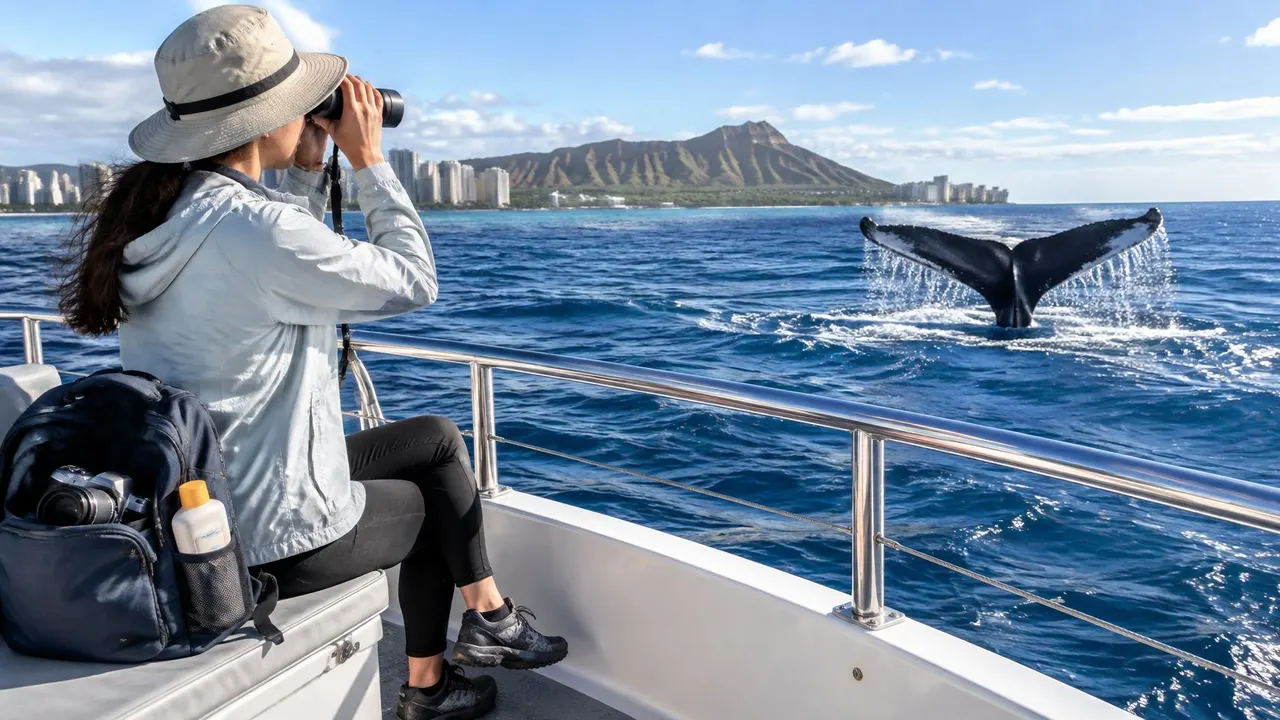
You're leaving your Waikiki hotel in sunshine, and a swimsuit and T-shirt feel like enough. Then the boat clears the harbor, spray reaches your seat, and you wish you'd brought something to zip up. Dress for the wind on the water, not the beach.
Winter brings humpbacks to Hawaii, with January through March usually offering peak abundance, according to NOAA's Hawaii whale-watching guidance. For clothing, that means preparing for sunshine, moving air, and damp fabric rather than packing a heavy winter coat.
Living Ocean Tours, Oahu's top rated and most reviewed snorkel company, departs from Kewalo Basin Boat Harbor near Waikiki Beach. If you're deciding what to wear to whale watching, start with light layers, comfortable shoes, secure sun protection, and somewhere dry for your camera or smartphone. Choose each piece for what happens on deck: wind, salt spray, glare, and slippery surfaces.
1. Lightweight UPF 50+ Long-Sleeve Rash Guard
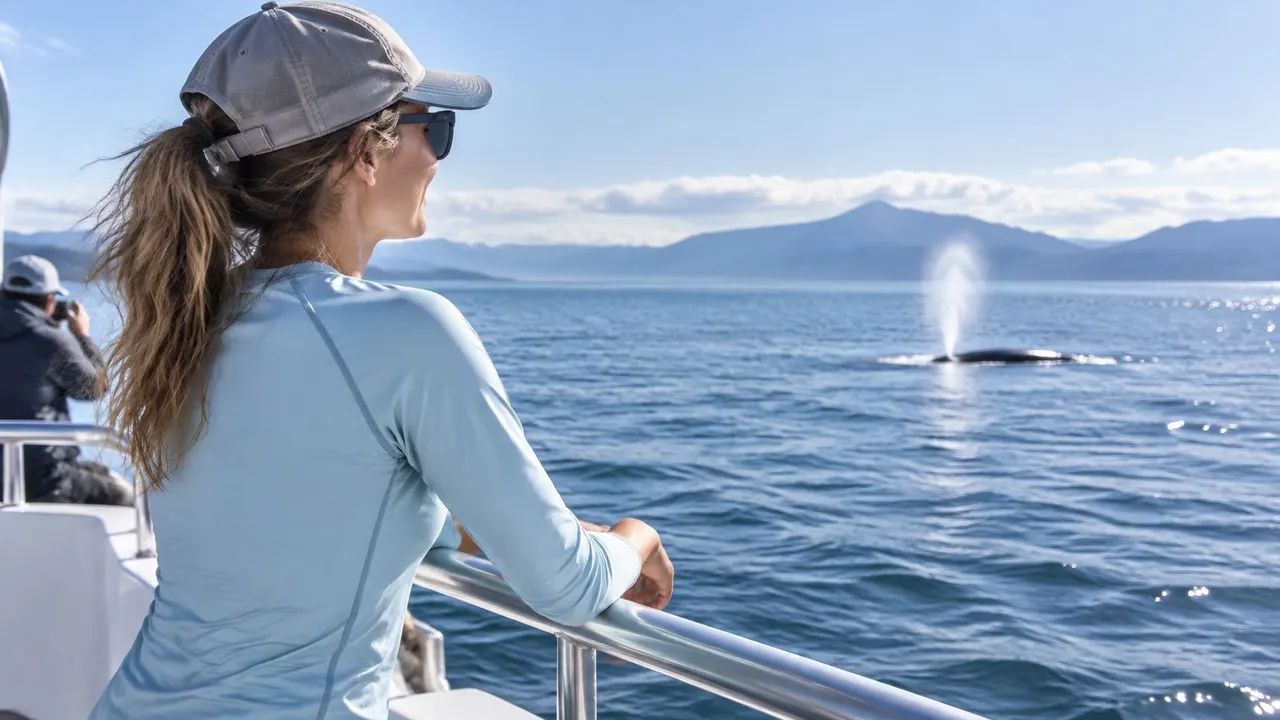
Start with a lightweight long-sleeve shirt you can comfortably wear under a jacket. A rash guard works well, but you don't need a tight surfing fit for a sightseeing trip. Choose something that lets you reach overhead, sit comfortably, and lift a camera without pulling across your shoulders.
Look for a clearly labeled sun-protection garment rather than assuming every thin shirt offers the same coverage. Check the care label, too, so you know how to wash it without disregarding the manufacturer's instructions. A breathable, quick-drying top is more useful here than a thick shirt that feels warm before you've even boarded.
Choose coverage without extra heat
NOAA's whale-watching preparation advice recommends dressing in layers. For Waikiki, use that principle lightly: a long-sleeve base underneath a removable shell, with insulation available if you tend to get cold.
- Check the fit: Bend your elbows and reach forward before packing it.
- Keep the shell separate: Your shirt manages next-to-skin comfort; your jacket handles stronger wind and spray.
- Pack a dry replacement: This is especially helpful for children who won't enjoy sitting in damp sleeves.
For example, a child might feel comfortable in a long-sleeve swim shirt at the harbor but need a jacket once underway. Keep that jacket within reach rather than buried under everyone's belongings. After the trip, rinse the shirt according to its care instructions.
2. Reef-Safe Mineral Sunscreen SPF 30+
A cool breeze isn't a reason to leave sunscreen at the hotel. Pack it alongside your shirt and hat, not as an afterthought at the bottom of your bag. Covered skin and sunscreen belong in the same plan.
For a mineral option, check the active-ingredient panel for zinc oxide or titanium dioxide. Don't choose solely by a reef-themed picture on the packaging. Our reef-safe sunscreen guide is a useful starting point for comparing options before your trip.
Apply sunscreen while you're still on stable ground, following the product's directions for application and reapplication. Trying to spread lotion while holding a hat, phone, and railing is an avoidable juggling act.
Before boarding: Finish the sunscreen job at the harbor, where you can put your bag down and check the areas you missed.
Pack something you'll actually use again
A sunscreen stick can be convenient for small exposed areas. A lotion may be easier for covering arms or legs thoroughly. If a tinted mineral formula feels better on your skin, that's a reasonable practical choice, provided you follow its label.
- Check overlooked areas: Ears, the back of your neck, exposed hands, and a scalp part deserve attention.
- Keep it accessible: Put sunscreen beside your sunglasses, not beneath your spare clothes.
- Follow the label: Use the product's instructions rather than guessing when another application is needed.
For a family, handle each child's application before boarding, then stow the container where an adult can reach it. Don't make a moving deck the place you discover the cap is stuck or the bottle is empty.
3. Quick-Dry Board Shorts or Swim Leggings
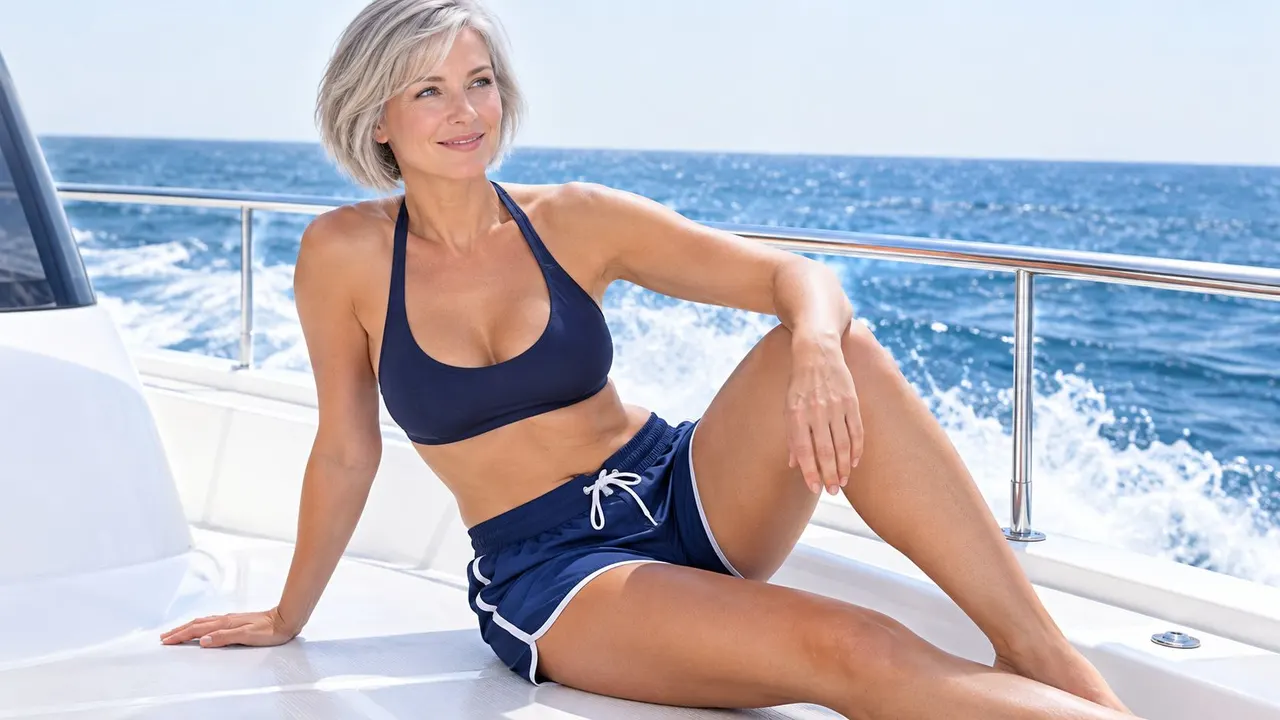
A splash across your lap is where comfortable beach clothes can become uncomfortable boat clothes. Choose bottoms you won't mind getting damp, with enough room to step aboard and sit without a waistband digging in.
Quick-drying board shorts suit people who run warm. Swim leggings or lightweight synthetic pants offer more coverage when you'd rather keep your legs out of the breeze. Neither choice needs to be complicated, but heavy denim is a poor backup plan for spray.
The National Weather Service's cold-weather clothing guidance emphasizes staying dry and using lightweight layers; wet clothing increases heat loss. Its guidance supports avoiding water-retaining cotton as your main insulating clothing.
Shorts versus leggings on deck
Choose according to your comfort, not just the temperature shown on your phone. If you're usually cold in air-conditioning or dislike wind against bare legs, lightweight pants are the more forgiving option.
- Board shorts: Look for an adjustable, comfortable waistband and freedom to bend.
- Swim leggings: Check that they remain comfortable under your jacket when seated.
- Lightweight pants: Favor easy movement and quick-drying fabric over stiff, heavy material.
For someone prone to nausea, avoid squeezing into a restrictive waistband. Clothing won't prevent seasickness, but there's no benefit in adding pressure and heat to an already uncomfortable ride.
Pack spare bottoms in a sealed bag, particularly for children and older relatives. If someone gets splashed early, changing into dry clothing is more useful than asking them to tolerate damp fabric until the ride ends.
4. Windproof Lightweight Jacket or Fleece
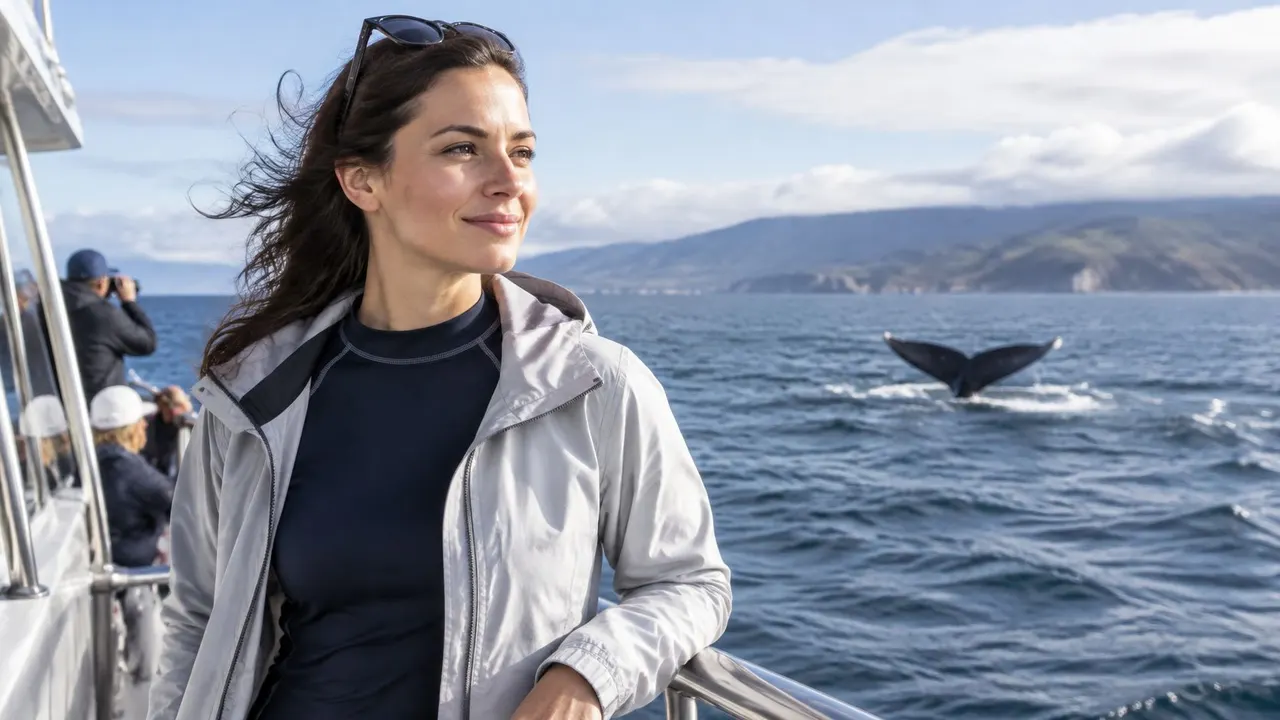
A fleece and a windproof shell do different jobs. Fleece supplies insulation. A shell blocks moving air and helps keep spray off the layers underneath. If you pack only a soft, airy fleece, you may still want something over it once the boat gets moving.
The National Weather Service explains wind chill as heat loss from exposed skin caused by wind and cold together. The practical lesson isn't that Waikiki requires polar clothing. It's that the forecast air temperature doesn't tell you everything about comfort on an exposed deck.
A removable shell is usually a better starting point for tropical whale watching than a heavy coat you can't comfortably wear in sunshine.
Choose a jacket you can adjust
Look for a secure front closure, a manageable hood, and cuffs that don't flap around your hands. Try it over your planned shirt before packing. You should be able to turn, sit, and hold the railing without fighting the fabric.
Honolulu's National Weather Service weather guidance identifies winter as Hawaii's rainy season, with showers and changing conditions possible. That makes a light water-resistant or waterproof shell a sensible choice rather than relying on a sweatshirt alone.
Bring a thin fleece underneath if you chill easily. Remove it before you become overheated, and keep it dry for later.
For a family member who starts shivering after getting sprayed, respond promptly and tell the crew. Don't assume everyone feels as warm as you do. Our Waikiki boat-layering advice offers another reference for planning around changing onboard comfort.
5. Non-Marking Closed-Toe Deck Shoes with Grip
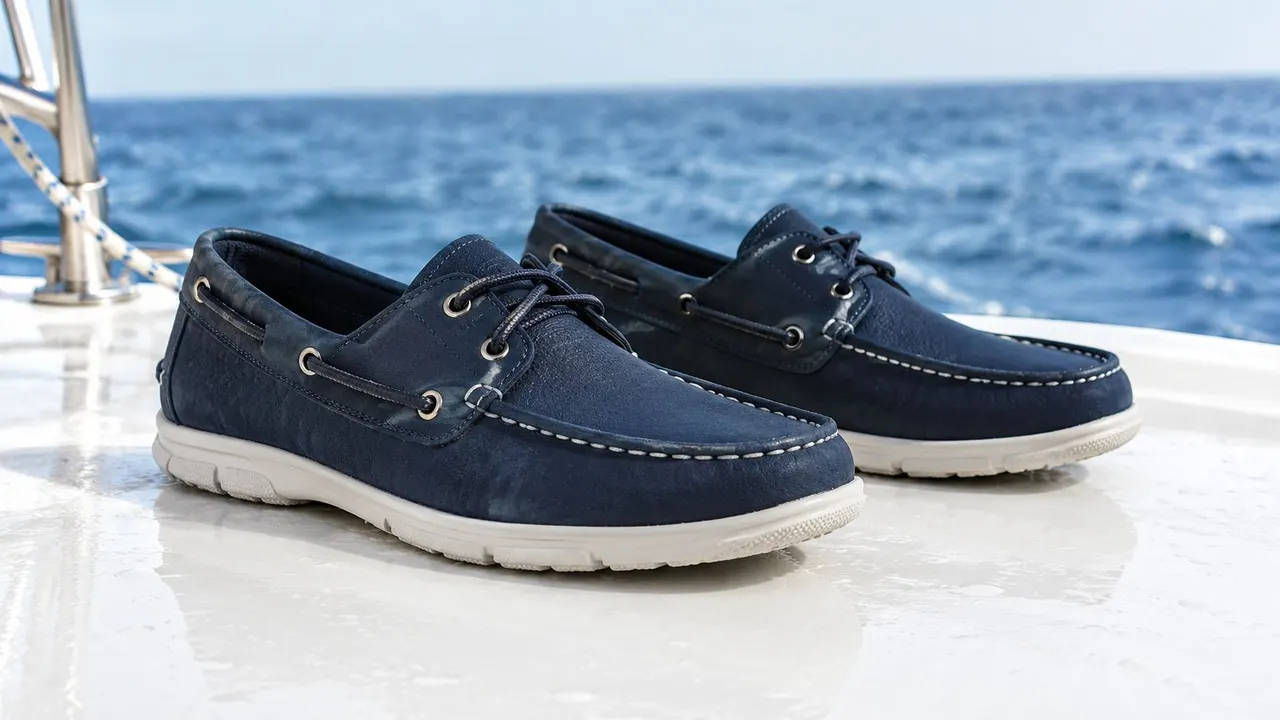
Turn your shoes over before deciding they're suitable. The sole matters more than the nautical styling. Choose a familiar, flat pair with secure fastening and a tread that isn't worn smooth.
Closed-toe water shoes, deck shoes, or suitable sneakers are practical candidates. Non-marking soles are a considerate choice, but don't sacrifice grip for a label. A shoe that stays attached to your foot is preferable to one you have to grip with your toes.
Our Waikiki boat-tour footwear guide can help you assess what's already in your suitcase. You don't need to buy a special pair if your existing shoes meet the job.
Test them before departure
Try the shoes with the clothing you'll wear. Walk, turn, and step up while checking whether your heel lifts or your foot slides inside. Brand-new shoes that rub at the hotel won't become more comfortable once you're aboard.
- Choose secure fastening: Tie laces and tuck away loose ends.
- Inspect the tread: Avoid smooth soles and badly worn footwear.
- Plan for afterward: Keep dry socks or a spare pair of shoes protected if you're heading straight into Waikiki.
Consider a parent helping a child board while carrying a small bag. That's not the moment to discover a loose sandal shifts sideways underfoot.
Once aboard, move deliberately and follow crew directions. Good shoes help, but they aren't permission to hurry across a wet deck when someone spots a whale. Let your viewing position wait until you can move safely.
6. Polarized Sunglasses with a Retainer Strap
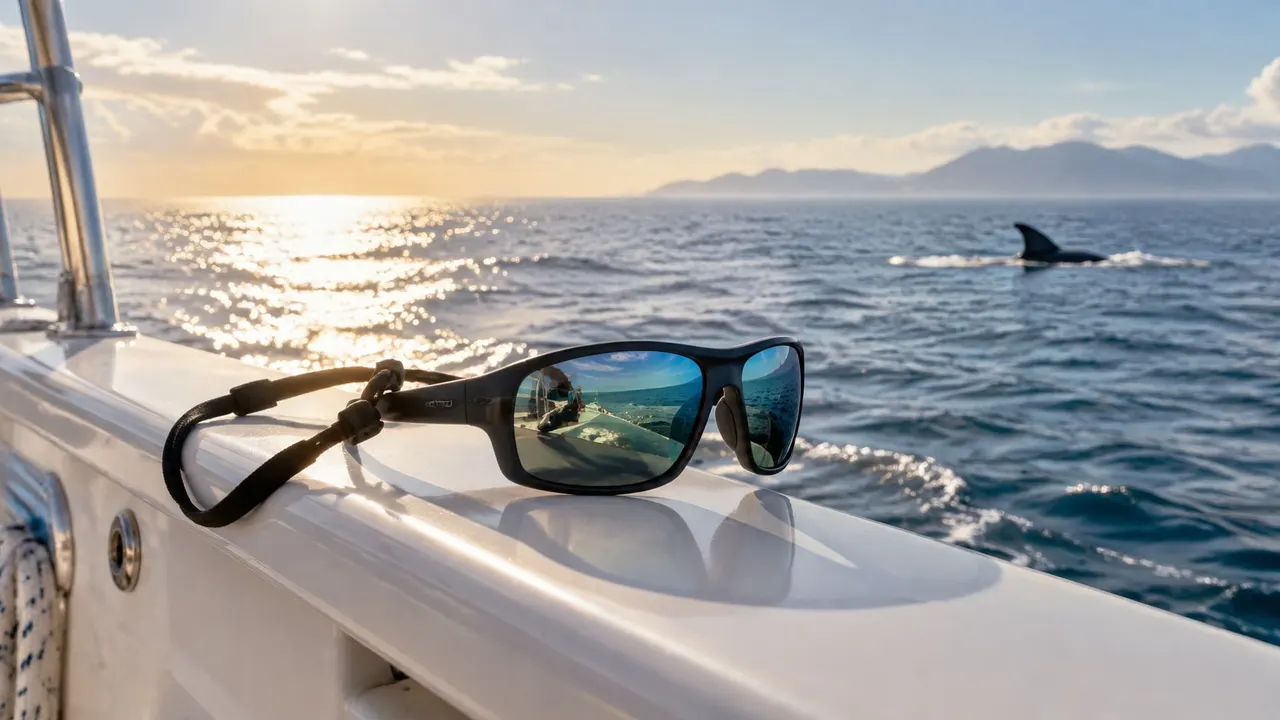
When you're scanning bright water, polarized sunglasses can reduce surface glare. Add a retainer strap so your glasses stay secure when you turn toward a sighting or a gust catches you. Keep a brimmed hat secured as well.
Responsible viewing also means accepting some distance. NOAA's marine-life viewing rules prohibit approaching humpbacks within 100 yards in Hawaiian waters and recommend binoculars or camera zoom rather than moving closer.
Choose glasses that sit comfortably beneath your hat. Check the strap while wearing your jacket, since a hood or collar can interfere with a poorly adjusted fit.
Keep yourself inside the boat and your eyewear attached. Neither a better photograph nor a dropped accessory is worth reaching over the side.
Keep salt spray off your view
Carry a clean lens cloth in a protected pocket. Follow the lens manufacturer's cleaning instructions rather than grinding dried salt into the surface with a sandy shirt.
Our boat-tour sunglasses safety guide offers more help with choosing and securing eyewear. The useful combination is clear vision, comfortable fit, and retention, not an expensive frame you're nervous about losing.
For a child, test the fit before reaching the harbor. If the glasses slide down whenever they look toward the water, adjust them on land. Adults who wear prescription glasses should make the same check, including whether their chosen strap stays comfortable through repeated head turns.
7. Waterproof Dry Bag, Phone Pouch, and Compact Binoculars
Pack for a splash, not a swim. A compact dry bag gives spare clothes, your wallet, and a towel a protected place. A separate phone pouch lets you keep your camera accessible without opening the whole bag whenever you want a photograph.
Test the pouch at home with dry paper inside, following its manufacturer's directions. Inspect the closure and attachment points rather than trusting waterproof wording alone. A bag only helps when you close it correctly.
Keep the useful things within reach
Organize the bag around what you may need while underway. Put the jacket and dry shirt where you can retrieve them without unloading everything. Keep straps contained, and ask the crew where belongings should go rather than clipping equipment to a rail without permission.
- Phone pouch: Check that you can operate the camera through it before boarding.
- Compact binoculars: Choose a pair you can hold comfortably and keep attached with a suitable strap.
- Dry clothing: Protect the backup outfit separately from anything already damp.
- Small towel: Keep it accessible for spray or wet hands.
The U.S. Coast Guard's clothing and life-jacket guidance recommends spare clothing and a properly fitted life jacket worn over outer clothing. Keep your layers manageable so they don't interfere with that fit.
For a multigenerational group, share binoculars rather than giving everyone another loose item to manage. If looking through them feels uncomfortable, put them away and enjoy the view directly. They're an optional aid, not a requirement for watching whales.
Whale Watching Clothing and Gear at a Glance
| Item | Primary Job | Standout Feature | Main Drawback |
|---|---|---|---|
| Lightweight UPF 50+ Long-Sleeve Rash Guard | Protects skin from sun and wind | UPF 50+ quick-dry stretch fabric | Can feel warm in midday sun |
| Reef-Safe Mineral Sunscreen (SPF 30+) | Provides reef-conscious sun protection | Mineral formula free of oxybenzone and octinoxate | May leave a white cast or feel heavy |
| Quick-Dry Board Shorts or Swim Leggings | Keeps bottoms comfortable after spray or splashes | Quick-drying fabric that doubles as swimwear | Long shorts can catch on railings |
| Windproof Lightweight Jacket or Fleece | Shields against wind chill on the water | Packable layer that is easy to add or remove | Not needed in every season |
| Non-Marking Closed-Toe Deck Shoes with Grip | Provides traction and foot protection on deck | Grippy, non-marking soles | Can feel warm in summer |
| Polarized Sunglasses with a Retainer Strap | Reduces glare and helps spot whales | Polarized lenses improve visibility on the water | Can make some LCD screens hard to read |
| Waterproof Dry Bag, Phone Pouch, and Compact Binoculars | Protects belongings and helps spot distant whales | Combines spray protection with compact binoculars | Gear adds weight and phone pouches may fog or leak |
Pack in Layers and Watch the Water From the Rail
Once the layers are packed, keep the rest simple. Wear your quick-drying base and comfortable bottoms, bring your shell where you can reach it, and secure your hat and sunglasses before departure. Your bag should hold the backup clothing, not the jacket you already need.
For families, check each person separately. A warm adult doesn't tell you whether a child or older relative is comfortable. Ask about damp clothing, cold hands, tight shoes, and overheating before those problems distract everyone from the water.
Last check at the harbor: Zip the jacket, fasten the shoes, secure the glasses, and close the dry bag before boarding.
Our Waikiki Whale Watching Cruise runs January 2 through March 31, lasts 1.5 hours, welcomes ages 3 and up, and costs $49 per person. It departs from Kewalo Basin Boat Harbor near Waikiki Beach to view humpback whales along the Waikiki coastline. Life jackets are available on all our tours.
Bring towels, hats, sunglasses, sunscreen, swimming attire, and cameras. Swimming attire can serve as a comfortable base, but it doesn't replace a dry shirt or wind-resistant layer. Crew gratuity is not required.
- Arriving without a car: We recommend a taxi, Uber, or Lyft to avoid parking hassles.
- Driving: Allow an additional 30 minutes for parking.
- Before leaving your accommodation: Make sure everyone's spare clothing is dry and protected.
For full details and departure information, visit the Waikiki whale watch tour page. Arrive dressed so you can focus on the water rather than spend the ride wishing you'd packed differently.
Living Ocean Tours offers seasonal whale watching along the Waikiki coastline from Kewalo Basin Boat Harbor. Pack your light layers, secure shoes, and sun protection, then visit Living Ocean Tours to choose your departure and prepare for time on the water.


