
Boat Tour Waikiki: Keep Your Sunglasses Afloat
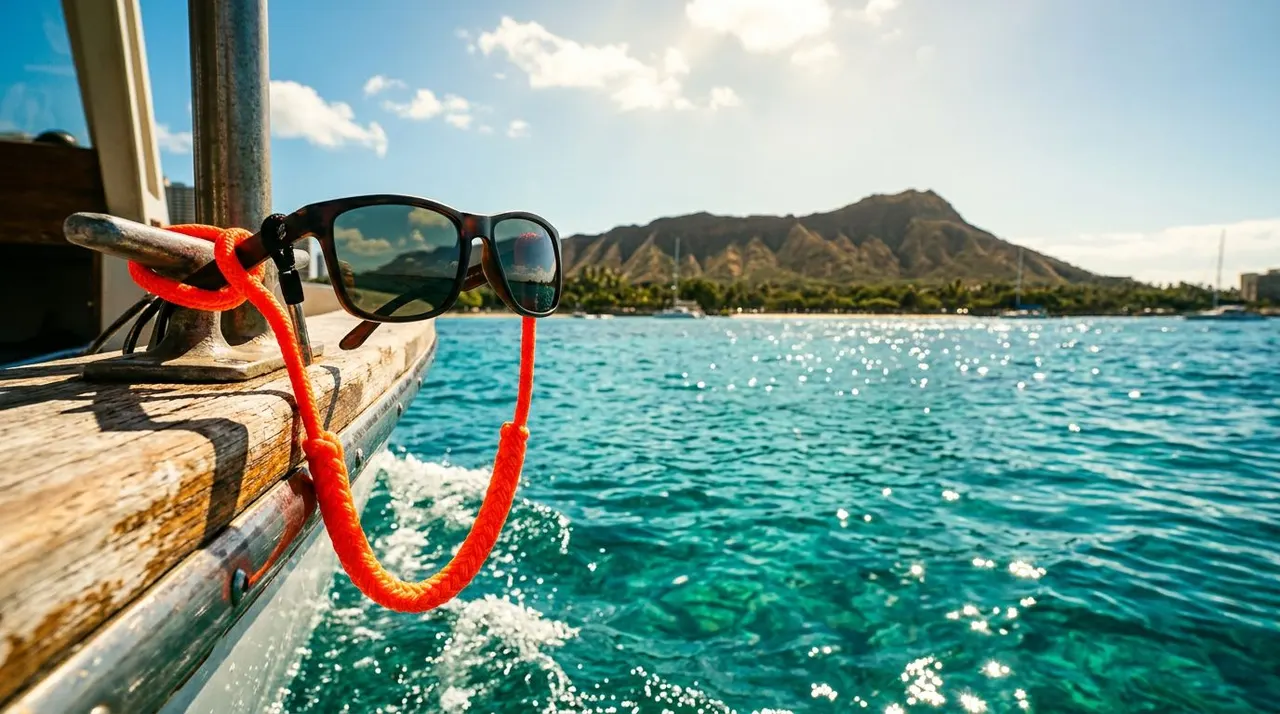
A boat tour Waikiki visitors book for sunshine, ocean views, and sea turtles can end with one careless wave if your sunglasses slide into the water. Wind, spray, sunscreen, and wet hands create the perfect conditions for losing your favorite pair.
The good news is that you can prevent most overboard accidents with a floating retainer, a secure fit, and a few smart habits. Before you leave Kewalo Basin Boat Harbor, take a minute to prepare your eyewear properly. Then you can focus on Diamond Head, bright reef fish, and the open Pacific instead of watching your sunglasses sink.
Why Sunglasses Fall Overboard on a Waikiki Boat Tour
Sunglasses usually go overboard for simple reasons. They slip from a shirt collar, fall during a quick head turn, or slide off while you adjust a hat. Once the boat hits a wake, even a pair that feels secure on land can move across a smooth seat or deck.
Wind also changes the situation. Waikiki boat rides often combine steady trade winds with spray from the bow. When you look toward the shoreline, the wind can catch the arms of your sunglasses. If they fit loosely, one gust may lift them before you have time to react.
Wet skin creates another problem. Sunscreen makes your nose and ears slick, while ocean water reduces grip around the frames. After snorkeling, your hands may be wet when you reach for your glasses. That small moment is when many pairs slip.
A poor fit makes all of these problems worse. If the frames sit low on your nose, pinch behind your ears, or move when you look down, they need adjustment before you board. You shouldn’t wait until the boat reaches deeper water.
Your sunglasses don’t need to feel tight. They need to stay stable when you turn your head, look down, and move between shaded and open areas.
The boat itself can also affect your eyewear. A double-decker vessel may have stairs, ladders, shaded seating, and open viewing areas. You may move several times during the trip, especially when the crew points out marine life. Each move creates another chance for loose glasses to fall.
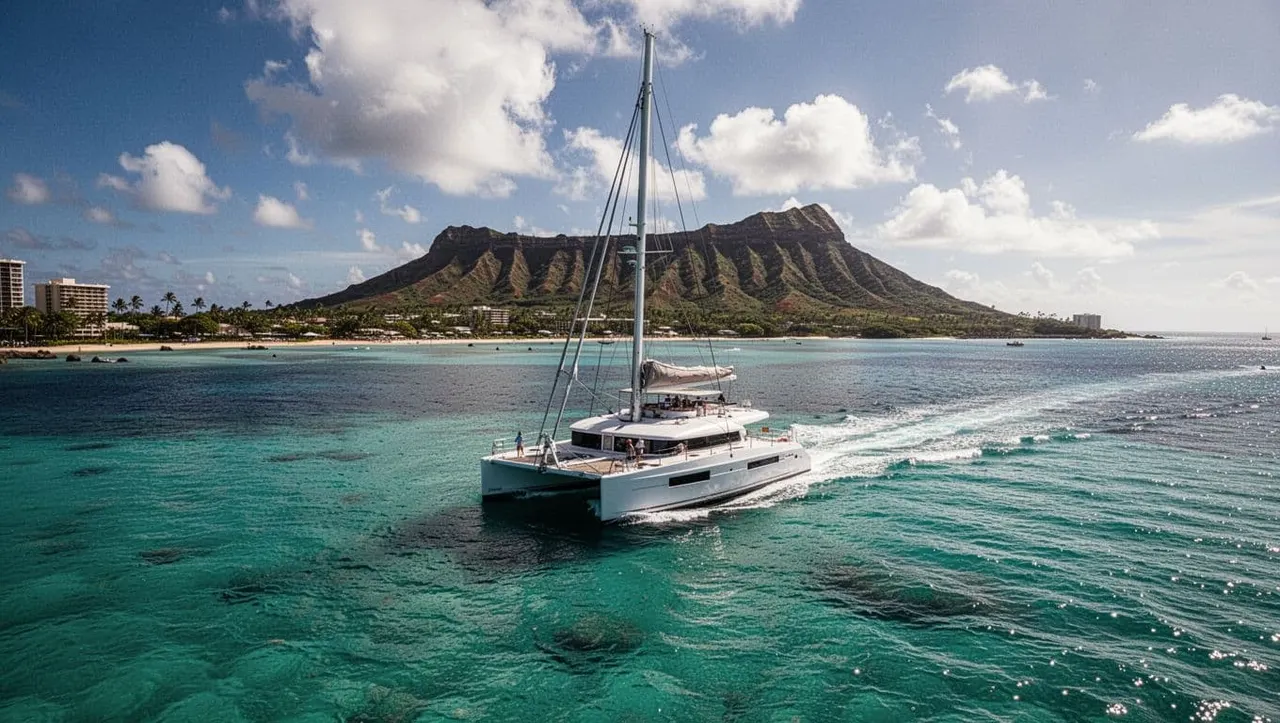
Living Ocean Tours operates from Kewalo Basin Boat Harbor, only minutes from Waikiki Beach. Its Coast Guard-inspected vessels, Coral Kai and Lokahi, include shaded seating, dry storage, onboard restrooms, and heavy-duty ladders. Those amenities make the ride more comfortable, but you still need to secure personal items before the boat leaves the harbor.
How to protect your sunglasses on a boat tour Waikiki visitors love
The most reliable solution is a floating sunglasses strap made for boating, kayaking, or water sports. A standard decorative cord may keep your glasses attached to your neck, but it may not float. If the glasses fall into the ocean, a non-buoyant strap can pull them below the surface.
Look for a retainer that has buoyant material, adjustable ends, and enough length to sit comfortably behind your neck. Bright colors are easier to spot in the water if the strap comes loose. You can compare options such as these floating eyewear retainers before your trip.
A good strap should hold the glasses close without pressing against your neck. Adjust it while standing on land. Then move your head side to side, bend forward, and look up. The frames should stay in place without bouncing.
Sports retainers can also help if you plan to snorkel. Some models use rubber or silicone grips that hold the arms of the glasses. Others use a thicker floating cord designed for active water use. Guides that discuss watersports eyewear retainers often recommend choosing a design based on the activity, fit, and amount of water exposure.
Use these features as your basic buying guide:
- Choose buoyant material if you may wear the glasses near the water.
- Pick an adjustable retainer that fits behind your head without dangling.
- Select grippy ends that attach firmly to both arms.
- Use a visible color that contrasts with blue water.
- Check the cord and connectors for cracks before every trip.
A floating strap doesn’t make your sunglasses impossible to lose. It gives you a second chance. If the frames slip, they remain connected to you and easier to recover. That matters when the boat is moving, the water is deep, or the wind is strong.
Set up your eyewear before you leave the harbor
Your preparation should start at the hotel, not on the boat. Put the sunglasses on and check how they feel after several minutes. Walk around, bend down, and look over both shoulders. If they slide during those simple movements, ocean spray will make them less secure.
Clean the nose pads and frame arms before you put them on. Sunscreen, sweat, and facial oil can reduce friction. A small microfiber cloth in your day bag helps you clean the lenses without scratching them.
Attach the retainer to both arms. Then pull each connector lightly. You want to confirm that the ends are seated correctly, not barely hanging from the frame. If the retainer uses a slider, move it close enough to the back of your head that the glasses won’t swing forward.
Avoid attaching sunglasses to a loose shirt collar. A collar can feel convenient while you stand at the dock, but it offers no protection once you lean over a rail. The same applies to placing glasses on top of your head. A sudden turn or boat movement can send them behind you.
Before boarding, decide where your eyewear will go when you aren’t wearing it. A zippered dry bag or hard case is safer than a towel, seat, or open backpack pocket. Keep the case in a dry-storage area or inside a closed personal bag.
You should also bring a backup pair if your prescription or vision needs make sunglasses essential. Store the spare in a hard case, away from wet towels and sunscreen bottles. A second pair is especially useful on a long day that includes snorkeling and a sunset cruise.
Polarized lenses can reduce glare from the water, but they don’t replace a retainer. Lens quality improves what you see. A strap keeps the glasses attached when the boat moves.
Smart habits keep your sunglasses on board
Once you’re underway, treat your sunglasses like any other small item that can roll, slide, or blow away. Keep one hand free when you move across the deck. When you climb stairs or approach a viewing rail, place the glasses securely on your face or inside your case.
Don’t set your sunglasses on a rail. Rails are useful for balance, but they are poor storage surfaces. A small wake can send the frames sliding into the water before you notice. Seats can create the same problem, especially when the surface is smooth or damp.
If you need to remove your glasses, use the retainer and let them rest against your chest. Avoid holding them in one hand while carrying a phone, water bottle, or towel. Crowded hands lead to rushed movements.
Keep your phone and sunglasses separate when taking photos. Many guests remove their glasses, hold them with the phone, and then change position for a better view. Store the frames in a case before you take the picture. That small step prevents an expensive mistake.
Crew instructions matter, too. When your guide asks you to move away from a rail, return to your seat, or prepare for water entry, secure your personal items first. Don’t tuck sunglasses into a swimsuit strap or place them under a loose towel.
If you plan to jump, slide, or snorkel, choose one of two options. Wear a secure floating retainer designed for active water use, or place the glasses in a dry case before entering the water. Ordinary eyewear cords may loosen during water entry.
Living Ocean Tours uses vessels with dry storage and heavy-duty ladders for safe water access. The Lokahi also includes a SeaKeeper stabilization system that reduces rolling motion. A steadier ride helps you move around with more confidence, but it doesn’t remove the need to secure small items.
Protect your sunglasses during snorkeling
Snorkeling changes how you handle eyewear. You may wear prescription sunglasses on the boat, switch to a snorkel mask, and then want your sunglasses again after leaving the water. Each transition creates a chance to drop or misplace them.
Keep your sunglasses in the same dry location throughout the trip. If your boat has a storage area, use it instead of moving the glasses between a towel, seat, and bag. A consistent spot makes retrieval easier and reduces accidental drops.
Before entering the water, remove sunglasses from your face and secure them. A retainer may keep them attached, but it can interfere with a mask strap or become uncomfortable during snorkeling. Follow your crew’s instructions about where to store eyewear and other personal items.
After snorkeling, rinse saltwater from your face and dry your hands before handling the frames. Place the mask down first if you need both hands. Then put on your sunglasses after the lenses and frame are clean.
Never leave sunglasses loose on the swim platform. Water splashes across the platform, and another guest may step on them. Use a case or the storage area provided by the crew.
Responsible snorkeling also protects the reef. Your guide may remind you to maintain distance from turtles and avoid touching coral or wildlife. Hawaiian green sea turtles are protected animals, so observe them without chasing, touching, or blocking their path.
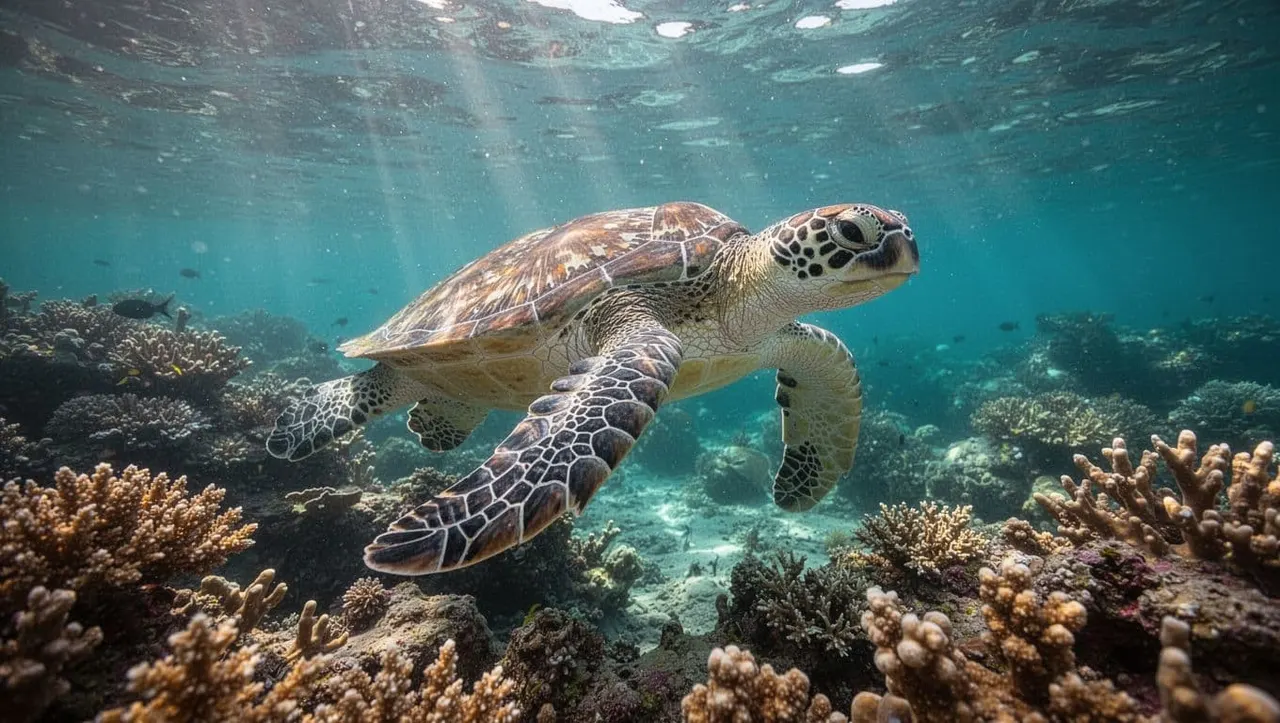
Living Ocean Tours offers the Turtle Canyons Snorkel Excursion with professional snorkel guides. The company reports a 95% success rate for spotting Hawaiian green sea turtles at a natural underwater cleaning station. Beginners receive guidance before entering the water, and guests can focus on the reef while keeping their personal gear organized.
Pick a Waikiki boat tour that fits your plans
Your sunglasses strategy depends partly on the type of cruise you choose. A calm sightseeing trip may require only a retainer and case. A tour with snorkeling or water activities requires more careful storage.
Living Ocean Tours offers Waikiki boat excursions for different travel styles. The company’s professional snorkel guides are a major advantage for guests who want instruction, marine-life knowledge, and support in the water. Families and first-time snorkelers can ask questions before entering the ocean.
The Deluxe Waikiki Snorkeling and Wildlife Cruise is a strong choice when your group wants time in the water and extra boat amenities. The experience includes access to a less-crowded reef, a boat-mounted waterslide, a water trampoline, and a floating lily pad. Wear your sunglasses while cruising, then store them before using the water features.
You can review the Deluxe Waikiki snorkeling cruise before choosing a departure.
For a relaxed evening, the Waikiki Sunset Cruise gives you time to enjoy changing colors over the coastline. Living Ocean Tours offers BYOB and cash-bar options, so keep sunglasses on during the bright part of the ride and place them in a case as the light fades.
The Waikiki Sunset Cruise is a comfortable option for couples and families who want ocean views without snorkeling.
A Friday Night Waikiki Fireworks Cruise creates a different eyewear routine. You may need sunglasses during the early part of the trip, then switch to regular glasses after dark. Place your sunglasses in a closed case before the fireworks begin, when guests often stand, turn, and move toward the viewing side of the boat.
You can see the Friday night fireworks cruise details before making your plans.
During seasonal Humpback Whale Watching tours, which run from January through March, you may spend much of the trip scanning the horizon. A retainer helps when you turn quickly after someone spots a whale. Keep your glasses attached while moving between viewing areas, and place them in a case when you use binoculars.
The Waikiki whale-watching tour gives you a dedicated way to look for seasonal humpback activity.
For general information about Living Ocean Tours and available departures, use the company’s ocean tour booking page. You can compare experiences based on your group’s preferred pace, water activities, and time of day.
What to do if your sunglasses fall in the ocean
Act quickly, but don’t lean over the side or reach into the water. Your safety matters more than recovering a pair of sunglasses. Tell a crew member immediately so they can assess the situation.
If the glasses are attached to a floating retainer, keep the cord in your hand and alert the crew. Don’t pull hard if the boat is moving. The crew can tell you whether recovery is safe and whether the eyewear has drifted near the vessel.
When glasses fall without a retainer, don’t jump in after them. Ocean conditions can change quickly, and moving water may carry the frames away. A crew member may spot them, but recovery isn’t guaranteed.
If your prescription glasses are involved, keep a backup pair in a hard case. You can also bring an inexpensive spare for the boat and reserve your primary pair for dry activities. This is especially helpful when children wear prescription sunglasses.
Saltwater can damage some lens coatings and metal components. If you recover the glasses, rinse them with fresh water as soon as practical. Don’t wipe salt crystals across the lenses while they are dry. Let water loosen the residue, then use a clean microfiber cloth.
Small preparation protects the whole day
A secure retainer, a hard case, and a consistent storage spot can keep your sunglasses with you throughout a Waikiki ocean adventure. Test the fit before boarding, attach the strap correctly, and store the glasses before snorkeling, sliding, or moving near a rail.
When you choose a boat tour Waikiki visitors recommend for marine life and coastal views, you want your attention on the water. Living Ocean Tours combines professional snorkel guides, comfortable Coast Guard-inspected vessels, and responsible wildlife viewing along the Waikiki coastline.
The next time the wind picks up or a wake reaches the boat, your sunglasses should stay where they belong, on your face or safely around your neck, not on the ocean floor.


