
Whale Watching with Kids: How to Plan a Safe Family Trip
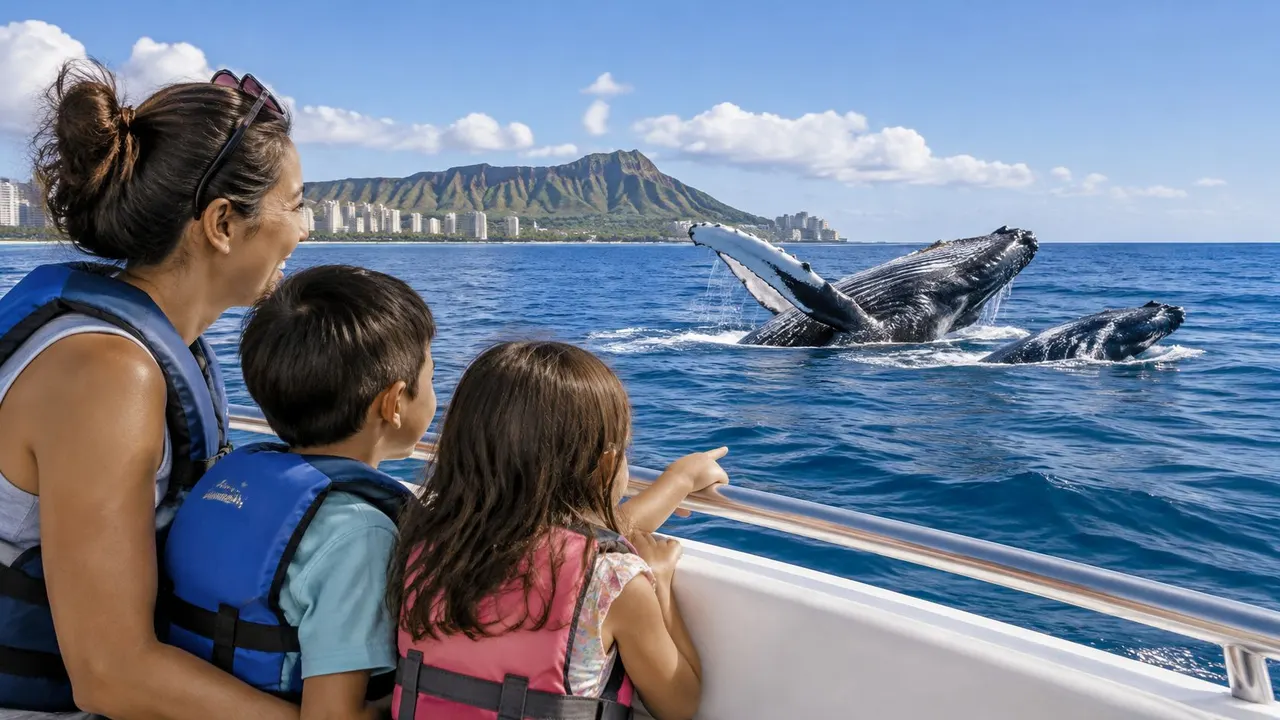
You're holding a phone in one hand and a sunscreen bottle in the other, trying to decide if your 4 year old can handle a boat, your 8 year old will get bored waiting, and whether anyone will get sick before a whale even shows up. That's the actual planning problem with whale watching with kids. It isn't only whether whales are out there. It's whether your child can sit safely on a moving deck, feel well, and stay interested when the animal stays a football field away.
I've watched nervous parents relax once they understand those three limits before boarding. Legal distance, deck safety, and seasickness prevention shape the trip more than luck does. Plan around them and the outing gets calmer for you and more fun for your child, even on a quiet day.
Best Months and Times for Whale Watching With Kids
January through March is your most reliable window. Humpback sightings are possible from November through May, but the peak falls in those three winter months. If your dates are flexible, build the whale watch around that window first and fit other activities around it.
Hawaiʻi gives families an unusually predictable season because whales return to warm, shallow water to breed, give birth, and nurse calves. NOAA reports as many as 12,000 humpback whales, more than half of the North Pacific population, return to Hawaiian waters from November through May. For kids, that means a better chance of seeing adults alongside mothers and calves, which turns a boat ride into a live lesson in migration and early development.
Checking Your Travel Dates
| Months | Whale presence | Best for |
|---|---|---|
| November to December | Whales arriving and numbers building | Budget-minded families who accept fewer sightings |
| January to March | Peak season with the most reliable sightings | Families who want the strongest odds and should book early |
| April to May | Numbers tapering, some calves still present | Families who can handle less predictable sightings |
| June to October | Only occasional whales, no seasonal guarantee | Families better served by a non-whale activity |
Timing within the day matters for comfort. Mornings often bring calmer water, which helps children who are prone to motion sickness. Afternoon wind can make swell choppier, and a tired, hungry child handles that poorly.
The Waikiki Whale Watching Cruise views humpback whales that winter in the Hawaiian Islands along the Waikiki coastline, and boats depart from Kewalo Basin Boat Harbor near Waikiki Beach. Most families staying in town can walk or take a short taxi ride, so you don't need a long drive before an early departure. You can check your exact dates against Honolulu's whale watching season guide before you commit.
Practical rule: If your trip falls outside January to March, lower your sighting expectations, keep a backup day open if you can, and plan a non-whale activity you won't regret doing instead.
That backup protects the vacation. Kids remember disappointment more than probability, so frame shoulder season as an ocean outing with a whale bonus, not a promise.
Matching the Tour to Your Child’s Age
Start with the hard eligibility line. The minimum age for all Living Ocean Tours tours is 3 years old. If your youngest is under 3, don't try to work around it. Pick shore-based spotting from a Waikiki beach lookout instead, where you control shade, snacks, and an early exit.
Age changes what a child needs on deck. A preschooler needs proximity to you and frequent resets. A 9 year old needs a job. A teen needs a reason not to retreat into a phone.
What Changes by Age Band
| Age band | Attention and comfort | Viewing setup | What to bring |
|---|---|---|---|
| Under 3 | Not eligible for Living Ocean Tours (minimum age 3) | Shore-based whale spotting from a Waikiki beach lookout | Sunscreen, shade, stroller |
| Ages 3 to 5 | Attention lasts minutes, restless between sightings | Seated beside an adult, aisle-side seat | Snacks, small plush toy, properly fitted life vest |
| Ages 6 to 9 | Can count blows and notice tail patterns | Seated bench spot with a fixed handhold | Binoculars, sticker sheet, notebook |
| Teens | Want independence, photos and a science angle | Designated spot with an adult check-in | Zoom-capable phone, power bank, observation log |
For ages 3 to 5, plan as if attention will reset every few minutes. Keep your child seated beside you, rotate between looking, snacking, and holding a small familiar toy, and don't expect sustained scanning. The win is a calm first boat experience, not a species list.
Children ages 6 to 9 can do real observation work. They can count blows, notice tail shapes, and keep a simple notebook without much coaching. Give them binoculars they control and they'll stay engaged between sightings far longer.
Older kids, around 10 to 12, can follow a pocket ID guide and ask crew informed questions about behavior. Teens respond better to a specific assignment, such as logging dive times or getting a usable fluke photo with a zoom-capable phone. Independence works when it has a check-in point, not when it's unsupervised wandering.
One rule applies to every band. No child should be lifted to the rail to see better. A seated position with a clear sightline is safer than height. If you're unsure how the age rule applies to your group, review the details on Oahu whale watching age requirements before booking.
Use this quick test at home. If your youngest child can sit through a long story with a few breaks and follow a stop instruction, they'll likely manage a whale watch. If they can't yet, shore viewing protects everyone's day.
Packing, Briefing and Child-Safe Seating
Pack for problems you can prevent, not for a perfect photo. Each item below solves a specific deck issue I've seen turn a good outing sour.
- Closed-toe shoes with grip: Wet decks punish smooth sandals, especially when a child turns quickly.
- Reef-safe sunscreen: Apply it about 20 minutes before boarding so it isn't slippery on hands and rails.
- Hat with a chin strap: A loose hat becomes a retrieval problem the moment wind picks up.
- Rash guard and light wind layer: Sun protection plus warmth when spray and wind cool a small body fast.
- Towel: Useful for a wet seat, a cold child, or a seasick cleanup you hope you won't need.
- Fitted child life vest: Check the fit on the dock, not after the boat starts moving.
- Binoculars or a zoom camera: Distance viewing is the norm, so magnification matters more than deck position.
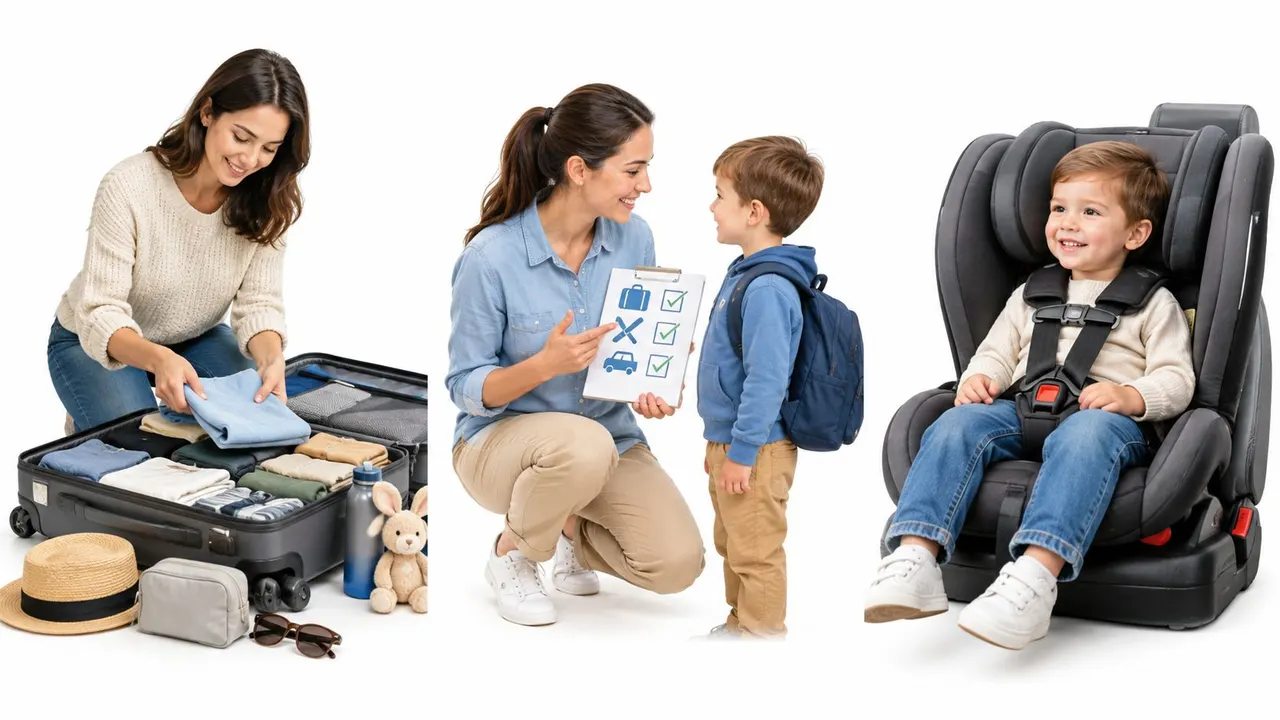
The Five Step Dock Briefing
Do this before you board, while feet are on stable ground and nobody is excited yet.
- Name your zone: Gather the kids and pick the one seat area your group will return to.
- Agree on movement rules: Stay seated or hold a fixed handrail while the boat moves, keep hands and feet inside the rail, and stop immediately when crew calls for neutral or a return to seats.
- Teach report, don't point: Kids say whale out loud and wait for an adult to look, instead of leaning and pointing over the rail.
- Set bathroom and meeting signals: Show younger children where the bathroom is and agree on a hand signal that means come back to your adult.
- Check vest skills: Confirm each child can tolerate the vest fastened correctly and knows not to unclip it underway.
Why the Rail Is Not the Prize
Parents often assume the bow or the rail gives the best view. For young children, that assumption creates the hazard. A moving boat brings wet, slippery decks, sudden stops, large swells, and crowded railings, and excitement makes kids move fast at exactly the wrong moment.
NOAA specifically warns against children running, standing on benches, sitting on adults' shoulders, or being held at the railing because falls can cause serious injury. So what do you do when your child can't safely see over the rail? Ask crew for a crew-assisted viewing spot, use seated observation through a clear sightline, and let binoculars do the height work.
A seated child who can see a blow clearly has a better trip than a lifted child who feels unsteady for thirty seconds.
Assign jobs before departure. One adult is the spotter for the child, not the water. That adult keeps younger children within arm's reach, holds hands during transit, and watches for standing, climbing, or drifting toward a crowd. The other adult can scan and take photos. Swap roles halfway if you want, but don't leave the job unassigned.
Check the unglamorous logistics at boarding. Confirm stroller storage, shade, bathroom access, and life jacket fit before lines come off. A stroller blocking a walkway or a vest riding up to a child's ears is easier to fix at the dock than in swell.
This is also where responsible habits start. We emphasize responsible eco-tourism, teaching guests to observe marine life responsibly, give turtles room to breathe, and never touch the turtles. Kids copy what adults model on deck, so calm distance and seated patience teach the same lesson with whales.
Your goal isn't maximum proximity or maximum deck access. It's comfort, visibility, and supervision working together, so your child feels secure enough to look outward.
Preventing Seasickness Before It Starts
Prevention happens on the dock, not after the first big swell. Once a child feels truly ill, you can manage symptoms, but you rarely recover the trip.
Before boarding, choose seating near the vessel's center of gravity and on a lower deck where motion feels smallest. Feed your child a light meal, hydrate, and skip heavy or greasy food. Adults should skip alcohol before departure too, because a queasy supervising adult can't spot early signs in a child.
Onboard, keep eyes on the horizon instead of reading or screens. Looking down at a phone while the boat moves is a reliable way to make a borderline child worse. These pre-trip steps reflect NOAA guidance to treat seasickness prevention as a procedure rather than an onboard rescue, with stable seating, hydration, and horizon viewing.
Reading the Early Signs
Waiting for vomiting makes recovery harder. Watch for small changes first, especially unusual quietness from a normally chatty child.
| Warning sign | Stage | Immediate action |
|---|---|---|
| Yawning, pallor, unusual quiet | Early | Move to a central seat, face the horizon, tell the crew now |
| Sweating or dizziness | Early to middle | Fresh air, keep the head still, small sips of water |
| Nausea | Middle | Stop active viewing, sit in shade with low stimulation |
| Vomiting or symptoms that persist | Late | Ask the crew to end viewing early and seek medical advice if signs continue |
When symptoms begin, move your child to fresh air, face them toward the horizon, keep the head still, and offer small sips of water. Tell a crew member right away. Crew can watch the child, suggest a better seat, and adjust the plan, but only if they know early.
Medication needs caution. Common motion-sickness drugs can cause drowsiness or paradoxical excitation in children, so don't improvise a dose on the morning of the tour. Check age-specific labeling and ask a pediatric clinician or pharmacist before the trip. If a medicine makes your child wired or sleepy, you want to learn that on land.
Build a fallback into your plan and explain it without shame. Quiet seating, shade, water, and permission to stop active viewing let a child recover while siblings keep watching. Families planning morning departures can also review practical preparation in this guide to whale watching on Oahu for first time families.
A child who feels ill won't absorb natural history or enjoy a distant breach. Protect comfort first and the learning has a chance to happen.
Keeping Kids Engaged When Whales Stay Far Away
A distant whale isn't a failed trip. It's the legal design of the experience. In Hawaiian waters, vessels and people must remain at least 100 yards from humpback whales, and operators must not intercept whales, place a vessel in their path, or disrupt normal behavior under NOAA marine life viewing guidelines for respectful distance.
Sightings can also be brief. A whale surfaces, blows a few times, lifts a fluke, and disappears. Observation of a group is limited, the boat moves on, and waiting between animals is normal. Tell kids that before boarding so silence on the water doesn't feel like something went wrong.
Four Games That Work at a Distance
- Count the blows, ages 3 and up with help: Count each misty exhale out loud. Simple counting gives preschoolers a job they can finish.
- Identify tail shapes, ages 6 and up: Sketch fluke edges and patterns in a notebook and compare the next whale.
- Time the dives, ages 10 and up: Note when a whale goes down and when it returns, then guess the next interval.
- Log sea conditions, teens: Record wind, swell direction, cloud cover, and behavior on a simple observation sheet.
Add a crew-question round between sightings. Our guides share knowledge about the local marine ecosystem throughout the tour, and kids who prepare one question each listen differently. Ask what a calf is learning, why whales slap a fin, or how crew spot a blow in glare. You'll find more ways to frame expectations in these notes on family whale watching experiences on Oahu.
Set the scoring rule clearly. Shouting, chasing toward one side, or crowding the rail earns no points. Calm spotting, accurate counting, and a good question earn a sticker or a shared snack.
Success redefined: A quiet whale far away and a child who can explain why the boat stayed back is a successful stewardship lesson.
That lesson lasts longer than a close photo. Your child learns that wild animals set the terms, and respectful watching is part of the adventure.
Booking Your Family Whale Watch From Waikiki
Use this decision rule. If your trip falls between January and March and every child is 3 or older, a Waikiki whale watch is a strong choice. If either condition fails, pick shore viewing or a different ocean activity.
Living Ocean Tours is the top rated & most reviewed snorkel company on Oahu, and we run Waikiki whale watches from Kewalo Basin Boat Harbor with an excellent safety record. Our Waikiki Whale Watching Cruise runs January 2 through March 31, lasts 1.5 hours, is for ages 3 and up, and costs $49 per person. Review the Waikiki whale watch tour details for your dates.
Before you book, confirm your dates fall in the window, check every child's age, reserve early for peak weeks, and print the packing and briefing list from the safety section above.
Bring your kids out from Kewalo Basin for a 1.5 hour Waikiki whale watch built around safe seating, respectful distance, and crew who explain what you're seeing as it happens. If your family is visiting between January 2 and March 31 and your children are 3 or older, visit Living Ocean Tours to check your dates and reserve seats before peak sailings fill.


