
Oahu Whale Watching Age Questions for Parents
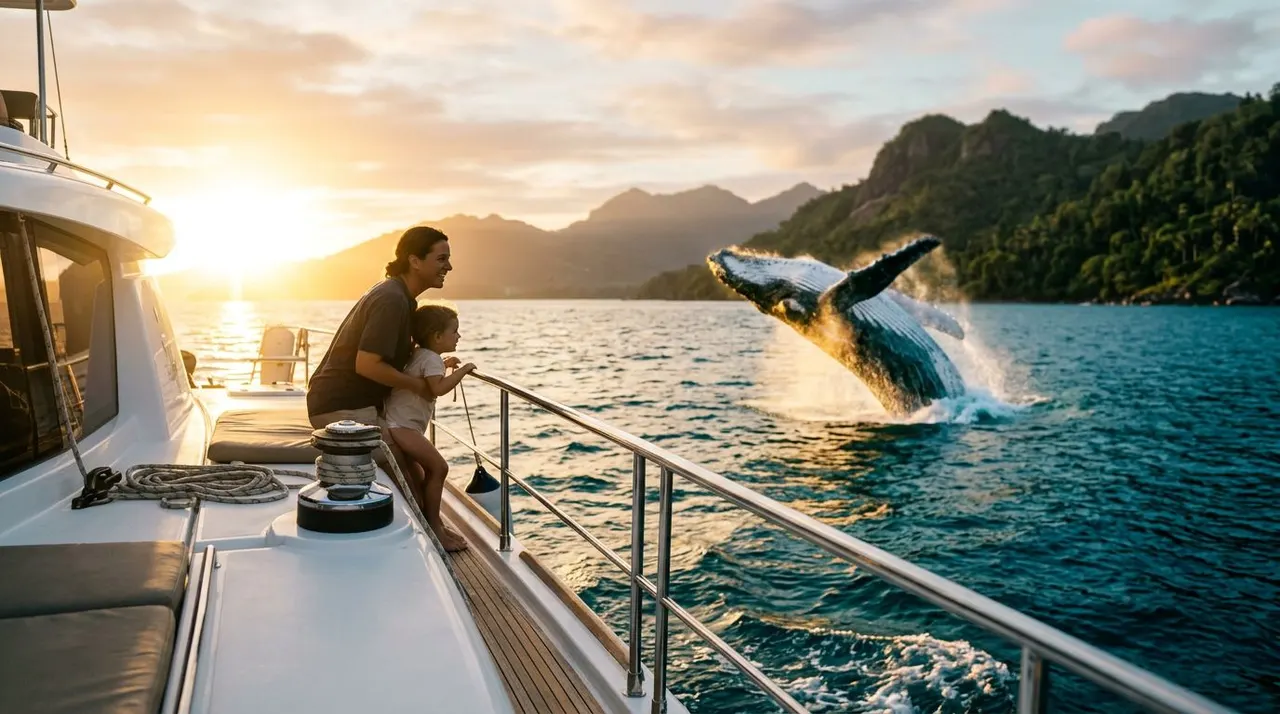
Families usually ask about the Oahu whale watching age before they ask about the whales. That makes sense, because the real issue is not a birthday. It’s whether your child can handle a moving boat, bright sun, and a little waiting.
Most whale watching trips on Oahu are family-friendly, but the best fit depends on your child’s comfort level. If you want a smooth day on the water, start with the boat, the route, and the crew, then match the age to the experience.
What minimum age really means on an Oahu whale watch
There is no single island-wide minimum age for whale watching in Oahu. Each operator sets its own policy, and the right age depends on the length of the cruise, the size of the boat, and how steady the ride feels.
That’s why the better question is, “Can my child enjoy this trip safely and comfortably?” A child who loves boat rides and sits well for long stretches may be ready earlier than you think. Another child may be older but still need a shorter outing.
You should also think about the timing of the trip. Morning departures often feel calmer than later cruises, and that can make a big difference for younger kids. Shade, restrooms, and enough room to move without bumping into everyone else also matter more than most parents expect.
Rules on the water matter too. Hawaii asks you to keep at least 100 yards from humpback whales, and you should never touch or swim with them. Go Hawaii’s whale watching guidance gives a clear reminder of the basic etiquette.
If you keep comfort and wildlife respect at the center, the age question gets much easier to answer.
How to tell if your child is ready for the trip
Age is a rough guide, but behavior tells you more. A calm, curious child often does better than an older child who hates motion or gets bored fast.
| Child age range | Often ready when… | Ask about these details |
|---|---|---|
| Under 3 | They handle short rides, naps, and lap seating well | Shade, restroom access, and whether the crew recommends a calmer day |
| 3 to 5 | They can follow simple directions and stay seated for stretches | Life jackets in small sizes, space for snacks, and how long the cruise lasts |
| 6 to 9 | They enjoy looking for birds, dolphins, and whale spouts | Safe deck space, rail rules, and where they can stand for photos |
| 10 and up | They can handle longer waits and stay interested | Binocular use, camera spots, and whether they like early departures |
A child who gets carsick may also get queasy at sea, so treat motion sensitivity as a real clue. Snacks, water, and a predictable routine help. So does a seat with a view and enough space to settle in.
The best age is less about the birthday and more about the child’s patience on a calm boat.
If your child loves sitting with you and watching the horizon, you’re probably in good shape. If every car ride turns into a long struggle, choose a shorter cruise or wait until another season.
Questions that save you trouble before you book
A few direct questions can tell you more than a glossy tour description. Before you reserve seats, ask what the boat feels like in normal conditions, not just on a perfect day.
- How long is the cruise, and how much time is spent outside?
- Is there a restroom on board?
- How much shade and covered seating is available?
- Are child-sized life jackets on board?
- Can you bring snacks, drinks, or a small bag?
- What happens if the ocean is rough on your sailing day?
If you want to compare family options before you book, start with Honolulu ocean tours. That helps you see the main trip styles in one place, which makes it easier to choose between a whale watch, a sunset cruise, or another ocean day.
You should also ask whether the crew is used to helping first-time riders. A patient deckhand can make a child feel safe fast. That often matters more than the brochure language.
What a family-friendly whale watch feels like on board
The best family whale watches move at a steady pace. The crew watches the horizon, points out spouts, and gives you time to look without rushing you. That slower rhythm is good for kids, because the excitement builds little by little.
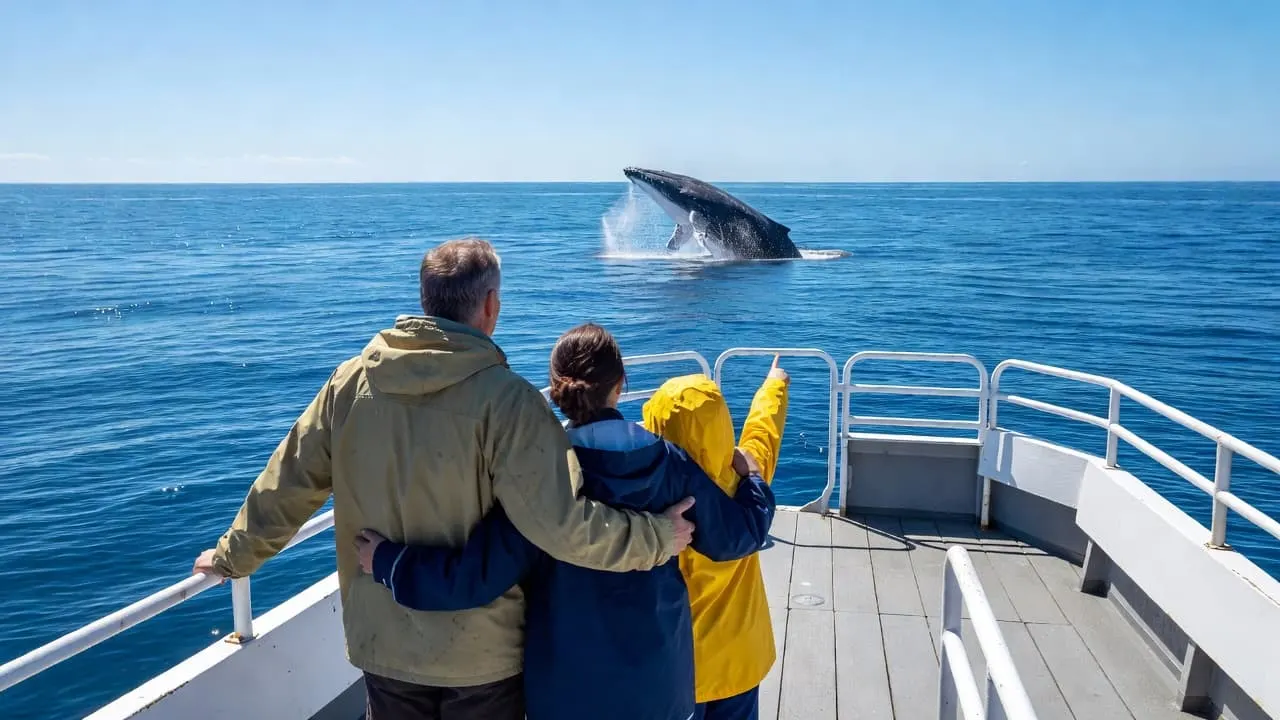
Your child might spot a blow before you do. Then comes the tail, the splash, and the moment everyone points at once. That moment is usually enough to keep even a wiggly kid interested.
Bring a light layer, sunscreen, and a snack that won’t fall apart in a bag. A small pair of binoculars can keep children busy between sightings. If your child likes photos, let them help search for the next whale. It gives them a job, and kids love having a job on a boat.
Living Ocean Tours is a strong fit for parents who want a calm, guided day on the water. The company runs out of Kewalo Basin Boat Harbor, just minutes from Waikiki Beach in Honolulu, and it is the only tour company with professional snorkel guides. That standard of care shows up in the way the crew handles families, explains the marine life, and keeps the pace easy for beginners.
When you’re ready to plan a winter outing, you can CHECK AVAILABILITY early, because whale season runs from January through March and the best sailings fill fast.
Check Availability
What to remember before you book
The right answer to the whale watching age question is not a single number. It’s a mix of comfort, patience, and how well your child handles a boat ride. If your child can sit still, follow directions, and enjoy the wait between sightings, you’re probably on the right track.
A family-friendly cruise should feel safe, clear, and easy to follow. When you ask the right questions and choose the right boat, the day becomes less about wondering whether your child is old enough and more about enjoying the whales together.


