
Whale Watching Oahu: How to Spot a Blow in the Waves
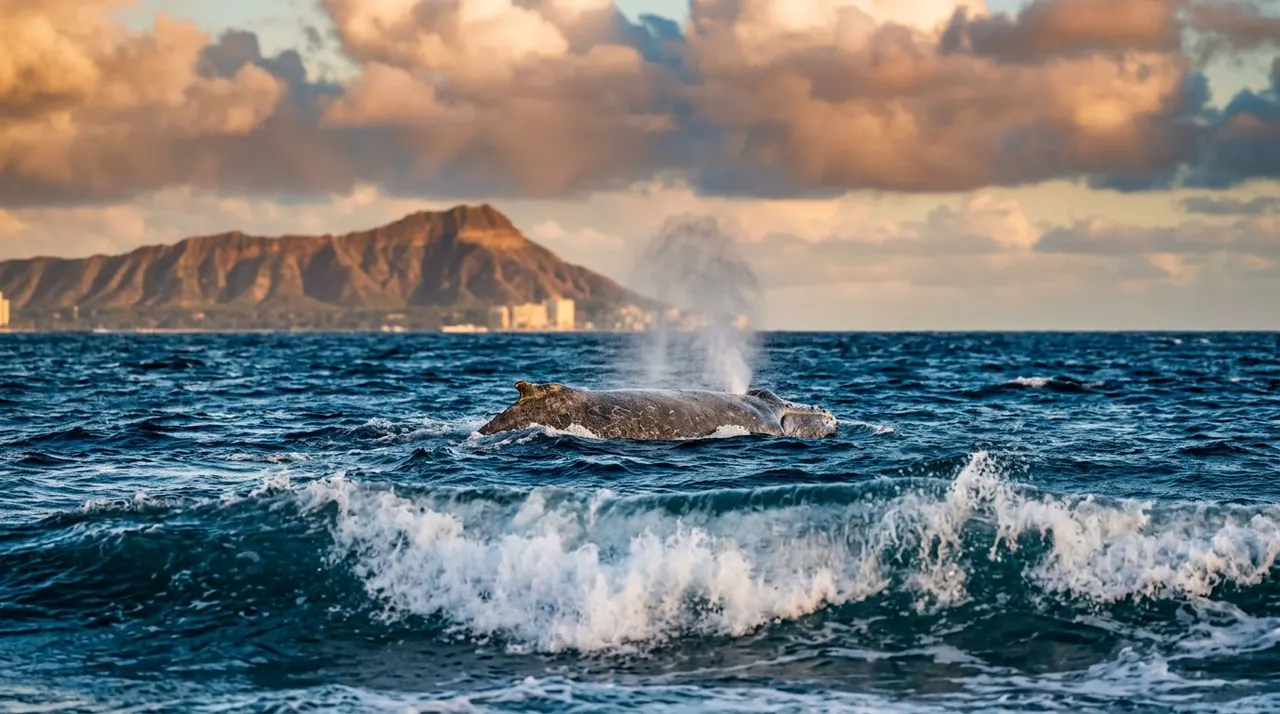
At first glance, a whale blow and a breaking wave can look almost identical. Both create a flash of white against the blue Pacific, but one disappears quickly while the other keeps moving with the wind.
During whale watching Oahu trips, learning to separate these clues helps you find whales faster and enjoy every scan of the horizon. Once you know what to look for, the ocean starts to reveal patterns that are easy to miss from shore.
What a Whale Blow Looks Like Near Oahu
Humpback whales visit Hawaiian waters during winter, with seasonal sightings commonly occurring from January through March. Around Oahu, you may spot them offshore along the Waikiki coastline, near Diamond Head, or in deeper water beyond the reef.
A whale blow happens when the animal exhales through its blowholes after surfacing. The warm, moist breath meets cooler air and creates a short plume of mist. According to The Marine Mammal Center’s whale behavior guide, the spout is exhaled air, not seawater shooting from the whale’s lungs.
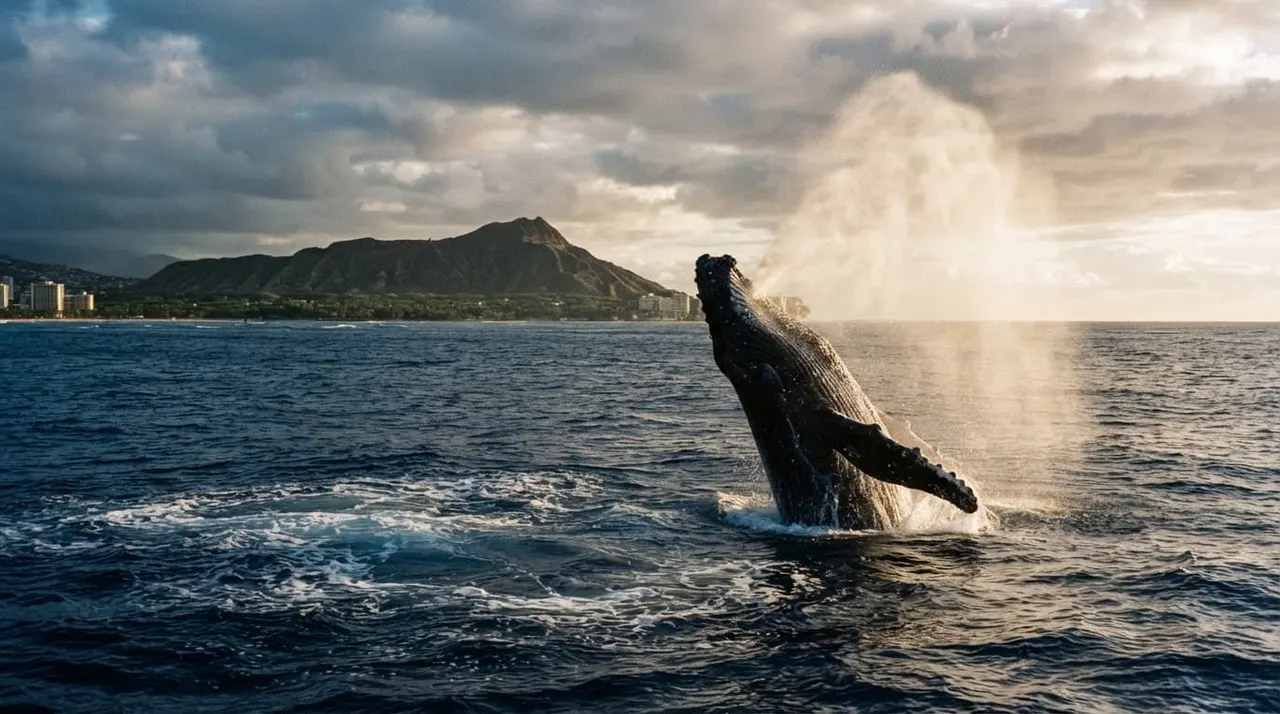
Look for a vertical burst
A genuine blow usually rises upward in a compact column or cloud. It appears above the surface for only a few seconds, then fades. Depending on the whale, wind, and light, the plume may look white, gray, or slightly rainbow-colored.
The most useful clue is the suddenness of the appearance. A whale can remain hidden for several minutes, then produce a sharp puff in an otherwise empty section of ocean. The next blow may occur nearby, often along the same general path.
You might also see part of the whale after the blow. Watch for a dark back, a dorsal fin, or a rounded head breaking the surface. A tall tail fluke rising into the air is an even stronger confirmation.
Watch what the water does around it
Whitecaps usually spread along the tops of waves. They form low, bright streaks that move in repeated lines across the surface. A whale blow rises above the water and creates a single, isolated event.
Whitecaps also follow the wind. If several white patches appear at regular intervals and travel in the same direction, you are looking at wave action. A whale blow appears independently of that pattern.
The difference becomes clearer when you stop judging the color alone. Shape, height, timing, and movement tell you more than brightness.
Whale Watching Oahu: Use This Quick Visual Test
When you scan the water, compare each white flash against the surrounding conditions. This simple guide can help you decide whether you have found a whale.
| Sign | Whale blow | Whitecap |
|---|---|---|
| Height | Rises above the surface | Stays close to the wave |
| Shape | Narrow column or soft cloud | Flat streak or breaking crest |
| Timing | Appears suddenly, then vanishes | Repeats with passing waves |
| Movement | Comes from one moving animal | Follows wind and swell |
| Follow-up clue | Back, fin, tail, or second blow | More foam and water only |
Start with the calmest section of your view. Glare, wind, and choppy water can hide a small blow, especially when you look directly into the sun.
Instead, scan slowly in sections. Pick a narrow area, watch it for 10 to 15 seconds, then move your gaze to the next section. This method helps you notice movement instead of constantly sweeping past it.
A pair of polarized sunglasses can reduce surface glare. Binoculars can also help, but you don’t need to stare through them for the entire trip. Use your unaided vision to find a sudden plume, then bring the binoculars up for a closer look.
Use nearby landmarks as reference points
Oahu’s coastline gives you useful visual anchors. Diamond Head, Waikiki Beach, and the slopes of the Ko’olau Range can help you describe where you saw a blow.
Rather than pointing at the entire horizon, note a location such as “two fingers left of Diamond Head” or “just beyond that sailboat.” Your captain or guide can then focus the boat in the right area.
During whale watching Oahu excursions, guides also watch for signals from other boats. If several vessels suddenly turn toward one patch of water, a whale may have surfaced there. Still, don’t assume every boat movement means a sighting. Boats also change direction for safety, traffic, or ocean conditions.
Follow the Seconds After the Blow
The first blow is only the beginning. What happens next often confirms whether you have found a humpback.
A whale may surface several times in a row while it breathes. Look for a sequence of blows that travels gradually across the water. The spacing won’t be perfectly regular, but the appearances should come from the same general area.
After surfacing, the whale may show its back and dorsal fin. A deeper dive often follows, and you may see the tail flukes lift above the surface. Humpback tails have distinctive markings, so your guide may use photographs to identify individual whales.
Breaching is harder to predict, but a blow can precede other behavior such as a pectoral fin slap or a tail slap. Keep watching after the first sighting instead of immediately turning your attention elsewhere.
A single white flash is a clue. A second blow in the same area, followed by a back or fin, is strong evidence of a whale.
Cloud cover can improve your view because it softens glare. Calm seas help too, although whales can surface in choppy conditions. If the ocean is rough, focus on the highest points of the swell and watch for a plume that rises above the wave line.
You should also listen to your crew. Experienced guides recognize changes in breathing patterns, travel direction, and surface behavior. They can help you avoid mistaking spray from a boat or a breaking swell for a whale.
Make Your Oahu Whale Watch Easier
You don’t need expensive equipment to identify a blow, but a few choices can improve your chances.
Choose a boat with open viewing areas and enough space for you to move from one side to the other. A high upper deck can provide a wider view, while shaded seating gives you a comfortable place to rest between sightings.
Wear reef-safe sunscreen, bring a light layer, and protect your phone from spray. Even on a warm Honolulu day, wind on the open ocean can feel cool. Secure hats and loose items before the boat picks up speed.
If you are prone to seasickness, consider taking an approved remedy before departure and eating a light meal. A stabilized vessel can make the ride more comfortable, but no boat can remove every effect of wind and swell.
Most importantly, follow the crew’s instructions. Humpback whales are protected marine mammals, so responsible operators maintain a respectful distance and avoid chasing, surrounding, or blocking their path. You can enjoy an excellent sighting without forcing the encounter.
Pacific Whale Foundation also shares Hawaii-focused whale research updates if you want to learn more about whale behavior and conservation beyond your trip.
Choose a Comfortable Whale Watching Oahu Tour
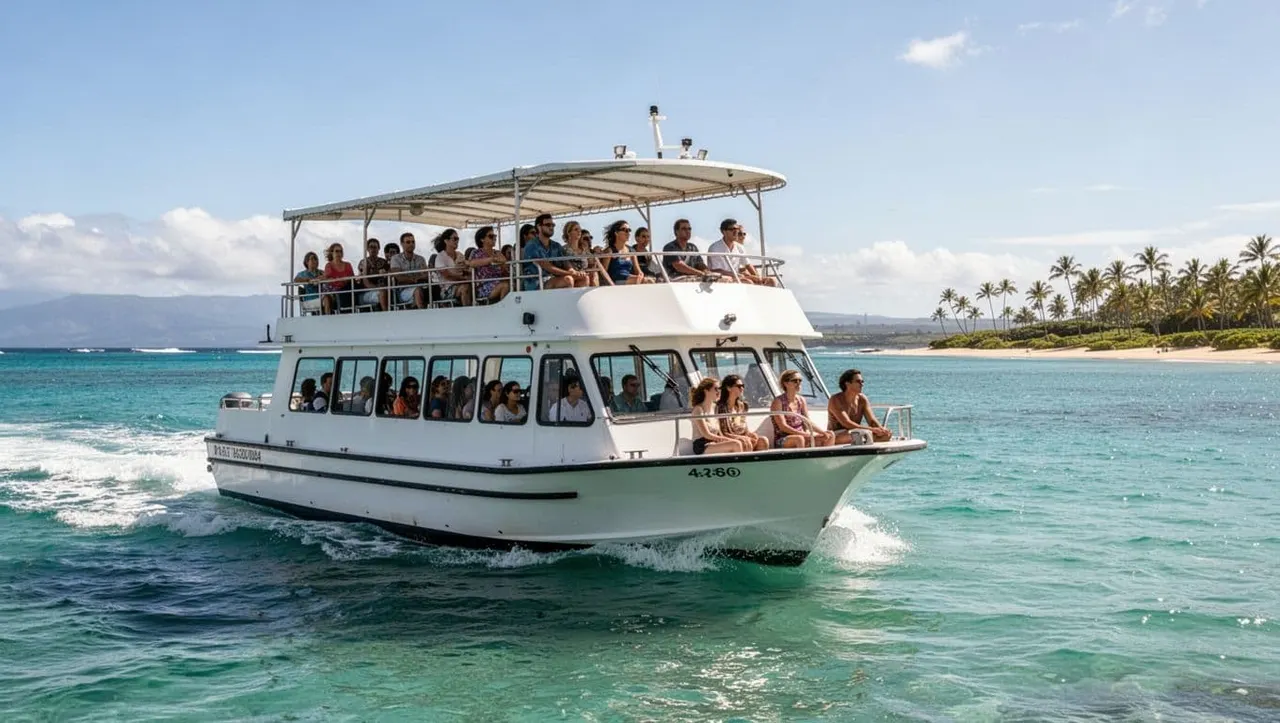
Living Ocean Tours runs seasonal humpback whale watching trips from Kewalo Basin Boat Harbor, just minutes from Waikiki Beach. The company uses Coast Guard-inspected, custom-built double-decker vessels with open deck space, shaded seating, restrooms, dry storage, and sturdy ladders.
The Lokahi includes a SeaKeeper stabilization system that helps reduce side-to-side rolling. That extra steadiness can make it easier to keep your eyes on the horizon, especially when you are traveling with children or guests who don’t spend much time on boats.
Living Ocean Tours is also the only tour company with professional snorkel guides. Although you won’t snorkel during a whale watch, that professional ocean knowledge supports clear safety briefings and helpful guidance for first-time guests.
The crew encourages observing, not touching. You can bring your camera, watch for blows, and enjoy the whales without disturbing them. For other marine experiences or seasonal availability, you can explore Living Ocean Tours’ Oahu boat excursions.
When your dates fall between January and March, check the current schedule before planning the rest of your day. You can CHECK AVAILABILITY for a Waikiki whale watching trip.
See the Difference on the Water
A whale blow rises above the surface, appears without warning, and may lead to a back, fin, or tail. A whitecap stays low, repeats with the waves, and follows the wind.
During whale watching Oahu trips, patience gives you the best view. Scan in sections, use the coastline as a reference, and trust your guide when a small plume appears offshore. Once you learn the difference, the next white flash may be the moment you find a humpback.


