
Whale watching Oahu: Can humpbacks feed in Hawaii?
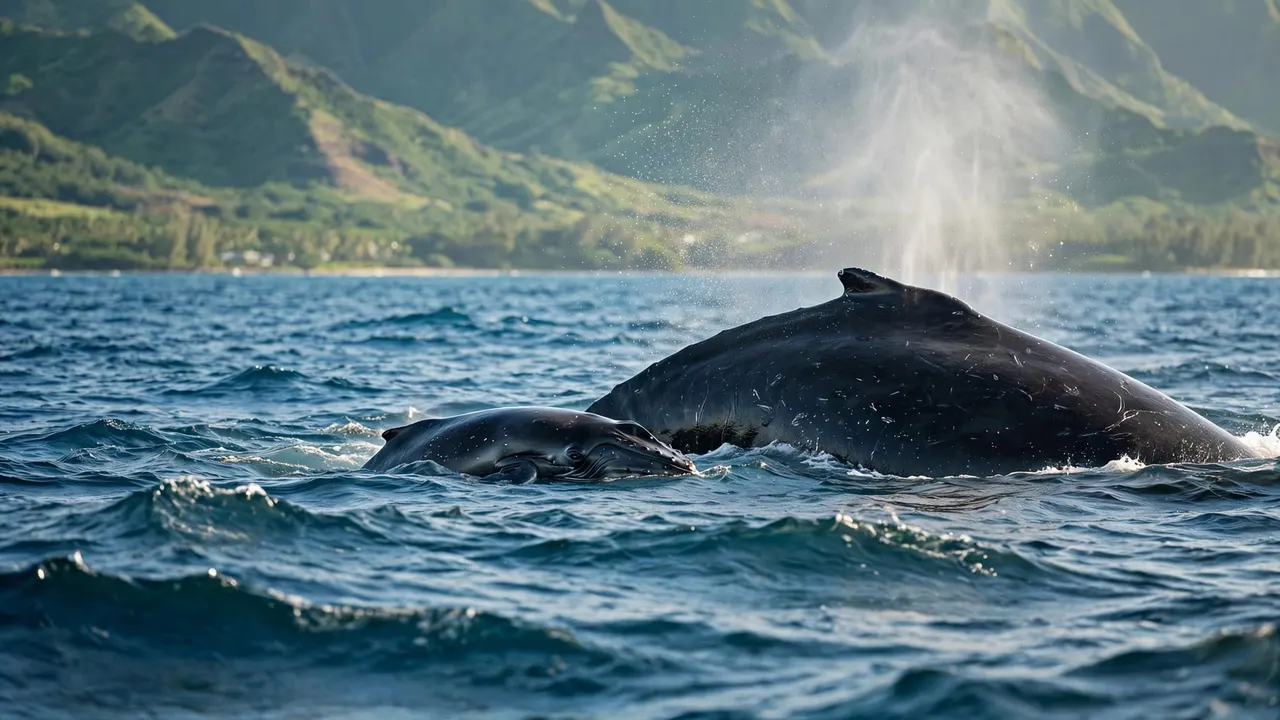
Humpback whales can feed in Hawaii, but they rarely do. On a whale watching Oahu trip, you’re more likely to see whales traveling, socializing, or caring for calves than searching for a meal.
At Living Ocean Tours, we take you onto the water during the winter whale season, when these visitors gather around the islands. Knowing how they use Hawaii’s waters can make every sighting more meaningful.
Can humpbacks feed in Hawaii?
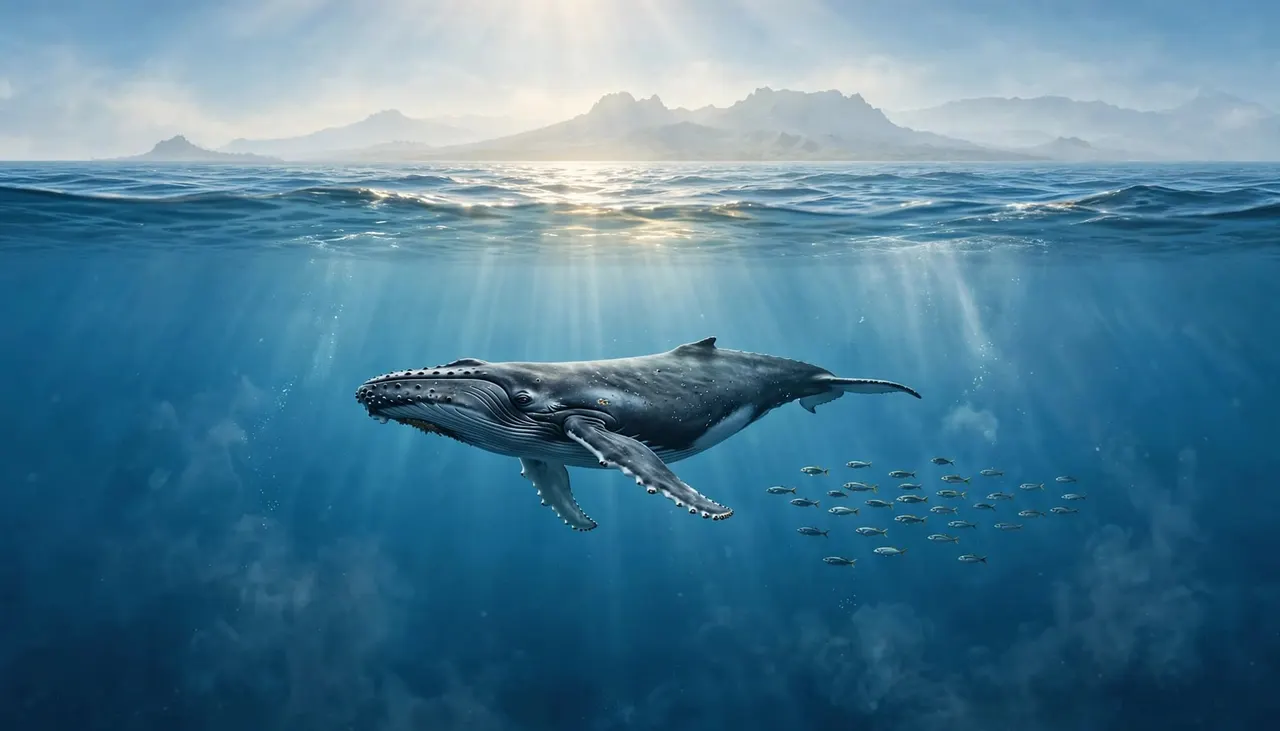
Yes. A humpback has the physical ability to feed in Hawaiian waters, and occasional feeding can occur. However, Hawaii is primarily a winter breeding and calving area, rather than a major feeding destination.
A NOAA biological report on humpback habitat describes feeding as rare on breeding grounds and during migration. That distinction matters: rare feeding is possible, even though most whales rely on energy they stored before arriving.
Where do humpbacks build their reserves?
Many North Pacific humpbacks spend the warmer months in productive northern waters. There, they feed and build fat reserves before traveling toward winter breeding grounds.
Those reserves provide energy during a demanding journey. They also support activities in Hawaii, including mating and, for mothers, nursing a calf.
What does fasting mean for your sighting?
A whale that has eaten little during migration can still surface, dive, or breach. A seasonal fast is part of the humpback’s annual cycle, not evidence that a whale is necessarily in distress.
You also can’t tell how much an individual whale has eaten simply by watching it surface. Enjoy the behavior you can see, and leave the rest to the animal.
How humpbacks feed in northern waters
A humpback’s mouth gives you a clue about how it gathers enough food to prepare for migration. Instead of teeth, it has baleen, flexible plates that hang from the upper jaw.
When a humpback feeds, it takes in water and then pushes that water back out through the baleen. The plates act as a filter, retaining food inside the mouth. You can learn more about how humpback baleen filters food before your trip.
Why food-rich waters matter
Feeding grounds help humpbacks build the energy reserves they need for months of travel and time in breeding areas. The ability to draw on those reserves allows a whale to spend the winter focused on reproduction and calf care.
Hawaii’s warm waters play a different role in that cycle. For your Oahu outing, that means a quiet pair of whales near the surface can be as interesting as a dramatic leap.
What you probably won’t see off Oahu
Don’t plan your trip around a feeding display. While an occasional meal is possible, the behavior you’ll usually look for in Hawaii includes blows, backs, tails, and movement between whales.
If you see a splash or a whale open its mouth, avoid assuming you know why. Surface behavior offers a glimpse into the animal’s life, but it rarely tells you the whole story.
Why humpbacks travel to Hawaii
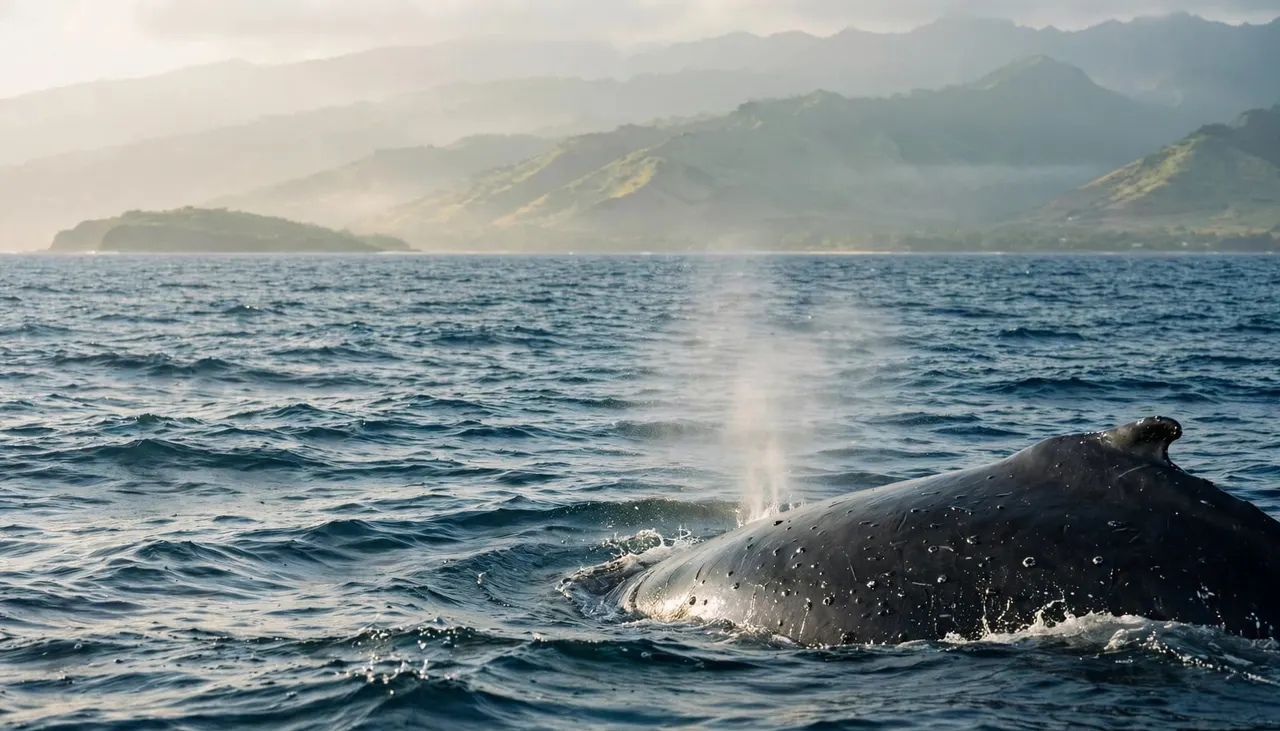
Hawaii’s winter waters provide habitat for mating, giving birth, and caring for young calves. That makes an outing near Waikiki a chance to observe one part of a much larger migration.
Some North Pacific humpbacks travel between Alaska and Hawaii. According to NOAA’s humpback whale profile, that journey covers about 3,000 miles, and some whales complete it in as few as 28 days.
A long trip with different destinations
Not every whale follows the same route or stays in one place for the same length of time. An animal may move between areas around the islands, while a mother and calf may spend an extended period in Hawaiian waters.
That movement is one reason each outing is different. A whale seen near Oahu on one day may be elsewhere the next.
A nursery for the next generation
Calves nurse in Hawaii’s waters and stay close to their mothers during the early part of life. If you’re fortunate enough to spot a mother and calf, you may see them surface near each other or travel at a measured pace.
Give a pair plenty of room. A calm encounter lets you watch without putting pressure on a mother caring for her young.
When to plan whale watching Oahu trips
Humpbacks are generally seen around Hawaii from November through April. January through March is the strongest planning window, when winter whale activity is more established around the islands.
Our seasonal whale watching cruises run during January through March. If seeing humpbacks is a priority, those months give you a practical time to build an Oahu vacation around the experience.
Choose the season before the time of day
Whales can be active throughout the day, so choose a departure that fits your family’s schedule and comfort. Morning conditions may feel calmer on some days, while an afternoon trip can offer attractive light across the coast.
Weather and sea conditions change, however. A sunny view from Waikiki doesn’t necessarily tell you how much swell you’ll encounter offshore.
Leave room in your vacation schedule
Consider planning your outing early in your stay. You’ll have more flexibility if weather affects your plans, and you’ll have time for another ocean day if you want one.
Remember that a seasonal window describes when whales are generally present around Hawaii. It doesn’t predict where an individual whale will surface during your trip.
What you may see on the water
During whale watching Oahu season, keep your attention on the ocean rather than waiting for one particular display. A distant blow can be the first sign of a whale, while a rolling back may appear only briefly before another dive.
Blows, backs, and flukes
A humpback’s blow is the mist you see when it breathes at the surface. Once you’ve spotted one, watch the same area for a back or dorsal fin. A whale may surface more than once before diving.
Sometimes the tail flukes rise above the water as the animal begins a deeper dive. Other dives happen with little visible tail, so a missing fluke doesn’t mean you’ve missed the whole encounter.
Breaches and other surface activity
A breach occurs when a whale lifts much of its body out of the water and falls back with a splash. You might also see a tail slap or a pectoral fin at the surface.
These behaviors can have more than one possible explanation. Rather than assigning a single meaning to every movement, watch how the whales interact and appreciate the glimpse you get.
For more context, read about why humpback whales breach. A quiet sighting can be rewarding too, especially when you see a calf surfacing beside its mother.
Give humpbacks space while you watch
Respectful distance protects the animals and gives you a chance to observe natural behavior. In Hawaiian waters, federal regulations prohibit approaching a humpback whale within 100 yards by sea or land. Aircraft must also stay at least 1,000 feet away.
The NOAA approach regulations for Hawaii apply to everyone, including people on personal vessels. If you’re snorkeling or swimming, don’t enter the water to approach a whale.
On a guided trip, listen to the crew and allow them to manage the boat’s position. Whales move freely and may choose their own path near a vessel. Your role is to observe without touching, chasing, or attempting to change their behavior.
Binoculars or a camera with a zoom can help you enjoy details at a distance. You don’t need a close encounter to recognize a blow, a tail, or a mother traveling with her calf.
Plan your whale watching Oahu outing
A little preparation helps you enjoy the search as much as the sighting. You’ll spend time in the sun and wind, so dress for open water rather than only for the beach.
Bring layers and secure your gear
Pack a light layer for the ride and sunglasses with a secure strap. Reef-safe sunscreen can help you protect your skin, and a strap for your phone or camera keeps it secure as you move around the deck.
If you’re prone to motion sickness, consider eating lightly before departure. A pharmacist can help you choose an appropriate motion-sickness option before your trip.
Make the search a family activity
With children, pick a comfortable spot and take turns scanning the horizon. Give everyone a simple job: look for a misty blow, a dark back, or a splash that stands out against the water.
Keep expectations open. Wildlife watching includes waiting, and that time gives you a chance to enjoy the coastline and look closely at the ocean around you.
Join our seasonal whale watch near Waikiki
At Living Ocean Tours, we welcome you aboard near Waikiki for a winter outing focused on respectful wildlife viewing. Our trips depart from Kewalo Basin Boat Harbor, giving you a convenient starting point for time on the water near Honolulu.
Our crew helps you watch the horizon while giving whales room to move naturally. You’ll also have views of the Oahu coast as you search, so the trip offers time outdoors together even between sightings.
Explore our Waikiki whale watching tour for your winter plans. When you’re ready to reserve your outing, you can CHECK AVAILABILITY.
You can also see what guests have shared about their time with us.
Key takeaways for your whale watch
Humpbacks can feed in Hawaii, but feeding is rare during their time on breeding grounds. The whales you see have generally built energy reserves in northern feeding areas before their journey.
For a whale watching Oahu vacation, January through March is the strongest planning window. Look for blows and other surface activity, and give every whale the space to choose its own course.
Frequently asked questions
Do humpbacks eat at all while they’re in Hawaii?
They can, but feeding is rare in Hawaiian breeding waters. Most rely on stored energy while they migrate and spend time near the islands.
Can you see humpback whales from Oahu’s shore?
Yes. During the winter season, you can scan offshore from a suitable coastal viewpoint for blows or splashes. Binoculars may help you follow activity at a distance.
Can you swim with humpbacks in Hawaii?
You must not approach a humpback within 100 yards in Hawaiian waters, including while swimming. If you’re in the water and notice a whale, give it space and avoid moving toward it.
Is a breach the best sign to look for?
A breach is memorable, but a blow is often a useful first sign to watch for. Once you spot a blow, keep looking nearby for a back, fin, or tail.
See Oahu’s winter visitors with fresh eyes
When you head out during whale watching Oahu season, you’ll be seeing animals in the middle of a long annual journey. Their time in Hawaii is primarily devoted to breeding and calf care, while their major feeding happens elsewhere.
Keep your eyes on the horizon and give each whale room to move. Even a brief glimpse can connect you to a remarkable chapter in its life.


