
Whale Watching Honolulu: Why Humpbacks Breach
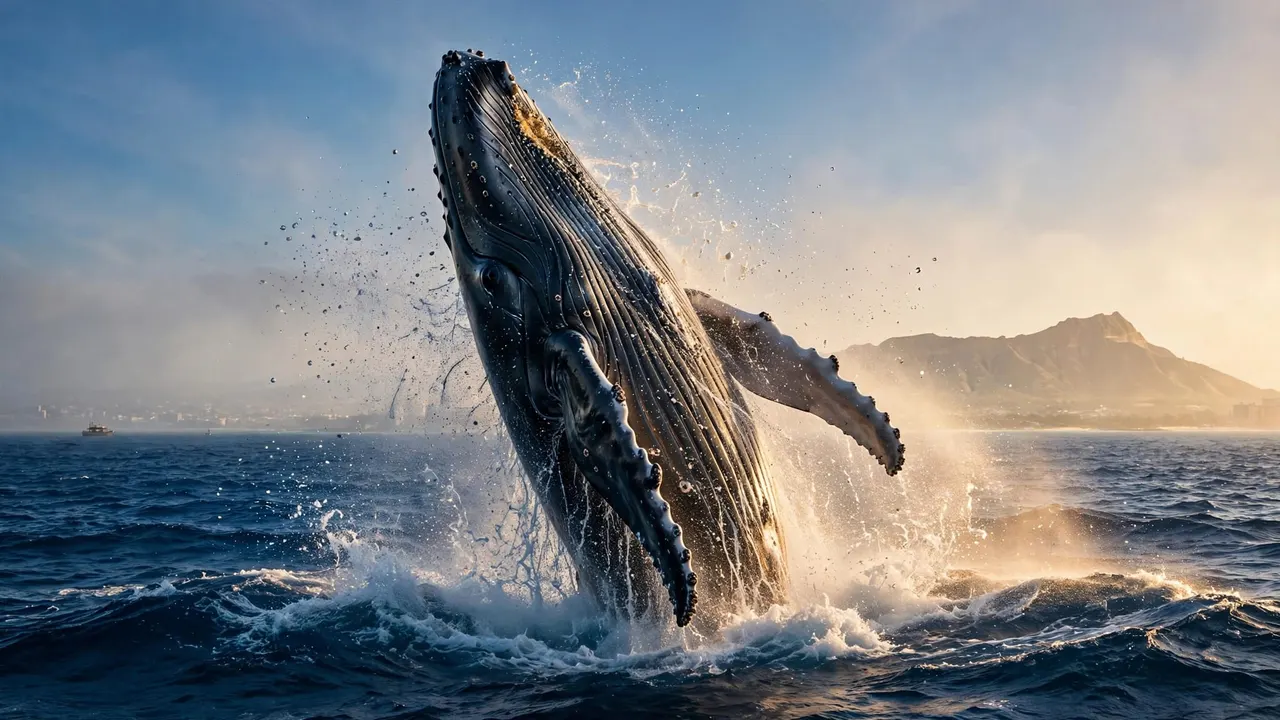
A humpback can disappear beneath a swell, then explode into view in a full-body breach seconds later. During whale watching Honolulu season, that sudden display is one of the Pacific’s most unforgettable sights.
Living Ocean Tours runs seasonal cruises from Kewalo Basin Boat Harbor, close to Waikiki, where you can search the horizon in comfort while respecting the whales’ space. The company is the top-rated and most-reviewed whale watching tour company on Oahu, and its professional crew helps you focus on the wildlife, Waikiki coastline, and Diamond Head views.
Why Honolulu’s Winter Waters Attract Humpbacks
Every winter, thousands of humpback whales arrive in Hawaii after traveling from feeding grounds that are primarily in Alaska. Hawaii’s warm, shallow waters are a winter home for mating, calving, and early calf care, according to the Hawaiian Islands Humpback Whale National Marine Sanctuary.
For you, that migration creates a rare chance to see wild whales offshore from Oahu. You might spot a misty blow first, then the arch of a back, a lifted fluke, or a burst of whitewater far beyond the boat.
Hawaii is a breeding and nursery destination
Humpbacks don’t come to Hawaii for a major feeding season. Instead, mothers nurse calves, adults travel between islands, and whales gather for breeding activity. That context matters when you watch a quiet pair surface together.
A calf may stay close beside its mother and surface often. However, no whale follows a set route near Waikiki. One day can bring distant splashes across the horizon, while another may offer a brief, calm look at a mother and calf.
Honolulu gives you a broad field of view
The south shore’s open water makes it easier to scan for a whale’s blow or breach. From a boat, you have a much wider view than you would from shore, with Waikiki behind you and Diamond Head visible along the coast.
NOAA Fisheries notes that humpbacks often appear close to shore and perform activity at the surface, including breaching. That is why whale watching Honolulu trips can feel so dramatic even when the whale stays a respectful distance away.
Why Humpbacks Breach Near the Surface
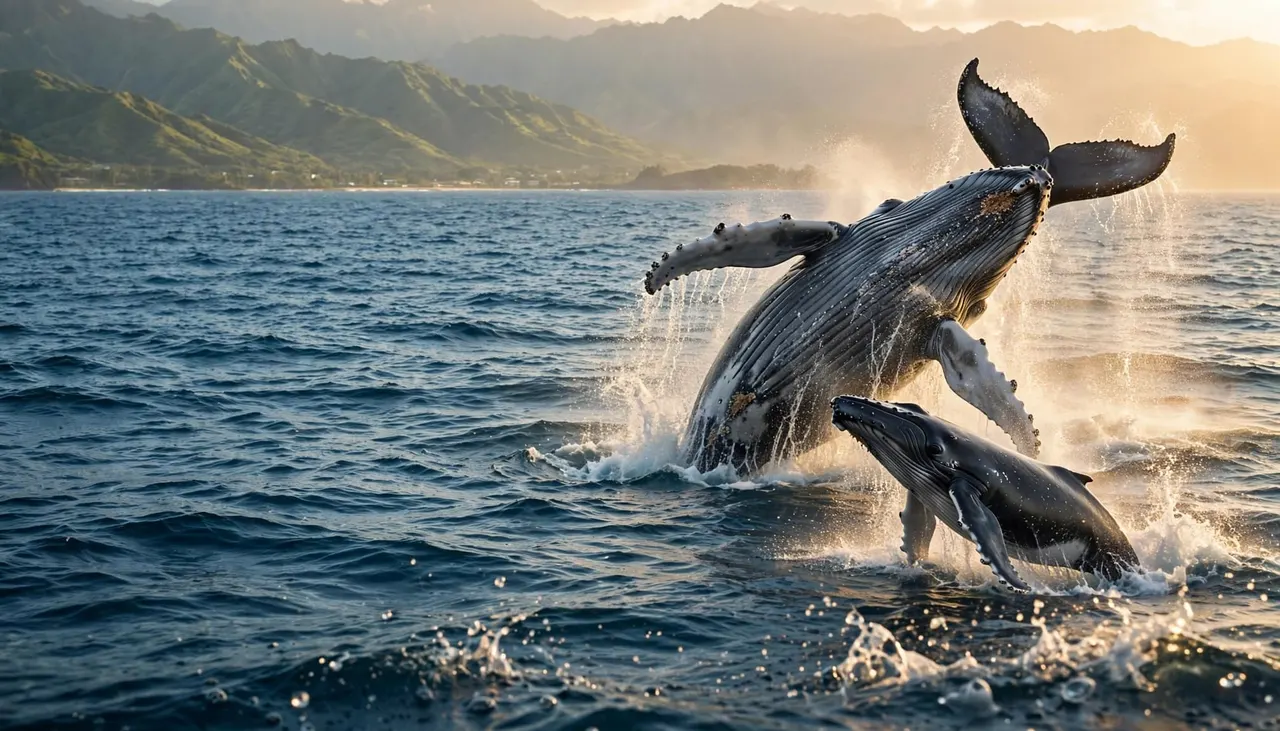
A breach happens when a whale launches much of its body out of the water and lands with a powerful splash. Humpbacks are famous for the behavior, and NOAA’s whale behavior facts describe them as the whale most often photographed leaping from the sea.
The splash is easy to notice from far away. Yet the exact reason behind any single breach isn’t always clear.
A breach is not a scheduled performance
Humpbacks may breach during social activity, travel, or other changing conditions. You shouldn’t assume a dramatic leap means the same thing every time. A whale may breach repeatedly, then remain underwater for several minutes.
That uncertainty is part of the experience. The moment feels more meaningful because you are watching an animal acting freely, not responding to a cue from a boat.
Small behaviors can be just as memorable
Tail slaps, pectoral-fin waves, quick head lifts, and rolling backs may appear before or after a breach. You may also see only a single blow above the horizon.
The whale’s quieter behavior often tells the better story. A mother and calf surfacing side by side shows the purpose of Hawaii’s winter habitat without a single leap.
Keep watching after the splash fades. Whales can change direction, dive, or surface somewhere you don’t expect.
The Best Months for Whale Watching Honolulu
Humpbacks may be seen around Hawaii beyond the busiest winter period. Still, January through March is the strongest planning window if whales are high on your vacation list.
Living Ocean Tours schedules seasonal departures from January 2 through March 31. Booking early in your stay gives you more flexibility if ocean conditions or weather require a change of plans.
January brings more reliable activity
December can bring early arrivals, especially late in the month. By January, whale activity has generally built across the Hawaiian Islands, making it a more dependable start for your seasonal outing.
You may see a distant breach, tail slap, or a whale traveling through the swells. Wildlife activity still changes every day, so treat any sighting as a privilege rather than a promise.
February and March reward patient observers
February and March often give you a strong mix of seasonal whale activity and available departure dates. March can also be a rewarding month for families, since mother-and-calf pairs may be present in Hawaiian waters.
Choose dates that fit your trip, then stay flexible about the result. A late-January cruise might bring active surface displays, while a March outing could involve only a few faraway blows.
How to Spot a Whale Before the Big Splash
A humpback’s visible exhale may last only a few seconds. If you learn to spot that brief puff of mist, you will notice more than the occasional dramatic breach.
Settle into a place with a clean view across the water. Then sweep your eyes slowly across the horizon instead of staring at one spot.
Look for a blow, then follow the water
A blow can look like a small cloud rising above the ocean. On a bright morning, sunlight can make the spray easier to see. Afterward, watch for a smooth, dark back and a dorsal fin breaking the surface.
Don’t expect the whale to surface in the exact same place. It may travel, turn, or dive beneath the swell before you see it again.
Let the crew handle the search
Experienced crew members scan for changes in the water, distant spray, and unusual whitewater. While they search, you can relax and take in the ride rather than chasing sightings from one side of the deck to another.
A clear view and patience will help you more than constant movement. Keep your camera ready, but don’t spend the entire trip watching through a screen.
Watch Humpbacks With Respectful Distance
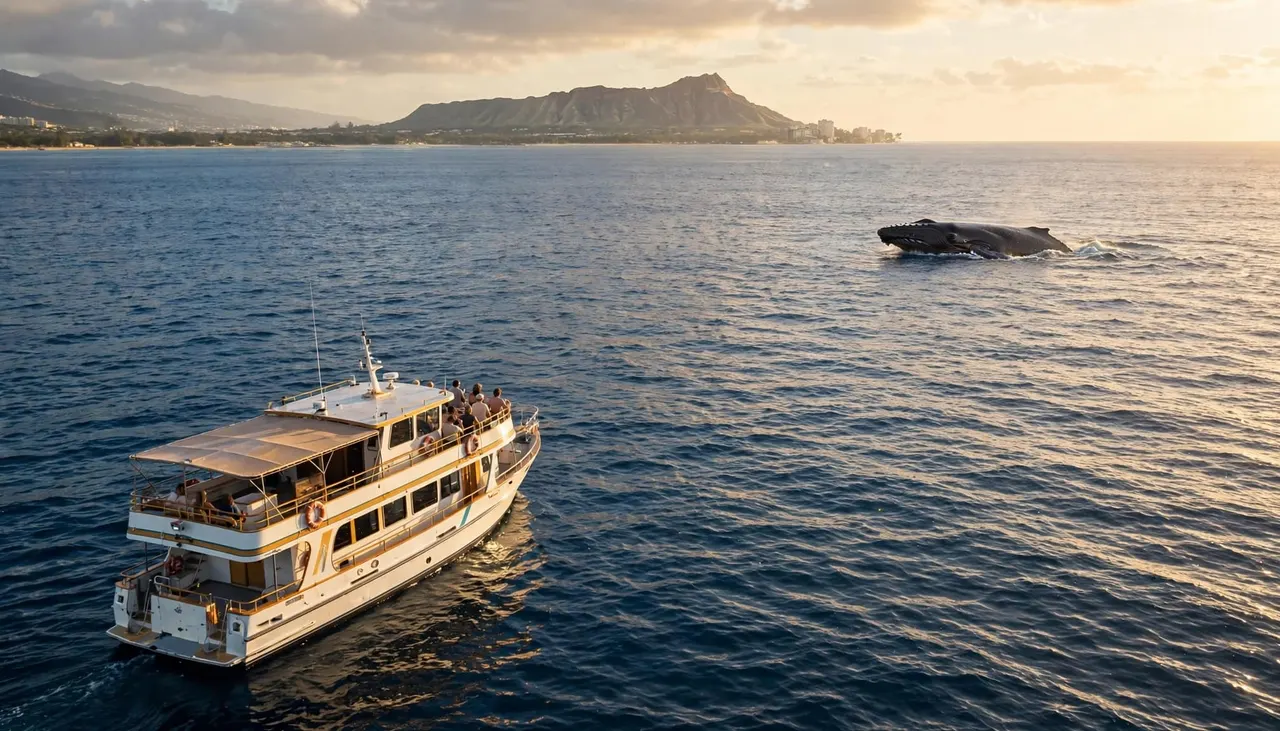
Humpbacks are protected in Hawaiian waters under the Marine Mammal Protection Act, the Endangered Species Act, and sanctuary protections. You can review the history of humpback whale protections in Hawaiian waters before your trip.
Respectful viewing lets the whale decide where to travel, rest, nurse, and surface. It also gives you a more natural encounter.
Give mothers and calves extra room
A calf depends on its mother for food and protection. Even when a young whale seems playful or surfaces repeatedly, you should never try to approach, touch, feed, or swim toward it.
Listen to the captain and crew when they direct you around the vessel. Their instructions protect guests while helping minimize pressure on the animals.
Let wildlife set the pace
No responsible operator can guarantee a whale sighting, breach, or mother-and-calf encounter. Weather, visibility, swell, and whale movement affect each departure.
A respectful crew doesn’t force a close encounter. Instead, you watch the Pacific patiently and appreciate each sign of life, whether it is a fluke, a blow, or a full breach.
Plan Your Waikiki Whale-Watching Cruise
Living Ocean Tours departs from Kewalo Basin Boat Harbor, about two miles from Waikiki. Its Whale watching tours from Waikiki offer a comfortable way to search for humpbacks with Waikiki and Diamond Head in view.
The seasonal tour welcomes guests ages 3 and up and carries up to 49 passengers. You can expect open viewing areas, shaded seating, onboard restrooms, and drinks such as water, juice, and soda.
Dress for sun, wind, and movement
Bring reef-safe sunscreen, sunglasses, a secure hat, and a light layer. The ride can feel cooler once the boat moves offshore, even on a warm Honolulu day.
Eat a light meal before departure if motion affects you. If you start to feel unwell, tell the crew early and move toward fresh air or a steady seat.
Choose comfort for the whole family
Living Ocean Tours uses custom-built double-decker vessels, including the Lokahi, which has a SeaKeeper stabilization system to help reduce boat roll. Ocean conditions still vary, but a steadier ride can make a long horizon scan more comfortable.
The crew includes the only professional snorkel guides among Honolulu tour companies. Their marine knowledge carries into every wildlife-focused outing, with a strong focus on observing, not touching, Hawaii’s ocean life.
Key Takeaways for Your Whale-Watch Plans
- Whale watching Honolulu is easiest to plan from January through March, when Living Ocean Tours runs its seasonal departures.
- Humpbacks visit Hawaii’s warm waters to mate, give birth, and care for calves, so you may spot mothers and young whales as well as traveling adults.
- A breach is exciting, but a distant blow, tail lift, or quiet mother-and-calf surfacing can be just as memorable.
- You will have the best experience when you give whales space, listen to the crew, and keep your expectations flexible.
Frequently Asked Questions
Can a Honolulu whale-watching trip guarantee a humpback sighting?
No. A crew can search appropriate winter habitat, but whales choose their own routes and surfacing schedules. Weather, ocean conditions, visibility, and daily whale behavior affect every trip.
Will you always see a breach?
No. Breaches, tail slaps, flipper waves, and spyhops are natural behaviors, not scheduled events. Your cruise may bring a dramatic leap, or it may offer quieter views of blows and backs moving through the water.
Can you swim with humpback whales in Hawaii?
You should not swim toward, touch, feed, chase, or attempt to interact with humpback whales. Watching from a responsibly operated vessel protects you and gives the whales room to move naturally.
A Winter Encounter You Will Remember
A humpback breach may be the image you take home from Oahu, but the full experience begins with patience. Watch for the first blow, notice the rolling back, and let the whale control the encounter.
With thoughtful timing, a comfortable boat, and respectful distance, whale watching Honolulu can give you a lasting view of Hawaii’s remarkable winter visitors.


