
Whale Watching Oahu: How Humpback Baleen Filters Food
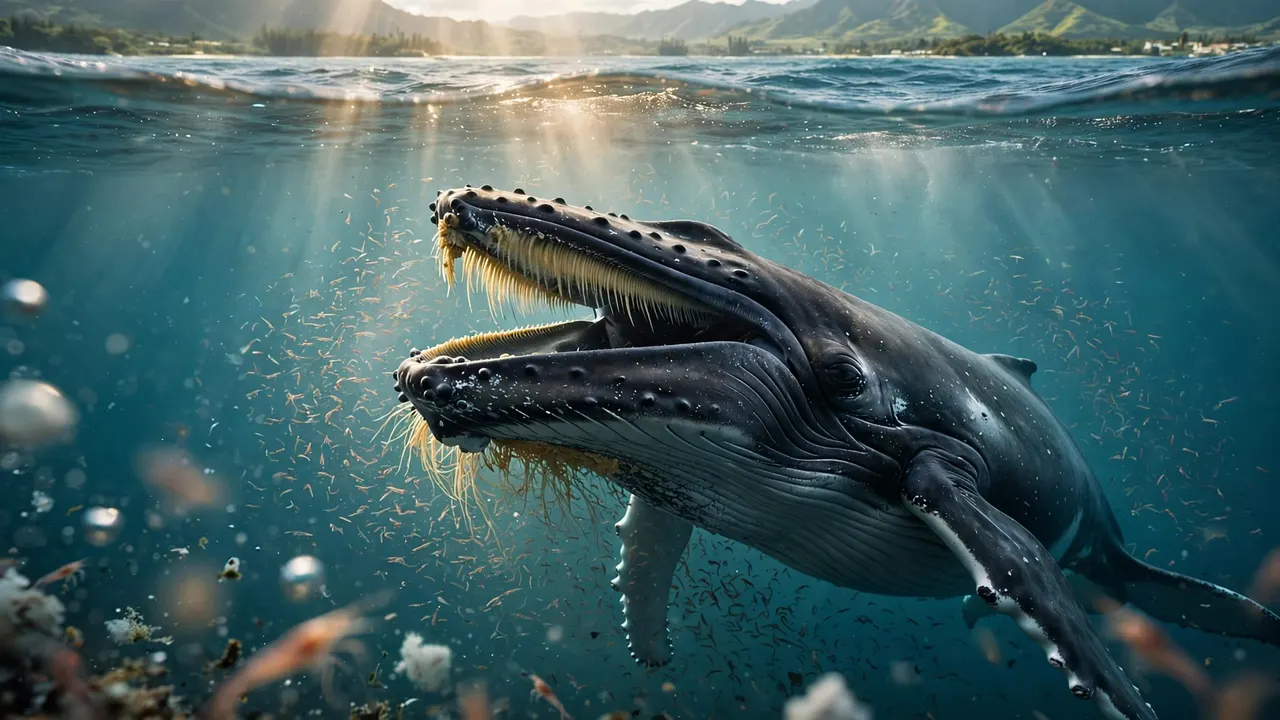
Your whale watching Oahu trip may reveal an enormous animal powered by meals eaten far from Hawaii. A humpback’s feeding equipment helps explain that journey, even when you only see a blow or tail above the water.
Living Ocean Tours offers seasonal cruises from Kewalo Basin Boat Harbor near Waikiki, where you can watch these winter visitors respectfully. The surprise is beneath the surface: humpbacks capture tiny prey using baleen, rather than teeth.
Start with that filtering system, and the whales you see off Oahu become easier to understand.
What Baleen Does Inside a Humpback’s Mouth
Flexible plates replace teeth
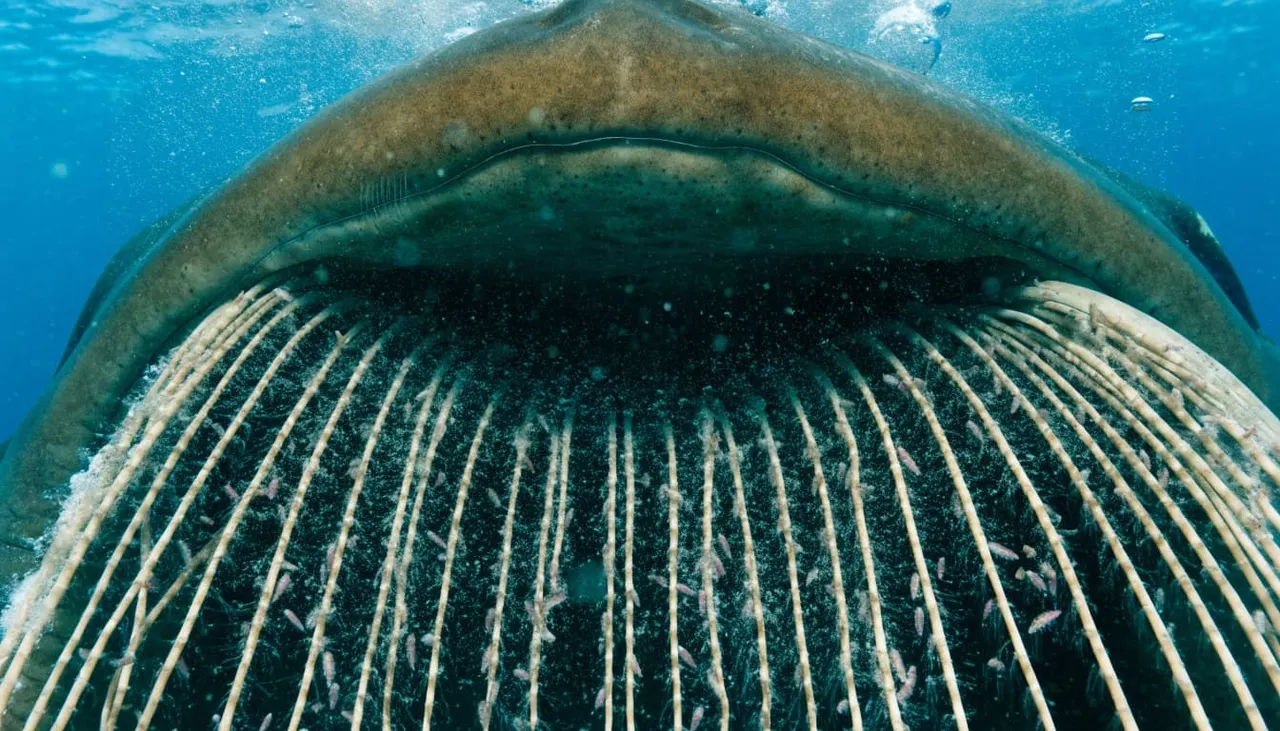
When you picture a whale’s mouth, you might expect enormous teeth. Adult humpbacks have baleen instead: plates suspended from both sides of the upper jaw.
Baleen consists of keratin, the same protein found in your hair and fingernails. However, its arrangement gives it a different job. Each plate has a fringed inner edge, and those fringes form a filtering surface.
You can picture the difference by comparing biting with straining. Teeth grip or tear individual prey. Baleen lets a humpback separate many small animals from a large mouthful of seawater.
That distinction explains how a giant whale can eat food much smaller than itself.
The fringes retain food
According to NOAA’s humpback whale profile, humpbacks eat krill and small fish, filtering seawater through their baleen.
Krill are shrimp-like crustaceans. Small schooling fish also provide food, depending on the feeding area and available prey.
During filtration, water moves outward through spaces between the plates and fringes. Food remains inside the mouth, where the whale can gather and swallow it.
The baleen doesn’t hunt or digest anything. Instead, it separates prey from the water captured during feeding. Understanding that distinction helps you follow the whole process, rather than picturing a whale swimming around with a permanently open mouth.
How a Humpback Turns a Lunge Into a Meal
First, the mouthful expands
A humpback must capture prey before baleen can filter it. During lunge feeding, the whale moves into a concentrated patch of food and opens its mouth.
The pleated tissue beneath its jaw expands into a throat pouch. That expansion provides room for both prey and seawater.
You might notice those throat grooves in whale photographs. They belong to the whale’s feeding anatomy, rather than being ordinary wrinkles.
NOAA’s humpback whale biological report describes this process as taking large gulps during separate lunges. That matters because humpbacks collect mouthfuls of prey, rather than constantly filtering while they swim.
Capturing the mouthful is only the first part of the meal.
Next, water leaves and food stays
After engulfing prey, the whale reduces its mouth opening and expels water through the baleen. Its tongue and the contracting throat pouch help move that water outward.
The fringes retain prey while seawater escapes. Then the whale gathers the trapped food and swallows it.
For you, the easiest sequence to remember is:
- The whale enters a dense patch of prey and opens its mouth.
- Its expandable throat pouch holds food mixed with seawater.
- Water passes through the baleen, leaving prey inside.
- The whale swallows the retained food.
Each part has a separate job. The lunge collects the meal, the pouch holds it, and the baleen performs the separation.
Why Tiny Prey Can Support an Enormous Whale
The size of one krill doesn’t tell you much about its value as food. What matters is how much prey a whale can capture together.
In productive feeding waters, krill gather in dense patches, while small fish form schools. A humpback can target those concentrations rather than chasing every animal individually.
That makes the combination of an expandable mouth and baleen useful. You get a clearer picture of the whale’s diet when you consider the whole mouthful.
Bubble nets help gather prey
Some humpbacks use bubble-net feeding. They release bubbles around prey, helping concentrate it before lunging.
You may have seen footage of whales rising through a ring of bubbles with their mouths open. The bubbles help organize the food; baleen still performs the filtering afterward.
However, bubble-net feeding isn’t a routine behavior of every humpback. You also shouldn’t expect it during an Oahu wildlife cruise.
Feeding strategies vary
A humpback’s approach depends on the prey and conditions around it. Fish schools and krill patches don’t behave the same way.
Therefore, the details of capture can change while the filtering equipment stays the same. Once food and water enter the mouth, baleen separates them.
Why Hawaii’s Winter Whales Rely on Stored Energy
Northern feeding grounds supply the fuel
Your whale watching Oahu experience takes place during a different chapter of the humpback’s annual cycle.
North Pacific humpbacks feed heavily in colder northern waters before traveling to warmer breeding areas. Hawaii is primarily a destination for mating, birth, and early calf care, rather than a major feeding ground.
The meals captured earlier help build blubber reserves. Those reserves supply energy during migration and much of the winter stay.
This context changes how you interpret a whale off Waikiki. An energetic breach doesn’t prove that the animal recently ate. Likewise, a quiet surface appearance doesn’t tell you its nutritional condition.
You are seeing a brief moment in a much longer seasonal journey.
Calves begin with milk
A newborn humpback doesn’t begin life by filtering krill. It depends on its mother’s milk.
Meanwhile, the mother must support both her own needs and the energy demands of nursing. Her earlier feeding season helps make that possible.
If you see a smaller whale surfacing beside an adult, you may be watching part of that nursery-stage relationship. Keep your attention on their movements without assuming every action has an obvious explanation.
A mother and calf traveling steadily can be as meaningful as a breach. Their presence helps connect the whale’s northern feeding season with Hawaii’s importance as winter habitat.
What You Can Read From the Deck
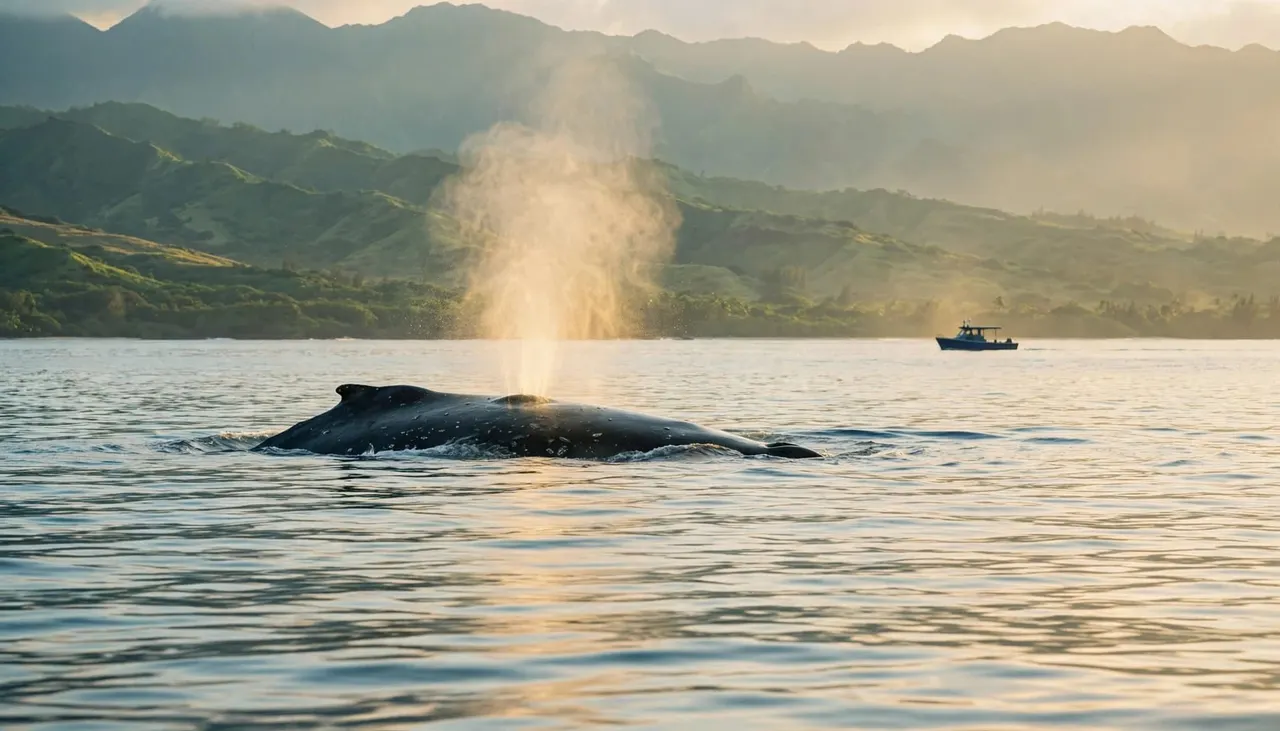
During a whale watching Oahu outing, the most useful signs often appear briefly. A misty blow may catch your eye before you notice the back or dorsal fin.
Next, watch the surrounding water rather than staring at the exact spot where the whale disappeared. It can change direction or surface somewhere unexpected.
A tail lift may precede a dive. Meanwhile, a breach, pectoral-fin slap, or tail slap can create a much larger splash.
However, none of those displays establishes that a whale is feeding. Surface activity gives you visible behavior, not a complete account of what happens underwater.
A breach shows you a whale leaving the water. It doesn’t show you what, when, or whether that whale has eaten.
You also won’t normally get a useful view of baleen from a whale-watching boat. The filter sits inside the mouth, and viewing it isn’t something a responsible crew should pursue.
Instead, use your understanding of baleen to appreciate the animal’s larger life cycle. A rounded back rolling through a swell belongs to a whale equipped to harvest concentrated prey elsewhere.
For families, this creates an easy conversation between sightings. You can explain why the whale has a filter, why calves drink milk, and why Hawaii matters without needing a dramatic display.
Plan Your whale watching Oahu Trip With Living Ocean Tours
Choose a welcoming departure near Waikiki
Living Ocean Tours departs from Kewalo Basin Boat Harbor in Honolulu, conveniently located near Waikiki. You can explore its seasonal whale watching along the Waikiki coast when planning your winter visit.
The family-owned company combines ocean scenery with crew guidance and attention to wildlife. Its fleet includes Coast Guard-inspected vessels with shaded seating and onboard restrooms.
For its snorkeling experiences, Living Ocean Tours describes itself as Oahu’s only tour company with professional snorkel guides. Your whale watch, however, is a boat-based wildlife experience.
Prepare for patient wildlife watching
Bring sun protection, a secure hat, and a light layer for wind. Also, keep your camera attached to a strap so you can watch comfortably while moving around the deck.
If you’re prone to motion sickness, ask a pharmacist about suitable prevention before departure.
Let the captain manage positioning, and observe wildlife without attempting to approach or touch it. Weather, visibility, and whale movement affect every outing.
When you’re ready to choose a winter departure, CHECK AVAILABILITY for the whale-watching experience.
Key Takeaways for Your Oahu Whale Watch
Keep these distinctions in mind when you scan the water:
- Baleen consists of keratin plates with fringes that retain krill and small fish.
- A feeding lunge captures prey and water before filtration separates them.
- Hawaii is primarily breeding and nursery habitat, rather than a major feeding destination.
- Calves begin life on milk, while adults use baleen to capture solid food.
- Your whale watching Oahu plans should allow for unpredictable wildlife, including quiet stretches and brief surface appearances.
Knowing the feeding process adds context to a sighting without turning every splash into evidence of a meal.
Frequently Asked Questions
Do humpbacks chew their food?
Adult humpbacks don’t have teeth for chewing. After baleen separates prey from seawater, they swallow the retained food.
For you, the important distinction is that baleen filters rather than bites. Its fringes hold prey while water escapes through the filtering surface.
Can you expect to see feeding on an Oahu whale watch?
You should plan to observe winter visitors in breeding and nursery habitat, rather than book a cruise expecting a feeding demonstration.
A blow, breach, or tail slap doesn’t establish feeding. Likewise, a crew can’t promise a particular behavior or a sighting on every departure.
Understanding baleen helps you appreciate the animal even when its mouth remains completely out of view.
See the Whole Journey Behind Each Sighting
Your whale watching Oahu trip offers a glimpse of an animal whose feeding equipment supports an extraordinary seasonal journey. Baleen separates tiny prey from seawater, helping humpbacks build the energy reserves they need.
Off Waikiki, you are watching another part of that story: winter visitors traveling, socializing, and caring for calves. Let the whales set the pace, and even a brief blow can become a meaningful encounter.


