

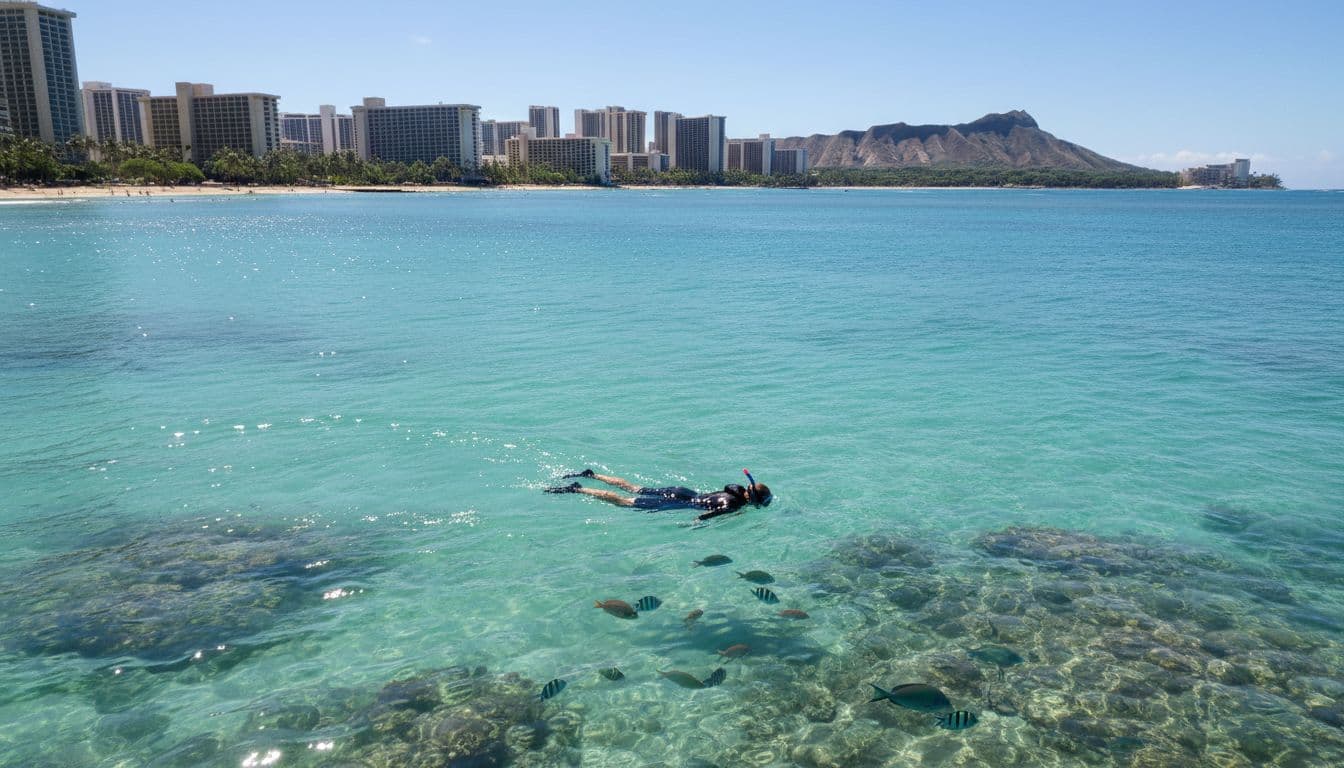
You can pick a snorkel day by luck, or you can read the ocean before you even leave your hotel. A simple waikiki snorkeling wind forecast check helps you avoid surface chop, cloudy water, and that tired feeling that comes from fighting the sea instead of floating with it.
If you want expert support, Living Ocean Tours departs minutes from Waikiki and is the only tour company with professional snorkel guides. That matters when you’re new to snorkeling, traveling with kids, or just want a calmer, easier day on the water.
Why wind matters more than most visitors expect
Wind changes more than the boat ride. It roughens the surface, pushes small waves across the reef, and can make visibility look worse than it was the day before. Even strong swimmers feel the difference when the ocean turns from smooth to restless.
Waikiki sits on Oahu’s south shore, so it can be more protected than wind-exposed coasts. Still, “protected” doesn’t mean flat. If the breeze picks up, or if it blows from a less-friendly direction, you may see more chop around the snorkel area and more movement on the boat.
You also need to separate wind from swell. A calm wind reading doesn’t always mean calm snorkeling. Long-period surf from the south can still move water over the reef, even when the air feels light. That’s why a quick check of the Hawaiian Coastal Waters Forecast helps you see the bigger picture, not just a single app number.
Calm snorkeling comes from a mix of light wind, manageable swell, and clean recent weather.
There’s one more catch. Yesterday still matters. If it was windy for a full day, the water can stay stirred up into the next morning. Think of it like a snow globe. Even after you stop shaking it, the water needs time to settle.
How to read a waikiki snorkeling wind forecast without overthinking it
You don’t need to become a marine forecaster. You just need four basics: speed, direction, timing, and trend.
Wind speed is the easiest starting point. Lower numbers usually mean a smoother surface and an easier float. Higher numbers often mean more splash, more chop, and more effort.
This quick guide helps you read the forecast at a glance:
| Wind speed | What it often feels like | Good for beginners |
|---|---|---|
| 0 to 8 mph | Smooth to lightly textured water | Usually yes |
| 9 to 14 mph | Light chop, still workable on many days | Often yes |
| 15 to 20 mph | Bumpy surface and more boat motion | Maybe |
| 20+ mph | Rougher, tiring, less comfortable | Usually no |
Treat that table as a shortcut, not a promise. Direction matters too. Waikiki can handle typical trade winds better than many people expect, but south or west winds can make the south shore feel messier faster. Timing matters because mornings often start calmer, while local breezes can build later.
Then check the trend. Has the wind been light for the last day or two, or did it just drop after a rough stretch? That answer often tells you whether the water will look clean or still unsettled.
For a quick visual check, many travelers use the Waikiki Beach wind forecast on Windfinder. It’s useful for spotting patterns through the day. Then compare it with the National Weather Service forecast before you commit.
Local signs that help you choose the calmest window
Forecasts matter, but Waikiki gives you clues in real time. If you step outside early and see palm fronds barely moving, boats leaving the harbor without much spray, and no whitecaps offshore, that’s a good sign. If the water looks wrinkled like crumpled foil, expect more work in the water.
Water color helps too. Cleaner, calmer days often look bright blue with better contrast over the reef. After wind or rain, the nearshore water can look duller or hazier. That’s your hint that visibility may lag behind the forecast.
If you’re traveling with children or you’re not a strong swimmer, favor the earlier departure. The ocean often feels friendlier in the morning, and your energy will too. You want your snorkel session to feel like a long glide, not a treadmill workout.
Boat comfort matters as well. On breezier days, a stable vessel, a patient crew, and guided support can turn a borderline day into a good memory instead of a short swim and a long ride back.
When guided help makes the choice easier
If you’d rather not piece everything together yourself, Living Ocean Tours snorkel and cruise options make planning simpler. The company runs out of Kewalo Basin Boat Harbor, close to Waikiki, and focuses on beginner-friendly, family-friendly ocean trips with a strong respect for marine life.
That support shows up in practical ways. You get gear, flotation help, safety guidance, and a crew that encourages you to observe, not touch, turtles and reef life. Most importantly, Living Ocean Tours is the only tour company with professional snorkel guides, which gives you hands-on help in the water, not just a ride to the reef.
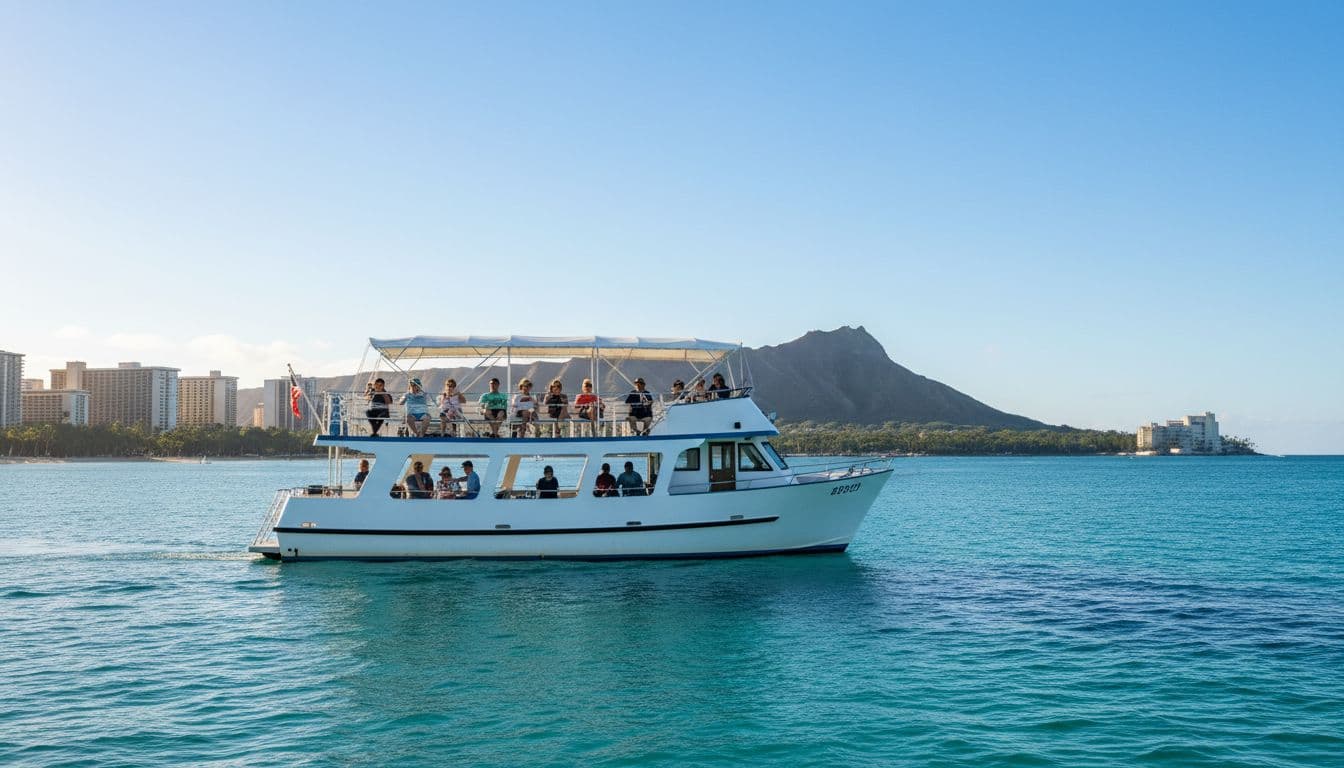
Their double-decker vessels also make a difference. The fleet includes shaded seating, restrooms, and easy water entry. On the Lokahi, a state-of-the-art SeaKeeper stabilization system helps reduce roll, which can make a choppy day feel much more comfortable.
Conclusion
A calm snorkel day rarely happens by accident. If you check wind speed, direction, timing, and the previous day’s weather, you give yourself a much better shot at clear water and an easier swim. Keep the process simple, trust the morning signs, and lean on guided support when conditions look mixed. In the end, calm water lets Waikiki show off what you came to see.


