
Turtle Canyon Snorkel Adventure in Waikiki Oahu: Plan Your
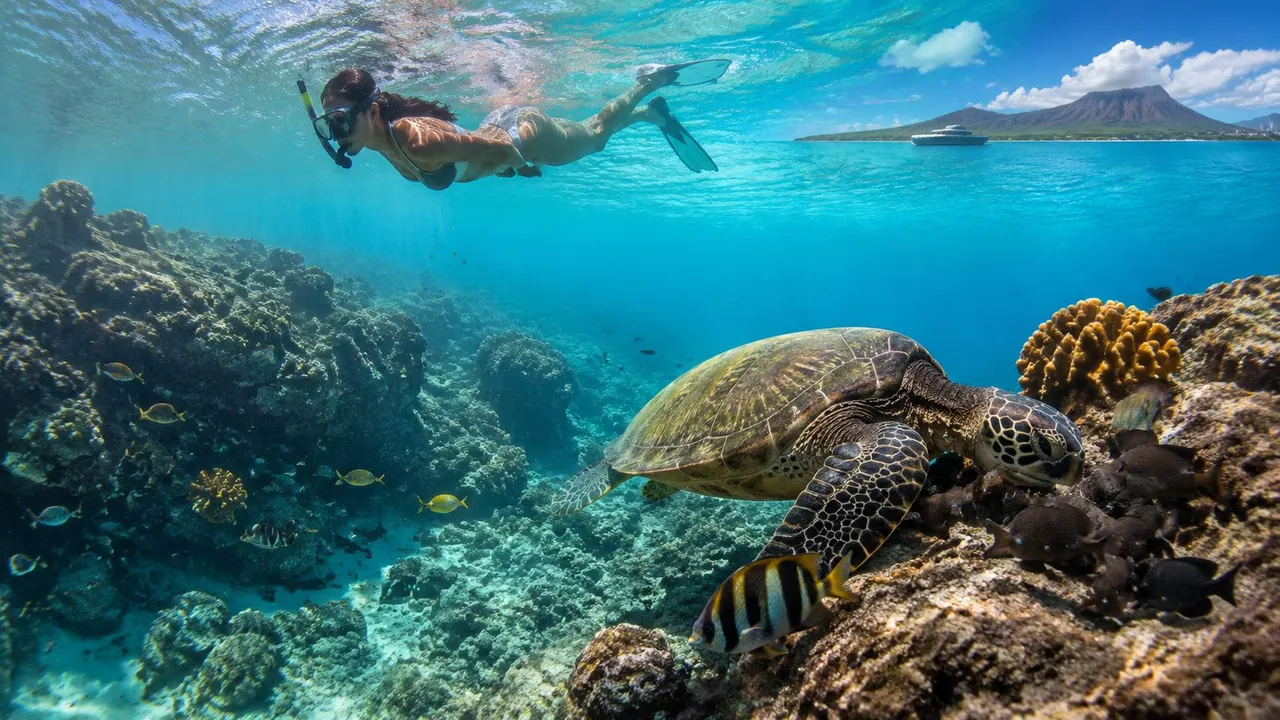
You're probably looking at photos of Waikiki, thinking two things at once. First, snorkeling with sea turtles sounds unforgettable. Second, getting on a boat and floating over deeper offshore water sounds like a lot if you're not a strong swimmer, traveling with kids, or trying to do this responsibly.
That mix of excitement and hesitation is normal. Most first-time guests don't need more hype. They need a clear picture of what a Turtle Canyon snorkel adventure in Waikiki Oahu feels like, how the day works, and why the rules around turtles exist.
Introduction to Turtle Canyon Snorkel Adventure
You check in near Kewalo Basin, step onto the boat, and notice the skyline looks different from the water. Waikiki starts to feel quieter. Then someone asks the question almost every first-timer asks: “If it's offshore, will I still be able to see the turtles from the top?”
That's the right question, especially if you're nervous about open water. Turtle Canyon isn't a random patch of ocean. It's a known place where Hawaiian green sea turtles gather in their natural habitat, and that changes the whole experience. You're not swimming around hoping for luck. You're visiting a site where the turtles already have a reason to be.
For many families, that's what makes this outing click. The trip is guided, the boat ride is short, and the experience is built around floating, observing, and staying calm rather than diving deep or racing around the reef.
Practical rule: If you can float, breathe slowly through a snorkel, and follow a guide's instructions, you can often enjoy this trip more than someone who tries to “swim hard” the whole time.
Key Features of Turtle Canyon
Turtle Canyon stands out because the site has a specific ecological role. Turtle Canyon, located approximately 1 to 2.5 miles offshore from Waikiki, functions as a natural turtle cleaning station with a 98–99% turtle sighting success rate due to resident Hawaiian green sea turtles and cleaner wrasse behavior, as described in this overview of Turtle Canyon's location and snorkeling conditions.
Why turtles return here
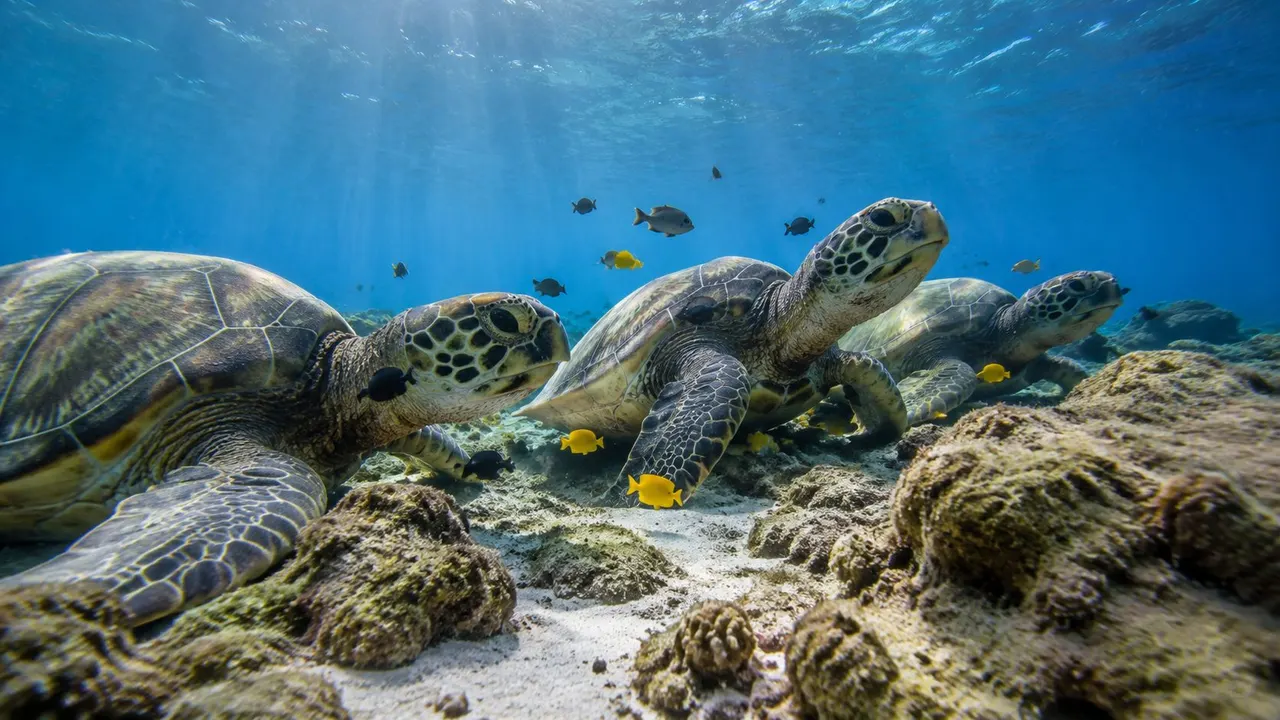
At Turtle Canyon, the turtles aren't passing through by accident. Smaller reef fish, including Hawaiian cleaner wrasse, remove algae and parasites from them. That cleaning behavior supports turtle health and helps explain why sightings are so dependable.
The offshore setting matters too. The site sits beyond shore access, so guests reach it by boat rather than walking in from the beach. If you want a local breakdown of where it is and why the name matters, this guide to Turtle Canyon on Oahu is useful.
A lot of readers get stuck on one detail here. They hear “offshore” and picture rough, featureless open ocean. What is happening is more organized. Turtles return to a known reef area, and guides bring you to that established habitat rather than searching blindly along the coast.
What you see from the surface
First-time snorkelers often assume the best part happens only at the bottom. That's not how this site works. You're often looking down at a clear reef scene from above, watching turtles hover or move through the water column while tropical fish pass across the reef.
You may also notice how readable the underwater scene feels compared with a crowded shoreline spot. The turtles, reef fish, coral, and occasional eels or sea urchins create a complete picture, not just one quick sighting. That's part of why this area has become Waikiki's most famous turtle snorkel site.
Here's the simplest way to understand this:
- A wildlife reason: Turtles come here for cleaning.
- A viewing reason: The behavior happens in a repeat-use habitat.
- A guest reason: You can often follow the action from the surface without needing advanced skills.
Calm wildlife is easier to watch than fast wildlife. That's one reason Turtle Canyon works so well for beginners and eco-conscious travelers.
Tour Logistics and Booking Details
A first booking usually feels easier once you know the outing follows a set sequence. For many guests, the hardest part is not snorkeling. It is understanding what "offshore" means in practice and whether they will feel rushed. On this trip, the structure does a lot of the reassuring for you.
What the morning looks like
A separate breakdown of the Turtle Canyon boat ride and timeline shows the day in clear stages. You check in and hear the briefing, ride out from Kewalo Basin, spend the main portion of the trip in the water, then return by boat. That rhythm matters for beginners because each step has a purpose. The briefing answers basic questions, the short ride lets you settle in, and the guided snorkel keeps the experience organized once you enter the water.
For non-swimmers, that order helps more than people expect. A guided boat snorkel works a bit like entering a pool with an instructor instead of stepping into surf on your own. You have crew nearby, flotation support is typically available, and the entry point is chosen for the tour rather than improvised from shore conditions. Many first-time guests find that far less intimidating than a beach entry with waves pushing them around.
There is also an eco reason the offshore format works well. Guides are taking guests to a known turtle habitat where viewing can happen from the surface, while federal wildlife rules still require people to keep their distance from sea turtles. That means the goal is observation, not pursuit. For eco-conscious travelers, that is good news. The rules protect resting and cleaning behavior, and those same protections often create calmer, more natural sightings.
How far ahead to book
Your booking window depends mostly on season and schedule. The clearest trip-planning advice is on the Turtle Canyon booking guide for peak dates and lead times, which explains that summer, holidays, and weekend mornings tend to fill sooner than quieter weekdays.
Morning trips are often the simplest choice for cautious guests. Water conditions are commonly more comfortable earlier in the day, and that can shape how relaxed children, older relatives, and nervous first-timers feel before they even put on a mask.
A few planning habits help:
- Reserve earlier for high-demand dates. Weekend mornings, holiday periods, and summer travel weeks usually go first.
- Choose the earliest practical departure for mixed-skill groups. Families and beginners often prefer the calmer feel of morning conditions.
- Read the inclusion list before you pay. Gear, instruction, and sunscreen policies vary by operator, so confirm what is provided instead of assuming every boat runs the same way.
Living Ocean Tours also notes age and group details on its excursion information pages, which is useful if you are booking for a family with different comfort levels. Treat those limits as the starting point, not a promise that every person will feel equally confident. Snorkeling comfort depends on swimming ability, motion sensitivity, and how well someone responds to instruction once they are on the boat.
Best Times and Water Conditions
Your boat reaches the offshore mooring, Waikiki is still close enough to recognize, and one question suddenly feels bigger than booking details. What will the water feel like once you step in?
For first-time snorkelers, especially non-swimmers, this is often the moment when uncertainty shows up. Turtle Canyon usually feels more approachable when you match your trip to the kind of comfort you want. Warm, calmer days help your body relax faster. Relaxed guests breathe slower, listen better, and spend more time looking for turtles instead of thinking about the water around them.
How timing changes the experience
Morning trips are often the easiest starting point because the ocean surface is commonly gentler earlier in the day. That matters more offshore than many visitors expect. A flat pool and open ocean can hold the same temperature, but they do not feel the same. Small surface chop, boat motion, and wind on wet skin can make an average day feel colder or busier than the forecast suggests.
Season matters too, just in a different way. Summer and early fall often bring the most comfortable mix for beginners: warmer water, clearer surface views, and a calmer overall feel. Winter can still be a good snorkeling season, but some guests, especially children, lean body types, and anyone who gets cold quickly, may want a neoprene top or shorty wetsuit for extra comfort.
Eco-conscious travelers should know that turtle viewing is not about getting as close as possible. It works better when the ocean and the rules do part of the job. Hawaiian green sea turtles visit cleaning stations in this area, and federal wildlife rules require people to give them space. That buffer is good for the turtles, and it also helps beginners. You can stay floating calmly at the surface while guides position the group to watch without crowding the animals.
Seasonal Water Conditions Comparison
Use this chart like a packing and comfort guide, not a promise for any single day.
| Season | Water Feel | Visibility | Highlights |
|---|---|---|---|
| Winter | Cooler for long floats | Can change with swell and weather | Good wildlife season on the boat ride, but cold-sensitive guests may want extra insulation |
| Spring | More moderate | Often pleasant | Balanced option for travelers who want a middle ground |
| Summer | Warmest overall feel | Often calm and clear | Often the easiest season for first-timers and nervous snorkelers |
| Late summer to early fall | Very comfortable | Often favorable | Strong choice if warmth is your top priority |
If you are visiting in midyear, this guide to what Oahu snorkeling in July often feels like gives a useful seasonal snapshot around Waikiki.
One more point helps clear up a common misunderstanding. Better turtle viewing does not always mean chasing the hottest month. Good visibility, a calm surface, respectful guide positioning, and patience usually matter more than squeezing a few extra degrees out of the water. For many beginners, the best day is the day when they feel steady enough to float, breathe, and look down without rushing.
Essential Gear and Packing Checklist
Your bag for Turtle Canyon should feel more like a beach tote than a suitcase. The tour usually supplies the in-water basics, so your job is to pack for comfort, warmth, and peace of mind before and after you snorkel.
What the tour usually provides
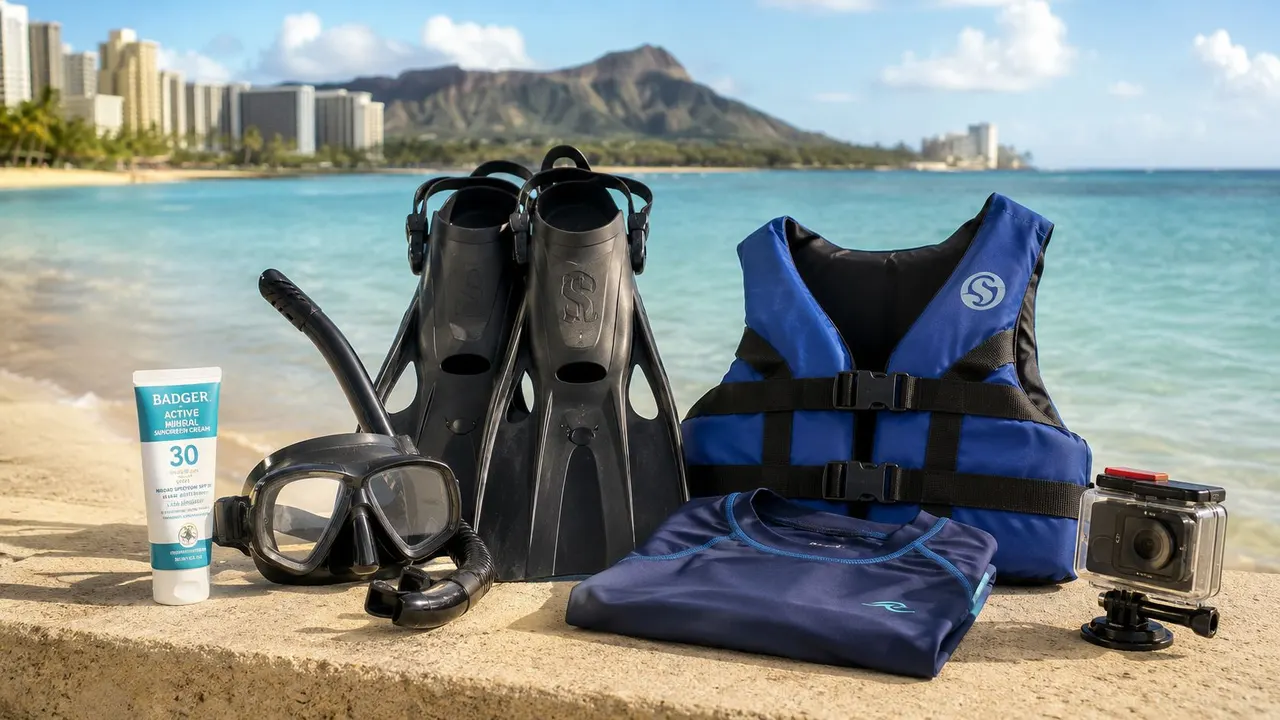
On a typical Turtle Canyon trip, operators such as Living Ocean Tours already have the core gear ready. That commonly includes a mask, snorkel, fins, flotation, basic instruction, and reef-safe sunscreen.
For first-time guests, that changes the packing mindset. You are not building a full snorkeling kit from scratch. You are packing the items that help you stay relaxed on the boat and comfortable once you get out of the water.
That distinction matters for non-swimmers in particular. Flotation support is usually part of the setup, so bringing your own pile of gear often adds stress instead of reassurance.
What to bring for comfort and confidence
A short list works well:
- Swimsuit worn under your clothes: This makes check-in and boarding less hectic.
- Towel: You will want it right away after the snorkel.
- Dry shirt or light cover-up: The boat ride back can feel cool once your skin is wet.
- Hat and sunglasses: Useful before you enter the water and after you finish.
- Reusable water bottle: Sun and salt air can dry you out quickly.
- Neoprene top or light wetsuit layer if you chill easily: Helpful during cooler months or for guests who prefer extra warmth.
- Simple waterproof camera setup: Bring one only if you can manage it without fuss.
If you want a fuller pre-boat checklist, this Oahu snorkel packing list for day-of planning lays it out clearly.
What to leave behind
New snorkelers often pack as if they are preparing for a full day expedition offshore. Turtle Canyon is usually much simpler than that.
Leave expensive valuables in your room if you do not need them. Skip bulky bags, extra electronics, heavy snacks, and any item you will keep checking on instead of enjoying the trip. A crowded bag works like an overstuffed carry-on at the airport. Everything becomes harder to find when you need it.
One eco-conscious packing choice that helps
Bring sun protection you can wear, not just lotion you apply. A rash guard, swim shirt, or lightweight cover-up reduces how much sunscreen you need and keeps you more comfortable on the surface. That is a practical choice for sensitive skin, and it also fits the reef-friendly habits many Hawaii snorkel tours encourage.
The goal is simple. Pack the items that keep you warm, shaded, hydrated, and calm. Leave behind anything that turns a beginner-friendly boat snorkel into a gear-management project.
Safety and Tips for Beginners
You step off the boat, look down, and notice blue water beneath you instead of a sandy bottom you can judge at a glance. For first-time snorkelers, that moment often feels bigger than the turtle itself. The good news is that Turtle Canyon does not ask beginners to dive deep or swim hard. It asks you to float, breathe steadily, and let the site come to you.
That distinction matters for non-swimmers.
Turtles often become visible from the surface because they rise for air and move through the upper part of the water in slow, easy-to-follow arcs, as explained in this Turtle Canyon FAQ for first-timers. A guided trip is set up around that reality. Flotation keeps your body supported, the crew watches your position, and the guide helps you focus on where to look instead of on the depth below.
Why offshore water can still feel beginner-friendly
Deep water looks intimidating because you cannot measure it the way you can in a pool. But snorkeling here works more like watching a parade from a balcony than joining the parade itself. Your best view is often from above, while you stay relaxed at the surface.
That is also where wildlife rules help. Keeping a respectful distance from turtles reduces crowding and sudden movement around them. For eco-conscious travelers, that is more than a rule to memorize. It often leads to calmer, more natural sightings because the animal has space to surface, turn, and continue its normal behavior without people closing in.
Comfort affects safety just as much as confidence. If you get cold easily, ask for extra flotation time near the ladder before heading farther from the boat, and consider a neoprene layer during cooler periods of the year. Children and smaller adults can lose heat faster, so a guest who looks nervous may be getting chilled. A crew that checks both comfort and confidence is doing its job well.
Simple habits that make the first ten minutes easier
New snorkelers do better when they treat the entry like a short adjustment period, not a performance test.
- Pause before kicking: Let the flotation support your chest and hips so your body learns the water.
- Set a breathing rhythm: Slow inhale, slow exhale. If you can hum into the snorkel with a continuous sound, you are usually exhaling enough.
- Keep your face in only when ready: Looking up between breaths is normal at first.
- Stay close to the guide lane: Beginners use less energy when they follow the group instead of drifting wide.
- Say exactly what kind of beginner you are: “I do not swim well,” “I am okay in a pool,” and “I wear contacts” each tell the crew something useful.
If you want to understand how masks, fins, flotation belts, and defog choices affect comfort, this Oahu snorkeling gear guide for first-time guests gives a clear overview.
One more insider tip helps many hesitant guests. Keep your eyes on the horizon for a few seconds if you start to feel overwhelmed, then return to the water when your breathing settles. That reset works like lifting your head during a long hike. It gives your body a reference point and lowers the sense that the ocean is moving faster than you are.
Slow, observant snorkelers usually have the better turtle encounters. They conserve energy, notice movement sooner, and give wildlife the space that makes the whole experience feel calmer for everyone.
Family Friendly Access and Sustainability
A Turtle Canyon trip tends to feel more manageable for families than the word "offshore" suggests. The structure helps. You travel out by boat, enter with a guide, float over a known turtle cleaning area, and watch from a respectful distance instead of chasing wildlife around open water. For non-swimmers and cautious guests, that setup often feels less chaotic than an unplanned beach snorkel.
Why the wildlife rules help families
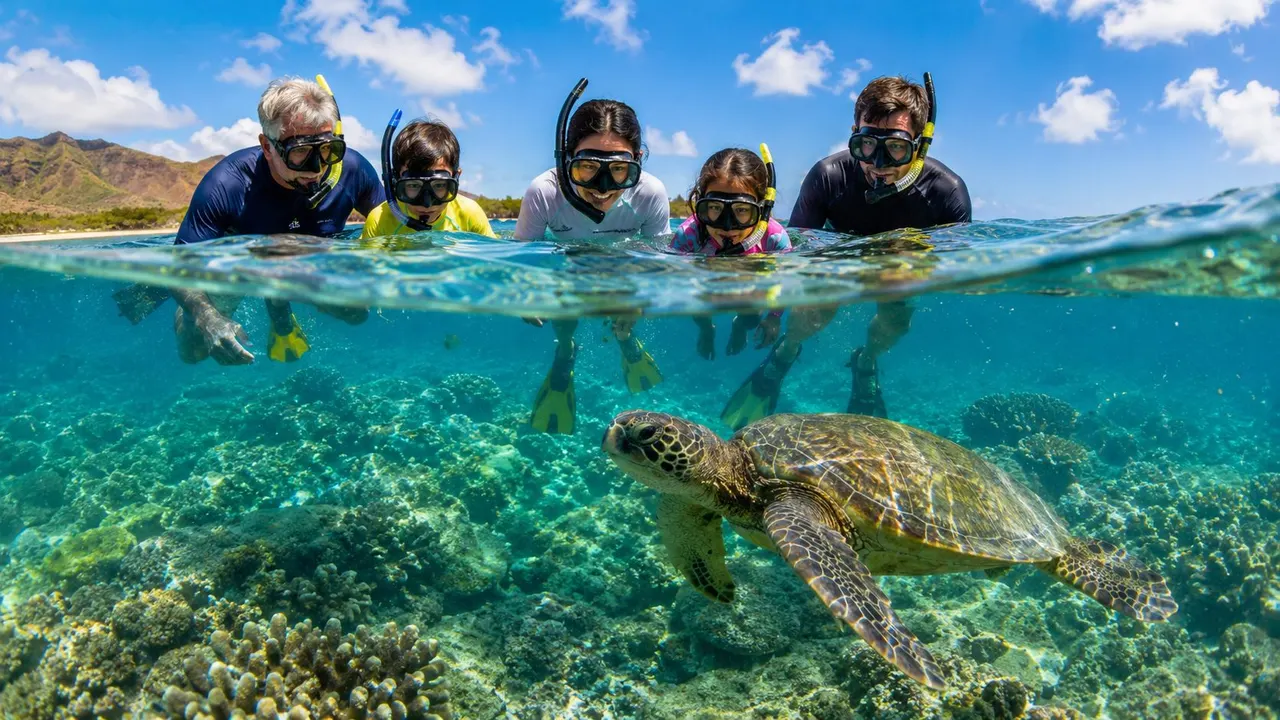
Federal wildlife guidance for Hawaiian green sea turtles is simple in practice. Give the animal space, do not touch it, do not block its path to the surface, and let the encounter happen on the turtle's terms. NOAA advises people to stay at least 10 feet away from sea turtles and avoid disturbing protected marine life.
That buffer helps beginners more than many families expect. It gives children a clear rule they can remember. It also removes the pressure to swim fast. A turtle at a cleaning station often stays in view long enough for slower snorkelers to watch it glide, pause, and rise for air. Good viewing comes from patience, not pursuit.
Eco-conscious travelers usually appreciate the same rule for another reason. Quiet, predictable human behavior supports more natural animal behavior. In other words, the protection rule also improves the kind of sighting people came for.
Hawaii's sunscreen law fits that same pattern. Reef-safe choices, especially mineral formulas that avoid oxybenzone and octinoxate, reduce harm to coral areas that support the wider reef community. For families, the practical lesson is straightforward. Apply the right sunscreen before boarding so no one is trying to sort out ingredients in a hurry.
Keeping kids engaged without turning the ocean into a chase
Children do better when they have a job. Turn the snorkel into a spotting exercise. Ask them to look for three things: how the turtle moves, whether small fish are nearby, and when the turtle heads up to breathe. That gives them a purpose that matches the rules.
This works like a nature walk with masks on. The goal is observation. Once kids understand that, they usually splash less, notice more, and stay calmer in the water.
Seasonal patterns help here too. On gentler days, the offshore site can feel surprisingly comfortable because you are floating above the action rather than standing in shorebreak and timing a beach entry. Families with a hesitant swimmer or an older grandparent often find that reassuring. A short, well-supported float and one clear turtle sighting can be enough to make the trip feel successful.
For mixed-ability groups, keep the win small and specific. Get everyone comfortable on the boat. Listen closely to the guide. Treat turtle viewing as a shared wildlife experience, not a swimming test.
Choosing Living Ocean Tours and Alternatives
A good Turtle Canyon tour should feel clear before you ever step on the boat. If someone in your group is a first-time snorkeler, a cautious swimmer, or more interested in wildlife than fast-paced water activities, compare operators by a few simple points. Check where the boat leaves from, whether staff stay in the water with guests, what gear is included, and how plainly the company explains turtle-viewing rules.
One option in this category is Living Ocean Tours' Turtle Canyons Snorkel Excursion. What matters most is not a marketing label. It is whether the trip matches your comfort level and your reason for going offshore in the first place.
For many visitors, that reason is straightforward. They want the easier access of a boat trip instead of a beach entry, plus the chance to watch turtles at a cleaning station without guessing where to go.
When Turtle Canyon is the right fit
Turtle Canyon works well for travelers who want structure. You board near Waikiki, ride out to an offshore site, listen to a briefing, and enter the water with guide support nearby. That setup can feel more manageable for a nervous beginner than sorting out surf, current, and reef access alone from shore.
It also suits eco-conscious travelers. Federal wildlife rules shape the experience in a useful way. Guides are expected to keep people from crowding or chasing turtles, which often leads to calmer sightings and less chaotic water time for everyone. The result is closer to observing a protected habitat than joining a free-for-all swim.
If someone in your group does not swim confidently, ask a practical question before booking. Does the operator welcome flotation use and beginner pacing? A good beginner-friendly trip treats snorkeling like a supported float with coaching, not a test of athletic ability.
Other Waikiki boat options
Some groups want turtles to be the main event. Others want a boat outing with more variety. That difference usually decides the right booking faster than any review count.
If your family wants extra activity on board, a Waikiki snorkel waterslide tour may be a better fit. If a member of your party prefers to stay dry, a Waikiki sunset cruise offers a lower-effort way to enjoy the coast, and Sunset Cruise Waikiki is another option to compare. Winter visitors who care more about seasonal marine life than snorkeling can look at a Waikiki whale watching tour.
A simple filter helps. Choose the turtle-focused trip if your priority is guided wildlife viewing in the water. Choose a broader snorkel cruise if your group wants play features and mixed activities. Choose sunset or whale watching if comfort on the boat matters more than getting in the ocean.
If you want a straightforward way to compare these options in one place, browse current trips with Living Ocean Tours.


