
Oahu Snorkeling July: Peak Summer Reef Conditions
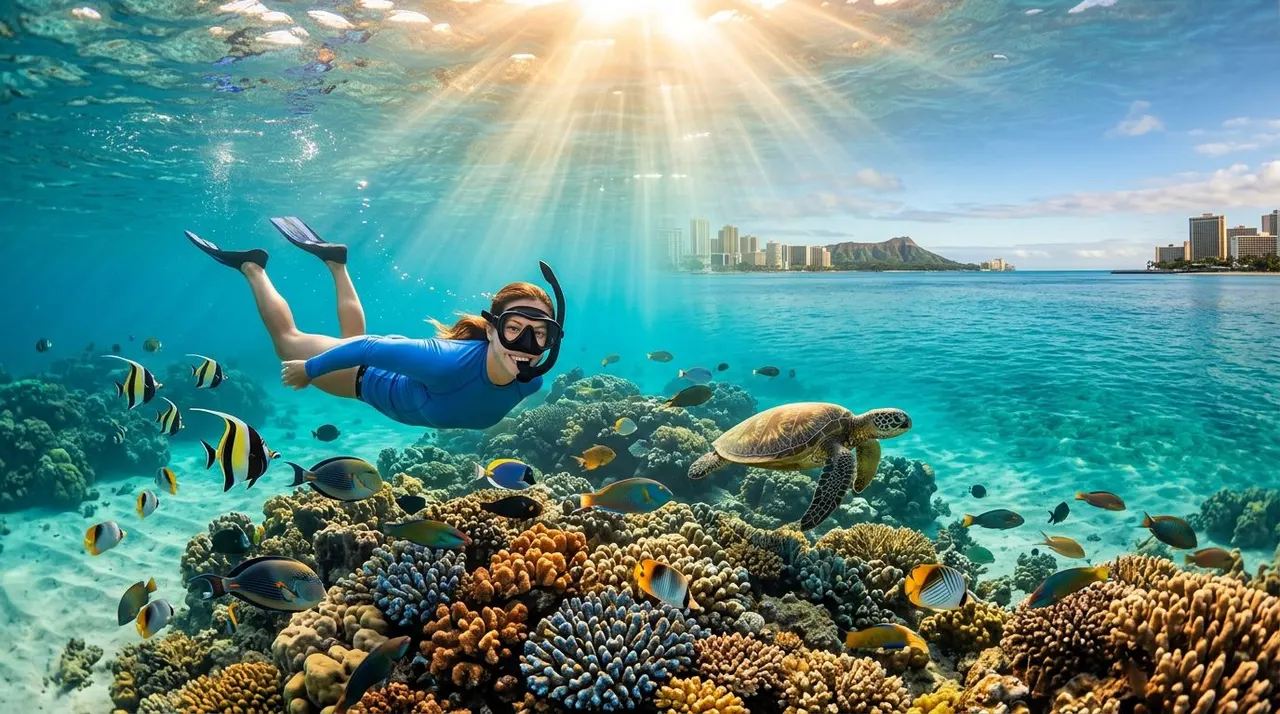
July gives you some of the clearest, warmest, and easiest snorkeling conditions on Oahu. South-shore reefs often offer visibility beyond 40 feet, water temperatures near 80°F, and calm mornings that suit first-time snorkelers and experienced swimmers alike.
If you want a relaxed ocean day with professional guidance, Living Ocean Tours takes you from Kewalo Basin Boat Harbor to Waikiki’s reefs just minutes from your hotel. The right timing, location, and preparation will help you get more from every minute in the water.
Why July is one of Oahu’s best snorkeling months
July falls within Oahu’s peak summer season, when south-shore waters are usually calm and bright. Waikiki, Kaimana Beach, Hanauma Bay, and other sheltered areas can offer excellent visibility, especially during the morning.
Water temperatures usually range from 79°F to 81°F, so most visitors feel comfortable without a thick wetsuit. A rash guard still helps protect your skin from the strong Hawaiian sun and keeps you comfortable during a longer swim.
Visibility often reaches 30 to 50 feet on the south shore. At Waikiki reefs, clear days can give you a wide view of coral, colorful reef fish, and sandy channels below. Since July is also one of Oahu’s sunniest months, underwater light can make the reef appear sharper and more vibrant.
The best conditions usually arrive early. Overnight water tends to stay smooth, while trade winds often build later in the day. Plan your snorkeling window between 7:00 a.m. and 10:00 a.m. when possible. You will usually encounter less wind, fewer swimmers, and a calmer surface.
Rain can affect visibility even during a sunny summer month. Heavy rainfall sends runoff toward the ocean, which can turn nearshore water cloudy. After a major downpour, waiting a day gives the reef time to clear.
Where to snorkel on Oahu in July
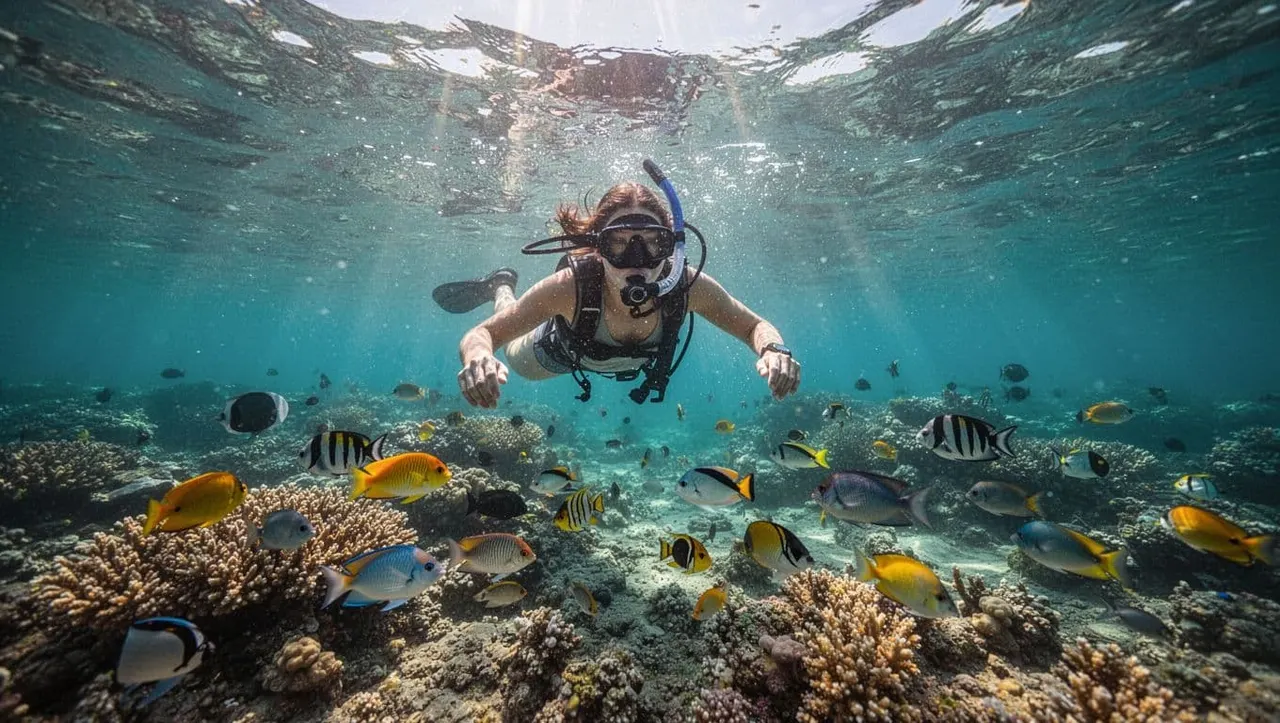
Your best location depends on your swimming ability, transportation, and comfort with open ocean conditions. The south shore is usually the easiest choice for families and casual snorkelers because summer swells are generally smaller there.
Waikiki reefs offer convenient access, warm water, and good summer visibility. Queen’s Beach and Sans Souci Beach can provide gentle nearshore snorkeling when conditions cooperate. Kaimana Beach is another option for confident swimmers who want to explore away from the busiest parts of Waikiki.
Hanauma Bay is known for calm water and abundant reef fish. However, conditions still change with tide, wind, rain, and daily crowd levels. Follow current park rules, stay within designated areas, and ask lifeguards about water conditions before entering.
On the North Shore, summer is the right season for spots such as Shark’s Cove and Three Tables. These rocky areas can become excellent snorkeling locations during calm June through September weather. They are also less forgiving than a protected beach. Surge, sharp lava rock, and changing swell can create difficult entries for inexperienced swimmers.
You can compare additional summer locations in this Oahu summer snorkeling guide, which includes North Shore sites and seasonal conditions. The Oahu snorkeling location guide also covers beaches, reef access, and water conditions around the island.
For many visitors, a boat trip is the better choice. A boat takes you directly to offshore reef habitat, avoids a rocky shore entry, and gives you crew support before you enter the water. Turtle Canyon, off Waikiki, is especially popular because Hawaiian green sea turtles visit natural cleaning stations there.
Time your snorkel for calmer water and better visibility
Morning conditions make a major difference during Oahu snorkeling in July. Arriving early helps you take advantage of smooth water before the trade winds strengthen. It also gives your guide or beach lifeguard a clearer picture of the day’s conditions.
Before you enter, look at the surface. Clear, gently moving water is a positive sign. Brown, foamy, or choppy water calls for caution, even if the sky looks perfect. Strong surge can make it difficult to control your fins, keep your mask sealed, or return safely to shore.
Check the forecast for wind, surf, and recent rainfall. If surfers are active at a location, the water may have enough swell to reduce visibility. When paddleboarders are comfortably moving across the area, conditions may be more suitable, but you still need to assess currents and entry points.
Your skill level matters as much as the forecast. Pool practice doesn’t prepare you for every ocean condition. Shorebreak, slippery rocks, channels, and sideways current can challenge strong swimmers. Use the buddy system, stay within your ability, and keep your exit route in mind.
A guided boat tour removes much of the guesswork. Professional snorkel guides monitor the reef and help you choose a safe entry. They also show you how to adjust your mask, use your fins, and conserve energy in open water.
Choose a guided Turtle Canyon trip for an easier reef day
Living Ocean Tours operates from Kewalo Basin Boat Harbor, a short drive from Waikiki Beach. The company is the only tour company with professional snorkel guides, so you receive hands-on help before and during your time in the water.
The Turtle Canyons Snorkel Excursion focuses on one of Waikiki’s most reliable areas for Hawaiian green sea turtle sightings. Living Ocean Tours reports a 95% success rate for spotting turtles at a natural underwater cleaning station. Wildlife sightings are never guaranteed, but an experienced crew can improve your timing, positioning, and comfort.
You receive snorkeling equipment, safety instruction, and guidance suited to your experience level. Beginners can learn at a comfortable pace, while confident swimmers can spend more time observing reef life. Children ages 3 and up can join when they meet the tour’s safety requirements and have appropriate adult supervision.
The company operates Coast Guard-inspected, custom-built double-decker vessels called the Coral Kai and the Lokahi. Both boats include shaded seating, restrooms, dry storage, and heavy-duty ladders that make water entry easier.
The Lokahi also features a SeaKeeper stabilization system that helps reduce boat movement. That added stability can make a difference if you worry about seasickness or feel uncertain on a moving vessel. The Coral Kai offers broad open-deck space for enjoying the sun and ocean views between swims.
You can explore guided Oahu snorkeling tours before choosing the trip that fits your schedule.
The Deluxe Waikiki Snorkeling and Wildlife Cruise gives you a more activity-filled option. You visit a less-crowded reef and can enjoy the boat-mounted water slide, water trampoline, and floating lily pad when conditions and crew instructions allow. It works well for families who want snorkeling plus time to play on the water.
For a focused turtle experience, you can review the Turtle Canyons Snorkel Excursion and CHECK AVAILABILITY. If you prefer a full boat day with wildlife viewing and water activities, check the Deluxe Waikiki snorkeling cruise and CHECK AVAILABILITY.
Pack for warm water and protect Oahu’s reef
July’s warm water makes packing simple, but a few items will improve your experience. Bring a reef-safe mineral sunscreen made with zinc oxide or titanium dioxide. Hawaii restricts the sale of sunscreens containing oxybenzone and octinoxate because of their effect on coral reefs.
A long-sleeve rash guard protects your shoulders and back during surface swimming. Add a reusable water bottle, sunglasses, a hat, and a dry bag for your phone. If you wear prescription glasses, ask about prescription mask options before your trip.
Your mask should seal comfortably without excessive tightness. Test it before entering deeper water, and tell your guide if it leaks. Fins should fit securely without causing painful pressure around your toes or ankles.
Most importantly, observe marine life without touching it. Hawaiian green sea turtles need space to rest and feed. Keep your hands off coral, avoid standing on the reef, and follow your guide’s instructions about distance. A respectful snorkeler leaves the habitat in the same condition for the next visitor.
If your child feels nervous, start in shallow water and practice breathing through the snorkel before swimming farther. Stay close, use flotation support when appropriate, and praise calm progress rather than pushing for more distance.
Conclusion
Oahu snorkeling in July gives you warm water, strong visibility, and some of the island’s calmest reef conditions. Start early, choose a sheltered location, and avoid entering after heavy rain or when currents appear stronger than your ability.
A guided Turtle Canyon trip can make the day easier, especially when you want professional instruction, stable boat access, and a better chance of seeing Hawaiian green sea turtles. With the right preparation and respectful wildlife habits, your summer snorkel can be both exciting and gentle on the reef.


