
Turtle Canyon Snorkel Adventure: A Complete Oahu Guide
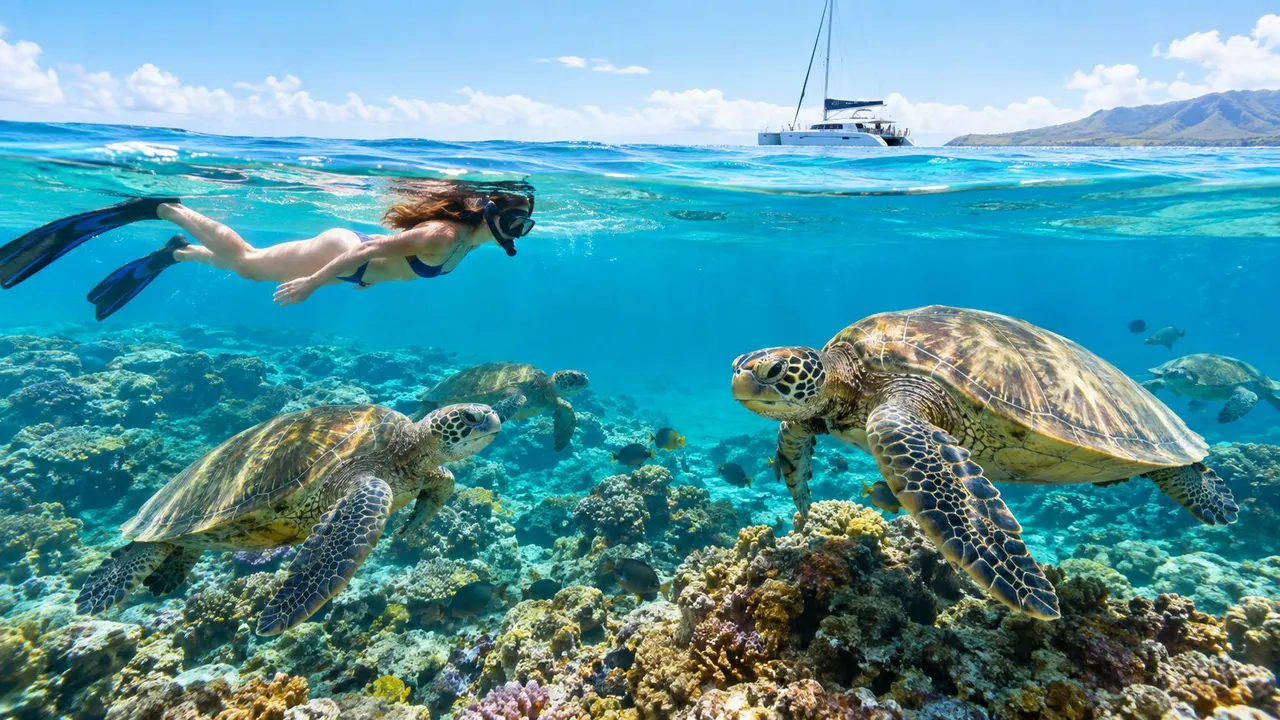
You're sitting over breakfast in Waikiki, comparing two very different ocean plans. One booking promises a relaxed cruise in a protected bay. The other is a Turtle Canyon snorkel adventure, with a boat ride offshore, open-water swimming, and the possibility of seeing Hawaiian green sea turtles at their natural cleaning station.
The questions are practical. Will the children manage the ride? How rough will the water feel? What happens if someone gets seasick or loses confidence in the water? And because turtles are wild animals, how much should you expect from the wildlife encounter?
After hundreds of departures from Kewalo Basin, I've watched families work through this same decision. The people who leave happiest usually understand the trade-off before boarding. Turtle Canyon offers a focused wildlife experience, but it isn't the same as a calm-bay cruise with slides, drinks, and minimal swimming. This guide covers the swim time, water conditions, preparation, accessibility, and the situations where another Oahu snorkel option may suit your group better.
Picture Yourself at Turtle Canyon Before You Book
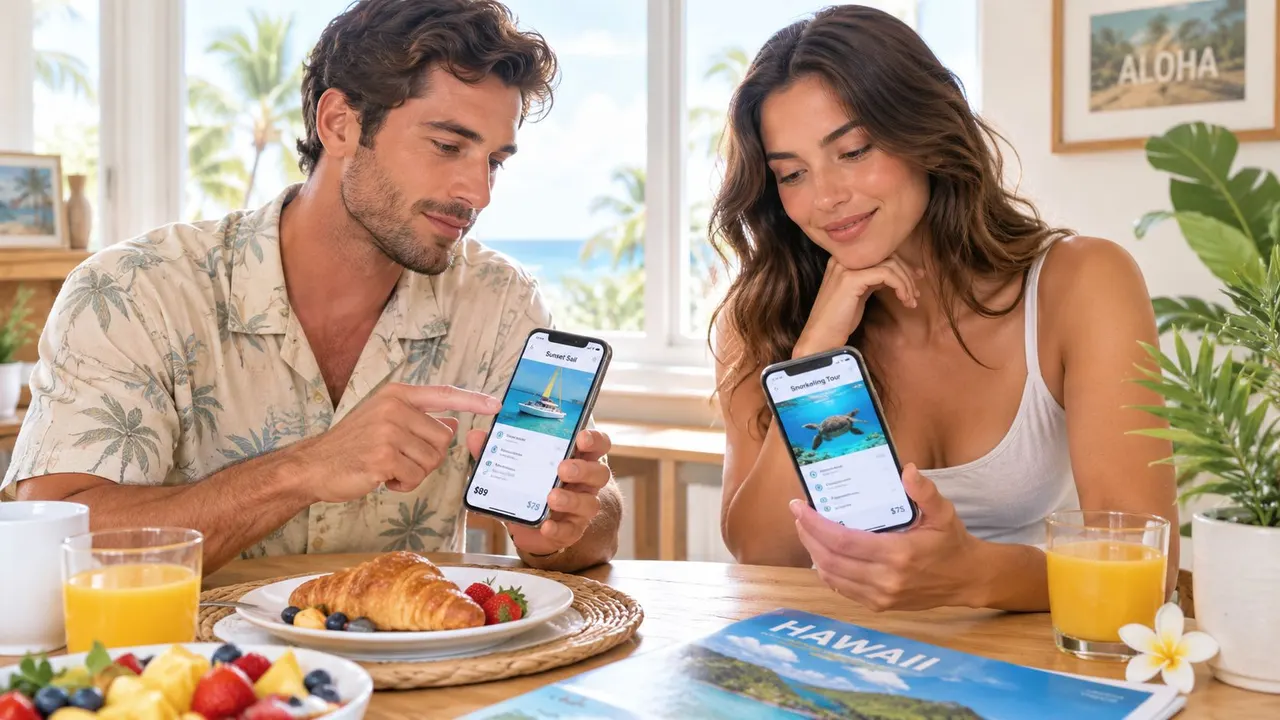
A Waikiki family often reaches the same fork in the road at breakfast. The parents want a memorable ocean outing, one child is excited about turtles, and another is already asking whether the boat will bounce. They're checking departure times while trying to decide whether an offshore reef is a smart choice or whether a more recreational cruise would keep everyone comfortable.
Turtle Canyon is a boat-only reef about 1.5 to 2.5 miles from Waikiki Beach, according to Turtle Canyon's visitor information. It's also described as roughly 15 boat minutes from Kewalo Basin, so the ride itself usually isn't the main challenge. The bigger variables are swell, wind, visibility, swimming confidence, and how your group responds to open water.
The questions I hear at the harbor
Families usually want clear answers to four things:
- Ride comfort: Calm conditions can make the trip easy, while a changing swell can make the boat feel lively.
- Actual water time: The excursion takes longer than the swim itself, with check-in, safety instruction, travel, gearing up, and returning aboard.
- Wildlife expectations: Turtle Canyon is a known cleaning station, but no responsible captain can promise that a wild turtle will appear on cue.
- Backup plans: If the ocean isn't cooperating, the crew may shorten, relocate, or cancel the water portion for safety.
A Turtle Canyon snorkel option from Living Ocean Tours can make sense for guests staying near Waikiki who want a guided wildlife outing without committing to a full-day drive. It makes less sense for someone who wants zero ocean motion, refuses flotation equipment, or expects a party cruise first and a wildlife experience second.
The right booking isn't the one with the boldest promise. It's the one that matches your group's tolerance for movement, swimming, and uncertainty.
What a Turtle Canyon Cleaning Station Is
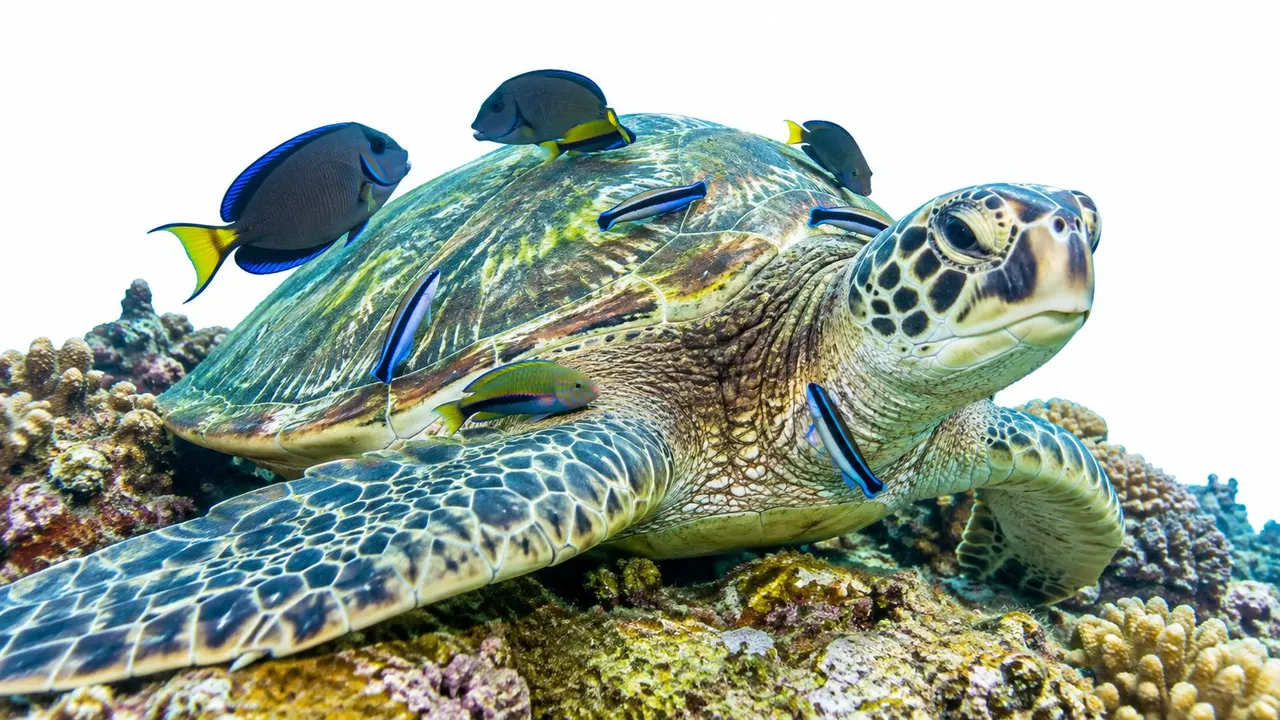
A cleaning station is an active part of the reef, not a designated attraction. Hawaiian green sea turtles, known as honu, hover above reef structure while cleaner fish remove algae, dead skin, and parasites from their shells and flippers. The fish gain food, and the turtles receive a useful service. That relationship can bring turtles back to the same area.
The reef concentrates wildlife
Turtle Canyon lies offshore from Waikiki and includes a shallow reef system. Snorkeling descriptions place parts of the area at roughly 10 to 45 feet deep, according to Kona Honu Divers' Turtle Canyon guide. Other sections extend deeper, while the reef top remains within a manageable surface-snorkeling range.
Depth changes how the trip feels. Guests move over reef contours, ledges, and drop-offs rather than one level swimming pool. The crew chooses an entry point based on wind, current, and visibility, then adjusts the plan if those conditions change. Since the reef is reached by boat, guests cannot enter from Waikiki Beach and expect to find the cleaning station.
A guided trip, such as this Turtle Canyon guided snorkel experience, helps beginners read the reef without chasing wildlife. The guide's job is to position the group, explain where to look, and keep swimmers spread out.
Why turtles return
Cleaner fish provide a dependable service point. A turtle may hover above the same structure while the fish work, giving snorkelers time to observe natural behavior instead of seeing only a quick pass.
Stay calm, keep your distance, and let the turtle choose its direction.
Hawaiian green turtles are federally protected. Guidance from The Hawaii Vacation Guide recommends staying at least 10 feet, or about 3 meters, away whether the turtle is underwater, at the surface, or resting near shore. This spacing protects the animal and leaves a clear route for breathing.
NOAA information cited by Turtle Canyon's FAQ reports that the Central North Pacific nesting population has grown by about 5% per year over the last two decades, reaching almost 500 nesting females annually, compared with 67 in 1973. A visit therefore takes place in a living habitat connected to a long-running recovery effort, not an aquarium-style encounter.
A Real Turtle Canyon Snorkel Excursion Minute by Minute
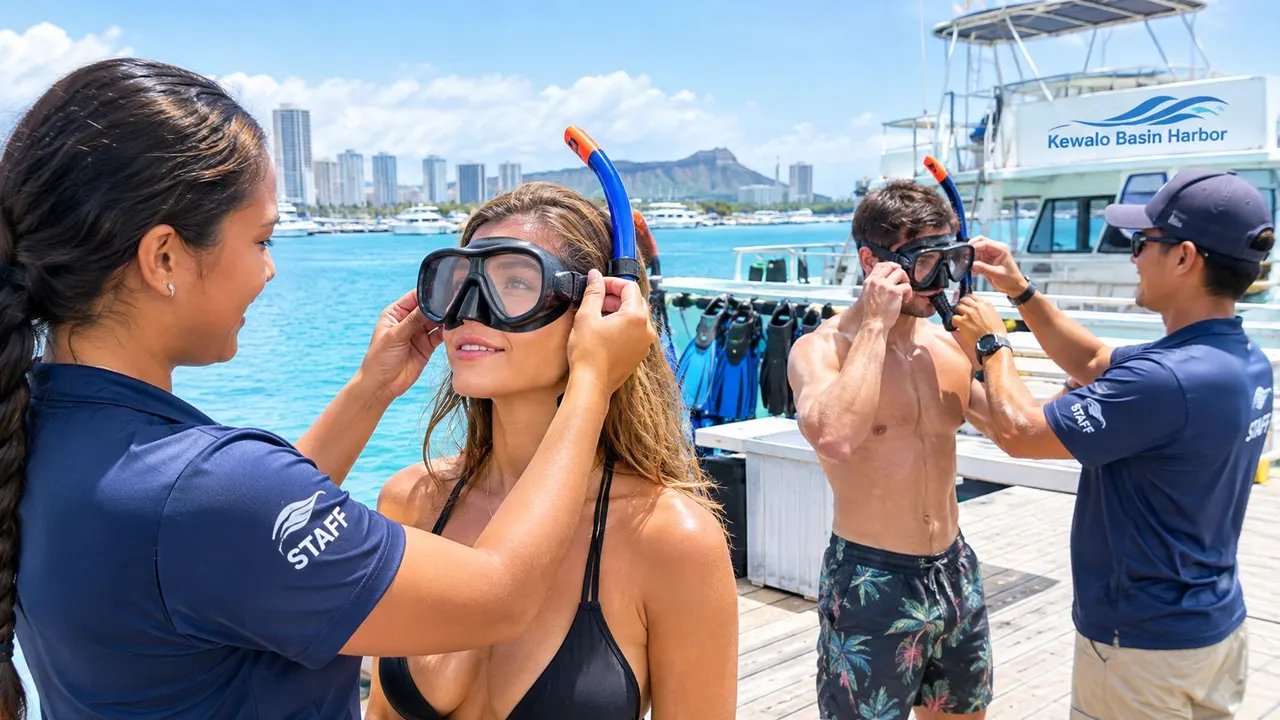
A typical morning starts before the boat leaves the dock. At Kewalo Basin Harbor, guests check in, complete the required paperwork, and meet the crew. Mask fitting happens before departure because a leaking mask can turn an otherwise excellent swim into a frustrating one.
The safety briefing covers boarding, ladder use, flotation equipment, hand signals, and what to do if someone needs help. I pay close attention to the quiet guests at this stage. The person who says they're nervous on the dock is easier to support than the person who hides discomfort until they're already in the water.
From the harbor to the reef
Once underway, the boat heads past Honolulu Harbor and along the Waikiki shoreline. The ride is often described as approximately 15 boat minutes from Kewalo Basin, based on Turtle Canyon's access information, although the exact feel depends on wind and swell.
The crew uses the ride to explain the site. Guests learn how deep the reef is, what the current may do, where they'll enter, and how to use signals for “turtle,” “stay together,” “I'm okay,” and “I need help.” The briefing also reinforces the 10-foot viewing distance, because excitement can make people forget their spacing.
Captain's rule: The best turtle encounter is the one where the turtle never changes its behavior because you're nearby.
At the site, the first entry is deliberate. Guides watch the group, position beginners where they can orient themselves, and point out the reef rather than sending everyone off in different directions. The first few minutes often involve mask adjustments and breathing practice. That's normal, especially for first-time snorkelers.
What the water session feels like
Plan on roughly 30 to 60 minutes in the water, depending on the operator and conditions. Hawaii Activities' Turtle Canyon listing describes typical tours as 2 to 3 hours total, with only part of that time spent snorkeling. That distinction is important for families managing energy, cold, or attention spans.
A guided session may include two entries or one longer water period with an onboard rest. During the first portion, guests settle into breathing and learn to read the reef. During the next, the guide can help them notice turtle behavior, cleaner fish, and the difference between a turtle resting and one preparing to surface.
Back aboard, guests rinse off with fresh water, return equipment, and settle in for the ride toward the harbor. The trip doesn't end when the last turtle disappears. Drying off, collecting belongings, and getting everyone safely off the boat are part of the experience.
Packing and Prep Checklist for First-Time Snorkelers
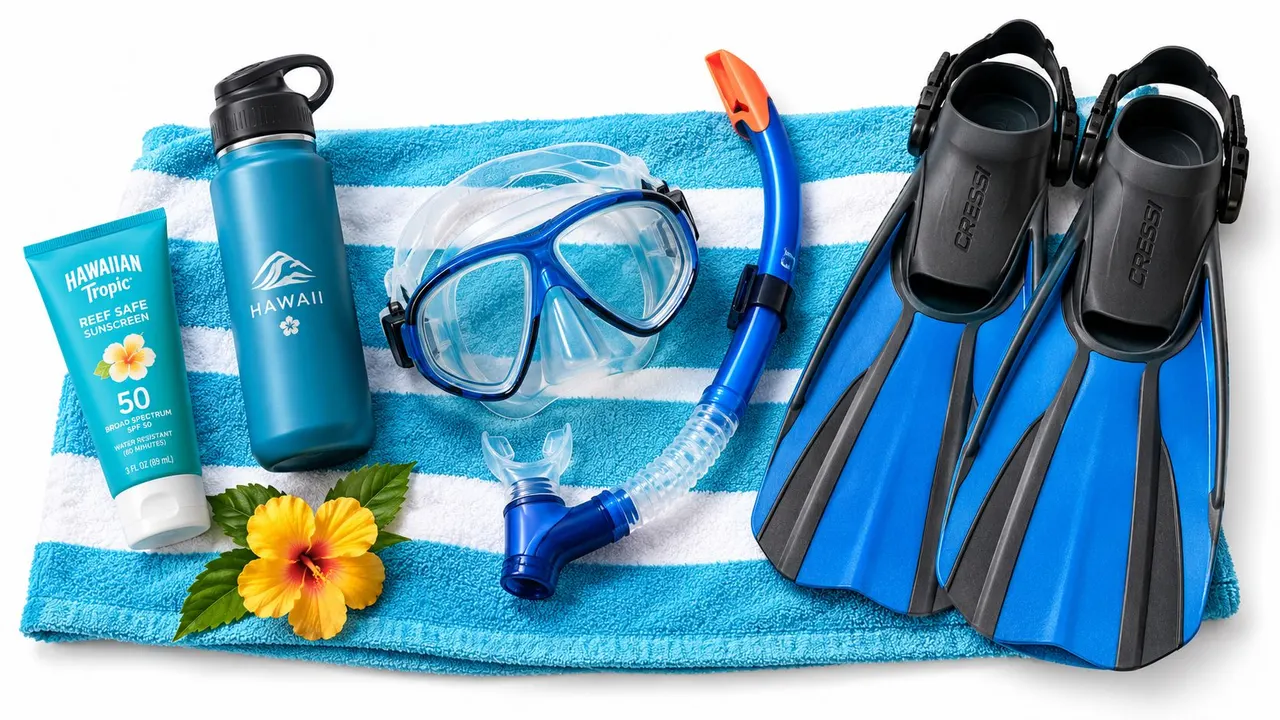
Pack for sun, salt water, and a boat that may move under your feet. You don't need to buy a full snorkel kit before your first trip. Reputable operators generally provide the core equipment, including masks, snorkels, fins, flotation belts, and life jackets.
Bring the personal items that make the day easier:
- Reef-safe mineral sunscreen: Choose a zinc-oxide formula and avoid oxybenzone. Apply it before boarding and reapply as directed.
- Rashguard or light wetshirt: This helps with sun exposure and can make a cooler swim more comfortable.
- Swimwear under your clothes: Changing space on a boat is limited, so arrive ready to get in the water.
- Towel and dry clothing: A dry layer makes the ride back more pleasant.
- Dry bag: Protect your phone, keys, wallet, and other items from spray.
- Water shoes: These can help guests with sensitive feet while using the boarding ladder, although they aren't essential for everyone.
Prepare your stomach and your expectations
If you're prone to motion sickness, take your preferred remedy before departure according to its label and your healthcare provider's advice. The plan notes many guests use medication around 30 minutes before leaving Kewalo Basin, but medication timing varies by product, so follow the instructions for what you take.
Hydrate the night before and keep breakfast light. A heavy meal immediately before a moving boat ride is a poor combination, especially if the ocean has a noticeable chop. Morning trips often appeal to families because earlier conditions can be calmer, but weather still controls the day.
Living Ocean Tours' snorkeling gear information is useful for confirming what the operator supplies. Before leaving your hotel, check that you have arrived with enough time to find the harbor, confirm the meeting point, and speak candidly with the crew about swimming comfort.
Turtle Canyon Versus Other Oahu Snorkel Options
Turtle Canyon is a targeted wildlife trip. Other Oahu options may offer easier entry, more protected water, a longer drive through the island, or more onboard entertainment. Choosing well means deciding what your group wants the ocean time to accomplish.
| Option | Water Depth | Crowd Level | Wildlife | Travel From Waikiki | Beginner Fit |
|---|---|---|---|---|---|
| Turtle Canyon | Shallow offshore reef, with areas described around 10 to 45 feet | Can feel concentrated at the reef | Wild Hawaiian green sea turtles and reef fish | Short boat ride from Waikiki-area harbor | Good in calm conditions with flotation and guidance |
| Hanauma Bay | Shallow shore-access reef | Entry and reef areas can feel busy | Reef fish and occasional wildlife | Land travel from Waikiki | Suitable for confident shore snorkelers who manage entry well |
| North Shore boat tours | Varies by site and conditions | Depends on departure and season | Reef wildlife, with some trips focused on sharks or turtles | Longer drive from Waikiki before boarding | Better for guests willing to spend more of the day traveling |
| Recreational catamaran cruise | Varies by route | Often larger social groups | Wildlife is secondary to onboard activities | Convenient from Waikiki-area departures | Strong fit for guests who want slides, rides, and a social atmosphere |
Match the trip to the group
Choose Turtle Canyon when a wild turtle encounter is the priority and everyone can manage a boat departure plus open-water flotation. Choose Hanauma Bay when your group prefers land access and a shallow reef, while accepting that entry logistics and crowding can shape the day.
North Shore tours suit travelers who want the drive to become part of the adventure. A recreational catamaran is the better call for families who care as much about a waterslide, trampoline, music, or a relaxed social deck as they do about identifying reef behavior.
The Turtle Canyon comparison guide is useful if you're weighing an offshore turtle site against a broader recreational snorkeling plan. Don't choose by marketing language alone. Choose by how much motion, swimming, travel, and wildlife uncertainty your group can comfortably handle.
Who This Adventure Is Best For and Who Should Pick Something Else
Turtle Canyon works particularly well for visitors staying in Waikiki who want a focused ocean outing without spending the entire day on the road. The boat access keeps the logistics compact, while the reef's cleaning-station behavior gives the swim a clear purpose beyond looking for colorful water.
Groups that usually make a good match
- First-time snorkelers: Calm conditions, a crew briefing, flotation equipment, and a guide in the water can make the experience approachable.
- Families with children around five and older: Older children who can follow instructions and float comfortably usually get more from the trip than toddlers who need constant hands-on support.
- Couples and small groups: The outing provides a concentrated marine experience without requiring a full-day island excursion.
- Wildlife-focused travelers: Guests who would rather observe a honu than spend the afternoon on a party deck are choosing the right format.
The biggest mistake is treating “beginner-friendly” as “no swimming required.” A flotation vest helps, but you still need to be comfortable floating face-down, breathing through a snorkel, climbing a ladder, and following crew directions.
When to book carefully
Nervous swimmers, older guests with mobility limitations, and people who get seasick can still consider Turtle Canyon, but they should plan conservatively. Morning departures may be preferable for comfort, and anyone considering motion-sickness medication should discuss appropriate options with a qualified healthcare professional.
If a guest can't honestly say they're comfortable floating in open water, I'd rather hear that at check-in than after they're in the sea.
Pick another activity if your group wants zero water contact, has severe motion sickness, or expects a party-boat atmosphere. Families traveling with children under the operator's minimum age should confirm eligibility directly rather than assuming a small child can join. Travelers visiting during periods of stronger south swell should also keep a land-based or protected-water alternative available, because conditions can make an offshore reef less enjoyable even when the trip remains technically possible.
Booking, Price, Seasonality, and How to Lock In Your Spot
Book around conditions first, then convenience. Turtle Canyon is described as a year-round snorkel site, but the best experience still depends on the day's wind, surf, current, and visibility. Turtle Canyon's visitor guidance emphasizes checking conditions, going early when practical, and giving turtles room rather than crowding them.
Summer often brings calmer south-shore conditions, while winter can bring more challenging swell. Winter may also feel less crowded, but a lower-demand date isn't automatically a better wildlife day. Ask the operator how they handle rough conditions, whether they relocate, and what happens if the captain cancels the water portion.
Reserve according to demand
Peak summer and holiday periods deserve earlier planning. Shoulder-season travelers can often monitor availability closer to departure, but waiting too long creates problems for families who need several seats together or have only one usable morning.
Don't assume every boat has the same layout. Some vessels carry larger groups, while smaller boats can feel more personal in the water. Private charters may work better for extended families, celebrations, or groups that need a flexible pace.
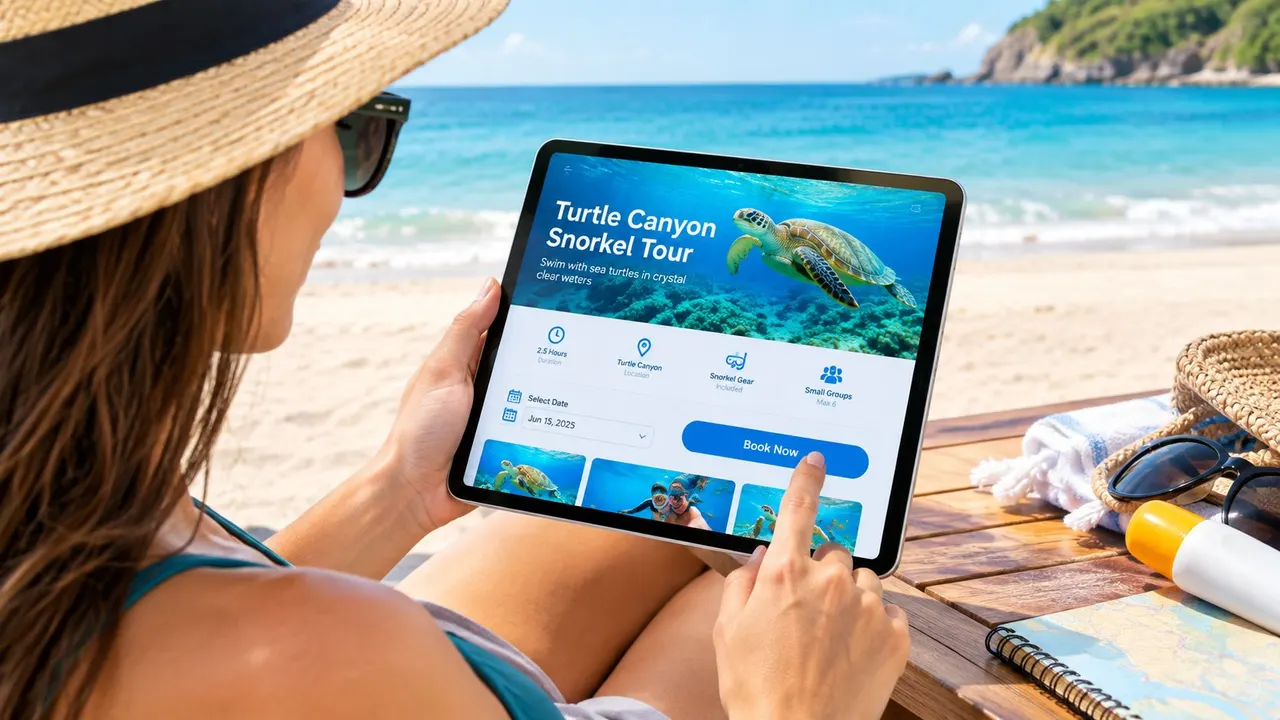
Price also varies by operator and inclusions. Compare the standard adult ticket, child rate, resident or kamaaina discount, equipment, flotation, guide support, and cancellation terms, rather than comparing the headline price alone. Most operators describe weather cancellations differently from voluntary cancellations, so read the policy before paying.
Confirm the details that cause morning stress
Before departure day, verify:
- The exact harbor meeting point and check-in window.
- Parking availability and walking distance.
- Minimum age and swimming requirements.
- What happens during unsafe weather.
- Whether voluntary cancellations require advance notice.
This Turtle Canyon tour cost guide can help you organize those questions before booking. Online reservations are convenient, but calling directly is worthwhile when your group includes young children, weak swimmers, mobility concerns, or a complicated schedule.
Turtle Canyon FAQs Most Guides Never Answer
How likely are we to see a turtle
Under normal conditions, guests typically see at least one Hawaiian green sea turtle, and multiple sightings are common. Some operators report encounter rates as high as 95% to 98%, as noted by Living Ocean Tours' Turtle Canyon information, but those figures are operator reports rather than government wildlife statistics.
That distinction matters. A captain can choose a productive site, read turtle behavior, and guide guests responsibly, but nobody can guarantee a wild animal's location. Strong swell, reduced visibility, crowding, or turtles moving away from the cleaning station can all change the experience.
Can non-swimmers participate
Weak swimmers may be accepted when they're comfortable floating face-down in open water and following crew direction. Flotation snorkel vests, belts, and life jackets can add support, but they don't remove the need to stay calm, breathe through the snorkel, and use the ladder safely.
If someone panics when their face enters the water, a boat snorkel may not be the right first ocean activity. A protected beach environment or a recreational cruise with easier onboard options may provide a better introduction.
What age can children be
The minimum age is generally 5 years old, but policies vary by operator and boat. Younger children count toward capacity, so families bringing several small children should call ahead to confirm the vessel's seating, flotation, shade, and supervision arrangements.
Age alone doesn't predict readiness. A child who listens well, floats comfortably, and accepts a mask may enjoy the trip. A technically eligible child who dislikes water on the face may spend the whole outing on deck.
What makes a smaller guided operation different
A focused operator may emphasize in-water guidance, smaller groups, reef-safe sunscreen practices, and strict wildlife spacing rather than treating the reef as a quick stop between onboard activities. Living Ocean Tours is described as a highly reviewed Oahu snorkel company, and its Turtle Canyon excursion includes gear, instruction, and professional in-water guides.
The practical difference is attention. A guide who watches the group can help with mask leaks, flotation, breathing, and turtle positioning before a minor concern becomes a failed swim. Look for an operator whose safety briefing is specific, whose cancellation policy is clear, and whose crew treats the reef as habitat rather than a prop.
Living Ocean Tours offers guided Turtle Canyon snorkeling from the Waikiki area with gear, flotation support, safety instruction, and in-water guidance for beginners and families. Visit Living Ocean Tours to check the Turtle Canyon excursion, confirm current conditions and requirements, and choose a departure that fits your group.


