
Turtle Canyon Snorkel: Stay Comfortable Without Standing
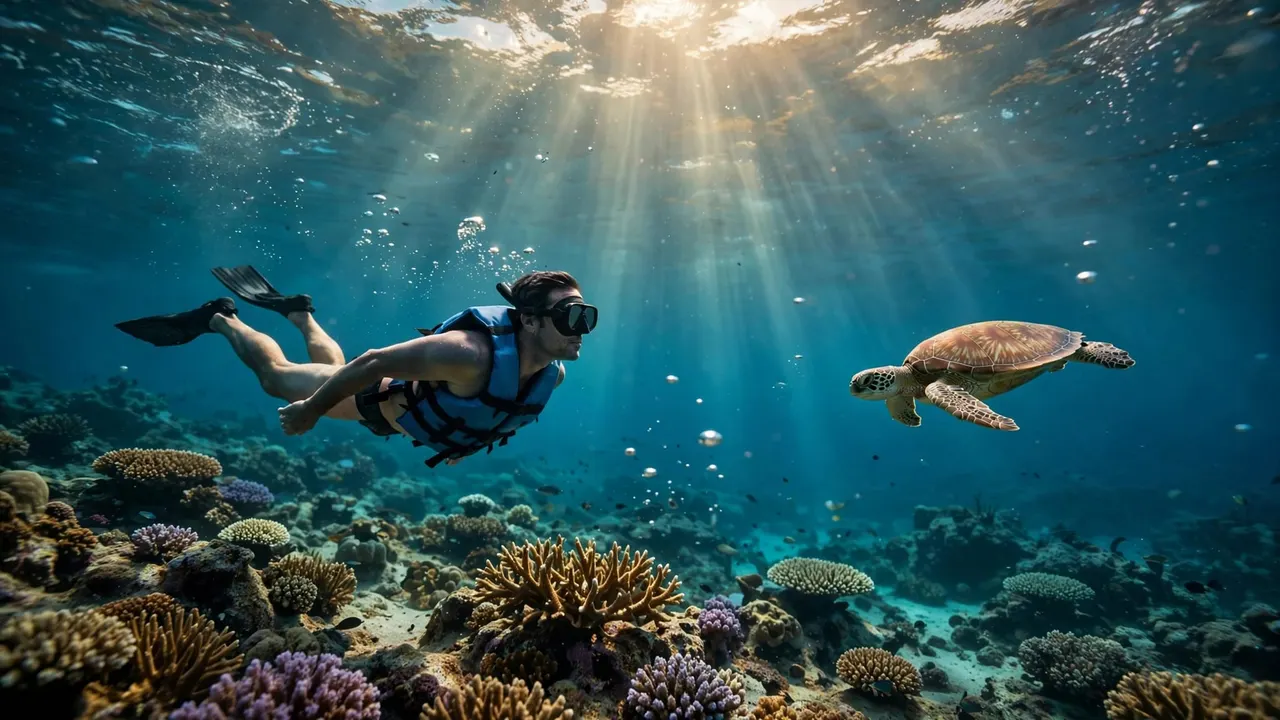
Your first instinct in the water might be to put your feet down. Around a reef, that can damage living coral and make you less stable. A turtle canyon snorkel is more comfortable when you treat it as a surface-floating experience, not a swim that requires you to stand.
Living Ocean Tours runs guided trips from Kewalo Basin Boat Harbor near Waikiki, with support for first-time snorkelers, families, and confident swimmers. You can slow down, use flotation support, and enjoy the reef without forcing yourself to cover a lot of water.
Why a turtle canyon snorkel doesn’t require standing
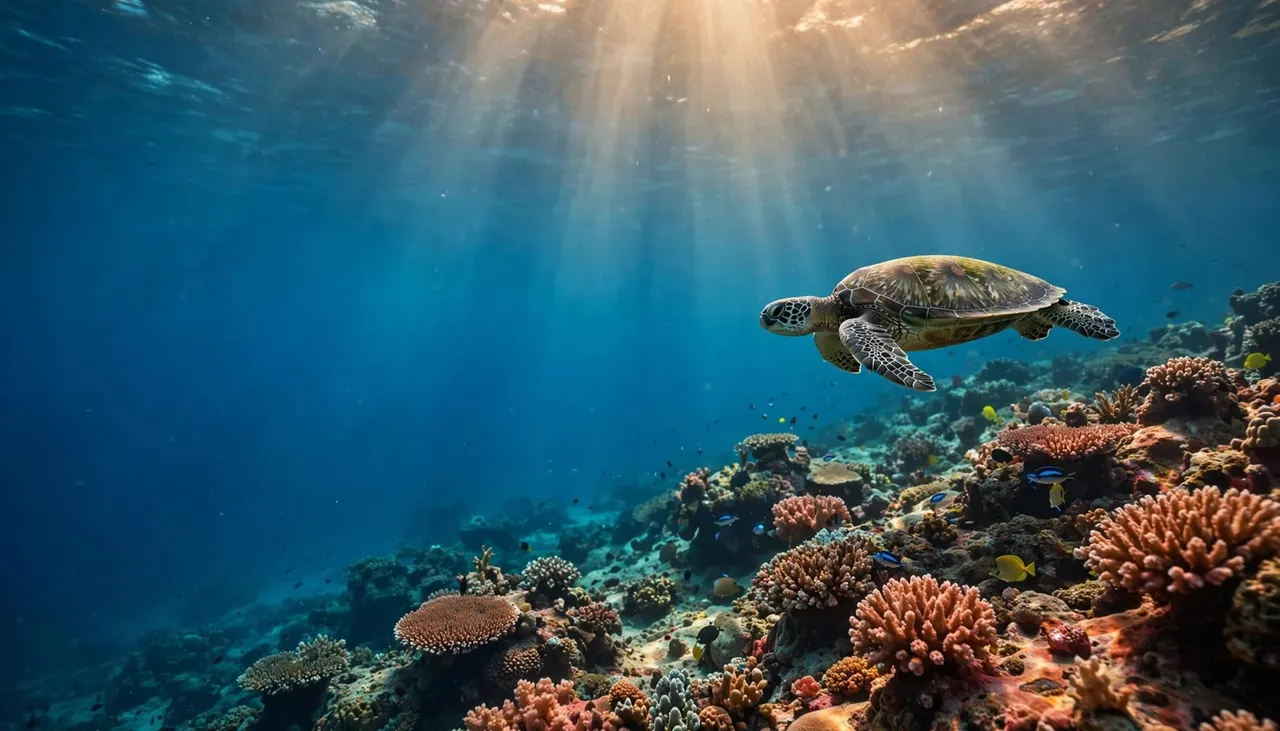
The reef below Turtle Canyons is where you look, not where you plant your feet. A stable float keeps your fins clear of coral and gives you a wider view of fish, changing light, and any honu moving through the area.
Hawaii Ocean Safety advises snorkelers never to stand on coral reef. Its snorkeling safety guidance also recommends skipping the water when conditions appear dangerous. A crew briefing and your own comfort level should guide the day.
The reef is living habitat
Coral may look like rock from the surface, yet it is a living animal habitat. Standing on it, grabbing it for balance, or stirring sand with your fins can harm the reef and cloud the water for everyone nearby.
Instead, stay horizontal with your hips near the surface. Slow, compact kicks give you control without sending your feet down. If you drift toward shallow coral, signal your guide and reposition rather than trying to stand.
Surface floating gives you more time
You don’t need to dive beneath a turtle or chase the group to have a meaningful view. Most snorkeling happens at the surface, where you can breathe steadily and watch the reef at your own pace.
Flotation support helps your body stay level. That position also gives you time to look around before moving, which matters when another guest, a turtle, or a school of fish changes direction nearby.
The most comfortable snorkeling position is usually horizontal, calm, and close enough to the boat or guide that you can ask for help early.
Use a calm, no-standing routine
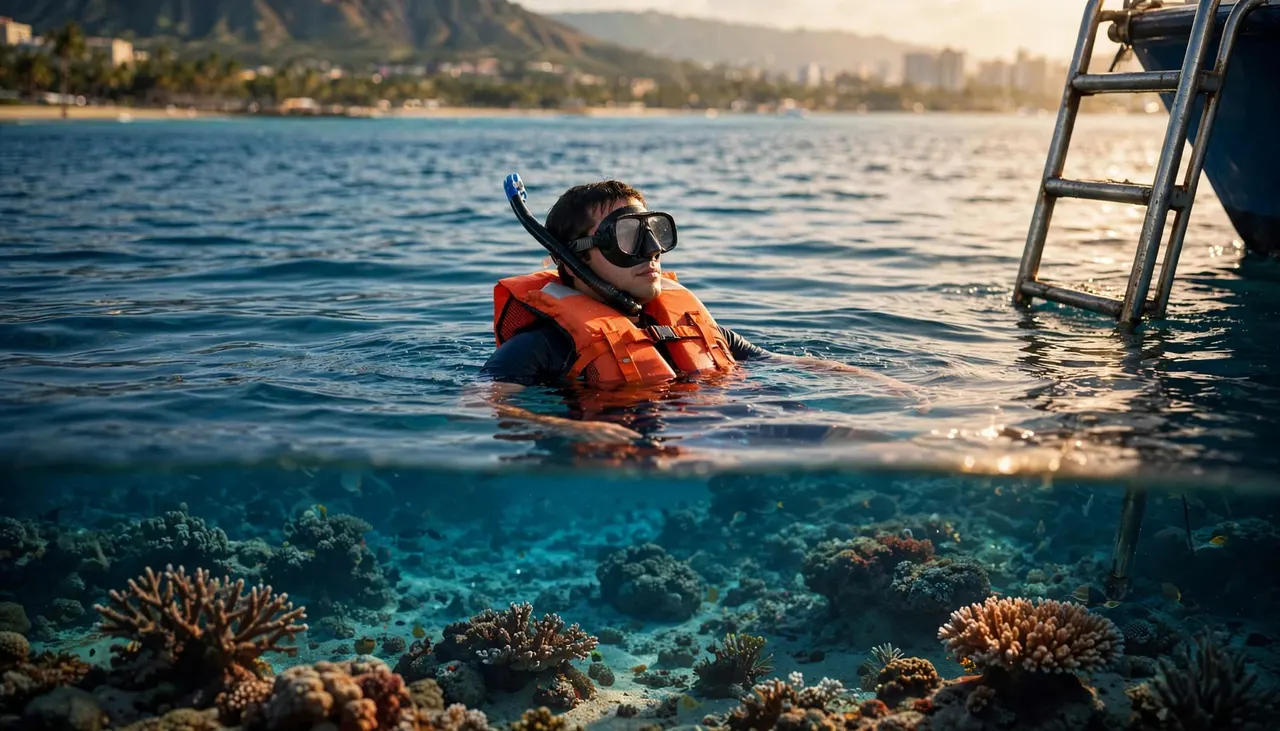
A turtle canyon snorkel feels easier when you settle your gear and breathing before you move away from the ladder. You don’t need to prove that you can swim far. A small, relaxed area of reef can hold plenty to see.
Test your mask near the boat
Before you head toward the reef, place your face in the water and take several slow breaths through the snorkel. Notice whether your mask seal feels comfortable and whether your fins feel secure.
If water enters the mask, don’t tighten the strap until it hurts. Move hair away from the silicone skirt, center the mask, and ask for help. A small adjustment near the boat prevents a frustrating swim later.
Keep your snorkeling partner in sight. Agree that if either of you feels tired, cold, or uneasy, you will signal the guide and return together.
Let your fins do less work
Big bicycle kicks waste energy and can pull your body upright. Keep your legs long behind you, ankles loose, and kicks small. You will move more quietly and stay above the reef with less effort.
When you need to pause, stop kicking and float. Lift your head slowly to orient yourself, or roll onto your back if the crew says it is safe to do so. If you feel anxious, dizzy, or tired, head for the ladder before discomfort grows.
Professional support makes floating easier
Living Ocean Tours is the only tour company with professional snorkel guides in the water with you. That makes a practical difference when you are new to snorkeling, returning after years away, or helping a child get comfortable.
The crew can help you fit your mask, choose flotation support, understand the water-entry plan, and find a calm position. You can focus on the ocean instead of fixing a loose fin while drifting over the reef.
Guides help keep wildlife routes open
A turtle may surface, turn, or glide toward a different part of the reef without warning. Your guide can help the group spread out and keep an open route rather than crowding the animal.
That support is useful even if you are a strong swimmer. Snorkeling adds a mask, fins, surface breathing, changing water movement, and shared space around wildlife. A professional guide helps you stay aware without turning the experience into a test.
Comfort comes before water time
You can choose a shorter swim. You can return to the boat. You can also remain aboard and enjoy the Waikiki coastline if the water does not feel right that day.
Coast Guard-inspected double-decker vessels used by Living Ocean Tours include shaded seating, restrooms, dry storage, and sturdy ladders. Those details give you a comfortable place to reset before or after your time in the water.
Give turtles and coral room
The wildlife encounter feels better when the animals can act naturally. A turtle canyon snorkel should leave you with a clear memory of a turtle moving freely, not a rushed photo taken too close.
Living Ocean Tours reports a 95% turtle-sighting rate at Turtle Canyons. Still, Hawaiian green sea turtles are wild animals, and no outing can promise a sighting. Some trips may bring several turtles near the reef, while others may offer fish, coral, and a brief glimpse.
Follow the 10-foot turtle guideline
NOAA Fisheries recommends staying at least 10 feet, or 3 meters, away from sea turtles in Hawaii, both in the water and on land. Review NOAA’s marine-life viewing distances before your trip.
Stay to the side rather than floating directly above a turtle. Never block its route toward open water or the surface. If a turtle moves closer, hold your position or calmly move away instead of reaching for a better angle.
Never touch, feed, or follow a honu
NOAA Fisheries states that you should never feed or touch sea turtles. Its green turtle guidance also reminds boaters to avoid injury to turtles in the water.
You protect the experience when you do not chase, surround, touch, or feed wildlife. A patient float often gives you the best view because the turtle decides where it wants to go. Your job is to leave the route open.
Choose the turtle-focused outing that fits you
The Turtle Canyon snorkel excursion is built for guests who want a guided visit to Waikiki’s offshore turtle habitat. You receive gear, instruction, flotation support, and professional in-water guidance.
Tell the crew if you are nervous about open water, prone to motion sickness, haven’t used fins recently, or are helping a younger snorkeler. Honest details help the crew support you before you enter.
Start with a simple plan
Arrive rested, eat a light meal if that works for you, and drink water. Wear a secure swimsuit, and bring a towel and a cover-up for the ride back. A rash guard can add sun coverage and make a longer float more comfortable.
Before entering, decide that you will stay near your buddy and follow the slower swimmer’s pace. You don’t need to cover every part of the reef to enjoy your turtle canyon snorkel.
Book when your group feels ready
Choose a day when you have time to listen to the safety briefing and move at an unhurried pace. The ocean sets the conditions, while you set your level of participation.
When you are ready for guided support close to Waikiki, CHECK AVAILABILITY for a Turtle Canyons outing.
Key Takeaways
- Keep your body horizontal and use slow fin kicks, because surface floating protects the reef and saves energy.
- Test your mask and snorkel close to the boat, then ask for help before a minor fit issue becomes stressful.
- Use flotation support based on your comfort level, not what you think an experienced snorkeler should wear.
- Stay at least 10 feet from Hawaiian green sea turtles, and never touch, feed, chase, or surround them.
- Tell your guide early if you feel tired, cold, anxious, or uncomfortable. Returning to the boat is always a sound choice.
Frequently asked questions
Is a turtle canyon snorkel good for beginners?
Yes, beginners can enjoy the experience when they receive clear instruction, fitted gear, flotation support, and in-water help. Stay near your guide, start close to the boat, and take the first few minutes slowly.
You do not need to be an advanced swimmer to appreciate the reef. However, you should be honest about your ability and follow all crew guidance.
What if you feel uncomfortable in the water?
Signal your guide, stop kicking, and float while you regain your breathing rhythm. If you still feel uneasy, return to the ladder with support rather than pushing through discomfort.
A comfortable, shorter swim is better than an exhausting one. You can still relax in the shade, enjoy the scenery, and watch for wildlife from the deck.
Can you stand if your mask leaks?
Avoid standing on coral or reaching for the reef. Lift your head, signal your guide, and move toward the boat or a safe area as directed. Your guide can help adjust the mask and decide whether you should try again.
Enjoy the Reef at Your Own Pace
The best turtle canyon snorkel is not measured by distance, depth, or how long you remain in the water. It is measured by your comfort, your awareness of the reef, and the space you give the wildlife around you.
With a fitted mask, flotation support, and a professional guide nearby, you can float calmly above Turtle Canyons and let the ocean set the pace.


